- English
- French
- German
- Portuguese
- Spanish
- Russian
- Japanese
- Korean
- Arabic
- Greek
- German
- Turkish
- Italian
- Danish
- Romanian
- Indonesian
- Czech
- Afrikaans
- Swedish
- Polish
- Basque
- Catalan
- Esperanto
- Hindi
- Lao
- Albanian
- Amharic
- Armenian
- Azerbaijani
- Belarusian
- Bengali
- Bosnian
- Bulgarian
- Cebuano
- Chichewa
- Corsican
- Croatian
- Dutch
- Estonian
- Filipino
- Finnish
- Frisian
- Galician
- Georgian
- Gujarati
- Haitian
- Hausa
- Hawaiian
- Hebrew
- Hmong
- Hungarian
- Icelandic
- Igbo
- Javanese
- Kannada
- Kazakh
- Khmer
- Kurdish
- Kyrgyz
- Latin
- Latvian
- Lithuanian
- Luxembou..
- Macedonian
- Malagasy
- Malay
- Malayalam
- Maltese
- Maori
- Marathi
- Mongolian
- Burmese
- Nepali
- Norwegian
- Pashto
- Persian
- Punjabi
- Serbian
- Sesotho
- Sinhala
- Slovak
- Slovenian
- Somali
- Samoan
- Scots Gaelic
- Shona
- Sindhi
- Sundanese
- Swahili
- Tajik
- Tamil
- Telugu
- Thai
- Ukrainian
- Urdu
- Uzbek
- Vietnamese
- Welsh
- Xhosa
- Yiddish
- Yoruba
- Zulu

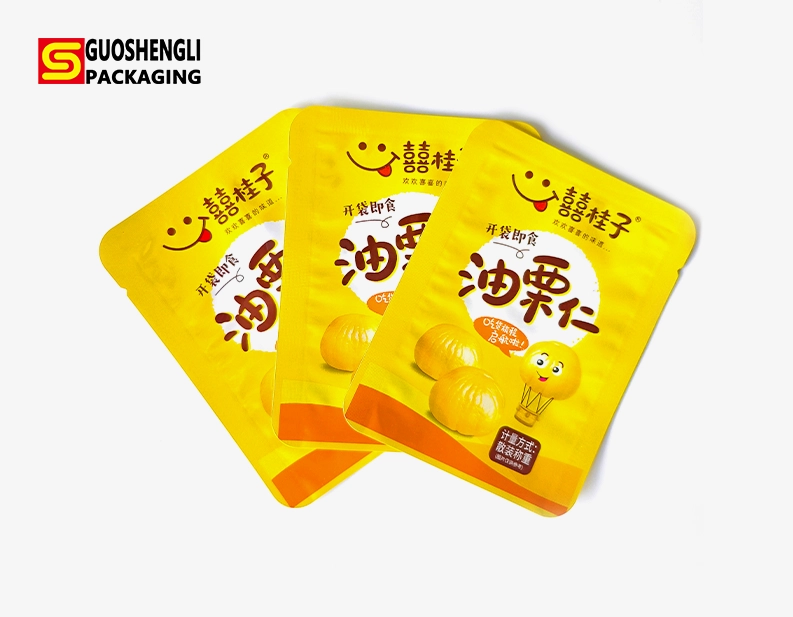
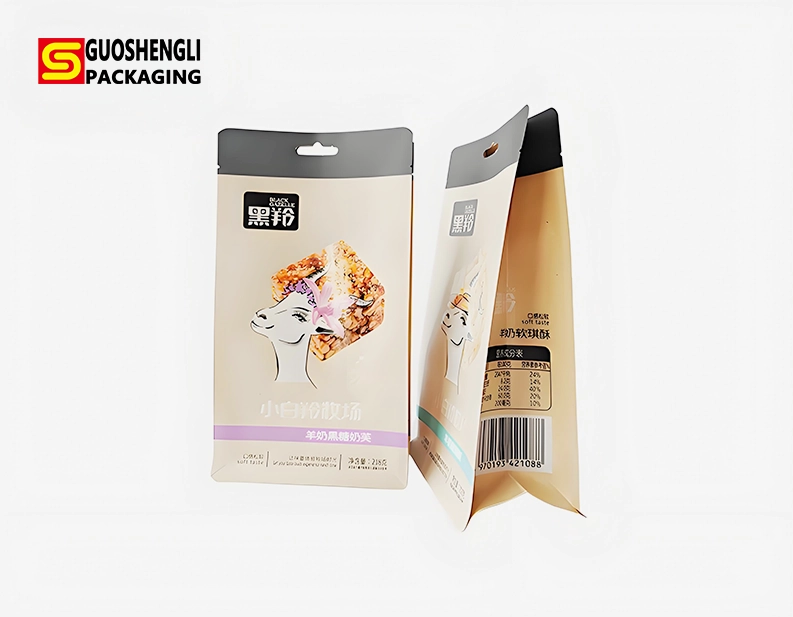
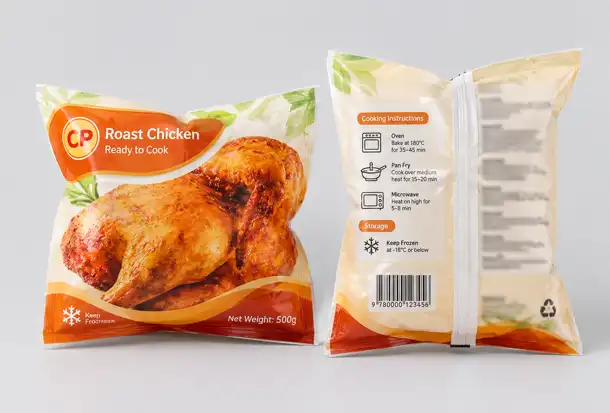
The fin seal pouch is the preferred packaging format for high speed candy production lines throughout the United States and the world. It is also called pillow pouch or back seal pouch. The films are sealed together on their inner surfaces to form a fin running down the back panel, making an airtight, robust structure. This configuration gives candy makers using high-speed Form-Fill-Seal equipment reliable seal integrity, cheap cost-per-unit and good retail shelf appeal – especially when paired with clear window panels that give consumers direct product visibility.
Understanding Fin Seal Pouches for Candy Packaging
Before you choose a package type, it’s helpful to understand how a fin seal pouch works and why it’s such a wonderful fit for creating sweets.
What Makes It a Fin Seal Design
To build a fin seal pouch, fold flexible film in half and glue the insides together, forming a back fin that sticks out. The close is firmer, more regular, when you use this method to seal inside to inside than when you use a lap seal: inside to outside. The pillow shape formed is effective on both Vertical Form-Fill-Seal (VFFS) and Horizontal Form-Fill-Seal (HFFS) lines at rates of dozens to over one hundred packs per minute.
Materials Used in Candy Packaging Films
Standard constructions are made up of several layers of laminate. A common structure is an outside layer of PET or BOPP for print quality and strength, a middle layer of MET-PET, aluminium foil, or EVOH to prevent oxygen and moisture ingress, and an interior layer of PE or CPP to provide heat sealability. These designs provide low Oxygen Transmission Rates (OTR) and low Water Vapour Transmission Rates (WVTR). These are critical for sweets shelf life. Most systems are designed to function with nitrogen cleaning.
How Clear Windows Are Integrated
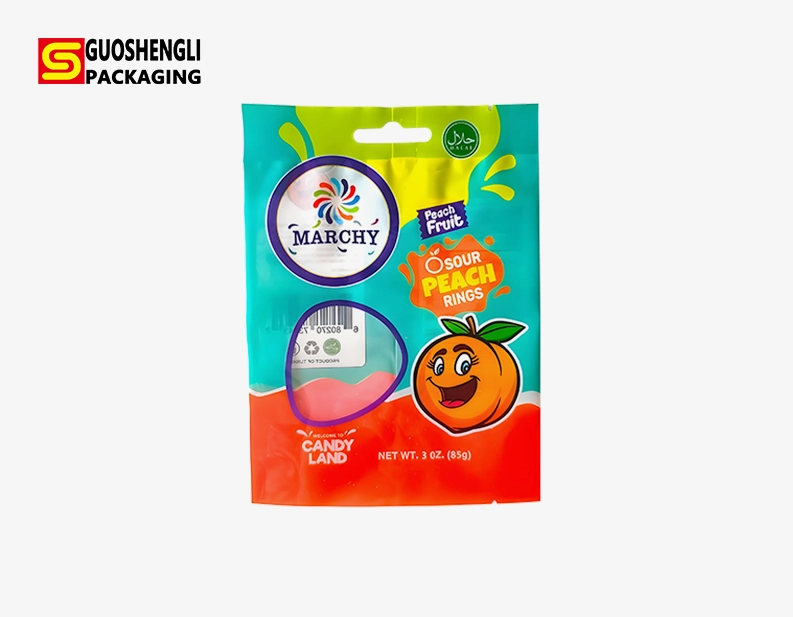
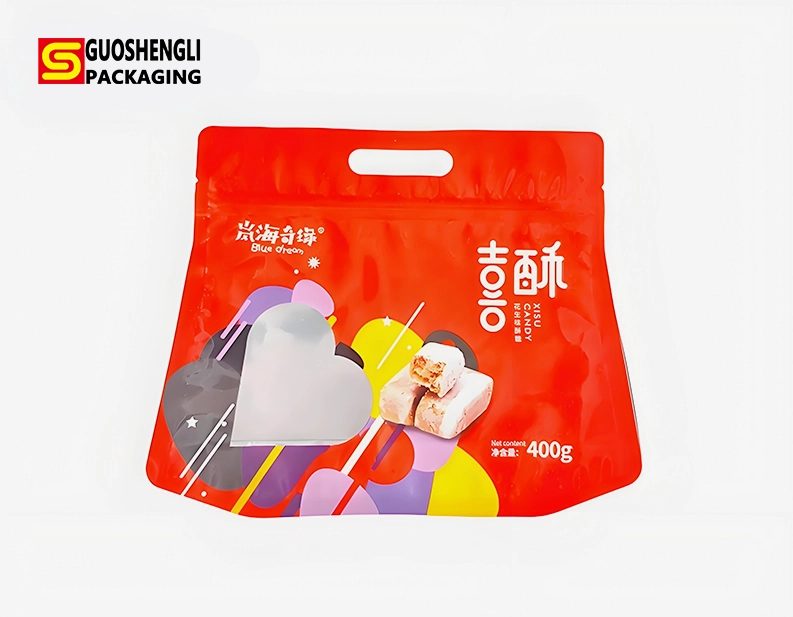
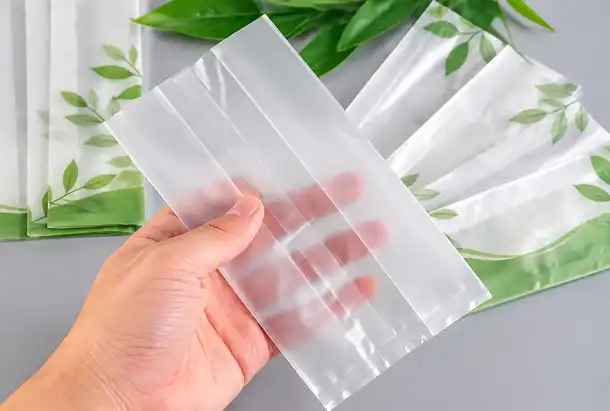
The outer layer of film is printed using rotogravure to create clear windows, creating a clear region of unprinted film there. The window part is made of PET or OPP film because it is clear by nature. The technique does not reduce the barrier in the opaque regions. If the die line is properly designed, the window will line up perfectly once the pouch is made, allowing customers to view the colour and texture of the candy without compromising the structure.
Clear Windows in Fin Seal Pouches: Boosting Retail Appeal
Packaging that also functions as a barrier and a sales tool is a major focus for retail buyers and procurement teams in the confectionery sector. A clear window on a fin seal bag solves both problems.
Why Transparency Drives Purchasing Decisions
According to the Packaging Digest industry report (2022), more than 60% of consumers are more likely to buy food products when they can see the contents directly. Candy’s triggers for purchase are big on colour and visual texture. A pillow pouch with a window allows the product to be seen without the buyer having to open it, decreasing returns and establishing confidence in the consumer at shelf level.
Print Strategies That Work Alongside Windows
The full front and rear print sections allow candy brands space for brand branding, ingredient listings and regulatory compliance language. Rich, intricate designs can be printed on the window panel using rotogravure printing up to 10 colours. With the clear panel, you may combine matte or glossy treatments, metallic effects, and spot coatings. The result: a premium looking fin seal bag that doesn’t cost premium to produce.
Retail-Ready Features: Euro Holes and Hang Display
The fin seal pouch has a euro hole punched into the top panel for hanging display on peg hooks for retail shelf positioning. Euro holes are a standard feature on candy aisles in all major U.S. grocery and convenience formats. Tear notches enhance consumer convenience and optional resealable zipper strips enable multi-serve product configurations. These add-ons are defined at design time and, if designed correctly, do not alter the line speed.
Comparing Fin Seal Pouches with Other Packaging Options for Candy
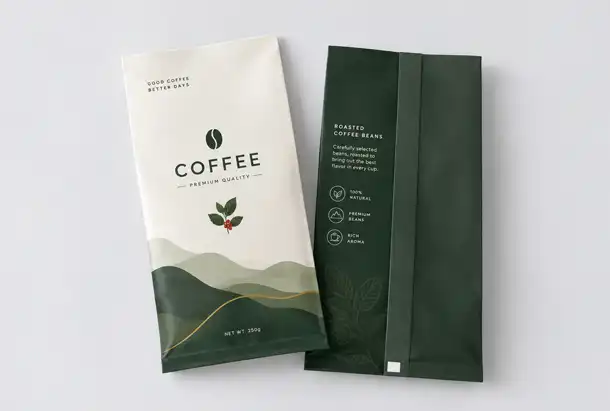
Before signing a yearly supply deal, procurement teams often look at a number of different formats. This is how the fin seal pouch stacks up against its main rivals.
Fin Seal vs. Side Seal and Stand-Up Pouches
When you use a side seal pouch, both vertical edges are sealed. This uses more material per unit and usually takes longer on automated lines. A bottom flap is added to stand-up bags, which makes them more complicated and costs more in materials. The fin seal pillow design makes better use of film and uses less material per unit. This makes it the best format when unit cost and line speed are the most important factors, which they are for most candy makers who make a lot of candy.
Resealable vs. Non-Resealable Configurations
Fin seal pouches that can't be resealed work best for single-serve candy and are the cheapest option for bulk retail packs. For multi-serve forms where keeping the product fresh after opening is important to customers, resealable versions with built-in zipper strips are available. The barrier film works the same way in either case. The choice depends on the size of the serving, the way the product is sold, and the type of customer you want to reach.
Barrier Performance Comparison
The fin seal pouch with a high-barrier laminate structure always has lower OTR and WVTR values than simple flow-wrap or lap seal formats. This directly means that the food will last longer, be returned less often because of wetness damage, and be able to be flushed with nitrogen for foods that are sensitive to oxygen, like gummies or chocolate-covered treats.
Procurement Guide: Sourcing the Best Fin Seal Pouches for Candy
There's more to choosing the right fin seal pouch provider than just looking at prices per thousand pieces. Before signing an annual framework agreement, production managers and procurement directors need to look at a number of factors.
Certifications and Compliance Requirements
For candy sold in the U.S., FDA food contact rules must be followed at all times. Being certified in ISO 9001 quality management means that the process is always being controlled. BRC certification for food packaging gives buyers who supply big retail chains an extra layer of security. Before you approve a new film provider, you should always ask for their most recent certifications and test results from a third party that check for oxygen barrier, migration, and seal strength.
MOQ, Lead Times, and Bulk Pricing
It is usual to need 10,000 pieces of each design for custom fin seal pouches to be printed with rotogravure. Digital printing options allow for lower MOQs, which works well for SKUs that are seasonal or on sale. For rotogravure orders, the lead time is usually between 15 and 20 working days. For digital printing orders, the lead time is as little as 7 days. For long-term deals with a lot of units, bulk price cuts the cost per unit by a large amount. By ordering every three months under a framework agreement, prices are locked in and production capacity is guaranteed during busy candy seasons.
Supplier Capacity and Trial Run Process
The yearly production ability of a supplier has a direct effect on supply security. Guoshengli Packaging can handle 20,000 tons of goods every year, thanks to its 49 turning machines, 7 printing lines, and 6 sealing lines. The standard way to get qualified goes like this: machine trial run, small batch trial order, annual framework agreement. Before placing a full-volume order, ask for a sample roll of the film to test on your FFS equipment. Also, make sure that the film's COF and tension specifications match your equipment's.
Environmental and Practical Considerations of Fin Seal Pouch Usage
In the U.S. candy supply chain, sustainability standards are showing up in procurement specs, and packaging film suppliers are reacting with approved material choices.
Recyclable and Compostable Film Options
Fin-seal pouches made of a single material PE can be recycled through regular PE film streams when they reach the end of their useful life. Brands that care about the environment can get PLA/PBAT films that can be broken down naturally. When the right conditions are met, both methods can work with high-speed FFS tools. Some types of candy can now meet their shelf life goals without adding aluminum foil layers because the barrier performance in mono-PE structures has gotten better.
Storage and Handling Best Practices
Film rolls should be kept in places with controlled temperatures, between 15°C and 25°C, out of direct sunshine, and away from changes in humidity. When static electricity builds up on BOPP or PET films, it can make it hard for forming collars to track. Grounding systems on FFS equipment fix this problem. Stretch wrap and export-grade box packing protect rolls while they are shipped by sea or air. The filling center will have less trash, downtime, and extra work to do if things are stored and handled correctly.
Logistics and Supply Chain Reliability
Export items are usually sent around the world by sea or air. When there is enough time, sea freight is best for big orders that come every three months. Air freight is best for urgent top-up orders that need to be delivered in four to five days. Rolls don't get deformed during shipping if they are packed in export cartons with corner protection. U.S. importers can easily clear customs when they have clear tracking information and paperwork for their orders.
Conclusion
A fin seal pouch made with high-barrier film and a clear window panel gives candy makers and retailers exactly what they need: a strong seal that works well at high speeds, low costs per unit when buying in bulk, and good shelf exposure that connects with customers. The format works with both VFFS and HFFS systems and has useful features like euro holes, tear notches, and nitrogen flushing support, which makes it the standard for candy packaging in the U.S. market. When you buy from a certified, high-capacity maker with well-documented trial run methods, you can be sure that production will continue and that the quality of every order will be the same.
FAQ
1. Can a fin seal pouch run on my existing FFS equipment?
Yes, provided the film's COF, thickness, and tension specifications are matched to your machine parameters. Request a sample roll for a trial run before committing to full-volume production. Most VFFS and HFFS systems accommodate standard fin seal film structures without major parameter changes.
2. What is the minimum order quantity for custom candy packaging?
Standard MOQ is 10,000 pieces per design for rotogravure-printed orders. Digital printing options support smaller runs and are suitable for seasonal or promotional SKUs where flexibility matters more than the lowest per-unit cost.
3. How long does a custom order take?
Rotogravure printed orders typically take 15–20 working days from artwork approval. Selected digital printing orders ship in as few as 7 days. Confirm lead times with your supplier when placing orders ahead of peak season to avoid production schedule disruptions.
4. Are clear window pouches available with full barrier protection?
Yes. The window zone uses transparent PET or OPP film, while the surrounding structure retains its full barrier laminate. OTR and WVTR performance in the barrier zones is not affected by the window panel.
5. What certifications should I require from a fin seal pouch supplier?
For U.S. candy market supply, require FDA food contact compliance, ISO 9001 certification, and BRC food packaging certification. Third-party test reports for seal strength, oxygen barrier, and migration are also standard documentation to request.
Connect with Guoshengli Packaging for Your Candy Packaging Needs

Every order for a fin seal pouch comes from Guoshengli Packaging, which has been making flexible packaging for 25 years. We can help candy makers who need consistent quality at volume. We have a 20,000-ton annual capacity, ISO 9001, BRC, and FDA certifications, and lead times as short as 7 days. We can make clear windows, euro holes, barrier laminates, and full-color printing just the way you want them as a trusted fin seal pouch manufacturer. You can email us at sales@guoshengpacking.com or go to www.guoshengpack.com to get samples and talk about your production needs.
References
1. Packaging Digest. (2022). Consumer Purchasing Behavior and Transparent Packaging Trends in Food Retail.
2. Food and Drug Administration (FDA). (2023). Guidance for Industry: Packaging Materials for Use in Microwave Ovens and Food Contact Applications.
3. Flexible Packaging Association. (2022). Annual State of the Flexible Packaging Industry Report.
4. ASTM International. (2021). ASTM F88/F88M: Standard Test Method for Seal Strength of Flexible Barrier Materials.
5. British Retail Consortium (BRC). (2023). BRC Global Standard for Packaging and Packaging Materials, Issue 7.
6. Soroka, W. (2009). Fundamentals of Packaging Technology (4th ed.). Institute of Packaging Professionals.