- English
- French
- German
- Portuguese
- Spanish
- Russian
- Japanese
- Korean
- Arabic
- Greek
- German
- Turkish
- Italian
- Danish
- Romanian
- Indonesian
- Czech
- Afrikaans
- Swedish
- Polish
- Basque
- Catalan
- Esperanto
- Hindi
- Lao
- Albanian
- Amharic
- Armenian
- Azerbaijani
- Belarusian
- Bengali
- Bosnian
- Bulgarian
- Cebuano
- Chichewa
- Corsican
- Croatian
- Dutch
- Estonian
- Filipino
- Finnish
- Frisian
- Galician
- Georgian
- Gujarati
- Haitian
- Hausa
- Hawaiian
- Hebrew
- Hmong
- Hungarian
- Icelandic
- Igbo
- Javanese
- Kannada
- Kazakh
- Khmer
- Kurdish
- Kyrgyz
- Latin
- Latvian
- Lithuanian
- Luxembou..
- Macedonian
- Malagasy
- Malay
- Malayalam
- Maltese
- Maori
- Marathi
- Mongolian
- Burmese
- Nepali
- Norwegian
- Pashto
- Persian
- Punjabi
- Serbian
- Sesotho
- Sinhala
- Slovak
- Slovenian
- Somali
- Samoan
- Scots Gaelic
- Shona
- Sindhi
- Sundanese
- Swahili
- Tajik
- Tamil
- Telugu
- Thai
- Ukrainian
- Urdu
- Uzbek
- Vietnamese
- Welsh
- Xhosa
- Yiddish
- Yoruba
- Zulu

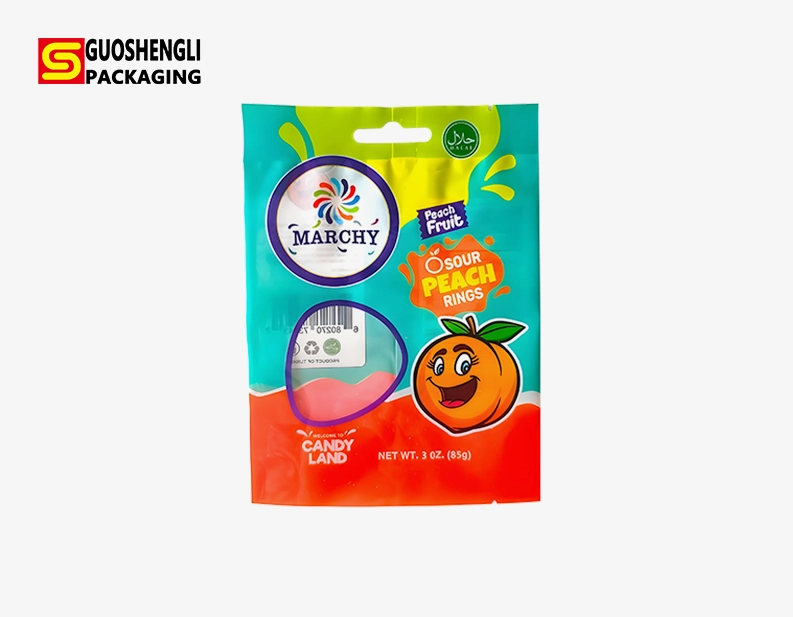
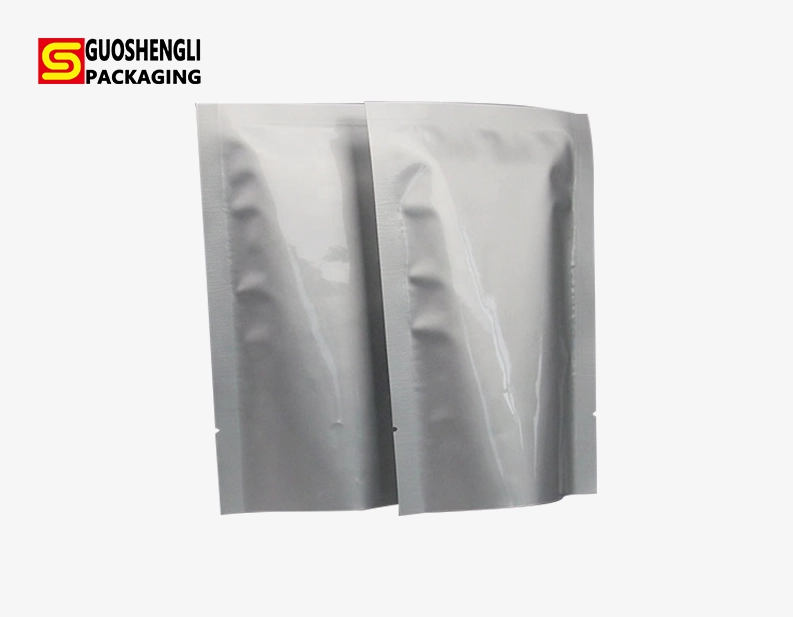
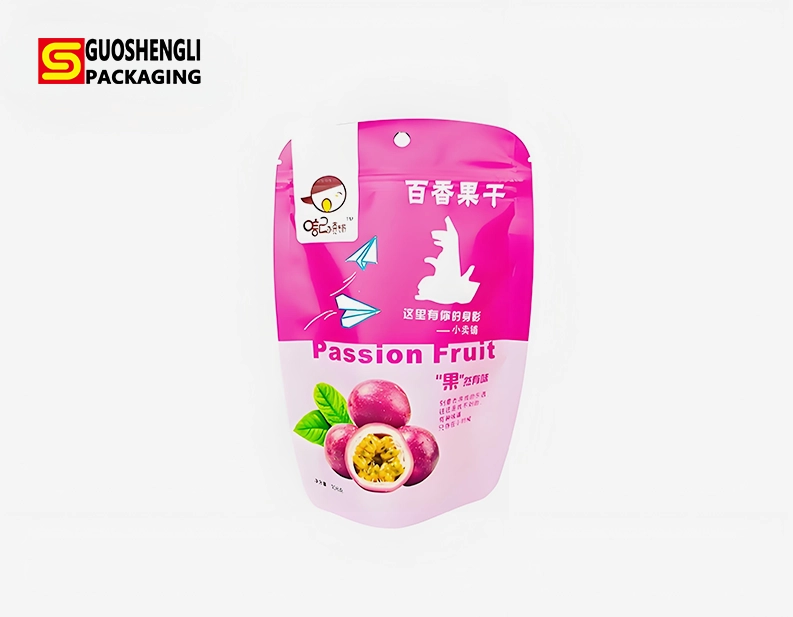
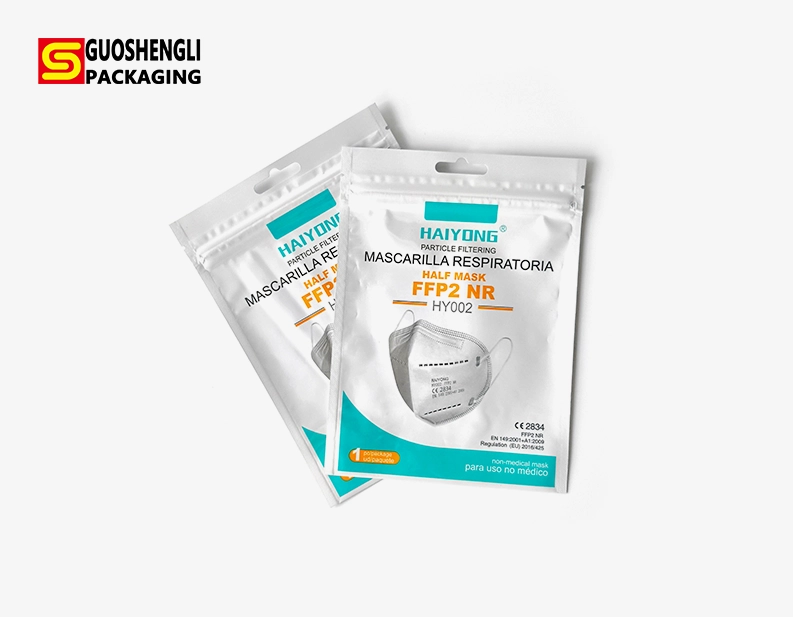
When procurement managers search for efficient, cost-effective packaging, the 3 sided pouch consistently emerges as a top solution. This flat, flexible structure provides outstanding space optimization – 40% more items per shipment carton than the rigid containers. Three side seal bags are made of high-barrier laminates, extending shelf life from 6 months to 18 months, addressing pain points of logistical cost, product freshness and material waste. This package style is FDA and BRC certified, plus ISO 9001 certified, and adheres to food grade specifications to strict requirements, while enabling vacuum and modified-atmosphere applications for snacks, dried fruits, jerky, and specialised ingredients.


Understanding 3 Side Seal Pouches: Design, Materials, and Usage
What Defines a Three Side Seal Pouch?
One side of a 3 sided pouch is left open for product filling and is made up of one piece of flexible film that has been folded and heat-sealed along three edges. The final seal makes an airtight barrier once your nuts, coffee, or pet treats are inside. This profile's clean lines cut down on empty space in boxes and lower the cost of storage. Multi-layer laminates, like PET/AL/PE or NY/PE, keep aromas safe and stop oxidation by letting oxygen pass thru at rates below 0.5 cc/m²/24h and water vapor pass thru at rates below 1.0 g/m²/24h.
Core Material Structures Explained
The material used is directly related to the efficiency of the shield and the seal integrity. The PET layers provide strength and puncture protection to the construction. Aluminium foil is great for delicate products like ground coffee, since light and air can't get trough it. The PE inner layers ensure that the heat seals operate at temperatures between 140°C and 180°C, the same temperature range as most vertical form-fill-seal machines. More and more eco-friendly businesses are switching to recyclable PE/PE mono-materials or PLA/PBAT films that can biodegrade if they fulfil EN 13432 criteria. The thickness varies from 60 microns for not very heavy snacks to 150 microns (or more) for high duty applications such as frozen meats or industrial powders.
Practical Filling and Sealing Methods
The efficiency of production depends on how well the equipment is set up. Temperature control is very important for vertical form-fill-seal lines. If they get too hot, the film will warp, and if they don't get hot enough, the seals will be weak and likely to break. Seal strength testing according to ASTM F88 shows that joints are stronger than 40 N/15 mm, which keeps them from coming apart during transport. Vacuum packaging gets rid of air before the final cap, which stops microbes from growing and extends the shelf life. With degassing valves, CO2 can escape from newly roasted coffee without letting air in. Tear notches and hang holes make it easier to get ready for sale, and resealable zippers make it easier for customers to use multi-serve forms.
Comparing 3 Side Seal Pouches with Other Pouch Types: Making Informed Decisions
Key Structural Differences Across Pouch Formats
Stand-up pouches have gussets that allow them to be displayed vertically. They take up more shelf space but need more material and more complicated tools to make. Flat-bottom pouches are stable like boxes, but the four-sided seals on them make production take longer and cost more. Luxury brands that are willing to spend money on looks like quad-seal bags because they look the same from every angle. 3 sided pouches, on the other hand, are more focused on efficiency: their simpler design means faster production cycles, lower minimum order quantities, and lower unit costs—all of which are important benefits for mid-sized snack companies that have to deal with seasonal demand spikes.
When to Pick a Three Side Seal Size
This format works great in situations where saving space and keeping things safe are more important than having it on the shelf. Jerky brands like the flat shape because it makes the most of the space in the box and saves thousands of dollars a year on freight costs. Pharmaceutical companies depend on its hermetic seal for diagnostic kits and sterile instruments, which is in line with ISO 11607. Industrial chemical distributors use reinforced versions to keep powdered reagents and specialized resins safe. The side seals can handle volatile organic compounds that break down regular plastic bags. Structures that work with vacuums are used by people who pack frozen foods to keep them fresh during long periods of cold storage.
Certification and Compliance Considerations
The fact that materials have been approved by the FDA means that they don't contain any dangerous plasticizers or heavy metals that could get into food. BRC Global Standards approval shows that your quality control systems are strong, which is important if you want to sell your goods in European stores. Adhering to ISO 9001 standards allows for tracking from receiving raw materials to the final review. Third-party testing by SGS backs up claims of air barriers and seal power in real-life transport situations. To protect the brand's reputation and pass regulatory audits, procurement managers should ask for material safety data sheets and migration test reports.

Procurement Guide: How to Source and Order 3 Side Seal Pouches
Evaluating Supplier Capabilities and Reliability
How well a manufacturer can grow with you depends on how much they can make. Guoshengli Packaging has 49 turning machines, seven rotogravure printing lines, and six sealing machines. They can handle both small runs of prototypes and large orders. Lead times depend on the type of printing. For example, digital printing takes seven to ten days to send out samples, while eleven-color rotogravure takes fifteen to twenty days for full production. With fast air shipping choices, transit times are cut down to four or five days, which is very important when releasing seasonal goods or meeting sudden demand spikes.
Both startups testing market fit and established businesses optimising inventories may benefit from variable minimum order numbers. A low MOQ supplier demonstrates that they are confident about the quality of their goods and they want to have a long-term relationship with you. Your business may become more visible with custom printing. This can be as basic as text or as elaborate as full-color pictures. With private-label and OEM partnerships, retailers may provide customised packaging without needing to invest in new equipment. Transparent pricing methods that include material selection, order size and amount of customisation allow purchasers to accurately forecast prices.
Ordering Lifecycle and Logistics Coordination
When you purchase anything normally you start with technical guidance. By discussing product qualities, desired shelf life, and the specifications of the filling line, we can recommend the optimum materials. Sampling allows quality teams to conduct accelerated ageing tests to ensure the barrier performs properly at high temperature and humidity conditions. On machine testing prove compatibility with current equipment and highlight any modifications needed to sealing temperature or dwell duration. Trial orders are used to verify sure everything is consistent before signing quarterly or annual contracts. “Stock-outs don’t happen during busy times like the holidays or harvest because reorder schedules are set to match production forecasts.
Logistics has to make effective contact to send commodities throughout the globe. If you’re purchasing in bulk, container shipment is cheaper, but if you want to resupply fast, air freight is the way to go. Export documents such as certificates of origin, commercial invoices, and compliance declarations should comply with the regulations of the destination country. You can trace shipments in real time with reliable suppliers, and they give fast customer care to help you with customs holds or shipping delays, keeping production disruptions to a minimal.
Enhancing Brand Impact: Customization and Printing Techniques for 3 Side Seal Pouches
Advanced Printing Technologies and Visual Quality
Rotogravure printing delivers photographs crispness and high colour brightness, which is perfect for firms who need to compete in shops that are already full of customers. Engraved copper cylinders transmit ink properly, reproducing highly complex logos and gradients identically in up to eleven colours. This process produces the identical effects on millions of pouches, which is vital in keeping your brand recognisable to customers. Digital is great for short runs and quick prototyping, so you can trial two distinct package ideas side by side without needing to purchase a cylinder. The way that matte and glossy surfaces feel is different. Matte finishes provide a handmade effect, while gloss brightens colours and increases shelf appeal.
Strategic Branding and Information Design
Labels should contain the product name, weight, ingredients and nutritional information. Good packaging makes these information simple to observe at a glance. People are curious about qr codes linking to origin tales, ideas for cookery or environmental initiatives. People don’t trust concealed problems Clear windows into product quality will make customers trust goods more People will purchase them again since they are easy to use with reusable zippers and rip notches. Case studies reveal that when companies purchase custom printed 3 sided pouches, trial rates and client retention increase. This is because innovative packaging allows consumers to make a choice in particularly saturated industries.
Emerging Trends in Packaging Customization
Environmental shoppers are receptive to sustainability messages. Brands who care about doing the right thing differentiate themselves by adding information about reusable materials or compostable structures on the front sides of their packaging. Premium portions such as simple style with large typography that stand out from the crowd. Seasonal visuals refresh product lines without altering the recipes and keeping consumers engaged between marketing cycles. Safety concerns are present in the pharmaceutical and speciality food businesses. Smart packaging goes beyond containment with freshness indications or tamper-evident features that provide value.
Practical Tips and Best Practices for Using 3 Side Seal Pouches

Optimizing Filling and Sealing Operations
The first stage in effective production on vertical form-fill-seal machines is proper film tensioning. Loose film causes misalignment of material. Too much stress rips it. Calibrating scales prevents them from underfilling, which is against the regulations, or overfilling, which stresses the seals. The closing lips are preheated, to ensure constant bond formation, which reduces the reject rate. Coefficient of friction tests are carried out as standard testing to ensure the film travels smoothly through the equipment and does not catch during high speed runs. The operators should monitor the appearance of the seal. Smooth clean bonding suggest the circumstances are perfect, wrinkles or bubbles mean the temperature or pressure need to be altered.
Storage, Handling, and Quality Maintenance
They are kept in a pouch to protect them from the harm that the surrounding environment might do. Store film rolls in climate-controlled environments with less than 60% humidity to prevent water absorption that may harm the barrier layers. When rotating stock, follow the first-in, first-out rule so that it does not expire, which is normally twelve to eighteen months. Evaluate new shipments for physical defects such as pinholes, delamination or colour variations before adding them to the manufacturing plan. Install tracking systems that link batch codes to masses of raw commodities. It will be straightforward to uncover the core cause of quality issues that occur after shipping.
Compliance and Sustainability Best Practices
We do regular third party inspections to make sure we are following food safety requirements. This prevents costly recalls. By keeping your material safety documents current, you make it easy for regulators and customers to complete their inspections. Sustainability efforts such as the change to mono-materials that can be recycled or finding ways to make films thinner and reduce waste improve the company’s image of responsibility and attract eco-friendly partners. We partner with suppliers on continuous improvement efforts to identify solutions to decrease environmental impact without sacrificing performance. It goes some way to ensuring packaging strategies are aligned to wider ESG aims.
Conclusion
For brands that value cost effectiveness, product safety, and operational flexibility, the 3 sided pouch is a tried-and-true solution. Its flat shape makes transportation more efficient, and high-barrier laminates keep quality and extend shelf life. This style meets the needs of food makers, pharmaceutical packagers, and industry distributors all over the world because it can be printed on a variety of materials and is compatible with automatic filling lines. It is reliable and consistent, which is what buying managers need for long-term success. It meets FDA, BRC, and ISO 9001 standards.
FAQ
1.What sizes are available for three side seal pouches?
There are different sizes, from small sachets that hold one serve to huge pouches that hold several pounds of product. Custom sizes are made to fit specific product amounts and store display needs. Width and length can be changed completely during production setup.
2.Can I order eco-friendly materials for my pouches?
You can get recycled PE/PE mono-materials and compostable PLA/PBAT films that meet EN 13432 standards. These environmentally friendly choices keep the barrier function while lowering the damage to the environment, helping brands that are committed to using eco-friendly packing.
3.How quickly can I receive samples?
Rotogravure printing takes fifteen to twenty days for full production, while digital printing sends models in seven to ten days. With expedited plane delivery, the trip is cut down to four or five days, making sure that projects and starts that need to be done quickly.
Partner with a Trusted 3 Sided Pouch Manufacturer

Guoshengli Packaging has been working with flexible packaging for 25 years and can help brands that need reliable, high-performance solutions. Our FDA, BRC, and ISO 9001 certifications guaranty quality that is safe for food, and our advanced production capacity—seven printing lines, six laminators, and 49 converting machines—ensures that all orders are filled consistently, no matter how big or small they are. Our team can help you with everything from concept to delivery, whether you need reusable materials, custom rotogravure printing, or quick samples. Please email us at sales@guoshengpacking.com to talk about your 3 sided pouch needs and find out how our eco-friendly and cost-effective packaging can help your supply chain.
References
1. Robertson, Gordon L. Food Packaging: Principles and Practice. 3rd ed. CRC Press, 2013.
2. Marsh, Kenneth, and Betty Bugusu. "Food Packaging—Roles, Materials, and Environmental Issues." Journal of Food Science 72.3 (2007): R39-R55.
3. Selke, Susan E.M., John D. Culter, and Ruben J. Hernandez. Plastics Packaging: Properties, Processing, Applications, and Regulations. 3rd ed. Hanser Publications, 2015.
4. Yam, Kit L., ed. The Wiley Encyclopedia of Packaging Technology. 3rd ed. Wiley, 2009.
5. Coles, Richard, Derek McDowell, and Mark J. Kirwan, eds. Food Packaging Technology. Blackwell Publishing, 2003.
6. Brody, Aaron L., and Kenneth S. Marsh, eds. Encyclopedia of Packaging Technology. 2nd ed. Wiley, 1997.