- English
- French
- German
- Portuguese
- Spanish
- Russian
- Japanese
- Korean
- Arabic
- Greek
- German
- Turkish
- Italian
- Danish
- Romanian
- Indonesian
- Czech
- Afrikaans
- Swedish
- Polish
- Basque
- Catalan
- Esperanto
- Hindi
- Lao
- Albanian
- Amharic
- Armenian
- Azerbaijani
- Belarusian
- Bengali
- Bosnian
- Bulgarian
- Cebuano
- Chichewa
- Corsican
- Croatian
- Dutch
- Estonian
- Filipino
- Finnish
- Frisian
- Galician
- Georgian
- Gujarati
- Haitian
- Hausa
- Hawaiian
- Hebrew
- Hmong
- Hungarian
- Icelandic
- Igbo
- Javanese
- Kannada
- Kazakh
- Khmer
- Kurdish
- Kyrgyz
- Latin
- Latvian
- Lithuanian
- Luxembou..
- Macedonian
- Malagasy
- Malay
- Malayalam
- Maltese
- Maori
- Marathi
- Mongolian
- Burmese
- Nepali
- Norwegian
- Pashto
- Persian
- Punjabi
- Serbian
- Sesotho
- Sinhala
- Slovak
- Slovenian
- Somali
- Samoan
- Scots Gaelic
- Shona
- Sindhi
- Sundanese
- Swahili
- Tajik
- Tamil
- Telugu
- Thai
- Ukrainian
- Urdu
- Uzbek
- Vietnamese
- Welsh
- Xhosa
- Yiddish
- Yoruba
- Zulu
Digital Printed Pouches: The Smart Solution to MOQ Problems, Long Lead Times, & Expensive Plate Costs
 Jan 4,2026
In today’s hyper-competitive food and Consumer Packaged Goods (CPG) market, speed and flexibility are paramount. Whether you're launching a disruptive snack line, introducing a seasonal coffee flavor, or testing a new pet food formula, traditional packaging methods often create unnecessary friction and financial hurdles.
That's why digital printed pouches have rapidly become the go-to packaging solution for startups, small-batch producers, and even large manufacturers seeking agility.
This article details precisely why digital printing solves high MOQ (Minimum Order Quantity) problems, drastically reduces lead times, eliminates punitive plate costs, and accelerates your time-to-market—complete with a comprehensive buyer’s guide and industry-specific insights.
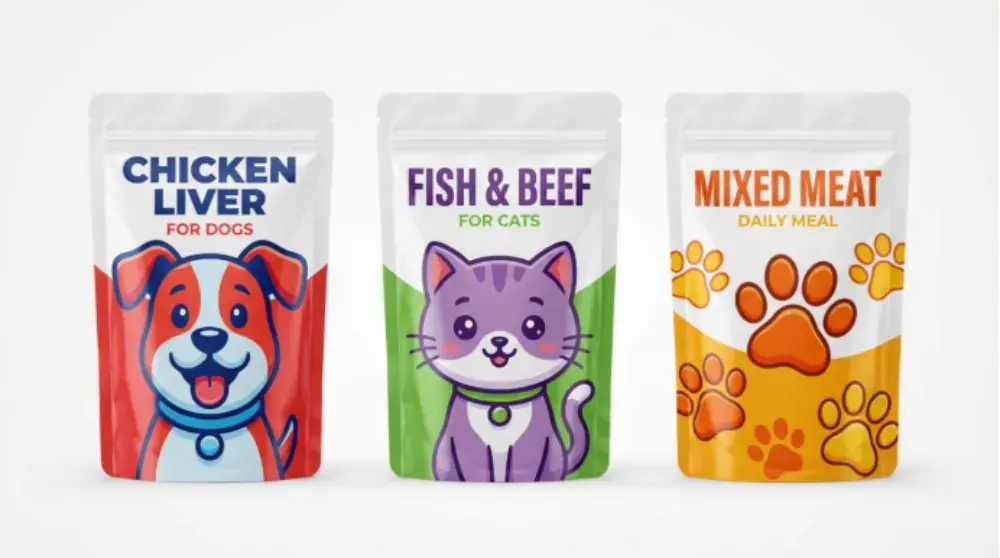
Why Traditional Packaging Slows Brands Down
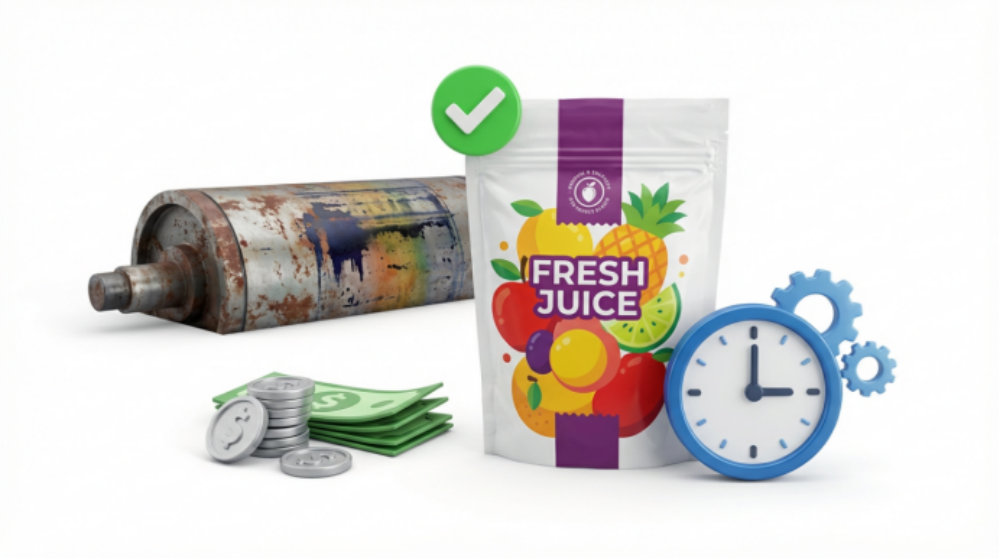
Traditional rotogravure printing (also known as Gravure) is optimized for sheer volume and consistency, but it comes with three well-known, brand-crippling pain points:
1. Pain Point: Crippling High MOQs (20,000–50,000 pcs per SKU)
Rotogravure requires high setup costs and long production runs to achieve economy of scale. This makes it financially impossible or extremely high-risk for:
· Startups testing market viability.
· Brands with extensive SKU diversity (many flavors/variations).
· Seasonal or limited-edition lines that only need a few thousand units.
The consequence is often dead inventory—warehouses full of pouches that become obsolete, tying up critical cash flow.
2. Pain Point: Excruciatingly Long Lead Times (4–6 weeks)
The complexity of preparing for a rotogravure run extends the timeline significantly:
· Cylinder Production: You must create 6–10 heavy steel cylinders (one per color). This process alone takes one week.
· Color Matching & Press Setup: Setting up the cylinders, aligning the colors, and getting the press running requires significant queue time.
· Production Queues: Large, multi-million unit orders often take precedence, pushing smaller runs further down the calendar.
This latency severely limits a brand's ability to pivot or quickly replenish stock.
3. Pain Point: Expensive Plate/Cylinder Fees ($60–$150 per color)
The high initial investment in steel cylinders is a massive barrier. For a standard 8-color design, you could pay $480 to $1200 just for the tooling.
· If your artwork changes—even minor updates to the nutrition facts or a promotional logo—you must pay to create the new cylinders all over again.
Digital printing eliminates these three obstacles completely, shifting the cost structure from CAPEX (capital expenditure) to OPEX (operating expenditure).
What Are Digital Printed Pouches?
Digital printed pouches utilize high-resolution, CMYK-based digital presses (like the HP Indigo 25K/20000) to print directly onto packaging film.
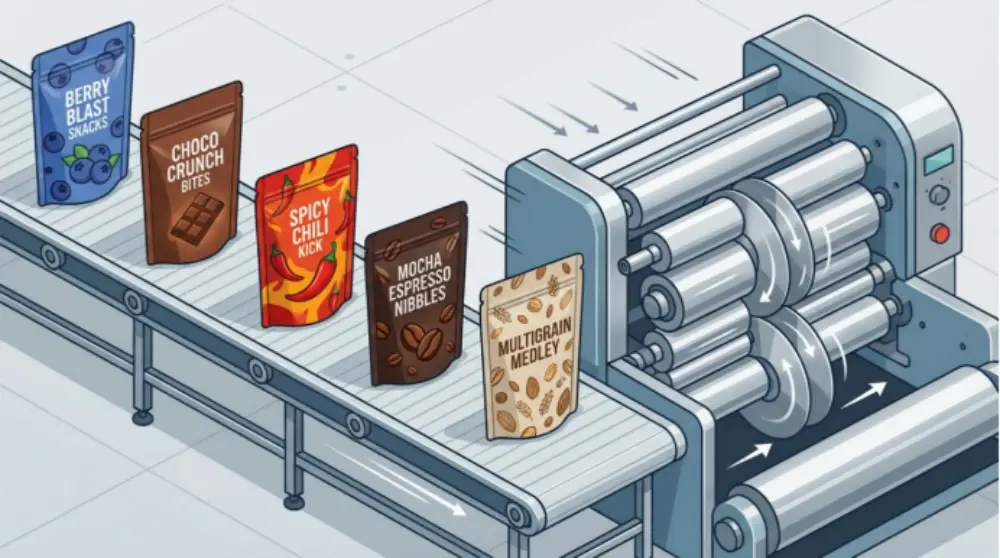
This process is similar to a high-end commercial printer, but scaled for flexible film: no cylinders, no plates, and minimal setup time.
Perfect for brands that need:
· Low MOQ (typically 500–3,000 pcs).
· Fast Lead Time (as quick as 7–12 days).
· Multiple SKUs printed in a single batch.
· Frequent design changes or testing of new concepts.
Key Benefits of Digital Printing (Explained With Real Business Scenarios)
Benefit 1: Low MOQ — Launch More SKUs With Less Risk
Scenario: A startup is releasing five distinct snack flavors. Instead of being forced to order 10,000 pieces of each flavor (total 50,000 bags), they can print 500 pieces per flavor.
· This significantly reduces the initial cash outlay and allows them to test the market, gain sales data, and commit to large volumes only for the winning SKUs.
Benefit 2: Zero Plate Cost — Save $600–$2,000 Per Design
Digital printing uses a file-to-print process. The cost of a design change is zero.
This is a game-changer for brands that frequently update their labels due to:
· Seasonal promotions (e.g., Pumpkin Spice, Holiday blend).
· Regulatory compliance (e.g., changes to nutrition facts, allergen warnings).
· Barcode or serial number variations.
Benefit 3: Faster Lead Times — From Design to Delivery in 7–12 Days
By skipping the 3–4 week cylinder production phase, digital printing compresses your product launch timeline by 50% to 70%.
· This is crucial for: Seasonal products, limited edition coffee roasts, or addressing urgent emergency replenishment orders caused by unexpected sales spikes.
Benefit 4: Multi-SKU Printing — No Extra Cost or Setup Time
With rotogravure, changing a design means new plates and a new, costly setup. With digital, switching between designs is instant.
· You can print 10 flavors in the same batch, under the same order, for the same unit price.
· Perfect for: Snack "combo box" brands, coffee roasters offering multiple origins, or pet food sampler packs.
Benefit 5: High-Definition Printing — Premium Shelf Presence
Digital printing is renowned for its fidelity and resolution, typically offering 600–1200 DPI.
· It excels at reproducing photographic images, smooth gradients, and intricate details without the visible screen dots sometimes associated with traditional printing.
· Some advanced presses offer an Extended Color Gamut, allowing for closer matches to a wider range of brand and Pantone colors, drastically improving shelf appeal.
Benefit 6: Inventory Reduction & Cash Flow Optimization
By shifting to an on-demand printing model, you minimize inventory holding costs.
The Hidden Cost of High MOQ: When you order 30,000 pouches, you are tying up cash in materials, paying warehouse fees, and risking having to write off the entire batch if the product or recipe changes.
· Result: Better cash flow, reduced waste, and the ability to pivot faster than your competition.
Material Options for Digital Printed Pouches
Digital printing is compatible with the most popular and advanced flexible packaging films. Crucially, the ink is always sandwiched between two layers (laminated), ensuring it never touches the food and provides robust protection against abrasion and freezer conditions.
|
Material Structure
|
Features
|
Barrier Property
|
Best For
|
|
PET/PE
|
Cost-effective, strong, clear or opaque finish
|
Good (Moisture & Gas)
|
Snacks, Cookies, Nuts
|
|
MOPP/PET/PE
|
Matte finish, premium soft touch feel
|
Good
|
Coffee, Granola, Superfoods
|
|
Kraft/PET/PE
|
Natural paper look, digital print on the kraft surface
|
Good
|
Organic & Natural Brands
|
|
Recyclable PE/PE
|
Mono-material structure, lowest environmental impact
|
High-Grade (Often MDOPE)
|
Sustainable Packaging, General Food
|
|
Nylon/PE or AL/PET/PE
|
Highest puncture resistance and ultimate barrier
|
Excellent (OTR/MVTR)
|
Pet Treats, Freeze-Dried Food, Liquid
|
Barrier Note: For products highly sensitive to moisture and oxygen (like ground coffee or jerky), suppliers incorporate layers of Metallized PET (MET-PET) or Aluminum Foil (AL), which is essential for preserving shelf life.
Most Popular Bag Types for Digital Printing
Digital presses can print the rollstock needed to produce virtually any type of pouch:
· Stand Up Pouch (SUP): The most popular format, excellent for shelf display.
· Flat Bottom Pouch: Offers superior stability and a large display surface.
· Side Gusset Pouch: Ideal for coffee and high-volume products.
· Three-Side Seal Pouch
· Spout Pouch (for liquids/sauces)
· Shaped Pouch (custom die-cut designs)
· Rollstock Film (for automated filling machines)
All styles support common features like: Zippers, Tear Notches, Euro Holes, Matte or Gloss finishes, and Clear Windows.
How to Choose the Right Supplier (B2B Procurement Guide)
Vetting a digital printing partner requires focus on technical capability and quality control.
✔ Check Printing Equipment
Look for suppliers using industry-leading digital presses like the HP Indigo 25K / 20000 or equivalent high-resolution technology. This ensures color accuracy and reliability.
✔ Confirm True MOQ & Lead Times
A genuine digital printer will offer:
· MOQ: 500–3,000 pieces.
· Lead Time: 7–12 days after final artwork approval (DFA).
✔ Review Material & Facility Certifications
Always ensure the supplier meets strict food-grade standards:
· FDA (US) or EU Food Contact certified films.
· ISO/BRC (British Retail Consortium) certification for facility quality and hygiene.
✔ Ask for Color Proofing and Management
Digital printing should provide:
· A physical, press-accurate printed proof of your design.
· Confirmation they use a calibrated spectrophotometer to ensure color consistency from run-to-run.
✔ Confirm Post-Press Capabilities
The supplier must manage the entire process in-house or through a trusted partner:
· Lamination: Ask about the type of adhesive (preferably solvent-less for faster turnarounds and environmental benefits).
· Slitting and Pouch Making: Ensure they handle die-cutting and bag assembly.
Cost Comparison Table: Digital vs Rotogravure
This table illustrates the fundamental differences in cost structure and agility:
|
Item
|
Digital Printing
|
Rotogravure
|
|
Best For
|
Small/Medium orders (500–15,000)
|
Large Volume (50,000+)
|
|
MOQ
|
500–3,000
|
10,000–50,000
|
|
Plate Cost
|
$0
|
$60–$150 per color (Massive upfront investment)
|
|
Lead Time
|
7–12 days
|
20-25 days
|
|
Multi-SKU Cost
|
Same unit price (easy design switching)
|
New plates + extra setup cost for each SKU
|
|
Color Quality
|
Excellent (Photographic detail, Extended Gamut)
|
Excellent (Volume-optimized)
|
|
Inventory Risk
|
Low (On-demand printing)
|
High (Risk of obsolescence)
|
Common Use Cases by Industry
Snack Industry
The digital model supports the constant demand for new flavor innovations and seasonal themes. Digital enables brands to launch three new flavors for the cost and time it traditionally took to launch one.
Pet Food & Treats
Many pet food lines have a high SKU count (different proteins, different sizes). Digital allows brands to keep every SKU in stock and respond quickly to demand for specialty or high-margin treats.
Coffee & Tea
Digital is ideal for micro-lot sourcing. Roasters can confidently purchase small batches of rare beans and print highly customized, premium-looking bags (often with a luxurious matte/spot gloss finish) without tying up thousands of dollars in inventory for a limited-run roast.
Supplements & Health Foods
This industry faces frequent FDA/regulatory label changes. Digital printing allows for immediate label updates, ensuring strict compliance and dramatically reducing the risk of costly recalls or discarding outdated packaging.
Nuts, Dried Fruits & Superfoods
Often sold in granular or high-value quantities, these products benefit from small-batch production and the need for strong barrier protection, which digital film structures readily provide.
How to Ensure High Printing Quality
High quality starts with high-quality artwork submission:
1. Use Vector Artwork: Submit your text and logos as PDF / AI / EPS vector files. This ensures sharp, clean lines and prevents jagged edges when the image is scaled.
2. Set 300 DPI for Images: Any raster images (photos) should be set to a minimum of 300 Dots Per Inch (DPI) at the final print size. Lower DPI leads to a blurry or pixelated finish.
3. Choose Matte + Spot Gloss for Premium Effect: Digital technology allows you to easily apply a full matte finish with a targeted spot gloss over logos or key elements, providing tactile and visual appeal without the need for a separate plate.
4. Use CMYK Color Profiles: While digital can hit a wide gamut, always convert artwork to the industry-standard CMYK (Cyan, Magenta, Yellow, Black) profile to avoid oversaturated or unpredictable colors that can result from RGB profiles.
♻️ Environmental Benefits
Digital printing technology inherently promotes a more sustainable supply chain:
· No Plate-Making Waste: Eliminates the use of chemicals, metals, and solvents involved in cylinder creation.
· Lower Inventory Waste: By printing only what is needed, the risk of discarding thousands of obsolete pouches is drastically reduced. This supports true on-demand production.
· Compatibility with Mono-Materials: Digital presses are fully compatible with new recyclable PE/PE structures (using specialized films like MDOPE), helping brands meet sustainability goals while maintaining strong barrier protection.
FAQ
Q1: Is digital printing durable for frozen or oily food?
A: Yes. The integrity comes from the lamination. The ink is completely protected inside the lamination layer, making it highly durable against moisture, abrasion, and freezer temperatures.
Q2: Can digital printing match Pantone colors?
A: Digital uses a CMYK base (and sometimes an extended gamut). While it can achieve a very close match to most Pantone colors, it is not 100% identical like a dedicated spot color in rotogravure.
Q3: What is the largest pouch size you can digitally print?
A: The width of most high-end digital presses accommodates almost all standard food, snack, and coffee pouch sizes.
Q4: Can I order multiple designs in one batch?
A: Absolutely. Zero plate cost means you can order unlimited SKUs, mixing designs freely within your minimum order quantity requirements.
If you are struggling with restrictive MOQs, enduring long lead times, or facing expensive plate fees, digital printed pouches are your fastest, most flexible path to market and sustained growth.
As a 25-year flexible packaging manufacturer, we specialize in high-quality digital solutions engineered for the CPG industry:
· MOQ 500–1,000 pcs
· 7–10 day lead time
· Recyclable material options
· BRC/FDA certified production
· Full customization & design support
Contact us today to get a free quotation or request digital printed samples tailored to your product needs.