- English
- French
- German
- Portuguese
- Spanish
- Russian
- Japanese
- Korean
- Arabic
- Greek
- German
- Turkish
- Italian
- Danish
- Romanian
- Indonesian
- Czech
- Afrikaans
- Swedish
- Polish
- Basque
- Catalan
- Esperanto
- Hindi
- Lao
- Albanian
- Amharic
- Armenian
- Azerbaijani
- Belarusian
- Bengali
- Bosnian
- Bulgarian
- Cebuano
- Chichewa
- Corsican
- Croatian
- Dutch
- Estonian
- Filipino
- Finnish
- Frisian
- Galician
- Georgian
- Gujarati
- Haitian
- Hausa
- Hawaiian
- Hebrew
- Hmong
- Hungarian
- Icelandic
- Igbo
- Javanese
- Kannada
- Kazakh
- Khmer
- Kurdish
- Kyrgyz
- Latin
- Latvian
- Lithuanian
- Luxembou..
- Macedonian
- Malagasy
- Malay
- Malayalam
- Maltese
- Maori
- Marathi
- Mongolian
- Burmese
- Nepali
- Norwegian
- Pashto
- Persian
- Punjabi
- Serbian
- Sesotho
- Sinhala
- Slovak
- Slovenian
- Somali
- Samoan
- Scots Gaelic
- Shona
- Sindhi
- Sundanese
- Swahili
- Tajik
- Tamil
- Telugu
- Thai
- Ukrainian
- Urdu
- Uzbek
- Vietnamese
- Welsh
- Xhosa
- Yiddish
- Yoruba
- Zulu

Custom flat bottom pouches with zippers are just what you need for today's competitive markets when you need packaging that will stay put on store shelves and keep contents fresh through multiple uses. Our 250g custom flat bottom pouch is stable like a box and easy to reseal, making it a smart way to protect products from the time they are made until they are eaten. Multiple layers of barriers protect these bags from wetness, air, and light. They are also easy to open and close with notches and zippers that stay closed, even after being opened many times.
Understanding 250g Custom Flat Bottom Pouches with Zipper
What Makes Flat Bottom Pouches Different
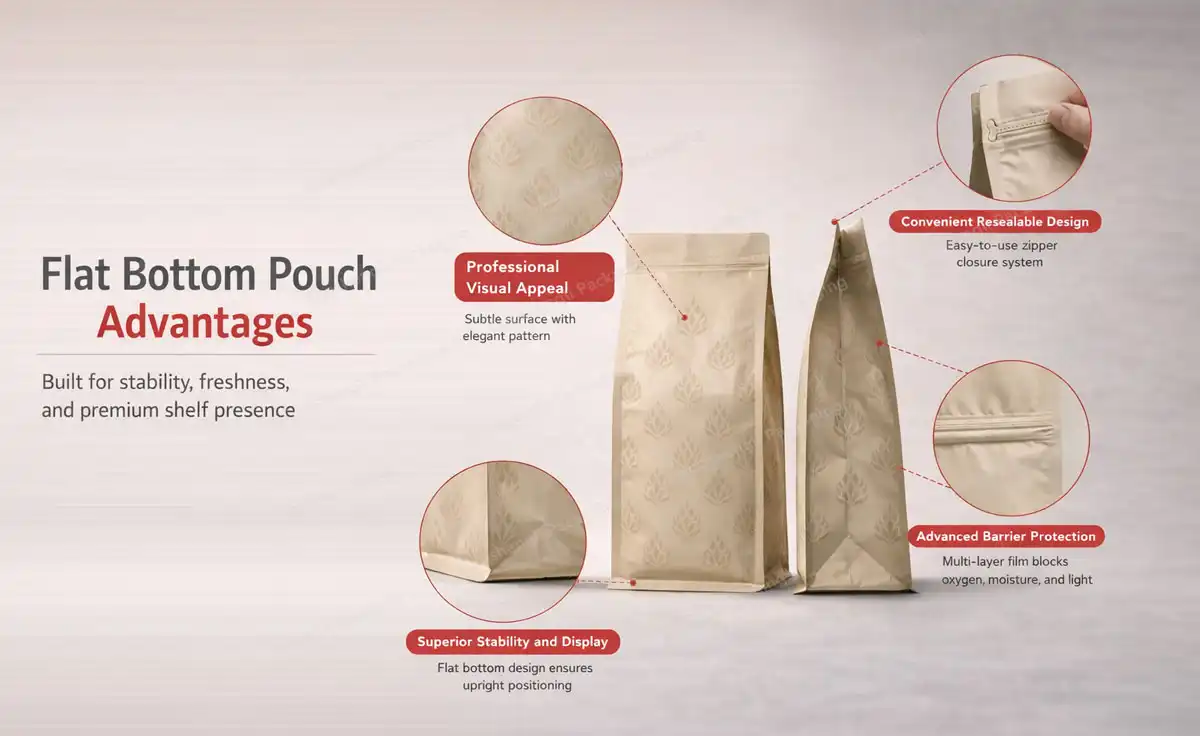
Box-style bags are a big step forward in the design of bendable packaging. Traditional stand-up pouches are stable because their gussets are folded, but flat bottom designs have five separate panels: the front, the back, two side gussets, and a fully flat base. This makes a structure that stands straight even before it is filled. This special design makes it stand out more on the shelf than regular pouches, which can lean or fall over when they're half full.
These bags' engineering strikes a mix between making good use of materials and keeping the structure strong. The flat base spreads the weight evenly across the bottom panel, and the side gussets expand to fit the size of the object. This design stops people from tipping and gives the store a professional look that makes customers feel more confident at the point of sale.
Material Composition and Barrier Technologies
Modern flat bottom pouches with zippers utilize sophisticated laminate structures tailored to specific product protection requirements. Common material combinations include:
- PET/PE Laminates provide excellent moisture resistance and puncture strength, making them suitable for dry snacks, coffee, and pet treats. The polyester outer layer accepts high-quality printing, while the polyethylene inner layer creates reliable heat seals.
- PET/Foil/PE Structures offer maximum barrier protection against oxygen, light, and moisture. This configuration extends shelf life significantly for sensitive products like ground coffee, protein powders, and specialty food ingredients that degrade when exposed to environmental factors.
- Kraft Paper Composites meet growing sustainability demands while maintaining functional performance. These structures typically combine kraft paper exterior layers with thin barrier films, creating packaging that feels natural yet protects contents effectively.
Our factory can make laminate structures that are unique to your product and meet the requirements for its shelf life using all of these combinations of materials. We improve the protective qualities without adding extra thickness to the material, which would raise costs and have a negative effect on the environment.
The Functional Advantage of Zipper Closures
With resealable zippers, single-use boxes can be turned into cases that can be used more than once and keep food fresh for weeks. It's especially important for products that are eaten slowly, like coffee, pet food, snacks, and supplements, to have reliable reclosure mechanisms.
Precise manufacturing control is needed for good zipper fitting in a 250g custom flat bottom pouch. The zip needs to be able to close all the way along its length while still being easy to open and close many times. Customers will complain about the product and the brand will be damaged if the zipper is placed wrong or the adhesive is not strong enough. As part of our production process, we check the quality of the zipper line, seal strength, and opening force to make sure that the product always works the same way.
Eco-Friendly Material Options
Sustainability affects purchase decisions in every market. Our environmentally friendly choices fulfil product safety standards:
- Normal recycling techniques may recycle mono-material assemblies with suitable polymer layers. Mixed-material laminates block more light than these designs, but they're appropriate for moderately protected objects.
- Addition of post-consumer recycling reduces new material use while meeting food contact safety standards.
- RTO exhaust gas treatment removes volatile organic compounds from printing and laminating in our factory. This makes production considerably greener than before.
How to Choose the Right 250g Flat Bottom Pouch with Zipper for Your Product
Evaluating Barrier Requirements
Safety relies on product sensitivity. Coffee requires oxygen barriers to preserve volatile taste compounds. Pet food must be moisture-resistant to maintain texture and prevent microbial growth. Protein powders should be kept away from air and water to maintain their nutritional value and prevent sticking.
Knowing your product's shortcomings helps us create laminate constructions. In our barrier tests, we measure oxygen, water vapour, and light passage using standard methods. These steps ensure that your packaging keeps your products safe for the expected storage term.
Accuracy in measurements matters too. For automated packaging equipment to operate, pouches must retain the same size to avoid becoming caught, misaligned, or not sealing. Our converting equipment ensures high-speed packaging lines work smoothly by keeping crucial dimensions.
Zippered Versus Non-Zippered: Cost-Benefit Analysis
When compared to standard heat-seal closures, adding zipper functionality raises the cost of packaging by about 15 to 25 percent per unit. This investment makes sense when resealability clearly adds value for end users—products that are used more than once benefit a lot from being able to reclose them.
Products that are offered in single-serving amounts or are eaten right away may not need the extra cost of a zip. We help procurement teams make this choice by looking at how the product is used, how it compares to other products on the market, and what the target customer wants.
For example, zippers work well on retail packaging for consumers, but easier closures work better on food service or institutional sizes where the contents are moved to other containers after being opened.
Customization Techniques That Enhance Brand Impact
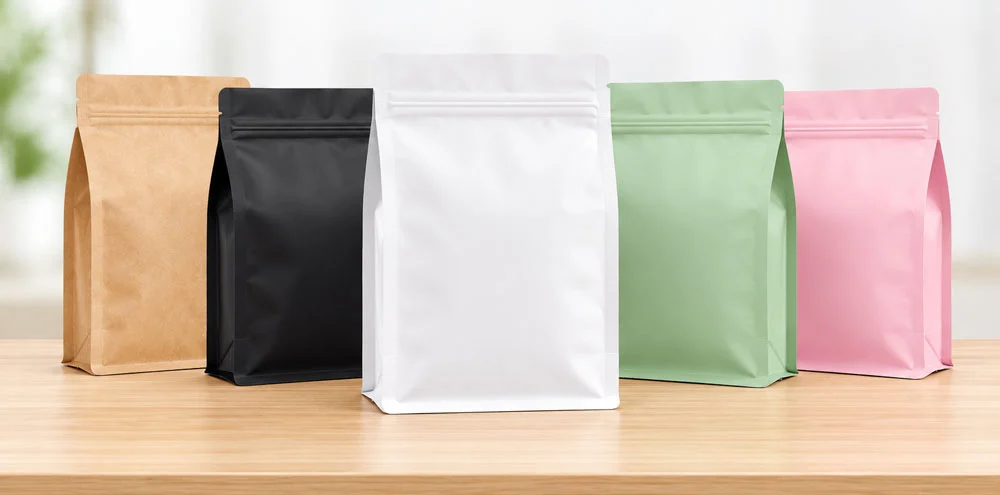
How the surface is finished has a big impact on how appealing the shelf is and how people feel about the brand. Matte finishes give things a high-end, classy look that health and speciality food brands like. Gloss finishes are great for snack foods and pet products because they make colours stand out and shine brightly.
We can do both rotogravure printing and digital printing for a 250g custom flat bottom pouch. Rotogravure printing has wait times of about 15 to 20 days and always makes high-quality prints, even when doing a lot of them. Digital printing lets you print fewer products and get them to you faster (usually 7–10 days), which makes it perfect for testing the market, launching a new product, or making seasonal products.
Transparent windows let people see the products inside, which boosts their trust by letting them see the product before buying it. Placing windows correctly requires careful planning to keep the structure's strength and blocking qualities while also showing off the product's look well.
Applications and Use Cases of 250g Flat Bottom Pouches with Zipper
Coffee and Tea Packaging Solutions
When it comes to packing, speciality coffee roasters have their own problems. Freshly roasted beans keep giving off carbon dioxide for days after they've been roasted, so they need one-way degassing valves that let the gas leave but not the oxygen. Our flat-bottom coffee pouches have these valves built in without any problems, and the zippers still work for your convenience.
The stable base design makes coffee branding look great, and the four vertical panels give you plenty of room for information about the coffee's origin, grinding, and drinking suggestions. A lot of roasters have clear windows on the front that let customers see the quality of the beans and the level of roasting before they buy them.
Moisture barriers and reusable seals that keep delicate flavour profiles safe are also good for tea packing. Loose-leaf tea needs extra care because humidity can make it clump together and lose its flavour over time.
Snack Food and Dried Fruit Applications
Chips, nuts, dried fruits, and other similar foods need to be packaged in a certain way to keep their texture. The main quality issue for these groups is that they lose their brightness when moisture gets in. Our multi-layer laminates keep the right amount of moisture in them while they are being shipped and used by customers.
When compared to bag-style packaging, which needs to be hung or laid flat, the flat bottom pouch format makes for efficient shelf displays that make the most of facings per linear foot. Retailers like packaging that makes the best use of expensive store space and presents products in a way that looks good.
Portion control is becoming more important as people look for easy, pre-measured amounts. The 250g size is good for normal family use because it's big enough to provide value but small enough to keep fresh during normal use cycles.
Pet Food and Treat Storage
When pet owners buy treats and extra food for their animals, they look for things that are fresh and easy to use. Resealable pouches are a good solution for both problems because they keep the quality of the product and make it easier to store and use.
Keeping smells in check is another important thing to think about. Good barrier films stop smells from moving and affecting other kept foods or making your home smell bad. This also keeps the food's taste, since many pet foods and treats lose their appeal when volatile flavour compounds break down.
Our food-grade materials and production approvals make sure that products meant for animals are safe to use. We keep our BRC approval for packaging pet food, which means we meet the quality standards set by retailers and brands.
Health Supplements and Protein Powders
For powder to flow and not clump, the moisture level needs to be carefully managed. Hygroscopic ingredients are often found in protein powders, vitamin supplements, and other speciality nutrition products. These ingredients easily absorb water, which can make the texture of the product and the amount of water that it takes in inconsistent.
High-barrier pouches keep the low-moisture environment that powder needs to stay stable. When compared to non-resealable packaging that lets moisture in with each use, zip seals keep products from getting damaged when they are opened more than once.
On flat-bottom designs with clear labelling space, you can put full supplement facts panels, usage directions, and the regulatory statements that are needed for health goods. This information is presented in a clear and professional way by the organised style.
Practical Packaging Ideas for Brand Recognition
Visual distinction helps you stand out in crowded markets. We assist businesses in finding new packaging perspectives by:
- Custom colour matching ensures the brand appears the same across goods and packages. Our rotogravure printing makes accurate colour copies with 11 ink stations.
- Touchable textures make people want to connect with the product. Soft-touch coatings provide luxury, while etched components highlight brand names or characteristics.
- Different flat bottom shapes give brands personalities. Bags with die-cut hang holes, zipper pulls, or handles are more functional.
Procurement and Ordering Guide for 250g Custom Flat Bottom Pouches with Zipper
Step-by-Step Ordering Process
Creating clear specifications is the first step to a successful custom packing job. During the initial meetings, we help clients choose the right material, finalise the dimensions, and integrate features—whether for a 250g custom flat bottom pouch or other formats. This way of working together avoids misunderstandings and makes sure that the finished pouches meet the requirements for their purpose.
Sample production lets you test things physically before committing to large quantities of production. We offer pre-production samples that show the real materials, printing quality, and how well the structure works. This step looks for possible problems while fixes are still easy and cheap.
Production wait times change based on the type of printing the order is and how big it is. Digital printing jobs are usually done 7–10 days after the artwork is approved. For rotogravure printing, the barrel has to be made and set up, which adds 15 to 20 days to the process. We suggest that you plan your inventory needs ahead of time, especially for seasonal products or campaigns that use them.
Understanding Minimum Order Quantities and Pricing
MOQ requirements streamline manufacturing and give customers many options. Digital printing enables you to produce 5,000–10,000 pieces at once, which is useful for innovative goods or niche markets. Rotogravure printing requires 20,000 or more units to justify the cylinder investment, but it has lower ongoing production costs.
Bulk orders are quite cost-effective. Big savings can result from buying more materials, fewer setups, and better production schedule planning. Our pricing clearly demonstrates how prices vary by number. This helps buying managers decide when and how much to order.
Factors impact unit pricing beyond number. Material type greatly affects cost; high-barrier foil laminates cost more than plastic films. Adding buttons, vents, or windows gradually raises the price. The pricing depends on the quantity of colours, print area size, and special finishing.
Selecting Reputable Suppliers and Building Partnerships
Technical support and quality control are available directly from the factory, eliminating middlemen markups. Communicating with makers enables you to discuss modifications, plan production, and handle issues swiftly.
Supplier trust grows with quality assurance transparency. We list all materials, test results for barrier properties and seal strength, and inspection reports showing quality control checks during production. This documentation supports your quality plans and tracks products across supplier chains.
Long-term collaborations benefit both parties beyond transaction expenses. After building contacts, you may obtain assistance arranging your supply, create new goods, and book first during peak demand. It costs money to learn about our customers' operations, estimate what they'll require, and recommend improvements before they materialise.
Clear communication is crucial for international sourcing. Our team uses straightforward business language when discussing technical topics to avoid misconceptions that might lead to production errors or mismatched specs. For all orders, modifications, and agreements, we provide full written confirmation.
Innovations and Future Trends in Flat Bottom Pouch Packaging
Emerging Sustainable Material Solutions
Consumer preferences and regulatory pressures drive packaging sustainability innovation. Extended producer responsibility regulations in Europe and similar initiatives in North America require brands to plan packaging end-of-life.
Development of mono-material structures is promising. These designs, such as a 250g custom flat bottom pouch, allow recycling using existing infrastructure by employing suitable polymers in laminate layers. Performance gains continue to close the mono-material-multi-material barrier property gap.
Biodegradable and compostable films are another option; however, performance and infrastructural issues restrict commercial feasibility. Certain dry products benefit from PLA-based structures, but moisture-sensitive or oxygen-sensitive contents lose protection. Industrial composting capacity is limited in many regions, reducing environmental benefits.
We study and test new materials and introduce proven technology as they achieve performance and commercial viability standards. Our development strategy prioritises real-world solutions above ecologically good but unworkable ones.
Advanced Sealing and Closure Technologies
Tamper-evidence features address safety and quality assurance concerns across food, supplement, and pet food categories. Integrated tear bands provide visible evidence of package integrity, building consumer confidence while protecting brand reputation. These features add minimal cost while delivering substantial risk mitigation value.
Smart packaging technologies incorporating QR codes, NFC tags, or printed electronics enable consumer engagement and supply chain tracking. Brands use these features for authentication, usage instructions, recipe ideas, and loyalty program integration. Implementation costs continue declining, making smart packaging accessible for mid-volume production.
Improved zipper designs enhance usability and durability. Recent innovations include easy-glide profiles requiring less force to open and close, extended zipper life supporting hundreds of open-close cycles, and child-resistant options for products requiring access restrictions.
Enhanced Printing and Customization Capabilities
Digital printing technology advancement enables shorter runs and faster iterations compared to traditional rotogravure methods. This flexibility supports market testing, limited editions, and personalized packaging campaigns that strengthen consumer connections with brands.
High-definition printing delivers photographic image quality and intricate detail reproduction. Extended color gamut printing expands achievable color ranges beyond standard CMYK limitations, enabling more accurate brand color matching and vibrant shelf appeal.
Variable data printing allows individualized package content within production runs. Serialization for traceability, regional language variations, or personalized messaging all become feasible without inventory complications from maintaining multiple SKUs.
Evolving B2B Supply Chain Dynamics
Recent global disruptions elevated supply chain resilience. In procurement networks, brands prioritise supplier diversification, inventory buffer maintenance, and transparency. These changes impact supplier selection and relationship management.
Brands want distinction, raising customisation demands. Standard catalogue goods work effectively for limited applications; most successful packaging projects today customise specifications to product needs and brand positioning.
Leading time compression is difficult. Manufacturing realities clash with buyers' demands for extensive customisation and fast turnaround. Capacity investment, process optimisation, and clear communication about achievable timelines under different specification scenarios address this.
As companies increase manufacturing and distribution, repeat order quality matters more. Packaging that works effectively in first shipments but not in later orders disrupts operations and destroys customer relationships. Our production processes prioritise specification integrity and performance stability throughout the order lifecycle.
Conclusion
Custom flat bottom bags with zip closures fulfil market demands. The 250g custom flat bottom pouch works well for speciality coffee, premium snacks, pet treats, and health supplements. Material innovation, production accuracy, and customisation flexibility provide package solutions that safeguard product integrity, improve brand appearance, and maximise customer convenience. Understanding barrier requirements, weighing feature benefits against costs, and working with reliable suppliers are key to successful procurement. Long-term packaging success depends on choosing experienced manufacturing partners with technical depth and production capability as sustainability standards rise and customisation requests rise.
FAQ
1. What products work best in 250g flat bottom pouches?
Products consumed over multiple occasions benefit most from this format and capacity. Coffee, tea, snacks, dried fruits, pet treats, protein powders, and supplements all perform well. The size provides enough volume for household value while maintaining freshness through normal consumption patterns. The flat bottom design creates excellent shelf presence for retail environments where visual impact drives purchasing decisions.
2. How long does custom pouch production take?
Production timelines depend primarily on printing method selection. Digital printing projects complete within 7-10 days after artwork approval, making them suitable for quick launches or seasonal products. Rotogravure printing requires 15-20 days due to cylinder preparation and setup requirements but delivers superior quality for large production runs. We recommend planning inventory timing accordingly and ordering samples before committing to full production quantities.
3. Can flat bottom pouches with zippers run on automated filling equipment?
Properly manufactured pouches integrate smoothly with most vertical form-fill-seal and pre-made pouch filling systems. Dimensional consistency and material stiffness specifications must match equipment requirements to prevent jamming or misalignment. We provide technical specifications and can coordinate with equipment manufacturers to confirm compatibility before production. Our quality control processes maintain tight dimensional tolerances essential for automated handling reliability across production shifts.
Partner With Guoshengli Packaging for Your Custom Pouch Needs
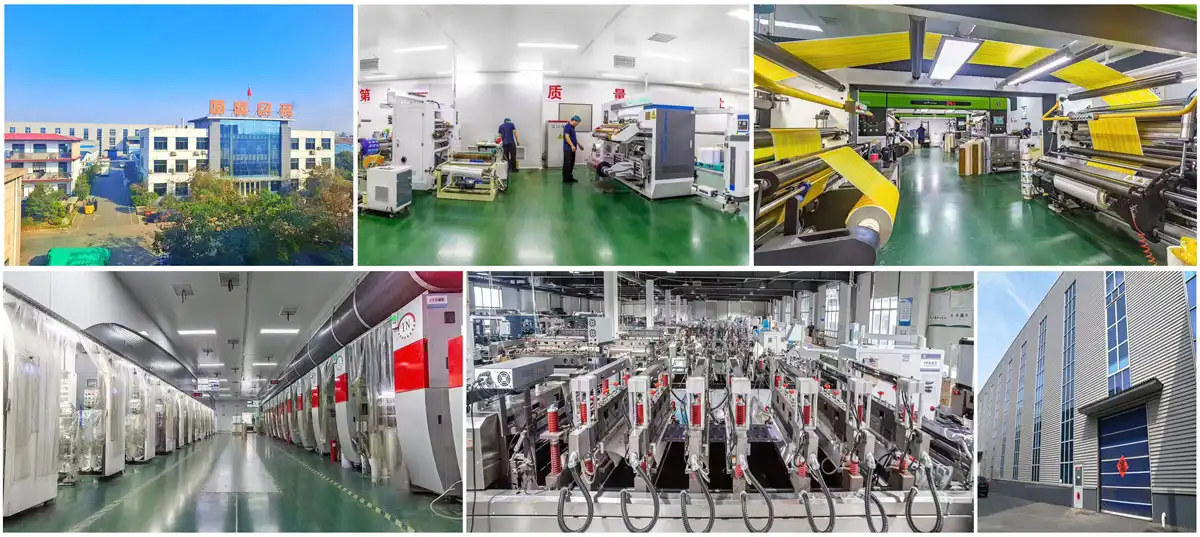
Quality packaging shouldn't create production headaches or compromise product protection. Guoshengli Packaging brings 25 years of flexible packaging manufacturing experience to every custom flat bottom pouch with zipper project we undertake. Our facility operates advanced rotogravure printing, precision laminating, and converting equipment that delivers consistent results across repeat orders—not just initial shipments. We maintain ISO 9001, BRC, FDA, and SGS certifications that meet international quality standards and support your compliance requirements. Whether you need 250g custom flat bottom pouch solutions for coffee, pet food, supplements, or specialty products, our engineering team designs packaging matched to your specific barrier requirements, filling equipment, and brand positioning. Contact our team at sales@guoshengpacking.com to discuss your project specifications with experienced flat bottom pouch manufacturers who understand B2B procurement priorities and deliver reliable packaging that performs consistently in real production environments.
References
1. Robertson, Gordon L. Food Packaging: Principles and Practice. 3rd ed. CRC Press, 2012.
2. Marsh, Kenneth and Betty Bugusu. "Food Packaging—Roles, Materials, and Environmental Issues." Journal of Food Science, vol. 72, no. 3, 2007, pp. 39-55.
3. Selke, Susan E.M., et al. Plastics Packaging: Properties, Processing, Applications, and Regulations. 3rd ed. Hanser Publications, 2015.
4. Coles, Richard and Derek McDowell, editors. Encyclopedia of Packaging Technology. 3rd ed. Wiley, 2011.
5. Yam, Kit L., editor. The Wiley Encyclopedia of Packaging Technology. 3rd ed. John Wiley & Sons, 2009.
6. Emblem, Anne and Henry Emblem. Packaging Technology: Fundamentals, Materials and Processes. Woodhead Publishing, 2012.