- English
- French
- German
- Portuguese
- Spanish
- Russian
- Japanese
- Korean
- Arabic
- Greek
- German
- Turkish
- Italian
- Danish
- Romanian
- Indonesian
- Czech
- Afrikaans
- Swedish
- Polish
- Basque
- Catalan
- Esperanto
- Hindi
- Lao
- Albanian
- Amharic
- Armenian
- Azerbaijani
- Belarusian
- Bengali
- Bosnian
- Bulgarian
- Cebuano
- Chichewa
- Corsican
- Croatian
- Dutch
- Estonian
- Filipino
- Finnish
- Frisian
- Galician
- Georgian
- Gujarati
- Haitian
- Hausa
- Hawaiian
- Hebrew
- Hmong
- Hungarian
- Icelandic
- Igbo
- Javanese
- Kannada
- Kazakh
- Khmer
- Kurdish
- Kyrgyz
- Latin
- Latvian
- Lithuanian
- Luxembou..
- Macedonian
- Malagasy
- Malay
- Malayalam
- Maltese
- Maori
- Marathi
- Mongolian
- Burmese
- Nepali
- Norwegian
- Pashto
- Persian
- Punjabi
- Serbian
- Sesotho
- Sinhala
- Slovak
- Slovenian
- Somali
- Samoan
- Scots Gaelic
- Shona
- Sindhi
- Sundanese
- Swahili
- Tajik
- Tamil
- Telugu
- Thai
- Ukrainian
- Urdu
- Uzbek
- Vietnamese
- Welsh
- Xhosa
- Yiddish
- Yoruba
- Zulu

Coffee and tea packaging attracts high-end consumers when it looks refined, feels good in the hand, and protects aroma until the last cup. Shoppers form a quick opinion on the shelf, so bag shape, print detail, and finish matter. They also notice function, such as a working valve, a clean zipper, and a bag that stays firm. At Guoshengli Packaging, we have made flexible packaging for more than 25 years, and we see the same pattern across roasters and tea brands. Design wins the first purchase, and barrier performance wins the second. This guide shows how to get both right.
How High-End Consumers Judge Coffee and Tea Packaging
First Impressions Start on the Shelf
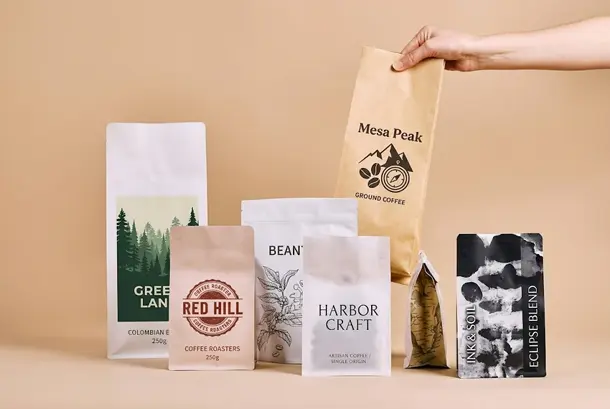
Before reading anything, people already know what they think. This works well with flat-bottom bags because they stand up straight and have room for art on the front, back, and sides. The pouch can stand up on its own and keep its shape on the shelf. Many times, simple graphics with sharp type, few colors, and clear origin information send a stronger message than graphics with lots of different shapes and colors. Rotogravure lets us print in up to 11 colors, so brands can use small text and fine illustrations that have smooth edges. You can print a lot of things and tell a story about a farm, a roast, or a harvest. It makes sense to charge more after hearing that story. Getting clear like this is the first thing you need to do to make great coffee and tea packaging.
Touch and Finish Signal Quality
Customers' expectations are influenced by how coffee and tea packaging feels because it is the first thing they touch. Oxford scientist Charles Spence looked into multisensory packing and found that the way a product looks, feels, and tastes affects how people think it will taste and how they judge its quality. The best finish for current and calm styles is matte. A gloss finish is best for ones that are big and bright. A matte finish also makes store lights less bright. No matter what kind of paper you want, we can print on it with high-definition gravure printing. Early on, let our team know what kind of feel you want, and we'll make sure that the structure you pick can give it to you before you place your order.
Function Builds Trust After the Sale
The first one was bought because of how it looked, but the second one was bought because it worked. People will notice if the bag is swollen, smells flat, or has a zipper that won't close. With a one-way degassing valve, a zipper that can be closed again, and a tear notch, it's easy to use every day and keep your good name. Your business comes to mind when a customer opens a fresh, smelling bag at home. It's not a separate technical detail for me when I package high-end coffee and tea packaging. I think of function as part of the brand story. If the things inside the bag work on day one and day sixty, people will know you care about them.
Choosing Materials for Coffee and Tea Packaging
How Barrier Layers Work
Because volatile substances in both lose their smell when they are exposed to air, moisture, and light, Coffee & Tea Packaging must keep these elements out. One layer at a time, a laminate with more than one layer stops these threats. Most of the time, we have PET/PE, PET/VMPET/PE, and PET/AL/PE in stock. PET keeps the print in place and makes it stronger. A barrier is added by VMPET, which is PET that has been metalized. If you want to block air and light, aluminum foil is the best choice. PE is used to make the heat seal layer. Do not judge a bag by its outside appearance; two bags may feel the same but do very different things. PET/AL/PE foil works well for ground coffee and tea that goes bad when exposed to light. PET/PE may be better for things that need to last less time.
Match the Structure to the Product
Whole bean coffee, ground coffee, loose leaf tea, and herbal blends all have different needs. The smell leaves ground coffee faster than whole beans because there are more open surfaces. This makes the barrier choice even more important. A tin or metal layer is good for tea because it is sensitive to light and water. You should think about what you want the shelf life to be and whether you want a clear window that lets some light in. We'll help you find a structure that works for your coffee and tea packaging based on the fill weight, type of product, and shelf life you want.
Sustainable Options Without Weak Protection
Rich people are asking if coffee and tea packaging can be recycled more and more. You can recycle our MONO-PE and MONO-PP pouch designs, and we also have packing choices that can be recycled in their entirety. Pouch containers that are light and easy to carry are better for the environment than rigid containers. You still have to pick up your recyclables in person. The Ellen MacArthur Foundation's 2016 study on the "New Plastics Economy" says that only 14% of plastic is recycled around the world. Look over the area systems and make sure the barriers work well enough to keep the product safe. New ideas aren't put on hold because of systems that haven't been tried. We'll talk to you about the barriers that come with each option.
Formats and Features for Coffee and Tea Packaging
Flat Bottom, Stand-Up, Side Gusset, and Quad Seal
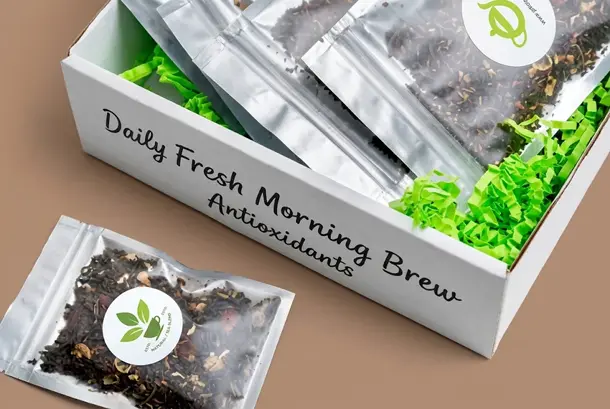
Each kind of pouch sends a different signal. A lot of specialty coffee comes in bags that are flat on the bottom and can stand up straight. Stand-up boxes for tea look good on store shelves and hold a lot of tea. It's a well-known fact that side-gusset bags are the best way to carry coffee and tea packaging. Quad seal bags are strong because they have seams on all four sides. This also makes the panels that painters work on clean. We also have rollstock film for FFS and VFFS machines that are used on automatic lines. You might need different answers for a hand-packed micro-lot and a high-speed line. Pick the style that works best for your business and the way you fill orders.
One-Way Degassing Valves
Coffee that has just been roasted gives off carbon dioxide for days or weeks afterward. If you can't get the bags out, they get bigger and might even burst. There is a one-way degassing valve that lets carbon dioxide go out but only lets oxygen in. This keeps the product from swelling and helps keep the taste and smell. Still, you need good valves because a weak seal can let water in. Get each seller's seal test report and check some bags on your own. You can open them to smell them after a few weeks have passed. Our staff can help you decide which tests will work best for your project and do quality checks and SGS tests.
Zippers, Tear Notches, and Windows
Little things make up daily life. A zipper that can be used again and again keeps the bag closed after the first cup. This is important for coffee and loose leaf tea that you want to use more than once. The first hole is clean because it has a tear notch. A clear window lets people who want to buy see the beans or leaves. Most tea bags and sachets need an outer pack so you can control how much tea you drink. On the other hand, loose leaf tea does well in stand-up pouches that can be closed again and again. The shape, closure, and print of these parts are all built into unique cases so that they work well together. We make sure that everyone works on a model before we start making the real thing. Little things like these make the coffee and tea packaging more fun.
Printing Options for Premium Coffee and Tea Packaging
Turn the Bag into a Story
They say that one cool thing about bendable bags is that they have big places to print. You can put information about where the coffee comes from, how to brew it, and a QR code that can be used to keep track of it all in one bag. Plant drawings and color coding are often used by tea brands to show which blends are which. So that you don't have to change the artwork later, make sure there is room for barcodes, batch numbers, regulatory text, and disposal marks. It's clear that brand name comes first, then background, and finally description. If the style is simple and the print is clear, you can make dark colors, kraft looks, and bright limited editions feel high-end. People will look at one part of the coffee and tea packaging more when it's well packaged.
Digital Printing for Many SKUs
Unique coffee roasters often make many types of coffee from the same source, and each type may need its own design. That model prints well with a computer. The lead time is usually 7 to 10 days, and we need at least 500 to 1000 digital pieces. You don't have to do a big run to try a design, add a new bean, or change one SKU. There is often room on the panel or label for the date of the roast, which means that a printed bag can hold more than one batch. Small runs also mean that there is less stock left over when the style of a label changes. You can give one coffee a new look before you change the whole line.
Gravure Printing for Core Lines
Since coffee or tea that sells well over time makes sense to print on gravure. There is a 15–20 day wait time, and we need at least 20,000 pieces to begin making something. Gravure can use up to 11 colors, and the colors stay the same over long runs. This is useful for tea patterns and gift lines with lots of little pictures. You should get a written copy and compare it to the brand color guide before you say yes. Make sure you agree on the artwork, proofs, and production times for holiday tea gift packs a long time before they go on sale. Some brands use digital printing to make new items. For their main products, they print with gravure. This mix makes sure that small runs start quickly and stay steady during big runs.
Buying Custom Coffee and Tea Packaging with Confidence
Write a Clear Specification First
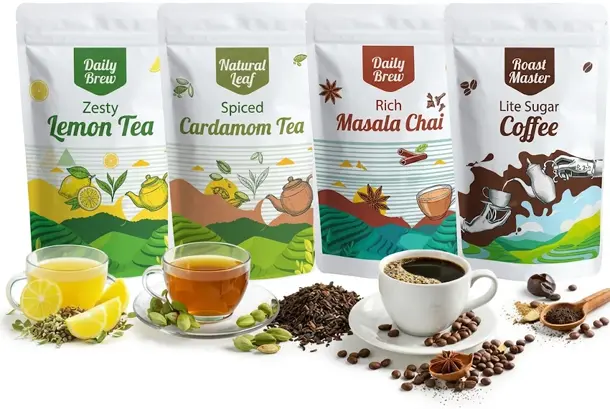
To get a good price, you need to start with a clear outline. It's important to write down the type of product, the fill weight, the bag format, the dimensions, the barrier needs, the valve, the zipper, the finish, the print method, the shelf-life goal, the yearly volume, and the market route. It's not enough to just compare the unit price when you shop. You should also look at the material, bag size, print method, and number of SKUs. If the price is low, it could mean that the covers are weak, the films are thin, or the reordering process is slow. Also, if you sell in the US, make sure you have FDA paperwork in order to handle food. Before giving you a quote for custom coffee and tea packaging, our team reads over your brief. The FDA has approved the materials we use for making coffee and tea.
Test Before You Switch
Make the switch slowly. First, move a sample, then test one SKU, and finally move the rest of the range. Because digital lead times are short, you can try it out with just one bean. Take a look at how strong the heat seal is, how the valve works, and how close the print setting is to the real one. Place full bags on a normal shelf somewhere warm or wet. Open them up and smell the coffee after some time. Weak spots show up more quickly when it's hot and humid than when it's cool. Add a shipping test because shipping for a long time and being compressed can break weak seals. Remember each result so that the first step of your next order is based on tried-and-true steps.
Why Roasters and Tea Brands Choose Guoshengli Packaging
A lot of brands ask us to box their coffee and tea. This is the main reason they do it.
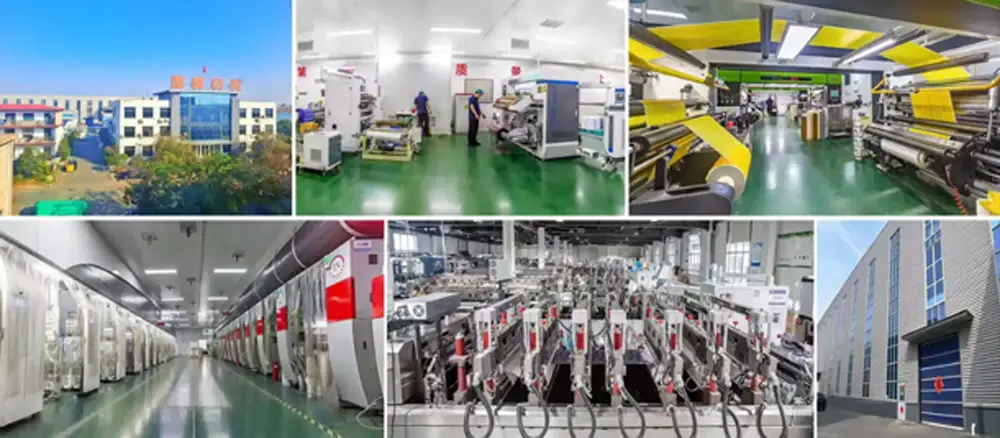
- Production capacity: There are six laminators, seven printers, and 49 tools that fold. Up to 11 colors can be used in rotogravure printing. No matter if the pouch has a flat bottom or four seals, this much room will work. It also helps make sure that the structure, color, and size are always the same, so that launches and refills follow the same rules.
- Quality systems: Our building has been approved by ISO 9001 and BRC to pack food. FDA and EU food contact compliance testing is another service we offer. So is SGS testing and testing by a third party. Because you can keep track of each order, mistakes are less likely to happen and your team is more likely to follow the rules. Tell our team what test reports you need for your project before we make the samples.
- Speed and service: Digital printing usually takes 7–10 days, gravure printing 15–20 days, and urgent orders can be sent by air in 4–5 days. Our staff has worked together for more than 25 years and has sold goods in North America, Europe, and the Asia-Pacific region. We know what buyers from other countries want and can explain complicated ideas in easy-to-understand language.
Conclusion
The way rich people package their coffee and tea packaging is based on what they see, touch, and use every day. Barrier laminates, such as PET/AL/PE, PET/VMPET/PE, and PET/PE, keep flavor and aroma safe from air, water, and light. People first buy something because of how it looks on the shelf, the small print, and the matte or glossy finish. Pouch styles like flat bottom, stand-up, side gusset, and quad seal can all fit different brand placements. Zippers, one-way valves, and tear notches help keep food fresh and make good use of space. For different SKUs, digital printing at 500 to 1000 pieces works well. For larger runs that need to be color-accurate, gravure printing is best. When barrier performance and local collection are looked at, options made of one recyclable material can help reach sustainability goals. When there are clear instructions, staged tests, and confirmed food-contact compliance, there is less risk. The design and technical performance of a product must work well together for it to look high-end.
FAQ
1. What coffee and tea packaging structure suits freshly roasted coffee?
Something like PET/AL/PE, a strong heat seal, and a one-way degassing valve work well with coffee and tea packaging. The only thing that can leave is carbon dioxide. No light or air can get through. Ask your seller for a seal test report before you sign off on the sample.
2. Can I order small runs with a different design for each bean?
Yes. Most of the time, it takes 7–10 days to print 500–1000 pieces digitally. This is a long enough time for test launches and releases from a single origin. Mark a place to write the roast times.
3. What pouch works best for loose leaf tea?
It works best to use a stand-up pouch made of foil or metal that can be closed many times and keeps light and moisture out. A window isn't necessary, but it lets light in. Most of the time, tea bags also need a lid.
4. What are the gravure printing minimum and lead time?
If you need more than 20,000 pieces, gravure printing takes about 15 to 20 days. So that the results are the same on long runs, it can use up to 11 colors. We need to see proofs of your art before you send it to us.
Request Custom Coffee and Tea Packaging from Guoshengli Packaging
For more than 25 years, coffee and tea packaging has been making bags for coffee and tea. They can give you a price on rollstock film, flat bottom, stand-up, side gusset, and quad seal cases. Send an email to sales@guoshengpacking.com with the item's name, size, and number of items you need. Then, our team will suggest a barrier structure and a way to print. Visit guoshengpack.com to learn more and ask for a sample for your next roast or blend.
References
1. Espresso Coffee: The Science of Quality, 2005
2. Food Packaging: Principles and Practice, 2012
3. Integrating the Packaging and Product Experience in Food and Beverages, 2016
4. Sensory Expectations Based on Product-Extrinsic Food Cues: An Interdisciplinary Review, Food Quality and Preference, 2015
5. The New Plastics Economy: Rethinking the Future of Plastics, Ellen MacArthur Foundation, 2016
6. Coffee Flavor Chemistry, 2002