- English
- French
- German
- Portuguese
- Spanish
- Russian
- Japanese
- Korean
- Arabic
- Greek
- German
- Turkish
- Italian
- Danish
- Romanian
- Indonesian
- Czech
- Afrikaans
- Swedish
- Polish
- Basque
- Catalan
- Esperanto
- Hindi
- Lao
- Albanian
- Amharic
- Armenian
- Azerbaijani
- Belarusian
- Bengali
- Bosnian
- Bulgarian
- Cebuano
- Chichewa
- Corsican
- Croatian
- Dutch
- Estonian
- Filipino
- Finnish
- Frisian
- Galician
- Georgian
- Gujarati
- Haitian
- Hausa
- Hawaiian
- Hebrew
- Hmong
- Hungarian
- Icelandic
- Igbo
- Javanese
- Kannada
- Kazakh
- Khmer
- Kurdish
- Kyrgyz
- Latin
- Latvian
- Lithuanian
- Luxembou..
- Macedonian
- Malagasy
- Malay
- Malayalam
- Maltese
- Maori
- Marathi
- Mongolian
- Burmese
- Nepali
- Norwegian
- Pashto
- Persian
- Punjabi
- Serbian
- Sesotho
- Sinhala
- Slovak
- Slovenian
- Somali
- Samoan
- Scots Gaelic
- Shona
- Sindhi
- Sundanese
- Swahili
- Tajik
- Tamil
- Telugu
- Thai
- Ukrainian
- Urdu
- Uzbek
- Vietnamese
- Welsh
- Xhosa
- Yiddish
- Yoruba
- Zulu

Flexible packaging benefits the frozen food industry by protecting quality at low temperatures while cutting weight, storage space, and freight cost. Well-built frozen food packaging uses barrier layers to slow moisture loss, strong seals to prevent leaks, and puncture-resistant films to survive pallet stacking and sea freight. It also gives processors a large print area for brand and compliance information. Our team at Guoshengli Packaging has more than 25 years of flexible packaging experience. The same questions come up in almost every frozen food packaging project: which structure, which format, and which tests. This guide answers them step by step.
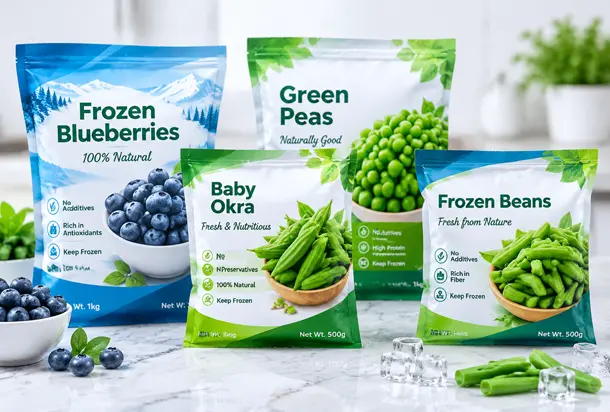
Core Protection Benefits of Flexible Frozen Food Packaging
Barrier Layers Slow Freezer Burn
The Food Safety and Inspection Service of the United States says that freezer burn happens when air dries out the outside of the food. It stays safe, but the food tastes and feels different. Because of good frozen food packaging, that trade is restricted. One keeps water inside and oxygen outside, which would damage the food and make the color and taste less vivid. Multi-layer laminates have more than one layer. The first layer stops the vapor, the second layer makes it stronger, and the third layer seals the pack. For frozen food packaging, NY/PE, PET/VMPET/PE, and PET/PE are three popular shape types. That's what I think you should do to choose the limit level. Fruits and vegetables that have been frozen need less air flow than fish and meat that is high in fat. Also, things that will be kept for a long time need more protection than things that will be used soon.
Seals and Puncture Resistance at Low Temperatures
When it gets cold, weak films can break, so a seal that looks good at room temperature can become broken in the freezer. Polyethylene is often used as the upper layer because it doesn't stiffen up when put in the fridge. Things made of nylon are less likely to tear or get holes in them. Because of this, NY/PE is often used for things that are heavier or tougher. This is important for shrimp tails, cuts with bones, and dumplings with sharp ends. Sticky food, water, and frost can get to the seal area of frozen food packaging while the food is being filled. This puts stress on the seals. At those times, you can ask any service how the structure works and get the test method behind the answer. Most of the time, ASTM F88 is used to test how well flexible barrier materials close.
Formats That Fit Frozen Products
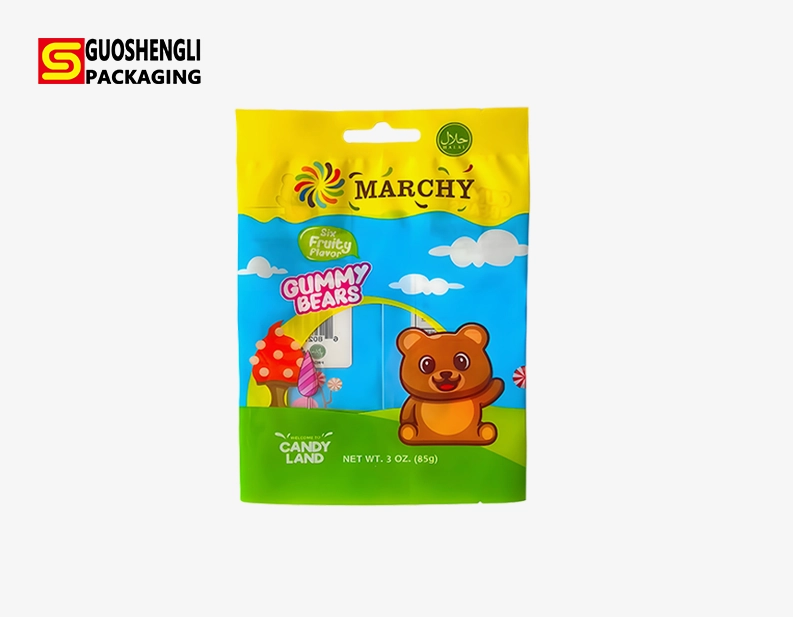
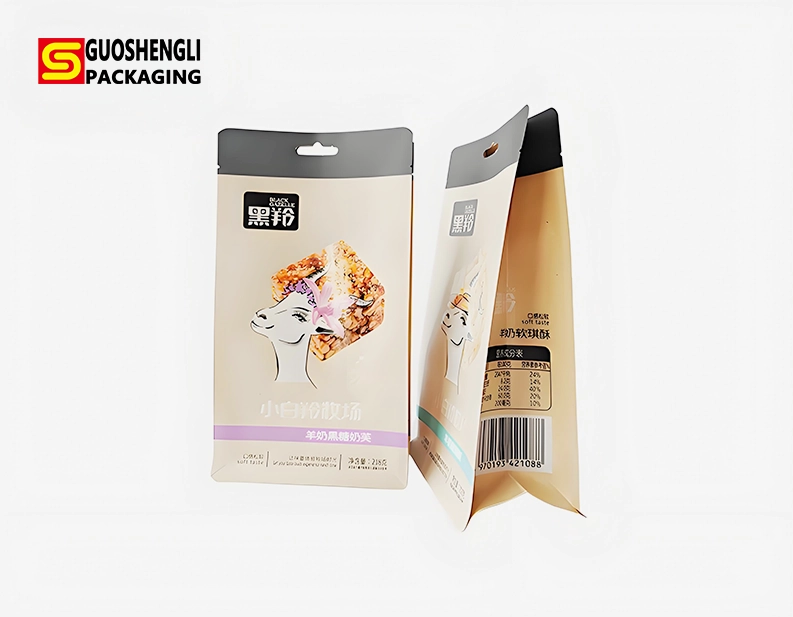
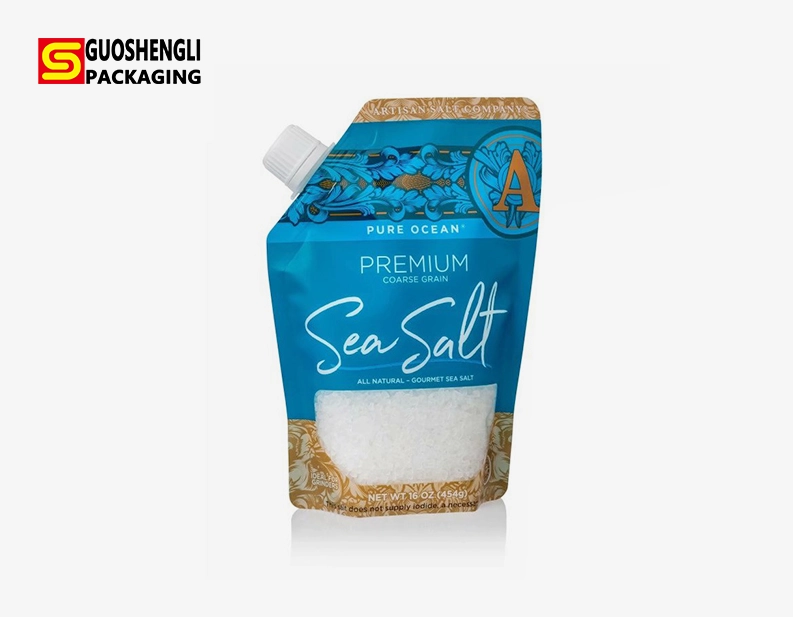
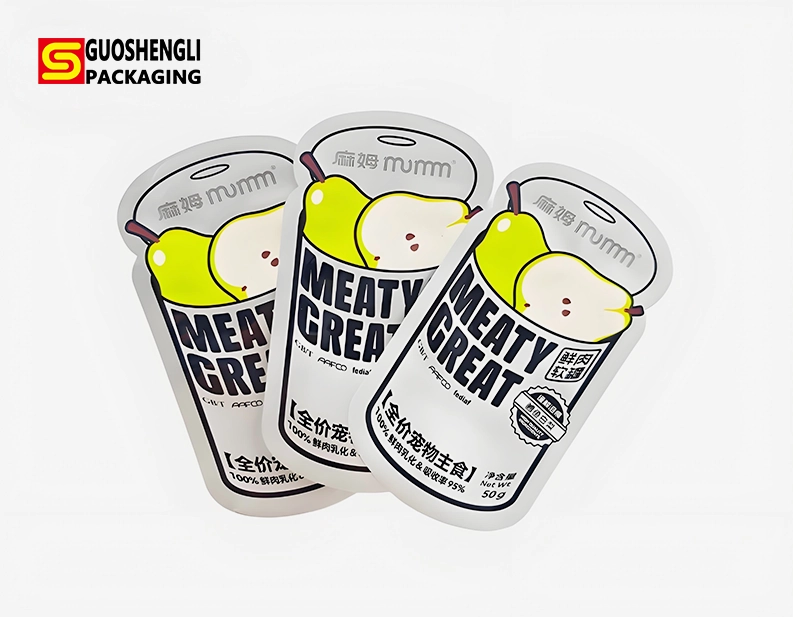
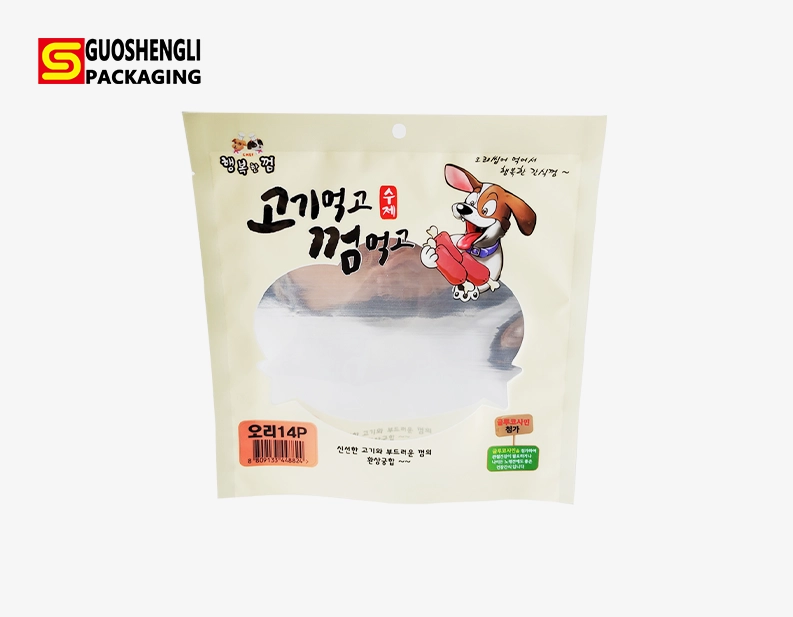
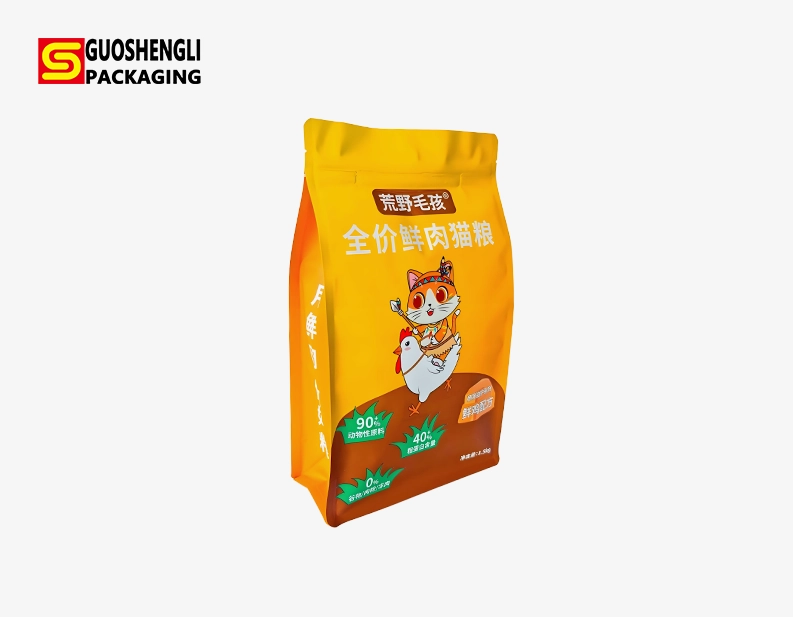
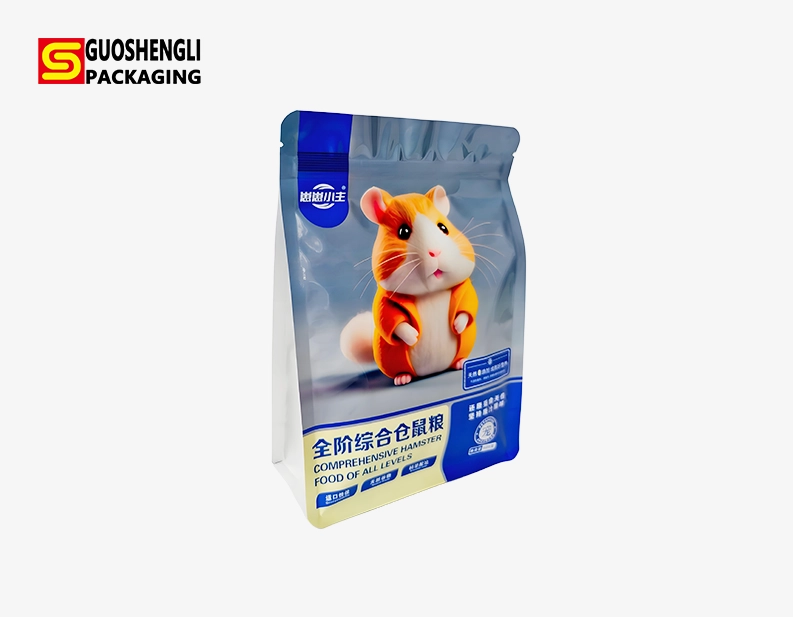
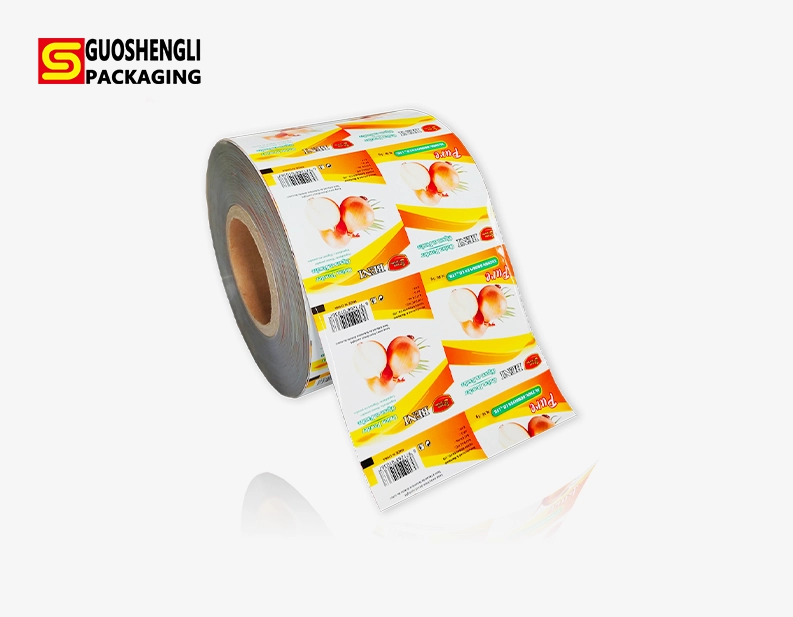
Flexible frozen food packaging comes in a number of different styles, and each one is suitable for a range of foods. Foods that are frozen often come in pillow pouches. More things can fit in bags with side gussets. Snacks, dumplings, and ready-to-cook meals look better in store shelves when they come in bags with flat bottoms and pouches that stand up. Form-fill-seal tools can handle rollstock film for lines that have a lot of it. Fruit, seafood, meat, frozen vegetables, rolls, snack foods, and baked goods are some of these types. It's easier to shop when the bags have tear notches, resealable zippers, clear windows, and hang holes. When you choose the format early, you can save time because it affects how the film is organized, what tools are used to fill it, and how the boxes are packed.
Operational and Branding Advantages of Frozen Food Packaging
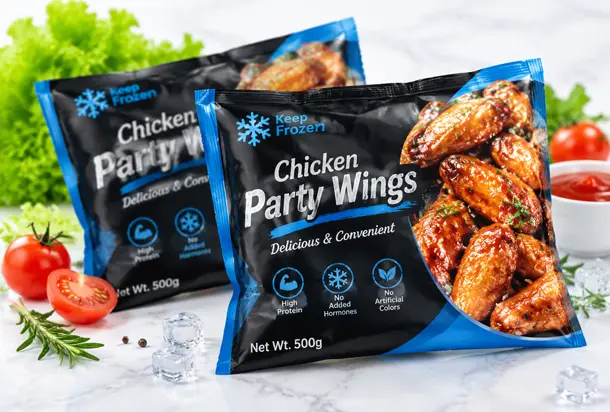
Lower Weight and Better Container Loading
Flexible pouches are lighter and take up less room before they are filled than rigid cases, tubs, and crates. Because they are small, rollstock and flat bags that are empty are easy to store and ship. That is, a warehouse can hold more boxes per square foot, and a container can hold more units. When exporters ship full containers every day, lighter frozen food packaging saves them money on shipping costs and uses less material per pack. I think you should look at the total landed cost instead of just the unit price because it changes based on the product, pack size, and route. You can see how much each option really costs by adding up the costs of shipping, storage, handling, and damage.
Smooth Operation on Filling Lines
If you want frozen food to save you money, it needs to work well with the tools you have. Vertical and horizontal form-fill-seal machines can use rollstock film, and machines that fill pouches can use bags that have already been made. Before you approve a structure, talk to your frozen food packaging manufacturer about the performance of the film, the range of temperatures for the seal, the accuracy of the registration, and the cutting. Making small changes to these specs causes line stops, seals that get wrinkled, and more work. I think you should test your real line first before you place a full order. A pilot shows how the feed works, how reliable the seal is, and how common mistakes are in real life. In this way, you can find issues before a whole container of goods is shipped.
Printing That Supports Brand and Compliance
You can print pictures of the food, nutrition facts, storage instructions, barcodes, QR codes, and text in more than one language on flexible film because it has a lot of surface area. All of these things should be able to fit on the art on frozen food packaging because that's what the target market requires. Up to 11 colors can be used for rotogravure printing at Guoshengli Packaging. If you need the same color for each batch of a big order, this works well. Digital printing is good for small runs, testing products, and putting them on the market quickly. It makes a difference how a pack looks in a freezer case whether it is flat or shiny. Talk to your maker about artwork, measurements, and compliance information before getting a lot of them made. This will keep you from having to print again or wait for approvals.
Comparing and Choosing Frozen Food Packaging
Flexible Packaging Compared with Rigid Options
One material doesn't work for everything. Flexible bags are better because they can hold more, are lighter, have more print room, and use freight better. Some meals stay in shape better in rigid trays, tubs, and boxes. They are also easier to stack and can be used in the microwave. For paper structures to be safe in a freezer, they need coatings or barrier layers. There are vacuum packs and modified atmosphere packs that are used for things that need to be kept away from oxygen. For frozen food packaging, a lot of brands mix the types of boxes. One example is a printed box that might have a flexible bag inside it. Before you decide, think about the shape of the item, how it will be packed, how it will be shipped, and how long you want it to last.
Matching Frozen Food Packaging Structure to Product
Here are some things you should look at first: how much fat and water the product has, any bones or sharp edges, sauces, serving size, and how it is frozen. NY/PE is good for heavy or sharp things because nylon doesn't tear easily. You can use PET/PE and PET/VMPET/PE to make things that don't need a lot of mechanical strength but do need a lot of barrier strength. Watch out for claims about heat. Sometimes, a pack that is meant to be frozen won't work when you want to cook, boil, or stir-fry it. Before you place your order, make sure the seller writes down that the structure can handle the heat if your dumplings or ready-made foods are heated. Many times, people mix up the frozen and retort structures, especially when a new product is first presented.
Sustainable Options That Still Protect the Product
A lot of brands want packs that don't work as well. Structures made of only PE and PP can be recycled, and shipping lighter packs causes less pollution. You can choose from recyclable mono-PE and mono-PP packaging at Guoshengli. Recycling still needs to be picked up locally, and in many U.S. cities, shops have film drop-off services. In other words, a design can be recycled, but that doesn't mean it will be recycled everyplace. The food inside of safe frozen food packaging should still be safe. What kind of moisture and air protection is there between a bag made of one material and a laminate like NY/PE? You should test the barrier and seal performance with your own product to be sure. The people on our team can help you compare your choices to how you need to do things.
Testing, Compliance, and Common Mistakes in Frozen Food Packaging
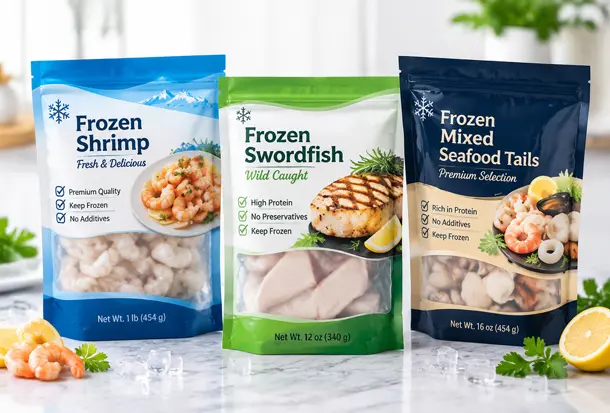
Tests to Request Before Mass Production
Items may not work in the freezer even if they look good. Find out what you need to know about how things really are. The ASTM F88 test checks the strength of the seal, the ASTM F1249 test checks the flow of water vapor, the ASTM D3985 test checks the flow of oxygen, and the ASTM F1306 test checks the resistance to punctures. To make sure frozen food packaging is safe, drop test full packs that are already in the freezer and check for cracks, tears, leaks, and print damage. Impact, vibration, and compression are some of the transportation simulations. After that, test your finishing line. If you want to know what a low-temperature seal does, I suggest that you test your own samples instead of relying on what general claims say.
Documents That Prevent Delays
Export packages are held up when paperwork isn't complete. The FDA has rules about how to sell and package frozen food in the U.S. You can read about polymers that can touch food in Title 21 of the Code of Federal Regulations, Part 177. People who buy things and inspectors alike also look for quality papers and records of where the goods came from. Guoshengli Packaging has food packaging certifications from both ISO 9001 and BRC. They also help with SGS testing and have materials that are FDA-approved for use with food. BRCGS is in charge of setting standards for packaging materials. A lot of food companies use these standards to judge suppliers. Not after the customer checks, but before. Get the specs, certificates, test results, and records of how each batch was made. Your users and your quality team will both be happier.
Mistakes That Raise Total Cost
It's not smart to buy frozen food packaging based on how much it costs per unit alone. It costs more because of lost goods, claims, and extra work when a smaller bag leaks or cracks. The second one doesn't think about how well the material will work in low temperatures, which makes it weak and breaks the seal. Seafood, meat, vegetables, and rolls are all packed in the same way, but they all put different amounts of stress on the pack. The fourth mistake is ordering a lot of prints before the picture and forecast are set in stone. This leaves behind stock that can't be used anymore. The fifth doesn't follow color rules because changes from one batch to the next can hurt a brand. Find out what your seller does to remember the color when you order from them again. You can protect your customers and your profits by not making these five mistakes.
How Guoshengli Packaging Supports Frozen Food Packaging Projects
Manufacturing Capacity and Quality Control
Flexible packaging has been made by Guoshengli Packaging for over 25 years. There are 49 machines in our company that convert, 7 machines that print, and 6 machines that laminate. At important points, people who work in the plant check the work. We can print up to 11 colors with rotogravure, and to clean up waste gas, we use imported RTO technology. As part of our quality processes, we use products that are FDA-approved and have ISO 9001 and BRC certifications for food packaging. SGS also helps us with tests. We have finished pouches and rollstock film from the same plant. The types of the pouches are stand-up, flat bottom, side gusset, and pillow. The pouches are made, printed, laminated, and picked out of the material all in the same place. This helps make sure that each order is the same size and color.
Order Sizes and Lead Times
The stage of your job determines the order method. For gravure printing, this kind of printing takes 15 to 20 days and starts at 20,000 pieces. It works well for long, steady programs that need color that stays the same. In general, digital printing takes 7 to 10 days and starts at 500 to 1,000 pieces. This works well for test runs, new tastes, and items that are in season. If you need something quickly, it will take 4–5 days to ship by plane. You should start with samples or a small digital run to make sure the structure looks good on your line. After that, you can move on to gravure volume. That way is safer because you look at the pack first before buying a lot of them.
Request a Frozen Food Packaging Quote
Quotes are only as true as the facts they are based on. Please tell us what kind of product it is, how much it weighs, what format it prefers, how it should be stored, how long it should last, what kind of printing it needs, how much it will be, where it will be sold, and when it should be delivered. How is the food cooked? Please let us know so that we can make sure the structure is right. Find out about the minimum order quantity (MOQ), the cost of the tools, whether samples are available, and the paperwork that lets food touch the product. Compare offers based on how well the item works, how long it takes to ship, how much it costs to ship, and how long you have to wait. This is something our team talks over with you and suggests a structure for before production starts.
Conclusion
Frozen food packaging is good for the frozen food business because it keeps food safe at low temperatures and reduces the need for weight, storage room, and freight. Barrier layers keep water from evaporating and oxidizing, which keeps food from getting freezer burn. Cracks and holes can't happen because of the sealant and nylon layers. Pillow pouches, stand-up pouches, flat bottom bags, side gusset bags, and rollstock can all be used to pack most frozen foods. You can add your brand and any other information you need by printing on these things. Still, rigid packs can work for some things. The best choice will depend on the shape of the thing, how it will be made, and where it will be sent. Standard tests, freezer drop tests, sample runs, and full papers can all lower risk, but making decisions based only on price can have hidden costs. Things that have been heated need to be built in a way that they can handle high temperatures. Options made from a single material that can be returned will work as long as they do their job.
FAQ
1. What is the best frozen food packaging material?
That is up to what it is. NY/PE is good for things that are big or sharp, while PET/PE and PET/VMPET/PE are better for things that are small and need more protection. Reusing mono-PE and mono-PP is possible.
2. Can one pouch handle freezing and steaming?
Not all the time. Putting something in the freezer and preparing it in a hot oven put different stresses on the structure, so make sure you get written proof that it can handle the heat.
3. What are the MOQs and lead times?
For gravure printing, you need to buy at least 20,000 pieces, and the wait time is between 15 and 20 days. For digital printing, we can make between 500 and 1,000 of these, and the lead time is 7 to 10 days.
4. Which documents should I request?
Ask for ISO 9001 and BRC certificates, as well as FDA food-contact compliance, SGS test reports, specifications, and records of how the goods were made.
5. How can I reduce freezer burn?
Pick a moisture and oxygen barrier that works for the amount of time you want to keep the item. Get rid of any extra air and make sure the seal is still in place.
Request Frozen Food Packaging Samples from Guoshengli Packaging
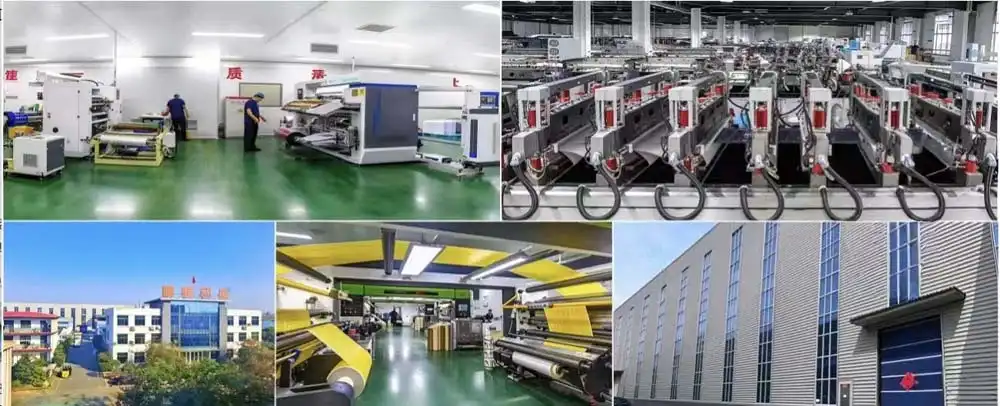
You can buy frozen food packaging from Guoshengli Packaging. They have been in business for more than 25 years and are approved by both BRC and ISO 9001. They can print in up to 11 colors using gravure printing and do digital runs as little as 500 pieces. Email sales@guoshengpacking.com with details about your goods, the style you want, and how you'd like the information to be kept. After that, our team will think of a plan and set a price. You can go to guoshengpack.com to learn more about our rollstock films and pouches.
References
1. Food Packaging: Principles and Practice, CRC Press, 2012
2. Freezing and Food Safety, USDA Food Safety and Inspection Service, 2013
3. Code of Federal Regulations, Title 21, Part 177, U.S. Food and Drug Administration, 2023
4. ASTM F88/F88M, Standard Test Method for Seal Strength of Flexible Barrier Materials, ASTM International, 2021
5. ASTM F1249, Standard Test Method for Water Vapor Transmission Rate Through Plastic Film and Sheeting Using a Modulated Infrared Sensor, ASTM International, 2020
6. BRCGS Global Standard Packaging Materials, Issue 6, BRCGS, 2019