- English
- French
- German
- Portuguese
- Spanish
- Russian
- Japanese
- Korean
- Arabic
- Greek
- German
- Turkish
- Italian
- Danish
- Romanian
- Indonesian
- Czech
- Afrikaans
- Swedish
- Polish
- Basque
- Catalan
- Esperanto
- Hindi
- Lao
- Albanian
- Amharic
- Armenian
- Azerbaijani
- Belarusian
- Bengali
- Bosnian
- Bulgarian
- Cebuano
- Chichewa
- Corsican
- Croatian
- Dutch
- Estonian
- Filipino
- Finnish
- Frisian
- Galician
- Georgian
- Gujarati
- Haitian
- Hausa
- Hawaiian
- Hebrew
- Hmong
- Hungarian
- Icelandic
- Igbo
- Javanese
- Kannada
- Kazakh
- Khmer
- Kurdish
- Kyrgyz
- Latin
- Latvian
- Lithuanian
- Luxembou..
- Macedonian
- Malagasy
- Malay
- Malayalam
- Maltese
- Maori
- Marathi
- Mongolian
- Burmese
- Nepali
- Norwegian
- Pashto
- Persian
- Punjabi
- Serbian
- Sesotho
- Sinhala
- Slovak
- Slovenian
- Somali
- Samoan
- Scots Gaelic
- Shona
- Sindhi
- Sundanese
- Swahili
- Tajik
- Tamil
- Telugu
- Thai
- Ukrainian
- Urdu
- Uzbek
- Vietnamese
- Welsh
- Xhosa
- Yiddish
- Yoruba
- Zulu

Eco-friendly pouches come in four main types: recyclable mono-material PE or PP pouches, paper-based pouches, compostable pouches, and biodegradable pouches. Recyclable mono-material pouches suit most brands that sell through standard retail channels. They use one plastic family and can match existing film recycling streams where collection exists. Paper and compostable options fit specific brand stories and disposal routes. The right choice depends on your product, shelf life, and the waste system in your market. Below, I compare each option, explain how to test them, and show what we offer at Guoshengli Packaging.

What Are Eco-Friendly Pouches?
A Broad Term With Specific Meanings
Eco-friendly pouches are containers that can be bent and are made to be less harmful to the environment. They might use fewer renewable materials, buildings that can be recovered, or films that can be broken down in the soil. This phrase doesn't mean that a pouch will break down naturally, be compostable, or be used again. Those words all mean different things. These are the Federal Trade Commission's Green Guides, which were last changed in 2012. They say that US marketers should say when a product is "recyclable" if most people can't get to a recycling center. The guides think that's at least 60%. Just be clear about what you need, like "mono-material PE" or "certified compostable," before you get quotes.
Where Brands Use Them
Eco-friendly pouches are used in stores to hold snacks, coffee, tea, nuts, dried fruit, and powders. Business that make food for pets use them to make feed, toys, and medicines. Bath salts, skin care items, and cleaning tools are made with them by companies that sell skin care and home goods. There are different needs for each use. Don't let dry snacks get wet. Coffee needs a wall to keep air and smells out. Some seals need to be very strong and impossible to break. It's not always possible to fit all of your items in one pouch because they all have different needs.
Why the Details Matter for Buyers
Samples don't usually have problems with the packing. They show up when anything is being made, when people order again, and when the market grows. A pouch might look nice on your desk, but it could get stuck on the filling line or stop being a barrier after it's been sent. That's why I talk about the structure, printing method, closure, and way to get rid of it all at the same time. Pouches that look better on paper but are harder to fill, ship, or sell are often eco-friendly pouches that people buy because they have that word in the name. With a fair review, both the product and the claim about the environment on the package are safe.
Materials Used in Eco-Friendly Pouches
Recyclable Mono-PE and Mono-PP
There is only one type of plastic used to make these eco-friendly pouches, so they can all be recovered together. There are two kinds of eco-friendly pouches that we make. MDOPE/PE is the structure that is made on PE. It's simple to fold and seal, and it works with both round and square pouches. It is called BOPP/CPP when it is made of PP. It makes coffee, snacks, and dry foods hard, shiny, and clear. There are many stores in the United States where people can return PE film. A guide to design can be found at the Association of Plastic Recyclers. Brands use this to check if their goods can be recovered. Still, collection is different in each area, so before you print a claim that you can use again, you should make sure that you can get it where you live.
Paper-Based Pouches
A lot of natural and niche brands like the look of Kraft paper pouches because they are wood-based. That's why most eco-friendly paper pouches have an extra thin layer or a laminate inside. Paper doesn't stop water, air, or grease on its own. That layer tells the pouch what to do when it's time to die. There are different kinds of barriers that make it so some paper structures can't be recycled. If your brand wants to look natural, ask the provider for test results on your product and the exact makeup layer. Then, compare how the trash is actually gathered in your market with the directions for getting rid of it. Don't just look at how it looks.
Compostable and Biodegradable Films
Compostable eco-friendly pouches that are good for the environment usually use PLA or PBAT blends that are made to break down in composting conditions. In the US, ASTM D6400 says how plastics should be made so that they can be broken down aerobically in public or private places. A third party, such as BPI, is also looked for as proof. "Biodegradable" is a broader term because heat, water, and bugs determine how fast something breaks down. I also think access is important. Sometimes, places that pack things don't have industrial recycling, so a pouch that can be recycled can still end up in the trash. We have choices made of PLA and PBAT, but I think your customers should only use them if they have a real way to compost.
Which Pouch Format Fits Your Product?

Stand-Up and Flat Bottom Pouches
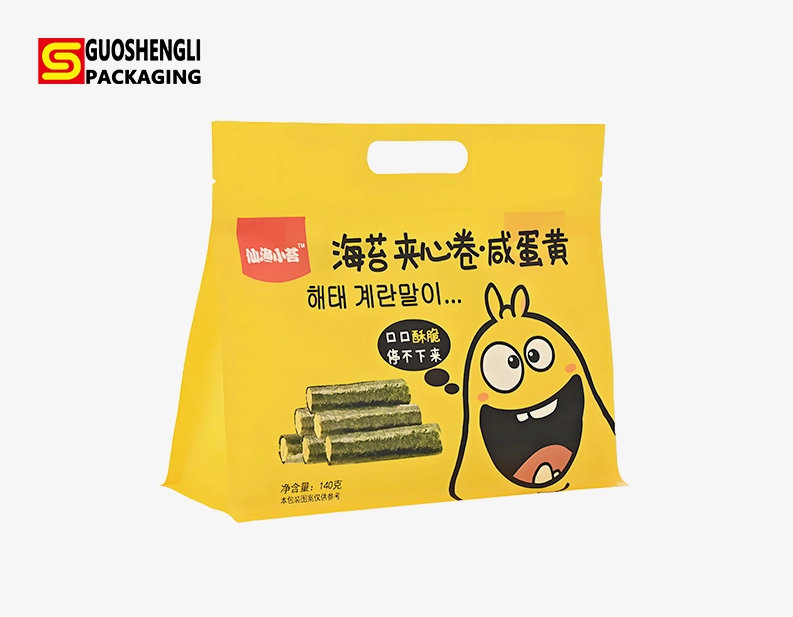
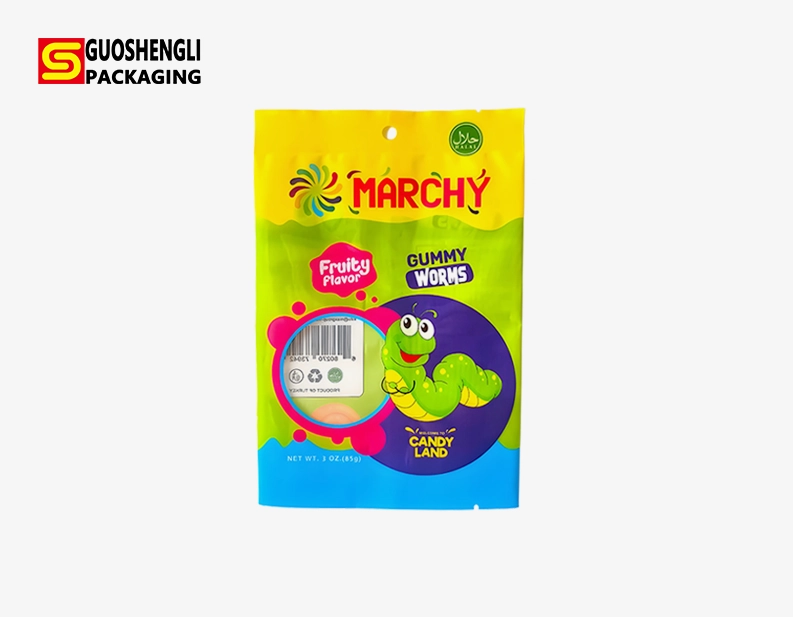
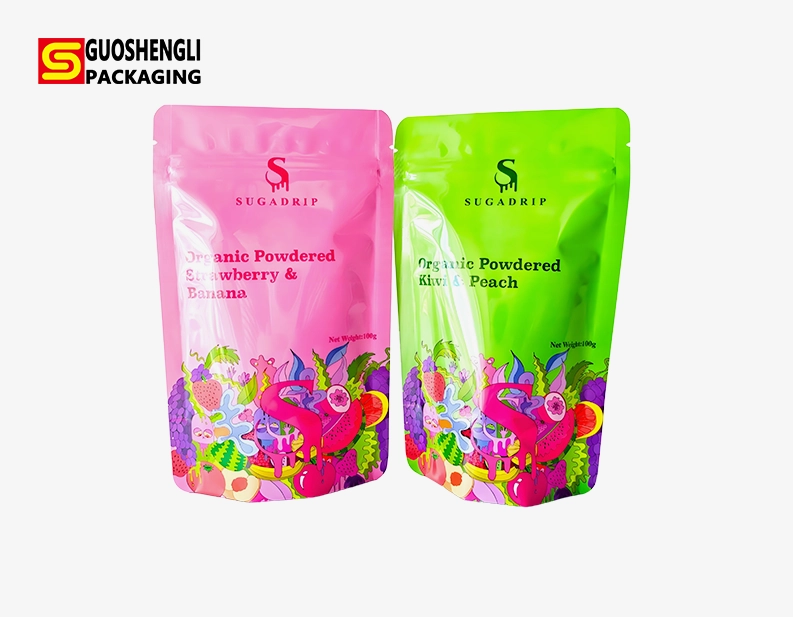
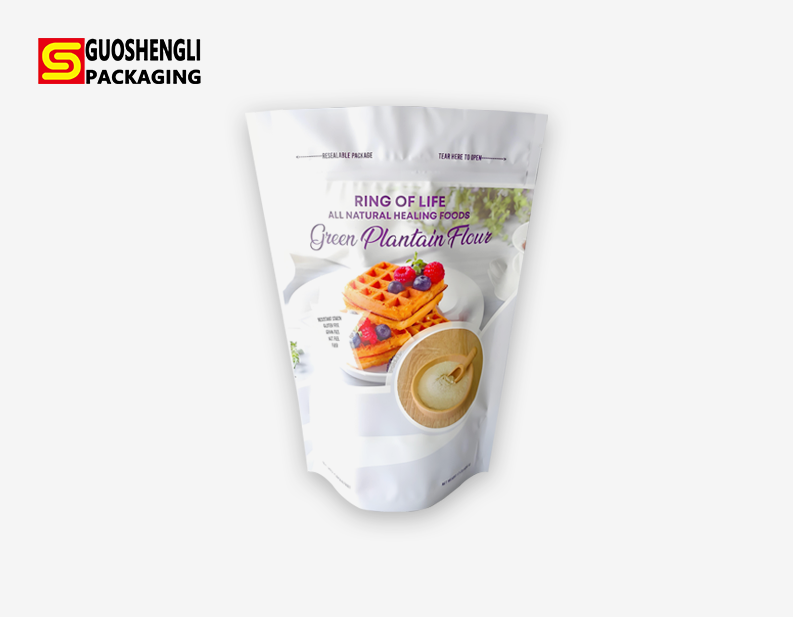
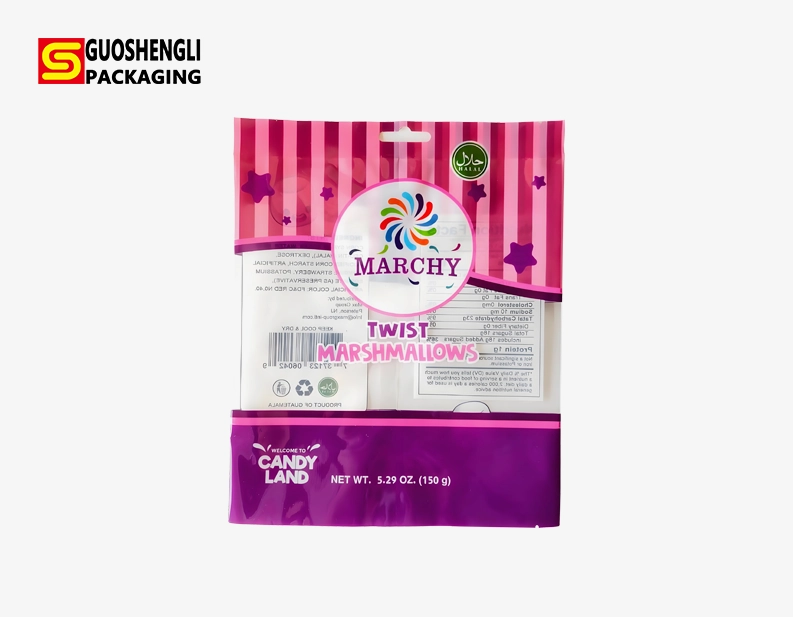
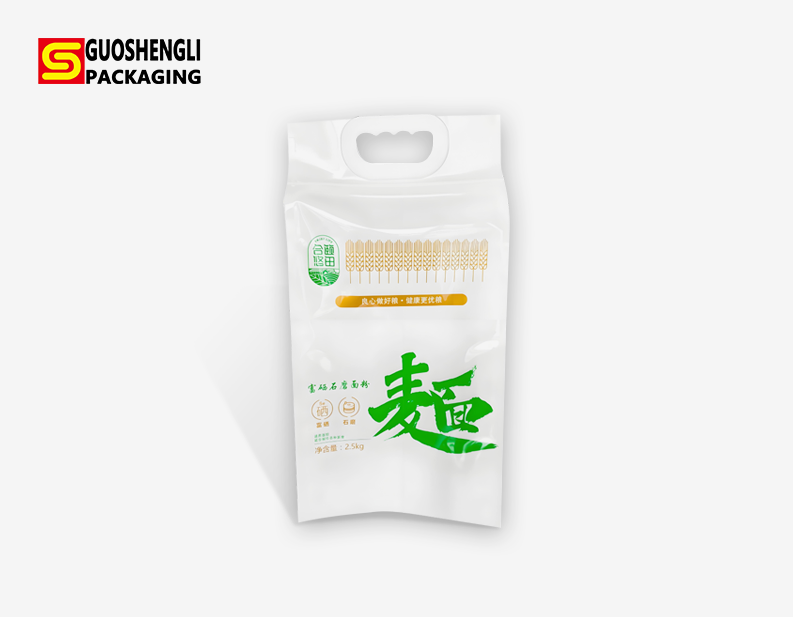
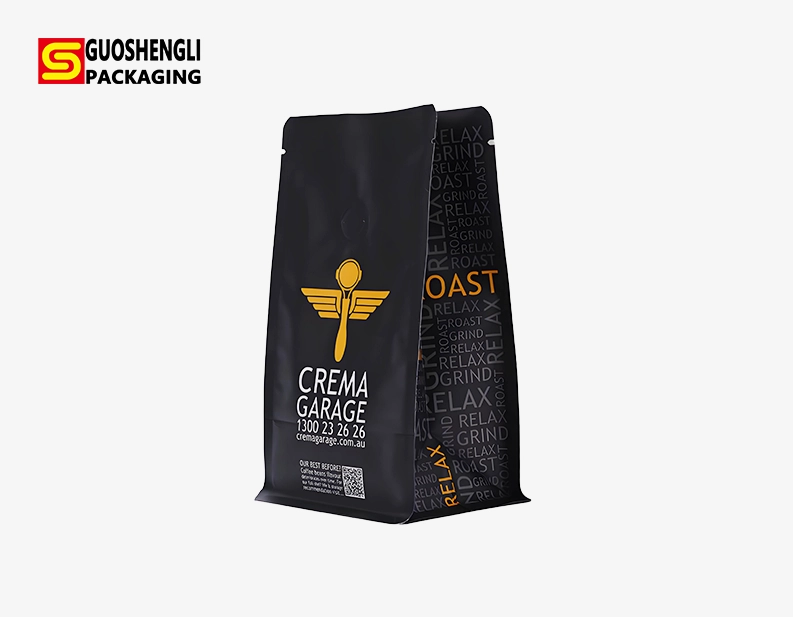
A gusset at the bottom of a stand-up pouch makes it possible for it to stand on its own. The front panel is big enough to put your logo on it. A flat-bottom pouch, which is also called a box pouch, has five printed pieces on it. The shape of it is more like a rectangle. Pouches that seal on three sides are good for single servings and samples. Pouches that have a spout, on the other hand, are better for liquids and sauces. Only PE or PP are used to make our stand-up pouches, so they are eco-friendly pouches. Bigger models made for pet food can hold at least 5 kg and are stronger. Pick the style based on how heavy the items are, how they will be packed, and how the customer plans to carry and store the pack.
Barrier Needs for Food, Coffee, and Pet Food
The barrier should come after the item. Don't let dry snacks get wet. Foods that are oily need to be able to fight grease. For coffee pouches to be eco-friendly, they need to keep air, moisture, smells, and light out. Because of this, many roasters add a one-way degassing valve that you can choose to have. This is how fresh-roasted beans give off carbon dioxide. Layers of high barriers can be added to buildings made of a single material, but recycling may be harder with thick barriers. So, to keep air and water out, our mono-PE stand-up pouches have thin EVOH or AlOx coatings on them. Before going big, you should see how well your own goods lets air and water through. The seals and closure on the whole pack have a shelf life.
Zippers, Valves, Windows, and Hang Holes
Adding ons can change how long something lasts and what it does. Things that go in an eco-friendly pouch should go with the main picture. Our eco-friendly zipper keeps the pack closed when you open it, which is great for food, snacks, and dried fruit. The tear notch makes it easy to open the first time. Glasses that are clear or foggy let shoppers see the item, and hang holes work well for pegboard in stores. The parts may not stay in the same family when you mix them. A PE pouch with a PE zipper, on the other hand, will. I ask the adapter to write down what materials were used for the zipper and valve before you agree that something can be recovered.
How to Buy Eco-Friendly Pouches Wholesale
Documents and Certifications to Request
People who want to buy a lot of something should ask for papers first. These are the first three groups of records I want:
- Material records: The names of each layer, coating, ink, and glue should be written on technical data sheets. Then, your team can check the real structure against recycling or composting rules before any claim is put on the label. There are times when a claim fails internal review because it doesn't have enough layer details. To fix this, ask for them right away.
- Food-contact and quality records: Look for test results from a third party, like those from SGS, and FDA compliance with food contact. Guoshengli Packaging has records with ISO 9001, BRC, FDA, and SGS. They keep these records to show what rules they follow and how they check each batch.
- Claim support: Ask the provider how they back up every environmental claim they make, like giving you instructions on how to recycle. If a seller can't explain how they came up with a claim, the Green Guides say that you could get a mark that isn't what it seems to be.
Your quality, law, and environmental teams can all look through this clear file that holds all of these records.
Testing Samples With Your Own Product
Test them with your real product and filling tools after getting samples. Make sure there are no leaks, that the seal is strong, that the zipper works, and that the printing is correct. Check your goods for problems in the same way they will be shipped. For example, drop and shake them to see if they break. Many problems don't become apparent until after the goods have been shipped. For those who sell things online, a trip to a delivery center should be added to the test. Keep track of how much air, water, and smell are in full packs over the time you want them to last. Most new HFFS and VFFS lines can run our pouches without much trouble, but I still suggest you do a test run before you order the whole thing. You will save a lot of money on rework if you don't spend much on this step.
Common Mistakes to Avoid
When you think that all 100% recyclabe pouch can be recycled or broken down in the ground, you're wrong. Choice of a material without testing it first is the second mistake. If the product has oils, acids, or sharp objects in it, this can cause leaks, oxidation, or a short shelf life. The third doesn't think about how to get rid of the pouch, since it needs to be able to be recycled. The fourth way is to just use the price per unit to figure out the cost. It's easy to see how freight, waste, returns, and line changes can add up. And finally, don't use vague words like "green" or "planet friendly." The FTC Green Guides say you shouldn't make broad claims about the environment that can't be proven. Be specific instead, and back up what you say with proof.
Trends, Rules, and Choosing a Supplier

Rules Shaping Sustainable Packaging
Laws are moving toward styles that can be reused. SB 54, which was signed into law in California in 2022, says that all single-use packaging sold in the state must be recyclable or compostable by 2032. It will become law in Europe on August 12, 2026, the Packaging and Packaging Waste Regulation (EU) 2025/40. New rules about how things can be recycled begin to be put in place in 2030. If a company sells eco-friendly pouches in more than one place, they need to make sure that each claim is allowed in each place. We can send you important records that will help with the review, but your legal team has to write the final text.
Mono-Material Design and Refill Trends
PE or PP laminates are easier to sort and restore because they are made of just one type of material. Many brands are moving from multi-layer laminates to these. The U.S. EPA found that only 8.7% of plastics were recovered. This is proof of how important it is to make things that can be reused. A barrier that works well is hard to keep up. Foil and mixed layers used to do this. As long as the building still follows the rules for recyclers, thin covers like EVOH or AlOx can help. People can reduce the weight of their packs if they know how to reuse refill pouches. Being biodegradable does not mean that something is bio-based, since plastic made from plants might not break down.
Why Brands Choose Guoshengli Packaging for Eco-Friendly Pouches
Guoshengli Packaging is a Chinese business that has been making flexible pouches for over 25 years. We work in a building with 49 machines that convert, 7 printing lines, and 6 laminating machines. Rotogravure lets us print up to 11 colors, and digital printing lets us print small amounts. A system for cleaning RTO exhaust gas that was brought in from another country and water-based inks are what we use. Every order, whether it's digital or rotogravure, ships in 7–10 days, 15–20 days, or 4–5 days if it's sent by air. The least amount of items you can order from us is between 500 and 20,000. Our eco-friendly pouches are used by brands in North America, Europe, and Asia-Pacific.
Conclusion
Benefits of eco-friendly pouches come in many styles, and each one is good for a different thing. Most shop things can be stored in PE and PP pouches made of a single material that can be recycled. Even though paper pouches look natural, they depend on what's inside them. It's important that films that can be composted can be composted and be verified by a group like ASTM D6400. The right format, which can be stand-up, flat bottom, or spouted, depends on the product and how it is filled. Besides the main material, barrier layers and other add-ons must also work with it. It is less likely that there will be leaks, short shelf lives, and false claims if buyers ask for layer records, test samples with their own product, and make sure that claims are clear. There needs to be that proof because of laws like the EU 2025/40, the FTC Green Guides, and California SB 54.
FAQ
1. Are eco-friendly pouches always recyclable?
Not at all. This word refers to things that can be recycled, composted, made of paper, or break down on their own. Ask about the system and how to get rid of it in your area. Each one needs its own proof for eco-friendly pouches.
2. What is your minimum order quantity?
Our MOQ ranges from 500 to 20,000 pieces, so both small and large companies can use us. Because it lets you print more, digital printing is best for small runs.
3. How fast can you send it?
For digital printing, it takes 7–10 days to send out an order. For rotogravure, it takes 15–20 days. It can take 4–5 days to ship important things by air.
4. Will recyclable pouches work on my filling line?
Our eco-friendly pouches don't need to be changed much to work on the newest HFFS and VFFS lines. Anyway, I believe you should test a small amount of your item first, before you decide to buy the whole thing.
5. Do mono-material pouches protect shelf life?
If the barrier layer is the right kind for the item, they can. Because of how the structure works, you should try your own product to see how well it lets air and water pass through.
Request Custom Eco-Friendly Pouches From Guoshengli Packaging

Our company, Guoshengli Packaging, only makes eco-friendly pouches. If you need unique pouches that can be recycled, please let us know. If you ask for them, you can get samples for free. Tell sales@guoshengpacking.com what kind of product you want, how much fill you want, what kind of pouch you want, and who you want to reach. Then, our team will give you a quote for 500 to 20,000 pieces and a structure idea. Guoshengpack.com has more information.
References
1. Federal Trade Commission, Guides for the Use of Environmental Marketing Claims (Green Guides), 2012
2. U.S. Environmental Protection Agency, Advancing Sustainable Materials Management: 2018 Fact Sheet, 2020
3. Association of Plastic Recyclers, APR Design® Guide for Plastics Recyclability, 2023
4. European Parliament and Council of the European Union, Regulation (EU) 2025/40 on Packaging and Packaging Waste, Official Journal of the European Union, 2025
5. ASTM International, ASTM D6400 Standard Specification for Labeling of Plastics Designed to be Aerobically Composted in Municipal or Industrial Facilities, 2021
6. State of California, SB 54 Plastic Pollution Prevention and Packaging Producer Responsibility Act, 2022