- English
- French
- German
- Portuguese
- Spanish
- Russian
- Japanese
- Korean
- Arabic
- Greek
- German
- Turkish
- Italian
- Danish
- Romanian
- Indonesian
- Czech
- Afrikaans
- Swedish
- Polish
- Basque
- Catalan
- Esperanto
- Hindi
- Lao
- Albanian
- Amharic
- Armenian
- Azerbaijani
- Belarusian
- Bengali
- Bosnian
- Bulgarian
- Cebuano
- Chichewa
- Corsican
- Croatian
- Dutch
- Estonian
- Filipino
- Finnish
- Frisian
- Galician
- Georgian
- Gujarati
- Haitian
- Hausa
- Hawaiian
- Hebrew
- Hmong
- Hungarian
- Icelandic
- Igbo
- Javanese
- Kannada
- Kazakh
- Khmer
- Kurdish
- Kyrgyz
- Latin
- Latvian
- Lithuanian
- Luxembou..
- Macedonian
- Malagasy
- Malay
- Malayalam
- Maltese
- Maori
- Marathi
- Mongolian
- Burmese
- Nepali
- Norwegian
- Pashto
- Persian
- Punjabi
- Serbian
- Sesotho
- Sinhala
- Slovak
- Slovenian
- Somali
- Samoan
- Scots Gaelic
- Shona
- Sindhi
- Sundanese
- Swahili
- Tajik
- Tamil
- Telugu
- Thai
- Ukrainian
- Urdu
- Uzbek
- Vietnamese
- Welsh
- Xhosa
- Yiddish
- Yoruba
- Zulu

Three side seal pouches are flat flexible packages with heat seals on the left, right, and bottom edges and an open top for filling. Your line seals the top after filling. The format lies flat, so it ships and stores compactly, and it suits snacks, powders, seasonings, and samples. Its main benefits are lower freight cost, barrier structures that protect shelf life, and compatibility with automatic filling lines. At Guoshengli Packaging, we have made flexible packaging for more than 25 years. In this guide, I explain how these pouches work and how to choose one.

What Are Three Side Seal Pouches and How Do They Work?
Definition and Basic Structure
You can fold one sheet in half and join two pieces together to make a three side seal pouch. It has four sides that can be sealed with heat. The fourth edge stays open so that your line can fill the package with the item and seal it. A three side seal pouch is also known as a flat pouch, a lay flat pouch, a three sided pouch, or a three side seal bag. Because it doesn't have a flap at the bottom, the pouch lies flat and stays that way when it's full. For snacks, seasonings, powders, samples, and one-time use amounts that don't need to stand up straight, that form works well. For retail display, you can use hang holes or shelves that can be stacked instead.
How Three Side Seal Pouches Are Made
To start making something, you have to choose a film structure that meets the rules for food contact, barrier, and seal strength. Next is making copies. A process called rotogravure can be used for large runs with up to 11 colors. Digital printing can be used for small runs. Lamination is then used to connect the layers, such as PET, aluminum foil, and PE. A machine cuts, folds, and heat-seals the edges during the turning process. Plus, they add things like zippers, tear notches, or holes to hang things. We work in a building with 49 machines that convert, 7 printing lines, and 6 laminating machines. Because these steps are kept in the same plant, our team can figure out what went wrong and go back to the stage that caused it.
Thickness, Size, and Custom Options
Three side seal pouches from us are said to be 60 to 200 microns thick, and one type is even 250 microns thick. Skin-friendly powders and bags can be put in thin films. Thick films work best when there are heavy fills, sharp bits, or rough handling. The net weight and bulk of the item help you choose the width, length, and fill room. Leave enough space at the top for the lid to seal well. You can pick from clear windows, notches that are easy to tear, round or euro hang holes, laser scoring, one-way degassing valves, and seals that can't be opened. People will only use the features you choose if they are useful to them.
Materials and Barrier Performance of Three Side Seal Pouches
Common Film Structures
How long the shelf life lasts is mostly determined by how the film is put together. We list three side seal pouches with structures like PET/AL/PE, PET/VMPET/PE, PA/PE, NY/PE, BOPP/PE, PET/AL/NY/PE, and kraft paper/VMPET/PE on the pages for our products. Foil structures are good for ground coffee, tea, spices, and protein powders because they block oxygen, water, and light the best. If you don't need high-level protection, PET/VMPET/PE is a lighter shield. The fact that PA/PE and NY/PE are puncture-resistant is better for nuts, jerky, and frozen foods. Dry snacks can be printed on BOPP/PE. Wrapping tea or dried fruit in kraft paper/VMPET/PE can give it a natural look.
Barrier Numbers You Can Check
The oxygen transmission rate (OTR) for foil grades is less than 0.5 cc/m²/24h, and the water vapor transmission rate (WVTR) is less than 1 g/m²/24h. This number tells you how slowly water and air can move through the film. There is less risk with fine powders and crunchy snacks when the number is lower. If you look at different structures, the seal strength can range from 25 to 50 N/15 mm. An easy way to measure it in labs is with ASTM F88. Seals that work with vacuums can handle 0.08 MPa without breaking. Because every laminate has a different value, you should ask for the test report that is specific to your structure.
Heat, Cold, and Sustainable Options
Any temperature above or below room temperature is fine for some structures. The retort structures can handle heat up to 121°C, and the NY/PE laminates can be used at -40°C. This means that they can be used for processed meats and frozen foods. We offer three side seal pouches that can be recycled for brands that need to claim sustainability, such as mono-material PE/PE options, plus PLA choices that meet EN 13432. How to recycle and compost depends on how trash is collected in your area, so find out what your target market accepts. Pick the form based on how long you want the food to stay fresh. Foil laminates usually work better as a barrier than films made of a single material. Imported RTO exhaust gas treatment is also used to clean up printing emissions at our plant.
Benefits of Three Side Seal Pouches for Shipping, Filling, and Branding

Lower Freight and Denser Storage
The best business case for three side seal pouches is the flat shape. You can fit about 40% more items in a shipping carton than with stand-up pouches. They also lower dimensional weight and cost less to ship. When you stack pouches tight on pallets and storage racks, you can store more in the same amount of floor space. To get the best results, look at a carton layout that works with your specific pouch size, fill weight, and style. Exporters who send powders or snacks by air or sea can save money on handling and freight costs by sending fewer cartons per order.
Filling Line Compatibility
If a pouch breaks on the line, it costs a lot more than the pouch itself. Our pouches can be made for either VFFS or HFFS lines and have been tested at 200 pouches per minute. It is possible to control the coefficient of friction (COF) and keep the sizes within ±1 mm. This helps the pouches feed and seal better. Before you place a big order, I think you should do a test run with your technicians to see how the material works with product dust, line speed, and the settings for the sealing jaws. You can find problems before they stop production if you send sample pouches to the machine operator early.
Print Quality and Functional Features
On large orders, rotogravure printing with up to 11 colors can reproduce brand colors and fine artwork. We check registration to within ±5%. Digital printing works well for short runs; quotes begin at 500 pieces, while rotogravure orders begin from 50,000 pieces. It's possible for snack and beauty brands to try out different designs on three side seal pouches before committing to volume. Finishes that are matte or glossy and clear windows support brand style. For convenience, zippers, tear notches, and laser scoring are great features. Care must be taken to place the notch so that it opens easily without weakening the seal.
Three Side Seal Pouches vs. Other Formats and Their Applications
Comparing Pouch Formats
Each style is good for a different application. A stand-up pouch has a bottom gusset that lets it stand up on a shelf, but it takes up more space in the box. Four side seal bags use four separate sealed edges and look more structured. Flat bottom bags give strong stability for heavy fills. Sachets are small single-use portions, often made in a flat, sealed-edge style. three side seal pouches are best when you don't need a self-standing display and when speed, freight, and storage are the most important things. Before you decide, look at the opening method, capacity, seal performance, and total packaging cost.
Food, Pet Food, and Powder Uses
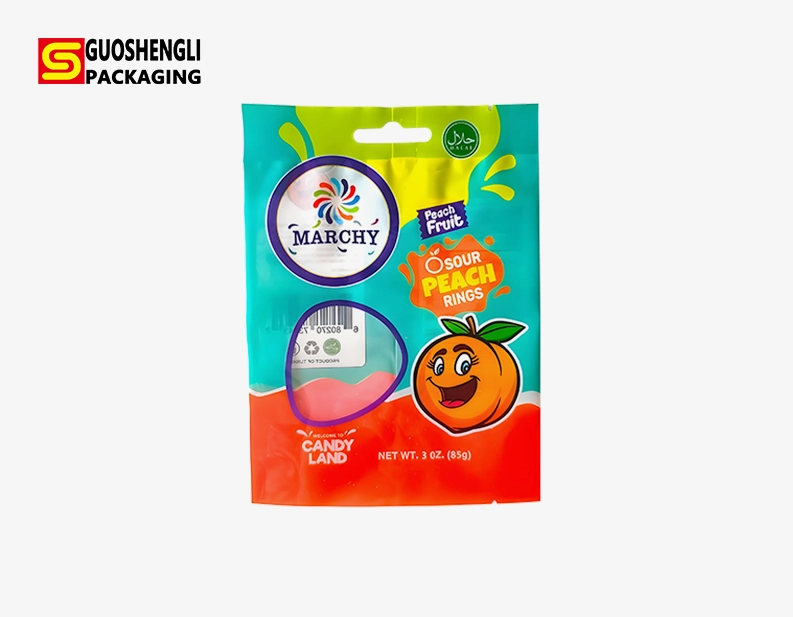
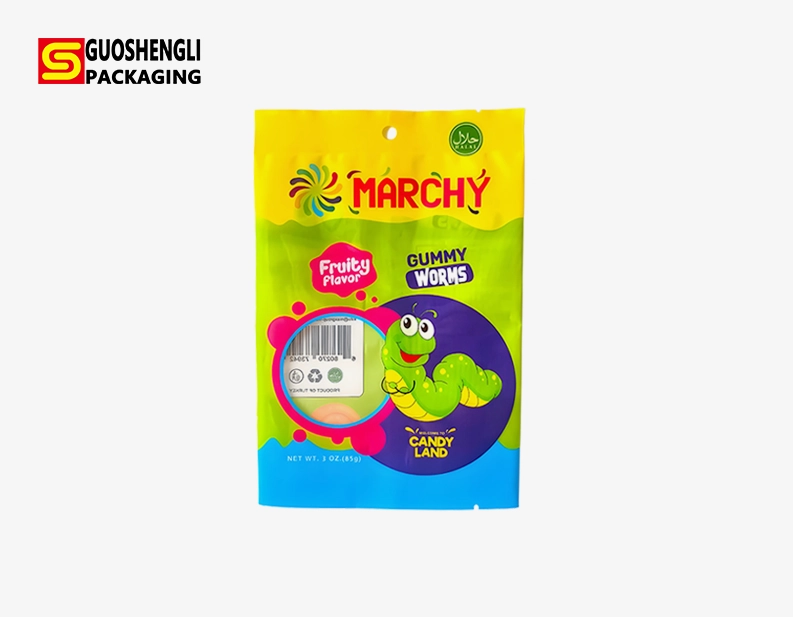
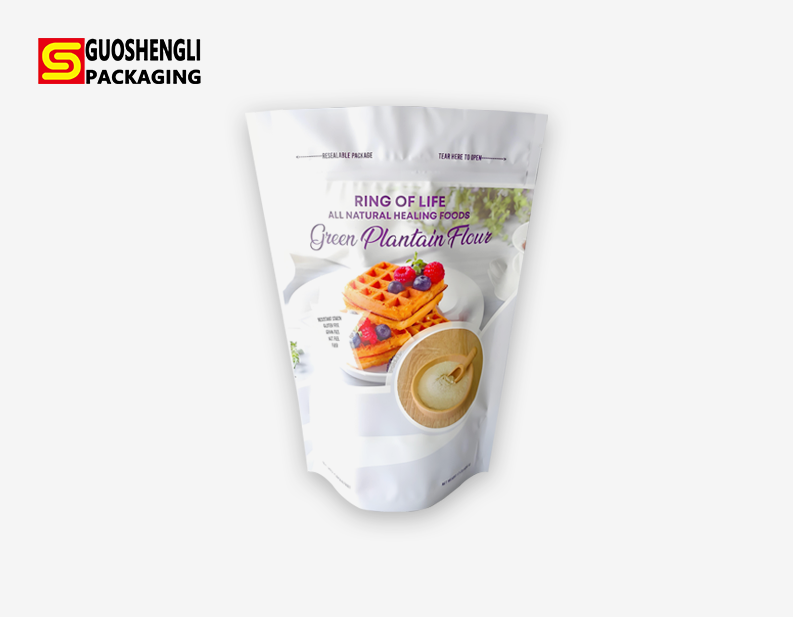
You can store chips, nuts, cookies, roasted chestnuts, ground coffee, tea, spices, seasonings, dried fruit, and protein powders in a three side seal pouch. For processed meats, jerky, dried meat, and smoked salmon, you need vacuum-compatible and puncture-resistant structures. NY/PE laminates that can handle temperatures as low as -40°C are good for frozen foods. Pet food and treats often use the same format, usually with a zipper or tear notch for easy opening. If the powder is fine, make sure the seal area is clean, since dust can weaken the closure. You can see if the structure and settings keep the risk of leaks low by testing on your own line.
Beauty, Chemical, Medical, and Electronics Uses
Three side seal pouches can hold more than just food. You can also put facial masks, essential oils, agrochemicals, cleaning product samples, and industrial powders in them. Heavier 200-micron structures work better for tough contents, but chemical compatibility must be confirmed for each formula. Give details about your content, request a written structure recommendation, and run a trial before bulk orders. Gamma-sterilisable structures are available for surgical instrument kits and diagnostic strips. Anti-static film protects electronic components. Our applications list also includes hardware and powdered reagents. Small pouch sizes let distributors split large lots into sample packs without taking extra storage space.
How to Choose and Buy Three Side Seal Pouches

Define Your Product and Filling Line
Start with the product. Write down its form, density, fill temperature, net weight, and whether it contains oil, sharp pieces, or fine powder. These facts will help you decide what kind of protection you need against light, oxygen, moisture, and punctures. Next, record your machine type, speed, and sealing settings, as these decide the required thickness and film structure. Leave enough headspace above the fill for the top seal. You should only add zippers, windows, or hang holes if customers will actually use them. If the inputs are clear, the first sample of your three side seal pouches is much more likely to work correctly.
Prepare an RFQ and Test Samples
You can get a price faster if your RFQ is clear. Include the product type, pouch dimensions, capacity, barrier expectations, artwork, printing method, accessories, estimated quantity, destination, delivery terms, and target date. For these pouches, lead time is 7 to 10 days for digital printing and 15 to 20 days for rotogravure. Air freight takes four to five days. A typical project moves from samples to a machine trial, then a small batch, and finally a full order, so plan for one to two months. Test samples at production speed before you approve the bulk order.
Check Quality Systems and Sustainability Claims
If a business offers three side seal bags, make sure they can back up their claims with proof. We follow ISO 9001, BRC, FDA, and SGS standards, and every batch goes through an 8-point inspection. Checks include seal strength over 15 N, a methylene-blue leak test, 2x burst inflation, COF, registration within ±5%, dimensions within ±1 mm, and heavy metals to EU 10/2011. Residual solvents measure under 10 mg/m² by gas chromatography. For recyclable or compostable claims, request regional evidence and supplier documents. Test reports help you reduce compliance risk and rework across repeat orders.
Conclusion
Three side seal pouches are flat packages sealed on three sides and filled from the open top. Their value comes from several connected factors. Film structure sets the barrier and temperature performance, with foil grades reaching an OTR below 0.5 cc/m²/24h and a WVTR below 1 g/m²/24h, while seal strength spans 25 to 50 N/15mm. The flat profile reduces carton volume, freight cost, and storage space, and the format is compatible with VFFS and HFFS lines. Applications range from snacks and powders to cosmetics, agrochemical samples, and medical kits. Compared with stand-up pouches, they offer shipping efficiency instead of self-standing display. Good results depend on matching thickness, structure, and features to the product and filling line, then confirming performance through trials and testing.
FAQ
1. What is the difference between a three side seal pouch and a stand-up pouch?
A three side seal pouch has no bottom gusset, so it lies flat. A stand-up pouch has a gusset and stands on a shelf. The flat format ships and stores more compactly, while the stand-up format suits shelf display.
2. What minimum order quantity applies?
Our published figures start at 500 pieces for digital printing and 50,000 pieces for rotogravure printing. Final minimums depend on size, structure, and artwork, so send your details for a confirmed quote.
3. Can these pouches run on my filling line?
Our flat pouches run on VFFS and HFFS lines and have been tested up to 200 pouches per minute. Every line differs, so I recommend a sample trial on your machine before bulk production.
4. Do you offer recyclable options?
Yes. We offer mono-material PE/PE structures that are recyclable and PLA options that meet EN 13432. Local collection systems decide whether recycling or composting works in your market.
Request Three Side Seal Pouches from Guoshengli Packaging

Guoshengli Packaging is a three side seal pouches manufacturer in Linyi, Shandong, with 25+ years of flexible packaging experience and factory-direct supply to manufacturers and brand owners. Send your product details, pouch size, target quantity, and filling line information to sales@guoshengpacking.com, and we will recommend a structure and sample plan. You can also review our pouch range at guoshengpack.com. Share your requirements today and test samples on your line before placing a bulk order.
References
1. Food Packaging: Principles and Practice, 2012
2. Plastic Films in Food Packaging: Materials, Technology and Applications, 2013
3. ASTM F88/F88M Standard Test Method for Seal Strength of Flexible Barrier Materials, 2021
4. Commission Regulation (EU) No 10/2011 on Plastic Materials and Articles Intended to Come into Contact with Food, 2011
5. ISO 9001 Quality Management Systems: Requirements, 2015
6. EN 13432 Packaging: Requirements for Packaging Recoverable Through Composting and Biodegradation, 2000