- English
- French
- German
- Portuguese
- Spanish
- Russian
- Japanese
- Korean
- Arabic
- Greek
- German
- Turkish
- Italian
- Danish
- Romanian
- Indonesian
- Czech
- Afrikaans
- Swedish
- Polish
- Basque
- Catalan
- Esperanto
- Hindi
- Lao
- Albanian
- Amharic
- Armenian
- Azerbaijani
- Belarusian
- Bengali
- Bosnian
- Bulgarian
- Cebuano
- Chichewa
- Corsican
- Croatian
- Dutch
- Estonian
- Filipino
- Finnish
- Frisian
- Galician
- Georgian
- Gujarati
- Haitian
- Hausa
- Hawaiian
- Hebrew
- Hmong
- Hungarian
- Icelandic
- Igbo
- Javanese
- Kannada
- Kazakh
- Khmer
- Kurdish
- Kyrgyz
- Latin
- Latvian
- Lithuanian
- Luxembou..
- Macedonian
- Malagasy
- Malay
- Malayalam
- Maltese
- Maori
- Marathi
- Mongolian
- Burmese
- Nepali
- Norwegian
- Pashto
- Persian
- Punjabi
- Serbian
- Sesotho
- Sinhala
- Slovak
- Slovenian
- Somali
- Samoan
- Scots Gaelic
- Shona
- Sindhi
- Sundanese
- Swahili
- Tajik
- Tamil
- Telugu
- Thai
- Ukrainian
- Urdu
- Uzbek
- Vietnamese
- Welsh
- Xhosa
- Yiddish
- Yoruba
- Zulu

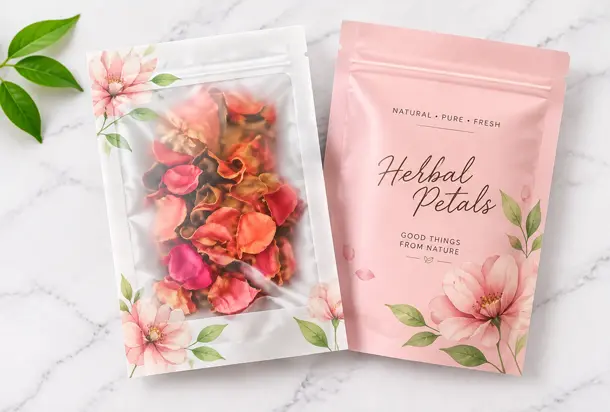
Three side seal pouches help retailers cut costs and improve shelf appeal by pairing a flat, light structure with large printable panels. Because the pouches ship and store flat, they use less freight and warehouse space than many rigid or stand-up formats. We report about 40% more units per shipping carton than stand-up pouches. The wide front and back panels carry brand graphics, barcodes, and compliance text clearly, while options such as zippers, tear notches, and hang holes add convenience. In this article, I explain how the format works, which materials suit which products, and how buyers can test it before a bulk order.
Why Retailers Reconsider Packaging Costs and Formats?
Where Packaging Costs Add Up?
What it costs to package something is more than the bag itself. Film, workers, freight, warehouse space, and downtime for the line all add up to the total. Cans and jars that are rigid weigh more and ship with a lot of air inside them. Now, retailers and the brands that sell to them compare formats based on landed cost instead of just unit price. Because flexible film is light and an empty pouch lies flat, three side seal pouches work for this view. This simple shape means that there will be fewer pallets and smaller storage bays. It's best for buyers to make a list of all the costs before they compare quotes. That way, a low bag price won't hide a high freight bill.
How a Flat Profile Cuts Freight and Storage?
When boxes are big and light, carriers charge by dimensional weight, which means that a flat pouch has an edge. The boxes are small, but they can hold more units. Stand-up pouches have about 40% more pieces per box than regular pouches. They also weigh less and can be stacked more densely in the warehouse. Your answer will depend on the size and weight of the pouch, so I suggest that you check the box count with your own measurements. Also, empty three side seal pouches take up less space in the warehouse, making room for other things. In the US, that can mean less expensive ocean and air freight per unit. This is because companies charge based on number and weight.
How Three Side Seal Pouches Are Built?
If you fold one sheet in half at the bottom or join two sheets together, you have a flat pouch. We seal three edges with heat and leave the fourth one open so that it can be filled. There are only a few steps left on this simple build: printing, laminating, slitting, making pouches, and inspecting. There are 49 turning machines, 7 printing lines, and 6 sealing machines at our plant in Linyi, Shandong. This means that one team is in charge of the whole chain. When there are fewer hand-offs, color, size, or seal differences have fewer places to hide. Also suitable for automatic filling are three side seal pouches. We tried our flat pouch format on VFFS and HFFS lines at speeds of up to 200 pouches per minute. I suggest that you check the speed on your own machine to be sure.
How Three Side Seal Pouches Improve Shelf Appeal and Brand Presentation
Large Panels for Brand and Compliance Information
A pouch's flat front can be used as a small sign. Images, claims, and brand colors can be put on the front, and ingredients, nutrition facts, usage steps, and barcodes can be put on the back. This split keeps the front clean and still makes room for the labels that are needed on US store and website listings. Because the front panel is flat and displays the full design, three side seal pouches photograph well for e-commerce. We can print in up to 11 colors with rotogravure, which helps keep brand colors consistent across reorders. Digital printing is best for short runs. We make sure that print registration is within ±5% during batch review, which keeps the images lined up with the seal doors and edges.
Print and Finish Choices
The finish of a bag changes how it feels on the shelf. Glossy films make colors stand out, and matte films look calm and high-end. People can see nuts, dried fruit, or meat before they buy them through a clear window. Choose one or two features that support the brand story instead of putting all of them on three side seal pouches because each one changes the cost and film structure. For large runs starting at 50,000 pieces, rotogravure works best. Digital printing, on the other hand, can handle test runs, seasonal flavors, and new product lines starting at 500 pieces. Print out a proof because screen colors don't always match film colors exactly.
Convenience Features That Add Perceived Value
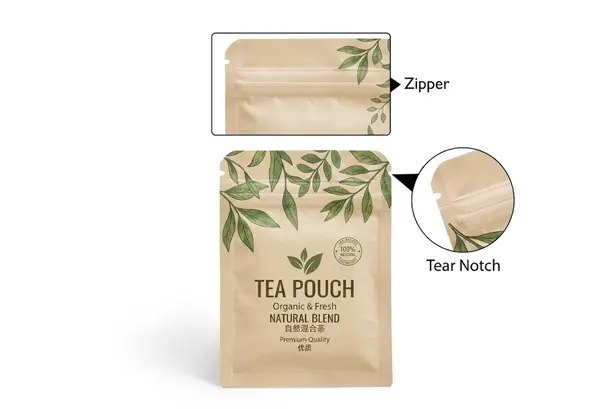
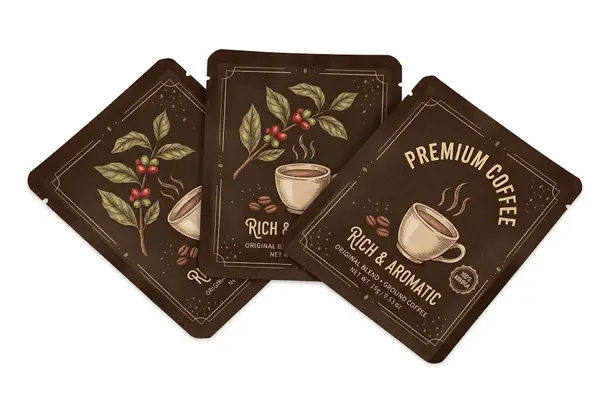
Small features improve data clarity and fix real issues. A snack bag's easy-tear notch lets people open it without scissors. After the first use, a zipper or press-to-close strip closes the bag and keeps the coffee, spices, or protein powder inside. Retailers can hang bags on hooks with round or euro-shaped holes. This is important because a flat pouch doesn't have a base. For freshly roasted coffee, a one-way degassing valve works well. Laser scoring makes a clean tear line, and a tamper-evident seal lets you know if the package has been opened. A lot of pouches with three sides only need one or two of these. It takes more time to make each feature, so pick the ones that the product and sales channel really need. That controls the cost per unit.
Choosing Materials and Barrier Structures for Three Side Seal Pouches
Matching Structure to Product Risk
Start with what can go bad: air, water, light, loss of smell, or grease. Then choose a stack of films that will stop it. We have kraft paper/VMPET/PE, PA/PE, NY/PE, BOPP/PE, PET/AL/NY/PE, and PET/VMPET/PE. When it comes to foil grades, oxygen transmission is less than 0.5 cc/m²/24h and water vapor transmission is less than 1 g/m²/24h. The BOPP/PE structure works best for dry, less sensitive items like cookies. The foil or VMPET structure works best for coffee, tea, and powders. Any of these stacks may be used by three side seal pouches. I ask buyers for a shelf-life goal first because barrier needs are different for each product. It can save a full sample round if you share it in your first question.
Thickness, Seal Strength, and Heat Resistance
The thickness ranges from 60 microns to 200 microns, and one type is as thick as 250 microns. Heavier film can handle bigger fills and doesn't get punctured by hard or sharp pieces. Based on the construction, the seal strength can be anywhere from 25 N/15 mm. Because there is a lot of variation, ask for a test report that uses a method like ASTM F88 to measure the exact structure you want. Seals that work with vacuums can hold 0.08 MPa without breaking. Structures for retorts can handle 121°C, and NY/PE laminates can handle -40°C for frozen foods. For three side seal pouches, make sure these numbers match your filling weight, temperature, and direction of spread. Then, do a line trial to make sure they are correct.
Sustainable Options, Checked Carefully
A lot of US stores ask if the items can be recycled. There are structures made of only one material (PE/PE) that can be recycled, and structures made of PLA that meet EN 13432. These choices work best when the product only needs a moderate level of barrier protection. The best shield is made of foil, but it is harder to recycle them. Claims about end of life also depend on how things are collected in each state, so before you print a recycling mark, I suggest you check the rules in those states. An imported RTO exhaust gas system controls the amount of solvent that is released during printing at our plant. If a buyer wants to use less film, we can also talk about the size and thickness of the pouch. This is because a pouch that is the right size uses less material.
Three Side Seal Pouches Compared with Other Formats and Uses
Versus Stand-Up Pouches
Stand-up bags are strong because they stand on the shelf and have room for a gap. More film is used, and more is shipped. Although they use less material and pack down smaller, three side seal pouches can either hang or lie flat. You can use a flat bag if your store sells from pegs, divided shelves, or shipper trays. It doesn't matter much if the base is standing for single-serve packs, samples, and powders. This is a big snack bag that needs to face forward on a gondola shelf. A stand-up pouch might sell better for this.
Versus Quad Seal and Flat Bottom Bags
Flat bottom bags hold more and have a more stable base than quad seal bags. Quad seal bags look boxy and uniform. Most of the time, both need more film and more complicated conversion. A flat three side seal pouch ships thinner and costs less to make, so it's good for fillings that range from one serving to large amounts. When the pack needs to stand and has a large print area on several panels, or when the weight goes up, flat bottom bags are better. Find the best deal by comparing the unit price, freight, storage, and filling speed. For boxes and small packs, three side seal pouches frequently win on those criteria. Sometimes the line's cheapest bag isn't the one that looks the cheapest on paper.
Where the Format Works Best
Our flat bag pages have a list of uses in different groups. It can be used to make ground coffee and tea, spices and seasonings, frozen foods, dried fruit, protein powders, smoked salmon, ground meat, jerky, and cookies. It can also be used to make ground coffee and tea. The size also works for cosmetic sachets, face masks, essential oils, samples of cleaning and agrochemical products, and industrial powders. There needs to be a limit and checks for each type. A frozen item requires a low-temperature structure, and three side seal pouches for a cleaning product sample require written chemical compatibility proof before use. Tell us what's inside, and we'll suggest a good structure and tests you should ask for.
Procurement Steps That Lower Risk for Three Side Seal Pouches
Build a Clear Specification Before Quoting
A good plan is the first step to a good price. Write down the name of the product, the fill weight, the goal shelf life, the way of filling, and the location. Then write down the film's structure, barrier goals, seal strength, print method, finish, features, and measurements. Our batch inspection keeps the size of the pouch within ±1 mm, so let us know what range you need. Add the status of the artwork and the size of the order you expect. Rotogravure starts at 50,000 pieces and takes 15 to 20 days. Digital printing starts at 500 pieces and takes 7 to 10 days. It takes 4 to 5 days for air freight. In your landed-cost sheet for three side seal pouches, make sure to include plates, samples, freight, duties, and testing. This will keep the quote comparison fair.
Test on Your Filling Line First
Line breaks cost more than any difference in bag prices. Here's how to go about getting three side seal pouches: send samples, run them through your machine, approve a golden sample, order a small batch, and then move on to bulk. Watch the feeding, sealing, and cutting happen at line speed during the test, and look at how the seal looks after it has cooled. Our flat pouch format has been tested on VFFS and HFFS lines at speeds of up to 200 pouches per minute. However, the real result will depend on your machine, film, and product. Get your line technicians to take part in the test and write down the settings. Saving those settings helps make sure that orders that come up again work the same way. Before the start date, give yourself time for each step.
What Our Batch Inspection Checks
Batch swings are the thing that buyers worry about the most, so here is what our 8-point review looks at.
- Seal and leak tests: We use methylene blue to check for leaks, pull the seals to more than 15 N, and do a 2x burst inflation test. You can find weak seals, pinholes, and laminate flaws with these checks before the goods leave the plant. They also show if the seals can handle rough transport, stacking, and handling at the store.
- Print, size, and slip checks: We keep the size of the pouch within ±1 mm and the alignment of the prints within ±5%. We also check the coefficient of friction (COF), which is a measure of how fast film slides over making parts. Fewer stops are needed because the pouches feed and seal correctly on automatic equipment because they are the right size and have a stable COF.
- Material safety checks: As shown by gas chromatography, the amount of solvents left over is less than 10 mg/m³, and we test for heavy metals according to EU 10/2011. We have ISO 9001, BRC, FDA, and SGS certifications, and you can track every order. Because of these records, your safety team can look over them and file them for US food-contact needs and checks.
These checks stop batch swings on three side seal pouches that stop lines, and you can get a report on your structure.
Conclusion
Three side seal pouches are cheaper to package because they are flat and light, which makes them easy to ship and store. They are also said to fit 40% more units per carton than stand-up pouches. Their large panels make it easy to see logos, labels, and finishes, and they come with handy features like tear notches, zippers, and hang holes. The choice of material should be based on the danger of the product. Structures made of foil, VMPET, nylon, or BOPP should be matched to the needs of air, moisture, and temperature, and the seal strength should be checked on the exact structure. It works better for snacks, powders, coffee, and sample packs than for things that need to stand up straight. Having a clear specification, line trials, and batch inspection data are all important for getting good results. The best pouch is one that takes into account landed cost, shelf presentation, and filling performance all at the same time.
FAQ
1. Are three side seal pouches suitable for food?
When the format of the film meets the rules for food contact, yes. We build our structures according to FDA rules, and we test for heavy metals according to EU 10/2011. For coffee, choose a foil structure barrier, and for dry cookies, choose a BOPP/PE barrier. Get the documents for the people you want to reach.
2. What is the minimum order quantity?
Roll-cut printing starts at 50,000 pieces, while digital printing starts at 500 pieces. The exact amount relies on the size, structure, and features, so send us your project details for a price.
3. What do you need to prepare a quotation?
Send the type of product, the fill weight, the size of the pouch, the layer thickness, the features, the status of the artwork, the destination, and the number of items you want to order. Type and speed of your filling machine should be given so that we can talk about line fit.
4. How do three side seal pouches differ from stand-up pouches?
That being said, they don't stand on a shelf and lie flat. They also use less film and ship more units per carton. You can use them for samples, pegs, sachets, and powders.
Request Custom Three Side Seal Pouches from Guoshengli Packaging
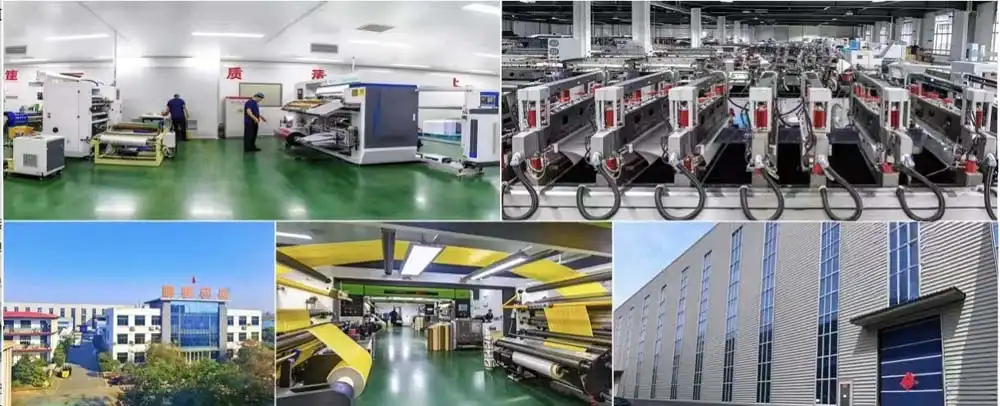
Guoshengli Packaging, which is based in Linyi, Shandong, has been making flexible packaging for more than 25 years and can help people who are looking for a company that makes three side seal pouches. We have records from ISO 9001, BRC, FDA, and SGS. We also do 11-color rotogravure, digital runs starting at 500 pieces, and air freight in 4 to 5 days. Send the name of the item, its size, and how many of them you need to sales@guoshengpacking.com or go to guoshengpack.com, and our team will send you a structure and sample plan.
References
1. Food Packaging Technology (Coles, McDowell, Kirwan), 2003
2. Plastic Films in Food Packaging: Materials, Technology and Applications (Ebnesajjad), 2013
3. The Wiley Encyclopedia of Packaging Technology, 2009
4. ASTM F88/F88M, Standard Test Method for Seal Strength of Flexible Barrier Materials, 2021
5. Commission Regulation (EU) No 10/2011 on Plastic Materials and Articles Intended to Come into Contact with Food, 2011
6. ISO 9001, Quality Management Systems: Requirements, 2015