- English
- French
- German
- Portuguese
- Spanish
- Russian
- Japanese
- Korean
- Arabic
- Greek
- German
- Turkish
- Italian
- Danish
- Romanian
- Indonesian
- Czech
- Afrikaans
- Swedish
- Polish
- Basque
- Catalan
- Esperanto
- Hindi
- Lao
- Albanian
- Amharic
- Armenian
- Azerbaijani
- Belarusian
- Bengali
- Bosnian
- Bulgarian
- Cebuano
- Chichewa
- Corsican
- Croatian
- Dutch
- Estonian
- Filipino
- Finnish
- Frisian
- Galician
- Georgian
- Gujarati
- Haitian
- Hausa
- Hawaiian
- Hebrew
- Hmong
- Hungarian
- Icelandic
- Igbo
- Javanese
- Kannada
- Kazakh
- Khmer
- Kurdish
- Kyrgyz
- Latin
- Latvian
- Lithuanian
- Luxembou..
- Macedonian
- Malagasy
- Malay
- Malayalam
- Maltese
- Maori
- Marathi
- Mongolian
- Burmese
- Nepali
- Norwegian
- Pashto
- Persian
- Punjabi
- Serbian
- Sesotho
- Sinhala
- Slovak
- Slovenian
- Somali
- Samoan
- Scots Gaelic
- Shona
- Sindhi
- Sundanese
- Swahili
- Tajik
- Tamil
- Telugu
- Thai
- Ukrainian
- Urdu
- Uzbek
- Vietnamese
- Welsh
- Xhosa
- Yiddish
- Yoruba
- Zulu

Custom side gusset bags with valves have changed the way coffee, food, pet treats, and supplements are packed. The 1kilo side gusset pouch with valve stands out as a great option for brands that need to keep their products fresh and present them professionally on the shelf. This type of packing solves some of the most important problems that procurement teams face, like keeping the quality of the product while it's being stored and shipped, making the best use of warehouse space, and making sure that repeat orders get the same quality. This type of bag has measurable benefits that affect product performance and customer happiness in competitive markets. Its design allows it to grow and has a built-in degassing system.
Understanding Custom Side Gusset Pouches with Valve
Structural Design and Functionality
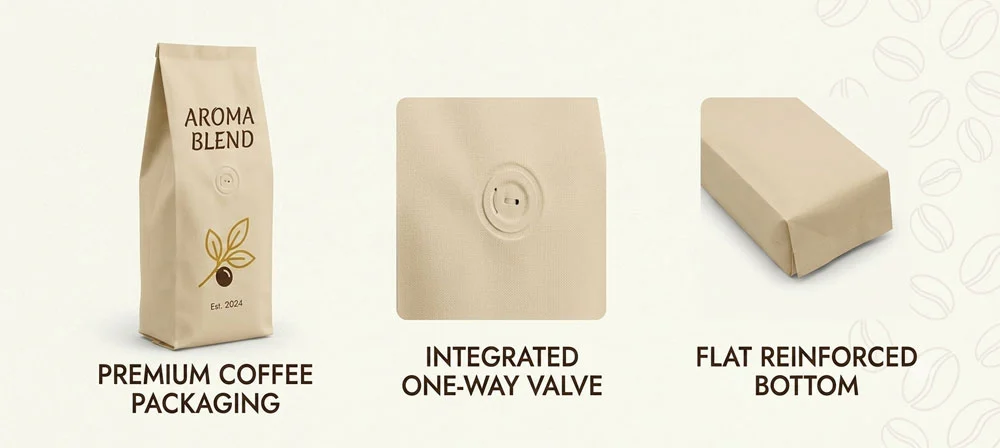
Side gusset pouches have panels on both sides that can be expanded. These panels fold flat for shipping but open up into a box-like shape when they are full. This way of building structures makes them stable and gives brands more surface area. The flap design spreads the weight of the product evenly across the base, which cuts down on stress points that could damage the seal while it's being handled.
It has a W-shaped fold at the bottom because it is made by passing packaging material through special plows during production. Each side has a vertical seal, and the bottom folds are sealed to keep the structure together. To make the enclosed area, the pouch is cut vertically through each side flap. When filled properly, the pouch maintains a stable upright position through product weight and folded bottom construction.
The Role of Degassing Valves
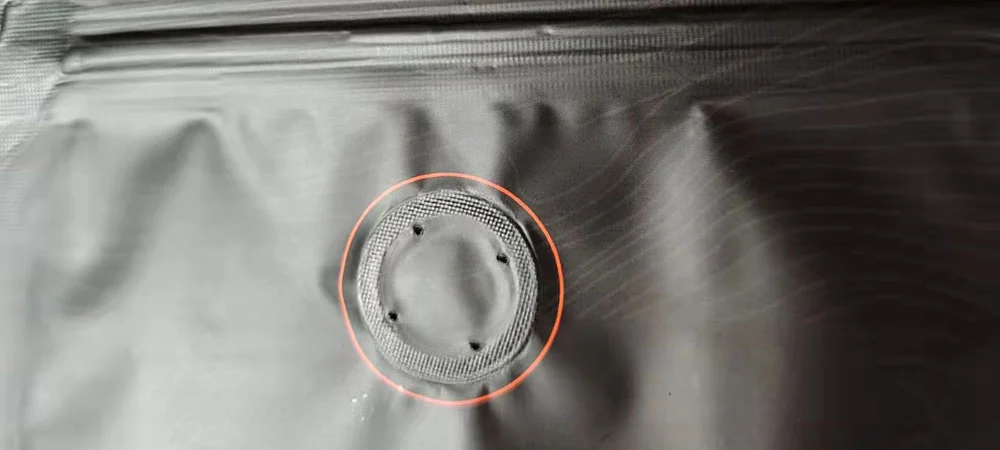
One-way degassing valves solve a persistent challenge in coffee packaging: freshly roasted beans release carbon dioxide for days after roasting. Without a release mechanism, gas buildup causes pouches to inflate and potentially burst. The valve allows CO₂ to escape while preventing oxygen and moisture from entering, maintaining an optimal internal environment.
Material Composition and Barrier Technology
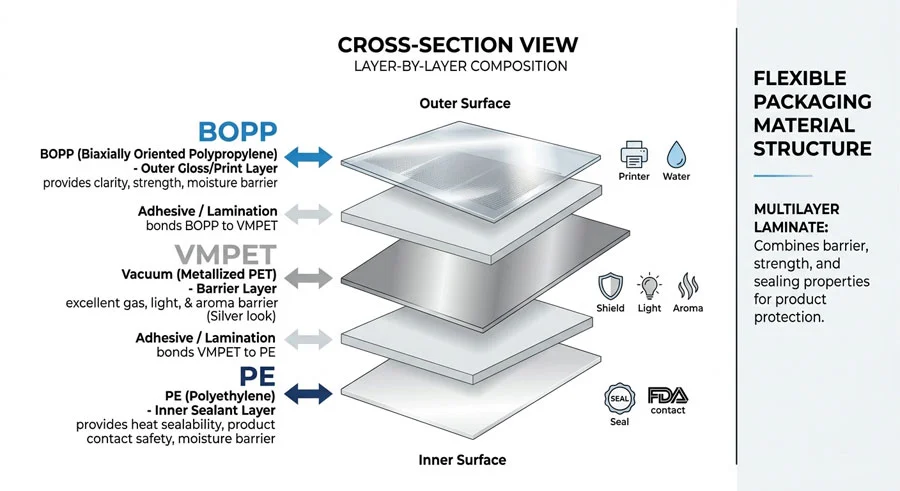
Multilayer lamination makes effective side gusset pouches. Each layer of PET/AL/PE or MOPP/VMPET/PE keeps things safe. Aluminum or metallized layers block oxygen and light, polyethylene can be heat-sealed and is safe for food, and polyester (PET) is strong and can be printed on.
A material between 120 and 160 microns can hold up to one kilogram without warping. The OTR and WVTR data show how well the shield is working; lower numbers mean better safety. Hyperbarriers stop rust and moisture uptake, two things that hurt the quality of a product and make it last longer on the shelf.
Eco-friendly packing is made from Kraft paper blends, PLA films, and PBAT films. These methods meet the growing needs of the environment while protecting acceptable uses. Consider efficiency, legal compliance, cost, and environmental factors while choosing materials.
Customization Capabilities
The 1kilo side gusset pouch with valve adapts to diverse branding requirements through multiple customization options. Rotogravure printing supports up to 11-color graphics with consistent color reproduction across production runs—critical for brand recognition. Digital printing offers faster turnaround for smaller volumes or product launches requiring market testing before committing to larger orders.
Finishing options include matte or glossy surfaces, spot UV coating, metallic effects, and transparent windows. Functional features such as resealable zippers, tear notches, and hang holes enhance user convenience. Dimensions can be adjusted to accommodate different product volumes while maintaining optimal material utilization to control costs.
Benefits and Practical Applications of Side Gusset Pouches with Valve
Extended Shelf Life Through Superior Protection
The combination of high-barrier materials and valve technology delivers measurable shelf life extension compared to standard packaging. When combined with high-barrier materials, one-way degassing valves help preserve coffee freshness throughout its intended shelf life. This extended protection reduces waste throughout the supply chain and allows brands to serve distant markets without quality degradation.
Protection extends beyond oxygen exclusion. Multi-layer films block UV light that accelerates flavor deterioration in sensitive products. Moisture barriers prevent clumping in powdered supplements and maintain texture in pet treats. These protective qualities translate to fewer customer complaints, reduced returns, and stronger brand reputation.
Space Efficiency and Logistics Optimization
The flat-folding characteristic of side gusset pouches creates significant logistics advantages. Empty pouches occupy minimal warehouse space before filling operations. During transport, the rectangular shape when filled allows efficient case packing with minimal void space, reducing shipping costs per unit.
Compared to rigid containers, flexible pouches reduce packaging weight substantially. A typical 1kilo side gusset pouch with valve weighs 15-25 grams, whereas equivalent rigid packaging might weigh 80-150 grams. This weight reduction lowers freight costs and supports sustainability goals by reducing transportation emissions. Procurement teams managing international shipments recognize these savings multiply across container loads.
Professional Appearance and Brand Positioning
The style of a package affects people's decisions to buy in stores and shapes how businesses think of a brand in B2B channels. Side gusset pouches have large front and back panels, as well as gusset surfaces that can be used for branding, product information, and aesthetic appeal. The standing shape makes it stand out on the shelf, which gets people's attention in busy stores.
Premium brands put a lot of value on being able to make complex graphics that communicate quality. Rotogravure printing is very good at making exact copies of photos, fine text, and graduated tones. Maintaining brand standards through consistent print quality across production batches is important when goods are sold in various areas at the same time.
Environmental Considerations and Recyclability
Consumers and government rules that require sustainability push container innovation. Traditional laminates made of more than one material are hard to recycle, but newer structures made of only one material and compatible polymer layers make recycling possible using existing systems. Some companies make 1 kg side gusset boxes that can be recycled in an environmentally friendly way and still work well in a variety of situations.
Because it uses less material than rigid packaging, it naturally has a smaller impact on the environment. When the whole process of making, transporting, and throwing away flexible packaging is looked at, life cycle assessments often show that it produces fewer carbon emissions. If brands want to make believable claims about sustainability, they shouldn't just rely on material claims. Instead, they should ask for third-party testing data to prove the environmental benefits.
Practical Storage Guidance
Valve bags are most effective at protecting things when they are stored correctly. Things should be kept in cool, dry places that are out of direct sunlight. Even though the barrier films are very good at protecting, big changes in temperature can weaken the seal. The best settings for package performance are kept in a warehouse at 15–25°C and below 60% relative humidity.
Rotation practices based on the first-in, first-out rule stop long-term storage that could go beyond even extended shelf life periods. For coffee in particular, the degassing valve keeps things at their best during the first few weeks after roasting, which is when CO2 release is at its highest. However, goods should still reach customers within the specified shelf life window to be at their best.
Comparison and Decision-Making Guide for Procurement
Structural Variations and Use-Case Compatibility
Packaging buyers see multiple pouch formats. Knowing structural differences helps choose. The cheapest and simplest choice, flat pouches cannot stand and have limited capacity. Bottom gusset pouches (flat bottom or box pouches) are stronger and offer more capacity than side gusset designs, but they need more material.
Doypacks or stand-up pouches without gussets work for modest quantities but may tilt. The 1kg side gusset pouch with valve is sturdy, high-capacity, and material-efficient. Coffee, pet food, and bulk supplements with one-kilogram packets benefit from its brick-like shape, which evenly distributes weight.
External display-supported three-side seal pouches are another economical solution. 1kilo side gusset pouch with valve format choice relies on product features, equipment compatibility, display needs, and pricing.
Valve Types and Performance Characteristics
Different degassing valves function. Valve seals at atmospheric pressure but open under internal pressure for nitrogen-flushed products.
Location affects valve operation. Corner-mounted valves work well in most cases; however, luxury products may use center-mounted valves for aesthetics. The valve adhesive must stick to the pouch film at different temperatures during storage and transit.
Product-lifetime valve quality. Poor valves leak or fail to open, compromising product safety. To verify valve suppliers meet criteria, buyers should request performance testing.
Material Trade-offs: Performance vs. Sustainability vs. Cost
Material selection must balance priorities. Aluminum-based laminates provide outstanding barrier protection in export markets with extended distribution chains, extending shelf life. Aluminum layers hinder recycling and cost more.
Metallic films are lighter and cheaper than aluminum structures and have intermediate barrier performance. Products with moderate protection needs and shorter distribution cycles benefit from metallic options' sustainability and cost savings.
Biodegradable materials appeal to green companies but require testing. Traditional films may offer better barrier performance and heat seal strength than biodegradable ones. Performance testing under actual storage conditions should replace material certifications in procurement.
Material costs can vary 15-30% depending on needs. Raw material markets, volume agreements, and supplier relationships impact price. Instead of unit pricing, procurement experts should consider total cost of ownership, including quality failure waste.
Pricing Structures and Minimum Order Quantities
Setup, material, and production costs affect flexible packaging prices. Rotogravure printing cylinder preparation costs are amortized over order quantities. Custom printing 1kilo side gusset pouches with valves requires 10,000–50,000 units, whereas digital printing permits shorter runs at higher rates.
Price depends on size, material, and feature complexity. Resealable zippers and valves cost more but improve usability. Clear windows need perfect registration and suitable materials, increasing complexity.
Reliable providers give detailed cost breakdowns. Knowing this framework helps procurement teams negotiate and save. Preferential pricing often comes with multi-SKU volume commitments or extended contracts.
Strategic Value of Custom Printing
Custom printing markets packaging. Visuals differentiate products in competitive markets, position them as high-quality, and build brand awareness. With their large surface area, side gusset pouches stand out.
Cross-product brand consistency improves client trust. Suppliers that maintain color standards across production runs and pouch configurations help multiple-product procurement teams. This uniformity requires advanced color and quality control.
Printing standards are complicated by regulations. Nutrition labels, ingredient disclosures, storage, and certification markings follow regional requirements. Expert package suppliers advise on target market regulation text needs, reducing compliance risk.
Procurement Considerations: How to Source the Best Custom Side Gusset Pouches with Valve
Evaluating Manufacturer Capabilities and Certifications
Selecting suppliers starts with manufacturer credentials. Food-contact packaging requires safety and production clearances. Certification for quality management ISO 9001 shows thorough process controls. Global brands accept BRC food packaging safety certification.
FDA compliance for U.S. markets and EU distribution restrictions are non-negotiable. Manufacturers must demonstrate food contact compliance for target markets. SGS third-party testing reduces buyer risk and ensures compliance.
Manufacturing capacity affects supply reliability. Multi-line manufacturers reduce equipment maintenance and failure. Overall capacity indicates a supplier's potential to grow with your company.
Guoshengli Packaging offers North American, European, and Asian brands after 25 years. Our facility offers supply stability with 7 printing lines, 6 laminating machines, and 49 conversion pieces of equipment. ISO 9001, BRC, FDA, and SGS certifications guarantee worldwide quality for every 1kilo side gusset pouch with valve.
Balancing Customization with Order Economics
Customization boosts competitiveness but hurts order economics. Purchasers must combine customization with minimum order quantities, working capital constraints, and demand forecasting confidence. If market reaction changes, early product customization increases risk.
Personalizing printing using basic sizes and materials is possible. Brand exposure is achieved with reduced tooling costs. More personalization makes sense when things sell.
The lead time affects inventory planning. Rotogravure printing takes 15-20 days from artwork approval to final products, while digital printing takes 7-10. Air freight speeds urgent travel to 4-5 days. Weighing time choices against expenses requires coordination with production and promotional schedules.
Guoshengli Packaging offers flexible production for different business stages. Rotogravure handles bulk production, whereas digital printing streamlines product launches and market testing. This flexibility lets customers enter the market and distribute in bulk.
Large Volume vs. Small Batch Sourcing Strategies
Volume commitments affect unit economics but raise inventory costs and obsolescence risk. Large wholesale orders of 50,000+ units provide the lowest unit costs but need warehouse space and finance.
Small batches provide flexibility, lower capital, and minimize formulation or design obsolescence. However, growing unit prices cut profitability. Mixed strategies—small inventories of fast-moving core products and smaller quantities for seasonal variants or new launches—are often best.
Supplier consolidation across packaging demands may enhance volume for varied product lines. Depending on company volume, a supplier with many pouch forms or product categories may offer better terms than SKU numbers.
Building Reliable Supplier Relationships
Packaging supply is strategic, not transactional. Technical support, responsiveness, and quality distinguish valued suppliers from commodity providers. Material suppliers and design optimizers provide value to product development.
Modern supply chain disruptions have shown the importance of supplier stability and communication. Suppliers that communicate delays, stock up for important clients, and fix difficulties are reliable.
Long-term relationships help suppliers understand your demands, preserve custom stocks, and prioritize requests during capacity constraints. These relationships are built on communication, fairness, and quality.
Future Trends and Innovations in Side Gusset Pouch Packaging
Sustainable Materials and Circular Economy Solutions
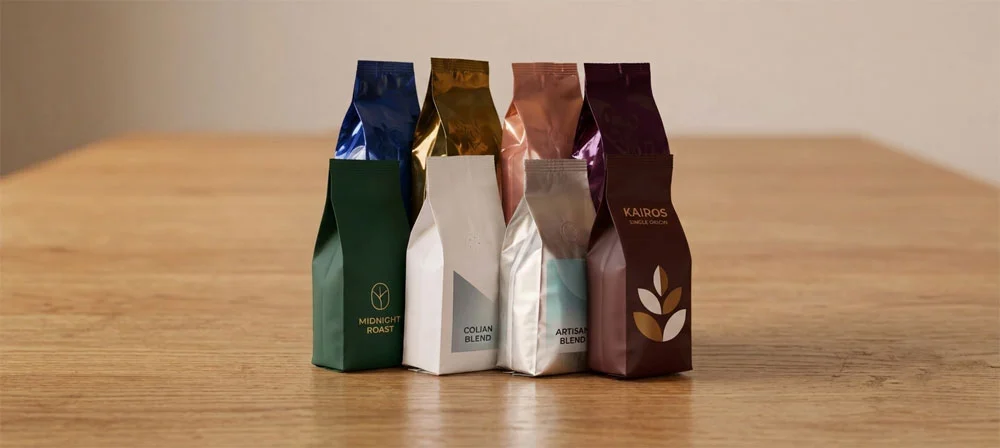
Packaging sustainability is evolving from incremental to circular economy-aligned redesign. Mono-material structures built of suitable polymers enable recycling using existing infrastructure, a short-term option until recycling technologies improve.
PLA and PBAT-based films can be composted where composting infrastructure exists. These materials are good for mild barrier and short shelf life. Laboratory compostability doesn't safeguard products; thus, storage validation is needed.
Recyclability claims need testing and target market recycling infrastructure. Technically recyclable products have minimal environmental effect if recycling facilities can't handle them or contamination hinders collection.
Smart Packaging Integration
Digitizing packaging makes it interactive. QR codes on 1kilo side gusset bags with valves may reveal origin, brewing, and legitimacy. Retail intermediate goods gain trust and brand communication via connectivity.
Freshness indicators like time-temperature monitoring and oxygen exposure detection demonstrate proper storage throughout distribution. These expensive features add value to premium products where quality is worth it.
NFC package tags offer sophisticated tack-and-trace, enhancing supply chain transparency and counterfeit protection. Tag prices will drop, making adoption mainstream.
Market Evolution in Coffee and Food Packaging
Convenience, transparency, and sustainability are growing consumer preferences. Single-serve quantities, resealable closures, and clear information meet these needs. The 1-kilo side gusset bag with valve addresses professionals and households seeking bulk value and freshness.
Specialty roasters stress origin traceability and distinct taste characteristics as coffee consumption diversifies. Packages that safeguard these features and present quality enhance premium positioning. This market positioning uses high-quality graphics and degassing valves.
Health and wellness products are likewise shifting toward natural and sustainable components. Recyclable and lightweight packaging represents corporate values and satisfies health-conscious client expectations.
Conclusion
Valved custom side gusset pouches protect products, enhance logistics, brand presentation, and environmental responsibility. The 1kilo side gusset pouch with valve is ideal for high-capacity, freshness-preserving applications. To succeed in procurement, understand structural options, material trade-offs, supplier skills, and emerging technologies. For company development, strategic sourcing with certified manufacturers provides quality, regulatory compliance, and supply dependability. As packaging technology becomes more sustainable and digital, side gusset pouches adapt to market demands while maintaining their protective and practical benefits.
FAQ
1. Can side gusset pouches with valves be reused by end consumers?
While the pouches themselves are durable enough for reuse, the one-way valve and heat-sealed closures are designed for single-use applications. Consumers may reuse pouches for storage after initial opening if they add external closures like clips, though barrier properties degrade once the original seal is broken. Some brands incorporate resealable zippers to extend usability after opening while maintaining reasonable freshness between uses.
2. How much shelf life improvement can valve technology provide?
Shelf life extension depends on multiple factors including product characteristics, storage conditions, and baseline packaging performance. Coffee packaged in 1kilo side gusset pouches with valves typically achieves 12-18 month shelf life compared to 6-9 months in standard packaging without valves. The degassing function prevents package deformation while maintaining low-oxygen internal environments that slow oxidation. Actual results require validation testing under anticipated distribution and storage conditions.
3. Are sustainable material options available for side gusset pouches?
Sustainable options continue expanding, including 100% recyclable mono-material structures, recyclable metallized films, and compostable materials for appropriate applications. Material selection should balance environmental objectives with performance requirements—some sustainable alternatives show reduced barrier properties compared to conventional multi-layer laminates. Reputable suppliers provide performance testing data helping buyers make informed decisions rather than relying solely on environmental claims. Guoshengli Packaging offers recyclable options and can guide material selection based on your specific product protection needs and sustainability goals.
Partner with Guoshengli Packaging for Superior Custom Side Gusset Pouch Solutions
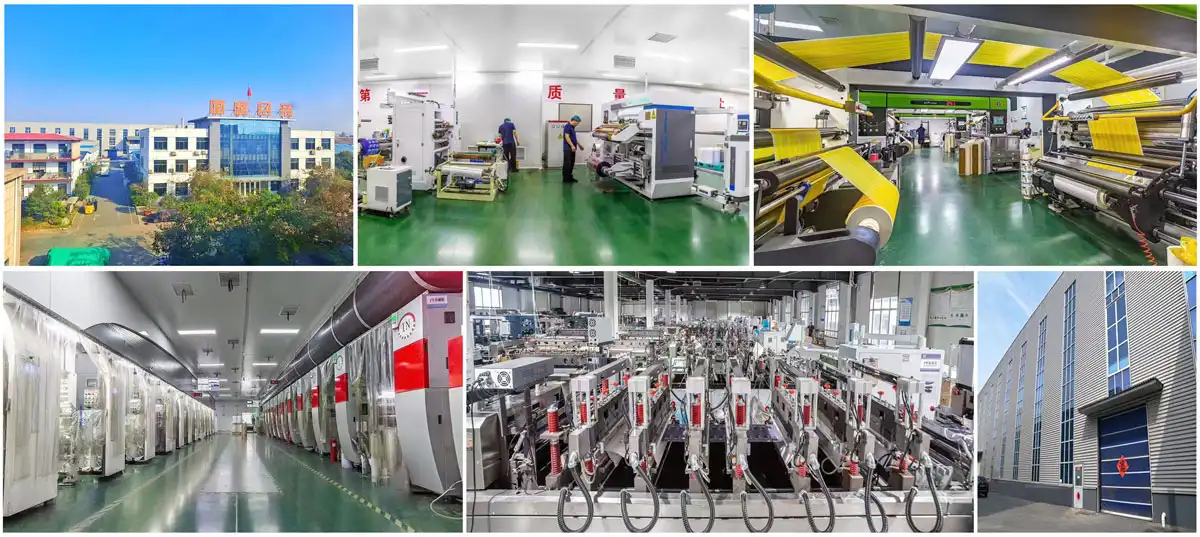
Guoshengli Packaging brings 25 years of flexible packaging manufacturing expertise to brands requiring reliable, high-performance packaging solutions. As an established 1kilo side gusset pouch with valve supplier, we understand the critical importance of consistent quality, regulatory compliance, and supply stability for your business success. Our comprehensive capabilities span custom material formulation, up to 11-color rotogravure printing, precision pouch manufacturing, and global logistics coordination.
We serve as a strategic partner for food brands, coffee roasters, pet food manufacturers, and supplement companies throughout North America, Europe, and Asia-Pacific markets. Our ISO 9001, BRC, FDA, and SGS certifications demonstrate our commitment to quality standards, while our environmental responsibility includes RTO exhaust treatment systems and 100% recyclable packaging options. Whether you need high-volume production for established products or flexible small-batch solutions for market testing, our production capabilities deliver the right balance of quality, timing, and cost-effectiveness. Contact our team at sales@guoshengpacking.com to discuss your packaging requirements, request samples, or receive a detailed quotation tailored to your specifications.
References
1. Robertson, Gordon L. Food Packaging: Principles and Practice. 3rd ed. CRC Press, 2012.
2. Marsh, Kenneth and Betty Bugusu. "Food Packaging—Roles, Materials, and Environmental Issues." Journal of Food Science 72.3 (2007): R39-R55.
3. Coles, Richard, Derek McDowell, and Mark J. Kirwan, eds. Food Packaging Technology. Blackwell Publishing, 2003.
4. Yam, Kit L., ed. The Wiley Encyclopedia of Packaging Technology. 3rd ed. Wiley, 2009.
5. Siracusa, Valentina, et al. "Biodegradable Polymers for Food Packaging: A Review." Trends in Food Science & Technology 19.12 (2008): 634-643.
6. Restuccia, Donatella, et al. "New EU Regulation Aspects and Global Market of Active and Intelligent Packaging for Food Industry Applications." Food Control 68 (2016): 239-252.