- English
- French
- German
- Portuguese
- Spanish
- Russian
- Japanese
- Korean
- Arabic
- Greek
- German
- Turkish
- Italian
- Danish
- Romanian
- Indonesian
- Czech
- Afrikaans
- Swedish
- Polish
- Basque
- Catalan
- Esperanto
- Hindi
- Lao
- Albanian
- Amharic
- Armenian
- Azerbaijani
- Belarusian
- Bengali
- Bosnian
- Bulgarian
- Cebuano
- Chichewa
- Corsican
- Croatian
- Dutch
- Estonian
- Filipino
- Finnish
- Frisian
- Galician
- Georgian
- Gujarati
- Haitian
- Hausa
- Hawaiian
- Hebrew
- Hmong
- Hungarian
- Icelandic
- Igbo
- Javanese
- Kannada
- Kazakh
- Khmer
- Kurdish
- Kyrgyz
- Latin
- Latvian
- Lithuanian
- Luxembou..
- Macedonian
- Malagasy
- Malay
- Malayalam
- Maltese
- Maori
- Marathi
- Mongolian
- Burmese
- Nepali
- Norwegian
- Pashto
- Persian
- Punjabi
- Serbian
- Sesotho
- Sinhala
- Slovak
- Slovenian
- Somali
- Samoan
- Scots Gaelic
- Shona
- Sindhi
- Sundanese
- Swahili
- Tajik
- Tamil
- Telugu
- Thai
- Ukrainian
- Urdu
- Uzbek
- Vietnamese
- Welsh
- Xhosa
- Yiddish
- Yoruba
- Zulu

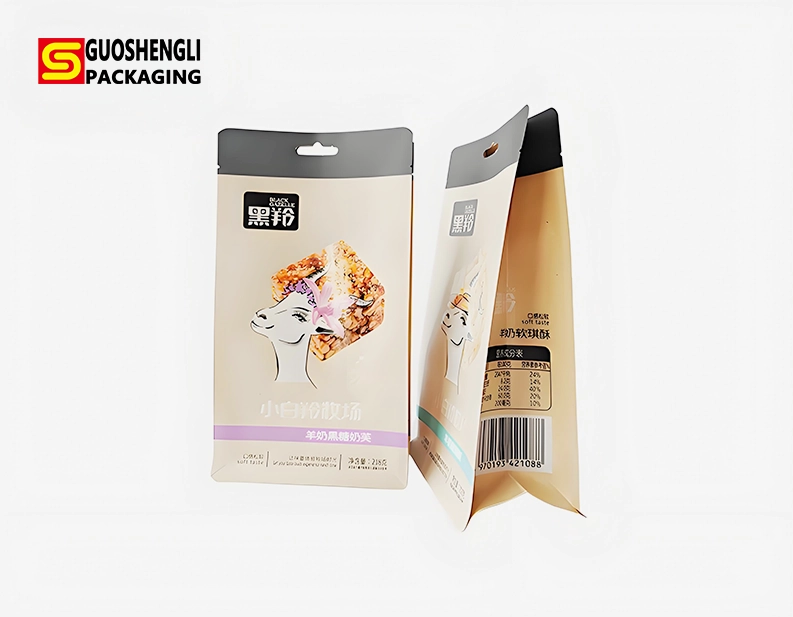
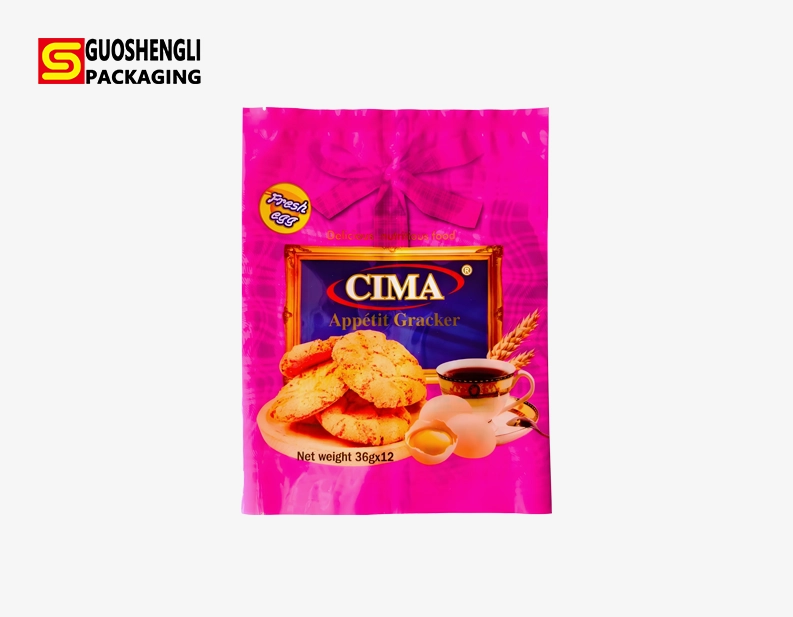
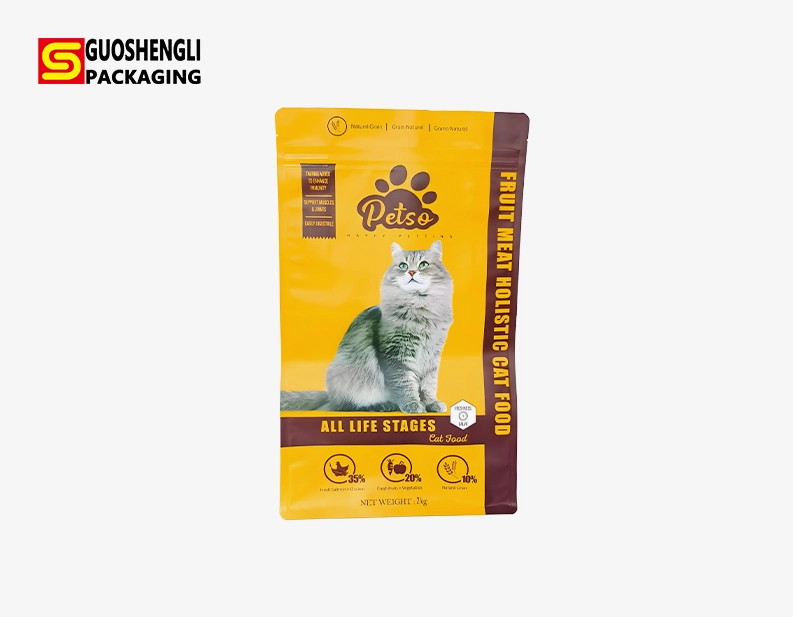
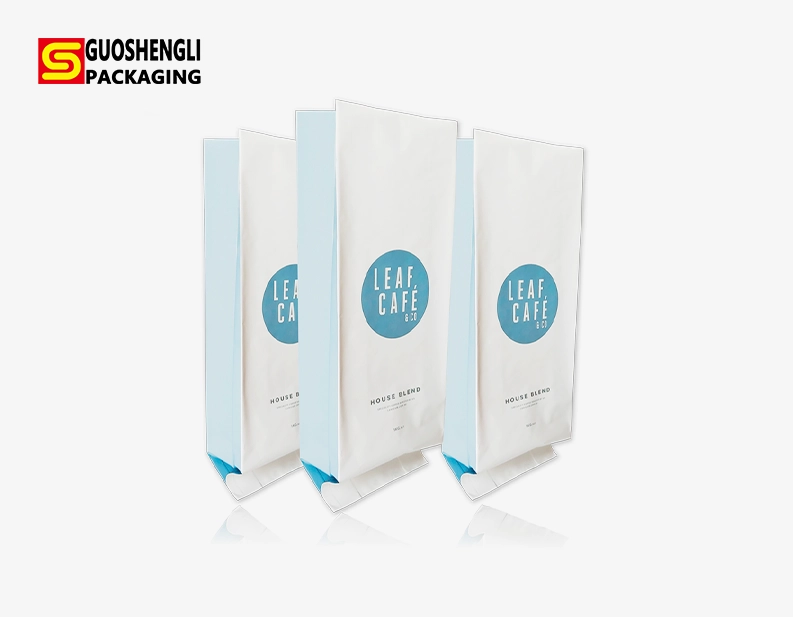
When sourcing flexible packaging for food, snacks, or industrial products, the 3 sided pouch stands out as one of the most efficient and cost-effective formats available. Constructed from a single piece of film heat-sealed on three edges, this flat pouch format delivers exceptional barrier protection, streamlined logistics, and versatile customization. At Guoshengli Packaging, we have spent 25 years engineering three side seal pouches that help brands reduce shipping costs, extend shelf life, and meet global compliance standards — all without compromising on presentation or performance.
Understanding Three Side Seal Pouches: Definition and Manufacturing Process
What Is a Three Side Seal Pouch?
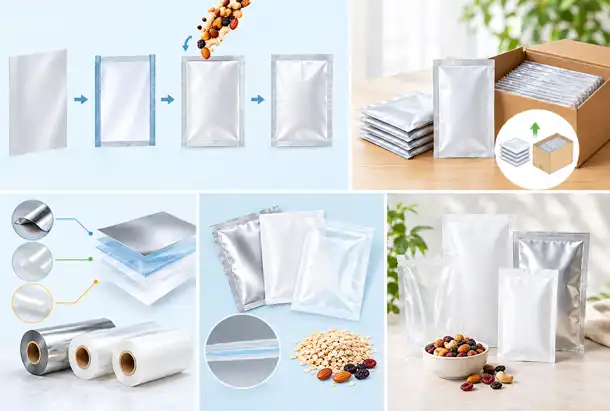
Each 3 sided pouch is made from a single piece of film that is folded and heat-sealed along three sides to make it flat and flexible. The fourth edge stays open while the package is being filled, and then it gets a final heat seal to close it. When compared to rigid or gusseted options, this construction makes a clean, compact profile that stacks well in cartons, letting up to 40% more units fit per shipping box. The flat shape of the three side seal pouch also cuts down on waste during production, making it one of the least expensive bag types per unit.
Material Selection and Manufacturing Standards
The first step in the production process is choosing the right plastic structure. Some common combinations are PET/AL/PE for the best protection against oxygen and moisture, NY/PE for protein packaging that won't tear, and PE/PE for uses that need to be fully recyclable. Depending on the weight of the product and the protection needs, film thickness is usually between 60 and 150 microns. Every production run at Guoshengli Packaging follows the rules for ISO 9001 quality management. They test the strength of the seals (ASTM F88), see if they burst (ASTM F1140), and look at the solvents that are left over to make sure they meet FDA and EU EC 1935/2004 standards for food safety.
Key Benefits and Applications of Three Side Seal Pouch Packaging
Why Snack and Food Brands Prefer This Format?
The economics of the three side seal pouch are easy to understand. Because it has a flat profile, it uses less material per unit, takes up less space, and is easier to store. In one case, moving from bulkier forms to flat pouches—which fit 40% more units per carton—saved $18,000 a year on freight costs. Multi-layer aluminum foil laminates also keep oxygen transmission rates below 0.5 cc/m²/24h, which means that nuts, jerky, and dried fruit can stay fresh for up to 18 months instead of just 6 months. These numbers are based on real production results that our clients check by doing accelerated shelf-life testing before placing full-volume orders.
Here are the primary application categories where the three side seal pouch consistently delivers measurable value:
- Food and Snack Products: The airtight barrier and small size are good for ground coffee, mixed nuts, dried mango, meat jerky, spice mixes, and single-serve snack amounts. High-barrier layers keep the aroma in and stop oxidation, so the taste stays the same all the way through the distribution chain.
- Cosmetics and Personal Care: In the beauty and personal care industry, sample sachets, face mask packets, and single-use lotion portions all use the three side seal style because it allows for accurate dosing and a clean, germ-free look. In sensitive formulas, barrier layers keep ingredients from going bad.
- Industrial and Technical Applications: Side seals on reinforced three side seal pouches for powdered reagents, specialty resins, and hardware parts are rated to withstand chemical abrasion and VOC exposure, keeping the pouches' structural integrity under tough handling conditions.
These applications share a common requirement: reliable barrier performance at a low unit cost. The three side seal style meets both requirements at the same time, which is why it is widely used in industries that are controlled and performance-sensitive.
Comparing Three Side Seal Pouches with Other Flexible Packaging Types
Structural and Cost Differences That Matter to Procurement Teams
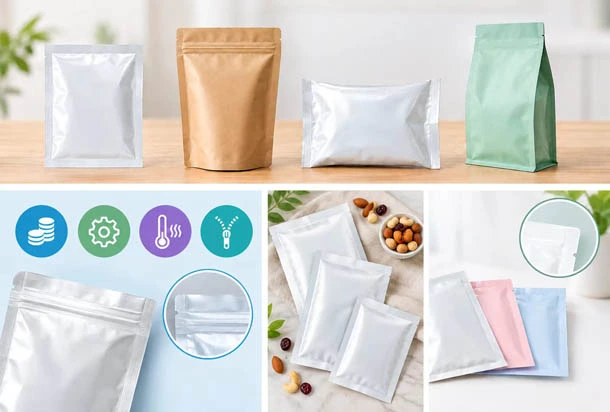
A lot of the time, purchasing managers compare three side seal pouches to stand-up pouches, pillow pouches, and flat bottom pouches. The trade-offs between cost and usefulness are different for each type. A bottom flap is needed for stand-up bags, which adds complexity and costs more material. While flat-bottom bags look better on shelves, they require more expensive tools to make. Pillow pouches have more film used per unit than three side seal pouches.
The 3 sided pouch style is better for unit cost and ease of use on the finishing line. It works well with standard vertical and horizontal form-fill-seal equipment, and the heat seal temperatures can be changed between 140°C and 180°C, so it can be used with most filling lines without having to be retooled. A zipper seal can be added to make the package resealable without making major changes to the base structure. The three side seal pouch regularly beats other formats in terms of cost-per-unit for brands that want to keep costs low and increase production output.
Procurement Insights for B2B Buyers: Sourcing Quality Three Side Seal Pouches
Evaluating Suppliers Across Certification, Capacity, and Lead Time
When looking for a trusted three side seal pouch provider, you need to look at more than just price. You can't sell in U.S. and European stores unless you have the right certification paperwork, like FDA compliance letters, BRC food packaging certification, and ISO 9001 quality management records. If a supplier doesn't have any certifications that can be checked, they present a compliance risk that the buying team shouldn't have to take on.
Both capacity and wait time dependability are very important, especially during high demand times like holidays and big shopping events. Guoshengli Packaging has 49 turning machines, 7 printing lines, and 6 sealing machines. Digital print runs can be completed in 7–10 days, and rotogravure orders can be completed in 15–20 days. It takes 4–5 days for air freight to get to places in the United States. MOQ policies that are flexible can handle both test runs and large orders every three months. This gives buying teams more planning options without losing unit cost efficiency.
Sustainability requirements are growing in U.S. and European procurement specifications. Our single-material PE/PE pouches are 100% recyclable, and our EN 13432-certified compostable PLA films let brands meet retailer sustainability requirements without having to switch suppliers—offering the same structural flexibility as a 3 sided pouch while meeting stricter environmental standards.
Customization and Branding with Three Side Seal Pouches
Printing, Finishing, and Structural Options That Strengthen Brand Identity
One thing that buyers often worry about is that the three side seal style looks simple or cheap. When the right print and finish choices are used, the opposite is actually true. Rotogravure printing with up to 11 colors can make drawings that look like photographs, and the colors stay the same from one production batch to the next. A flat bag can be turned into a high-end store display with matte lamination, gloss coatings, and soft-touch finishes.
Structural add-ons make things even more useful. Tear notches make it easy for people to open without using scissors. Retail peg displays are held up by hang holes. There are degassing valves for roasted coffee. Resealable zippers turn a one-time use format into a package that can be used more than once, which is what customers want. Every customization choice works with the normal three side seal design, so you don't need to buy any new tools or wait longer for your order to arrive.
Conclusion
The 3 sided pouch is one of the most useful and cost-effective ways for food companies, snack brands, and industrial suppliers to package their goods right now. Its flat profile cuts down on shipping costs, its multi-layer laminate options make it last much longer, and the fact that it works with standard filling equipment makes it easier to get. It works effectively in controlled markets thanks to its strong customization tools and global certification compliance. Guoshengli Packaging adds 25 years of experience in manufacturing to every order, from small samples to full-scale production. This makes sure that the quality is always the same, which is good for long-term business growth.
FAQ
1. What materials are used in a three side seal pouch?
Some common laminate structures are PET/AL/PE for high-barrier uses, NY/PE for puncture resistance, and PE/PE films made from one material that can be recycled. Material choice depends on how sensitive your product is to oxygen, how much it will be exposed to moisture, and how long you want it to last. We give you suggestions for materials based on your goods and the conditions of the filling.
2. Can a three side seal pouch support vacuum packaging?
Yes. This shape works well for vacuum uses because it has a flat profile and a strong seal. Our bags keep their shape under a vacuum pressure of about 0.08 MPa, which is good for protein snacks, smoked meats, and other similar products that need to stay fresh for a long time.
3. What certifications do your pouches carry?
Our pouches have been approved by the FDA for food contact, the BRC for food packaging, ISO 9001 for quality management, and SGS for independent testing. With every sale, full paperwork is sent.
4. What is the minimum order quantity?
Our MOQ is flexible, so we can handle both small test runs and large production orders. Get a price from our team at sales@guoshengpacking.com by telling us about the size, material, and print you need.
5. Are eco-friendly options available?
Yes. For brands that want to use eco-friendly packaging without losing barrier function, we have 100% recyclable PE/PE bags and EN 13432-certified compostable PLA films.
Partner with Guoshengli Packaging for Your Next Three Side Seal Pouch Order

Guoshengli Packaging has been working with flexible packaging for 25 years and has certified production facilities and quick turn-around times to help brands of all sizes. Our team provides consistent quality, confirmed compliance, and quick service whether you are looking for a 3 sided pouch maker for your first test run or want to make more of a product line that has already been proven to work. To get samples and a unique price, email sales@guoshengpacking.com right now.
References
1. Food and Drug Administration (FDA). Guidance for Industry: Packaging and Labeling of Food Products. U.S. Department of Health and Human Services, 2021.
2. British Retail Consortium (BRC). BRC Global Standard for Packaging and Packaging Materials, Issue 6. BRC Global Standards, 2019.
3. ASTM International. ASTM F88/F88M: Standard Test Method for Seal Strength of Flexible Barrier Materials. ASTM International, 2021.
4. European Commission. Regulation EC No. 1935/2004 on Materials and Articles Intended to Come into Contact with Food. Official Journal of the European Union, 2004.
5. Plastic Industry Association. Flexible Packaging Market Report: Trends, Materials, and Sustainability Outlook. Plastics Industry Association, 2022.
6. Packaging Digest. Flexible Packaging Formats: Performance Benchmarks and B2B Procurement Considerations. Packaging Digest, 2023.