- English
- French
- German
- Portuguese
- Spanish
- Russian
- Japanese
- Korean
- Arabic
- Greek
- German
- Turkish
- Italian
- Danish
- Romanian
- Indonesian
- Czech
- Afrikaans
- Swedish
- Polish
- Basque
- Catalan
- Esperanto
- Hindi
- Lao
- Albanian
- Amharic
- Armenian
- Azerbaijani
- Belarusian
- Bengali
- Bosnian
- Bulgarian
- Cebuano
- Chichewa
- Corsican
- Croatian
- Dutch
- Estonian
- Filipino
- Finnish
- Frisian
- Galician
- Georgian
- Gujarati
- Haitian
- Hausa
- Hawaiian
- Hebrew
- Hmong
- Hungarian
- Icelandic
- Igbo
- Javanese
- Kannada
- Kazakh
- Khmer
- Kurdish
- Kyrgyz
- Latin
- Latvian
- Lithuanian
- Luxembou..
- Macedonian
- Malagasy
- Malay
- Malayalam
- Maltese
- Maori
- Marathi
- Mongolian
- Burmese
- Nepali
- Norwegian
- Pashto
- Persian
- Punjabi
- Serbian
- Sesotho
- Sinhala
- Slovak
- Slovenian
- Somali
- Samoan
- Scots Gaelic
- Shona
- Sindhi
- Sundanese
- Swahili
- Tajik
- Tamil
- Telugu
- Thai
- Ukrainian
- Urdu
- Uzbek
- Vietnamese
- Welsh
- Xhosa
- Yiddish
- Yoruba
- Zulu

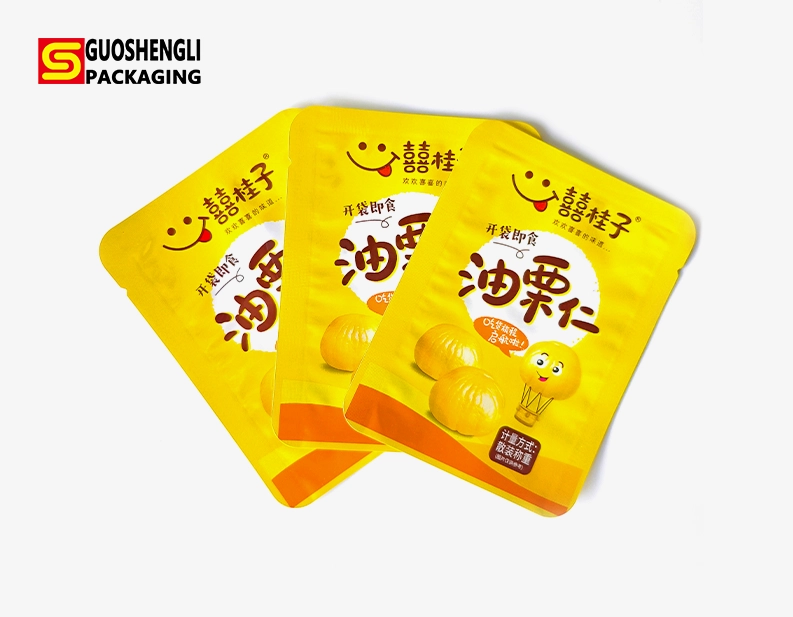
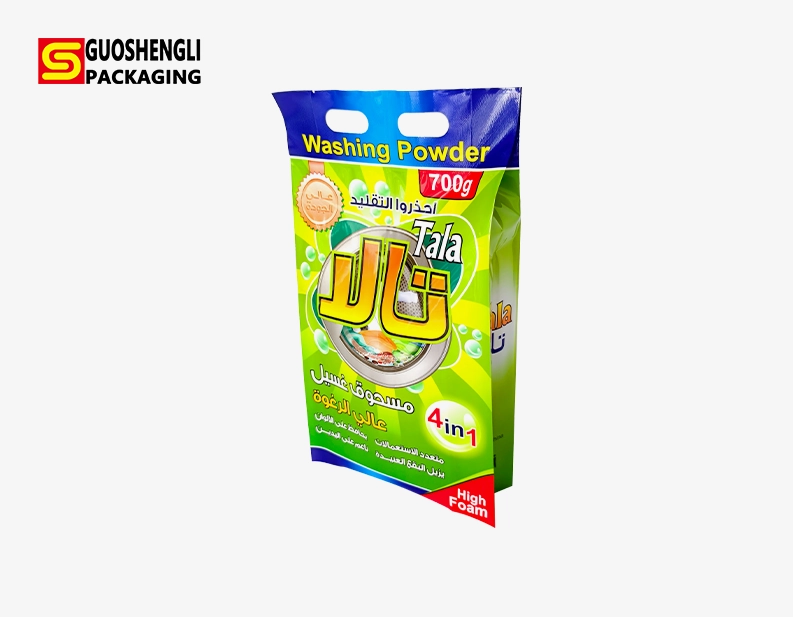
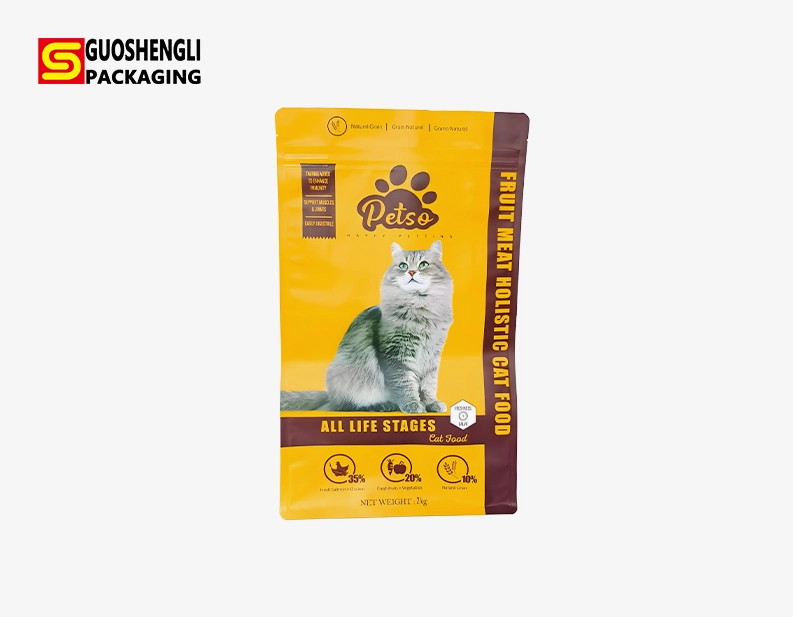
Stand up pouches have quietly reshaped how brands compete on retail shelves. With a reinforced bottom gusset that allows upright display, these flexible pouches combine structural integrity with eye-catching presentation. For food brands, pet food manufacturers, and specialty product companies, they represent a smarter path to shelf conversion, extended freshness, and brand differentiation. As procurement teams across North America and Europe rethink their packaging strategy, stand-up pouches continue to prove their value — not just aesthetically, but operationally and economically.
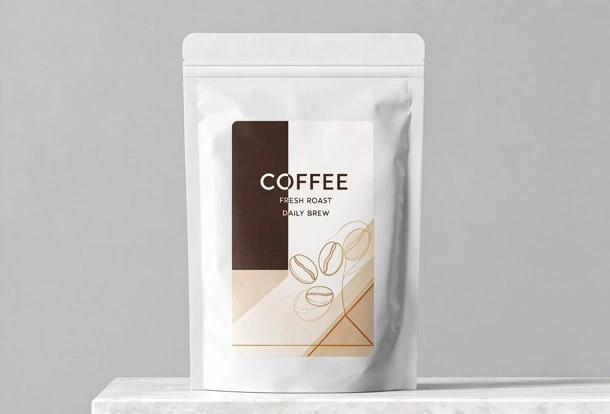
What Are Stand-Up Pouches and Why Are They Gaining Popularity?
The Structure That Changed Retail Packaging
A stand-up pouch stands up straight because it has a flat bottom gusset, which is a folded base panel that opens up when the pouch is full. This fairly simple engineering choice opens up big benefits for retailers. Products are displayed face-forward on shelves, which makes brands more visible without taking up as much room as rigid containers. The Flexible Packaging Association says that flexible packaging makes up more than 19% of the overall U.S. package market. Stand-up pouches are a big part of that growth.
These pouches do more than just look nice; they also help the supply chain in measured ways. They are much lighter than glass jars or hard plastic cases, which means that each unit that is shipped costs less to ship. Because they can be collapsed before being filled, they also cost less to store. For B2B buyers who are in charge of logistics across foreign markets, these improvements add up to real cost saves over the course of the procurement cycle.
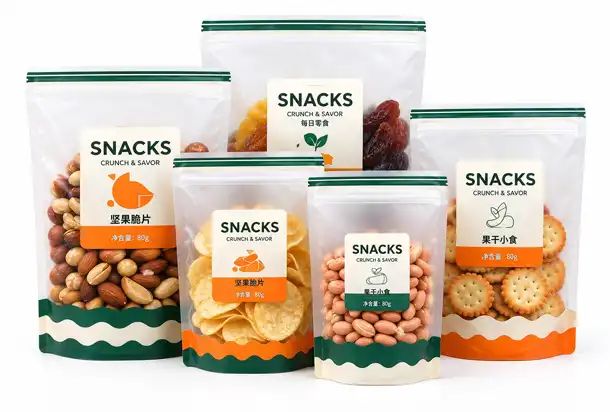
There are many industries that can use stand up pouches because they are so flexible. These include snacks, coffee, dried fruits, pet treats, protein powders, and even cosmetic samples. The same packaging platform can be used by brands that are moving into new product categories. This makes it easier for suppliers and speeds up time to market.
Materials and Manufacturing Processes Behind Stand-Up Pouches
Multi-Layer Laminate Structures and What They Protect Against
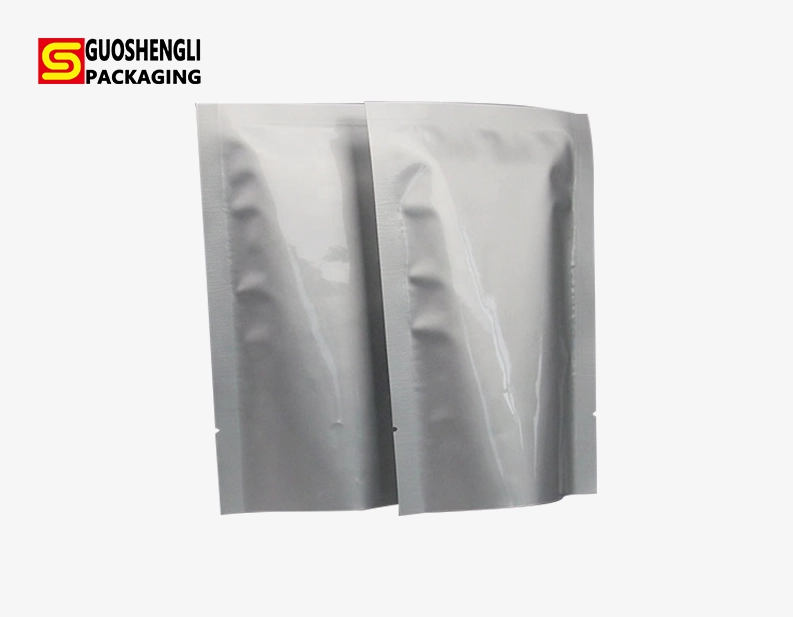
Everything that happens after the material choice is set by that material. This includes the shelf life, print quality, barrier performance, and environmental profile. Most high-end stand-up pouches are made with multiple layers of materials, including VMPET (Vacuum Metalized Polyester), BOPP, PE, and metal foil. Especially VMPET is a great shield against moisture getting in, air getting in, and light breaking down, which are three main reasons why products go bad.
At Guoshengli Packaging, laminate configurations that are right for each product are used to make pouches. A coffee brand that needs nitrogen-flushed packing has different barrier requirements than a pet treat company that wants to make sure the treats won't get punctured. Experience is what sets trusted providers apart from generic ones when it comes to matching materials to applications.
Printing Technologies That Elevate Brand Identity
When you print on packaging, it becomes an advantage to your business. Rotogravure printing with up to 11 colors can consistently print fine details, metallic tones, and gradients that are hard to see. Spot UV treatment adds selective gloss contrast to smooth surfaces. Premium snack and health food brands are using this method more and more to get people's attention on the shelf. Digital printing, which has shorter lead times (7–10 days), lets you test small batches without having to pay for the setup costs of gravure cylinders.
Comparing Stand-Up Pouches with Alternative Packaging Solutions
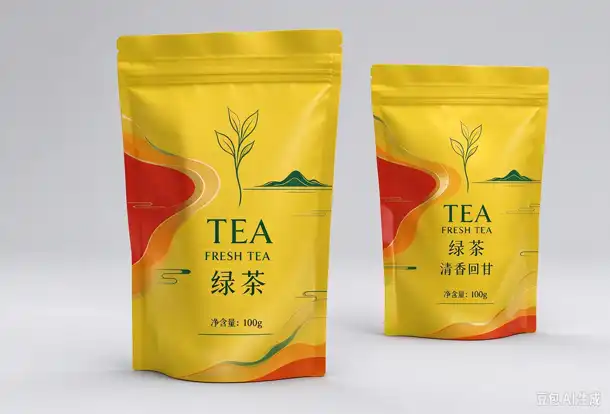
Brands usually compare stand-up pouches, flat pouches, rigid cases, and folding boxes when they are looking at different types of packing. Each has its place, but flexible upright pouches always do better than other options in a number of ways that affect buying.
Here is how the formats compare on the factors that matter most to B2B buyers:
- Material efficiency: Stand-up pouches use a lot less material by weight than glass jars or rigid plastic cases. This means that the cost of raw materials per unit is lower. The Sustainable Packaging Coalition has found that flexible packaging can use up to 60% less material than rigid formats of the same size.
- Shipping and storage density: Flat-packed pouches take up a lot less warehouse space than rigid containers before they are filled. Once they are full, their small size makes pallets more useful and lowers the cost of freight per unit, which is a big plus for companies that ship packaging or finished goods internationally.
- Consumer experience: Stand-up pouches come with basic customization choices like resealable zippers, easy-tear notches, show hang holes, and clear windows. These useful features increase the number of repeat purchases by meeting real usability needs of customers.
It costs less to make flat bags, but they don't look good on the shelf at all. Rigid containers have better cues, but they cost more to make, ship, and store. Most food and pet food brands that want to sell in stores or online find that stand up pouches are the best combination of price, function, and brand effect.
How to Choose the Best Stand-Up Pouches for Your Business Needs?
Matching Barrier Specs to Your Product
Before you can choose the right stand-up pouch, you need to know how vulnerable your product is. Products that need to keep water out, like pet treats, need strong moisture barriers. UV-blocking laminates are needed for things that are sensitive to light, like matcha or specialty coffee. Aluminum foil or VMPET inner layers are good for snacks that are sensitive to oxygen. If you get the barrier specification right during the sourcing stage, you won't have to pay a lot of money to change it later.
MOQ, Lead Times, and Supplier Certifications
Minimum order number (MOQ) flexibility is often the deciding factor in buying for new products and brands that are growing. A lot of brands can't commit to big sales before they know how the market will react. A provider that offers digital printing with low MOQs (as little as 500 to 1,000 units) is really useful for business during the testing process.
Lead time dependability is just as important. It can cost a lot more than just the packaging to miss a yearly launch window or a retailer's shelf-reset date. Certifications like FDA food contact compliance, BRC food safety standards, and ISO 9001 quality management give buying teams written guaranties instead of just verbal promises.
Future Trends and Sustainability in Stand-Up Pouch Packaging
Sustainability is becoming more important in the packing business, and stand up pouches are changing to keep up. As brands try to meet both consumer and government demands, recyclable structures made of only one material are becoming more popular. These are structures where all the laminate layers are made of the same polymer family. The EU's Packaging and Packaging Waste Regulation (PPWR) will change market requirements until 2030, and it is already having an effect on how European brands buy things.
Smart packing features are also becoming more common. People who buy pouches with QR codes can access brand content, traceability data, or authentication tools. This directly addresses concerns about product counterfeiting, which is a real problem for high-end brands with easily recognizable packaging. Brands that want to be more environmentally friendly than just recycling can use biodegradable PLA/PBAT-based alternatives.
Sustainability is no longer a value statement for business-to-business buyers; it is a requirement for buying. The only surefire way to meet market and government standards is to work with makers that back up their eco-claims with third-party tests and keep track of their material certifications.
Conclusion
Food, pet food, and health brands that want to compete in store and online markets around the world choose stand up pouches as their preferred packing style. Because they work well as barriers, can be customized, are easy to find on shelves, and are efficient in the supply chain, they are a long-term choice for buyers, not a trend. As rules for sustainability get stricter and it gets harder for brands to stand out, the quality of the company that makes the pouch is just as important as the pouch itself.
FAQ
1. Are stand-up pouches suitable for all food products?
Stand-up pouches are great for a lot of different dry and semi-dry foods, like nuts, dried fruits, coffee, tea, snack foods, spices, and pet treats. Products that need certain conditions, like a lot of wetness or gasses under pressure, may need custom laminate structures or special seals. Making sure the product is compatible with your source during the design stage keeps problems from happening later.
2. What is the typical lead time for custom stand-up pouches?
Lead times depend on how the print is done. Digital printing orders usually get delivered in 7–10 business days, which is good for trying products or quickly restocking. Because the cylinders need to be prepared, standard rotogravure production runs take 15–20 working days. For goods that need to get there quickly, air freight can cut the travel time to 4–5 days.
3. How can I verify that a supplier's materials are food-safe?
Ask for proof, like letters from the FDA saying that the company follows their rules for food contact, BRC certification, and third-party SGS test reports. Reliable makers keep these records for each material structure and can give them to you if you ask. The ISO 9001 certification shows that a quality management system controls the consistency of production, not just the results of individual tests.
4. What MOQ is realistic for a new product launch?
Digital printing makes it possible to sell as few as 500 to 1,000 units. This lets companies try different packaging ideas and see how the market reacts to them before committing to rotogravure runs with bigger volumes.
Partner with Guoshengli Packaging — Your Trusted Stand-Up Pouch Supplier
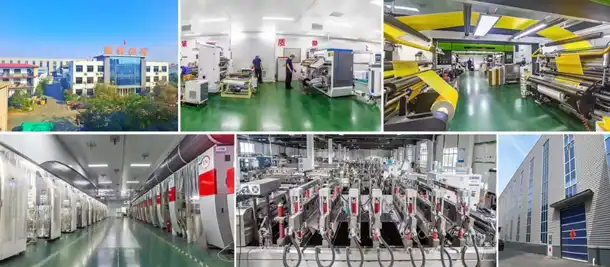
The stand up pouches of guoshengli packaging has been making flexible packaging for 25 years and can help brands that need solid solutions that are ready for sale. we have fda/brc-certified materials, flexible moq choices, and wait times that start at 7 days, so you can get stand-up pouches for a new product launch or to make an existing line bigger. reach our team at sales@guoshengpacking.com to request samples and start your customization consultation.
References
1. Flexible Packaging Association. Flexible Packaging: Market Data & Industry Trends. Flexible Packaging Association, 2023.
2. Sustainable Packaging Coalition. How Life Cycle Thinking Applies to Flexible Packaging. GreenBlue, 2022.
3. Emblem, A., & Emblem, H. Packaging Technology: Fundamentals, Materials and Processes. Woodhead Publishing, 2012.
4. European Commission. Packaging and Packaging Waste Regulation (PPWR) Proposal. Official Journal of the European Union, 2022.
5. Marsh, K., & Bugusu, B. "Food Packaging — Roles, Materials, and Environmental Issues." Journal of Food Science, 2007.
6. McKinsey & Company. Sustainability in Packaging: Inside the Minds of US Consumers. McKinsey & Company, 2021.