- English
- French
- German
- Portuguese
- Spanish
- Russian
- Japanese
- Korean
- Arabic
- Greek
- German
- Turkish
- Italian
- Danish
- Romanian
- Indonesian
- Czech
- Afrikaans
- Swedish
- Polish
- Basque
- Catalan
- Esperanto
- Hindi
- Lao
- Albanian
- Amharic
- Armenian
- Azerbaijani
- Belarusian
- Bengali
- Bosnian
- Bulgarian
- Cebuano
- Chichewa
- Corsican
- Croatian
- Dutch
- Estonian
- Filipino
- Finnish
- Frisian
- Galician
- Georgian
- Gujarati
- Haitian
- Hausa
- Hawaiian
- Hebrew
- Hmong
- Hungarian
- Icelandic
- Igbo
- Javanese
- Kannada
- Kazakh
- Khmer
- Kurdish
- Kyrgyz
- Latin
- Latvian
- Lithuanian
- Luxembou..
- Macedonian
- Malagasy
- Malay
- Malayalam
- Maltese
- Maori
- Marathi
- Mongolian
- Burmese
- Nepali
- Norwegian
- Pashto
- Persian
- Punjabi
- Serbian
- Sesotho
- Sinhala
- Slovak
- Slovenian
- Somali
- Samoan
- Scots Gaelic
- Shona
- Sindhi
- Sundanese
- Swahili
- Tajik
- Tamil
- Telugu
- Thai
- Ukrainian
- Urdu
- Uzbek
- Vietnamese
- Welsh
- Xhosa
- Yiddish
- Yoruba
- Zulu

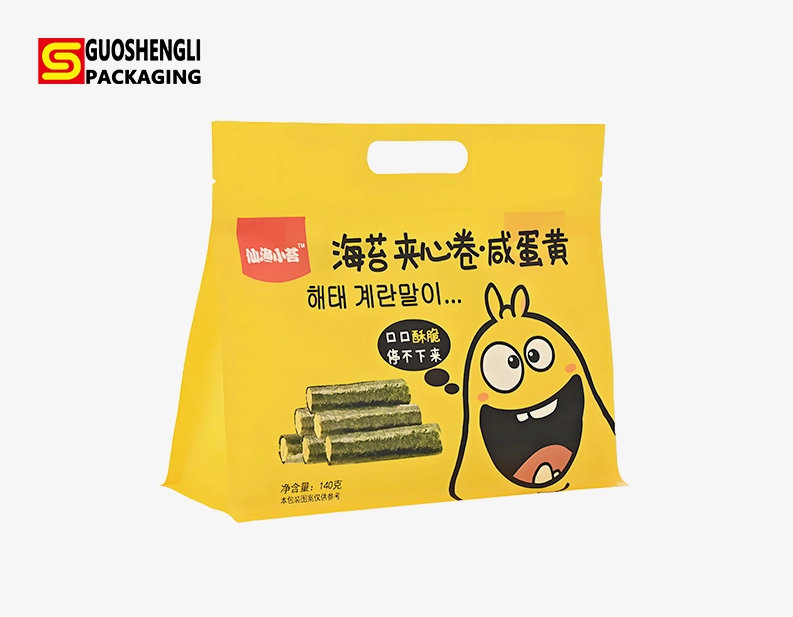
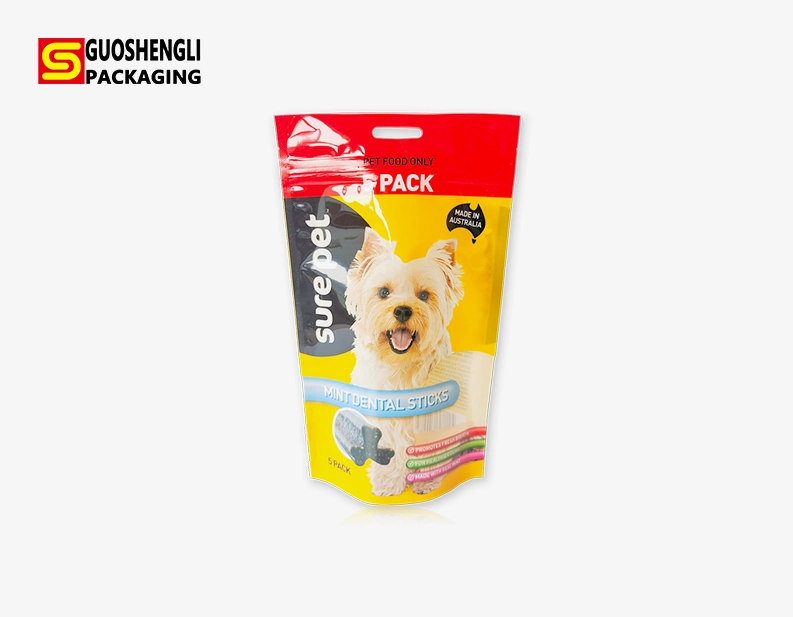
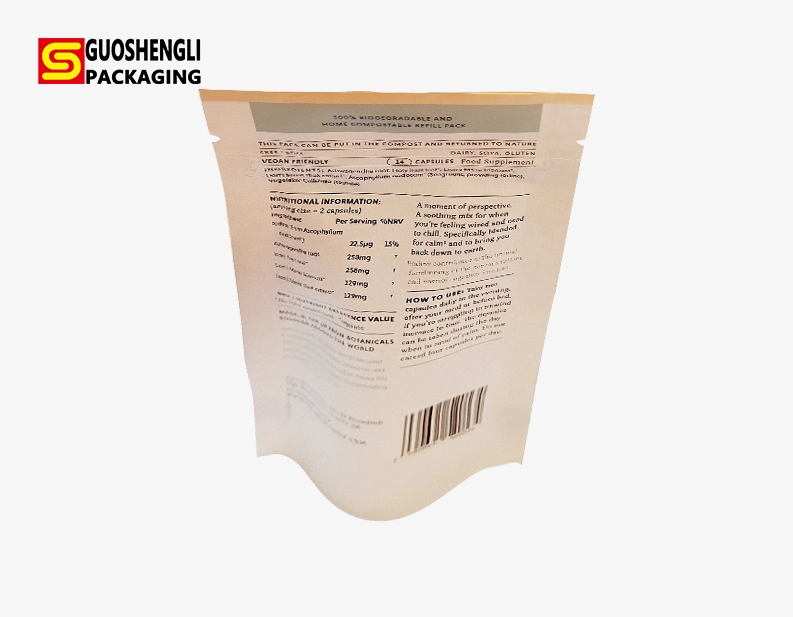
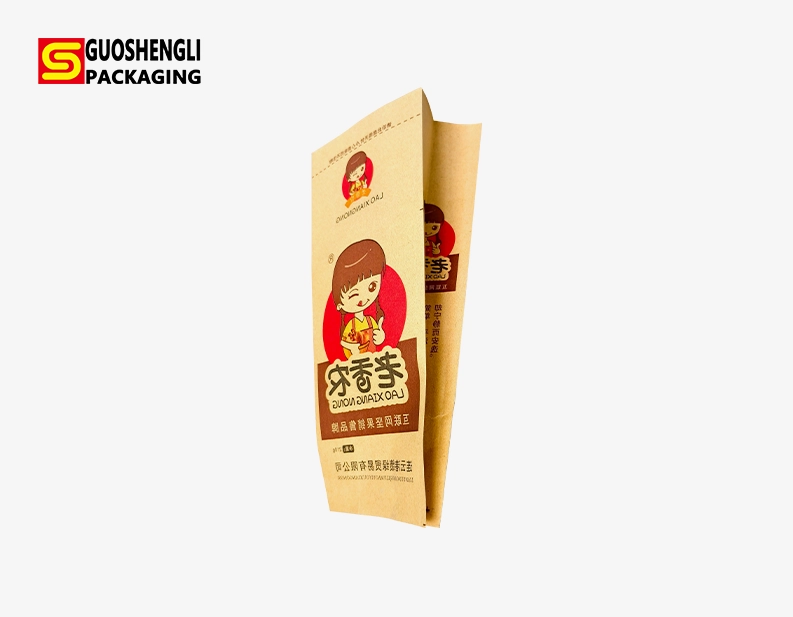
A 3 sided pouch is a flat, flexible packaging format made from a single piece of film, heat-sealed along three edges with one side left open for filling. Once the product is loaded, the final seal closes the package completely. This format stands apart from stand-up pouches and four-side seal types by combining a low-profile design with high-barrier laminate protection. Food brands, snack manufacturers, and industrial suppliers across the U.S. rely on three-side seal packaging to extend shelf life, reduce shipping costs, and meet demanding quality standards.
What Is a 3 Side Seal Pouch? — A Complete Overview
A flat film is used to make the 3 sided pouch. It is then folded lengthwise and heat-sealed along the bottom and both vertical ends. Because of this design, there is no need for a separate back panel. This saves raw materials and makes the production process easier. The end result is a neat, rectangular package with a slim shape that is easy to stack and ship. The barrier stability of the bag comes from multi-layer laminate structures like PET/AL/PE or NY/PE. These structures keep the contents safe from oxygen, wetness, and UV light. The seal's strength is usually between 40 and 50 N/15 mm, which works for both normal fills and vacuum uses.
This style comes in widths from 60 microns to 150 microns or more, and it can handle useful extras like tear notches, hang holes, resealable zippers, and degassing valves. 3-side seal flexible pouches with up to 11-color rotogravure printing are made by Guoshengli Packaging. These give brands a strong visual impact on store shelves without sacrificing structural performance.
Benefits of 3 Side Seal Pouches for B2B Procurement
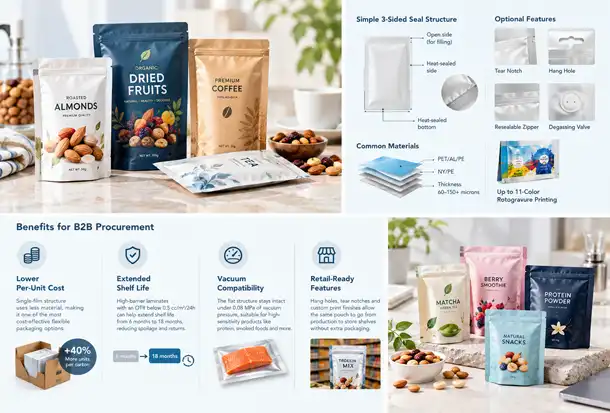
For procurement managers, one of the best things about a 3 sided pouch is that it has a flat shape. These pouches take up a lot less space per unit than rigid cases or gusseted forms. Actual information from snack makers confirms that using flat-seal pouches lets them ship about 40% more products per carton, which directly causes freight costs to go down. One business that processes nuts said that using this format for both local and international packages saved them $18,000 a year in transportation costs.
Here are the core procurement advantages this format delivers:
- Lower per-unit cost: 3 sided pouches are one of the most cost-effective types of flexible packaging on the market because they are made from a single film layer and need less material than four-side or gusset forms.
- Extended shelf life: High-barrier laminates with an OTR below 0.5 cc/m²/24h have helped brands increase the shelf life of their products from 6 months to 18 months, which has cut down on spoilage and returns.
- Vacuum compatibility: The flat structure stays together even when there is 0.08 MPa of vacuum pressure, so it can be used for high-sensitivity goods like protein products, smoked foods, and more.
- Retail-ready features: Hang holes, tear notches, and custom print finishes make it possible for the same pouch to go from the production floor to a store fixture without needing any extra packaging.
Comparing 3 Side Seal Pouches with Other Packaging Types
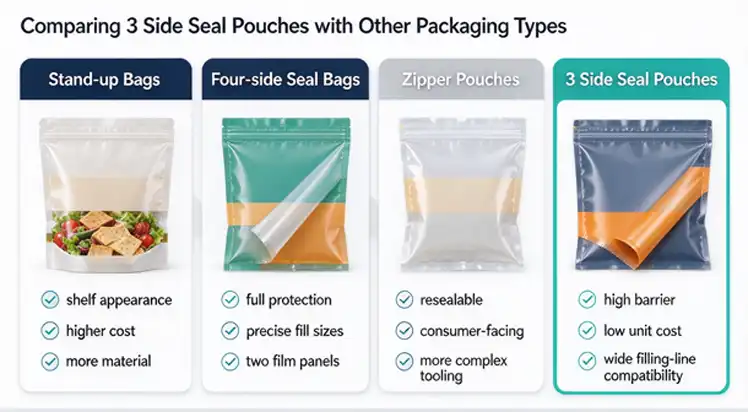
Each type of bendable packaging is good for a specific issue. Stand-up bags look better on the shelf, but they cost more and need more material. Four-side seal bags offer full protection and accurate amount sizes, but they need two film panels, which means they use more material. For consumer-facing products, zipper pouches make it easier to reseal, but they also make tools more complicated and cost more.
The 3 sided pouch is unique because it has a simple structure that provides high barrier protection, low unit cost, and wide filling-line compatibility. It can be used with most VFFS and horizontal filling machines because its heat-seal temperature range is 140–180°C. This makes integration easier for production engineers. Up to 11-color rotogravure printing keeps the visual quality on par with any other format when branding is important.
How to Choose the Best 3 Side Seal Pouch for Your Business?
To choose the right 3 sided pouch, you must first know how to keep your product fresh. Most dry snacks and nuts need an aluminum foil laminate structure (PET/AL/PE) to reach the barrier levels needed for a shelf life of 12 to 18 months. A simpler PET/PE design might work well for liquid sauces or cosmetic samples. Specialized laminate configurations are needed for medical and electronic parts that need anti-static protection.
Your filling equipment is affected by the thickness of the material, the strength of the seal, and the quality of the print. An experienced 3 sided pouch maker will ask you about your machine's specs before they confirm their material suggestions. As part of its normal sample process, Guoshengli Packaging's engineering team checks the compatibility of the filling line. This lowers the chance that the machine will stop working after trial orders.
Product specs are important, but supplier dependability is even more so. Look for companies that are certified by FDA, BRC, and ISO 9001, give you test results for residual solvents, and give you clear wait times. Digitally printed pouches are sent out by Guoshengli Packaging in 7–10 days, and rotogravure-printed pouches are sent out in 15–20 days. Air freight choices send to U.S. addresses in 4–5 days.
Real-World Applications of Three-Side Seal Flexible Packaging
The food and snack industry is the one that uses this format the most. A high-barrier 3 sided pouch is good for single-serve snack pieces, jerky, dried fruits, roasted nuts, ground coffee, and spices. The flat pouch shape is great for export snack brands that ship a lot, since the amount of food packed per box has a direct effect on the landed cost.
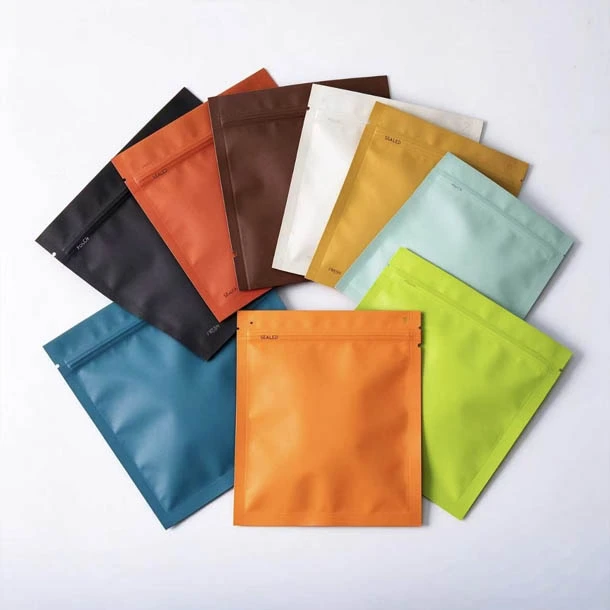
Lotion sachets, face masks, and essential oil samples from cosmetics and personal care brands all come in the same shape. The smooth surface works well with both matte and glossy finishes, giving high-end brands a polished look at retail for a lot less money than hard packing.
Powdered chemicals, metal parts, and pet food are all examples of industrial uses. Chemical abrasion and volatile organic substances don't damage reinforced laminates, and heavy-duty gauge choices can handle materials that are thick or have sharp edges.
Sustainability is increasingly part of the decision. Guoshengli Packaging has structures made of 100% recyclable PE/PE and films made of compostable PLA that are approved to EN 13432. These materials and films give brands a realistic way to meet their sustainable packaging goals without losing barrier performance.
Conclusion
The 3 sided pouch is still one of the best and most economical types of flexible packaging. It is a good choice for food, cosmetic, and industrial packagers because it has high barrier protection, packing line flexibility, retail-ready features, and a low unit cost. When brands move to this format, they always say that it saves them money on transportation, makes their products last longer, and makes the production process easier. With improvements in high-definition printing and recyclable laminates, this format keeps changing to meet the needs of the market.
FAQ
1. Can a 3 sided pouch support vacuum packaging for meat and protein products?
Yes. If you build a 3 sided pouch correctly and use a nylon-based laminate (NY/PE or PET/NY/PE), it will stay together even when there is a vacuum pressure of up to 0.08 MPa. This means it can be used for jerky, smoked salmon, frozen meats, and other protein products that need to keep oxygen out to last longer.
2. What certifications should I require from a three-side seal pouch supplier?
Look for FDA food contact compliance, BRC Food Packaging approval, and ISO 9001 quality control at the very least. Reports from a third party, SGS, on residual solvents and heavy metals add another level of confidence, especially for entering the U.S. and EU markets.
3. Is custom printing available for small orders?
Yes. Digital printing is useful for test batches and seasonal SKUs because it can be customized in short runs with lead times of 7–10 days and no plate costs. Rotogravure printing is better at keeping colors consistent over a large area, and it usually takes 15–20 days to do.
4. How does this format help extend product shelf life?
An oxygen transfer rate (OTR) of less than 0.5 cc/m²/24h is achieved by multi-layer laminate designs, especially those that use aluminum foil. This makes oxidation and moisture absorption much slower, which are the main reasons why dry foods lose their taste and go bad.
Request a Sample from Guoshengli Packaging — Your Trusted 3 Sided Pouch Manufacturer
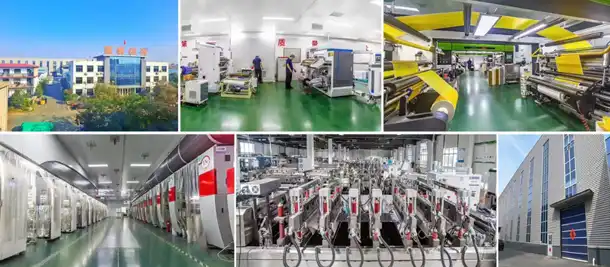
Guoshengli Packaging has been making flexible packaging for 25 years and has FDA, BRC, and ISO 9001 licenses. As a professional 3 sided pouch supplier, they can provide customized packaging solutions with 7 printing lines, 6 laminators, and 49 converting machines. To meet your exact needs, our team can find the right laminate structure, seal setup, and print finish, whether you need a short digital print run or a large rotogravure production order. To get samples right away, email us at sales@guoshengpacking.com to request samples today.
References
1. Brody, A. L., & Marsh, K. S. (1997). The Wiley Encyclopedia of Packaging Technology (2nd ed.). John Wiley & Sons.
2. Robertson, G. L. (2012). Food Packaging: Principles and Practice (3rd ed.). CRC Press.
3. Coles, R., McDowell, D., & Kirwan, M. J. (Eds.). (2003). Food Packaging Technology. Blackwell Publishing.
4. Yam, K. L. (Ed.). (2009). The Wiley Encyclopedia of Packaging Technology (3rd ed.). John Wiley & Sons.
5. Restuccia, D., Spizzirri, U. G., Parisi, O. I., Cirillo, G., Curcio, M., Iemma, F., & Picci, N. (2010). New EU regulation aspects and global market of active and intelligent packaging for food industry applications. Food Control, 21(11), 1425–1435.
6. ASTM International. (2019). ASTM F88/F88M-15: Standard Test Method for Seal Strength of Flexible Barrier Materials. ASTM International.