- English
- French
- German
- Portuguese
- Spanish
- Russian
- Japanese
- Korean
- Arabic
- Greek
- German
- Turkish
- Italian
- Danish
- Romanian
- Indonesian
- Czech
- Afrikaans
- Swedish
- Polish
- Basque
- Catalan
- Esperanto
- Hindi
- Lao
- Albanian
- Amharic
- Armenian
- Azerbaijani
- Belarusian
- Bengali
- Bosnian
- Bulgarian
- Cebuano
- Chichewa
- Corsican
- Croatian
- Dutch
- Estonian
- Filipino
- Finnish
- Frisian
- Galician
- Georgian
- Gujarati
- Haitian
- Hausa
- Hawaiian
- Hebrew
- Hmong
- Hungarian
- Icelandic
- Igbo
- Javanese
- Kannada
- Kazakh
- Khmer
- Kurdish
- Kyrgyz
- Latin
- Latvian
- Lithuanian
- Luxembou..
- Macedonian
- Malagasy
- Malay
- Malayalam
- Maltese
- Maori
- Marathi
- Mongolian
- Burmese
- Nepali
- Norwegian
- Pashto
- Persian
- Punjabi
- Serbian
- Sesotho
- Sinhala
- Slovak
- Slovenian
- Somali
- Samoan
- Scots Gaelic
- Shona
- Sindhi
- Sundanese
- Swahili
- Tajik
- Tamil
- Telugu
- Thai
- Ukrainian
- Urdu
- Uzbek
- Vietnamese
- Welsh
- Xhosa
- Yiddish
- Yoruba
- Zulu

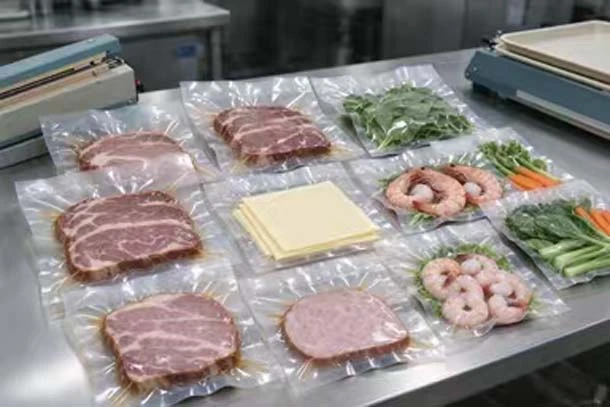
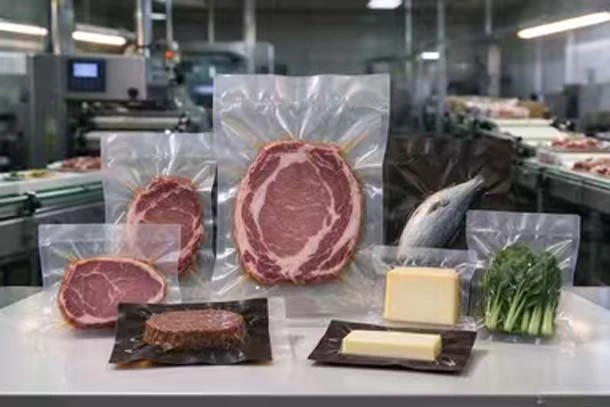
Vacuum pouch bags are among the most relied-upon packaging solutions in modern food processing. By removing oxygen and forming a hermetic seal around perishable proteins, these flexible pouches extend shelf life by up to three to five times compared to conventional packaging. Whether a facility processes fresh beef, frozen seafood, aged cheese, or sous-vide ready meals, vacuum pouch bags address the core challenges of oxidation, freezer burn, microbial contamination, and moisture loss — all without adding preservatives. For procurement managers and production leads, choosing the right vacuum pouch bags is not a minor purchasing decision; it directly impacts product quality, waste reduction, and bottom-line profitability.
Understanding Vacuum Pouch Bags and Their Role in Food Processing
What Makes Vacuum Pouch Bags Different from Standard Flexible Packaging?
Comparing vacuum pouch bags to regular ziplock bags or simple polyethylene pouches, they are made with multi-layer co-extruded or layered film structures. These usually include Polyamide (PA/Nylon) for gas barrier performance and Polyethylene (PE) for seal integrity and moisture protection. This building has a low Oxygen Transmission Rate (OTR) and a low Water Vapor Transmission Rate (WVTR). These are the two most important factors for keeping fresh foods safe over long cold chain cycles.
Vacuum pouch bags are available with a smooth finish for use in industrial chamber vacuum machines and a stamped (textured) surface for use with external suction sealers. Smooth-finish bags are standard for food handling businesses that handle a lot of food. Depending on the use, thickness can be anywhere from 65 to 120 microns. For example, bone-in cuts need the thicker end of that range to keep them from poking through, while 65 to 80 microns are good for soft proteins or dry goods.
Compliance and Material Safety Standards
Vacuum pouch bags used in business food processing have to meet strict rules set by the government. FDA approval (USA), EC 1935/2004 (European Union), BRC food packaging certification, and ISO 9001 quality management are some of the most important licenses to check. These standards prove that the film material is free of BPA, safe for direct contact with food, and chemically stable from -40°C to +100°C, which means it can be used for everything from deep freezing to sous-vide immersion cooking.
Key Benefits and Applications of Vacuum Pouch Bags in Food Processing
In every part of the food processing industry, vacuum pouch bags provide quantifiable operational and commercial value. By removing air and creating a pressure-tight seal, the core mechanism stops aerobic bacteria growth, slows oxidative rancidity, and stops freezer burn, which is a drying effect. The Institute of Food Technologists has confirmed that fresh red meat that is vacuum-packed can stay fresh for 21–28 days in the fridge, while regular overwrap packing can only do this for 3–5 days.
Here are the primary performance advantages that processing plants consistently rely on:
- Extended Shelf Life Without Preservatives: Vacuum pouch bags stop the growth of aerobic bacteria and mold by keeping oxygen away from the food. When meat, chicken, and fish are put in high-barrier pouches, they keep their color, structure, and taste for a lot longer, which means less waste and product returns.
- Freezer Burn Prevention: The tight film shape around the sides of the products stops moisture from moving. When shrimp, fish fillets, and bone-in lamb cuts get to stores or restaurants, they don't form ice crystals or lose moisture on the surface, so they keep their weight and look.
- Sous-Vide and High-Temperature Compatibility: PA/PE structured vacuum pouch bags can handle cooking in water at temperatures up to 100°C without delaminating or letting chemicals leak out. Because of this, commercial kitchens and central production facilities that make slow-cooked proteins at low temperatures can't work without them.
These advantages translate directly into supply chain reliability. There will be fewer rejected packages, fewer problems with the cold chain, and more uniform presentation of products at the place of sale.
Application Breakdown by Product Category
- Fresh and Frozen Meat: 100–120 micron vacuum pouch bags that can't be punctured are good for beef primals, bone-in pork cuts, and poultry. The mechanical stress of cold chain logistics doesn't hurt the high-strength seal.
- Seafood and Shellfish: For shrimp, crab, and fish fillets, the ability to keep moisture out is very important. During transportation and keeping in the freezer, vacuum pouch bags keep the brine from moving around and oxidizing.
- Cheese and Dairy: It stops mold growth and spoilage in both aged and soft cheeses without changing the amounts of gas inside the pack.
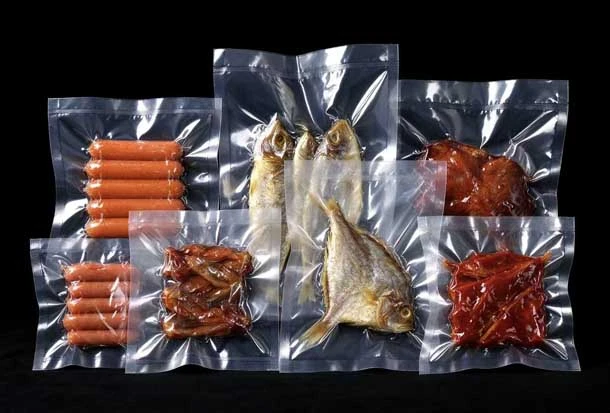
- Ready-to-Eat and Marinated Proteins: For ready-to-eat and marinated proteins, liquid-resistant seals keep sauces and brines from leaking out of bags that hold them, keeping the food clean while it's being shipped.
Choosing the Right Vacuum Pouch Bags for Industrial Procurement
Material Structure and Thickness Selection
When choosing vacuum pouch bags for business use, the first step is to make sure that the shape of the material fits the appearance of the product. For most meat and seafood applications, PA/PE laminates are the best choice because they let gasses pass through while also being strong enough to seal in heat. The extra rigidity and visual clarity that PET/PE structures offer are good for store display. Always check your supplier's technical data sheet for sous vide or retort applications to make sure the thermal tolerance ceiling is correct.
Choosing the right thickness depends on the risk of the product. products with bones, shellfish, or sharp edges need 100–120 micron films to keep the vacuum integrity even when they are handled roughly. At 70–90 microns, boneless meats and dairy products work well. When you match the micron rating to the type of product, you save money on materials and lower the risk that the seal will fail.
Customization Options for B2B Buyers
Customized vacuum pouch bags that aren't the standard size are useful for many processing operations. Custom printing options let your brand's logo show up right on the pouch, and non-standard sizes make them easier for machines to work with and cut down on waste. Smaller processors can get custom specifications from suppliers with flexible MOQ policies, without having to commit to large inventory positions. This is a big benefit for facilities that have to manage a lot of different SKUs.
Optimizing Procurement and Usage of Vacuum Pouch Bags in Food Processing
Evaluating Supplier Reliability
Supplier approval is the first step when getting a lot of vacuum pouch bags. Documentation from ISO 9001, BRC, and FDA confirms that the work environment is managed in a plant. In addition to paperwork, you should ask for leaking test procedures, puncture resistance test data (ASTM F1306), and seal strength reports (ASTM F88). The performance checks let you know if the vacuum pouch bags you get will hold up in real production, not just a controlled sample submit.
Consistency from batch to batch is just as important. Dimensional limits and changes in film thickness have a direct effect on how well machines work and how reliable the seals are in places that use automatic vacuum packaging lines. There is less chance of downtime or rejected batches if the provider has recorded quality checks at every stage of production.
Sustainable Packaging Considerations
The flexible packaging industry is working on high-barrier structures made of a single material called PE. These structures keep their vacuum performance while making it easier to recycle at the end of their useful life. Multi-layer PA/PE vacuum pouch bags are still the standard for barrier performance in the industry, but buying teams that want to be more environmentally friendly should ask providers about other options and make sure they have accurate shelf-life data.
Future Trends and Innovations in Vacuum Pouch Bags for Food Processing
Vacuum pouch bags sales are changing quickly. Biodegradable films with a high barrier, smart freshness indicators built into package structures, and RFID-enabled traceability features are moving from test projects to full production. MarketsandMarkets says that the global vacuum packaging market will grow to USD 33.2 billion by 2026. This will be due to the growth of cold chains in North America, Europe, and Asia-Pacific.
Vision systems built into automated vacuum packaging lines are making it easier to check the quality of the seals and speed up the process at the same time. For procurement professionals, this means that vacuum pouch bag specifications will need to match machine-specific requirements more and more. This is where expert help from suppliers becomes a competitive differentiator.
Conclusion
Vacuum pouch bags are an essential part of every cold chain business in the food preparation industry, not just a commodity to be purchased. From bone-in beef to shellfish that has been caught alive, the right vacuum pouch bags keep the integrity of the product, extend its shelf life, cut down on waste, and help with compliance in international markets. The choice between reliable operations and costly packaging failures comes down to choosing a supplier with verified certifications, consistent manufacturing quality, and quick technical support.
FAQ
1. Are vacuum pouch bags safe for direct food contact?
Yes. These vacuum bags are made to meet FDA and EC 1935/2004 guidelines for food safety. They don't contain BPA and stay chemically stable at a lot of different temperatures. They are safe to touch raw meat, seafood, dairy, and proteins that have been cooked.
2. Can vacuum pouch bags be used for sous-vide cooking?
The PA/PE rigid vacuum pouch bags are made to stay together at temperatures up to 100°C without delaminating. Before using in a sous vide or retort, you should always check with the seller to make sure of the exact thermal grade.
3. What causes vacuum loss in sealed pouches?
Most micro-leaks happen when the seal gets contaminated by fat or brine during the sealing process, or when sharp product edges poke a hole in it. Most of these problems can be fixed by using the right film thickness and making sure the closing surface is clean.
4. What is the difference between smooth and embossed vacuum pouch bags?
Vacuum pouch bags with a smooth finish are made for industrial chamber vacuum machines. For external pressure sealers, you need bags that are embossed or rough. Smooth bags are standard for businesses that process food for sale.
5. What thickness should I choose for bone-in meat packaging?
When cutting bone-in, you need vacuum pouch bags with a rating of 100–120 microns so that the exposed bone edges don't poke through the bag. At 70–90 microns, boneless meats and soft goods work well.
Partner with Guoshengli Packaging for Reliable Vacuum Pouch Bags
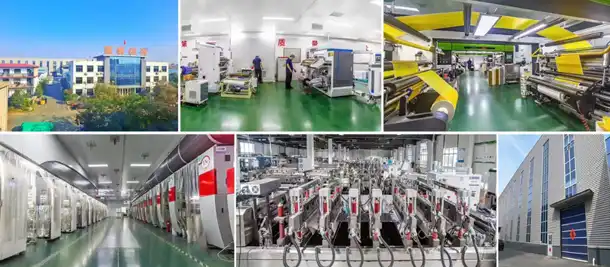
Guoshengli Packaging has been making vacuum pouch bags for more than 25 years and has a lot of experience with flexible packaging. Our vacuum pouch bags are compliant with FDA, EC 1935/2004, BRC, and ISO 9001 standards. They have wait times of one to two weeks and a low minimum order quantity (MOQ) for food producers all over the world. You can ask for a sample or talk to our expert team directly about your needs. You can start your question right away by emailing sales@guoshengpacking.com.
References
1. Institute of Food Technologists. Vacuum Packaging and Shelf Life Extension of Fresh Red Meat. Journal of Food Science, 2018.
2. MarketsandMarkets. Vacuum Packaging Market — Global Forecast to 2026. MarketsandMarkets Research, 2021.
3. ASTM International. ASTM F1306: Standard Test Method for Slow Puncture Resistance of Flexible Barrier Films. ASTM International, 2016.
4. ASTM International. ASTM F88: Standard Test Method for Seal Strength of Flexible Barrier Materials. ASTM International, 2015.
5. European Commission. Regulation (EC) No 1935/2004 on Materials and Articles Intended to Contact Food. Official Journal of the European Union, 2004.
6. Food and Agriculture Organization of the United Nations. Packaging Materials for Foods: Technical Guide for Cold Chain Applications. FAO, 2020.