- English
- French
- German
- Portuguese
- Spanish
- Russian
- Japanese
- Korean
- Arabic
- Greek
- German
- Turkish
- Italian
- Danish
- Romanian
- Indonesian
- Czech
- Afrikaans
- Swedish
- Polish
- Basque
- Catalan
- Esperanto
- Hindi
- Lao
- Albanian
- Amharic
- Armenian
- Azerbaijani
- Belarusian
- Bengali
- Bosnian
- Bulgarian
- Cebuano
- Chichewa
- Corsican
- Croatian
- Dutch
- Estonian
- Filipino
- Finnish
- Frisian
- Galician
- Georgian
- Gujarati
- Haitian
- Hausa
- Hawaiian
- Hebrew
- Hmong
- Hungarian
- Icelandic
- Igbo
- Javanese
- Kannada
- Kazakh
- Khmer
- Kurdish
- Kyrgyz
- Latin
- Latvian
- Lithuanian
- Luxembou..
- Macedonian
- Malagasy
- Malay
- Malayalam
- Maltese
- Maori
- Marathi
- Mongolian
- Burmese
- Nepali
- Norwegian
- Pashto
- Persian
- Punjabi
- Serbian
- Sesotho
- Sinhala
- Slovak
- Slovenian
- Somali
- Samoan
- Scots Gaelic
- Shona
- Sindhi
- Sundanese
- Swahili
- Tajik
- Tamil
- Telugu
- Thai
- Ukrainian
- Urdu
- Uzbek
- Vietnamese
- Welsh
- Xhosa
- Yiddish
- Yoruba
- Zulu

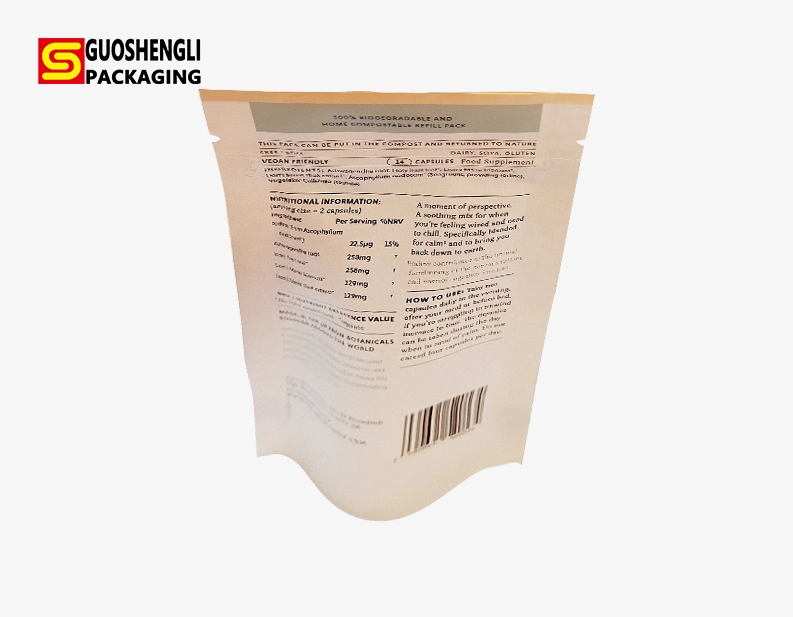
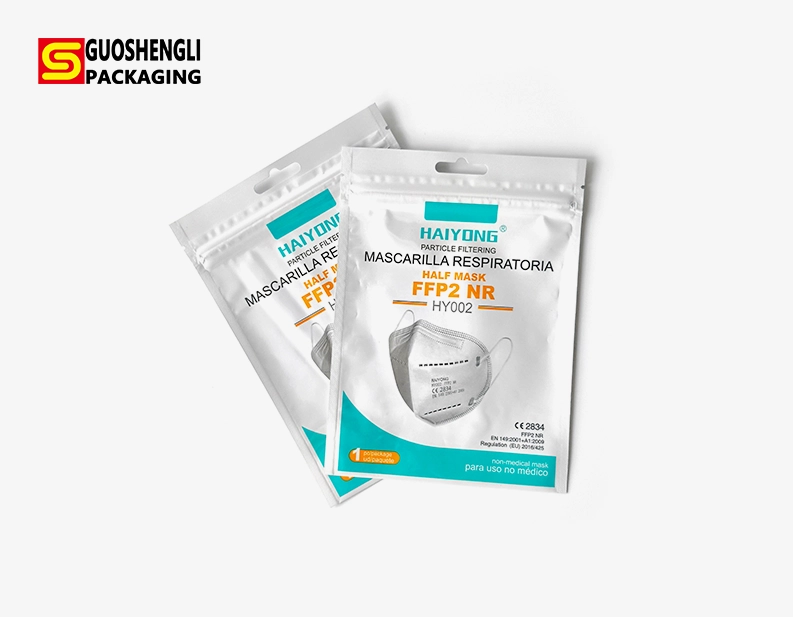
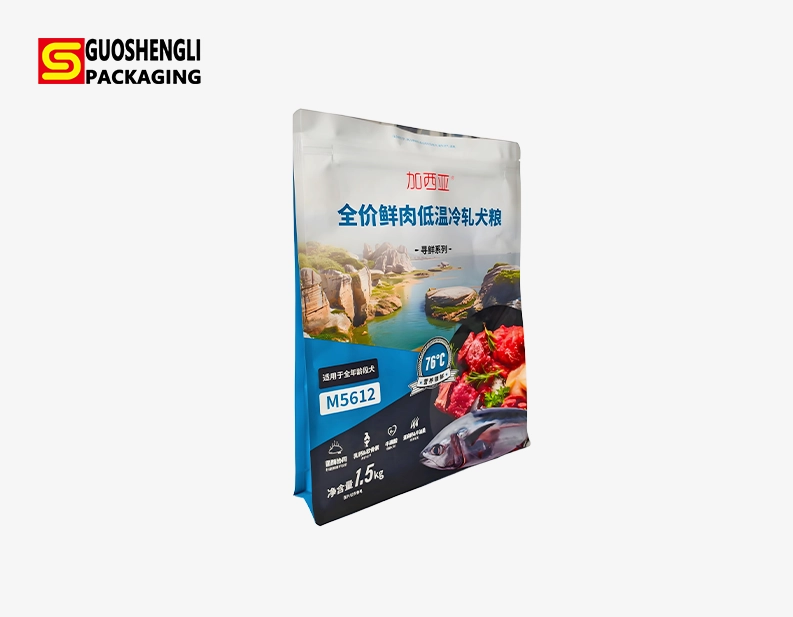
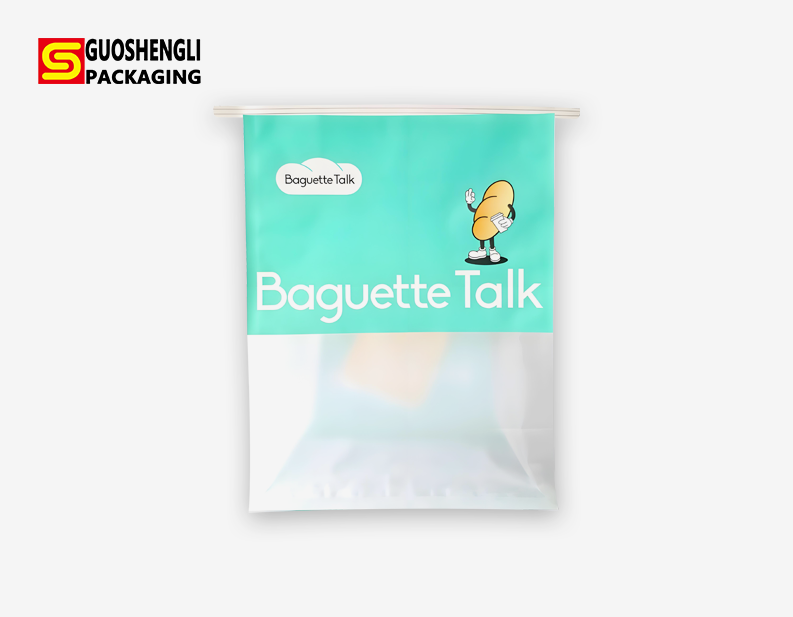
If you run a high-speed food production line, packaging decisions directly affect your output, cost per unit, and product integrity. A fin seal pouch — also called a pillow pouch or back seal pouch — seals the inner film surfaces together to form a protruding fin along the back panel. This interior-to-interior seal method creates a hermetic barrier that outperforms traditional lap seals in both oxygen resistance and structural reliability. Whether you package candy, chips, frozen foods, or protein powder, the fin seal pouch is engineered to keep pace with automated FFS lines while protecting what's inside.
What Is a Fin Seal Pouch and How Does It Work?
The Mechanics Behind the Back Seal Structure
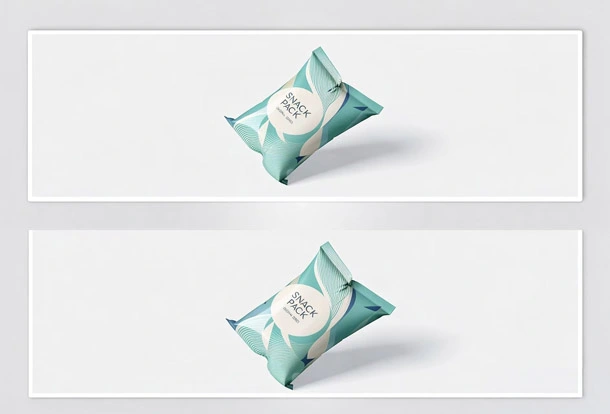
You can make a fin seal pouch by folding a long roll of flexible film in half and then heat-sealing the two inside sides together along the back panel. This makes a fin that sticks out and a tight, even seal that goes all the way along the pouch. This shape gets rid of the weak overlap zone that comes with lap seal designs. This makes the heat seal strength more consistent across all units. Transverse seals are then used to close the top and bottom, making an airtight box that can be used for nitrogen flushing and modified atmosphere packing (MAP).
Compatibility With High-Speed FFS Lines
This type of pouch works best with both Vertical Form Fill Seal (VFFS) and Horizontal Form Fill Seal (HFFS) tools. The fin seal structure lowers web resistance and keeps tension stable at speeds over 100 packs per minute because the film moves constantly over a forming collar. This is important for production managers who use uptime percentages to measure how efficient their teams are. Tracking errors and line stoppages are caused by a poorly engineered film that has an inconsistent coefficient of friction (COF) or uneven tension. These problems get worse quickly when the output volume is high.
Key Benefits of Using Fin Seal Pouches for Food Packaging
Packaging that works well at high speeds is needed for production lines. This is why pillow pouches are the standard choice in the food industry when it comes to performance.
- Hermetic Barrier Protection: Multi-layer laminates, like PET/AL/PE or BOPP/MET-PET/PE, provide hermetic barrier protection. They have low oxygen transmission rates (OTR) and low water vapor transmission rates (WVTR), which means that snacks, candy, and powdered goods stay fresh from the production line to the store shelf. This directly lowers returns due to spoilage.
- High-Speed Line Compatibility: The fin seal pouches structure keeps its shape and seal integrity even when the machine speed is high. Misfeeds are kept to a minimum by stable COF values and flat, static-controlled roll stock. This cuts down on unplanned downtime and protects your output goals.
- Lower Per-Unit Packaging Cost: Flexible film uses a lot less raw materials than solid cases. When automatic filling and closing are added, the cost per pack drops by a lot. This is especially important when buying tens of millions of units every year.
- Retail-Ready Customization: Clear windows let customers see right away if a product is still fresh. Displays can be hung from peg racks with euro holes. Rotogravure printing in up to 10 colors on both the front and back gives you sharp brand images that last through distribution.
- Sustainability Options: Mono-PE structures that can be recycled and PLA/PBAT films that can be broken down without losing their barrier properties are now available. This helps brands meet the sustainability needs of retailers and meet the growing regulatory expectations in the EU and the US.
These benefits directly lead to gains in production that can be measured. When a brand switches to a fin seal pouch provider that is properly designed, they usually see fewer line changes, less film waste, and more uniform seal quality over long production runs.
Fin Seal Pouch vs. Other Flexible Packaging Formats
Before you choose a packaging format, you need to be honest about how strong the seal is, how much it costs, and where it will appear on the shelf.
How It Compares to Lap Seal and Stand-Up Pouches?
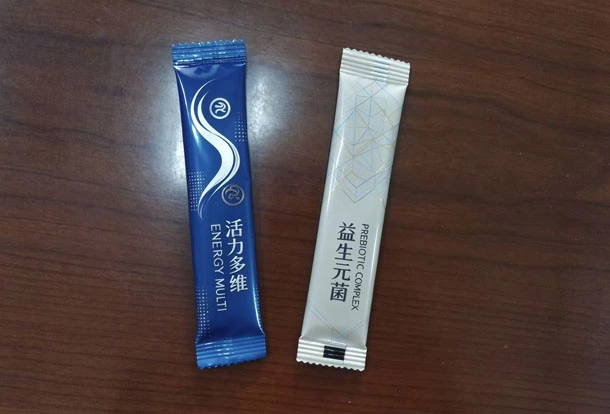
The upper layer of one film edge is bonded to the inner layer of the other by a lap seal. This limits the barrier materials that can be used because the two sides have to be chemically compatible. The fin seal format ties the inside of one surface to the inside of another surface. This gives you more options for how to build your laminate and always makes the bond stronger.
Because they have a flap base, stand-up bags look better on shelves, but they need more film material per unit and take longer to set up on the machine. The pillow pouch format is still the better choice for candy bars, single-serve snacks, and frozen foods where space-saving, low-cost, and fast production are the most important factors. Reclosable Ziplock bags make things easier for customers, but they also add complexity and cost per unit that might not be in line with the goals of bulk food manufacturers.
Procurement Insights for B2B Buyers and OEMs
When buying flexible packing, there are more factors to consider than just the price per thousand pieces. Production continuity, following the rules, and trusting the supplier all have the same amount of weight.
Evaluating Suppliers Beyond the Sample Stage
Quality in a sample batch doesn't always show what quality will be like at full production volume. Some important things to look at when judging a supplier are their annual production capacity (which shows how stable their supply is), their certifications (like ISO 9001, BRC, and FDA food contact compliance), and how they control quality during the printing, laminating, slitting, and pouch-forming stages. It is standard practice for procurement managers with a lot of experience to ask for a machine trial run with real rollstock before signing a framework agreement.
Lead time dependability is just as important. During busy times, delays in getting packing film can stop the whole production plan. High-volume buyers need suppliers who have shown they can meet their needs. For example, Guoshengli Packaging has a production capacity of 20,000 tons per year, spread out over 7 printing lines, 6 laminating lines, and 49 converting machines.
Real-World Applications Across Food Segments
The fin seal pouch shape works well for many types of food, each with its own barrier and function needs.
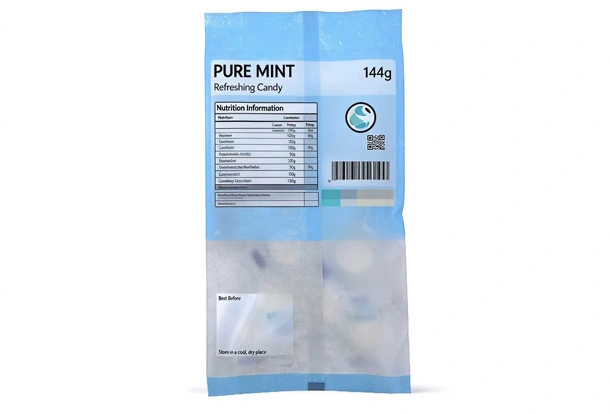
Clear window designs are used by candy and confectionery makers to show off the color and texture of their goods at the point of sale. Euro hole choices let stores in convenience and food stores use peg-rack displays. Snack makers who package nitrogen-flushed chips or popcorn need high-barrier structures to keep the food from going bad over long periods of time. Manufacturers of frozen foods need laminates that can keep their seals intact through freeze-thaw cycles and don't delaminate when they get wet.
Powdered goods makers, like those who make protein powder, instant drinks, and spice blends, need pouches with low WVTR so that the powder doesn't clump together or cake. Each time, the plastic structure is custom made for the product and not picked from a collection of standard sizes. This focus on the specific needs of the application is what sets a trustworthy fin seal pouch maker apart from a generic film seller.
Conclusion
The fin seal pouch is the standard flexible packaging format for high-speed food production because it does what it's supposed to do: protects against contamination, speeds up the line, keeps costs down, and looks good at the store. The pillow bag style can grow with your business, whether you make candy, snacks, frozen foods, or powdered goods. It does this without adding extra cost or complexity. If you choose the right supplier—one with confirmed capacity, licenses, and quality that stays the same across repeat orders—then these benefits will show up in real production.
FAQ
1. What is the difference between a fin seal and a lap seal pouch?
The inner film sides are glued together with a fin seal pouch, making a better and more even hermetic seal. The outer and inner surfaces of a lap seal overlap, which limits the types of laminates that can be used and can make the barrier less effective. When it comes to food that can't handle oxygen, the fin seal format is usually the safer choice.
2. Can fin seal pouches run on existing FFS equipment without major adjustments?
Yes, as long as the rollstock meets the COF range, width tolerance, and tension standards of the machine. Every order from Guoshengli Packaging comes with technical data sheets to help set up the machine and cut down on trial waste.
3. What sustainable material options are available?
There are structures made of PLA/PBAT that can be composted and laminates made of mono-PE that can be recycled. These choices keep up good barrier performance for most dry food uses and help brands meet sustainability standards set by retailers and government agencies.
4. What is the typical lead time for a custom order?
For digital printing, lead times are as short as 7 days. For rotogravure printing, they are 15–20 days. Exact dates rely on how many orders are placed and how busy production is at the moment.
5. What certifications should I require from a fin seal pouch supplier?
Check for at least ISO 9001, BRC Food Packaging, and FDA food contact approval documents. Third-party SGS test reports add another level of assurance to international purchases.
Partner With Guoshengli Packaging — Your Trusted Fin Seal Pouch Manufacturer
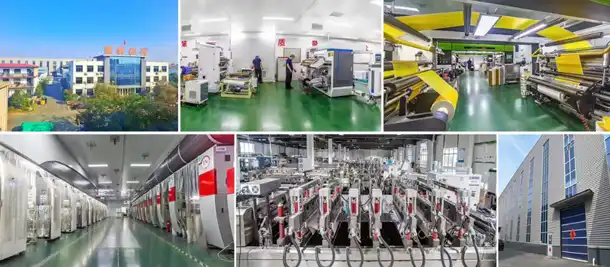
Guoshengli Packaging has been making flexible packaging for 25 years and can make up to 20,000 tons of it every year. If you need a fin seal pouch supplier that is certified by ISO 9001, BRC, and the FDA, we can build barrier structures that are perfect for your product, line speed, and market needs. You can ask for a sample or talk to our expert team directly about your needs. To begin, email us at sales@guoshengpacking.com.
References
1. Brody, A. L., & Marsh, K. S. (Eds.). The Wiley Encyclopedia of Packaging Technology. John Wiley & Sons, 2009.
2. Robertson, G. L. Food Packaging: Principles and Practice (3rd ed.). CRC Press, 2013.
3. Coles, R., McDowell, D., & Kirwan, M. J. (Eds.). Food Packaging Technology. Blackwell Publishing, 2003.
4. Han, J. H. (Ed.). Innovations in Food Packaging (2nd ed.). Academic Press / Elsevier, 2014.
5. Yam, K. L., & Lee, D. S. (Eds.). Emerging Food Packaging Technologies: Principles and Practice. Woodhead Publishing, 2012.
6. ASTM International. ASTM F88/F88M: Standard Test Method for Seal Strength of Flexible Barrier Materials. ASTM International, 2021.