- English
- French
- German
- Portuguese
- Spanish
- Russian
- Japanese
- Korean
- Arabic
- Greek
- German
- Turkish
- Italian
- Danish
- Romanian
- Indonesian
- Czech
- Afrikaans
- Swedish
- Polish
- Basque
- Catalan
- Esperanto
- Hindi
- Lao
- Albanian
- Amharic
- Armenian
- Azerbaijani
- Belarusian
- Bengali
- Bosnian
- Bulgarian
- Cebuano
- Chichewa
- Corsican
- Croatian
- Dutch
- Estonian
- Filipino
- Finnish
- Frisian
- Galician
- Georgian
- Gujarati
- Haitian
- Hausa
- Hawaiian
- Hebrew
- Hmong
- Hungarian
- Icelandic
- Igbo
- Javanese
- Kannada
- Kazakh
- Khmer
- Kurdish
- Kyrgyz
- Latin
- Latvian
- Lithuanian
- Luxembou..
- Macedonian
- Malagasy
- Malay
- Malayalam
- Maltese
- Maori
- Marathi
- Mongolian
- Burmese
- Nepali
- Norwegian
- Pashto
- Persian
- Punjabi
- Serbian
- Sesotho
- Sinhala
- Slovak
- Slovenian
- Somali
- Samoan
- Scots Gaelic
- Shona
- Sindhi
- Sundanese
- Swahili
- Tajik
- Tamil
- Telugu
- Thai
- Ukrainian
- Urdu
- Uzbek
- Vietnamese
- Welsh
- Xhosa
- Yiddish
- Yoruba
- Zulu

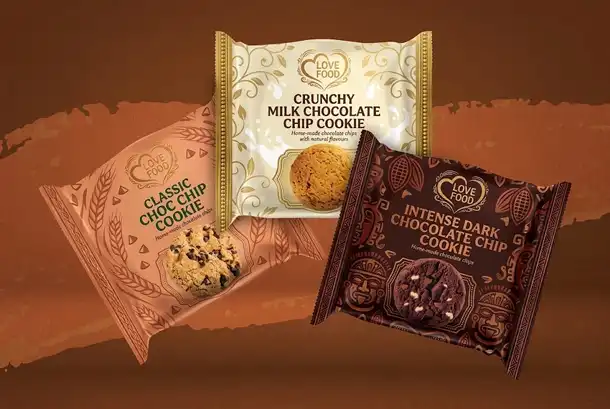
A fin seal pouch — also called a pillow pouch or back seal pouch — is a flexible packaging format where film folds around a product and the inner surfaces bond together to form a protruding "fin" along the back panel. This creates a hermetic, airtight seal ideal for food, snacks, confectionery, and powder products. Compatible with high-speed VFFS and HFFS filling lines, the fin seal pouch delivers consistent shape, low per-unit cost, and strong barrier protection. As procurement teams plan for 2026, understanding five critical factors — materials, machine compatibility, barrier performance, procurement strategy, and sustainability — is essential.
Understanding Fin Seal Pouches: Definition, Materials, and Manufacturing Process
What Exactly Is a Fin Seal Pouch?
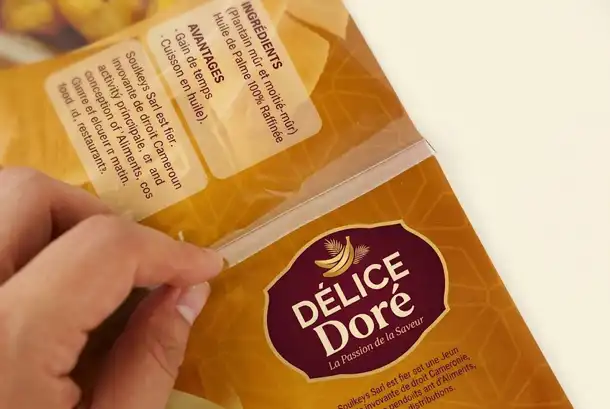
Spread out a roll of flexible film. Fold the backs of the films together and heat-seal them to make a raised fin. This makes a fin seal pouch. In a lap seal, the inside layer sticks to the outside layer. This style, on the other hand, binds from inside to inside, making the wall stronger. For cold foods that don't like being open to air or water, the fin seal pouch is better. It's better for chips, candy, protein powder, and other cold foods.
What Materials Are Used?
There is a clear link between how well the material writes, how well it blocks heat, and how well it keeps things cool. This is how a multi-layer laminate usually looks:
- Outer Layer: PET, Matt PET, or BOPP — It can be written on and is strong enough to tear.
- Middle Layer: NY, MET-PET, AL foil, or EVOH — light, air flow, and moisture can't get through it.
- Inner Layer: PE, CPP, or LLDPE — This layer provides heat-sealing performance and a suitable surface for direct food contact.
You can choose between reusable mono-PE films and compostable PLA/PBAT films if a brand wants to meet the sustainability standards of 2026 without shortening the shelf life.
How Is a Fin Seal Pouch Made?
The production process typically includes film preparation and printing, lamination and curing, film slitting, pouch forming and fin sealing, quality inspection, and final packing. Each step must be controlled precisely to maintain consistent dimensions and seal performance. Web wander must be controlled during film handling and forming so the film tracks correctly on high-speed VFFS lines. Variations in film thickness or web tension can affect the T-junction and lead to leakage, so seal jaw alignment and calibration are checked to maintain consistent sealing performance.
Key Benefits and Applications of Fin Seal Pouches for B2B Packaging Buyers
Why Procurement Teams Prefer This Format
Packaging that works quickly and doesn't break down often is needed in places that make a lot of things. Form-fill-seal methods work well with the fin seal pouch because of how it is built. At speeds of more than 100 bags per minute, this keeps the seal's shape and size the same. Lap seal designs can go wrong if the sealant doesn't stick well to the base. That doesn't happen with the inner-to-inner seal designs. This means that there is less downtime on the set and less wasted film.
Here are the core operational advantages this format delivers to B2B buyers:
- Lower per-unit cost: When you know how to use film and high-speed lines well, the cost per unit is less. This is especially true when you need to order at least 10,000 pieces.
- Extended shelf life: Because high-barrier laminate structures don't let much oxygen or water vapor through, it stays fresh longer. This means that candy, snacks, and coffee stay fresh longer and people return them less often.
- 360-degree print surface: When shelves are busy, the full front and back panels make it easier for names to be seen. You can turn the print area all the way around.
- Retail-ready features: The package has tear cuts, Euro holes for hanging displays, and clear windows that show how fresh the product is. All of these features are ready for store use. These features make the experience better for the customer without changing the style.
These perks are important for fast food companies because they save them money and help them work faster.
Where Is This Pouch Format Used?
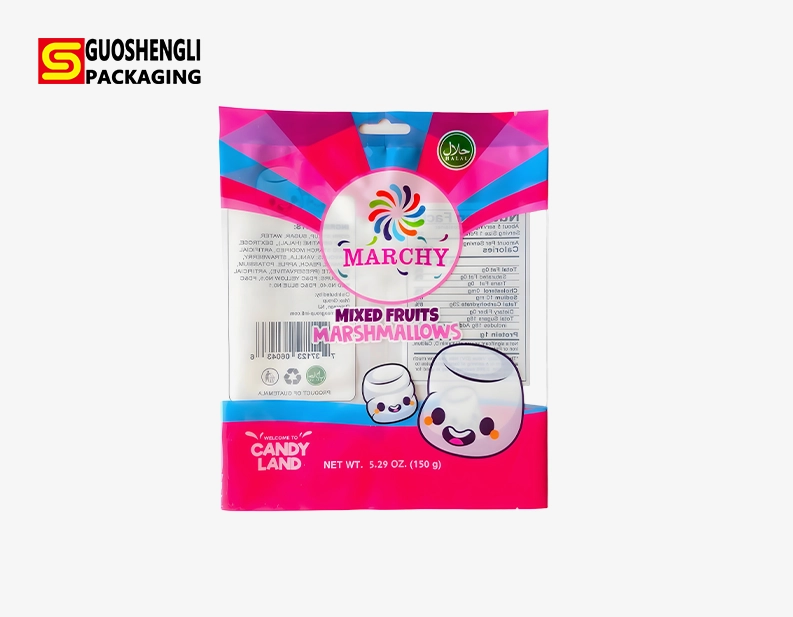
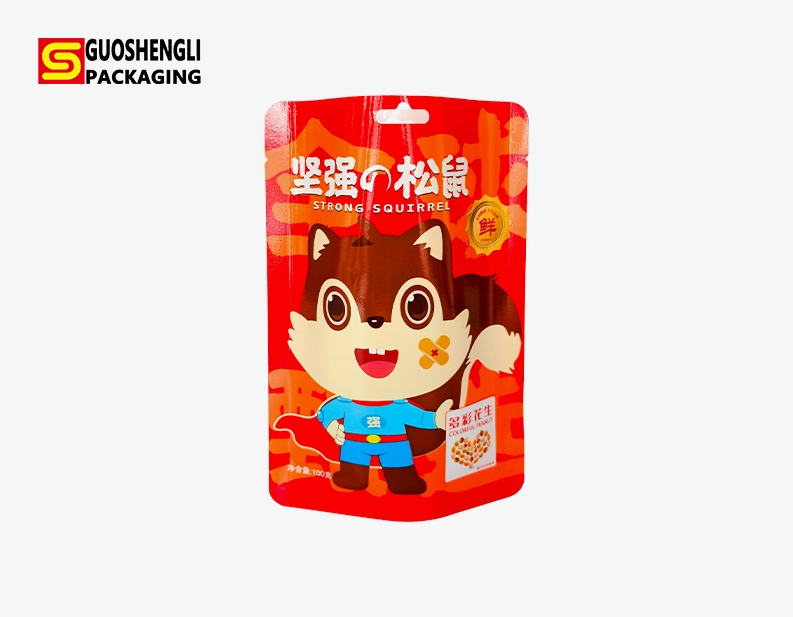
There are many places where the fin seal pouch style is used. This is how most snacks and foods are packed, like popcorn, chips, nuts, candy, gummies, sweets, and frozen foods. Powder makers use it to make containers that don't let air in and can be flushed with nitrogen. Spice brands, protein powder, and quick drinks are all made with it. It's also used a lot by companies that make vitamins, pet food, and home goods.
Comparing Fin Seal Pouch Variants: Choosing the Right Type for Your Product
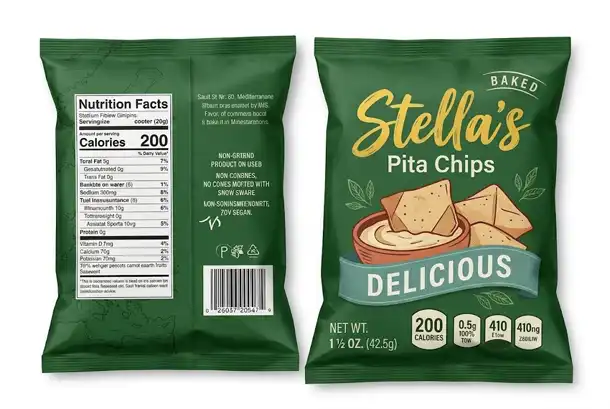
Fin Seal vs. Other Pouch Formats
There are some things that don't need a fin seal pouch. When procurement managers know where to get things that works better than other places, they can save time and money. Doypack stand-up bags keep big items stable on the shelf, but they are more expensive and harder to use because they need to be folded with a gusset. The back of side seal pouches doesn't have as much room, and the seal isn't as strong. Quad seal and flat-bottom bags are best for bigger items, but most FFS machines take longer to process them.
The fin seal pillow pouch is great when speed, price, and a good cover are the most important things. This happens a lot when making candy, powder, or snacks.
Heat Seal vs. Cold Seal Options
Heat is usually enough to seal fin seal pouches, and it also works for most laminate designs. When you press down on cold seal, it works like a glue gun. It's used for things like chocolate bars and ice cream that can't stand being hot. Making cold seal costs more and takes more work because it needs special film structures. However, it keeps the item safe from heat damage while it is being packed.
Adding Functional Features
You don't have to change how the machine is set up to add clear windows, euro holes, tear notches, or zippers that can be closed again and again to a standard fin seal pouch. People will like these things because they make shops look better and help people do things more easily. Euro holes, for example, let you hang signs in drug stores and convenience stores. The items can be seen better with this simple change that doesn't change how the packing line is set up.
Procurement Considerations for Buying Fin Seal Pouches in Bulk
Evaluating Suppliers for High-Volume Orders
It's not just about price when you want to buy a lot of fin seal pouches. The seller's skill is also very important. What licenses does a business have? Does it have its own laminating and printing tools? These are some of the things that people use to judge a business. If a provider is ISO 9001, BRC, or FDA certified, it means that their quality management system follows the rules for food interactions all over the world. Brands in North America and Europe need to do this.
Guoshengli Packaging holds ISO 9001, BRC, and FDA certifications, operates 7 printing lines, 6 laminating lines, and 49 converting machines, and carries an annual production capacity of 20,000 tons. Lead times run as short as 7 days for digital printing orders and 15–20 days for rotogravure printing.
Understanding MOQ, Pricing, and Lead Times
Guoshengli Packaging requires at least 10,000 pieces of each style of fin seal pouch for standard rotogravure production. Rotogravure printing lets you do a lot of work quickly because it can use up to 10 colors. When you print digitally, you can make changes to the art more quickly and print smaller quantities at once. People should think about more than just the price per unit when they want to buy something. The lead time is another thing they should think about. Why does a slow shipment of film slow down a fast line of work? Packing each unit costs a lot more than just a little more.
Reducing Supply Chain Risk
Film sources have to be moved in the middle of the season, which means that the formed collar, mouth temperatures, and web tension have to be changed. Most of the time, this means more trashed film and two to four weeks of time off. If you work with a company that knows how to make your machine for a long time, this is less likely to happen. Static electricity that is under control, a flat roll shape, and film tension that doesn't change are some of the things that keep line speed safe and quality high run after run.
Preparing for the Future: Trends and Innovations in Fin Seal Pouch Packaging for 2026
Sustainable Materials Without Sacrificing Performance
Brands have to use packaging that can be recovered and breaks down naturally because of laws and shop rules. You can now use PE laminates made of only one type of polymer with high-speed VFFS lines. It's still okay to recycle these laminates. More and more, good food comes in PLA and PBAT containers, which break down naturally. You can get these things from Guoshengli Packaging as surefire ways to make things, not as samples to try out.
Smart Packaging and Digital Print Technology
More and more food shops and types of controlled goods are printed with QR codes, batch tracking codes, and variable data all the time. You don't have to spend a lot of money on gravure cylinder tools to make small changes quickly and cheaply with digital printing. When designing for the season, making regional SKU changes, or putting out new products, this helps.
Aligning Procurement Strategy With 2026 Market Demands
Brands should plan to use packing film as part of their strategy in 2026, not just buy it. Making deals with a maker that can increase output, keep quality high for repeat orders, and back up regulatory paperwork will help protect production and market access in areas where following the rules is becoming more and more important.
Conclusion
The fin seal pouch remains a widely used flexible packaging format for high-speed snack and food production because it combines efficient film use, consistent sealing, and compatibility with automated VFFS and HFFS equipment. Its inner-to-inner fin seal structure can provide reliable package integrity, while high-barrier materials help protect products from oxygen and moisture. For 2026 procurement planning, brands should evaluate material selection, machine compatibility, barrier requirements, purchasing strategy, and sustainability together to support efficient production and long-term supply needs.
FAQ
1. What is the difference between a fin seal and a lap seal?
A fin seal joins the inner surfaces of the film together to create a raised seal along the back of the pouch, while a lap seal joins the inner surface of one film layer to the outer surface of another. The fin seal configuration can provide consistent sealing performance and is widely used for high-speed packaging of snacks, confectionery, powders, and other products.
2. Why does the fin curl or wrinkle after sealing?
Most of the time, uneven web strain or a difference in the coefficient of friction (COF) between layers of laminate account for fin curl. To fix this problem, the VFFS machine needs to be able to keep the tension just right, and the film needs to be flat all the way through the roll.
3. Can a fin seal pouch work for liquid products?
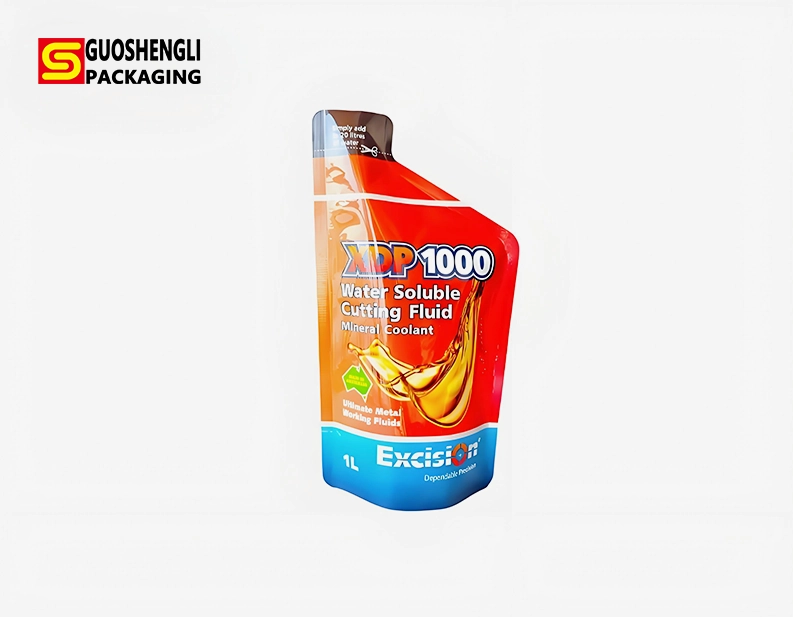
Yes. Fin seal pouches can be used for selected liquid products such as soups and cleaners when the film structure and sealing system are designed for the application. They typically use high-barrier nylon (BOPA) and a suitable sealant layer. The inner sealant material, film thickness, and seal-jaw pressure must be selected according to the liquid product and filling conditions.
4. What certifications should I require from a fin seal pouch supplier?
You need at least ISO 9001 for quality management, BRC for food packaging safety, and FDA compliance for materials that come into contact with food if you want to sell in the US. Most people trust test reports from SGS or a third party more when it comes to OTR and WVTR.
5. What MOQ is standard for custom fin seal pouches?
The typical minimum order for rotogravure-printed custom fin seal pouches is 10,000 pieces per design. Digital printing can accommodate smaller quantities, making it suitable for new products, seasonal SKUs, or limited production runs. For large annual programs, framework orders can be arranged according to the buyer's forecast and production requirements.
Partner With Guoshengli Packaging for Your Fin Seal Pouch Requirements
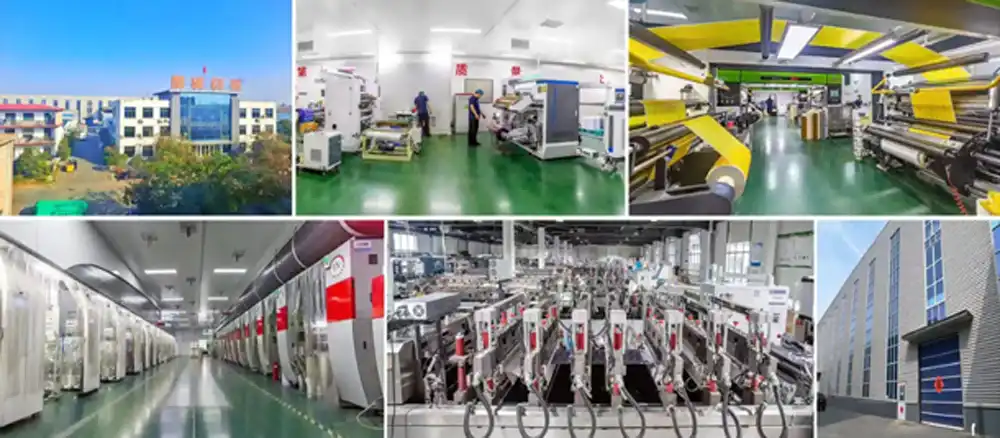
For more than 25 years, Guoshengli Packaging has made fin seal pouches for food companies in North America, Europe, and the Asia-Pacific region. We can make 20,000 tons of fin seal pouches every year, and our lead times start at 7 days. This makes us a reliable fin seal pouch manufacturer for programs that need to buy a lot of them. You can email sales@guoshengpacking.com or visit www.guoshengpack.com to ask for samples, look at technical specs, or talk about a basic supply deal for your production schedule in 2026.
References
1. Flexible Packaging Association. Flexible Packaging: Trends and Sustainability Outlook. Flexible Packaging Association, 2023.
2. Packaging Digest. High-Speed VFFS Packaging Technology Review. Packaging Digest, 2024.
3. ASTM International. ASTM F88: Standard Test Method for Seal Strength of Flexible Barrier Materials. ASTM International, 2023.
4. Paine, F.A., and Paine, H.Y. A Handbook of Food Packaging. Blackie Academic & Professional, 2012.
5. European Commission. EU Packaging and Packaging Waste Regulation: 2025 Update. Publications Office of the European Union, 2025.
6. Food and Drug Administration (FDA). Guidance for Industry: Packaging and Labeling Controls for Food Contact Materials. U.S. Department of Health and Human Services, 2022.