- English
- French
- German
- Portuguese
- Spanish
- Russian
- Japanese
- Korean
- Arabic
- Greek
- German
- Turkish
- Italian
- Danish
- Romanian
- Indonesian
- Czech
- Afrikaans
- Swedish
- Polish
- Basque
- Catalan
- Esperanto
- Hindi
- Lao
- Albanian
- Amharic
- Armenian
- Azerbaijani
- Belarusian
- Bengali
- Bosnian
- Bulgarian
- Cebuano
- Chichewa
- Corsican
- Croatian
- Dutch
- Estonian
- Filipino
- Finnish
- Frisian
- Galician
- Georgian
- Gujarati
- Haitian
- Hausa
- Hawaiian
- Hebrew
- Hmong
- Hungarian
- Icelandic
- Igbo
- Javanese
- Kannada
- Kazakh
- Khmer
- Kurdish
- Kyrgyz
- Latin
- Latvian
- Lithuanian
- Luxembou..
- Macedonian
- Malagasy
- Malay
- Malayalam
- Maltese
- Maori
- Marathi
- Mongolian
- Burmese
- Nepali
- Norwegian
- Pashto
- Persian
- Punjabi
- Serbian
- Sesotho
- Sinhala
- Slovak
- Slovenian
- Somali
- Samoan
- Scots Gaelic
- Shona
- Sindhi
- Sundanese
- Swahili
- Tajik
- Tamil
- Telugu
- Thai
- Ukrainian
- Urdu
- Uzbek
- Vietnamese
- Welsh
- Xhosa
- Yiddish
- Yoruba
- Zulu

Yes, there are many sellers around the world that offer bulk 250g custom flat bottom pouches made just for businesses that need reliable, scalable packing solutions. Food brands, pet food makers, and health supplement makers all love the 250g capacity because it's the perfect size for holding a lot of product without taking up too much space on the shelf. Specialised companies that make flexible packaging can customise everything about your pouches, from the material you choose and the way they're printed to functional features like resealable zippers and barrier coatings. This way, your pouches will perfectly match your brand's image and meet your product protection needs.
Understanding 250g Custom Flat Bottom Pouches
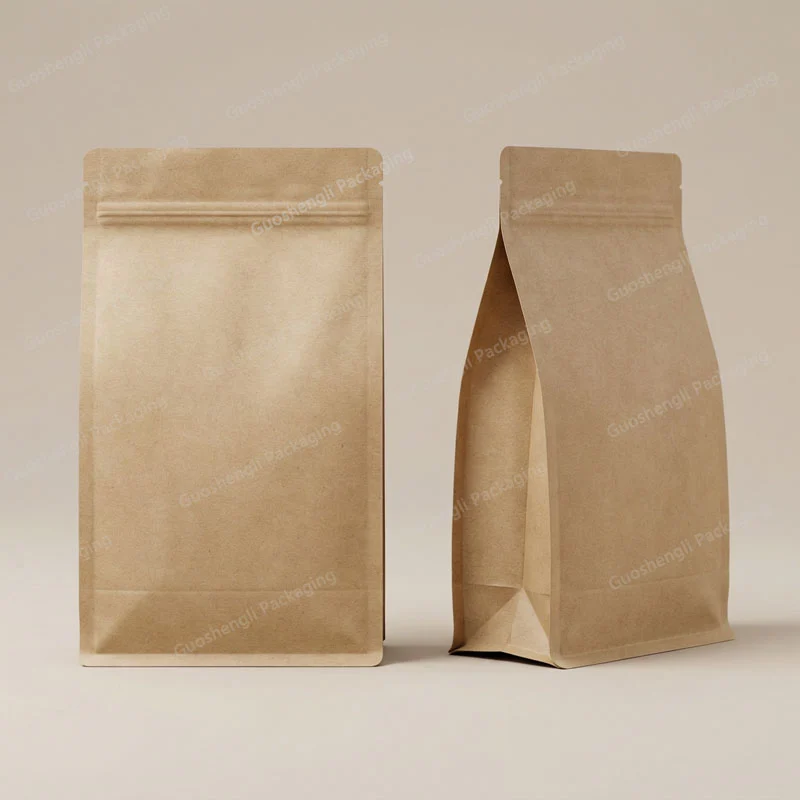
Box-style pouches have transformed how brands present products on retail shelves. Unlike traditional stand-up pouches that rely on product fill for stability, flat bottom pouches feature a unique five-panel construction: front, back, two side gussets, and a completely flat base. This engineering creates a box-like structure that stands firmly upright even when empty, maximizing shelf presence and consumer visibility.
Why the 250g Size Matters
The 250-gram capacity serves as a sweet spot for many product categories. This size offers enough volume to deliver value while remaining convenient for single households or trial purchases. Coffee roasters appreciate this capacity for specialty blends, pet food brands use it for premium treat lines, and supplement companies find it perfect for two-week to one-month supplies. The format reduces packaging waste compared to larger sizes while maintaining enough surface area for comprehensive branding and nutritional information.
Key Features That Drive Performance
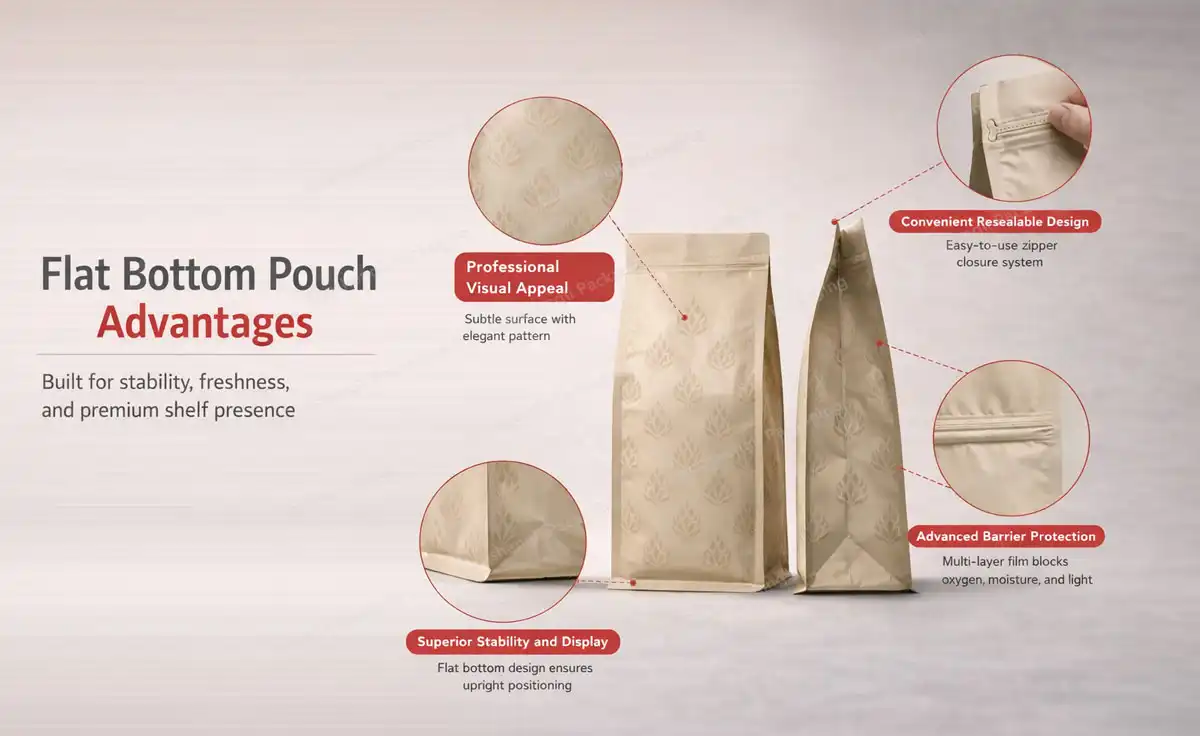
Our 250g custom flat bottom bag has a lot of useful features that keep the product safe and make the user experience better. The multi-layer plastic structure successfully stops oxygen, light, and wetness, all of which make food less fresh. Single-layer packaging doesn't last as long as advanced barrier technology does.
A stable, flat-bottom form makes more than just looks better. The stability of the product makes it easier to handle in the supply chain, which means less damage during shipping and storage. For retailers, it's easier to keep shelves stocked and use store space more efficiently. Unlike bag designs, the four vertical panels give you enough room for photos of the product, information about the ingredients, and brand stories.
Now you need flaps that can be closed again. Customers want packaging that stays fresh after being opened and can be used more than once without losing its quality. Our pouches have strong zippers that stay closed even after being opened and closed hundreds of times. The easy-tear notch makes opening the package easier and keeps its shape.
Material Options and Sustainability Considerations
The choice of material has a direct effect on both the environmental impact and the safety of the product. For oxygen-sensitive products like coffee and nuts, traditional multi-layer laminates made of PET, aluminium foil, and PE films work best as a barrier. These laminates provide excellent oxygen, moisture and light barrier properties, but they make recycling harder.
Kraft paper laminates provide a natural appearance preferred by eco-conscious brands, although most laminated kraft structures are not recyclable. These materials look nice and protect, but their barrier properties are different from those of foil structures. Constructions made of only PE or PP are the most recyclable and are designed to work with circular economy initiatives. The material you choose should match the sensitivity needs of your product and how your brand positions itself when it comes to being environmentally friendly.
Certifications and Food Safety Standards
Tough safety rules must be followed for all packaging that comes in contact with food. Facilities that make bags for the US market have to follow FDA rules to make sure that materials don't pass dangerous substances to the contents. BRC certification shows that a company is committed to quality management systems that are designed to help companies that make food packaging. Having ISO 9001 approval means that all of your production methods follow the same quality standards.
These certifications are important for more than just following the rules. They let buyers know that sellers keep quality controls in place, test products regularly, and put customer safety first. When evaluating suppliers, asking to see proof of these certifications helps make sure they can reliably handle food-grade applications.
Wholesale Supplier Landscape for 250g Custom Flat Bottom Pouches
The global flexible packaging industry includes numerous suppliers capable of producing custom flat bottom pouches at wholesale volumes. Understanding where these suppliers concentrate and how to evaluate their capabilities streamlines your sourcing process considerably.
Major Manufacturing Hubs
Flexible packaging is mostly made in Asia, especially China. This region's manufacturers provide reasonable pricing, superior printing technology, and large production capacities. Photographic-quality graphics from 11-color rotogravure printing presses boost brand perception on crowded shelves. Efficiency gains are hard to reproduce due to the concentration of raw material suppliers, skilled labour, and supporting industries.
Sustainable innovations and high quality are European manufacturers' priorities. This market's suppliers pioneer recyclable constructions and bio-based materials. Major Western European consumer markets are nearby, giving companies logistical benefits.
North American manufacturing emphasises short-run digital printing and fast turnaround for local clients. Certain company models profit from faster delivery and better communication despite greater production costs than Asian competitors.
Supplier Credibility Indicators
Distinguishing reliable wholesale suppliers from inconsistent vendors requires examining several key indicators. Production capacity tells you whether a supplier can scale with your business. Manufacturers operating multiple printing lines, laminating machines, and converting equipment handle large orders while maintaining delivery schedules. A facility with seven printing machines, six laminating lines, and forty-nine converting machines demonstrates the infrastructure necessary for serious wholesale operations.
Certifications we discussed earlier—FDA, BRC, ISO 9001, and SGS testing—verify that quality systems exist beyond marketing claims. International client portfolios indicate experience navigating export regulations, currency transactions, and cross-cultural business practices. Suppliers serving customers across North America, Europe, and Asia-Pacific regions understand compliance requirements and buyer expectations in those markets.
Evaluating MOQ, Lead Times, and Pricing
Minimum order quantities vary widely among suppliers. Some need 50,000–100,000 250g custom flat bottom pouches per design to justify rotogravure setup. Digital printing can reduce MOQs to as low as several hundred or several thousand pouches. Knowing these criteria helps match supplier capabilities to order volume.
Printing process and production queue affect lead times. Digital printing takes 7–10 days, making it ideal for urgent orders or market testing with modest numbers. Though it delivers in 15–20 days and requires cylinder preparation, rotogravure printing has better colour consistency and lower volume unit costs. Early discussion of deadlines avoids miscommunication.
Professional suppliers are transparent about pricing, unlike those who change quotes randomly. Material, printing, and extras like zippers and valves should be included in detailed quotes. This breakdown lets you compare providers and identify the factors that most affect your final cost.
How to Choose the Best Wholesale Supplier for 250g Custom Flat Bottom Pouches
Selecting the right packaging partner involves more than comparing price lists. Your choice affects product quality, supply chain reliability, and ultimately customer satisfaction. A structured evaluation process reduces risk and positions your business for sustainable growth.
Defining Your Specific Requirements
Start by defining your products' packaging needs. Coffee needs strong oxygen barriers to avoid staling, whereas dried fruits need moisture preservation without unnecessary barrier qualities. Pet treats may prioritise puncture resistance for sharp kibble edges. To avoid pouch cling, supplement powders need anti-static characteristics.
Supply chain matching depends on order volume forecasts. Emerging companies exploring markets with 5,000-unit purchases require flexible MOQs, even if per-unit prices are greater. Established enterprises purchasing 100,000 pouches quarterly should choose suppliers with capabilities to maintain consistency throughout big manufacturing runs.
Budget goes beyond buying price. Shipping, duty fees, inventory carrying costs, and the possibility of quality failures requiring rework comprise total cost of ownership. A reliable supplier's slightly higher unit cost is often cheaper than chasing the lowest price without considering these factors.
Comparing Pouch Design Options
Flat bottom pouches affect product presentation and functionality differently. Flat bottom box-style pouches are more stable and have greater printing surface area than stand-up pouches with folded gussets. This makes them perfect for premium product placement with shelf impact.
Especially for fresh-roasted coffee, valve options release gases after packaging. CO2 escapes without oxygen entering via one-way degassing valves, ensuring freshness after roasting. Products without gas release demands may avoid this functionality, saving money and risk.
Consumption habits determine resealability. Instant-consumption products without zippers save money and simplify manufacturing. Zippers that keep products fresh and avoid spillage are invaluable for product usage over days or weeks. Multiple uses reveal the quality difference between premium and economy zippers, affecting consumer satisfaction.
Material Selection Strategy
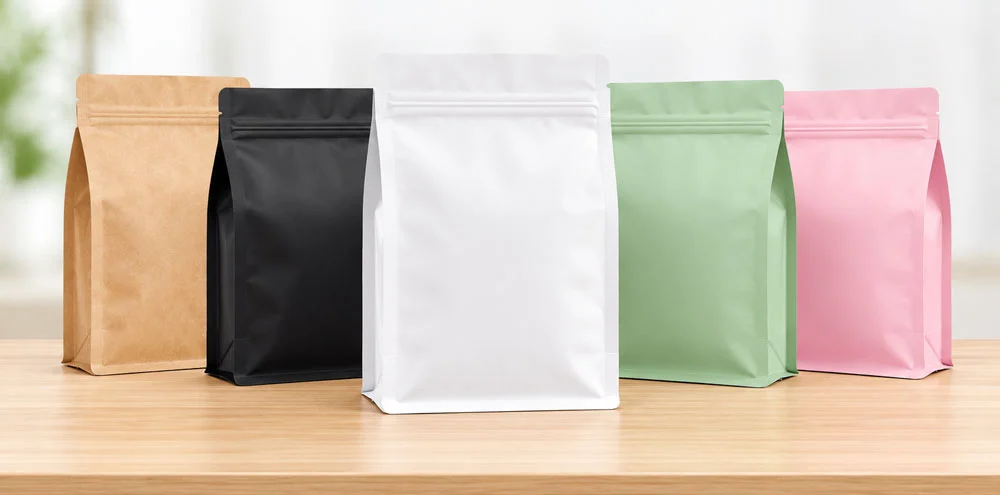
Popular with organic and artisanal products, kraft paper laminates convey environmental sensitivity with natural beauty. Dry products with moderate barrier needs fit these structures. The matte surface and tactile quality set products apart in competitive areas.
Plastic laminates with PET, PE, and aluminium foil layers protect sensitive objects best. Bright printing on high-gloss paper grabs consumers' attention. Under tough circumstances, these materials withstand forceful filling and seal integrity better.
New all-PE or all-PP mono-material constructions prioritise recycling. Though more expensive, sustainable brands are specifying these materials. These materials are practical for forward-thinking firms since their recycling infrastructure is growing.
Understanding Lead Times and Order Processes
You should request samples early in your evaluation. Specifications cannot express quality like physical samples. Pull pouches apart at seams to test seal strength. Test zip functioning by opening and shutting. Compare print quality under various illumination. Hands-on evaluations reveal issues before mass production.
Production lead times need buffering. Shipping abroad takes two to five weeks, depending on the method. Ocean freight is cheaper but takes longer than air freight. Planning inventories to meet these dates eliminates expensive rush purchases and ensures product availability.
During sampling, communication habits predict future work relationships. Supplying quick replies and proactive ideas shows the collaboration attitude required for long-term success. Frustration may follow repeated follow-ups or vague information.
Practical Steps to Procure Wholesale 250g Custom Flat Bottom Pouches
Efficient procurement follows a structured workflow that reduces risk while accelerating time to market. Breaking the process into clear stages helps manage complexity and keeps projects moving forward.
Step One: Sample Request and Quality Evaluation
Inform prospective vendors about your application. List your product, capacity, materials, and special features like zippers or windows. Request samples of comparable pouches and technical information on barrier qualities and material structure.
When samples arrive, test thoroughly. Fill samples with your product to check fit and appearance. Unreliable seals cause product spoilage and customer complaints. To ensure compatibility, test samples on your filling equipment. Assess print quality by checking colour accuracy, registration alignment, and detail sharpness.
Compare samples from different vendors. Comparing material thickness, seal consistency, and printing clarity shows differences. This stage investment prevents costly full-production mistakes.
Step Two: Pricing Negotiation and MOQ Flexibility
Request detailed quotations breaking down all cost components. Pricing typically decreases at volume thresholds—perhaps 10,000, 25,000, and 50,000 units. Understanding these tiers helps you optimize order quantities for best economics while meeting inventory needs.
Negotiate trial run flexibility. Established suppliers sometimes accommodate lower MOQs for initial orders, allowing you to validate market acceptance before committing to larger quantities. This reduces inventory risk during product launches or market testing.
Payment terms affect cash flow significantly. Standard terms often require a 30-50% deposit with the balance due before shipping. Established relationships may earn you more favorable terms over time. Clarify these expectations upfront to avoid surprises.
Step Three: Confirming Customization Elements
Whether your brand concept is captured in pouches depends on artwork preparation. Suppliers demand AI or PDF print-ready files with outlined fonts and embedded graphics. Understanding their technological needs reduces delays and assures accurate visuals.
Careful colour matching is needed. For consistency, use Pantone numbers for logos and other brand elements. Request digital proofs of artwork on selected materials. Metallic or white base films and glossy or matte surfaces can display colours differently.
Special treatments emphasise quality and shelf distinction. The feel of matte lamination is elegant. Design features are highlighted by spot UV treatment. Metallic inks look expensive. Discuss these options early as they affect pricing and lead times.
Step Four: Logistics Planning and Compliance
International shipping involves several decisions affecting cost and timing. Air freight delivers within four to five days but costs substantially more than ocean transport, requiring four to six weeks. Balance urgency against budget constraints when choosing shipping methods.
Customs compliance requires proper documentation. Your supplier should provide commercial invoices, packing lists, and certificates of origin. Verify that material specifications meet FDA requirements for food contact if applicable. Proper documentation prevents customs delays that extend lead times unexpectedly.
Consider working with freight forwarders experienced in packaging imports. They navigate customs processes, arrange transportation from port to your facility, and handle documentation requirements. Their expertise often pays for itself through avoided delays and complications.
Why Partnering with Experienced Wholesale Suppliers Adds Value
Transactional relationships with suppliers rarely deliver optimal results long-term. Strategic partnerships with experienced manufacturers create competitive advantages beyond basic 250g custom flat bottom pouch supply.
Real-World Impact on Product Performance
A specialty coffee roaster struggled with inconsistent shelf life until partnering with an experienced pouch manufacturer. The supplier analyzed their product characteristics and recommended a high-barrier structure with degassing valves. This change helped improve freshness retention, allowing expanded distribution and reducing waste from expired inventory. The supplier's technical knowledge directly improved business economics.
A pet treat manufacturer experienced frequent seal failures causing product spoilage during distribution. Their packaging partner investigated and discovered that product oils were contaminating seal areas. By modifying the pouch material to resist oil penetration and adjusting sealing parameters, failures dropped below one percent. This problem-solving capability exemplifies the value experienced suppliers bring beyond simply producing pouches.
Value-Added Services That Strengthen Your Business
Design consulting creates efficient package graphics from brand ideas. Suppliers with experience know how designs translate to printing methods and materials. They spot faults before pricey printing plates are manufactured. This knowledge enhances outcomes and reduces revisions and delays.
Suppliers that understand market trends and technology create innovative packaging. You may not have considered rip notches for easy opening or window positions that highlight products while retaining structural integrity. These findings came from making millions of pouches for various uses.
Professional manufacturers differ from transactional sellers in after-sales service. Technical assistance saves production shutdowns by answering queries regarding storage conditions, filling equipment compatibility, and seal difficulties. This continual support is crucial for scaling operations.
Eco-friendly packaging solutions are complicated, but sustainability counsel helps. Experienced suppliers explain recyclable structure tradeoffs, help with material certifications, and inform you about new technologies. This partnership supports your environmental goals while protecting your products.
Building Long-Term Supplier Relationships
Repeat order quality relies on supplier commitment to your success. Manufacturers that follow your standards and manufacturing conditions provide brand consistency. This stability lets you expand your company instead of fixing packaging concerns.
Scalable manufacturing is essential as your firm grows. Suppliers with large infrastructure handle volume increases without quality issues or long lead times. To increase pouch production from 10,000 to 100,000, you need manufacturing partners with the capacity.
Continuous improvement projects benefit from supplier participation. Regular specification reviews may reveal cost-cutting or quality-boosting options. Suppliers invested in your success suggest improvements rather than just fulfilling orders. This relationship approach builds reciprocal value time after time.
Conclusion
Understanding your needs, systematically evaluating supplier capabilities, and building long-term partnerships are needed to find wholesale 250g custom flat bottom pouch suppliers. The 250g capacity is perfect for premium positioning in varied sectors while preserving convenience. Quality suppliers with certifications, production capacity, and transparent communication give your brand consistency and reliability. Material choice, customisation, and sustainability affect package performance and market perception. Following organised procurement procedures and hiring experienced manufacturing partners positions your firm for sustainable development with packaging that preserves product quality, boosts shelf presence, and consistently promotes brand values across orders.
FAQ
1. What is the typical MOQ for wholesale 250g custom flat bottom pouches?
Minimum order quantities vary depending on printing method and supplier policies. Digital printing often allows MOQs around 10,000 to 20,000 pouches, making it accessible for smaller brands or product testing. Rotogravure printing typically requires 50,000 to 100,000 units due to cylinder preparation costs, though it offers superior color consistency and lower per-unit pricing at volume. Some manufacturers accommodate flexible MOQs for trial runs, particularly when building new client relationships.
2. Are eco-friendly materials available for bulk orders?
Yes, sustainable material options continue expanding for flat bottom pouch production. Kraft paper laminates provide natural aesthetics with moderate barrier properties suitable for dry products. Mono-material PE or PP structures offer recyclability through existing plastic recycling infrastructure. Bio-based films using renewable resources appeal to environmentally conscious brands. Suppliers with a sustainability focus can guide material selection, balancing environmental goals with product protection requirements.
3. What delivery timelines should buyers expect?
Production timelines depend on printing technology and order complexity. Digital printing typically completes within seven to ten days, while rotogravure printing requires fifteen to twenty days due to cylinder preparation. International shipping adds significantly to total lead time—air freight delivers in four to five days but costs substantially more than ocean transport, requiring four to six weeks. Planning inventory with these timelines in mind prevents supply disruptions.
Partner with Guoshengli Packaging for Your 250g Custom Flat Bottom Pouch Needs
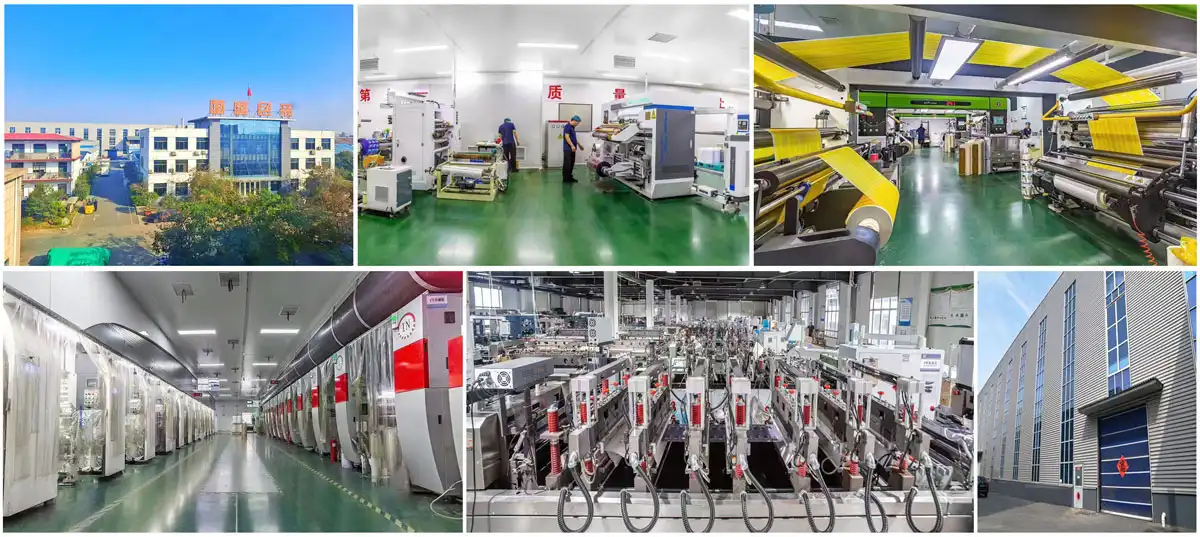
Reliable packaging starts with choosing manufacturers who understand your quality requirements and business objectives completely. Guoshengli Packaging brings 25 years of flexible packaging expertise specifically to wholesale 250g custom flat bottom pouch production. Our facility operates seven advanced printing machines, six laminating lines, and forty-nine converting machines, delivering consistent quality whether you order 10,000 or 1,000,000 units. We maintain FDA, BRC, ISO 9001, and SGS certifications, ensuring every pouch meets rigorous food safety standards. Customization options include eco-friendly materials, up to 11-color rotogravure printing, resealable zippers, and specialized barrier coatings protecting your products throughout their shelf life. Contact our team at sales@guoshengpacking.com to request samples, discuss your specific requirements, and receive detailed quotations from an experienced 250g custom flat bottom pouch supplier committed to your success.
References
1. Smith, J. & Anderson, K. (2022). "Flexible Packaging Innovations in Food Safety and Shelf Life Extension." Journal of Packaging Technology and Research, 15(3), 234-251.
2. Chen, L. (2023). "Global Trends in Sustainable Flexible Packaging Materials." International Packaging Review, 28(2), 112-128.
3. Roberts, M. (2021). "Box Pouch Design: Engineering Stability and Consumer Appeal." Packaging Design Quarterly, 19(4), 67-82.
4. Thompson, R. & Garcia, P. (2023). "B2B Procurement Strategies for Custom Packaging Solutions." Supply Chain Management Today, 31(1), 45-59.
5. Williams, E. (2022). "Barrier Properties in Multi-Layer Laminate Structures for Food Packaging." Food Packaging Science & Technology, 24(3), 189-206.
6. Zhang, W. (2023). "Comparative Analysis of Flat Bottom Pouches Versus Traditional Stand-Up Formats." Flexible Packaging Manufacturing, 17(2), 78-94.