- English
- French
- German
- Portuguese
- Spanish
- Russian
- Japanese
- Korean
- Arabic
- Greek
- German
- Turkish
- Italian
- Danish
- Romanian
- Indonesian
- Czech
- Afrikaans
- Swedish
- Polish
- Basque
- Catalan
- Esperanto
- Hindi
- Lao
- Albanian
- Amharic
- Armenian
- Azerbaijani
- Belarusian
- Bengali
- Bosnian
- Bulgarian
- Cebuano
- Chichewa
- Corsican
- Croatian
- Dutch
- Estonian
- Filipino
- Finnish
- Frisian
- Galician
- Georgian
- Gujarati
- Haitian
- Hausa
- Hawaiian
- Hebrew
- Hmong
- Hungarian
- Icelandic
- Igbo
- Javanese
- Kannada
- Kazakh
- Khmer
- Kurdish
- Kyrgyz
- Latin
- Latvian
- Lithuanian
- Luxembou..
- Macedonian
- Malagasy
- Malay
- Malayalam
- Maltese
- Maori
- Marathi
- Mongolian
- Burmese
- Nepali
- Norwegian
- Pashto
- Persian
- Punjabi
- Serbian
- Sesotho
- Sinhala
- Slovak
- Slovenian
- Somali
- Samoan
- Scots Gaelic
- Shona
- Sindhi
- Sundanese
- Swahili
- Tajik
- Tamil
- Telugu
- Thai
- Ukrainian
- Urdu
- Uzbek
- Vietnamese
- Welsh
- Xhosa
- Yiddish
- Yoruba
- Zulu

Quad Seal Pouches & Bags are a sophisticated type of packaging that can be identified by their four longitudinal seal design. The four longitudinal seals reinforce the side structure, allowing the pouch to maintain its shape and support heavier products. The strengthened ends of these bags make them look like boxes, which means they can hold more weight than standard three-seal designs. The multi-layer barrier films keep the food fresh for a longer time by blocking out air, wetness, and contamination. Their flat panel surfaces make it easy to brand them, and their stable bases let products stand up straight on store shelves without any extra help. With its unique design, this quad seal packaging is perfect for food makers, pet food companies, and beverage brands that need reliable, professional-grade packing solutions. It can hold big fills weighing between 500 grams and 20 kilograms.
Understanding Quad Seal Pouches: Design and Functionality
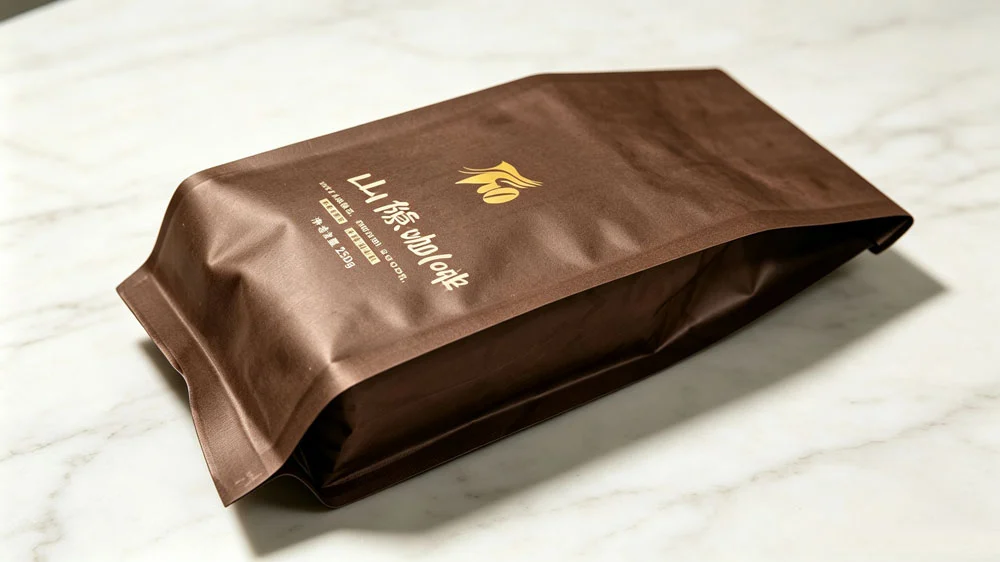
Because it has four sealed edges, quad seal construction is very different from other pouch formats from an engineering point of view. Instead of relying on a single bottom flap like stand-up bags do, this design spreads stress equally across strengthened corner seals, making it much less likely that something will break while being handled or transported.
Structural Engineering Principles
Through triangulated load distribution, the four-seal configuration makes the structure stronger. When the container is full, the weight of the product makes the base automatically, and strong side seals keep the walls upright.
Choosing the right materials is very important for efficiency. High-performance laminates usually have polyethylene for heat sealing, aluminum or metallized films for barrier protection, and PET for structural strength. This multi-layer method meets specific Oxygen Transmission Rate (OTR) and Water Vapor Transmission Rate (WVTR) goals that are needed for products that need to be dry, like coffee, powdered supplements, and flour.
Barrier Technology and Material Science
Advanced barrier films with a quad seal design provide protection that can be measured. A normal food-grade structure could get OTR levels below 0.5 cc/m²/24hrs and WVTR levels below 1.0 g/m²/24hrs, which is a lot better than single-layer options. For procurement managers looking at package expenses, these technical specs directly mean longer shelf life and lower rates of loss.
Using adhesive systems or extrusion coatings, the lamination process joins several substrate layers together to make a single barrier structure. FDA and EU rules say that surfaces that come into contact with food must be chemically resistant to oils, fats, and acidic substances that are common in food and drink uses.
Core Advantages of Quad Seal Pouches for B2B Procurement
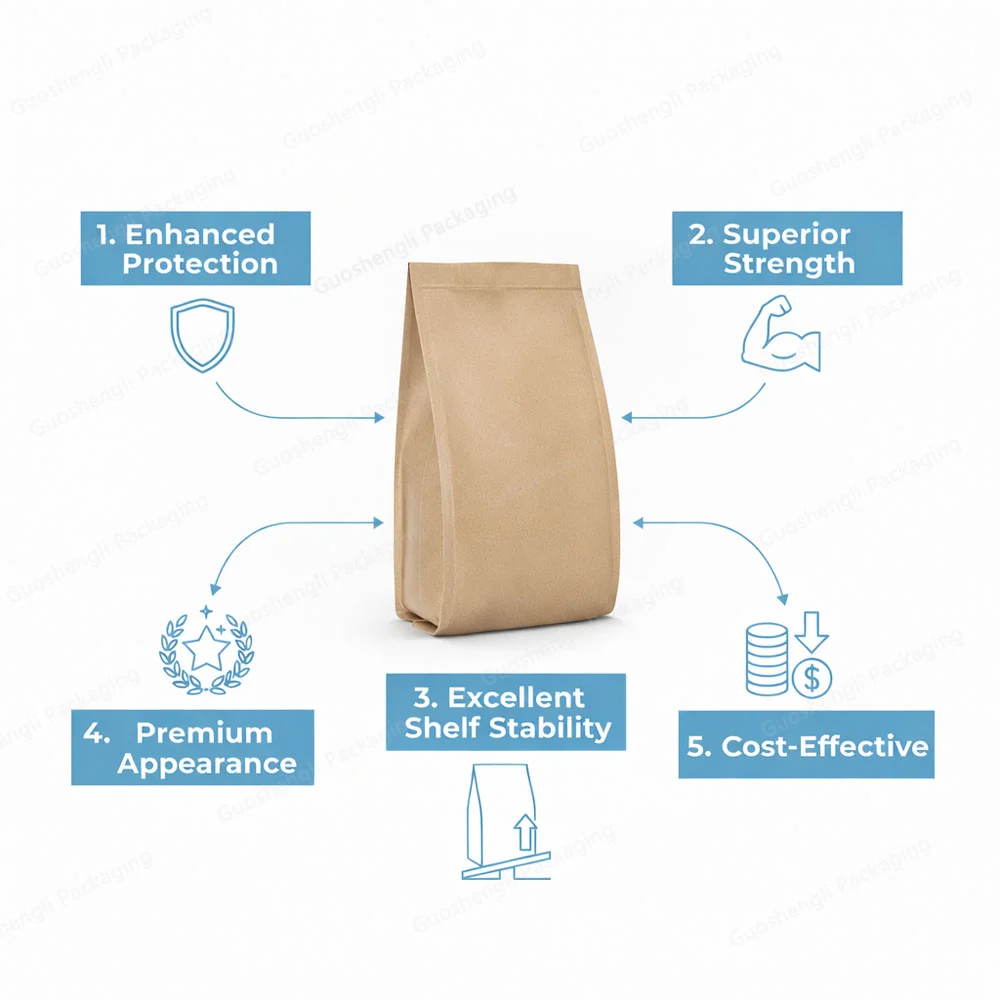
When purchasing managers look at different package options, they focus on performance measures that have a direct effect on how well the business runs and the quality of the products it sells. Quad Seal Pouches & Bags have measurable benefits across a number of evaluation criteria.
Superior Durability and Product Protection
When packing thick products like pet food kibble or grain-based foods, the strengthened corner seals are more important than three-side seal options because they have higher burst strength. Drop tests show that quad seal designs are more resistant to punctures, which means less product loss during storage and shipping. This means that there is less damage along the supply chain, which protects both the integrity of the product and the reputation of the brand.
Enhanced Shelf Presence and Branding Opportunities
The structure, which looks like a box, consists of four flat panels that are perfect for showing high-resolution images and product information. Rotogravure printing can use up to 11 colors, which lets brands make complicated patterns that look the same from one production run to the next. This visual uniformity is important, especially for high-end coffee brands and specialty foods whose package looks affect people's choices to buy them. The stable standing profile makes the product stand out on store shelves without the need for extra display supports, which is an advantage that stores like when they're deciding where to put things on the shelves.
Flexible Sizing and Customization Options
Quad seal pouches can hold a range of fill volumes because the panel and gusset widths can be changed. Sample sizes range from 250 grams to 20 kilograms, and a single design platform can be used for all of them. Custom features include built-in handles for easy transport, zippers that can be closed again for ease of use by consumers, and one-way degassing valves for use with roasted coffee. These changes meet the needs of certain products without needing completely new package designs.
Sustainability and Corporate Responsibility Alignment
More and more, modern quad seal construction uses recyclable single-material structures or compostable substrates that are good for the environment without lowering the performance of the barrier. PE-based laminates that can be recycled keep their useful qualities and can be recycled in regular ways. This feature helps brands meet their green goals and meet customer demands for packaging that is good for the environment.
Certifications and material documentation can help procurement teams check a supplier's skills. Companies that use imported RTO (Regenerative Thermal Oxidizer) exhaust treatment technology show that they are serious about lowering production emissions. This is a key factor for businesses that have strict environmental supply chain standards.
Quad Seal Pouches vs. Other Flexible Packaging Solutions
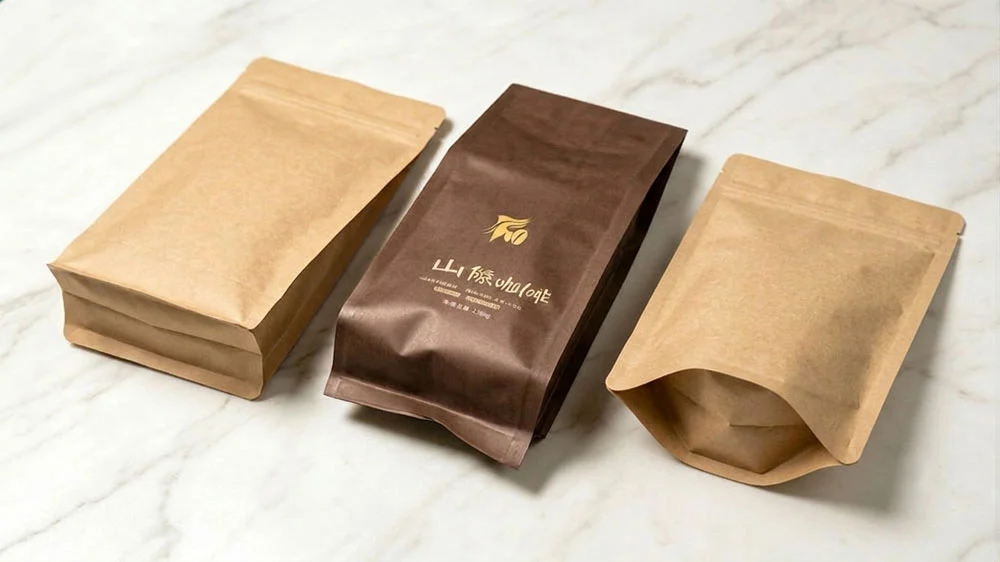
Knowing the relative benefits of different packaging forms such as Quad Seal Pouches & Bags helps purchasing professionals choose the best ones for each product and business.
Structural Comparison with Alternative Formats
Stand-up pouches have bottom gussets that fold flat when not in use but depend on the contents inside to keep the pouch standing. Even though they are cheap for small products, they are not as stable for heavy components. Flat bottom pouches have discrete gusseted bases that make them stand out on the shelf. However, they usually cost more per unit because they require more material and are harder to convert.
If you compare quad seal designs to standard stand-up pouches, they offer better support while still being more cost-effective than flat bottom forms. The side-gusset design makes the most of the pallet's internal space compared to its external dimensions, which helps it be used more efficiently during shipping. When you look at how much it costs to make, how quickly it can be filled, and how dense the shipment is, quad seal bags are often the most cost-effective way to ship large products that weigh 5 to 15 kilos.
Operational Considerations for Automated Filling
The total cost of ownership is greatly affected by how well packaging works on high-speed filling lines. When used with form-fill-seal tools, quad seal boxes open regularly and keep the bags in place even at speeds of more than 60 bags per minute. When free-flowing powders are filled aggressively, the strengthened edges keep the corners from breaking.
Micro-perforations or one-way valves stop air from moving during filling, which stops "ballooning" that can mess up automatic handling systems. These features make it easy to connect to existing production systems, which keeps lines running and meets throughput goals.
Market Demand and Adaptability
Industry data shows that quad seal formats are being used more and more in the coffee, pet food, and specialty food industries. This trend shows that more people are realizing how useful the format is for solving a wide range of packing problems. Quad seal designs work especially well for brands that need bulk packaging that projects a high-end image because the structured look conveys quality while still being useful.
The style is easy to change to meet the needs of new markets. New matte finishes, feel coats, and clear window panels make it possible to stand out in crowded store categories without having to make new bag shapes. This flexibility lowers the cost of development when adding new products or going after new market segments.
Customization and Procurement Considerations for Quad Seal Pouches
When you make strategic sourcing decisions, you have to look at more than just unit price to make sure that the packaging works the same way for all orders, no matter how many you place.
Printing Technologies and Brand Differentiation
Rotogravure printing produces images and colors that stay the same over long production runs for Quad Seal Pouches & Bags. This makes it perfect for well-known goods that need to be printed in large quantities. The process is more accurate than flexographic methods at reproducing fine features, curves, and digital pictures. Because printing cylinders cost a lot of money, the minimum order quantity is usually set at 100,000 units.
Digital printing technologies allow for faster production with lead times of 7–10 days and lower minimum quantities, which is helpful for testing the market or making products for specific times of the year. Even though the cost per unit is higher, being able to change designs quickly and make smaller batches lowers the risk of running out of stock when a new product comes out.
Supplier Selection and Quality Assurance
When looking at possible sources, you need to look at certifications that prove they can make things. ISO 9001 certification shows that quality management systems are documented, and BRC (Brand Reputation through Compliance) certification makes sure that food safety rules are followed throughout the whole production process. Following FDA rules makes sure that materials are safe for food contact, and SGS testing makes sure that the protective qualities and physical specs are correct.
Inventory of machinery and production rate are two measures of manufacturing capacity. Suppliers who have more than one printing, sealing, and turning line show that they can regularly meet delivery dates. Our Guoshengli Packaging facility has 49 converting machines, 7 printing machines, and 6 laminating units. This gives us production redundancy that keeps customers from having to wait for equipment to break down.
Minimum Order Quantities and Pricing Structures
MOQ requirements are very different between suppliers, which makes it hard to plan purchases. When compared to trading companies, factory-direct makers often have more options. For example, they can accept smaller initial orders for new goods while still offering reasonable prices on larger reorders. When you know how prices change at different levels of quantity, you can better balance the costs of keeping goods with the sizes of your orders.
Lead times are another important factor. Standard rotogravure production takes about 15 to 20 days from the time an order is confirmed until it is shipped. For faster processing, digital printing may be used for rush orders. When speed is more important than cost, air freight cuts travel time to four to five days.
Sustainable Material Options and Compliance
Eco-friendly quad seal options include mono-material laminates that can be recycled and structures made from PLA or PBAT that can be broken down and composted. Solicitation teams should ask for performance testing results that show sustainable materials meet the standards for shelf life in real-life storage situations. Some barrier properties may go down with compostable films, so it's important to weigh environmental goals against the need to protect products.
Transparency from suppliers about where materials come from and compliance paperwork lowers regulatory risk. This is especially true for brands that sell in many foreign markets with different packing requirements.
Use Cases and Industry Applications
Four-side seal construction is very flexible and can be used in many different industries with very different packaging needs and performance priorities.
Food and Beverage Packaging
A big part of the market for quad seal forms is specialty coffee roasters. The sturdy design can hold coffee grounds or whole beans weighing between 12 ounces and 5 pounds, and it has built-in degassing valves that let CO2 out without letting oxygen in. When kept properly, high-barrier metal layers keep the volatile chemical molecules that make coffee taste good for longer than six months.
The moisture barrier features keep the texture of dried fruits, nuts, and food mixes from breaking down. The reclosable zipper choices keep the product fresh after it has been opened, which meets the needs of consumers who want ease. Heavy-duty construction is used for flour, grain, and rice packaging, and reinforced handles make it easier to move 10–20 kilogram bulk sizes that are common in food service channels.
Pet Food and Animal Nutrition
Pet food companies need packages that can stand up to rough treatment while still keeping the food's nutritional value. For food, quad seal bags usually have a width of 120 to 180 microns, which makes them resistant to punctures during palletization and delivery. The stable base keeps the display from falling over, which is important for products that are set up at floor level in pet specialty stores.
Smaller formats are used for treat packaging and supplement powders that have similar barrier properties. These keep sensitive ingredients like vitamins and probiotics safe from moisture and oxidation. The professional look fits with tactics for expensive placement that are popular in markets that sell specialty cat food.
Health and Wellness Products
Protein powders, nutritional supplements, and plant ingredients can use the moisture-proof design to keep their flowability and stop them from clumping. Many brands that focus on health stress the importance of being environmentally friendly. For brand consistency, it is important that the quad seal options be recyclable or compostable. As needed by regulatory frameworks, the flat panel sides hold thorough nutritional information and directions for use.
Industrial and Chemical Applications
In addition to food uses, the quad seal design is used in industrial powder markets that need to keep materials that are sensitive to wetness inside. When technical goods are packed, chemical-resistant laminates keep them from stress-breaking, and the strengthened structure makes stacks stable in warehouses. Container-grade designs can handle the differences in pressure that happen during international shipping, which means that less product will be lost when the packaging fails.
Emerging Market Opportunities
More and more, cosmetic and personal care brands are using bendable packaging instead of hard cases to save money on materials. Quad seal pouches can hold bath salts, powdered cosmetics, and refill formats that people who care about the environment will like. The high-end look of the structure supports pricing in beauty stores, where how people see packaging has a big effect on their buying decisions.
Conclusion
Business-to-business buyers in the food, pet food, beverage, and specialty product industries can measure the performance benefits of Quad Seal Pouches & Bags. The four longitudinal seal design gives the structure more strength and allows for big fills while still looking professional on the shelf. Advanced protection technologies keep the quality of products safe during long distribution cycles, which keeps them from going bad and helps the brand's image. With customization choices for fabrics, printing, and useful features, you can make solutions that fit your unique needs. When procurement pros look for packaging, they should check the supplier's making skills, approval standards, and knowledge of the materials to make sure that the quality is the same for each order.
FAQ
1. Are quad seal pouches environmentally friendly packaging options?
Modern quad seal construction increasingly incorporates sustainable materials that balance environmental responsibility with functional performance. Recyclable mono-material polyethylene laminates qualify for existing recycling streams in many regions, though actual recycling rates depend on local infrastructure. Compostable alternatives using PLA or PBAT substrates meet ASTM D6400 standards for industrial composting, though oxygen barrier properties typically decrease compared to conventional materials. Brands should request testing data confirming that eco-friendly structures meet product shelf-life requirements under realistic storage conditions.
2. How do quad seal bags compare cost-wise to other pouch formats?
Pricing varies based on material specifications, printing complexity, and order volumes. Quad seal pouches typically cost more per unit than basic three-side seal bags due to additional material and converting steps, but less than flat-bottom formats requiring specialized equipment. The total cost analysis should include filling efficiency, shipping density, and damage rates. For heavy products requiring structural integrity, quad seal designs often deliver lower total packaging costs despite higher unit prices. Volume pricing becomes more favorable above 50,000-unit quantities, with significant breaks at 100,000+ volumes.
3. What customization features work best with quad seal pouch designs?
Popular modifications include press-to-close zippers for reclosability, tear notches for easy opening, and carrying handles for transport convenience. One-way degassing valves suit coffee applications by releasing CO2 while blocking oxygen ingress. Transparent windows enable product visibility, though they may reduce overall barrier performance depending on film selection. Matte or soft-touch finishes provide tactile differentiation on retail shelves. Spout fitments adapt the format for liquid or semi-liquid products, expanding application possibilities beyond dry goods.
Partner With a Trusted Quad Seal Pouches & Bags Manufacturer
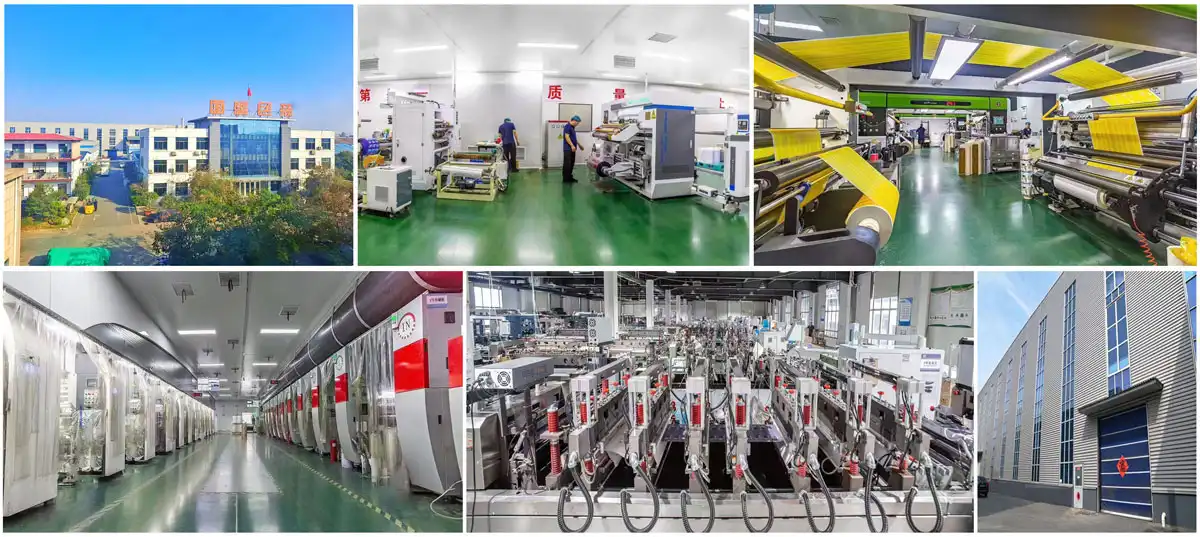
Guoshengli Packaging brings over 25 years of flexible packaging expertise to businesses seeking reliable, high-performance Quad Seal Pouches & Bags solutions. Our ISO 9001, BRC, and FDA certifications validate manufacturing quality, while our production capacity—7 printing machines, 6 laminating units, and 49 converting lines—ensures on-time delivery for both standard and rush orders. We specialize in custom quad seal designs tailored to your specific product requirements, offering material selection guidance, rotogravure printing up to 11 colors, and sustainable packaging options including recyclable structures. Contact our team at sales@guoshengpacking.com to discuss your project requirements, request samples, or explore how our quad seal pouches can enhance your product protection and brand presentation.
References
1. Robertson, Gordon L. Food Packaging: Principles and Practice, Third Edition. CRC Press, 2012.
2. Marsh, Kenneth and Betty Bugusu. "Food Packaging—Roles, Materials, and Environmental Issues." Journal of Food Science, Vol. 72, No. 3, 2007.
3. Selke, Susan E.M., John D. Culter, and Ruben J. Hernandez. Plastics Packaging: Properties, Processing, Applications, and Regulations, Third Edition. Hanser Publications, 2016.
4. Yam, Kit L. The Wiley Encyclopedia of Packaging Technology, Third Edition. John Wiley & Sons, 2009.
5. Coles, Richard and Mark Kirwan. Food and Beverage Packaging Technology, Second Edition. Wiley-Blackwell, 2011.
6. Brody, Aaron L. and Kenneth S. Marsh. The Wiley Encyclopedia of Packaging Technology. John Wiley & Sons, 1997.