- English
- French
- German
- Portuguese
- Spanish
- Russian
- Japanese
- Korean
- Arabic
- Greek
- German
- Turkish
- Italian
- Danish
- Romanian
- Indonesian
- Czech
- Afrikaans
- Swedish
- Polish
- Basque
- Catalan
- Esperanto
- Hindi
- Lao
- Albanian
- Amharic
- Armenian
- Azerbaijani
- Belarusian
- Bengali
- Bosnian
- Bulgarian
- Cebuano
- Chichewa
- Corsican
- Croatian
- Dutch
- Estonian
- Filipino
- Finnish
- Frisian
- Galician
- Georgian
- Gujarati
- Haitian
- Hausa
- Hawaiian
- Hebrew
- Hmong
- Hungarian
- Icelandic
- Igbo
- Javanese
- Kannada
- Kazakh
- Khmer
- Kurdish
- Kyrgyz
- Latin
- Latvian
- Lithuanian
- Luxembou..
- Macedonian
- Malagasy
- Malay
- Malayalam
- Maltese
- Maori
- Marathi
- Mongolian
- Burmese
- Nepali
- Norwegian
- Pashto
- Persian
- Punjabi
- Serbian
- Sesotho
- Sinhala
- Slovak
- Slovenian
- Somali
- Samoan
- Scots Gaelic
- Shona
- Sindhi
- Sundanese
- Swahili
- Tajik
- Tamil
- Telugu
- Thai
- Ukrainian
- Urdu
- Uzbek
- Vietnamese
- Welsh
- Xhosa
- Yiddish
- Yoruba
- Zulu

Side gusset bags with valves keep food fresh longer by blending advanced barrier protection with smart gas management. The multi-layer structure of the 1kilo side gusset pouch with valve keeps oxygen, wetness, and light out. The built-in one-way degassing valve lets internal gases escape, like CO2 from freshly roasted coffee, without letting outside air in. This two-part system stops oxidation, moisture absorption, and aroma loss, so the contents stay fresh for a lot longer than with regular packaging. The side gusset design makes the bag even more stable and efficient with space while it's being stored or shipped. It also protects the food from damage that could make it go bad.
Understanding Side Gusset Pouches with Valves
What Makes Side Gusset Pouches Unique?
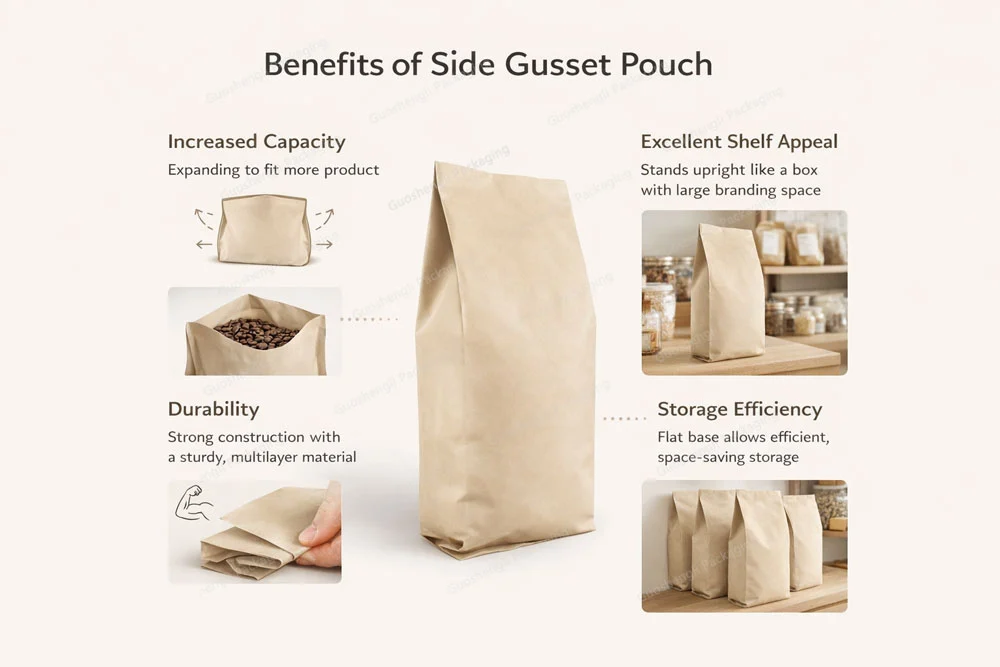
Specialised flexible packaging called side gusset bags are made for goods that need to stay fresh for a long time. Side gusset designs, unlike flat or stand-up pouches, have panels on both sides that can be expanded. When these walls are filled, they form a steady, rectangular shape that keeps the size small while increasing the space inside. This structural benefit makes them perfect for bulk products that need to be stored and transported easily, like coffee beans, tea leaves, pet treats, and powdered supplements.
The structure is usually made up of several bonded layers, such as PET for strength, aluminium foil or metallised films for barrier qualities, and polyethylene to seal heat. This mix provides strong defence against environmental factors that lower the quality of the product.
How the Degassing Valve Works
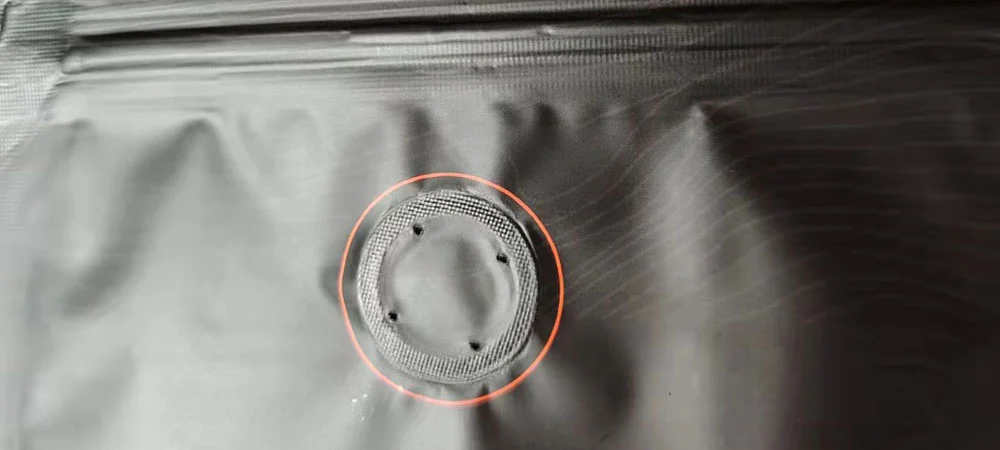
What really sets valve-equipped bags apart from regular flexible packaging is the built-in one-way degassing valve. For a few days after being roasted, freshly roasted coffee beans give off carbon dioxide. Without proper draining, this increase in gas creates pressure inside the pouches that can break seals or make them swell up and look broken on store shelves.
The valve solves this problem with a device that was carefully designed and built. The valve opens because of pressure inside, letting CO₂ escape. As soon as the internal pressure returns to normal, the valve shuts off, stopping air from entering. This managed gas exchange keeps aroma compounds safe while stopping oxidation, which is what breaks down flavours in coffee and other related goods.
Material Composition and Barrier Technology
For sensitive goods to last longer on the shelf, high-barrier materials are necessary. The layered structures used in the 1 kg side gusset pouch with valve are usually between 120 and 160 microns thick. Some common configurations are PET/AL/PE or MOPP/VMPET/PE, with each layer protecting something different. The aluminium or metallized layer blocks oxygen and light from getting through, and the PET layers on the outside don't get punctured or worn down when they're being handled.
Oxygen Transmission Rate and Water Vapour Transmission Rate tests are used to measure how well a barrier works. Most high-quality coffee bags, such as a 1kilo side gusset pouch with valve, have OTR values below 0.5 cc/m²/24hrs and WVTR values below 1.0 g/m²/24hrs, which means that there is very little leakage even after being stored for a long time. Because these technical specs are directly linked to how long something stays fresh, choosing the right material is an important buying decision for companies that make food packaging and health supplements.
Benefits of Side Gusset Pouches with Valves for Product Freshness
Superior Gas Management Compared to Traditional Packaging
Traditional packaging types, like solid cases or bendable bags without valves, have trouble managing gas for goods that need to be degassed. Rigid containers may have ways for air to flow through them, but they take up more room and cost more to ship. Standard bendable bags without openings either trap gases and damage the package, or they need to be packaged later until the gases are released, which makes production more difficult and lowers the freshness at the point of sale.
Side gusset pouches with valves are a beautiful way to solve these problems. The valve lets you package the food right away after roasting, keeping it at its freshest while safely controlling gas release. When compared to packaging that lets oxygen stay in for a long time, this feature greatly extends shelf life, often by several months.
Structural Advantages for Product Protection
The side gusset design has technical benefits that have a direct effect on freshness. When the pouch is full of one kilogram of coffee beans or similar products, it automatically takes on a stable, self-supporting shape. The weight is spread out evenly across the bottom gusset, which reduces stress points that could damage the seal while it is being stacked or moved.
The stability of the structure makes it less likely that holes and tears will appear and let the barrier protection through. This durability is especially important to companies that roast coffee and make pet food because their products are often handled many times before they reach customers. The small, rectangular shape also makes the best use of pallets, which cuts down on storage costs and the damage that shipping does to the earth.
Aroma and Flavor Preservation
Aroma preservation is a must for coffee roasters and speciality food makers. Aromatic chemicals that are volatile and give foods their unique flavours are very easily oxidised and evaporated. The 1kilo side gusset bag with valve has a better atmosphere inside because it is made of high-barrier materials and valve technology.
Oxygen levels stay low, which slows down the breakdown of oils and aromatic compounds by oxidation. At the same time, the valve stops pressure from building up, which could damage seals and cause tiny leaks. Independent tests show that coffee stored in valve pouches keeps its sensory quality scores much higher than coffee stored in non-barrier packaging for the same amount of time. This keeping of quality has a direct effect on customer happiness and the image of the company in markets where competition is high.
How to Choose the Right 1 Kilo Side Gusset Pouch with Valve for Your Products
Evaluating Material Compatibility
To choose the right packing materials, you need to know what problems your product has. Foil-based laminates work great for coffee and dry foods that need to keep oxygen and moisture out. Clear high-barrier films made with EVOH or metallized PET layers may work better than aluminium foil for products that need to be see-through for aesthetic reasons.
Manufacturers of pet food and treats should think about whether their goods contain oils that could get into the packaging and weaken the seal over time. FDA-approved food-grade materials make sure they are safe, but extra suitability testing makes sure they will work well for a long time in real-life keeping situations. Before placing a large order, procurement managers should ask suppliers for migration test reports and shelf-life validation data.
Valve Quality and Performance Specifications
Not every degassing valve works the same way. A good valve has a direct effect on how fresh food stays and how well the package stays together in a 1kilo side gusset pouch with valve. Valve seals that aren't very good might not work right, letting air in and defeating the purpose of protective packing. On the other hand, valves with too high an opening pressure might not let gases out properly, which could cause the package to bend.
Ask providers for technical details like the range of opening pressures, the rates of back-leakage, and the results of rapid ageing tests when you are examining them. Reputable makers test the one-way operation with suction and the structural stability under load with burst pressure.
Customization Options for Brand Differentiation
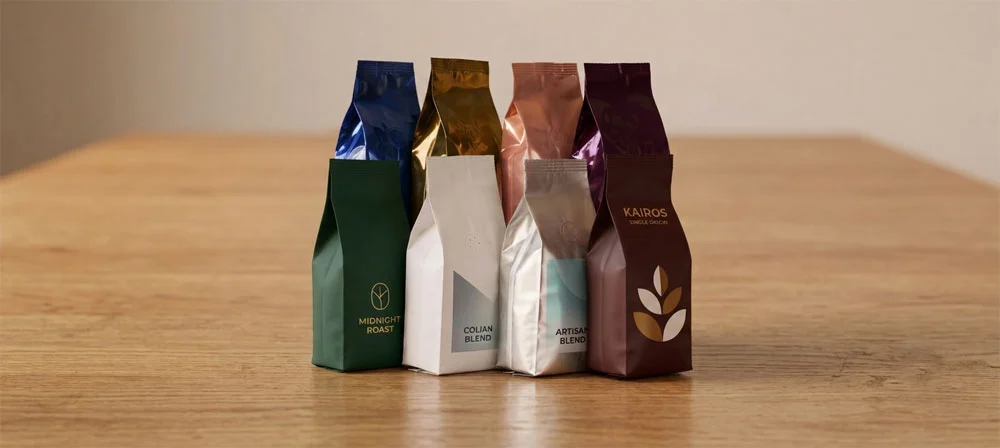
These days, B2B buyers want packaging that protects the goods and promotes it at the same time. Rotogravure printing with a high resolution (up to 11 colours) lets you use complex graphics and bright brand presentations that stand out on the shelf. Soft-touch coats, matte or shiny finishes, and other feel effects all make an object seem even more valuable.
Depending on the needs of the program, more useful features can be added. Products with resealable zippers make it easier to use for more than one purpose. Tear cuts make things easier to use. Hang holes make it easier to display things in stores. The clear windows let you see the product inside, but they also keep most of the package's surface protected. Brand teams and experienced packaging manufacturers need to work together to find the best balance between customising the look and making sure the packaging works well.
Supplier Credentials and Reliability
When doing foreign business-to-business purchases, the dependability of the seller decides whether the packaging helps or hurts operations. ISO 9001 for quality management, BRC for food safety, FDA compliance for access to the U.S. market, and SGS testing verification are all examples of certifications that give basic peace of mind. But licenses don't ensure that the same level of work will be done on return sales.
When processes are scaled up, production ability is important. If a seller has modern manufacturing tools like multiple printing presses, sealing lines, and turning equipment, they can handle more orders without lowering the quality. Consistency in lead times is just as important. Digital printing in 7–10 days and rotogravure printing in 15–20 days from some suppliers give you options for both quick starts and planned production cycles. Transactional vendors are different from reliable partners because they don't offer clear communication, technical support, or quick service.
Practical Usage and Storage Tips for Maximizing Freshness
Optimal Storage Conditions During Warehousing
Using the right storage methods is just as important as using good packaging. Changes in temperature and high humidity can put stress on package materials and speed up the breakdown of products. Keeping storage temperatures between 15°C and 25°C and relative humidity below 60% improves barrier efficiency and makes products last longer.
Damage to the goods is avoided by properly palletising them. The height at which you stack the boxes should follow the manufacturer's instructions. For bags with one kilogram of goods, this is usually between 6 and 8 pallet layers. Stacking weights that are too high can damage bottom pouches, which could affect the integrity of the seal. Enough airflow around pallets keeps condensation from forming, which could damage the adhesion of labels or printing on the outside.
Transportation and Handling Best Practices
Even though the 1kg side gusset pouch with valve is built to last, logistics always cause stress. Frequent shaking during transport, extreme temperature changes in shipping containers, and rough treatment at distribution centers are all things that can hurt the performance of the packaging. Using cardboard boxes that are the right size for the pouches reduces movement and wear and tear during shipping.
When sending goods across international borders, climate-controlled containers keep the temperature and humidity stable, which protects both the goods and the packaging. Handling instructions should be written down, especially for high-end coffee and speciality foods whose market value is directly linked to how fresh they are, such as a 1kilo side gusset pouch with valve. Damage rates and prices are lowered by clear handling directions.
Sustainability Considerations and Disposal Methods
Multi-layer barrier packaging is usually hard to recycle because the materials are so complicated. But new ideas are being generated by better recycling tools and government push. Some companies now make structures out of a single material that keep their blocking properties while making them easier to recycle. These things are made of polymer layers that work well with each other and can be recycled together in existing systems.
As alternatives, you could design packaging for industrial composting facilities or start take-back programs where they are cost-effective. Brands can meet their environmental goals and protect products at the same time by being clear about what materials are used and how they can be disposed of. The move toward packaging that can be recycled in its entirety shows that companies are realising that being environmentally friendly and making great products don't have to be mutually exclusive.
Case Studies and Performance Verification
Coffee Industry Applications
The biggest group of people who use side gusset pouches with valves is speciality coffee roasters. Benefits can be seen and measured in case studies from the North American and European markets. The consumer feedback scores for stability in smell and flavour also went up, which led to fewer complaints and returns.
In a different case, a monthly coffee service had trouble with packages getting too big while they were being shipped. When bags with properly adjusted degassing valves were introduced, bloating problems went away completely while keeping the air barrier needed for freshness. As the quality of the goods at delivery got better, more customers stayed with the business.
Quality Assurance Protocols
Before going on the market, rigorous testing makes sure that the packaging works as it should. Following ASTM F88 standards for heat seal strength testing makes sure that seals can handle handling pressures. Burst pressure testing makes sure that filled pouches stay together in fake distribution situations. By exposing packages to high temperatures and humidity, accelerated ageing studies can predict how well barriers will work in the long term.
Verification by a third-party lab adds authority. Independent confirmation of barrier properties, material safety, and structural integrity is given by SGS testing reports. These written test results back up regulatory compliance submissions and give procurement teams objective data on vendor performance that they can use to compare vendors.
Metrics for Freshness Retention
To measure freshness, you need to use testing methods that are specific to the product. Sensory groups regularly judge the general quality, flavour profile, and strength of the aroma in coffee. Gas chromatography measures the retention of volatile compounds, giving accurate information on the preservation of aromatic compounds. Moisture content analysis measures how well a barrier stops the flow of water vapour.
By comparing these metrics across different types of packaging, we can see that the 1kilo side gusset pouch with valve performs better. When compared to other packaging formats, products kept in high-barrier valve pouches consistently show slower degradation rates across all measured parameters. This validation based on data gives people more confidence in their buying decisions and backs up brands that put an emphasis on quality and premium pricing strategies.
Conclusion
Side gusset pouches with valves are a sophisticated way to package things that helps coffee roasters, food manufacturers, and health supplement brands keep their products fresh. When you combine multi-layer barrier materials with precision-engineered degassing valves, you get the best setting for extending shelf life, keeping sensory qualities, and making sure the product stays intact throughout the distribution chain. The side gusset design has structural benefits that make it more space-efficient and more durable. These benefits lower transportation costs and make sure that goods get to customers in great shape. To choose the right package, you need to carefully consider how well the materials work together, how well the valves work, how reliable the provider is, and how well the customisation choices fit with your brand's image. When used with the right storage methods and backed by strict quality checks, these bags make a measured difference in performance that has a direct effect on customer happiness and company image in competitive markets.
FAQ
1. Can side gusset pouches with valves be reused by end consumers?
While the 1kilo side gusset pouch with valve is designed primarily for single-fill manufacturing use, many designs incorporate resealable zippers that allow consumers to open and close the package multiple times. The degassing valve continues functioning throughout the product's life, though barrier effectiveness gradually diminishes once the original seal is broken and the package experiences repeated opening.
2. What are typical lead times for custom-printed valve pouches?
Lead times vary based on printing method and order volume. Digital printing typically requires 7-10 days from artwork approval to shipment, making it suitable for small batches and market testing. Rotogravure printing—which delivers superior color consistency and lower unit costs at volume—generally requires 15-20 days. Cylinder preparation for rotogravure adds to initial setup time but enables efficient repeat production.
3. Are eco-friendly valve pouch options available?
The packaging industry is actively developing more sustainable alternatives. Current options include mono-material structures designed for improved recyclability, bio-based films incorporating renewable content, and compostable materials suitable for industrial composting facilities. Material selection involves balancing environmental goals with barrier performance requirements. Consultation with experienced manufacturers helps identify solutions that meet both sustainability objectives and product protection standards for specific applications.
Partner with a Trusted 1 Kilo Side Gusset Pouch with Valve Manufacturer
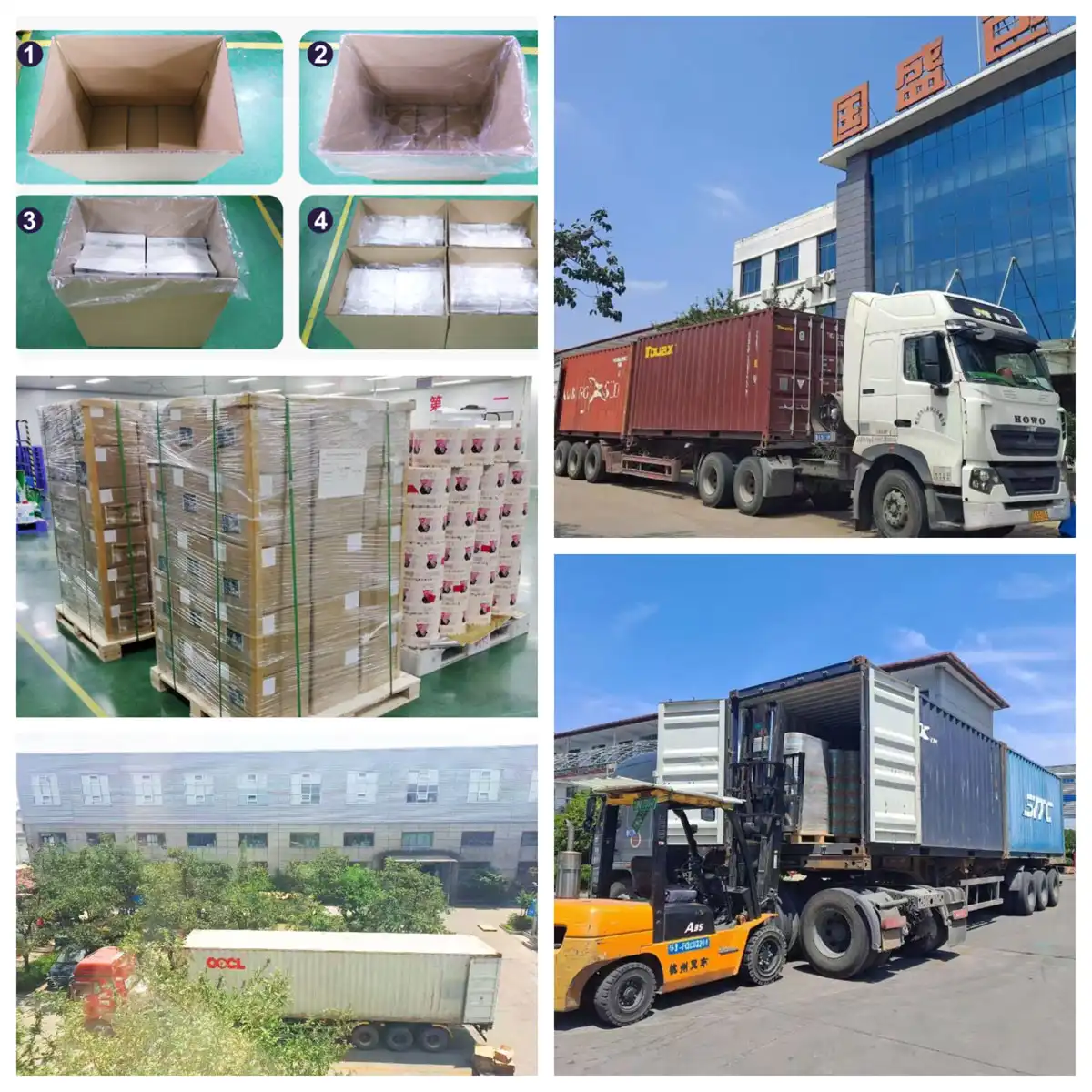
Guoshengli Packaging brings 25 years of flexible packaging expertise to help food brands, coffee roasters, pet food companies, and health supplement manufacturers solve freshness challenges with confidence. Our 1kilo side gusset pouch with valve combines multi-layer barrier protection, precision-calibrated degassing valves, and durable construction designed specifically for products requiring extended shelf life and aroma preservation. We support procurement teams with transparent quality verification, including ISO 9001, BRC, FDA, and SGS certifications that meet international market requirements.
Our manufacturing capabilities include up to 11-color rotogravure printing for impactful brand presentation, customizable features such as resealable zippers and eco-friendly materials, and flexible production timelines accommodating both urgent launches and planned scaling. Whether you need digital printing samples in 7-10 days or volume production with rotogravure consistency, our experienced team provides responsive technical support throughout the sourcing process.
Contact us at sales@guoshengpacking.com to discuss your specific requirements. Request samples to evaluate our valve pouch performance directly, or schedule a consultation to explore how our packaging solutions can enhance product freshness, reduce logistics costs, and strengthen your brand position in competitive markets.
References
1. Robertson, Gordon L. Food Packaging: Principles and Practice, 3rd Edition. CRC Press, 2012.
2. Marsh, Kenneth and Betty Bugusu. "Food Packaging—Roles, Materials, and Environmental Issues." Journal of Food Science, vol. 72, no. 3, 2007, pp. R39-R55.
3. Coles, Richard, Derek McDowell, and Mark J. Kirwan. Food Packaging Technology. Blackwell Publishing, 2003.
4. Siracusa, Valentina. "Food Packaging Permeability Behaviour: A Report." International Journal of Polymer Science, vol. 2012, Article ID 302029.
5. Ahvenainen, Raija. Novel Food Packaging Techniques. Woodhead Publishing, 2003.
6. Lee, Dong Sun, Kit L. Yam, and Luicano Piergiovanni. Food Packaging Science and Technology. CRC Press, 2008.