- English
- French
- German
- Portuguese
- Spanish
- Russian
- Japanese
- Korean
- Arabic
- Greek
- German
- Turkish
- Italian
- Danish
- Romanian
- Indonesian
- Czech
- Afrikaans
- Swedish
- Polish
- Basque
- Catalan
- Esperanto
- Hindi
- Lao
- Albanian
- Amharic
- Armenian
- Azerbaijani
- Belarusian
- Bengali
- Bosnian
- Bulgarian
- Cebuano
- Chichewa
- Corsican
- Croatian
- Dutch
- Estonian
- Filipino
- Finnish
- Frisian
- Galician
- Georgian
- Gujarati
- Haitian
- Hausa
- Hawaiian
- Hebrew
- Hmong
- Hungarian
- Icelandic
- Igbo
- Javanese
- Kannada
- Kazakh
- Khmer
- Kurdish
- Kyrgyz
- Latin
- Latvian
- Lithuanian
- Luxembou..
- Macedonian
- Malagasy
- Malay
- Malayalam
- Maltese
- Maori
- Marathi
- Mongolian
- Burmese
- Nepali
- Norwegian
- Pashto
- Persian
- Punjabi
- Serbian
- Sesotho
- Sinhala
- Slovak
- Slovenian
- Somali
- Samoan
- Scots Gaelic
- Shona
- Sindhi
- Sundanese
- Swahili
- Tajik
- Tamil
- Telugu
- Thai
- Ukrainian
- Urdu
- Uzbek
- Vietnamese
- Welsh
- Xhosa
- Yiddish
- Yoruba
- Zulu

When picking stand up pouches for your products, you need to make a plan that takes into account how they will work, how they will affect your brand, and how much they will cost. The right flexible packaging keeps your product safe, makes it look better on the shelf, and helps filling lines and distribution networks run more smoothly. As the market gets more competitive, this detailed guide shows procurement managers, packaging engineers, and brand decision-makers how to choose pouches that work the same way every time, from the first sample to repeat production runs, while also meeting food safety standards and sustainability expectations.
Understanding Stand-Up Pouches and Their Benefits
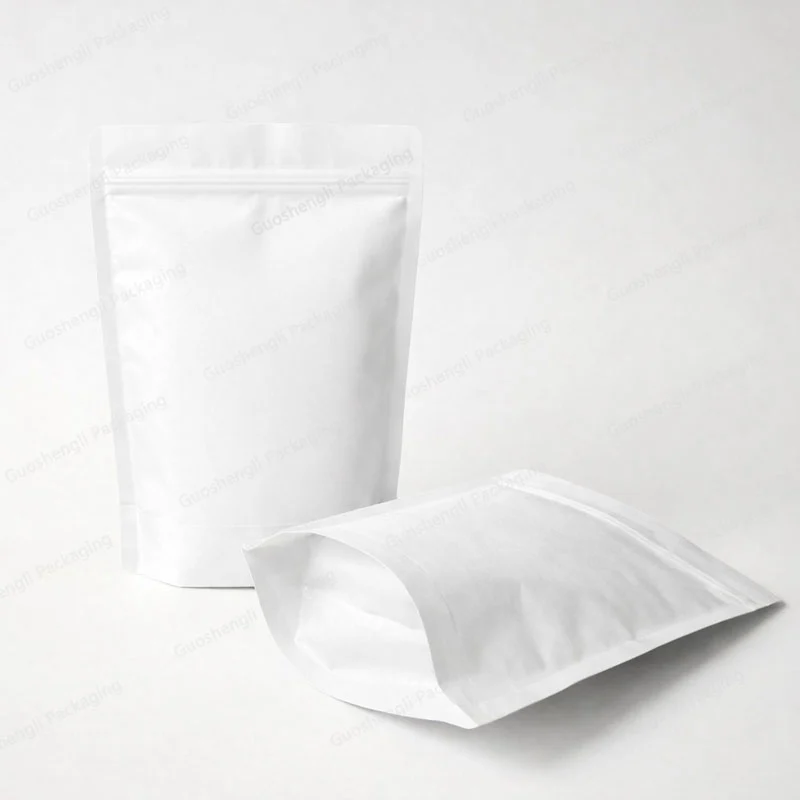
Stand-up pouches are a versatile and flexible type of packaging. They have a reinforced bottom gusset that lets the package stand up straight on store shelves without any extra support. This structure can stand on its own and has changed the way food, drinks, pet care, and wellness products are packaged. It has clear advantages over rigid containers and flat bags.
Why Flexible Packaging Outperforms Rigid Alternatives
The structure of these boxes makes them easier to see on shelves than flat packaging. The bright prints and high-quality finishes will catch people's attention. Instead of taking up a lot of space in warehouses and on trucks, rigid containers, flexible pouches can significantly reduce storage and transportation space, which lowers logistics costs all along the supply chain. Material efficiency in manufacturing means using fewer raw materials and having less of an effect on the environment. This is important to think about because brands are under more and more pressure to show they care about sustainability.
Material Technologies That Extend Product Shelf Life
These days, pouches are made with complex laminate structures that combine layers of PET, PE, nylon, and VMPET to make unique protective qualities. VMPET material protects very well against moisture getting in, oxygen getting in, and light breaking down, which are the three main things that make products less fresh and of lower quality. With this multi-layer method, makers can create package solutions that are perfect for protecting aromatic coffee blends, snacks that are sensitive to moisture, or supplements that react to light.
Convenience features that make people want to buy things
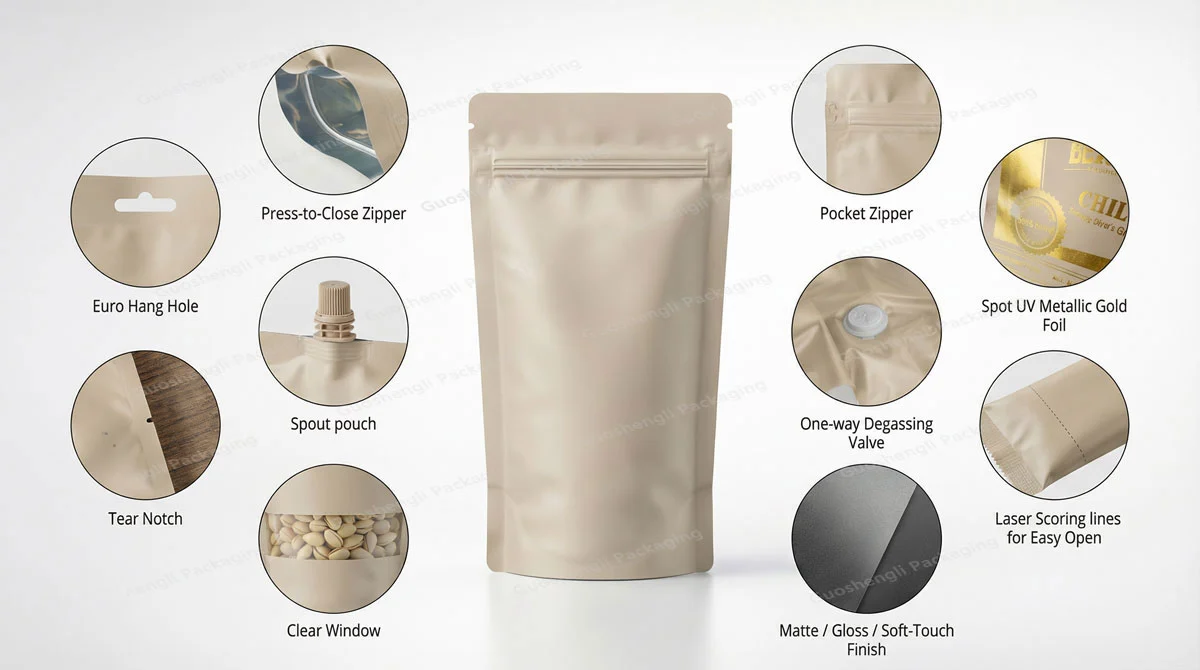
Resealable zip seals make it possible to use a product more than once after opening it for the first time. This cuts down on waste and makes customers happier. Easy-tear marks get rid of the irritation of packages that are hard to open, making the experience better for people of all ages and backgrounds. One-way gas release is possible with valves built into bag structures. This is important for newly roasted coffee and other products that lose gas while being stored. Transparent windows let people see the product, which boosts customer trust, while strategically placed and sealed methods keep the barrier's integrity.
Core Criteria to Consider When Choosing Stand-Up Pouches
Before making a purchase decision, packaging solutions, including stand up pouches, need to be carefully looked at across a number of performance factors to make sure they meet the needs of the product, the production capabilities, and the market positioning. A structured approach cuts down on mistakes that cost a lot of money and makes sure that packaging works reliably throughout its lifecycle.
Barrier Performance Requirements Based on Product Sensitivity
To keep the quality of the product and make it last longer, different types of products need different protection features. Dried nuts and veggies need mild moisture barriers to keep them from getting soft. To keep the smell while letting carbon dioxide out, coffee products need both high oxygen barriers and degassing valves. Protein powders and nutritional supplements need to be well protected from moisture so they don't clump and keep their effectiveness. Knowing your product's specific weaknesses helps you choose the right materials and create the laminate structure, so your product is protected without having to use overly complex and expensive solutions.
Size, Format, and Structural Adaptations for Your Product
The dimensions of the pouch must be right for the size of your product while also making the best use of space and visibility on the shelf. For single-serve and sample programs, smaller bags work best. For big goods, larger forms lower the cost per unit of packing. Standing stability is based on the width of the bottom seam. This is especially important for automatic filler lines where packages falling over slow down production. Configurations with side gussets boost capacity within the same size, making the most of the shelf's effect. Custom shape development lets brands stand out by making forms that are unique and catch people's eyes in crowded stores.
Functional Features That Enhance Filling Efficiency and Consumer Experience
Zipper integration lets you reclose products that you use more than once, but it costs more and needs filling equipment that works with it. Tear notches make it easier to open, but they need to be placed so that the package doesn't break too soon while being handled. Hang holes let pegboards be used for display in stores, which increases the number of ways to merchandise products. Rounded corners cut down on stress points that can cause seals to fail. These features need to work with your filler line and the tastes of your target market in order to provide value without adding too much complexity.
Material Selection Balancing Safety, Sustainability, and Cost
Food-grade compliance is the minimum standard for all material that comes into contact with food. This is proven by FDA approval and movement testing. BRC and ISO standards show that quality control is used throughout the whole production process. Recycling single-material structures helps circular economy efforts, but they might not be as good at blocking things as multi-material laminates. People who care about the environment like biodegradable choices made from PLA and PBAT materials, but they need to be carefully looked at to see if they really are compostable and if there are proper dumping systems in place. Material choices have a big effect on unit cost, so performance needs and budget limits need to be weighed against projected volumes.
Printing Technologies and Design Capabilities for Brand Differentiation
Rotogravure printing is great for high-volume production runs because it reproduces colours and details very accurately. It can handle up to 11-color patterns that make products stand out on the shelf. With wait times as short as 7–10 days compared to 15–20 days for rotogravure, digital printing lets you do smaller runs and make changes to designs more quickly. Spot UV coating gives things a tactile dimension and visual contrast that make them seem more valuable. Matte finishes show that the brand is natural and handmade, while high-gloss finishes show that the brand is of the highest quality. The type of printing you choose affects the impact of your brand, the cost of production, and how quickly new products can hit the market.
Supplier Evaluation: Quality Systems, Capacity, and Reliability
When you make the same thing for multiple orders, problems like different sizes, colours, and broken seals don't happen, which can be very expensive. The supplier's production capacity shows if they can grow with your business without affecting delivery times. Third-party checks of quality control tools give people faith in their continued compliance and ability to stop defects. Communication timeliness and technology know-how make it possible for people to work together to solve problems when they come up. Choosing a supplier is an important part of building a strategic partnership. It's not just about price at first; it's also about long-term operational stability and support for new ideas.
These review factors help you make smart buying choices that make sure the performance of the packaging meets your business goals. Guoshengli Packaging has been making products for 25 years, so they can guarantee stable, export-ready solutions that are designed to work the same way across production cycles. This protects your brand's image and improves business efficiency.
Comparing Stand-Up Pouch Types for Specific Use Cases
Different pouch configurations are used for different purposes and to target different markets. Knowing about these differences helps buying teams choose the best forms in terms of performance, cost, and customer appeal.
Stand-Up Versus Flat Pouch Configurations
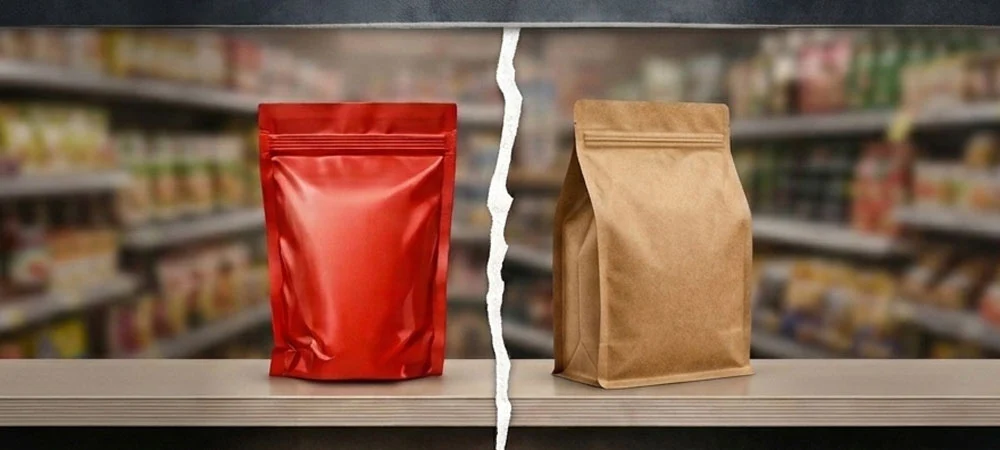
When compared to flat pouches that lie flat or hang from clips, stand up pouches stand out more on the shelf because they are vertical and have more visible surface area. The standing style makes it easier to browse and choose in stores, which increases conversion rates. But flat bags might be cheaper for things like industrial chemicals or big components where security is more important than how they look on the shelf. Modern VFFS equipment prefers stand-up forms because they are more stable during automatic filling. This cuts down on line stops and rejected units.
Reusable Versus Single-Use Design Philosophy
Reusable pouches with strong zipper closures make products look like high-end products that reduce waste by being useful for longer. This method appeals to people who care about the environment and supports higher prices. Single-use forms save money on original packing costs and make handling easier for products that are only used once or in situations where being able to close the package again doesn't add any value. The choice is based on how the brand is perceived, how people usually use it, and how to handle waste in target markets with different levels of disposal infrastructure.
Valve Integration for Specialty Applications
Valve-equipped bags meet the specific needs of goods that release gas after being packaged, like newly roasted coffee. One-way valves let carbon dioxide escape but stop oxygen from getting in. This keeps aromatic chemicals safe without bursting the package. This unique feature costs more, but it's necessary to keep the quality of products in areas where freshness has a direct effect on customer happiness and return purchases. It can be used for fermented foods and other things that have biological processes going on that need to control gas exchange.
Biodegradable and Recyclable Material Considerations
Kraft paper bags with little to no plastic lining can be recycled through current paper lines, which makes them appealing to brands that want to be seen as more natural. But barrier limits mean that only goods that are less sensitive to air and wetness can be used. Recyclable buildings made of single-material polyethylene structures, keep obstacles stronger and support recycling infrastructure in places where collection systems are already in place. Materials that can be composted that use PLA and PBAT resins need industrial recycling facilities that aren't usually found in consumer markets. This makes people wonder if the environmental benefits are real or just marketing promises. An honest look at the waste management systems in the areas you want to reach will help you choose materials that are truly sustainable and not just greenwashed.
This comparison helps procurement workers match bag specs with product features and market standards, making the most of the investment in terms of performance, cost, and brand alignment.
How to Procure Stand-Up Pouches: Navigating the B2B Market
To set up reliable packaging supply lines that help businesses grow, good buying strategies balance the skills of suppliers, the cost of orders, and the control of risk.
Sourcing Strategies: Direct Manufacturers Versus Distributors
When you work directly with flexible packaging makers like Guoshengli Packaging, you can get professional help, the ability to customise your order, and low prices for large orders. Manufacturing partnerships let people work together to solve problems and support new ideas in ways that distributors can't. Distributors make it easier to get smaller amounts of goods and faster shipping on standard forms, but they charge a fee that raises the unit cost. Direct manufacturer relationships offer better value and more operational flexibility for brands that want to increase production or need specific specifications.
Volume Economics and Order Planning
When you order in bulk, you save money on each unit because the manufacturing process is more efficient and the setup costs are spread out over more products. When production runs below the minimum efficient size, prices go up, and the cost per unit can double compared to when numbers are optimised. Planning purchases based on accurate predictions of demand strikes a balance between the costs of holding goods and the benefits of lower unit prices. Because of lead times, you need to buy ahead of time to account for production plans, foreign shipping, and customs clearing. For example, it usually takes 4 to 6 weeks for ocean freight from Asian makers or 7 to 10 days for urgent air shipping needs.
Supplier Credential Verification and Sample Testing
Certification proof, like ISO 9001, BRC, and FDA compliance, gives people basic trust in quality systems and following the rules. Third-party test results from SGS and other similar labs back up claims about barrier performance, migration compliance, and seal strength. Before committing to production orders, testing a sample on your real filling equipment shows any compatibility problems. This keeps your line from being interrupted, which can be very expensive. Quality that stays the same across multiple sample runs is a sign of good quality control, not just picking the best efforts. Doing your research at this stage keeps problems from happening later on that hurt the brand's reputation and use up management resources.
Value-Added Services That Simplify Procurement
Full-service companies that offer design advice help brands get the best package for their goods and how they want to place themselves in the market. Help with choosing materials strikes a mix between performance needs, environmental concerns, and financial limitations. Before spending money on tools, prototype development checks that designs work. Some companies use digital printing for small runs when a new product is being released, but switch to rotogravure for established products that need to be made in large quantities. These services make buying things easier and speed up the time it takes to get new goods and line additions on the market.
When you use strategic buying methods, you build relationships with your suppliers that are more like partnerships than transactions for stand up pouches. This gives you a competitive edge through innovative packaging and reliable operations.
Best Practices and Tips for Long-Term Use and Brand Trust
To get the most out of packaging throughout the supply chain, it's important to pay attention to storage conditions, design optimisation, and being open about sustainability efforts.
Storage and Handling Protocols
When pouches are kept in places with controlled temperature and low humidity, the seal and protective function stay intact until they are used. Too much heat speeds up the breakdown of materials and can weaken laminating ties. Being exposed to humidity can make zippers less useful and may let wetness through, which weakens barrier protection. The right way to handle pouches keeps them from wrinkling and puncturing, which can lead to leaks. This is especially important for pouches that have high oxygen or moisture barriers, where even small flaws can have a big effect on protecting the product. By teaching warehouse and production staff about these requirements, you can stop quality problems that are caused by bad storage rather than bad manufacturing.
Custom Design Elements That Strengthen Brand Identity
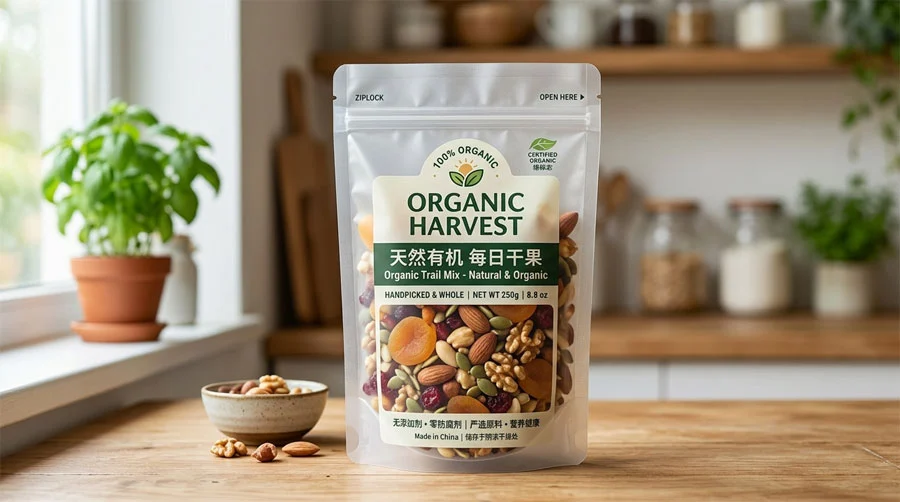
Colour psychology, font, and images can be used in a smart way to create unique brand marks that people can spot right away on busy shelves. Consistent design elements across product lines help build brand loyalty and make it easier to add new products to the line. Spot UV coating on logos and key messages makes them more tactile, which keeps people interested as they handle the product. Positioning clear windows to show off the quality of the product helps build trust and sets it apart from competitors who use dark packaging. For these design efforts to work, you need to work with suppliers right away who can help with logo design and offer advanced printing services.
Sustainability Communication That Builds Consumer Trust
Real efforts to be more environmentally friendly, like using recyclable materials, making packaging lighter, or making sure it can be composted, should be clearly stated on packaging and marketing materials. Greenwashing claims that hurt a brand's trustworthiness must be backed up by specific claims and certificates. Making it clear how to get rid of things helps consumers support the goals of the circular economy by recycling or composting properly. When brands successfully include sustainability in their packaging strategy, customers often become more loyal and are willing to pay more for the product, especially younger people who care about the environment.
These practical practices and strategy methods make sure that investments in packaging get the best return on investment through protecting products, setting brands apart, and building trust with customers throughout the lifetime of a product.
Conclusion
To choose stand up pouches, you have to think about a lot of different performance factors, costs, and strategic business goals. This thorough evaluation process includes everything from barrier requirements and material choice to supplier credentials and positioning for sustainability. This makes sure that packaging solutions protect the integrity of products while making markets more competitive. When procurement professionals carefully consider functional needs, format options, and form relationships with skilled makers like Guoshengli Packaging, their brands are set up for practical success and market growth. As materials technology and sustainability innovations improve, the flexible packaging landscape continues to change. For brands trying to meet the complex needs of the market, supplier relationships that offer technical expertise and consistent manufacturing are becoming more and more valuable.
FAQ
1. What barrier properties should I specify for moisture-sensitive snack products?
Moisture-sensitive products like chips, nuts, and dried fruits typically require pouches with water vapor transmission rates below 0.5 g/m²/24hr. PET laminate structures combining aluminum oxide coating with polyester and polyethylene layers deliver this protection effectively. The specific barrier level depends on desired shelf life, storage conditions, and product moisture content at packaging. Working with experienced suppliers who can model barrier requirements against your shelf life targets ensures adequate protection without over-specifying costly materials.
2. Can I order custom sizes with resealable zippers for small production runs?
Many flexible packaging manufacturers accommodate custom specifications even for moderate volumes, though minimum order quantities vary by supplier. Digital printing technology enables custom designs on runs as small as 5,000-10,000 units, making customization accessible for emerging brands and product testing. Zipper integration requires compatible pouch-making equipment but represents standard capability for established manufacturers. Lead times for custom orders typically range from 15-25 days depending on complexity and production schedules.
3. How do recyclable pouches compare in cost and performance to traditional multi-layer packaging?
Recyclable mono-material structures generally carry 15-30% price premiums compared to conventional multi-layer laminates, though costs continue declining as technology matures. Barrier performance remains adequate for many applications but may not match conventional materials for products requiring extreme oxygen or moisture protection. Brands should evaluate whether recyclability advantages justify potential shelf life reductions or cost increases based on target market priorities and competitive positioning.
Partner with a Trusted Stand Up Pouch Manufacturer
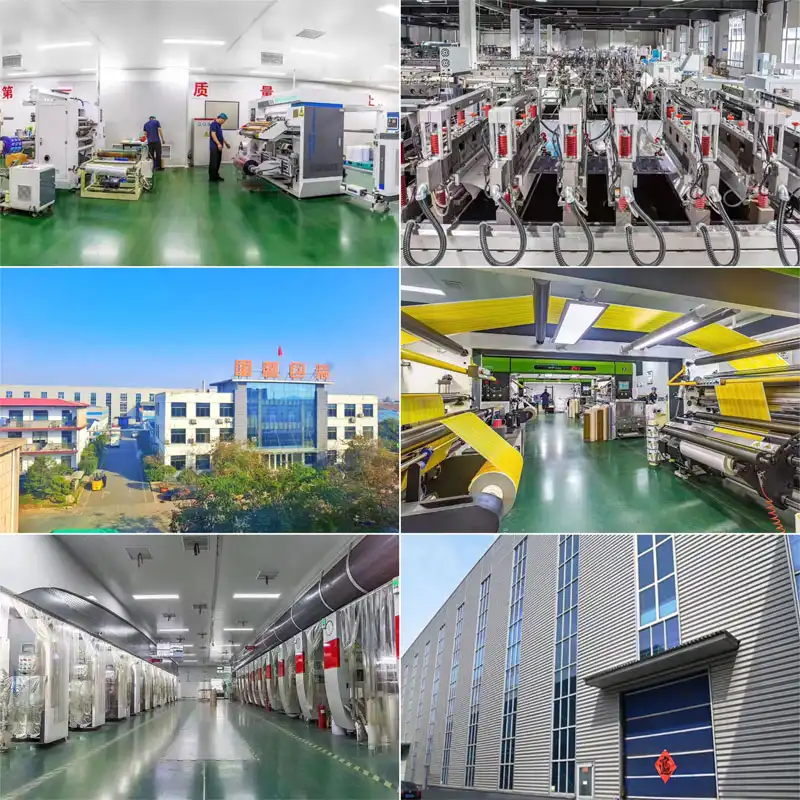
Guoshengli Packaging delivers consistent, export-ready flexible packaging solutions engineered for B2B procurement teams who value manufacturing reliability over short-term sourcing decisions. Our 25 years of production experience across food, pet care, and wellness industries ensures stable quality that performs batch after batch—eliminating the costly disruptions that plague brands working with inconsistent suppliers. We specialize in custom stand up pouches featuring VMPET barrier protection, spot UV printing, and consumer-friendly features like easy-tear notches and resealable zippers, all produced under FDA, BRC, and ISO certified quality systems that meet international regulatory requirements.
Whether you need rapid digital printing for product launches (7-10 days) or high-volume rotogravure production (15-20 days), our manufacturing capacity and technical expertise support your growth across market cycles. Contact our team at sales@guoshengpacking.com to discuss your specific requirements and request sample kits that demonstrate our quality commitment.
References
1. Robertson, G.L. (2016). Food Packaging: Principles and Practice, Third Edition. CRC Press, Boca Raton, Florida.
2. Marsh, K. & Bugusu, B. (2007). Food Packaging—Roles, Materials, and Environmental Issues. Journal of Food Science, 72(3), R39-R55.
3. Selke, S.E.M., Culter, J.D., & Hernandez, R.J. (2004). Plastics Packaging: Properties, Processing, Applications, and Regulations, Second Edition. Hanser Publications, Munich.
4. Yam, K.L. (2009). The Wiley Encyclopedia of Packaging Technology, Third Edition. John Wiley & Sons, Hoboken, New Jersey.
5. Coles, R. & Kirwan, M.J. (2011). Food and Beverage Packaging Technology, Second Edition. Wiley-Blackwell, Oxford.
6. Emblem, A. & Emblem, H. (2012). Packaging Technology: Fundamentals, Materials and Processes. Woodhead Publishing, Cambridge.