- English
- French
- German
- Portuguese
- Spanish
- Russian
- Japanese
- Korean
- Arabic
- Greek
- German
- Turkish
- Italian
- Danish
- Romanian
- Indonesian
- Czech
- Afrikaans
- Swedish
- Polish
- Basque
- Catalan
- Esperanto
- Hindi
- Lao
- Albanian
- Amharic
- Armenian
- Azerbaijani
- Belarusian
- Bengali
- Bosnian
- Bulgarian
- Cebuano
- Chichewa
- Corsican
- Croatian
- Dutch
- Estonian
- Filipino
- Finnish
- Frisian
- Galician
- Georgian
- Gujarati
- Haitian
- Hausa
- Hawaiian
- Hebrew
- Hmong
- Hungarian
- Icelandic
- Igbo
- Javanese
- Kannada
- Kazakh
- Khmer
- Kurdish
- Kyrgyz
- Latin
- Latvian
- Lithuanian
- Luxembou..
- Macedonian
- Malagasy
- Malay
- Malayalam
- Maltese
- Maori
- Marathi
- Mongolian
- Burmese
- Nepali
- Norwegian
- Pashto
- Persian
- Punjabi
- Serbian
- Sesotho
- Sinhala
- Slovak
- Slovenian
- Somali
- Samoan
- Scots Gaelic
- Shona
- Sindhi
- Sundanese
- Swahili
- Tajik
- Tamil
- Telugu
- Thai
- Ukrainian
- Urdu
- Uzbek
- Vietnamese
- Welsh
- Xhosa
- Yiddish
- Yoruba
- Zulu

When searching for robust packaging that protects your products while enhancing shelf appeal, Quad Seal Pouches & Bags emerge as the practical choice for businesses across food, pet food, beverage, and supplement industries. These four-corner sealed packages deliver structural strength and branding versatility that traditional packaging formats struggle to match. Their reinforced design accommodates heavy loads—from flour and grains to coffee and pet treats—while maintaining shape integrity throughout distribution and retail display. With over 25 years of manufacturing experience, we've witnessed how the right packaging choice transforms product protection and brand perception in competitive markets.
Understanding Quad Seal Pouches: Design, Materials, and Functionality
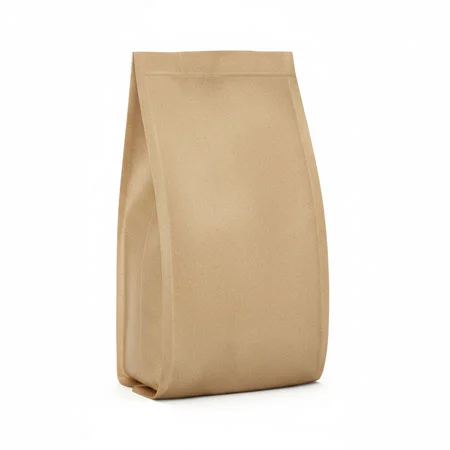
The structure of quad seal bags is different from regular flexible packaging because they have four vertical seals in each corner. This way of engineering makes a stable structure that looks like a box and provides improved shelf stability. In side-gusset bags, the seals are in the middle of the back panel. In quad seal designs, the seals are moved to the edges, making four separate printed surfaces: the front, the back, and two sides.
What Makes the Four-Corner Seal Different
The structural benefit comes from the way the weight of the product is spread out in these bags. When it's full, the products will settle into the strengthened corners on their own, making the base stable. This gets rid of the slouching issues that come up with other adjustable forms. Heat sealing creates a hermetic seal that preserves the integrity of the multilayer barrier structure. This makes the seal impermeable, which is important for granular products like rice, flour, or pet food. The flat panels have smooth, flat surfaces that are perfect for rotogravure printing. This means that your logo and other branding elements will look clean and professional from every angle.
Material Composition and Barrier Properties
Our quad seal bags are made from laminates, common structures include PET/VMPET/PE, PET/AL/PE, MOPP/VMPET/PE, Mono PE. The Oxygen Transmission Rate (OTR) and Water Vapour Transmission Rate (WVTR) goals for this lamination approach are based on the sensitivity of your product. Low OTR structures help coffee roasters keep aromatic compounds, while flour packaging needs moisture barriers to keep the flour from clumping while it's being stored. The thickness of the material is usually between 120 and 180 microns, and it is designed to handle products weighing between 500 grams and 20 kilograms without the seal breaking or the material wearing out.
Functional Features That Address Real Needs
In addition to closing, these bags can hold useful extras that make the user experience better. With resealable zipper seals, products stay fresh even after being opened. This is especially helpful for coffee and vitamin powders. One-way degassing valves let the CO2 out of roasted coffee but stop air from getting in. Tear notches make it easy to open without scissors. Clear windows let people see the quality of a product before they buy it. Having carrying handles makes it easier to move large products. We build these features into the production process instead of adding them after the fact. This way, the structural stability is not affected.
Quad Seal Pouches vs Other Flexible Packaging Options: A Rational Choice Approach
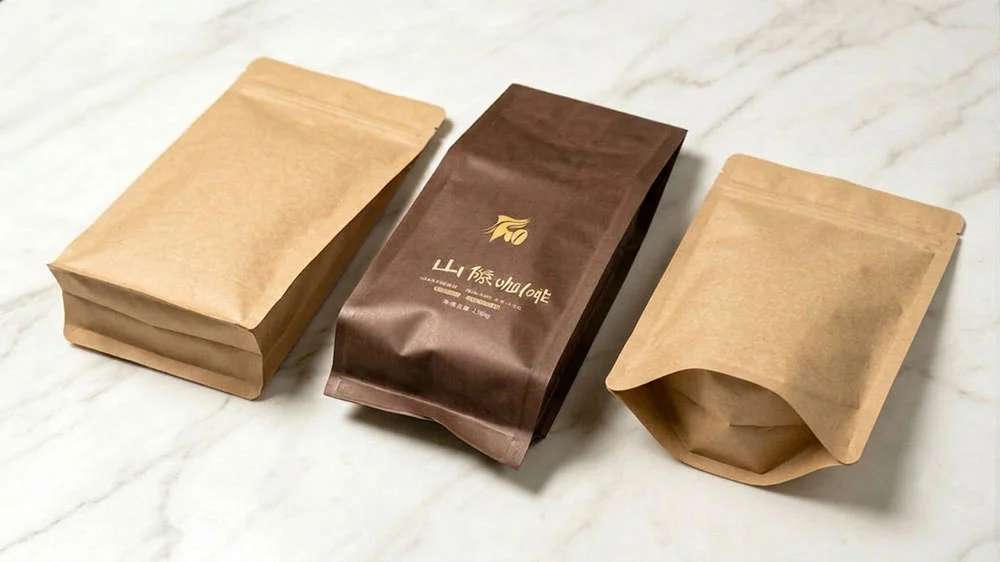
When making decisions about what to buy, it helps to know how different types of packaging work in real life. This comparison helps you understand when Quad Seal Pouches & Bags designs are a better value than other options that are often thought of in B2B sourcing.
Structural Stability Comparison
Bottom gussets help stand-up bags stay upright, but when they're full of heavy products, this design puts most of the stress at the gusset fold. Because their bases are designed flat, bottom pouches are more stable, but their three-seal construction means they don't have as many strengthened edges as quad seal forms. Three-side seal pouches don't have any vertical support, so they can't be used to show off bulk products on a shelf. The four-corner seal design spreads stress across several strengthened places, so the shape stays the same even when the product is being handled. This is especially important for things like pet food or flour that move around and get hit while being shipped.
Barrier Performance and Product Protection
The continuous seal around the edges of quad seal pouches makes a barrier zone that doesn't break. The back seal of side-gusset bags is in the center panel, which makes a possible weak spot where the material layers overlap. This weakness is taken care of by our quad seal design, which uses edge-positioned seals that join smoothly without interference from overlap.
Cost-Effectiveness Analysis
Quad seal pouches may cost a little more per unit than simple three-side seal bags, but for some uses, the total cost equation works out better for them. Because they can hold more, they need fewer packing pieces for large goods. Less damage to the product during shipping means less money spent on replacements and fewer complaints from customers. Better shelf presence can speed up sales, which can offset the cost of packaging by turning over inventory more quickly. When buying things between 1 and 20 kilograms that need a modest to high level of protection, quad seal designs usually offer better value throughout the whole supply chain, not just at the purchase order level.
Benefits of Quad Seal Pouches for B2B Food and Product Packaging
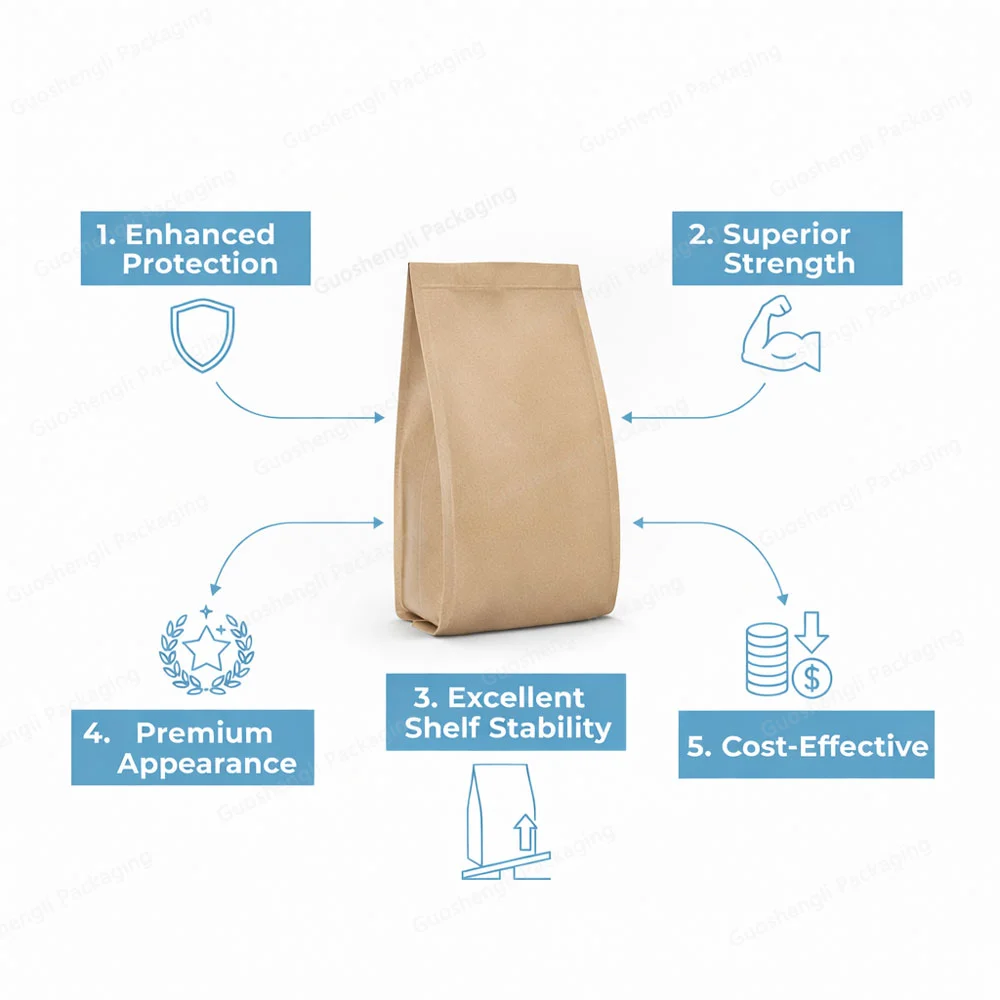
When manufacturers and distributors choose quad seal packaging for their product lines, they get real operational benefits. Not only do these benefits help with control, but they also help with supply chain efficiency and market placement.
Enhanced Transit Durability
Four-corner seal bags are better than lighter-duty forms for protecting goods during automatic filling lines, palletisation, and shipping because they can handle the mechanical pressures better. When the packages are stacked, the strengthened corner seals keep the other packages from poking holes in them. The hard structure keeps the package from deforming, which could lead to it being rejected at store delivery centers.
Branding and Marketing Advantages
Compared to regular pouches, the four-panel surface area gives a lot more room for brand messaging, nutrition facts, and visual design. With our 11-color rotogravure printing, we can make very clear copies of complicated drawings, patterns, and photos. The flat panels get rid of the distortion that comes from printing on curved surfaces. You can match the look of your packaging to how you want to position your brand. Matte surfaces communicate artisanal quality, while glossy finishes suggest a premium positioning. Customers can check the colour and texture of products like speciality flours, loose-leaf teas and natural pet treats by placing clear windows on the front panels in key places.
Sustainability Integration
As brands try to meet customer needs and government rules, environmental duty is becoming more and more important in B2B purchasing decisions. We have Quad Seal Pouches & Bags made from structures made of a single material polypropylene, that can be recycled in the usual ways. These choices can be recycled and still work well as barriers for many dry food uses, while also helping to reach goals for a circular economy. Our factory uses RTO (Regenerative Thermal Oxidiser) technology, which cuts VOC emissions by 99%. This helps to reduce the damage that printing does to the environment. When sustainability is important to your brand or your customers, we offer material choices and certifications that back up your environmental claims without putting product safety at risk.
How to Choose and Procure the Best Quad Seal Pouches for Your Business
To do strategic sourcing of packaging, you need to make sure that the right material specifications and supplier capabilities are in line with the brand's goals, the product's characteristics, and the needs of the supply chain. Procurement professionals can make decisions that balance performance, cost, and risk by keeping the following things in mind.
Defining Your Technical Requirements
First, write down how sensitive your product is to water, air, light, and damage. Products that absorb moisture, like flour or supplement powder, need low WVTR barriers, which may require metallized or aluminum-based barrier structures depending on the required shelf life.. To keep them from going bad, coffee and roasted nuts need low OTR structures. Set the shelf life you need for the way you plan to store the food, whether it's in an open building, a cold delivery area, or an area where the temperature changes often. Find out how much the package can weigh and how big it can be based on how dense your products are and how you want them to look in stores. These technical factors will be the basis of your buying criteria.
Evaluating Supplier Capabilities
Reliable sellers show that the quality of their goods is the same for all sales, not just the first few samples. Ask for proof of your abilities, such as proof of production equipment, quality certifications, and testing protocols. We run 49 converting machines, 7 rotogravure printing presses, and 6 laminating lines, which gives us the capacity to meet delivery dates without lowering quality during times of high demand. Our ISO 9001, BRC, FDA, and SGS standards show that we handle quality in an orderly way. If you need to look into product problems, you need to ask possible providers about their traceability systems. These should include ways to track everything from the lots of raw materials they use to the finished goods they make.
Understanding MOQ and Customization Flexibility
Minimum order amounts have a direct effect on the cost of investing in goods and storing them. Depending on the size and complexity, standard production of quad seal pouches usually needs MOQs of 10,000 to 50,000 units. We have flexible MOQ structures that let both new brands testing the market and established companies needing container-load volumes. You can customise by choosing the material, the size, the design, and even by adding functional features like zippers or valves. Digital printing lets you make unique orders in small quantities with wait times of 7–10 days, which is helpful for new product launches or seasonal changes. Rotogravure printing has better quality and lower unit prices for production runs of more than 50,000 units, and the wait time is between 15 and 20 days.
Pricing Strategies and Total Cost Optimization
Unit pricing is only one part of the cost of packaging. Consider the delivered cost from each seller, taking into account freight, border taxes, and the difficulty of the processes. Directly getting from factories can save you 15 to 25 percent on costs compared to buying from middlemen, and it also makes it easier to communicate and make changes. Think about the total cost of ownership, which includes protecting the product (less damage), making the filling line more efficient (fewer stops), and improving the brand's impact (faster sales). To accurately compare prices from different sources, you should ask for thorough quotes that include information about the materials used, how they will be printed, and what features will be included. Set up outline deals to make sure that prices for repeat orders are always the same, which will protect you from material cost changes.
Manufacturing and Ordering Process of Quad Seal Pouches
Knowing how production works helps business-to-business buyers predict lead times, find ways to customise products, and talk to manufacturing partners clearly about their needs. When manufacturing processes are clear, people have more faith in the quality of the final product and the reliability of the delivery.
Material Selection and Lamination
The first step in production is choosing food-grade film materials that meet your barrier needs and fit your budget. We get our PET, PE, aluminium foil, and speciality films from approved providers who give us information about the materials and proof that they are safe for food contact. During the lamination process, controlled temperature and pressure are used to stick these layers together with special glue. Our six laminating lines have precise tension control that keeps wrinkles and air bubbles from forming, which are typical problems that make barriers less effective. Before it goes to printing, each laminated roll is looked at and tested for its barrier properties.
Printing and Quality Control
Rotogravure printing uses etched cylinders to copy your artwork onto a coated base. This makes sure that the ink is applied consistently across production runs. To make sure the colours and graphics are correct, we digitally proofread the artwork and make press samples for you to approve before we start full production. With our 11-color printing, we can make complex designs on metallized films using metallic inks and opaque whites. During the whole print run, inline colour monitoring systems check the registration and density of the ink. This quality control stops colour shift between production runs, which is bad for brand stability.
Converting and Finishing
The printed rolls are sent to our transforming area, where 49 specialised tools cut, seal, and add features to make Quad Seal Pouches & Bags that are ready to use. Precision cutting ensures accurate measurements, which is necessary for automated filling equipment to work with the parts. Controlled temperature, pressure, and rest time are used for heat sealing, and they are different for each type of material. Attaching zippers, valves, and holes is made easier with hole punchers, valve inserters, and zipper applicators. Before putting pouches into cartons to ship, final inspection stations check the quality of the print, the integrity of the seal, and the compliance of the dimensions.
Lead Times and Logistics Coordination
Rotogravure printing usually takes 15 to 20 days from the time the artwork is accepted until the production is finished. For urgent jobs or test market amounts, digital printing choices cut wait times down to 7–10 days. We handle export paperwork and ensure that customs rules are followed for international shipments by coordinating goods forwarding. Air freight delivery gets to North American regions four to five days after production is finished, which is helpful when trying to quickly restock an inventory. Shipping by sea is cheap for container loads, and it takes 25 to 35 days to get there. Clear communication during production lets you know how things are going and lets you make changes ahead of time if your needs change.
Sustainability and Environmental Considerations for Modern Packaging
As brands try to meet government rules and customer tastes, environmental responsibility is becoming more and more important in their packaging choices. Strategies for sustainable packaging need to find a balance between protecting the environment, making money, and protecting products.
Recyclable Material Structures
Due to their single-material plastic design, quad seal bags can be recycled using current systems without needing to be processed in a special way. These structures take the place of laminates made of different materials that can't be separated by normal recycling systems. Pure PE constructions have average barrier qualities that make them good for many dry food uses, but they can't compare to the oxygen and moisture barriers of aluminium foil laminates, which are needed for very sensitive products. We help you figure out if single-material products that can be recycled have the right shelf life for your products or if you need higher-barrier structures for product safety and waste-to-energy systems for dumping at the end of their useful life.
Manufacturing Environmental Impact
The RTO exhaust gas treatment technology in our factory gets rid of 99% of the volatile organic compounds that are made during the printing and laminating processes. This investment shows that we are serious about lowering the environmental impact of industry in more ways than just the products themselves. Equipment that uses less energy and rules for minimising trash during production lower the amount of resources needed to make a package. We provide environmental compliance documentation to help you meet the requirements for customer transparency and corporate sustainability reporting.
Balancing Protection and Environmental Goals
Sustainable packaging is only useful when the goods inside are still usable when they get to the customers. Wasted product, energy, and resources from packaging that doesn't protect contents have a bigger effect on the environment than the packaging material itself. We work with you to figure out the minimum barrier protection and material thickness that will keep the food fresh for as long as you need it to. This way, we don't over-package or under-protect it. This method of optimisation achieves real sustainability by making the best use of resources, rather than making choices about materials that are purely symbolic and weaken product security.
Conclusion
Quad Seal Pouches & Bags are useful for buying things from other businesses because they have stronger four corners, better barrier properties, and better branding surfaces for food, pet food, drinks, supplements, and industrial goods. The strength of their structure keeps heavy loads safe during transport and helps brands stand out on store shelves. Material customisation options can be used for a wide range of products, from flours that are sensitive to moisture to coffee that is sensitive to oxygen. Manufacturing features like rotogravure printing, adjustable MOQs, and short production cycles make it possible for both new brands and established makers to get packaging that fits their needs in terms of scale and time. Materials that can be recycled and manufacturing methods that produce few emissions are both important for sustainability. Choosing package providers based on their technical skills, quality systems, and open communication lowers the risk of the purchase and helps keep product quality uniform across multiple orders.
FAQ
1. What products benefit most from quad seal pouch packaging?
Heavy or dense products including flour, rice, grains, coffee, pet food, and powdered supplements gain the most advantage from four-corner seal construction. The reinforced edges and stable base structure prevent package deformation and seal failure common with lighter-duty formats when handling bulk volumes. Products requiring extended shelf life through high-barrier protection also benefit from the reinforced edge sealing configuration that eliminates potential weak points.
2. How do I determine the right barrier properties for my application?
Product sensitivity testing establishes shelf life requirements under expected storage conditions. Moisture-sensitive products like flour need low WVTR films incorporating aluminum foil barriers. Oxygen-sensitive products like coffee require low OTR structures. We provide material recommendations based on your product characteristics and target shelf life, supported by accelerated aging tests that predict real-world performance. Our technical team helps match material specifications to your performance requirements without over-engineering.
3. Can quad seal pouches run on automated filling equipment?
Properly specified pouches integrate smoothly with VFFS (vertical form fill seal) equipment and pre-made pouch filling lines. Dimensional accuracy and material stiffness specifications must align with your equipment's handling capabilities. We provide technical data sheets covering pouch dimensions, seal strengths, and material properties that equipment manufacturers require for compatibility verification. Sample pouches enable filling trials before production commitments.
Partner With a Quad Seal Pouches & Bags Manufacturer You Can Trust
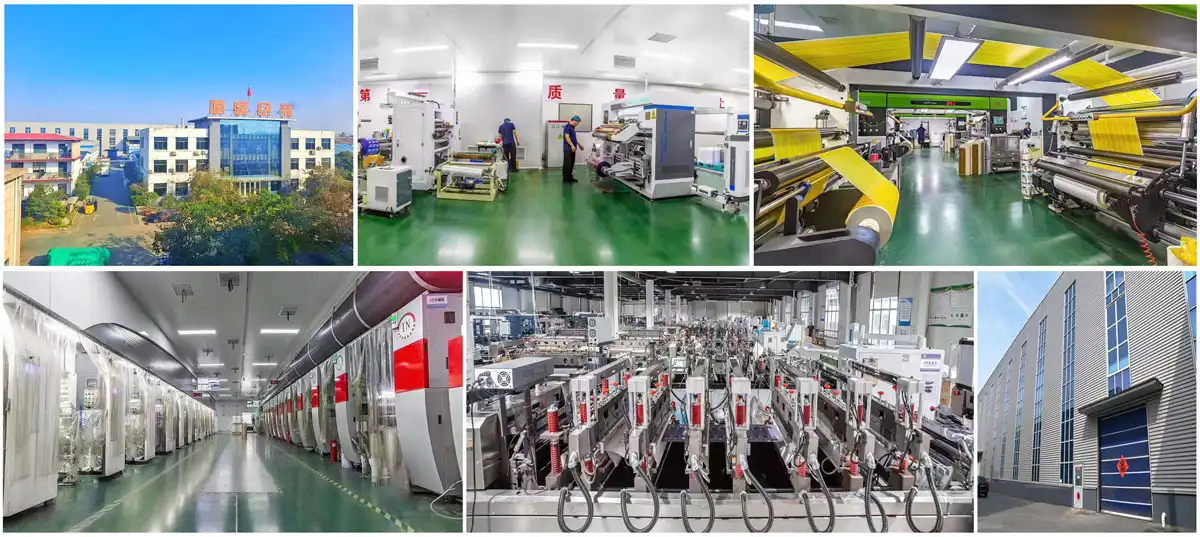
Guoshengli Packaging brings 25 years of flexible packaging manufacturing experience to your sourcing requirements. Our Quad Seal Pouches & Bags solutions combine structural engineering, barrier technology, and printing excellence that protect your products while elevating brand presentation. We understand the operational challenges B2B buyers face—inconsistent quality across orders, communication gaps, and production delays—and our systems specifically address these pain points through certified quality management, transparent production tracking, and reliable delivery schedules. Whether you're packaging flour, coffee, pet treats, or supplement powders, our customizable solutions match your technical specifications and volume requirements. Our ISO 9001, BRC, FDA, and SGS certifications provide the compliance documentation your quality assurance teams require. Flexible MOQs accommodate emerging brands testing market response alongside established companies requiring container volumes. Contact sales@guoshengpacking.com to discuss your packaging requirements with our technical team, request material samples, or receive detailed quotations.
References
1. Robertson, Gordon L. Food Packaging: Principles and Practice, 3rd Edition. CRC Press, 2012.
2. Marsh, Kenneth and Betty Bugusu. "Food Packaging—Roles, Materials, and Environmental Issues." Journal of Food Science 72.3 (2007): R39-R55.
3. Selke, Susan E.M., John D. Culter, and Ruben J. Hernandez. Plastics Packaging: Properties, Processing, Applications, and Regulations, 3rd Edition. Hanser Publications, 2016.
4. Coles, Richard and Mark Kirwan, editors. Food and Beverage Packaging Technology, 2nd Edition. Wiley-Blackwell, 2011.
5. Yam, Kit L., editor. The Wiley Encyclopedia of Packaging Technology, 3rd Edition. John Wiley & Sons, 2009.
6. Brody, Aaron L. and Kenneth S. Marsh, editors. Encyclopedia of Packaging Technology, 2nd Edition. John Wiley & Sons, 1997.