- English
- French
- German
- Portuguese
- Spanish
- Russian
- Japanese
- Korean
- Arabic
- Greek
- German
- Turkish
- Italian
- Danish
- Romanian
- Indonesian
- Czech
- Afrikaans
- Swedish
- Polish
- Basque
- Catalan
- Esperanto
- Hindi
- Lao
- Albanian
- Amharic
- Armenian
- Azerbaijani
- Belarusian
- Bengali
- Bosnian
- Bulgarian
- Cebuano
- Chichewa
- Corsican
- Croatian
- Dutch
- Estonian
- Filipino
- Finnish
- Frisian
- Galician
- Georgian
- Gujarati
- Haitian
- Hausa
- Hawaiian
- Hebrew
- Hmong
- Hungarian
- Icelandic
- Igbo
- Javanese
- Kannada
- Kazakh
- Khmer
- Kurdish
- Kyrgyz
- Latin
- Latvian
- Lithuanian
- Luxembou..
- Macedonian
- Malagasy
- Malay
- Malayalam
- Maltese
- Maori
- Marathi
- Mongolian
- Burmese
- Nepali
- Norwegian
- Pashto
- Persian
- Punjabi
- Serbian
- Sesotho
- Sinhala
- Slovak
- Slovenian
- Somali
- Samoan
- Scots Gaelic
- Shona
- Sindhi
- Sundanese
- Swahili
- Tajik
- Tamil
- Telugu
- Thai
- Ukrainian
- Urdu
- Uzbek
- Vietnamese
- Welsh
- Xhosa
- Yiddish
- Yoruba
- Zulu

When it comes to flexible packaging, the choice between stand up pouches and block bottom bags makes a big difference in how the goods look, how stable they are on the shelf, and how well the supply chain works as a whole. Stand-up bags have a stronger bottom flap that lets them stand straight up. This makes them simple for customers to see and use. The straight, flat sides of block bottom bags make them great for heavy things that need a lot of room and need to be supported. Picking between the two forms is important for presenting the brand and running the business well, as they are used for different things in food boxes, pet products, and speciality goods.
Understanding Stand-Up Pouches and Block Bottom Bags
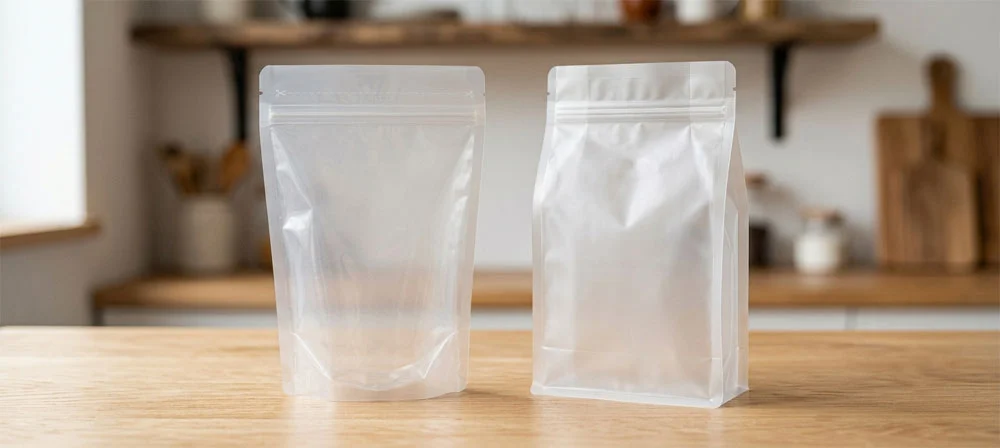
The way brands show off and protect their goods has changed a lot because of flexible packaging. When buying, workers know the basic features of each format, they can make choices that are in line with product needs and market standards.
The Structure of Stand-Up Pouches
The bottom flap of a stand-up bag opens up when it's full, giving you a stable place to stand. These bags are usually made from polyethylene (PE), polyester (PET), and new barrier films like VMPET (Vacuum Metallised Polyester). There are three ways to set up the gusset: with a round bottom, a K-seal, or a pillow bottom. Each is better for the weight and filling of the product in its own way. Extra features like tear grooves, spout fitments, and zippers that can be closed again and again make it easier for people to use and keep the product fresh. The stacked design can be changed to offer different levels of protection against air, light, and moisture. This helps fragile products stay fresh on the shelf for longer.
Block Bottom Bag Design Characteristics
Block bottom bags, which are also called flat bottom pouches or box pouches, have a unique squared base that stays flat when the package is standing up. This change in structure makes it look like a box with four vertical sides, which gives you the most space to put your logo. Multilayer films that are thicker and stronger are usually used in this type of construction to hold up heavier fill weights and keep the shape. The flat base spreads the weight of the product out evenly, which is better for support during shipping and store display and less stressful on the seals. This size works great for tasks that need a lot of space while still looking great on the shelf.
Material Composition and Barrier Technologies
Both types of packaging use advanced lamination techniques that combine different layers of film to meet certain performance standards. Some common structures are PET/PE, PET/VMPET/PE, and PET/aluminum foil/PE. VMPET layers produce great barrier protection against moisture, oxygen, and light damage—all of which are important for keeping the quality of snacks, coffee, and dried foods. Barriers made of aluminium foil work better for goods that need to last longer on the shelf. More and more sustainable alternatives are becoming available, like films that can be composted or materials that can be recycled. These options protect products without sacrificing the environment.
Key Differences Between Stand-Up Pouches and Block Bottom Bags
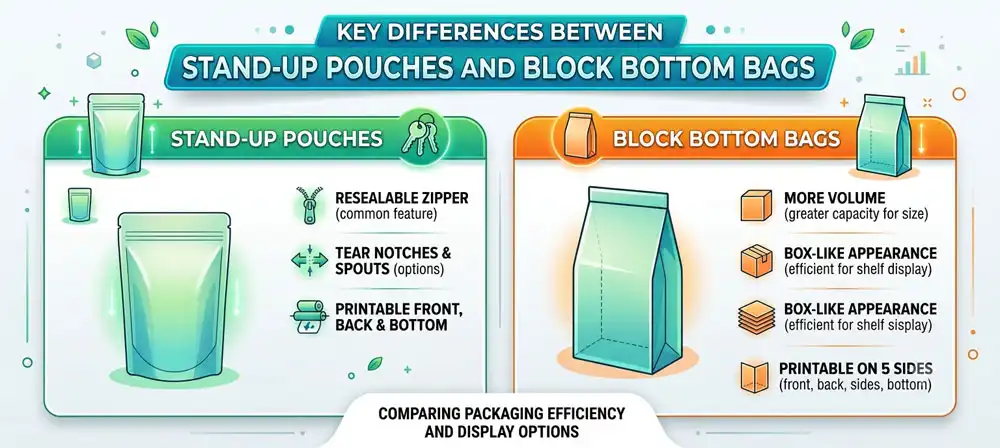
By pointing out the structural, functional, and cost differences between these types of packaging, procurement teams can make choices that meet operational needs and brand goals.
Structural Stability and Sealing Performance
The main difference in structure is the base configuration and how it impacts the stability of the package. Stand-up pouches' ability to stand up is based on seam growth. Because they have a flat bottom, block bottom bags are naturally more stable, which makes them better for heavier products or products that need to be filled to the brim. The four-panel design spreads the pressure inside more evenly, which lowers the risk of the seal breaking while it's being moved or handled. Technologies for sealing, like heat sealing and ultrasonic welding, make sure that the quality of the closure stays the same from one production run to the next.
Barrier Performance and Product Protection
The efficiency of the barrier rests on the type of material used and the quality of the coating, not just the shape of the box. The VMPET construction of stand-up pouches makes them great for protecting dry goods like nuts, dried fruits, and coffee beans. The metallized layer stops light and makes a strong shield against air, which keeps the flavours and nutrients. Block bottom bags usually use stronger gauge films, which make them less likely to tear when filled with products that have sharp edges or odd shapes. Both formats can have extra features added to them without affecting the barrier's integrity. For example, coffee packaging can have one-way degassing valves added, and products can be seen through clear windows.
Sustainability Considerations and Environmental Impact
Environmental duty is affecting packaging choices more and more. More and more people are using recyclable stand-up pouches made of a single material, PE. However, they might not be as good at blocking things out as multilayer options.The total environmental impact includes where the raw materials come from, how much energy is used in production, how efficient the movement is, and how the product is thrown away at the end of its useful life. When they are shipped, lighter stand-up bags usually produce less carbon dioxide than heavy hard packing options.
Cost Factors and Minimum Order Requirements
Prices depend on the type of material, how complicated the printing is, the features, and the number of orders. Stand-up bags usually have lower prices for modest numbers. Depending on the customisation needs, the minimum order quantity is usually between 10,000 and 50,000 pieces. Digital printing technologies now allow for shorter runs with lead times as short as seven days, which makes it easier to accommodate new products and seasonal products. Because they need more complicated conversion steps, block bottom bags usually have higher unit costs and higher MOQ requirements. Rotogravure printing has better colour reproduction and accuracy, but the cylinder needs to be prepared first, which raises setup costs but lowers unit prices as more are printed. Knowing about these economic factors helps people who work in procurement balance the need for quality with the need to stay within budget.
Application-Specific Insights: Which Packaging Fits Your Product?
To choose the best package style, you need to look at the features of the product, the people you want to sell it to, and how your business works to make sure it fits with your goals.
Food and Beverage Applications
Because they are flexible and easy for people to use, stand up pouches are the most popular type of food packaging. Coffee roasters like bags with degassing valves because they let carbon dioxide out while keeping air out, so the coffee stays fresh for months. Pouch makers for snacks use buttons and cuts that make them easy to tear, which makes them more convenient for eating on the go. VMPET construction keeps out moisture, which is good for dried fruits, nuts, and granola. Zip closures let you control how much you eat. Block-bottom bags are used for speciality products like high-end tea blends or artisan flour products, where the box-like shape shows that the product is of high quality. The bigger printed area lets you tell more thorough stories about products and show nutritional information.
Pet Food and Treat Packaging
Flexible packaging is becoming more popular among companies that make pet products because it is more useful than rigid containers. Stand-up pouches are great for keeping dry pet food and treats safe because they keep moisture out, which lowers the quality of the food. The tall shape makes it easy to pour and store in cupboards or dining areas. Brands of pet treats use clear screens in the boxes to show off how the treats look, which boosts customer trust. Block bottom bags can hold more, which makes them good for selling pet food in bulk, especially in the premium segment where the quality of the packaging shows how much the product is worth. Both formats can print in high definition, which does a good job of showing off the personality of the brand and the benefits of the product.
Health and Wellness Product Packaging
The vitamin and health industry needs packaging that keeps products' strength and shows what the brand stands for. Protein powder companies use stand-up bags with zippers that can be closed again and again. This lets customers access the contents more than once without affecting how fresh they are. The barrier properties keep out oxygen and moisture, which can break down active ingredients. Vitamin and supplement companies like the tamper-evident features that come with pouch designs because they make sure that the products are safe from the time they are made until they are sold to customers. Shipping costs for e-commerce distribution are lower with flexible packaging because it is light. This is an important thing to think about as direct-to-consumer sales grow.
Industrial and Specialty Product Uses
In addition to food, bendable bags are used in many other industries. Pouch packaging is small and effective, and it works well for cosmetic samples, medicine parts, and promotional materials. Custom forms and sizes can be made to fit different product specs without having to make expensive changes to the tools. Adding unique features like hang holes, tear cuts, or multi-chamber designs makes the product more useful in more situations. Multilayer films' ability to resist punctures and act as barriers is used in industrial component packing to keep fragile parts safe while they are being shipped and stored.
How to Choose Between Stand-Up Pouches and Block Bottom Bags: A Decision Support Guide
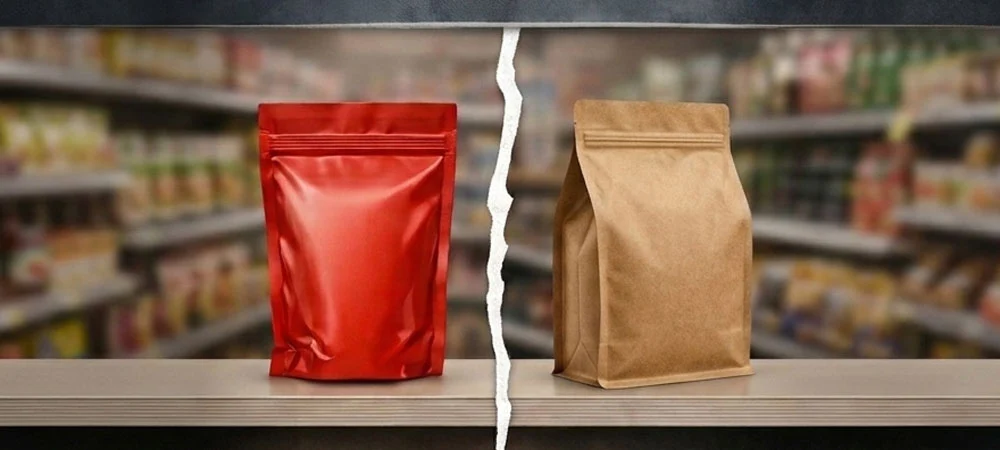
To choose the right package, you need to carefully consider a number of things that will affect both short-term operations and the long-term success of your brand.
Defining Your Packaging Requirements
Start by writing down exact product details, such as its weight, size, sensitivity to air and wetness, and how long it needs to stay fresh. Products that weigh more than three pounds may work better in block bottom designs that evenly distribute weight. No matter the format, moisture-sensitive things like coffee or dried foods need high-barrier VMPET or paper structures. Check out your filling method; automatic vertical form-fill-seal (VFFS) lines can usually handle rollstock film better than pre-made bags. Stand up pouches that are already made can help manual or semi-automated processes because they make handling and quality control easier. Think about how people will be using the product—single-serve amounts vs. sealed packages that can be used more than once—to choose the right closing types and sizes.
Evaluating Supplier Capabilities and Quality Assurance
Working with skilled makers guarantees the same level of quality for all orders. Check for qualifications like ISO 9001 for quality control, BRC for food safety, and FDA approval for products that come into contact with food. Ask for the material's specifications and test results that show how well the barrier works, how strong the seal is, and how the package stays together under the conditions that will be used for storage. Expert suppliers can help you choose the right materials and build structures that work well and don't cost too much. Production ability is important. Companies with more than one printing and turning line can handle rising numbers and tight delivery plans. Quality control systems that inspect every step of the production process cut down on flaws that stop the filling line or make customers unhappy.
Balancing Customization with Cost Efficiency
Customisation makes brands stand out more, but it also makes things more complicated and expensive. Standard sizes and simple printing cut down on setup costs and speed up the process. Custom shapes, spot UV coatings, and speciality finishes make the product look great, but they need to be ordered in large enough quantities to justify the cost of the tools. Digital printing is a cheap way to customise a small number of products quickly. Lead times are seven to ten days, which makes it perfect for testing products or making limited editions. Rotogravure printing gives known goods with numbers over 50,000 units better colour stability and detail. Look at the trade-offs between how the packaging looks and how much it costs, and think about how investments in packaging affect brand image and market entry tactics as a whole.
Supply Chain and Lead Time Considerations
Due dates for purchases have a big effect on managing goods and responding to the market. When compared to international sources, domestic suppliers may have higher prices but offer faster delivery. Asian manufacturers offer competitive prices and lead times of 30 to 45 days, which include ocean freight. Shipping by air freight cuts the time it takes to four or five days, but it costs a lot more. Keep enough safety stock on hand to protect against supply problems while avoiding the high costs of keeping too much overstock on hand. Set up clear ways for suppliers and you to talk about things like shipping plans, quality standards, and production schedules. Building long-term relationships with dependable makers lowers risk and makes it easier to keep improving the performance of packing.
Future Trends and Innovations in Flexible Packaging
The packaging industry is always changing because of new technologies and changing consumer tastes. This means that brands that are ready to change their strategies can find new possibilities.
Sustainable Material Development
Environmental concerns lead to new ideas in packaging materials that can be recycled or broken down in a compost pile. Polyethylene structures made of a single material can be recycled through existing plastic film streams, but they don't work as well as multilayer alternatives as barriers. Paper-based pouches with minimal plastic coatings are made from renewable materials and are water-resistant enough for many dry goods. Compostable films made from PLA (polylactic acid) or PBAT (polybutylene adipate terephthalate) can be thrown away at the end of their useful life in industrial composting facilities. The hard part is finding a balance between environmental goals and the need to protect products—letting them go bad too quickly because of poor barriers cancels out any environmental benefits. Manufacturers are working on new covering technologies that improve the blocking qualities of sustainable surfaces. This is helping to close the performance gap between them and standard materials.
Smart Packaging Technologies
When digital elements are added to packaging, it changes from a passive container to an interactive brand touchpoint. Smartphone users can use QR codes and NFC tags built into bags to get information about products, make sure they are real, and access ad material. Temperature-indicating inks let people know when the cold chain for sensitive goods is broken, which keeps quality high and keeps customers safe. Freshness signs that change colour based on the state of the product help both buyers and sellers decide if the product is still good to use. While adding little to the cost, these technologies make it possible for people to interact with brands in new ways that improve relationships and give brands useful information about their customers.
Advanced Printing and Decoration Techniques
As printing technology improves, bendable packages can now display brands in more complex ways. Using seven or more ink stations, extended colour gamut printing makes complex graphics look like photos. Tactile effects from textured finishes give products a unique look on the shelf and make them seem more expensive. Holographic films and metallic inks can make a big visual impact without using full metallic layers. Spot UV treatment draws attention to certain parts of a design, giving them more depth and visual interest that helps them stand out in stores with lots of other products. As production tools improve, these more advanced decorating methods can be used on smaller orders, making high-end packaging more affordable for new brands.
Conclusion
To choose between stand up pouches and block bottom bags, you need to carefully look at the features of the products, their use, and your brand's goals. Stand-up pouches can be used for a lot of different things, from snack foods to pet treats, and are flexible, easy for customers to use, and cost-effective. Because they are protective, can be customised, and look good on the shelf, they are the best choice for products that weigh less than five pounds and need to be reusable. Block-bottom bags are more stable and can hold heavy products. They also have larger printing areas that help premium brands stand out. Both formats are always changing as new materials and technologies are made available. Working with skilled manufacturers who know about material science, following rules, and producing consistently will make sure that your packaging works well throughout your supply chain and helps your business grow in the long term.
FAQ
1. What are the main advantages of stand up pouches compared to block bottom bags?
Stand up pouches offer exceptional versatility with lower minimum order quantities and faster turnaround times. Their gusset design creates efficient storage and transportation, reducing logistics costs. The format accommodates numerous features including resealable zippers, tear notches, and spout fitments that enhance consumer convenience. VMPET barrier construction protects moisture-sensitive products effectively while maintaining lighter weight compared to block bottom alternatives. These pouches suit automated filling lines and manual operations equally well, providing flexibility as production scales.
2. Can I source eco-friendly flexible pouches at commercial scale?
Sustainable flexible packaging options are increasingly viable for commercial applications. Recyclable mono-material polyethylene pouches maintain adequate barrier properties for many dry products while enabling recycling through established plastic film streams. Paper-based pouches with minimal plastic liners offer renewable content and consumer appeal, though they require careful evaluation for moisture-sensitive products. Compostable films provide end-of-life disposal options where industrial composting infrastructure exists. Material selection should balance environmental objectives with product protection requirements to prevent spoilage that negates sustainability benefits.
3. How can customization enhance brand visibility without excessive cost increases?
Strategic customization focuses investments on elements delivering maximum impact. Digital printing enables short-run customization with quick turnaround, ideal for testing designs or limited editions before committing to rotogravure cylinders. Spot UV coating on key branding elements creates premium perception at modest incremental cost. Clear windows showcase product quality without complex printing. Standard sizes with custom printing balance differentiation with cost control. Working with experienced suppliers who understand material optimization and production efficiency helps identify customization approaches that enhance brand presence while maintaining budget discipline.
Partner with a Trusted Stand Up Pouch Manufacturer
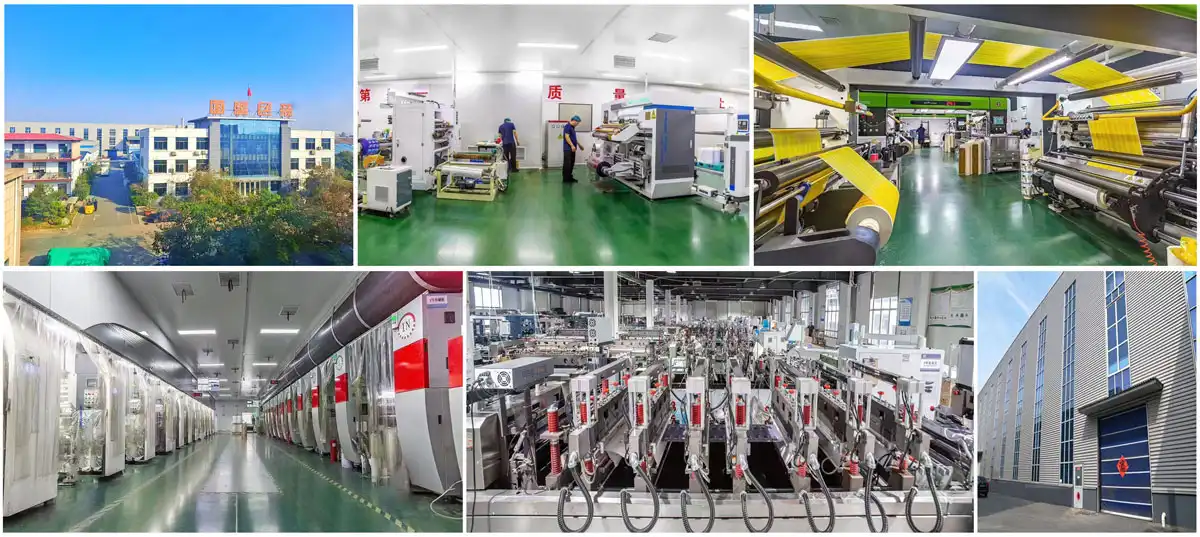
At Guoshengli Packaging, we deliver reliable flexible packaging solutions backed by 25 years of manufacturing expertise serving food brands, pet product companies, and health supplement manufacturers worldwide. Our stand up pouches feature advanced VMPET barrier construction, FDA and BRC compliance, and customizable printing up to 11 colors for distinctive brand presentation. Whether you need small-batch digital printing with seven-day turnaround or high-volume rotogravure production with consistent quality across repeat orders, our team provides comprehensive support from material selection through final delivery. We understand the operational challenges procurement professionals face—quality consistency, regulatory compliance, and supply chain reliability—and structure our processes to minimize risk at every stage. Contact our packaging specialists at sales@guoshengpacking.com to discuss your specific requirements, request samples, or receive detailed quotations. As your stand-up pouch supplier, we're committed to packaging solutions that protect your products and support your business growth across North American and global markets.
References
1. Robertson, G.L. (2016). Food Packaging: Principles and Practice (3rd ed.). CRC Press, Boca Raton.
2. Marsh, K. & Bugusu, B. (2007). "Food Packaging—Roles, Materials, and Environmental Issues," Journal of Food Science, 72(3), R39-R55.
3. Yam, K.L. (Ed.). (2009). The Wiley Encyclopedia of Packaging Technology (3rd ed.). John Wiley & Sons, Hoboken.
4. Soroka, W. (2009). Fundamentals of Packaging Technology (4th ed.). Institute of Packaging Professionals, Naperville.
5. Emblem, A. & Emblem, H. (Eds.). (2012). Packaging Technology: Fundamentals, Materials and Processes. Woodhead Publishing, Cambridge.
6. Coles, R., McDowell, D. & Kirwan, M.J. (Eds.). (2003). Food Packaging Technology. Blackwell Publishing, Oxford.