- English
- French
- German
- Portuguese
- Spanish
- Russian
- Japanese
- Korean
- Arabic
- Greek
- German
- Turkish
- Italian
- Danish
- Romanian
- Indonesian
- Czech
- Afrikaans
- Swedish
- Polish
- Basque
- Catalan
- Esperanto
- Hindi
- Lao
- Albanian
- Amharic
- Armenian
- Azerbaijani
- Belarusian
- Bengali
- Bosnian
- Bulgarian
- Cebuano
- Chichewa
- Corsican
- Croatian
- Dutch
- Estonian
- Filipino
- Finnish
- Frisian
- Galician
- Georgian
- Gujarati
- Haitian
- Hausa
- Hawaiian
- Hebrew
- Hmong
- Hungarian
- Icelandic
- Igbo
- Javanese
- Kannada
- Kazakh
- Khmer
- Kurdish
- Kyrgyz
- Latin
- Latvian
- Lithuanian
- Luxembou..
- Macedonian
- Malagasy
- Malay
- Malayalam
- Maltese
- Maori
- Marathi
- Mongolian
- Burmese
- Nepali
- Norwegian
- Pashto
- Persian
- Punjabi
- Serbian
- Sesotho
- Sinhala
- Slovak
- Slovenian
- Somali
- Samoan
- Scots Gaelic
- Shona
- Sindhi
- Sundanese
- Swahili
- Tajik
- Tamil
- Telugu
- Thai
- Ukrainian
- Urdu
- Uzbek
- Vietnamese
- Welsh
- Xhosa
- Yiddish
- Yoruba
- Zulu

Because it provides proven safety, reliable performance, and compatibility with automatic packing lines, high barrier film rollstock has become the first choice in many businesses. Standard films let air and moisture pass through, but multi-layer barrier structures made with EVOH, metallised layers, and speciality plastics make a cover that keeps the product's integrity and extends its shelf life. This technology solves important problems in packaging for food, medicine, and pet food by stopping oxidative rancidity, moisture-induced degradation, and contamination, all while keeping costs low and production speeds high.
What Is High Barrier Rollstock Film and How Does It Work?
Understanding the Core Technology
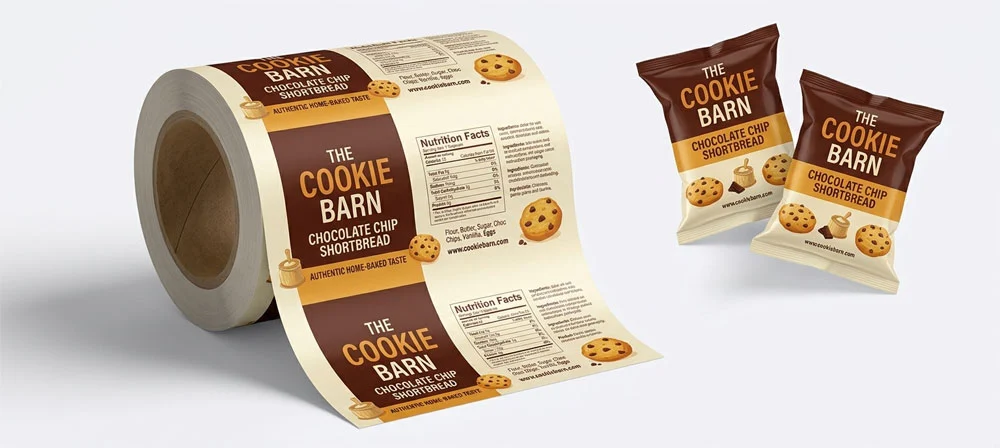
The high barrier film rollstock is a complex, multi-layer packaging material that is designed to stop the flow of gases, water vapour, and volatile organic compounds. Each layer does a different job: it helps keep the structure stable, protects against damage, can be sealed with heat, and can be printed on. To get better barrier performance, materials like EVOH (ethylene vinyl alcohol) and PVDC (polyvinylidene chloride) are mixed into layers of polyethylene or polypropylene.
The Science Behind Barrier Protection
Standardised measurements are used to measure how well high barrier film rollstock works. Oxygen Transmission Rate (OTR) and Water Vapour Transmission Rate (WVTR) are controlled tests that measure how permeable something is. Premium barrier films have OTR levels below 1.0 cc/m²/24h and WVTR levels below 1.0 g/m²/24h, which is a lot better than what regular packaging materials can do. When packing powders that don't like water or coffee that doesn't like air, or things that need to stay stable on the shelf for a long time, this level of accuracy is important.
Layer Synergy and Performance Optimization
Engineers can balance different needs with multi-layer building, such as barrier performance, material strength, and processing compatibility. A normal structure might have an outer polyester layer to improve print quality, an EVOH core to keep air out, and inner sealant layers that are best for form-fill-seal machines. This collaboration makes packaging that keeps goods safe all along the supply chain, from the factory floor to the store shelf.
Benefits and Applications of High Barrier Film Rollstock
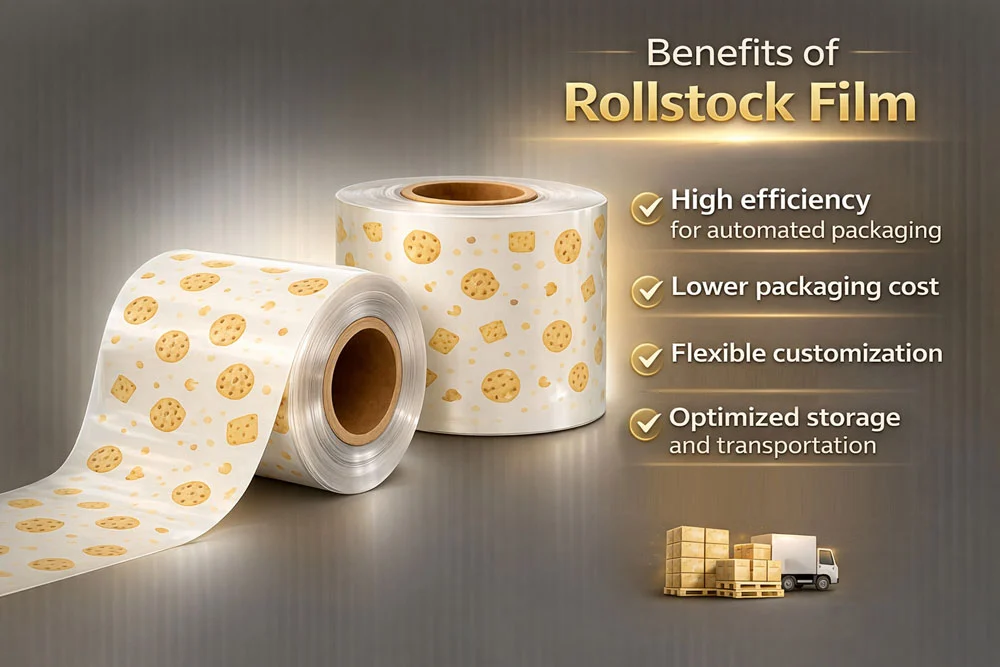
Learning about the real benefits of improved barrier films helps buying teams choose the right materials. These benefits go beyond basic safety and include making operations more efficient, cutting down on trash, and making the market more competitive.
Extending Shelf Life and Reducing Waste
Products that are packed in high barrier film rollstock stay fresh for a lot longer than products that are packed in regular films. Coffee roasters say that the flavour lasts for weeks longer than with normal packaging. Manufacturers of pet food have noticed that lipid-rich formulations have less oxidative rancidity. These changes directly lead to fewer returns, fewer complaints from customers, and a better image for the company.
Compatibility with Automated Packaging Lines
These days, companies that package things need materials that can be used safely with fast form-fill-seal machines. Specific coefficients of friction (COF) values are built into multi-layer barrier films to make sure they feed smoothly, print correctly, and form a consistent seal. This flexibility keeps production plans and cuts down on line stops and refused packages.
Versatile Applications Across Industries
The adaptability of barrier rollstock films serves diverse sectors with specific requirements:
- Food Packaging: Snack foods, dried fruits, coffee, tea, nuts, and confectionery benefit from moisture and oxygen barriers that maintain crispness, aroma, and nutritional value.
- Pet Food and Treats: High-fat content products require superior oxygen barriers to prevent rancidity while maintaining palatability throughout shelf life.
- Health and Wellness Products: Protein powders, dietary supplements, and functional foods demand moisture control to prevent clumping and preserve active ingredients.
- Pharmaceutical Applications: Moisture-sensitive diagnostic kits and active pharmaceutical ingredients rely on barrier films to maintain sterile integrity and chemical stability.
These applications demonstrate measurable ROI through reduced spoilage rates, extended distribution windows, and decreased reliance on chemical preservatives.
Comparing High Barrier Rollstock Films with Alternative Packaging Solutions
Performance Versus Flexibility Trade-offs
When people are looking at different types of packaging, they often compare barrier films to rigid containers and aluminium foil alternatives. Aluminium foils are great for protecting against damage, but they aren't flexible enough for automatic form-fill-seal processes. High barrier film rollstock provides similar protection but has important benefits: it's lighter, which lowers shipping costs, comes in a variety of formats to fit different package shapes, and is easier to recycle, which helps meet sustainability goals.
Multi-Layer Versus Mono-Layer Film Considerations
Standard one-layer sheets can't be used to protect private products because they're not strong enough. Specialised plastics are used in multi-layer designs to provide specific security. Which of these options to use relies on how sensitive the product is, how long it is expected to last, and how it will be distributed. Engineered multi-layer shields are very helpful for protecting things that need to be kept safe for a long time in environments that change a lot.
Cost-Performance Analysis
Even though premium barrier films cost more to make than standard ones, a total cost analysis shows that they save a lot of money. Less product waste, longer shelf life that lets more products be sold, and fewer customer returns more than cover the original costs of materials. More and more, procurement teams are realising that barrier success has a direct effect on the bottom line by cutting down on waste and opening up new markets.
Procurement Guide: How to Choose and Where to Buy High Barrier Film Rollstock
Defining Technical Specifications
Creating clear specifications is the first step to a successful procurement. Important factors include OTR and WVTR needs based on how sensitive the product is, mechanical qualities that match the capabilities of the packing tools, and size requirements that match the form of the box. If hot-fill processes or retort sterilisation are used, the thermal properties must be able to handle them. Making these requirements clearer keeps films from not meeting the needs of an application, which can be very expensive.
Evaluating Supplier Credentials
There are more than just price considerations to make when choosing the right high barrier film rollstock supplier. Quality management standards like ISO 9001 and BRC (BRCGS Global Standard Packaging Materials) show that quality control is done in a planned way. FDA and EU food contact compliance paperwork makes sure that the product is safe for use. Third-party testing reports from SGS or similar groups provide independent confirmation of claims about how well barriers work.
We at Guoshengli Packaging keep all the important certifications up to date and offer full technical data. Because we've been making things for 25 years, we know not only how to make films but also how materials work during the whole packing process.
Understanding Ordering Parameters
Different providers have very different minimum order amounts, wait times, and price systems. Digital printing lets you make smaller batches with wait times of 7–10 days, which is good for new products or special products. Rotogravure printing gives you more consistent colours for larger orders, and the production cycle lasts between 15 and 20 days. Knowing these parameters helps you make better plans and keep track of your inventory.
Prioritizing Sample Testing and Communication
Before placing an order for mass production, ask to see models that have been tried on real filling tools in real production settings. Costly line compatibility problems can be avoided with this validation. Set up clear lines of contact with technical support teams that know about both the science of materials and how to use them in real life. Suppliers who offer design help and advice on how to optimise barriers add a lot of value on top of providing materials.
Future Trends and Innovations in High Barrier Rollstock Film
Sustainable Barrier Technologies
Being responsible to the environment drives progress in the packaging business. Advanced PE (polyethylene) barrier designs with vapor-deposited layers (AlOx or SiOx) provide excellent barrier performance while still being recyclable. These structures meet the goals of the circular economy without lowering the safety of products, which was hard for older technologies to do.
Biodegradable and Compostable Options
Barrier films made from PLA (polylactic acid) and PBAT (polybutylene adipate terephthalate) can be composted, which is useful in situations where getting rid of old materials is hard. At the moment, these materials don't work as well as traditional barriers, but this gap is getting smaller as more is developed. Procurement plans should keep an eye on these changes while keeping performance goals reasonable.
Advanced Coating Technologies
Nanocoating uses are a new technology that improves protective qualities without making the material much thicker. These coats can be put on environmentally friendly bases, making mixed solutions that meet both environmental goals and safety needs. Such innovations help brands keep their promises to be environmentally friendly while still making sure their products meet quality standards.
Regulatory and Market Drivers
Advanced barrier technologies are being used more and more because of stricter rules about food safety and the need for longer shelf lives in pharmaceutical applications. Global supply chains need packaging that stays intact in a range of weather conditions. Because of these market forces, designed barrier options are more popular than regular materials. This has made high barrier film rollstock the standard for tough jobs.
Conclusion
The packaging industry is led by high barrier film rollstock because it solves basic problems that affect the quality of the product, the efficiency of operations, and the success of the market. Multi-layer structures made with precise barrier materials have measurable benefits, such as longer shelf life, less waste, compatibility with automated packaging lines, and the ability to be used in a wide range of situations. As technology keeps improving, it moves toward long-lasting answers that keep working well and also care for the environment. For buying to go well, clear specifications must be made, suppliers must be carefully evaluated, and expert teams must continue to work together. When companies put barrier performance at the top of their packaging plans, they lower their business risk, reach more customers, and improve their brand's image by making sure their products are always of high quality.
FAQ
1. What distinguishes high barrier film rollstock from standard packaging films?
High barrier film rollstock incorporates specialized polymer layers such as EVOH or metallized coatings that dramatically reduce gas and moisture permeability. Standard films typically achieve OTR levels of 50-100 cc/m²/24h, while high barrier structures deliver performance below 1.0 cc/m²/24h—representing a 50-100x improvement. This difference directly impacts shelf life for sensitive products.
2. Can high barrier films support sustainability goals?
Modern barrier films increasingly incorporate recyclable structures and sustainable materials. Mono-material PE constructions with vapor-deposited coatings maintain recyclability while delivering barrier protection. Some applications can utilize biodegradable PLA-based films, though performance validation remains critical. At Guoshengli Packaging, we offer 100% recyclable options engineered to balance environmental responsibility with product protection requirements.
3. How do I verify barrier performance claims?
Request third-party testing documentation showing OTR and WVTR measurements under standardized conditions (ASTM or ISO testing protocols). Conduct practical validation by packaging actual products and monitoring quality parameters throughout expected shelf life. Reputable suppliers provide comprehensive technical data sheets and support testing initiatives to confirm performance in real-world applications.
Partner with a Trusted High Barrier Film Rollstock Manufacturer
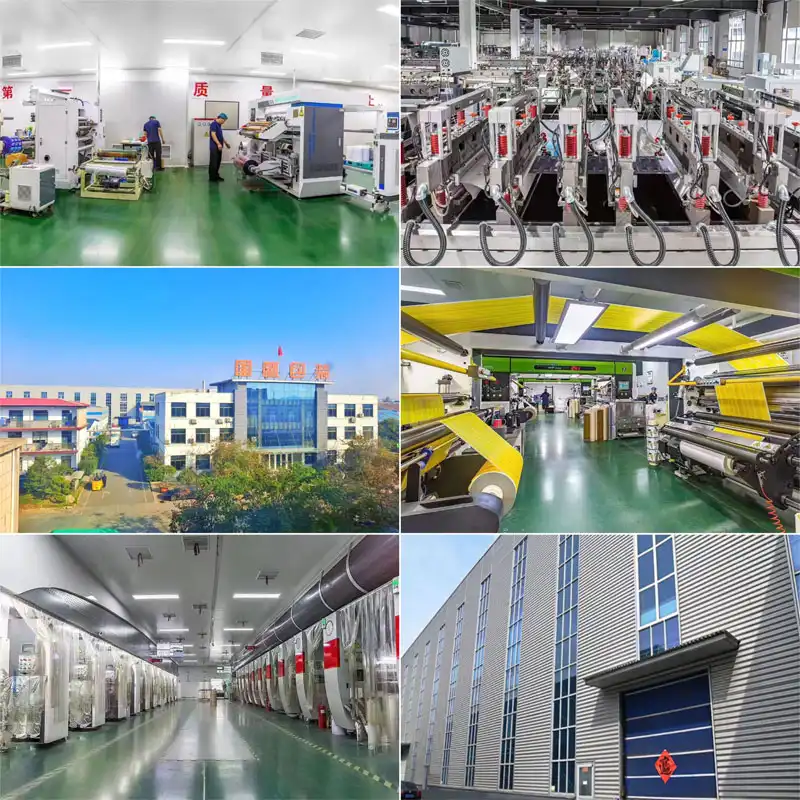
Guoshengli Packaging delivers engineered barrier solutions backed by 25 years of flexible packaging expertise. Our multi-layer film structures achieve OTR below 1.0 cc/m²/24h while maintaining compatibility with form-fill-seal equipment across food, pet food, and health supplement applications. With ISO 9001, BRC, FDA, and EU compliance certifications, we provide quality assurance that reduces procurement risk. Our production capacity—7 printing lines, 6 laminating machines, and 49 converting units—enables flexible order quantities with lead times of 10-20 days depending on printing method. We offer customizable widths, thicknesses, and finishes tailored to your specific requirements, plus expedited air delivery in 4-5 days when timing demands rapid fulfillment. Contact our team at sales@guoshengpacking.com to discuss your barrier film requirements, request samples, and receive detailed technical recommendations from a high barrier film rollstock supplier committed to your long-term success.
References
1. Robertson, Gordon L. "Food Packaging: Principles and Practice." CRC Press, 2016.
2. Marsh, Kenneth and Betty Bugusu. "Food Packaging—Roles, Materials, and Environmental Issues." Journal of Food Science, 2007.
3. Siracusa, Valentina et al. "Biodegradable Polymers for Food Packaging: A Review." Trends in Food Science & Technology, 2008.
4. Brody, Aaron L. "Packaging Technology for Modified Atmosphere and Vacuum Packaging of Foods." Food Technology, 2005.
5. Coles, Richard et al. "Food Packaging Technology." Blackwell Publishing, 2003.
6. Yam, Kit L. "The Wiley Encyclopedia of Packaging Technology." John Wiley & Sons, 2009.