- English
- French
- German
- Portuguese
- Spanish
- Russian
- Japanese
- Korean
- Arabic
- Greek
- German
- Turkish
- Italian
- Danish
- Romanian
- Indonesian
- Czech
- Afrikaans
- Swedish
- Polish
- Basque
- Catalan
- Esperanto
- Hindi
- Lao
- Albanian
- Amharic
- Armenian
- Azerbaijani
- Belarusian
- Bengali
- Bosnian
- Bulgarian
- Cebuano
- Chichewa
- Corsican
- Croatian
- Dutch
- Estonian
- Filipino
- Finnish
- Frisian
- Galician
- Georgian
- Gujarati
- Haitian
- Hausa
- Hawaiian
- Hebrew
- Hmong
- Hungarian
- Icelandic
- Igbo
- Javanese
- Kannada
- Kazakh
- Khmer
- Kurdish
- Kyrgyz
- Latin
- Latvian
- Lithuanian
- Luxembou..
- Macedonian
- Malagasy
- Malay
- Malayalam
- Maltese
- Maori
- Marathi
- Mongolian
- Burmese
- Nepali
- Norwegian
- Pashto
- Persian
- Punjabi
- Serbian
- Sesotho
- Sinhala
- Slovak
- Slovenian
- Somali
- Samoan
- Scots Gaelic
- Shona
- Sindhi
- Sundanese
- Swahili
- Tajik
- Tamil
- Telugu
- Thai
- Ukrainian
- Urdu
- Uzbek
- Vietnamese
- Welsh
- Xhosa
- Yiddish
- Yoruba
- Zulu

Rollstock packaging is an advanced flexible film option that comes in long rolls and is designed to be used in automatic form-fill-seal processes in a wide range of industries. High barrier film rollstock is made up of several polymer layers, some of which are specialised materials like EVOH and metallised coats. These layers work together to make airtight seals that make it very hard for oxygen, moisture, and contaminants to pass through. This advanced construction keeps the flexibility needed for high-speed production lines while extending the shelf life of products. This makes it a must-have for food manufacturers, pet food manufacturers, and health supplement brands that want reliable protection without the weight and cost of rigid containers.
Understanding Rollstock Packaging and High Barrier Film Rollstock
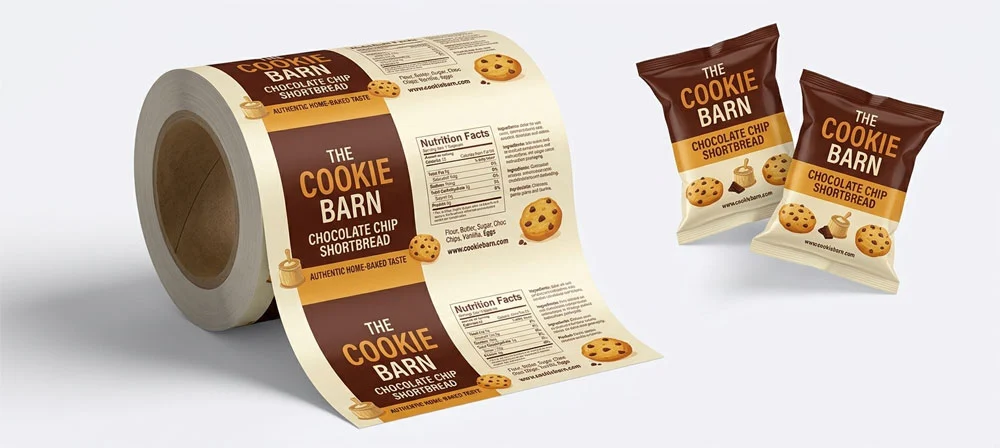
As a company makes more, it needs to switch from manual packaging tasks to automated systems. Rollstock films help with this change by providing continuous material that can be fed directly into vertical or horizontal form-fill-seal machines. This gets rid of the problems that come with handling pre-made bags during large-scale runs.
The way these films are built determines how well they protect. Standard rollstock can hold basic products, but when goods need to stay fresh for a long time, like roasted coffee, dried fruits, or protein powders, the structure of the material needs to actively fight environmental degradation. Because of this need, we come to barrier technology.
The Role of Barrier Technology in Modern Packaging
High barrier film rollstock combines several useful layers into a single structure. The outer layer makes it possible to print and gives it strength, while the inner layers contain things like ethylene vinyl alcohol copolymer, which forms a chemical maze that makes oxygen entry very slow. Laminates made of aluminium foil are an even better way to protect very fragile products, but they make things less clear and make recycling harder.
Adhesive resins hold the structure together between these barrier layers, and sealer layers make sure the heat seal stays strong during the packing process. The accuracy of this layering determines whether a film works the same way over thousands of production cycles or breaks down unexpectedly, stopping the queue and throwing away product.
Why Procurement Teams Prioritize Barrier Performance
B2B buyers look at rollstock films with the goal of lowering risk in mind. A coffee roaster that sends goods overseas can't pay for claims of rancidity six months after the goods have been sent. A company that makes pet treats needs to keep the treats from absorbing water, which can cause mould to grow. If the packaging of a health supplement lets sensitive vitamins break down due to oxygen, the government will be looking closely at that brand.
Because of these operational realities, barrier specifications can't be changed. Oxygen transmission rates, which are given in cubic centimetres per square metre per day, and water vapour transmission rates, which are given in the same way, become contract terms instead of technical notes. The people who work in procurement look for films not only to save money at first, but also to lower the total cost of ownership, which includes things like less product loss, fewer customer complaints, and stable recall specs.
Types and Materials of High Barrier Film Rollstock
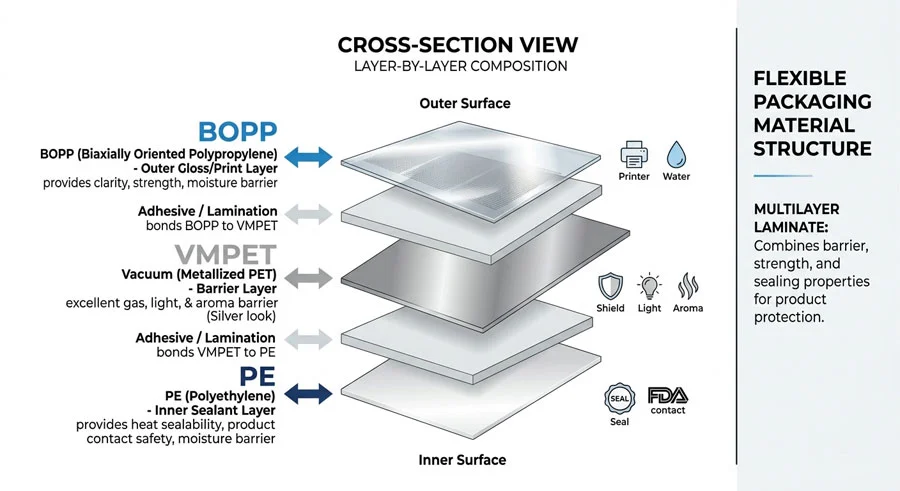
The choice of material for high barrier film rollstock has a direct effect on both how well it protects and how well it works with other things. The packaging industry has come up with a number of different structural approaches, each of which balances the effectiveness of the barrier with cost, mechanical properties, and other factors.
EVOH-Based Multi-Layer Films
EVOH is popular for snack foods, dried fruits, and ground coffee because it has great oxygen protection qualities for a relatively thin film. The material works by packing molecules so closely together that oxygen molecules have a hard time getting through. EVOH is sensitive to moisture, though, and its barrier properties get worse in places with a lot of humidity unless it is covered by layers of hydrophobic materials like polyethylene or polypropylene.
The normal structure puts EVOH between layers of protective polymer, making a sandwich that keeps the barrier strong and works with heat seals. If you make sure the film tension and temps are just right, this setup works well on form-fill-seal machines that can seal more than 100 bags per minute.
Aluminum Foil Laminates
When complete security is needed, like for pharmaceutical-grade supplements or industrial chemical powders, aluminium foil laminates block light and let almost no air through. The continuous metallic layer keeps oxygen, moisture, and aromatic compounds out while still being flexible through gauges that are usually between 7 and 20 microns thick.
The trade-off is that the product can't be seen because it's opaque, and recycling is hard because the metal layer makes it harder to separate trash during processing. Most of the time, brands that want to be seen as high-end are willing to deal with these restrictions in exchange for longer shelf lives.
Metallized Film Structures
A middle-ground approach uses vacuum casting to put a very thin layer of aluminium on top of a polymer base. This metallised film works better as a shield than clear plastics, but it is still somewhat see-through and lighter than foil laminates. The metallic layer is only a few nanometres thick, and it improves the barrier without being as rigid as foil.
Metallized structures are often used in coffee packages to protect against air while also giving brands shiny, eye-catching finishes. The structure can still work with degassing valves, which let carbon dioxide escape but stop oxygen from getting in.
Co-Extruded Multi-Layer Films
Modern extrusion technology can process many polymers simultaneously to generate glue-free forms. A single film is made by mixing polypropylene for stiffness, linear low-density polyethylene for toughness, and EVOH for barrier performance.
Co-extrusion reduces delamination and simplifies supply lines by integrating manufacturing operations. The films' uniform thickness and good visual qualities allow them to be used when package appearance influences a buyer's purchase.
Material combinations may be modified for a product. Fattier foods need structures that don't let oil through, while dry powders need structures that don't let water vapour through. Procurement teams can choose the best materials based on product science rather than general requirements when working with experienced makers.
Comparing High Barrier Film Rollstock with Alternative Solutions
Packaging decisions involve evaluating multiple options against operational priorities. Rollstock films compete with pre-made pouches, rigid containers, and alternative flexible structures, each offering distinct advantages depending on production scale and product characteristics.
Rollstock Versus Pre-Made Pouches
Pre-made pouches simplify initial equipment investment and suit lower-volume operations or frequent product changes. Operators manually or semi-automatically load pouches, fill them, and seal the opening. This approach offers flexibility but introduces higher per-unit costs and slower throughput compared to integrated high barrier film rollstock systems.
Rollstock films integrated with form-fill-seal machinery automate the entire process—forming the pouch, filling it, and sealing it in continuous motion. This automation reduces labor costs and accelerates production rates, making it economical for runs exceeding several thousand units. The capital investment in specialized equipment pays dividends through reduced operational costs and improved consistency.
Barrier Effectiveness Across Packaging Types
When comparing barrier performance, material structure matters more than format. A properly engineered rollstock film with EVOH layers delivers identical oxygen barrier performance to a pre-made pouch constructed from the same material. The difference lies in production efficiency rather than protective capability.
Rigid containers like jars and canisters provide excellent barrier properties and structural protection during shipping. Their weight, storage volume, and higher material costs make them less attractive for lightweight dry goods where flexible packaging provides adequate protection at a fraction of the weight.
Cost Efficiency and Total Ownership Analysis
Initial cost comparisons may mislead buyers. Material efficiency and manufacturing speed considerations may decrease the cost per packed unit of a rollstock film priced more per kilogram. Material consumption is reduced by thinner gauge films with acceptable barrier performance, affecting high-volume manufacturing line profitability.
Lead times are another major expense. Rotogravure-printed custom rollstock films take longer to produce than digitally printed pre-made pouches, affecting inventory planning and promotional campaign timing. Suppliers with flexible minimum order quantities and fast production schedules let brands test new products without stockpiling.
Environmental concerns increasingly affect sourcing. Multi-layer polymer architectures hinder recycling, while mono-material methods improve barrier performance and recyclability. Suppliers working in next-production materials that balance performance and environmental responsibility help brands balance sustainability and product protection.
Procurement Guide: How to Source High Barrier Film Rollstock Effectively
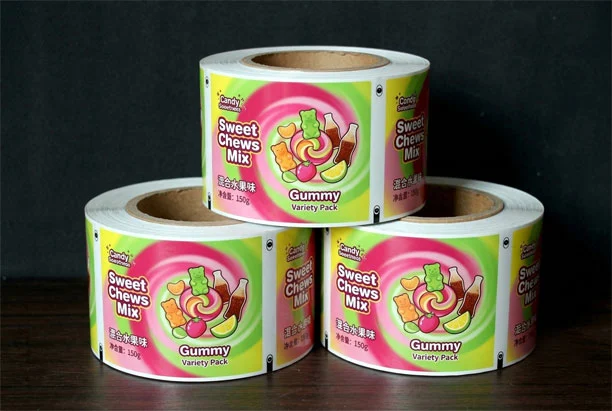
Securing reliable rollstock film supply involves more than comparing price quotes. Successful procurement teams evaluate manufacturing capabilities, quality systems, and supply chain reliability to minimize risks that manifest during production rather than sampling.
Evaluating Supplier Manufacturing Capabilities
Production capacity directly impacts order fulfillment reliability. Manufacturers operating multiple printing lines, laminating machines, and converting equipment can accommodate both large-scale orders and urgent requirements without compromising lead times. A supplier with seven rotogravure printing lines and six laminating units demonstrates the infrastructure to handle concurrent projects while maintaining consistent output quality.
Technical capabilities extend beyond equipment counts. Rotogravure printing systems capable of 11-color reproduction enable vibrant graphics that enhance shelf presence, while precision converting equipment ensures dimensional accuracy critical for automated filling lines. Brands experiencing frequent mis-feeds or seal failures often trace problems to inconsistent film dimensions rather than equipment malfunctions.
Certification Standards and Compliance Requirements
Food-contact packaging faces stringent regulatory oversight across global markets. FDA compliance for U.S. distribution and EU regulations for European sales represent baseline requirements. Suppliers maintaining ISO 9001 quality management systems and BRC food packaging certifications demonstrate systematic approaches to quality control that reduce the risk of non-conforming material reaching production lines.
Third-party testing through organizations like SGS provides independent verification of barrier performance, migration levels, and mechanical properties. Procurement professionals should request certificates of analysis for each production lot, documenting that specifications match purchase orders and regulatory requirements.
Customization Capabilities and Technical Support
It's rare for off-the-shelf pictures to work best in certain situations. Suppliers who offer help with choosing materials, improving barriers, and building structures help brands balance the need for protection with the need to stay within their budgets. This way of working together takes into account things like the amount of oil in the product, how wet it is, and how sensitive it is to air, along with the requirements for the filling tools and the conditions of distribution.
This form of technical teamwork is shown by Guoshengli Packaging. Their team has more than 25 years of experience with flexible packaging and helps customers find the best film widths, thicknesses, and finishes to work with their tools and keep the integrity of their products throughout the supply chain. This knowledge is especially helpful for companies that are entering new markets or changing the way they make old products.
Ordering Logistics and Supply Chain Management
Minimum order quantities affect the cost of holding inventory and the flow of cash for high barrier film rollstock. Suppliers with flexible MOQs let brands test films in production settings without having to buy too much inventory, which could go out of date as the product is changed. Rotogravure production has lead times of 10 to 20 days, while digital printing has lead times of 7 to 10 days. This means that you can plan your orders around marketing efforts and changes in yearly demand.
International shipping makes things more complicated. Even though it costs more than ocean transport, air freight can deliver films in 4 to 5 days, which keeps production going even when forecasts are wrong or demand surges happen out of the blue. Suppliers with a lot of experience make tracking easy and work directly with logistics partners to cut down on delays that affect production schedules.
Emerging Sustainability Considerations
Environmental concerns are becoming more and more important in determining what to buy. Brands that care about the environment look for rollstock options that keep products safe while also making the end-of-life process better. It is easier to recycle mono-material polyethylene structures that have been given better barrier properties through special coatings than traditional multi-polymer laminates, but performance validation is still needed.
Spending money on improving the manufacturing process, like importing technology to treat RTO waste gas, shows that suppliers care about the environment in more ways than just choosing the right materials. These investments match provider operations with customer environmental goals by lowering production pollution while keeping the quality of the output high.
Practical Applications and Future Trends in High Barrier Rollstock Packaging
Understanding how different industries use rollstock films sheds light on how to choose materials and set performance goals. Real-life examples show the trade-offs that brands have to make when they try to balance cost, security, and operating efficiency.
Food Preservation Applications
Coffee roasters employ high-quality barrier packaging technologies. Freshly roasted beans release carbon dioxide and are air-sensitive, so their flavours fade after a few weeks. Coffee rollstock films include degassing valves to release gas pressure while blocking outside oxygen.
The film has metallised layers that block light and EVOH barriers that inhibit oxygen. This protection increases distribution and reduces old stock waste, which boosts roasters' earnings in distant markets.
Dried snack producers face different issues. Oils in nuts, jerky, and fruit crisps become rancid when exposed to air. It tastes bad and makes people grumble. Films with the correct air barriers maintain flavour, and the flexible format makes packaging lighter than hard cases, lowering shipping costs.
Pet Food and Treat Packaging
The pet food business needs wrapping that keeps the food's nutritional value while also being able to handle rough handling during shipping. Treats with meat proteins and fats need both moisture barriers and air barriers to keep the texture from breaking down and slow the breakdown of lipids. For this industry, rollstock films that are strong enough to withstand the physical stresses of warehouse handling and store display are very important.
A lot of pet food brands use stand-up bag forms that start out as rollstock on form-fill-seal equipment. These combine the efficiency of automatic packing with the ease of use for customers of seals that can be resealed. For this format, the pictures need to stay stiff so they can be displayed on shelves and protect against damage for several months.
Health Supplement Powder Packaging
Protein powders, vitamins, and nutritional supplements need to be protected very carefully because the ingredients are sensitive and the government is very careful. Many active ingredients break down quickly in the presence of air or wetness, which lowers their effectiveness and could cause compliance problems if strength claims become false during shelf life.
Films for this market segment usually have aluminium foil laminates or high-EVOH structures that let less than 1 cubic centimetre of oxygen per square metre per day pass through. This great barrier performance keeps ingredients stable over long distribution cycles, which helps brands make specific nutritional claims that must be checked by regulators.
Innovations Addressing Environmental Pressures
Traditional multi-layer films made of several different plastics work very well as barriers, but they make recycling more difficult. It's hard for collection sites to separate bonded materials, so complicated laminates are often sent to the trash instead of being recycled.
New structures made of only one material are trying to solve this problem by making polyethylene films with better barriers by using special treatments or changing the way polymers are made. These improvements keep the useful resistance to air and moisture while letting it work with existing recycling infrastructure for polyethylene. When brands use these materials, they show they care about the environment without lowering the safety of their products. However, full shelf-life testing is still needed before these materials are widely used.
Compostable films made from PLA and PBAT materials are another option, especially for companies that want to reach people who care about the environment. These bio-based plastics break down in industrial waste facilities. However, because they are barrier and heat-sealable, they can only be used on less sensitive goods that need to last less time.
Smart Packaging Integration
Using technology together is a new idea that is being explored in rollstock uses. Printed sensors that change colour when foods get too hot or too fresh are a visual way to tell if they are of good quality without using electronic parts. QR codes and near-field communication tags built into packaging make it possible to track the supply chain and interact with customers through their smartphones.
These new ideas go beyond simple control, but they come with higher costs that need to be justified by better value for customers or better operations. Brands that want to stand out through technology-enhanced packaging find that rollstock forms can handle these features while still working with their current form-fill-seal systems.
Conclusion
Automated rollstock packaging technology protects products and increases efficiency across many industries. Barrier film structures allow for longer shelf life and quality maintenance. The protective performance is based on the choice of material, which can be EVOH layers, metallised coats, or foil laminates. Precise production ensures that high-speed filling equipment always works the same way. When doing business with other businesses, it's important to look at more than just price when choosing suppliers. You should check their abilities, make sure they have the right certifications, and make sure the supply chain is reliable. New innovations in sustainability promise better recycling without sacrificing protection, and this is particularly relevant when specifying high barrier film rollstock, because its advanced multilayer construction must remain compatible with emerging recycling streams. This makes advanced rollstock solutions long-term packaging strategies. When brands know about these technical and practical factors, they can choose films that protect the quality of their products while also lowering the total cost of ownership across production, transportation, and market appearance.
FAQ
1. What distinguishes high barrier film rollstock from standard packaging films?
Standard films provide basic moisture resistance suitable for short shelf-life products or secondary packaging applications. High barrier film rollstock incorporates specialized layers like EVOH or aluminum that dramatically reduce oxygen and moisture transmission rates, extending shelf life from weeks to months. This protection proves essential for products containing oils, sensitive nutrients, or flavors that degrade through oxidation. The investment in barrier technology pays dividends through reduced waste, broader distribution capabilities, and maintained product quality throughout extended supply chains.
2. How can buyers validate barrier performance before committing to large orders?
Reputable manufacturers provide technical data sheets specifying oxygen transmission rates and water vapor transmission rates measured through standardized testing protocols. Requesting certificates of analysis from independent laboratories like SGS offers objective verification. Conducting shelf-life studies using sample films under accelerated aging conditions reveals real-world performance before full-scale production commitments. Testing seal strength, dimensional consistency, and compatibility with filling equipment during trial runs identifies potential issues absent in static samples, ensuring the film performs reliably during actual production rather than just meeting specification sheets.
3. Are sustainable alternatives available that maintain adequate barrier properties?
Mono-material polyethylene structures engineered with specialized coatings or aluminum oxide layers provide enhanced barriers while remaining compatible with existing recycling infrastructure. These films maintain oxygen transmission rates suitable for many dry food and pet treat applications, though extremely sensitive products may still require traditional multi-layer laminates. Compostable films offer another option for brands prioritizing end-of-life biodegradability, though current formulations limit applications to shorter shelf-life products. Working with manufacturers investing in sustainable material development ensures access to emerging technologies balancing environmental responsibility with product protection requirements.
Partner with Guoshengli Packaging for Reliable High Barrier Film Rollstock Solutions
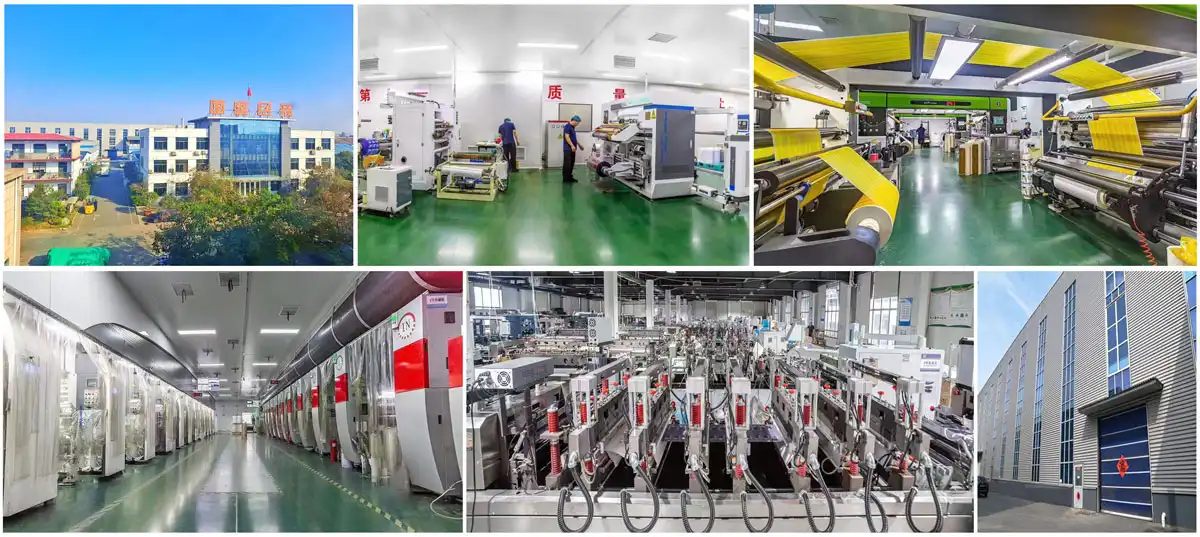
Guoshengli Packaging brings over 25 years of flexible packaging manufacturing experience to brands demanding consistent, export-ready solutions. Our high barrier film rollstock delivers exceptional moisture and oxygen protection through precisely engineered multi-layer structures that run reliably on automated form-fill-seal equipment. With seven printing lines, six laminating machines, and 49 converting units, we handle both large-scale production and urgent orders with lead times of 10 to 15 days for standard runs. Our films meet FDA and EU food-contact regulations, supported by ISO 9001, BRC, and SGS certifications that ensure quality consistency across repeat orders. As an experienced high barrier film rollstock manufacturer, we provide customizable widths, thicknesses, and finishes tailored to your specific product requirements and filling equipment. Contact our team at sales@guoshengpacking.com to discuss material optimization, request samples, and receive detailed technical recommendations that reduce packaging risks while supporting your growth objectives.
References
1. Robertson, Gordon L. "Food Packaging: Principles and Practice, Third Edition." CRC Press, Boca Raton, Florida, 2012.
2. Marsh, Kenneth and Betty Bugusu. "Food Packaging—Roles, Materials, and Environmental Issues." Journal of Food Science, Volume 72, Issue 3, Institute of Food Technologists, Chicago, Illinois, 2007.
3. Coles, Richard, Derek McDowell, and Mark J. Kirwan. "Food Packaging Technology." Blackwell Publishing, Oxford, United Kingdom, 2003.
4. Siracusa, Valentina, Pietro Rocculi, Santina Romani, and Marco Dalla Rosa. "Biodegradable Polymers for Food Packaging: A Review." Trends in Food Science & Technology, Volume 19, Issue 12, Elsevier Ltd., Amsterdam, Netherlands, 2008.
5. Yam, Kit L. "The Wiley Encyclopedia of Packaging Technology, Third Edition." John Wiley & Sons, Hoboken, New Jersey, 2009.
6. Selke, Susan E.M., John D. Culter, and Ruben J. Hernandez. "Plastics Packaging: Properties, Processing, Applications, and Regulations, Third Edition." Hanser Publications, Cincinnati, Ohio, 2016.