- English
- French
- German
- Portuguese
- Spanish
- Russian
- Japanese
- Korean
- Arabic
- Greek
- German
- Turkish
- Italian
- Danish
- Romanian
- Indonesian
- Czech
- Afrikaans
- Swedish
- Polish
- Basque
- Catalan
- Esperanto
- Hindi
- Lao
- Albanian
- Amharic
- Armenian
- Azerbaijani
- Belarusian
- Bengali
- Bosnian
- Bulgarian
- Cebuano
- Chichewa
- Corsican
- Croatian
- Dutch
- Estonian
- Filipino
- Finnish
- Frisian
- Galician
- Georgian
- Gujarati
- Haitian
- Hausa
- Hawaiian
- Hebrew
- Hmong
- Hungarian
- Icelandic
- Igbo
- Javanese
- Kannada
- Kazakh
- Khmer
- Kurdish
- Kyrgyz
- Latin
- Latvian
- Lithuanian
- Luxembou..
- Macedonian
- Malagasy
- Malay
- Malayalam
- Maltese
- Maori
- Marathi
- Mongolian
- Burmese
- Nepali
- Norwegian
- Pashto
- Persian
- Punjabi
- Serbian
- Sesotho
- Sinhala
- Slovak
- Slovenian
- Somali
- Samoan
- Scots Gaelic
- Shona
- Sindhi
- Sundanese
- Swahili
- Tajik
- Tamil
- Telugu
- Thai
- Ukrainian
- Urdu
- Uzbek
- Vietnamese
- Welsh
- Xhosa
- Yiddish
- Yoruba
- Zulu

To find Quad Seal Pouches & Bags sellers you can trust, you need to know where to look and what to look for. Most of the time, companies that make goods do business at trade shows, direct plant routes, or business-to-business websites such as Alibaba and ThomasNet. The best sellers have proof that they work hard to make sure their goods are safe for food and are always made the same way, like having certificates from the FDA, BRC, and ISO 9001. Check to see how many of the four-seal pouches you want to buy, how they can be customised, how long the lead time is, and what kind of barrier protection technology they use. Most of the time, direct manufacturers have better prices, more flexible minimum order quantities, and the ability to make solutions that are unique to each customer. Businesses that want solid packaging for a long time should work with them because of this.
Understanding Quad Seal Pouches and Their Market Demand
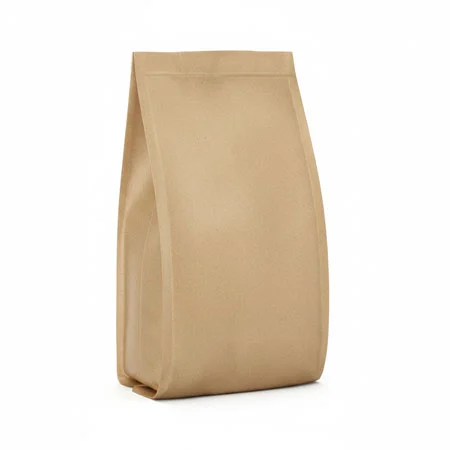
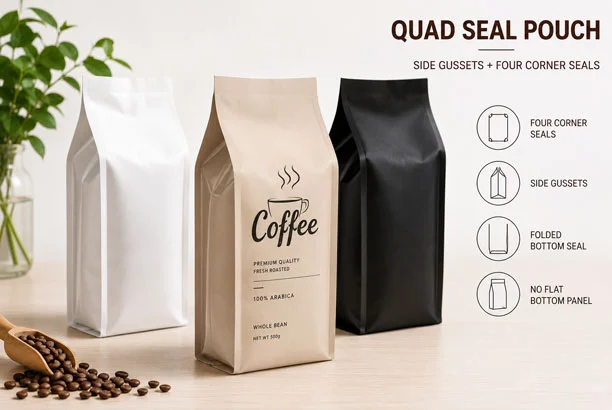
A new way to make flexible packaging is with quad seal pouches. They feature four vertical corner seals and side gussets, the base is formed when the pouch is filled, these pouches are more stable than regular three-side seal or stand-up pouches. These boxes can hold heavy things like flour, coffee, pet food, and grains without breaking because the stronger corner seals spread the weight out evenly.
These bags stand out because they are round and have flat sides. They stay straight on store shelves and give you more room to print your logo. It's easier to see the product and it looks more professional with this design. Both of these factors are very important in competitive markets where the way a store looks directly affects what people buy.
Materials and Customization Options
Multiple layers of materials, such as PET, PE, metal foil, and sometimes kraft paper, are used in quad seal packaging these days. The different layers allow certain amounts of air and water vapor to pass through, which keeps food fresh for as long as it's on the shelf. Oxygen, moisture, and light can't get through high-barrier films, so things last longer.
You can customise more than just the materials. Businesses can add many things, such as zippers that can be closed again, tear notches, one-way degassing valves for coffee use, and even ergonomic handles for bigger sizes. In terms of width, you can pick from 120 to 180 microns. Depending on how they are built, they can hold up to 20 kg of weight.
Why B2B Buyers Prefer Quad Seal Designs
The four-corner seal design gives these pouches great burst strength, which makes them perfect for automatic filling lines and rough handling in the supply chain. Their "dead-fold" design keeps the shape of the bag even as the products get smaller, so the shape is the same from the first use to the last. This dependability cuts down on stopping the filling line and rejects, which are common problems in high-volume production settings.
This style is being used more and more in the food packing, pet nutrition, health products, and beverage markets because it looks good and works well. The design works with strategies for buying in bulk and helps brands stand out by giving you flexible printing and finishing choices.
Key Criteria to Consider When Choosing Quad Seal Pouch Suppliers
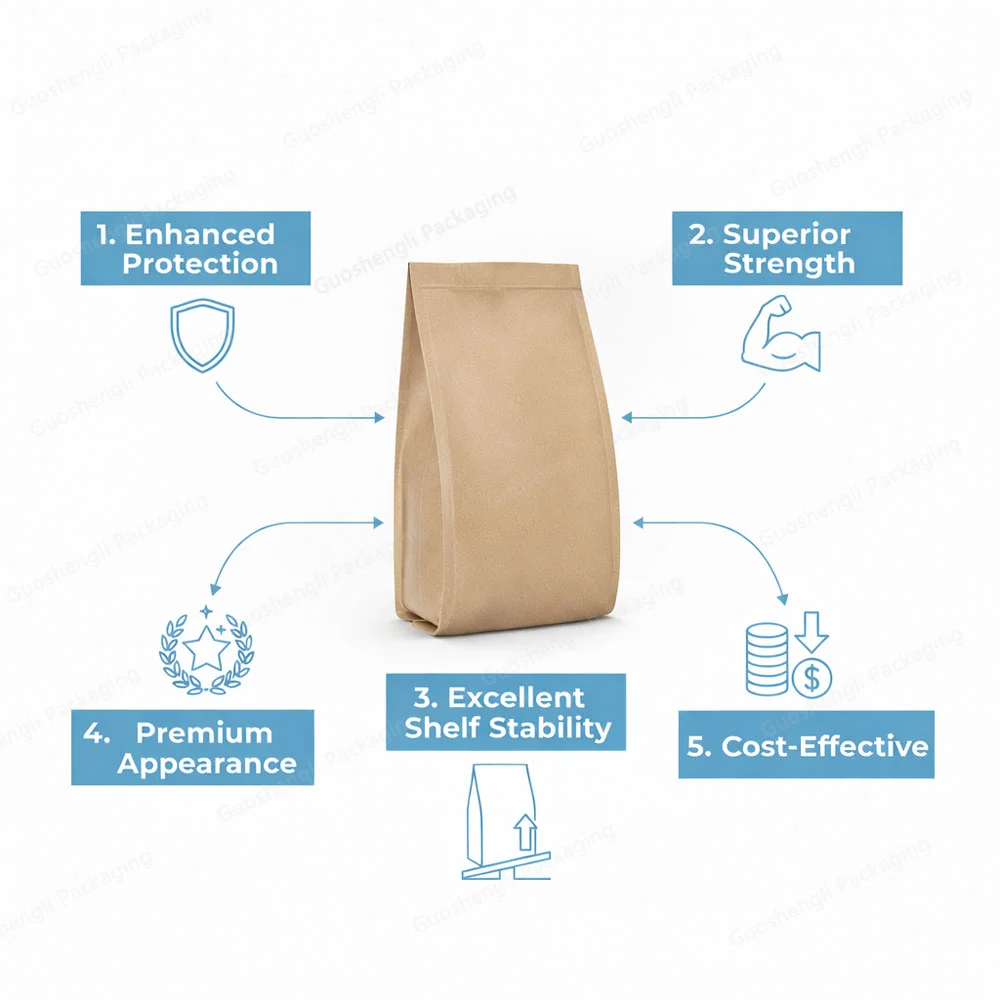
Comparing unit prices isn't the only way to find the right supplier. Quality badges are basic signs of how well a product meets standards and follows the rules for Quad Seal Pouches & Bags.
Certifications and Compliance Standards
When materials get FDA approval, it means they meet the safety standards for food contact in the US market. BRC approval shows that a company follows world standards for food safety, which is especially important for companies that sell their products in Europe. ISO 9001 certification means that the company has strong quality management systems that make sure that the same high-quality products are made for all of its customers. SGS test results confirm the barrier performance, puncture strength, and material makeup by a third party.
With these certificates, brands don't have to worry about expensive product returns or fines from the government. Suppliers who don't have the right paperwork may offer lower prices at first, but they will end up causing big problems later on.
Customization Capabilities and Production Flexibility
A good provider should offer a range of printing methods, such as rotogravure printing for large quantities with up to 11-color reproduction and digital printing for smaller quantities or fast development. Finishes on the surface, like smooth, shiny, soft-touch, or metallic, affect both how something looks and how it feels to the touch.
Different providers have very different minimum order amounts. Some need at least 50,000 units, but manufacturers who are flexible can make smaller batches, which helps businesses test new products or keep an eye on their inventory. Rotogravure printing usually takes 15 to 20 days to make, while digital printing only takes 7 to 10 days, though faster services may be available.
Pricing Structures and Value Analysis
Price per unit goes down as volume goes up, but to figure out overall cost, you have to look at the quality of the materials, the accuracy of the manufacturing, and the number of defects. It's possible that cheaper choices use thinner films or worse ways to seal, which could cause the package to fail during shipping or filling. Problems like these have secret costs that show up in the form of lost products, angry customers, and damaged brands.
Direct factory price gets rid of markups for distributors, giving businesses that want to build long-term ties with suppliers a better deal. Clear pricing that breaks down the prices of materials, printing, and tools helps buyers make smart choices that fit their budgets and meet their quality standards.
Comparison of Top Quad Seal Pouch Supplier Types for B2B Purchasers
Businesses have different needs that are met by different types of suppliers. Being aware of these differences makes it easier to match buying tactics with the needs of operations.
Global Brands Versus Specialized Manufacturers
Global package companies that have been around for a long time offer stable quality and huge production capacities, which makes them a good choice for international businesses that need to follow the same rules in many areas. These sellers keep up large delivery networks and provide a wide range of expert help.
Specialised manufacturers focus on making new materials or products for specific uses. Most of the time, they offer more customisation options and faster reaction times for specific needs. They are willing to work with companies on custom formulations and structures, such as Quad Seal Pouches & Bags, which helps companies that are making high-end products or looking for more environmentally friendly ways to package them.
Geographic Sourcing Considerations
Suppliers in the US and Europe usually charge more, but they are closer, which has benefits like faster shipping times, easier communication across fewer time zones, and compliance with regional regulatory frameworks. When handling just-in-time stocking systems or needing to make quick changes to orders, these things matter.
Asian producers, especially those in China, can offer reasonable prices because their supply lines are more established and the cost of labour is lower. Quality varies a lot, so it's important to check with the supplier. Asian makers with a good reputation combine low prices with certifications that meet international standards. This makes them a great choice for businesses that want to save money without losing quality. Companies that have been making things for more than 25 years usually have a good track record in foreign markets.
Direct Manufacturers Versus Distributors
When you buy directly from manufacturers, you avoid the costs of going through middlemen and can work together more closely on specifications. When it comes to technology needs, quality problems, and customisation changes, direct ties make it easier to talk to each other. Manufacturers are also more open about how their products are made and where they get their materials.
Distributors make things easier by combining orders and letting you place smaller ones, but they charge markups that make the total cost more expensive. They work well for companies that need different types of packaging from different suppliers or don't have the means to manage ties with many factories.
Sustainable Packaging Trends
Environmental duty is becoming more and more important in purchasing decisions. When it comes to recycling, mono-material structures made of polyethylene make it easier than mixed-material laminates. Brands that care about the environment like compostable papers made from PLA or PBAT, but they may not have the same protection qualities as standard materials.
Suppliers who offer packages that can be recycled in their entirety or use foreign RTO exhaust gas cleaning technology show that they care about the environment. These features help companies reach their sustainability goals and meet customer demands for better options without lowering the safety of their products.
How to Find and Verify Reliable Quad Seal Pouch Suppliers
To find reliable partners, effective sourcing combines online research with strict verification steps.
Industry Platforms and Online Marketplaces
Alibaba is still the biggest business-to-business (B2B) site that connects buyers from around the world with Asian producers. Platform filters let you search by type of certification, minimum order quantity, and past transactions. Trade Assurance programs and stickers that say "Verified Supplier" add extra layers of security.
ThomasNet is an online directory that focuses on North American makers and wholesalers. It offers complete company descriptions, product catalogues, and direct contact information. Europages does the same things for European providers. These platforms make initial research easier by collecting information from suppliers and letting you compare them side-by-side.
Trade shows in the industry, such as Pack Expo, Anuga FoodTec, and PACK EXPO International, let you meet sellers in person, look at samples, and talk in depth about technical needs. Many long-lasting relationships start at these events where people meet.
Evaluating Supplier Credentials
In addition to certificates, you can figure out how much can be made by touring the building or looking at thorough photos. These days, modern buildings should have many printing machines, sealing lines, and converting machines. It's clear that a company with seven printing machines, six laminating units, and 49 converting machines can handle big orders and meet tight deadlines.
Sample evaluation is very important. Ask for samples that meet the requirements for your product, and then do fill tests, drop tests, and shelf-life simulations. Check the quality of the writing, the shape correctness, the strength of the seal, and the integrity of the barrier. Samples tell you more about how well a product can be made than any advertising material could.
Case studies and examples from clients can help you figure out how reliable a seller is. Talk to current customers to find out how often deliveries are made on time, how quickly they are responded to, how problems are solved, and how consistent the service is for repeat orders. Partnerships with names in Europe, the US, and Australia that can be proven show that the company has exported before.
Building Long-Term Supplier Relationships
When there are problems in the supply chain, transactional ways of buying things leave people open to harm. Stability is created by strategic relationships based on open communication and shared gain. Suppliers can better plan their capacity when they share production forecasts. Giving feedback on quality problems at the right time allows for ongoing growth. By negotiating outline deals, you can set stable prices and give production slots priority during busy times.
Reliable suppliers become like an extension of your operations team; they'll suggest ways to make things better, let you know when materials aren't available, and meet urgent requests when you need to be flexible. These relationships grow when both people are consistently involved, treat each other fairly, and understand that the success of the other person is good for both of them.
Practical Tips for Procuring Quad Seal Pouches for Your Business
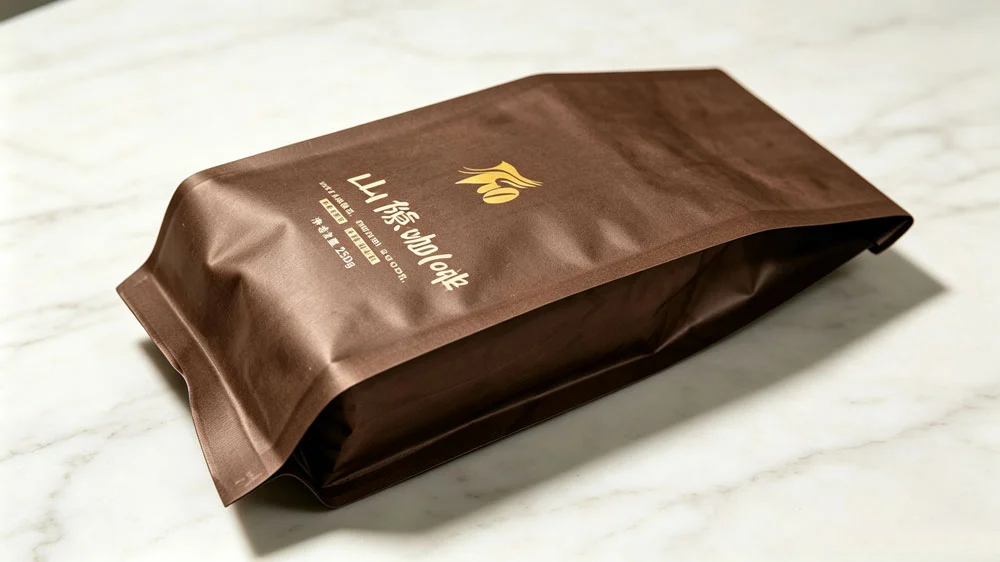
To get the best deals on things, you need to make sure that the package requirements match the features of the product and the way things work with Quad Seal Pouches & Bags.
Matching Features to Product Requirements
One-way degassing valves must be used on coffee packaging to let carbon dioxide out while blocking oxygen from getting in. This keeps the volatile aromas that define quality. Light and water are also kept out by high-barrier aluminium layers. For 5–15 kg bags of pet food, the seals need to be stronger, and the film needs to be thicker so that it can handle rough handling during palletisation and shipping. Anti-static treatments and micro-perforations keep flour and powdered goods from puffing up while they're being shipped.
Knowing how sensitive your product is to external factors will help you choose the right materials. Goods that are sensitive to moisture need low rates of water vapour transfer. Products that are sensitive to oxygen need layers of aluminium foil or metallized films. Puncture-resistant materials are needed for products with sharp edges.
Cost-Efficiency Strategies in Bulk Purchasing
The best way to make money is to find the balance between minimum order quantities, inventory carrying costs, and turnover rates. Ordering more lowers the cost per unit, but it takes up more cash and stock room. The best order size can be found by accurately predicting demand based on past sales and growth projections.
Custom branding makes marketing more effective and may allow for higher prices that increase profits. With high-quality rotogravure printing, even on multiple runs, the colours will look the same, making the brand more recognisable and increasing its value.
Changing the terms of payment has an effect on managing cash flow. A lot of Asian makers will take lines of credit or organised payment plans that work with the way businesses run. This makes it easier on their finances when they are growing.
Supply Chain Management Best Practices
International shipping adds variables that suppliers can't control, like unpredictable changes in port congestion, customs delays, and carrier availability. Adding lead time buffers helps protect against problems. Ordering packing supplies 60 to 90 days ahead of time gives you time in case something goes wrong.
Concentration risk can be reduced by using a variety of suppliers in different areas. Having a primary supplier and a qualified backup option in mind at all times helps keep things running smoothly when problems do happen. This approach was very important during the recent changes in the world supply chain.
Misunderstandings can be avoided by writing down clear quality standards in buy deals. Include standards for acceptable sizes, seal strength, barrier properties, and how the product looks. Set up protocols for incoming inspections that check for compliance before production runs.
For pressing needs, rapid production and transport services can help. Some manufacturers offer air freight options that can deliver in 4 to 5 days, but they charge more. Digital printing lets you make smaller batches more quickly when you need to respond quickly to a market opportunity.
Conclusion
To find reliable Quad Seal Pouches & Bags providers, you need to carefully look at their certifications, production capabilities, and customisation options. Direct relationships with manufacturers that offer clear pricing, flexible minimum orders, and technical support are good for business-to-business buyers. Platforms like Alibaba and ThomasNet make it easier to find things to buy, and samples, references, and facility inspections are used to make sure they are reliable. When making choices about geographic sources, cost benefits are weighed against wait times and regulatory consistency. As brands become more environmentally conscious, sustainable packaging choices have a bigger impact on what they buy. Matching the barrier qualities, valve integration, and structure specs of the bag to the needs of the product ensures that the package works reliably during production and distribution. Long-term partnerships based on open communication and mutual benefit create a stable supply chain that helps businesses grow and keep quality high in tough markets.
FAQ
1. What distinguishes quad seal pouches from flat bottom pouches?
Quad seal bags utilize product weight to form the base, creating a traditional side-gusset appearance with enhanced stability. Flat bottom pouches feature a discrete gusseted base engineered into the structure. Quad seal designs often prove more cost-effective for large-volume fills exceeding several kilograms.
2. Can quad seal pouches accommodate sustainable materials?
Yes, manufacturers can produce them using mono-material recyclable polyethylene or compostable laminates, though barrier properties may vary compared to traditional multi-layer constructions. Discussing specific shelf-life requirements with suppliers ensures sustainable materials meet product protection needs.
3. What reclosable options work with this format?
Integrated press-to-close zippers are commonly applied to the front panel, enabling repeated opening and closing. Some applications use tin-tie closures, particularly for products like coffee where maintaining freshness after opening matters significantly.
Partner With a Trusted Quad Seal Pouch Manufacturer
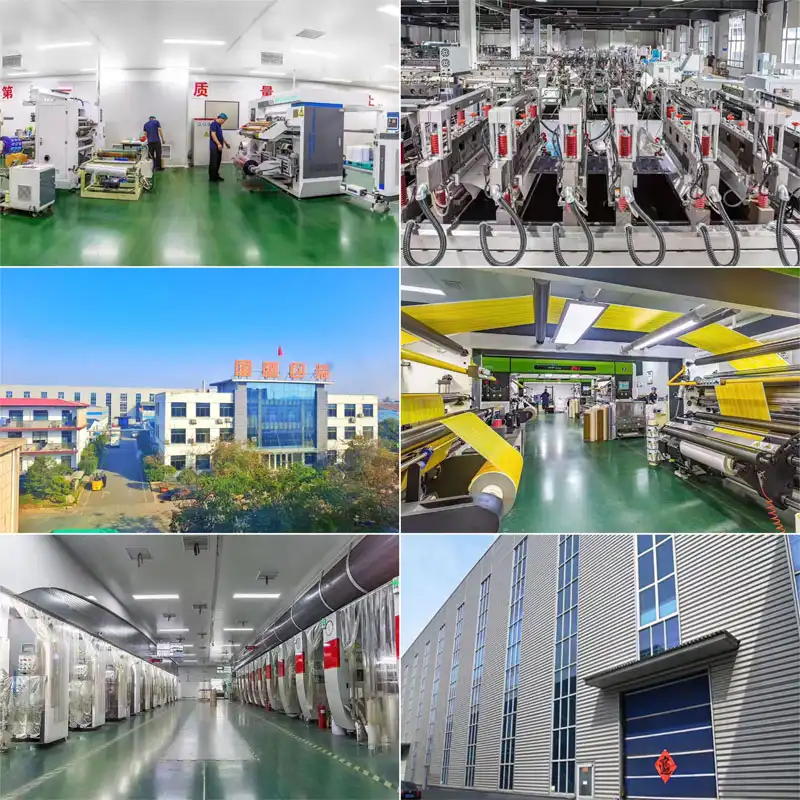
Guoshengli Packaging brings over 25 years of flexible packaging manufacturing expertise to businesses seeking reliable Quad Seal Pouches & Bags solutions. Our factory-direct supply model combines competitive pricing with flexible minimum order quantities, accommodating both emerging brands and established enterprises. We operate 7 printing machines, 6 laminating units, and 49 converting machines, ensuring production capacity meets your timeline requirements reliably. Our ISO 9001, BRC, FDA, and SGS certifications demonstrate commitment to quality standards that protect your brand reputation. Whether you need high-barrier films for extended shelf life, sustainable packaging development, or rapid production services with 7-10 day digital printing lead times, our team provides expert material selection guidance tailored to your specific applications. Contact our team at sales@guoshengpacking.com to discuss your packaging requirements. We offer sample evaluations, customized solutions, and transparent communication that simplifies international procurement.
References
1. Robertson, Gordon L. Food Packaging: Principles and Practice, 3rd Edition. CRC Press, 2013.
2. Marsh, Kenneth and Betty Bugusu. "Food Packaging—Roles, Materials, and Environmental Issues." Journal of Food Science, Volume 72, Issue 3, 2007.
3. Soroka, Walter. Fundamentals of Packaging Technology, 5th Edition. Institute of Packaging Professionals, 2014.
4. Selke, Susan E.M., John D. Culter, and Ruben J. Hernandez. Plastics Packaging: Properties, Processing, Applications, and Regulations, 3rd Edition. Hanser Publications, 2016.
5. Yam, Kit L. The Wiley Encyclopedia of Packaging Technology, 3rd Edition. John Wiley & Sons, 2009.
6. Coles, Richard and Derek McDowell. Encyclopedia of Food Sciences and Nutrition: Packaging of Foods, 2nd Edition. Academic Press, 2003.