- English
- French
- German
- Portuguese
- Spanish
- Russian
- Japanese
- Korean
- Arabic
- Greek
- German
- Turkish
- Italian
- Danish
- Romanian
- Indonesian
- Czech
- Afrikaans
- Swedish
- Polish
- Basque
- Catalan
- Esperanto
- Hindi
- Lao
- Albanian
- Amharic
- Armenian
- Azerbaijani
- Belarusian
- Bengali
- Bosnian
- Bulgarian
- Cebuano
- Chichewa
- Corsican
- Croatian
- Dutch
- Estonian
- Filipino
- Finnish
- Frisian
- Galician
- Georgian
- Gujarati
- Haitian
- Hausa
- Hawaiian
- Hebrew
- Hmong
- Hungarian
- Icelandic
- Igbo
- Javanese
- Kannada
- Kazakh
- Khmer
- Kurdish
- Kyrgyz
- Latin
- Latvian
- Lithuanian
- Luxembou..
- Macedonian
- Malagasy
- Malay
- Malayalam
- Maltese
- Maori
- Marathi
- Mongolian
- Burmese
- Nepali
- Norwegian
- Pashto
- Persian
- Punjabi
- Serbian
- Sesotho
- Sinhala
- Slovak
- Slovenian
- Somali
- Samoan
- Scots Gaelic
- Shona
- Sindhi
- Sundanese
- Swahili
- Tajik
- Tamil
- Telugu
- Thai
- Ukrainian
- Urdu
- Uzbek
- Vietnamese
- Welsh
- Xhosa
- Yiddish
- Yoruba
- Zulu

A side gusset bag with a valve is a special kind of flexible packaging that has side panels that can be expanded and a one-way degassing valve built right in. People who need reliable packaging for bulk goods, like coffee roasters, food manufacturers, and pet food manufacturers, love the 1kilo side gusset pouch with valve. When the pouch is full, this design lets it expand, making a box-like form that sits straight on shelves. The valve then lets out trapped gases, like CO2 from freshly roasted coffee beans, without letting air or moisture in. This one-of-a-kind mix keeps the product fresh, extends its shelf life, and keeps the aroma intact while it's being stored and shipped.
Understanding Side Gusset Bags with Valve
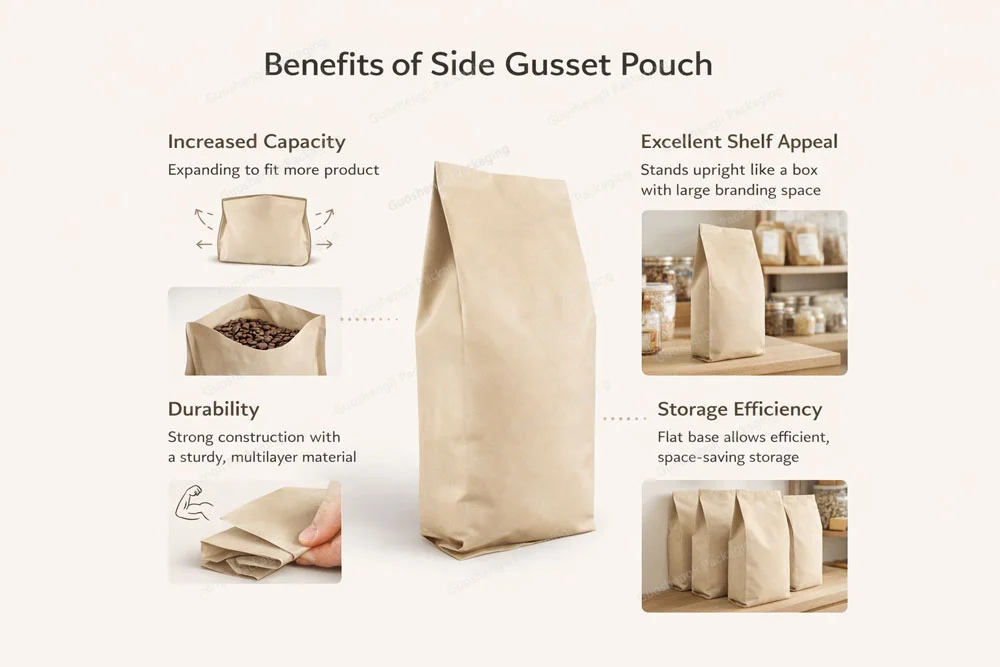
Side gusset packaging is very different from flat bottom bags or stand-up pouches. The folded pieces that run vertically along both sides of the pouch are what make it unique. When the inside is full of goods, these gussets expand outward, turning a flat package into a three-dimensional box with a rectangular base.
What Makes the Valve Essential
The built-in degassing valve is very important for products that give off gases after being packaged. In the days and weeks after they are made, coffee beans, roasted nuts, and some dried foods naturally give off carbon dioxide. Without a way to let go, these gases build up pressure inside sealed containers, which could cause bags to burst or seals to fail while they're being shipped.
There is an easy but effective way for the one-way valve to solve this problem. The pressure inside the valve from gases leaving briefly opens it, letting CO₂ escape. When pressure from the outside tries to push in, the valve shuts, keeping air and moisture from getting into the contents. During the product's shelf life, this constant freshness protection works on its own.
How Structure Supports Heavy Products
A 1-kilogram side gusset pouch with a valve needs to be able to hold a lot of weight without losing its seal. Usually, the multi-layer laminate structure is made up of PET (polyethylene terephthalate) for strength, aluminium foil or metallised film for barrier protection, and PE (polyethylene) for the ability to seal with heat. The thickness of this construction ranges from 120 to 160 microns, which is thick enough to handle one-kilogram packages.
The shape of the side gussets spreads the weight evenly across the bottom seal so that stress doesn't build up in one place. This engineering advantage makes it less likely that the bottom seal will break while the container is being moved, stacked, or shipped. Corner seals that are reinforced add extra security where stress tends to build up.
Key Benefits of Using 1 Kilo Side Gusset Pouches with Valve
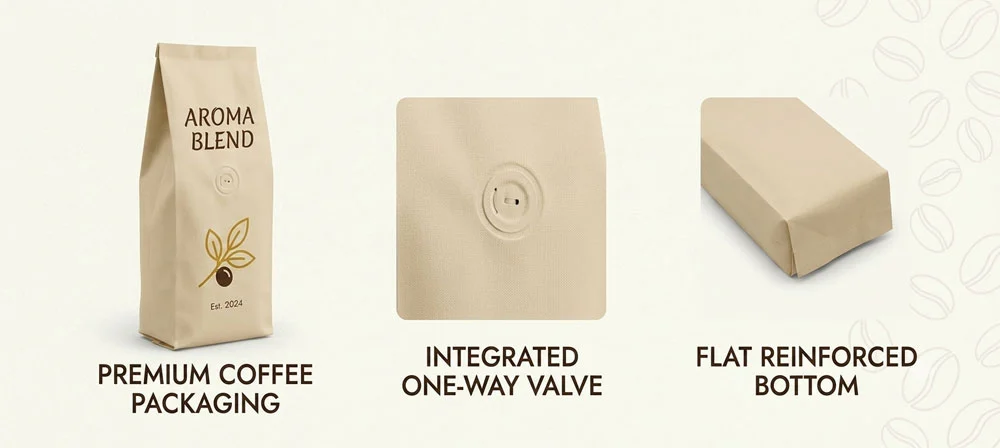
How a product is packaged has a direct effect on its quality, how people see the brand, and how efficiently the business runs. The side gusset structure with valves offers real benefits in a number of performance areas that are important to buying workers and production managers.
Superior Freshness Retention
Multi-layer barrier films make a wall that keeps oxygen, moisture, and light out, which are the three main things that keep food from staying fresh. Low oxygen transmission rate (OTR) and water vapor transmission rate (WVTR) structures help preserve product freshness. The degassing valve adds to this safety by letting gases inside the container leave while keeping outside contaminants out.
Coffee roasters say that switching from standard packaging to a 1kilo side gusset pouch with valve formats makes a big difference in how long the smell lasts. When barrier protection and gas control are used together, they keep the volatile flavour molecules that make premium coffee experiences unique. The same benefits apply to baked nuts, dried fruits, and other foods whose quality drops when exposed to oxygen.
Space Efficiency and Presentation
Side gusset bags have a small size that makes the best use of shelf space, even though they can hold one kilogram of goods. When full, the rectangular form lets store displays and storage racks fit together tightly. Because they are more efficient, they move less than hard crates and cost less to store.
The flat surfaces that widened gussets make are great for branding. The front and back panels are great places to put graphics, information about the product, and marketing messages. With high-resolution rotogravure printing, you can get up to 11 colours with great detail and colour accuracy. This turns useful packaging into strong brand assets.
Durability Under Real-World Conditions
Packaging is put through a lot of stress on production lines, transportation networks, and retail stores. Throughout the supply chain, the seal must be able to withstand punctures, tears, and other damage. A good 1-kilogram side gusset pouch with a valve is made with strong materials and careful craftsmanship to avoid problems.
Drop testing under application-specific conditions verifies package integrity during transportation, making sure that seals stay intact when packages are handled roughly. These quality control steps get rid of the expensive problems that come with packages that leak and goods that are tainted.
The above-mentioned real benefits directly lead to less trash, happier customers, and a better image for the brand. Production managers like how reliable it is and how it keeps the filling line from stopping. Marketing teams like how it looks and makes the products stand out on the shelf.
Common Uses & Industry Applications of Side Gusset Pouches with Valve
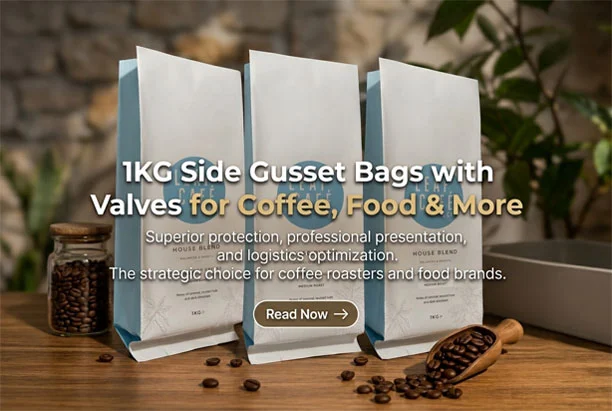
Valve-equipped side gusset packaging has been used successfully in many fields where keeping food fresh and looking professional are important for business goals. Real-life examples show that they are both flexible and useful.
Coffee Industry Leadership
The main people who use the 1kilo side gusset pouch with valve technology are coffee roasters. Premium whole bean coffee needs to be kept away from air, which breaks down flavour chemicals quickly. While letting CO2 out, the one-way valve stops air from getting in. This keeps the food fresh from cooking to eating.
These pouches help speciality roasters set their products apart in markets where there are a lot of other options. It looks professional, which sets high standards for quality, and it works well, keeping those promises. The benefits are the same for ground coffee, but it doesn't need to be degassed as much as whole beans do.
Food Manufacturing Applications
Side gusset valve pouches are the best way to protect dried fruits, certain freshly processed products, and granola. When these things are exposed to air, they often lose their freshness because they still have wetness or natural oils in them. The protective features stop the movement of moisture and oxidation that make food go bad.
This style of packing is also used for powdered foods like protein supplements, vitamin mixes, and speciality flours. The one-kilogram size is good for people who buy in bulk or who work in food service, and the reusable zipper makes it more useful after opening. The rectangular shape is good for manufacturers because it stacks well in warehouses.
Pet Food and Treat Packaging
More and more pet food companies are using 1 kg side flap pouches with valves for high-end treats and specialised nutrition products. The packaging conveys a sense of quality while also providing real freshness benefits. A lot of natural cat treats have oils and fats that break down quickly if they don't have the right layer protection.
When it comes to pet food, sturdiness is especially important because the package is handled roughly by customers and when it is being stocked in stores. Puncture-resistant construction stops the problems that happen when bags are torn, and products are scattered, which hurts how people see the brand.
Health and Wellness Segments
Valve pouches are used by supplement and health food brands for bulk powders, dried plants, and superfood ingredients. Based on claims of freshness and strength, these goods often have higher prices. Brand claims are stronger when the packaging clearly protects these traits.
Market research shows that people think of professional flexible packaging as a sign of high-quality health products. A well-designed 1kilo side gusset pouch with valve packaging looks good and supports a premium positioning. The higher price points are justified by the functional benefits, such as longer shelf life.
How to Choose the Right Side Gusset Bag with Valve for Your Procurement Needs
To choose the best packaging, you have to make sure that the technical details match the needs of the product, the production process, and what the market wants. Systematic review stops mistakes that cost a lot of money and cause problems with quality or inefficiency in operations.
Material Selection and Barrier Properties
Barrier requirements are set by the characteristics of the product. To keep from staling, coffee needs strong oxygen barriers, and powders that are sensitive to moisture need even stronger protection against water vapour. Barrier shapes that work best for different uses can be made into multi-layer laminates.
Aluminium foil layers in PET/AL/PE structures create full barriers against oxygen and moisture, giving them the best barrier performance. MOPP, VMPET, and PE options use metallised films that cover well, are more flexible, and might be able to be recycled. Choosing the right materials means finding a mix between performance needs, cost concerns, and environmental goals.
Valve Specifications and Compatibility
Where you put a valve affects both how it works and how it looks. Valve positions in the middle of the front panel give the best performance but take up valuable branding space. Side-mounted or back-positioned valves protect the images on the front panel while keeping the degassing working well. When describing the needs for a 1kilo side gusset bag with valve, the procurement specs should take both function and style into account.
Sizing and Dimensional Accuracy
The right sizes make sure that automated packaging lines can fill items quickly and correctly, and that products fit properly. One-kilogram pouches need to be about 200–240 mm wide and 300–350 mm tall when they are full, but the exact sizes depend on the density of the product and the look that is wanted.
The normal gusset width is between 80 and 120 mm, which allows the product to expand while still remaining stable when standing. For automated filling equipment to work reliably and avoid jams, the dimensions must always be within the acceptable range. Good makers stick to strict rules that help the production process go smoothly.
Comparing Alternative Packaging Formats
You can also get stand-up pouches with bottom gussets instead of side gusset designs. Bottom gusset designs are very stable and make the most of the space on the front panel for branding. Side pocket bags, on the other hand, are often cheaper for carrying one kilogram and give you the same utility.
For better display, rigid packages like jars are better, but they cost a lot more to make and ship. Flexible 1-kilo side gusset bag with valve packaging saves money on shipping costs by being lighter and taking up less room, but it still protects the product as well as hard options.
Knowing these trade-offs helps procurement professionals choose packaging that fits their budget, their business's needs, and their goals for placing in the market. Instead of maximising a single trait, the best choice strikes a mix between several factors.
Purchasing Guide and Supplier Selection for 1 Kilo Side Gusset Valve Pouches
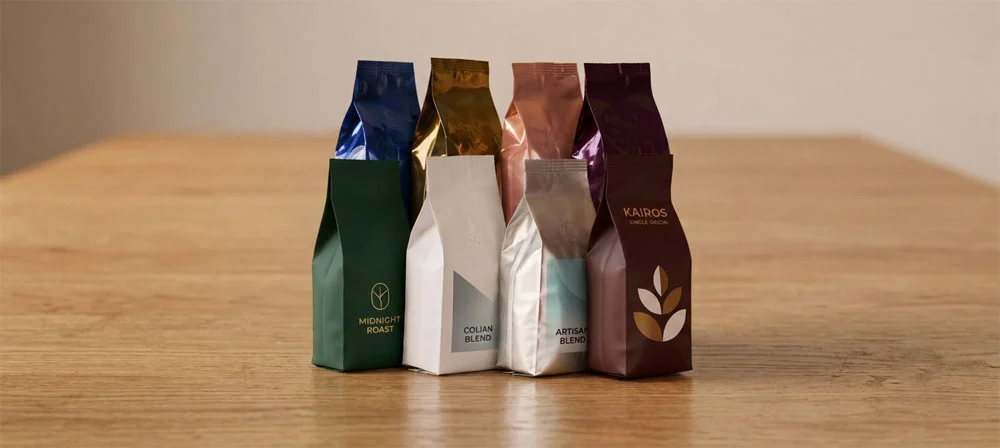
When making sourcing choices, it's not just about unit price; product stability, expert help, legal compliance, and long-term dependability are also important. Systematic review of suppliers lowers the risks of buying and helps businesses keep working together.
Certifications and Compliance Standards
Packaging that comes into contact with food must meet strict government standards. Following FDA rules in the US and EU rules in European markets sets the basic safety standards. Manufacturers with a good reputation show proof that their products and production methods meet these standards.
ISO 9001 certification shows that a quality management system is being used, and BRC (BRCGS Global Standard for Packaging Materials) certification talks about making sure that food packaging meets certain standards. These validations by a third party give buyers peace of mind that sellers keep quality controls uniform. The SGS testing reports give more proof of the barrier properties and material make-up.
Guoshengli Packaging has been serving foreign markets for 25 years and has all the major licenses needed to sell food packaging to other countries. This experience helps you understand how regulations differ in different markets and predict the compliance requirements that affect when a product will be approved for a 1kilo side gusset pouch with valve.
Minimum Order Quantities and Pricing Structure
When it comes to flexible package economics, setup costs for printing plates and production changes are common. For custom-printed bags, the minimum order quantity is usually between 10,000 and 20,000 units. However, digital printing technologies allow for smaller runs at higher costs per unit.
The way prices are set depends on the type of material, how complicated the printing is, and how many orders are placed. It is much cheaper to print simple two-color designs on standard materials than to print 11-color rotogravure designs on speciality laminates. Prices for a 1-kilo side gusset pouch with valve run from $0.1 to $0.45 per unit, based on these factors and the number of units ordered.
Different printing methods and current ability affect how long it takes to make something. Digital printing lets you turn around jobs in 7–10 days, which is good for test markets and small batches. Rotogravure printing takes 15 to 20 days, but the quality is better, and the cost per unit is lower for large orders. When you need service quickly, air shipping options can get your package to you in four to five days.
Customization Capabilities
To differentiate a brand, the packaging needs to stand out visually and clearly communicate the product's features. You can change more than just the pictures. You can also change the functionality of the product by adding tear notches, reusable zippers, hang holes, and clear windows.
Advanced suppliers offer design help that makes artwork work better with printing methods and suggests changes to the structure that make it work better. Technical advice helps buyers make decisions about which materials to use and which features to add that are in line with their needs and their budget.
A sample review is still necessary before agreeing to large sales. Good manufacturers give you samples before they start making the whole thing so you can check the colour, the way the material works, and the measurements. This confirmation step keeps production runs from having expensive shocks.
Assessing Supplier Reliability
For packing relationships to last, quality must be uniform, and service must be reliable. When evaluating a supplier, you should look at how much they can produce, how well they communicate, and how well they control quality. Site trips or video walks of factories can give you information about how they work and what they can make.
Customer references are a great way to find out how well a supplier is doing during a long-term relationship. Ask if the quality is the same for return orders, if they respond to problems, and if they can change their services to meet your needs.
We have long-term relationships with food brands, coffee roasters, and pet food makers in North America, Europe, and the Asia-Pacific region by being reliable and honest in our communication. Our experience of making products for 25 years shows that we are stable, which is something that procurement professionals look for when they are looking for sellers of important packaging parts.
Conclusion
1kilo side gusset pouch with valves have been shown to work well for coffee, food, pet goods, and health supplements that need to stay fresh. Barrier materials, structural design, and the way valves work together solve real problems in keeping products fresh and showing off brands. People who work in procurement should know how the quality of the materials, the valves, and the manufacturing process affect how well the packaging works. Systematic supplier selection based on certifications, production capabilities, and a history of dependability builds partnerships that help businesses reach their long-term goals. The 1kilo side gusset bag with valve is becoming more popular in fields where product quality and shelf life have a direct effect on customer happiness and company image.
FAQ
1. Can I customize side gusset valve pouches with my brand graphics?
Complete customization options exist for 1kilo side gusset pouch with valve designs. Rotogravure printing supports up to 11 colors with photographic quality reproduction, enabling complex graphics, gradients, and detailed imagery. Digital printing offers faster turnaround for shorter runs with somewhat more limited color matching. Both options accommodate logos, product information, nutritional panels, and marketing messages. Matte and glossy finish options affect visual presentation and tactile perception, with matte finishes often preferred for premium positioning.
2. What lead times should I expect for custom pouch orders?
Production timelines depend on printing method and current production schedules. Digital printing typically requires 7-10 days from artwork approval to finished goods, suitable for urgent launches or testing. Rotogravure printing extends to 15-20 days but delivers superior quality and cost efficiency for volume orders. Air shipping provides 4-5 day delivery, while ocean freight requires 3-4 weeks. Planning procurement cycles around these timelines prevents inventory gaps.
3. How do side gusset valve pouches impact environmental sustainability?
Modern laminate structures increasingly incorporate recyclable mono-material designs that simplify end-of-life processing. While traditional multi-layer laminates combining different polymers present recycling challenges, newer PE-based mono-structures enable recycling through existing infrastructure. Material efficiency compared to rigid packaging reduces overall resource consumption and transportation emissions. Manufacturers implementing RTO exhaust treatment systems minimize production environmental impact. Sustainability represents an evolving area where material science continues advancing packaging environmental profiles.
Partner with Guoshengli Packaging for Your Side Gusset Valve Pouch Needs
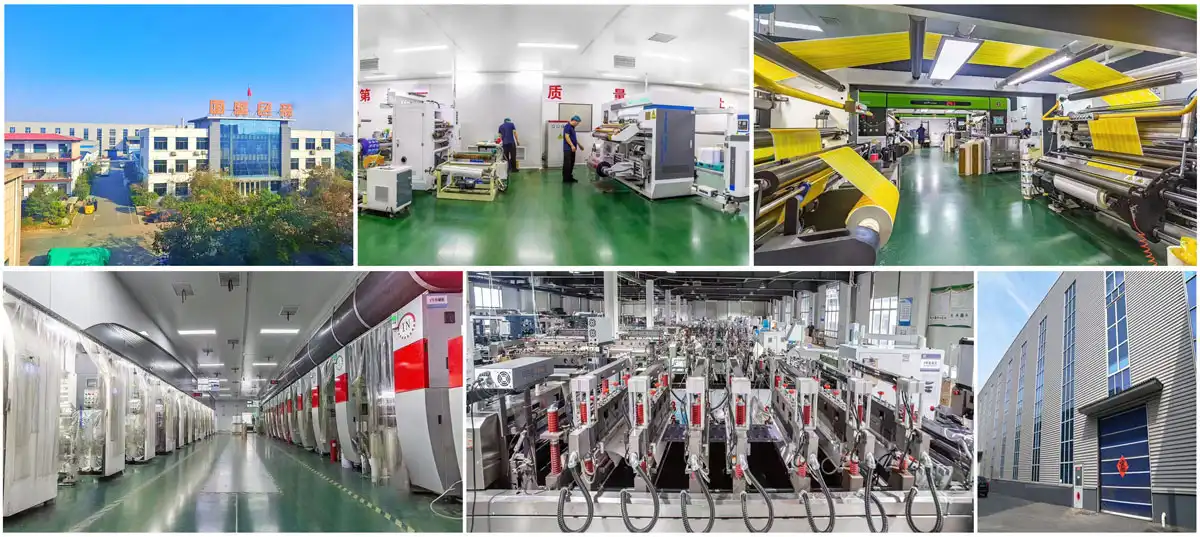
Choosing a 1kilo side gusset pouch with valve supplier impacts product quality, operational efficiency, and brand perception throughout your supply chain. Guoshengli Packaging brings 25 years of flexible packaging manufacturing expertise serving food, coffee, pet food, and supplement brands across international markets. Our ISO 9001, BRC, FDA, and SGS certifications demonstrate quality system maturity, while advanced production equipment ensures consistent output across repeat orders. We offer complete customization including up to 11-color rotogravure printing, flexible MOQ options, and rapid production timelines. Whether you need traditional multi-layer barriers or innovative recyclable structures, our technical team helps navigate material selections aligned with your product requirements and sustainability goals. Connect with our packaging specialists at sales@guoshengpacking.com to discuss your specific needs and request samples. As an established 1kilo side gusset pouch with valve manufacturer, we deliver the predictable performance that procurement professionals demand.
References
1. Robertson, Gordon L. Food Packaging: Principles and Practice, 3rd Edition. CRC Press, 2012.
2. Coles, Richard, and Derek McDowell. Packaging Technology: Fundamentals, Materials and Processes. Woodhead Publishing, 2003.
3. Marsh, Kenneth, and Betty Bugusu. "Food Packaging—Roles, Materials, and Environmental Issues." Journal of Food Science, Vol. 72, No. 3, 2007.
4. Yam, K.L. The Wiley Encyclopedia of Packaging Technology, 3rd Edition. John Wiley & Sons, 2009.
5. Selke, Susan E.M., John D. Culter, and Ruben J. Hernandez. Plastics Packaging: Properties, Processing, Applications, and Regulations, 3rd Edition. Hanser Publications, 2016.
6. Brody, Aaron L., and Kenneth S. Marsh. Encyclopedia of Packaging Technology, 2nd Edition. John Wiley & Sons, 1997.