- English
- French
- German
- Portuguese
- Spanish
- Russian
- Japanese
- Korean
- Arabic
- Greek
- German
- Turkish
- Italian
- Danish
- Romanian
- Indonesian
- Czech
- Afrikaans
- Swedish
- Polish
- Basque
- Catalan
- Esperanto
- Hindi
- Lao
- Albanian
- Amharic
- Armenian
- Azerbaijani
- Belarusian
- Bengali
- Bosnian
- Bulgarian
- Cebuano
- Chichewa
- Corsican
- Croatian
- Dutch
- Estonian
- Filipino
- Finnish
- Frisian
- Galician
- Georgian
- Gujarati
- Haitian
- Hausa
- Hawaiian
- Hebrew
- Hmong
- Hungarian
- Icelandic
- Igbo
- Javanese
- Kannada
- Kazakh
- Khmer
- Kurdish
- Kyrgyz
- Latin
- Latvian
- Lithuanian
- Luxembou..
- Macedonian
- Malagasy
- Malay
- Malayalam
- Maltese
- Maori
- Marathi
- Mongolian
- Burmese
- Nepali
- Norwegian
- Pashto
- Persian
- Punjabi
- Serbian
- Sesotho
- Sinhala
- Slovak
- Slovenian
- Somali
- Samoan
- Scots Gaelic
- Shona
- Sindhi
- Sundanese
- Swahili
- Tajik
- Tamil
- Telugu
- Thai
- Ukrainian
- Urdu
- Uzbek
- Vietnamese
- Welsh
- Xhosa
- Yiddish
- Yoruba
- Zulu

The future of flexible packaging is recyclable pouches for firms who want to go green without sacrificing product protection or shelf appeal. Constructed from mono-material structures, either polythene (#4 PE) or polypropylene (#5 PP), these pouches easily integrate into existing municipal recycling systems, providing a much-needed answer to the urgent call to reduce plastic waste, while maintaining the barrier performance, print quality and sealing integrity demanded by food, pet food and personal care products. Recyclable packaging provides easier processing at end-of-life than standard multi-layer laminates of incompatible materials and promotes programmes for a circular economy that appeal to eco-conscious customers and governments throughout the globe.
Understanding Recyclable Pouch Packaging
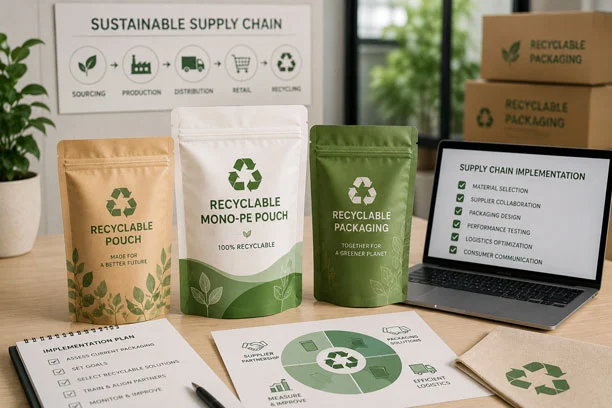
Today’s recyclable pouches are constructed from mono-material compositions that can be processed by the current plastic recycling streams. In the classical sense, flexible packaging is basically a combination of aluminium foil, polyester, nylon and polythene which cannot be properly separated or reprocessed by recycling facilities. This mono-material building is a major leap forward in sustainable engineering.
What Makes Packaging Truly Recyclable?
The true recyclability is determined by whether the material can be processed by the area recycling infrastructure. Recyclable pouches made from 100% PE or PP may be identified by conventional optical scanners and will be recyclable. Key technical advancement is replacing multi-material barriers with single polymer structures further enhanced by particular coatings such as EVOH (ethylene vinyl alcohol) in thin layers that do not interfere with recyclability.
Third party certification on whether packaging is recyclable is offered by certifying bodies as RecyClass in Europe and the Association of Plastic Recyclers in North America. These certifications provide procurement teams tangible data to back up sustainability claims and prevent greenwashing charges that may damage a company's reputation.
How Recyclable Pouches Differ from Biodegradable and Compostable Options
Recyclable, biodegradable and compostable packaging terms sometimes confound procurement experts. Biodegradable materials degrade due to natural microbial activity however they may also turn into microplastics instead of fully degrading. Compostable pouches need to be processed in industrial composting facilities where factors like temperature and humidity are controlled - an infrastructure that is currently lacking even in industrialised nations.
Recyclable pouches, however, provide a real advantage to the millions of homes and businesses that now are serviced by waste management systems. These products provide higher true recovery rates than biodegradable materials, which often end up in trash when composting is not an option.
The Lifecycle of Mono-Material Flexible Packaging
By understanding the whole lifespan, marketers can see how their packaging decisions effect the environment. Recyclable pouches of virgin or recycled PE or PP resin pellets. Manufacturing includes extrusion, printing using water-based inks, lamination with solvent-free adhesives and formation of pouches utilising heat sealing. Consumers throw empty pouches in recycling bins after use, where they enter streams of plastic films collected individually or combined with rigid containers, depending on local programmes.
Optical sorters help recycling facilities determine the material type, while balers compact the gathered films. Reprocessors clean and melt the material into recovered pellets. These pellets provide the raw material for new packaging, building materials or consumer products and complete the circular loop.
Key Benefits of Using Recyclable Pouch Packaging for B2B Clients
The competitive advantage for brands that use recyclable pouches much exceeds their commitment to the environment. These benefits influence operational efficiency, market positioning and long-term corporate resilience in an increasingly eco-conscious world.
Enhanced Brand Reputation and Consumer Trust
Consumers nowadays are increasingly aware of packaging options. Switching to recyclable pouches is a real commitment to be environmentally responsible, creating emotional connections with their target audiences and allowing them to distinguish themselves from rivals who still use non-biodegradable packaging.
A reputational edge like this is vital for fledgeling firms confronting industry giants. Marketing platforms, social media and point-of-sale displays are wonderful story telling possibilities to share the tale of mono-material construction and recyclability. Such sustainability pledges are reliable signals of trust that influence purchasing behaviour and build consumer loyalty when supported by real certifications.
Regulatory Compliance and Risk Mitigation
The Extended Producer Responsibility (EPR) standards already exist in European Union member states, Canada, and a number of U.S. states including California, Maine, Colorado and Oregon. Such restrictions tax corporations for recycling infrastructure based on how recyclable their packaging is and how damaging it is for the environment. Increased prices for non-recyclable formats will immediately eat into corporate profitability.
The recyclability of the pouches means brands may meet their EPR requirements at a lower compliance cost. The European Union's Packaging and Packaging Waste Directive aims for all packaging to be recyclable by 2030, with interim targets for specific recycling rates of plastic packaging. The earlier brands adopt recyclable packaging, the better, avoiding the shock of future legislation and the expense of emergency reformulations as compliance deadlines loom.
Cost Efficiency Through Material Optimization
The upfront per unit cost of recyclable pouches may be 10-20% more than standard multi-layer laminates, however total cost analysis indicates prospects for savings. Mono-material constructions avoid the need for specialised adhesives or sophisticated lamination procedures, which reduces the complexity of production. They are also lighter than rigid containers, which decreases transportation costs and the carbon impact across the supply chain.
We negotiate bulk purchase contracts with established manufacturers improving cost efficiency . Brands that place constant volume get economies of scale, steady pricing and priority on production schedule. When you include the EPR fees saved, the lowered waste disposal expenses, and the impact of an improved brand image on the sales opportunity with a sustainability-conscious customer base, the ROI becomes even more attractive.
Versatility Across Product Categories and Applications
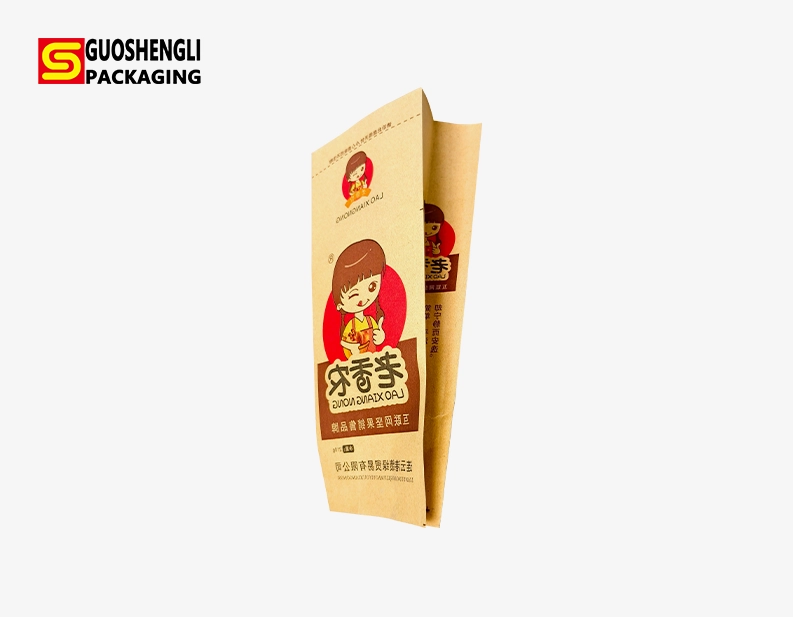
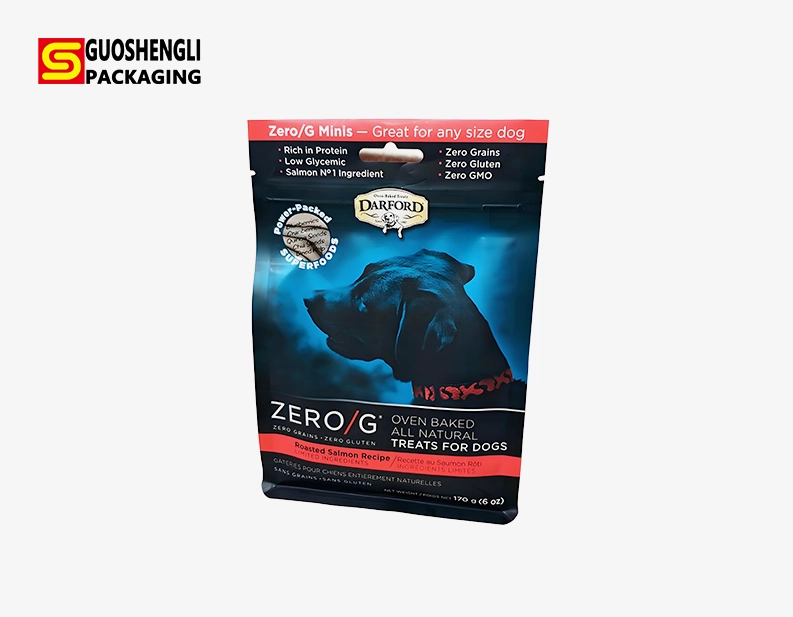
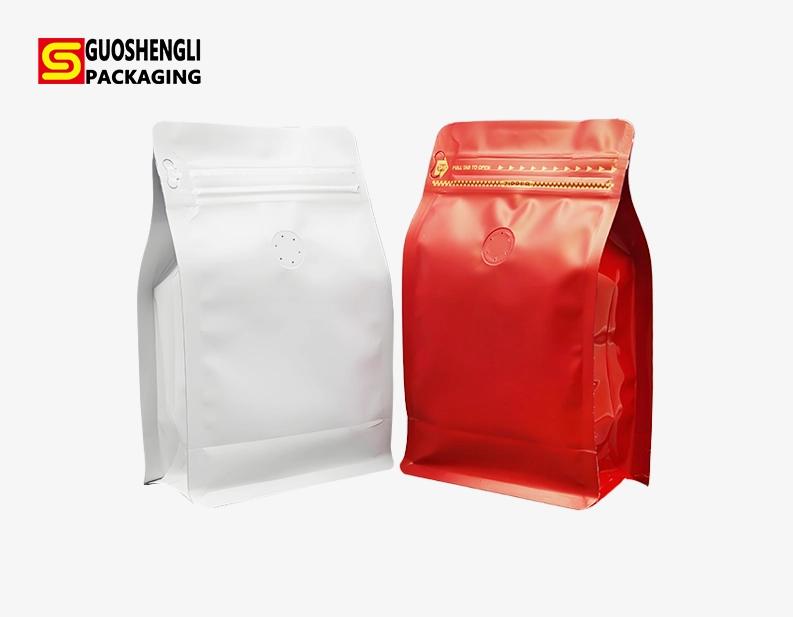
The recyclable pouches are suitable for many goods from food to pet food to personal care and household categories. Stand-up pouches with resealable zipper are ideal for snacks, coffee, protein powders and pet treats. Flat bottom designs are good for premium products that require a strong retail presence since they are very stable on the shelf. The spout designs work well with liquid and semi-liquid goods such as sauces, baby food and cleaning concentrates.
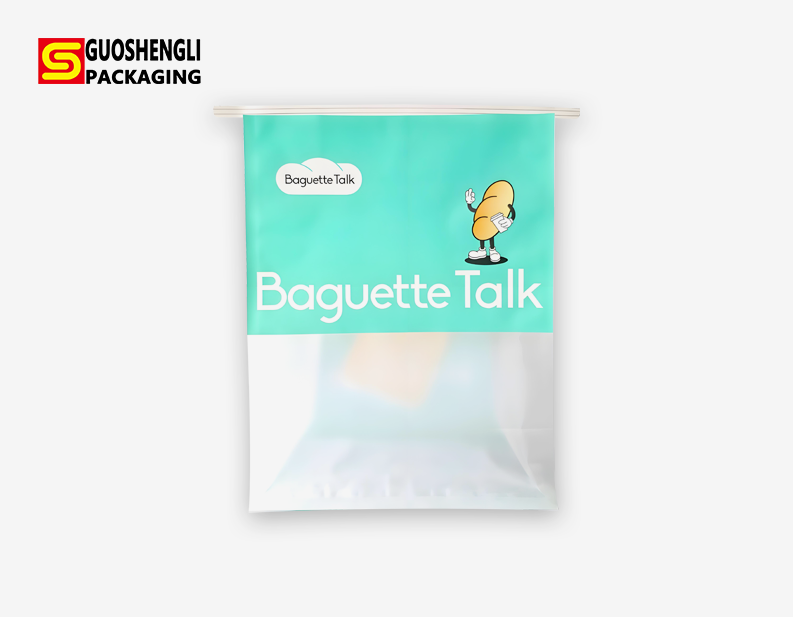
Customisation options allow companies to maintain their own visual identity while also adopting environmentally friendly procedures. Up to 11-color rotogravure and digital printing techniques allow for rich graphics, photographic pictures and gorgeous typography on matte, glossy or soft-touch surfaces. Recyclable pouches may be just as effective as traditional packaging and achieve environmental objectives with practical features such as tear notches, hanging holes, clear windows and anti-fog coatings.
Comparison of Recyclable Pouches with Other Packaging Options
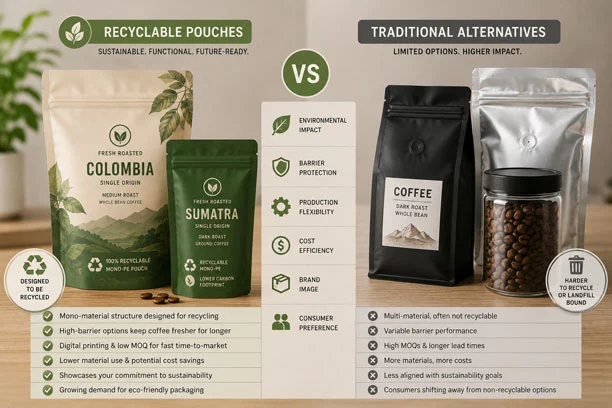
Procurement teams evaluating recyclable pouches need clear performance and sustainability comparisons to make informed decisions that balance product protection, brand presentation, environmental impact, and cost considerations.
Recyclable Pouches vs. Traditional Multi-Layer Laminates
Flexible packaging is often produced from mixtures of materials such as PET, aluminium foil and PE to provide barriers to oxygen, moisture and light. This technology gives a high shelf life but has end-of-life concerns since the bound layers cannot be separated and reprocessed by recycling facilities. The outcome: Most multi-layer pouches end up in landfills or incinerators, even when customers recycle them.
Similar barrier properties may be accomplished using recyclable mono-material based pouches with coatings or thin EVOH layers that are compatible with recycling. Well-designed mono-material pouches can retain sensitive products like coffee, almonds and pet food in excellent condition, fulfilling shelf-life requirements for most applications, according to independent study. whether firms are concerned about the ultra-high barrier requirements for products with a 24+ month shelf life, consult with packaging experts to find out whether new coatings can satisfy both protection and recyclability objectives.
Recyclable Pouches vs. Paper-Based Packaging
Brands looking for sustainable source material and natural aesthetics are drawn to paper packaging. However, most paper pouches need plastic liners or coatings to deal with moisture and grease, thereby making them composites that are difficult to recycle, much like multi-layer laminates. Unbleached paper alternatives are only good for dry, non-perishable things with a short shelf life.
Plastic pouches are recyclable, they’re superior than paper for moisture resistance, durability in transportation and actual recycling rates. Films of PE and PP are accepted by municipal recycling schemes but paper is often not, especially if contaminated or coated. And in terms of weight, plastic wins there as well: a typical recyclable bag weighs 40-60% less than equivalent paper packaging, which reduces emissions and shipping costs when transporting them.
Recyclable Pouches vs. Rigid Containers
Glass jars and rigid plastic containers are excellent for product preservation and premium retail look but have a far higher environmental footprint. Glass manufacture uses a lot of energy and the increased weight is responsible for 300-500% more transport emissions than flexible pouches. Rigid plastic containers are ostensibly recyclable, however they need 3-4 times the amount of material as similar pouches.
Flexible, recyclable pouches for space savings in the supply chain. They take up less space in warehouse storage before filling, nest well during transportation and reduce shop shelf space requirements - a big tick considering the price of retail floor space. Empty pouches provide less waste volume than big, rigid containers once consumers have used them. This type of material efficiency directly leads to less carbon emissions, reduced logistical expenses and higher sustainability numbers.
How to Source and Procure Recyclable Pouch Packaging Efficiently
Successful procurement of recyclable pouches requires strategic supplier selection, clear specification development, and relationship management that ensures consistent quality across repeat orders and production scaling.
Identifying Qualified Manufacturers and Suppliers
There are dozens of flexible packaging producers worldwide, but few have the technical know-how and certifications to develop truly recyclable pouches that fulfil international food safety and recyclability criteria. Procurement teams should seek for vendors that have ISO 9001 quality management certification, BRC food packaging accreditation, and FDA or EU food contact material compliance documents.
Request proof of successful testing for recyclability via recognised certification programmes. The experienced providers give comprehensive technical data sheets with information on material composition, barrier qualities, heat seal strength and compatibility with typical filling equipment. Manufacturers in China, South-east Asia and India have competitive prices and modern manufacturing capabilities. Guoshengli Packaging has 25 years of expertise in making flexible packaging and operates 7 rotogravure printing lines, 6 laminating machines and 49 conversion lines—offering production capability that can accommodate both short test runs and big continuous supply contracts.
Key Procurement Considerations and Specifications
Specific details in specs help to avoid expensive misunderstandings and guarantee that packaging satisfies functional requirements. Critical parameters are: material composition (mono-PE or mono-PP), thickness measurements, barrier requirements (oxygen transmission rate, moisture vapour transmission rate), print colour counts and registration tolerances, pouch dimensions, seal strengths and features like zippers, valves or spouts.
Minimum order quantities (MOQs) may vary greatly depending on the manufacturer and manufacturing process. Digital printing allows you to create smaller minimum order quantities – often as little as 500 to 1,000 pouches – making it a good option for product launches, seasonal goods or speciality products made in small batches. Rotogravure printing has larger minimum order quantities, often between 10,000 and 50,000 bags, but it offers the best colour consistency, durability and cost per unit for continuous production runs.
Building Strategic Supplier Relationships
The transactional approach to buying is not conducive to ongoing improvement and technological innovation. With the right strategic alliances with competent recyclable pouch manufacturers, you’ll get benefits like priority production scheduling during busy seasons, advance notification of material pricing changes, collaborative development of innovative packaging solutions, and technical assistance when production challenges emerge.
We keep regular contact to be aligned on quality standards, delivery timelines and developing sustainability targets. Quarterly business reviews give an opportunity to analyse performance indicators, discuss strategies to reduce costs and prepare for capacity needs for impending product launches. Suppliers committed to long-term partnerships are able to be flexible in dealing with unanticipated changes in demand and proactively recommend improvements drawing on their expertise with a variety of customers and sectors.
Best Practices for Using and Recycling Recyclable Pouches
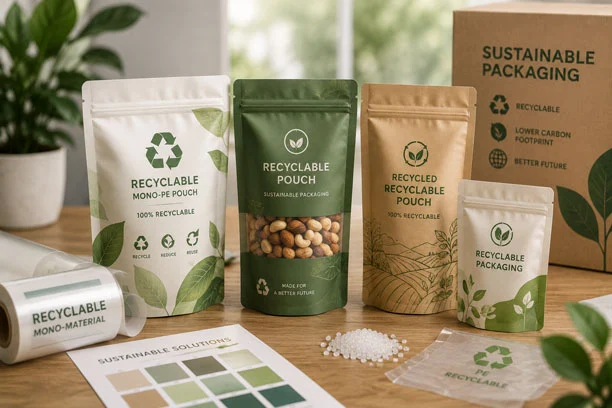
Maximizing the environmental benefits of recyclable pouches requires attention to design decisions, consumer education, and supply chain coordination that support high recovery and recycling rates.
Design Strategies That Enhance Recyclability
Material selection is the basis of recyclability, however design elements greatly influence the actual recycling results. Do not include superfluous components that might complicate the separation of materials; for example, ask for zippers constructed from the same base resin as the bag body, rather than adding incompatible materials. If transparency is needed in windows, go for PE or PP film rather than PET or other polymers that contaminate recycling streams.
Ink saturation greatly influences the economics of recycling since deeply inked materials need to be washed more thoroughly during reprocessing. Attractive visuals are necessary for brand exposure but leave certain areas unprinted or reduce ink densities when practical. Water based inks and solvent free adhesives reduce the environmental footprint during production and provide cleaner recyclate when reprocessed. Labels and secondary packaging should be made of materials that can be cleanly separated during the recycling wash process.
Consumer Education and Collection Infrastructure
Even the most carefully engineered recyclable pouches provide little environmental advantage if users don’t dispose of them responsibly. Clear recycling instructions on packaging boost correct disposal rates. The How2Recycle label programme offers standardised, science-based recommendations that customers recognise and trust. Messaging such as “Store Drop-Off” for flexible films in areas lacking kerbside film collection or “Check Locally” for areas with varying infrastructure supports customers in efficiently navigating their local recycling alternatives.
Brands may boost their influence by supporting the development of recycling infrastructure. Getting involved in industry efforts like the Flexible Film Recycling Group, or working together with retail collection programmes, helps boost access to correct disposal routes. In the absence of municipal infrastructure, several major companies have formed mail-back programmes or worked with specialised recyclers like TerraCycle to provide collection alternatives.
Supply Chain Integration and Performance Monitoring
Getting recyclable packaging programmes to work requires collaboration across the procurement, operations, marketing and sustainability departments. Procurement requirements should require verification testing of recyclability claims prior to mass implementation. Monitoring performance throughout the filling procedure provides effective pouch runs on current equipment without line stoppages or product quality concerns.
Monitor important performance indicators such as enhancements in recycling rates, waste diversion statistics, and comments from customers on packaging sustainability. These data points illustrate programme efficacy to stakeholders and point to potential for further development. Top companies produce yearly sustainability reports that record package transitions and increased recycling rates – openness that builds stakeholder trust and competitive positioning.
Conclusion
Recyclable pouches deliver measurable advantages for brands committed to environmental responsibility, regulatory compliance, and long-term market competitiveness. By transitioning from traditional multi-layer laminates to mono-material PE or PP structures, companies reduce plastic waste, satisfy Extended Producer Responsibility requirements, and build consumer trust through authentic sustainability actions. The packaging performance rivals conventional options while supporting circular economy principles that define responsible business practices in an era of heightened environmental awareness. Strategic procurement ensures brands secure high-quality solutions that protect products and advance corporate sustainability objectives without compromising operational efficiency.
FAQ
1.Are recyclable pouches accepted in all municipal recycling programs?
Acceptance of recyclable pouches varies by region depending on local infrastructure. Many municipalities with curbside film recycling accept PE and PP pouches alongside plastic bags and wraps. Areas without curbside film collection typically offer store drop-off programs at grocery retailers. The How2Recycle label system provides location-specific guidance that helps consumers navigate their local options effectively, often indicating "Store Drop-Off" for flexible films or urging users to "Check Locally" for current guidelines.
2.How do costs compare between recyclable pouches and traditional packaging?
Initial per-unit costs for recyclable pouches typically run 10-20% higher than conventional multi-layer laminates due to specialized materials and manufacturing processes. Total cost analysis often reveals savings through reduced EPR compliance fees, lower transportation costs from lighter weights, and potential revenue gains from enhanced brand reputation among sustainability-focused consumers. Bulk procurement agreements and production at scale further improve cost competitiveness.
3.Can recyclable pouches maintain product freshness for sensitive products?
Properly engineered mono-material pouches with EVOH coatings or advanced barrier technologies achieve shelf life performance comparable to traditional laminates for most applications. Independent testing confirms 12-18 month protection for coffee, nuts, pet food, and similar products. Ultra-sensitive products requiring 24+ month shelf life may need specialized structures—consultation with packaging engineers ensures optimal solutions balancing protection and recyclability.
4.What customization options are available for recyclable pouches?
Recyclable pouches support extensive customization including multiple pouch styles (stand-up, flat bottom, spouted, three-side seal), rotogravure or digital printing up to 11 colors, various finishes (glossy, matte, soft-touch), and functional features like resealable zippers, tear notches, and transparent windows. These options ensure brands maintain distinctive visual identities while embracing sustainable packaging.
Partner with Guoshengli Packaging for Your Recyclable Pouch Solutions
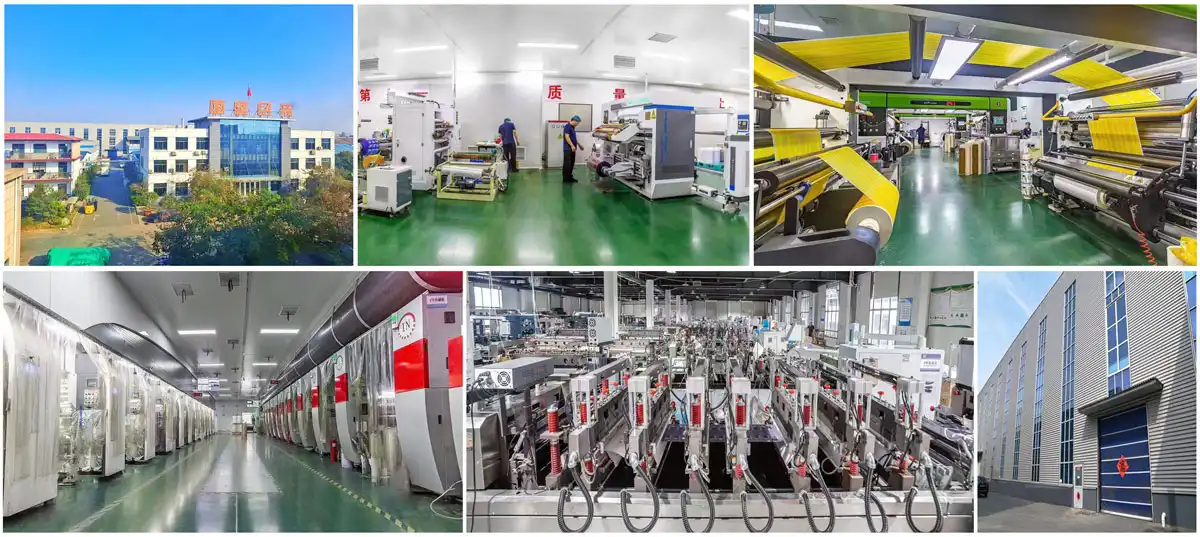
Guoshengli Packaging brings over 25 years of flexible packaging manufacturing excellence to brands seeking reliable recyclable pouches that satisfy both environmental imperatives and operational realities. Our advanced production facility—equipped with 7 rotogravure printing lines, 6 laminating machines, and 49 converting lines—delivers mono-material PE and PP pouches that satisfy recyclability requirements without compromising barrier protection, print quality, or sealing performance. We hold ISO 9001, BRC, and FDA certifications that ensure consistent quality and food safety compliance across all orders.
Whether your brand requires small-batch digital printing with MOQs as low as 500 pouches or high-volume rotogravure production for ongoing supply, our flexible manufacturing capabilities accommodate diverse business needs. Lead times from 7-10 days for digital projects and 15-25 days for rotogravure work help you respond quickly to market opportunities while maintaining inventory efficiency. Contact our team at sales@guoshengpacking.com to discuss your specific requirements, request technical specifications, or arrange sample shipments that demonstrate how our recyclable pouches can advance your sustainability objectives.
References
1. Sustainable Packaging Coalition (2022). "Consumer Perspectives on Sustainable Packaging: Global Research Findings." GreenBlue Organization.
2. European Commission (2021). "Packaging and Packaging Waste Directive: Revised Recycling Targets and Extended Producer Responsibility Requirements." Official Journal of the European Union.
3. Association of Plastic Recyclers (2023). "Design Guidelines for Recyclable Flexible Plastic Packaging." APR Technical Standards Committee.
4. McKinsey & Company (2021). "The Drive Toward Sustainability in Packaging: Beyond the Quick Wins." Consumer Goods & Retail Practice Report.
5. Ellen MacArthur Foundation (2022). "The New Plastics Economy: Rethinking the Future of Plastics and Catalyzing Action." Circular Economy Initiative.
6. RecyClass (2023). "Recyclability Evaluation Protocol for Flexible Plastic Packaging." Plastics Recyclers Europe Technical Standards.