- English
- French
- German
- Portuguese
- Spanish
- Russian
- Japanese
- Korean
- Arabic
- Greek
- German
- Turkish
- Italian
- Danish
- Romanian
- Indonesian
- Czech
- Afrikaans
- Swedish
- Polish
- Basque
- Catalan
- Esperanto
- Hindi
- Lao
- Albanian
- Amharic
- Armenian
- Azerbaijani
- Belarusian
- Bengali
- Bosnian
- Bulgarian
- Cebuano
- Chichewa
- Corsican
- Croatian
- Dutch
- Estonian
- Filipino
- Finnish
- Frisian
- Galician
- Georgian
- Gujarati
- Haitian
- Hausa
- Hawaiian
- Hebrew
- Hmong
- Hungarian
- Icelandic
- Igbo
- Javanese
- Kannada
- Kazakh
- Khmer
- Kurdish
- Kyrgyz
- Latin
- Latvian
- Lithuanian
- Luxembou..
- Macedonian
- Malagasy
- Malay
- Malayalam
- Maltese
- Maori
- Marathi
- Mongolian
- Burmese
- Nepali
- Norwegian
- Pashto
- Persian
- Punjabi
- Serbian
- Sesotho
- Sinhala
- Slovak
- Slovenian
- Somali
- Samoan
- Scots Gaelic
- Shona
- Sindhi
- Sundanese
- Swahili
- Tajik
- Tamil
- Telugu
- Thai
- Ukrainian
- Urdu
- Uzbek
- Vietnamese
- Welsh
- Xhosa
- Yiddish
- Yoruba
- Zulu

Selecting the right fin seal pouch depends on matching your product requirements—such as barrier needs, shelf-life expectations, and production speed—with the pouch's material structure and seal strength. Consider high-speed compatibility for candy and snack lines, oxygen and moisture barriers for freshness, customization options like transparent windows or euro holes for retail appeal, and supplier certifications to ensure food-safe compliance. Balancing unit cost with MOQ requirements helps optimize your budget while maintaining consistent quality across production batches.
Understanding Pillow Pouches: Definition, Function & Benefits
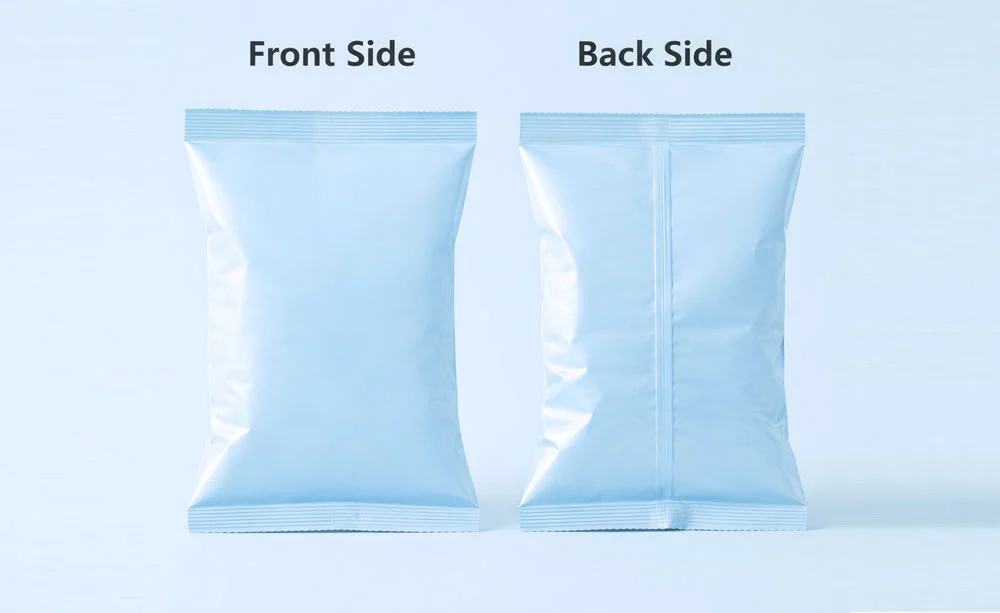
Packaging may be a make or break factor for your goods in the market. When making candies, snacks, or frozen meals in volume, you need packaging that preserves quality while operating smoothly on high-speed lines. Pillow pouches (sometimes called fin seal pouches) give just that combination.
What Makes the Back Seal Structure Reliable
A fin seal pouch is formed by folding flexible material and sealing the inner surfaces to themselves on the rear panel to produce a noticeable projecting fin. This back centre seal provides an air tight barrier to keep out moisture, oxygen and pollutants. The interior-to-interior seal results in a stronger link than lap seals that bind exterior to inner layers . Both sides have the same material qualities . This structure lends itself well to use in Vertical Form-Fill-Seal (VFFS) and Horizontal Form-Fill-Seal (HFFS) applications where speed and repeatability are important. Your manufacturing line has fewer stoppages and more predictable output.
Core Benefits That Impact Your Bottom Line
When you choose cushion packing, you’re getting real benefits for your business. Better sealing strength equals fewer rejected bags and less product waste in transportation. The hermetic seal excludes the atmosphere to prolong shelf life. This decreases returns and customer complaints. That material efficiency translates to cheaper prices per unit, not to mention the fact that you’re purchasing tens of thousands of pouches every month. The sleeker design also makes these bags easier to store in inventory, since they stack well and occupy less space than their more rigid counterparts. Back seal designs enable quicker changeover times on automated equipment compared to gusseted or stand-up styles, ensuring your lines remain in motion during high demand production periods.
Material Engineering for Product Protection
Modern multi-layer laminates balance protection with printability. The outer layer—typically PET, matte PET, or BOPP—provides mechanical strength and a smooth canvas for vibrant graphics. Layers in the middle, like aluminum foil, metalized PET, or EVOH, stop oxygen and light from getting through. This keeps the flavor and color of sensitive foods like chocolate or roasted coffee. The inner sealant layer uses PE, CPP, or LLDPE for reliable heat sealing and food-contact safety. Some suppliers now offer recyclable mono-material PE structures or compostable PLA/PBAT options, addressing sustainability mandates without compromising shelf-life performance. Understanding these layers helps you specify the exact barrier profile your product demands.
Key Criteria to Consider When Choosing Pillow Packaging
Procurement teams face complex decisions when sourcing flexible packaging. The wrong choice can slow production, increase waste, or damage brand reputation. Applying a structured review strategy saves your investment and operating continuity.
Matching Pouch Properties to Product Needs
Your product characteristics determine material needs. Oxygen-sensitive products like nuts or dried fruit need high-barrier metallized or foil laminates with Oxygen Transmission Rates (OTR) below 1 cc/m²/day. Frozen foods require puncture-resistant films that stay flexible at low temperatures. Powdered goods gain from anti-static treatments to avoid clinging during filling. Shelf-life expectations also guide material selection—six-month outdoor storage needs different barriers than two-year frozen storage. Map out these factors before approaching suppliers to ensure offered solutions match with real-world conditions.
Evaluating Design Features for Functionality and Brand Impact
Functional add-ons serve dual purposes. Euro holes allow hanging displays, raising retail visibility for candy and snack names. Transparent windows let consumers inspect product quality, building trust at point-of-sale. Easy-tear notches improve user experience while maintaining seal integrity during distribution. Resealable zippers extend product usability, particularly valued in the pet treat and protein powder markets. Each feature adds cost, so prioritize based on your target store setting and customer standards. Rotogravure printing supports up to 11 colors for premium brand presentation, while digital printing offers flexibility for shorter runs or regional variations.
Balancing Budget Constraints with Quality Standards
Professionals in procurement have to work with tight cost goals. Usually, the minimum order quantity (MOQ) for a design is around 10,000 pieces. However, digital printing lets you use smaller MOQs for test marketing. Unit cost goes down as volume goes up, but buying too much takes up cash and warehouse room. Digital-print projects may support shorter lead times for selected formats, while gravure production generally requires additional time for cylinders, printing, lamination, curing and conversion. Ask for thorough quotes that show all the costs.
Comparing Pillow Pouches with Alternative Formats
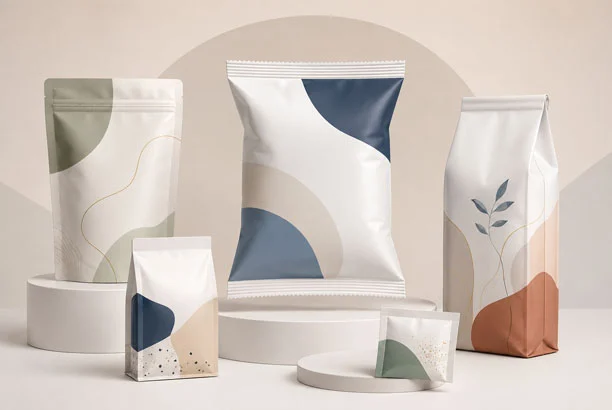
When you know the differences between formats, you can pick packaging that works for your business and the people you want to sell to. Each style has its own pros and cons when it comes to price, performance, and how it looks on the wall.
Fin Seal vs. Three-Side Seal: Structural Differences
There is one bottom seal on a three-side seal pouch, as well as two side seals. The top seal is closed when the bag is full. This style works well for flat things like seasoning packs, but it's not as rigid as back seal designs. Because the back seal locks the tube structure before filling, fin seal pouches keep their shape throughout production. On high-speed lines, this stability cuts down on misfeeds. Sealing integrity also differs—the interior-to-interior bond of back seal formats typically achieves stronger peel strength than three-side seals where outer and inner layers must bond. Pillow designs don't have as many rules about what materials can be used, so there are more barrier options.
Stand-Up Pouches for Retail Visibility
Stand-up pouches get people's attention on store shelves because they are offered upright and have more branding room. When something is well-made, it can stand up on its own thanks to the bottom gusset. Each unit costs 15–30% more than pillow packaging because it needs more material. Also, the rate of production is slower. VFFS pillow systems can make 100 bags or more per minute, while stand-up pouch lines can only make 40 to 60 bags per minute. Back seal formats are better for candy and snack brands that care more about throughput and cost efficiency than about standing out on the shelf.
Zipper and Valve Options: Convenience vs. Simplicity
For multi-serve products like protein powder or pet treats, resealable zippers make them easier to use. Customers like being able to keep food fresh after opening it. Valves release CO₂ generated by freshly roasted coffee while limiting external air ingress. When zippers are added, production slows down and costs go up. Valve placement needs to be perfectly aligned during filling, which takes more time during setup. Check to see if these features really make your product better or if a simple pillow design would do the same job for less money. A lot of candy and snacks work well in simple heat-sealed forms.
How to Evaluate and Select the Right Supplier
The choice of supplier decides how the package will be the same for each order. Thoroughly checking out possible partners can help you avoid problems and costs in the future.
Verifying Certifications and Manufacturing Standards
Certifications show that an operation is mature and following the rules. ISO 9001 approval shows that a company has quality management systems that keep track of production variables and push for constant growth. BRC certification means that the food safety rules follow strict rules that keep the food from getting contaminated. FDA compliance makes sure that materials meet U.S. rules for food contact, which is a must for American markets. Reports from SGS or a third party testing services back up claims about barrier properties and seal strength. If you want to believe what a website says, ask for up-to-date audit reports and certificates. It's also important to know how much you can make. Suppliers that can make 20,000 tons per year can handle changes in number without affecting wait times or quality.
Assessing Custom Printing and OEM Capabilities
Private label brands need sources that can reproduce colors accurately and give them creative freedom. Rotogravure printing is better for high-volume orders because the ink lasts longer and can handle the wear and tear of shipping. It costs more per unit, but digital printing is good for small runs or making things unique to an area. Look at hard copies in different lights to get a sense of the print quality. When screen proofs are turned into finished pouches, the colors can change. Find out about plate costs, minimum color runs, and how artwork is approved. As part of OEM services, you should get help with design, the making of a die line, and suggestions for materials that are right for your product. Suppliers who have their own design teams can speed up project timelines and make sure everyone understands.
Evaluating Logistics and Sustainability Practices
How well you can keep your promises to customers depends on how reliable your supply chain is. Suppliers who are close to major ports can ship goods to the U.S. faster and for less money. It usually takes 4-5 days by air or 3–4 weeks by sea to get goods from Asia to the U.S. Domestic sellers get rid of the hassle of customs. Find out how consistent lead times are by asking present customers for on-time delivery data. Sustainability is becoming a bigger factor in what people buy. Structures made of a single material, PE, help recycling streams, while options made of compostable PLA or PBAT meet the goals of the circular economy. However, compostable films don't always work as well as barriers; check shelf-life testing data before making a decision. When suppliers invest in green energy or RTO (Regenerative Thermal Oxidizer) pollution treatment, they show that they care about the environment in more ways than just choosing the right materials.
Practical Procurement Tips and Ordering Process
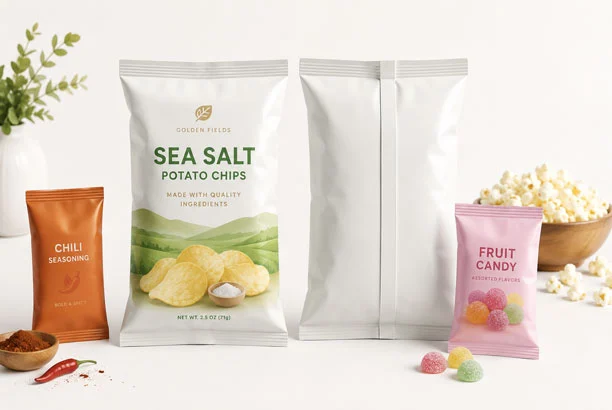
To do efficient buying, you have to find a balance between cost, quality, speed, and freedom. Structured ways to buy cuts down on risk and gets the most out of the whole deal.
Planning Bulk Orders to Optimize Unit Economics
Volume price makes it hard to save money on costs and buy more goods at the same time. If you order 50,000 fin seal pouch pouches instead of 10,000, the price per unit might go down, but you'll need more money and storing room. Find out how much you use each month and multiply that number by the lead time plus the safety stock, which is usually 1.5 to 2 months of buffer. This formula keeps you from running out of stock and from having too much inventory. Talk about yearly framework deals that lock in prices and allow quarterly call-offs that are in line with expected output. This method takes advantage of big prices without using up too much warehouse space. During busy times, like the holiday season, share your plans early—suppliers often give out capacity based on who commits it first.
Understanding Lead Times and Hidden Costs
Production times depend on how complicated the job is. For urgent projects, digital printing can get custom pouches to you in 7–10 days, while rotogravure printing needs 15–20 days to prepare the plates and proof the colors. Add the time it takes to send. Ocean freight takes 3–4 weeks, and air freight takes 4–5 days. Allow extra time for foreign orders to pass customs, which usually takes three to five working days. Plate fees, die-cutting setup fees, and extra freight costs for rush orders are all things that you might not know about. Usually, you'll need a 30% deposit and the balance before the shipment.
Troubleshooting Common Production Challenges
Issues happen even when everything is planned out well. Weak seals, also called "leakers," are often caused by filling equipment that is not set to the right heat or rest time. During the first tests, work with your providers to find the best sealing settings. Inconsistencies in the material, such as changes in tension or the building of static electricity, lead to problems with tracking the web and production stops. Set tight tolerances (+/- 1 mm) and ask for anti-static treatments if they are needed. Brand teams don't like it when colors don't match between tests and production runs. Set up a formal process for color approval that uses paper samples under standard lighting (D65 illumination) instead of digital copies. Write down your needs and ask for pre-production samples before the full runs so that problems can be found quickly.
Conclusion
To pick the best pillow bag, you need to make sure that your provider can meet your needs for product safety, production line compatibility, and cost goals. Back seal formats are good for high-speed candy and snack makers because they are structurally reliable and work well as a barrier. This is especially true when working with certified manufacturers who deliver consistent quality across repeat orders. Material engineering, functional features, and procurement planning must all be balanced in order to make sure that packaging protects the integrity of the product and supports operational efficiency. As people's concerns about the environment grow, it becomes smarter to look into recyclable or compostable options that don't shorten the shelf life. If you take the time to look into providers, test samples on real production lines, and make clear specs, you can avoid problems down the road and make sure that your brand's packages work well and don't cost too much with fin seal pouch.
FAQ
1.What advantages do pillow pouches offer over stand-up formats?
Back seal versions use 20–30% less material, so they cost less per unit. They also run faster on automatic lines, often making more than 100 bags per minute compared to 40–60 bags per minute for stand-up pouches. Because the structure is simpler, there are fewer moving parts during production, which lowers the risk of downtime. When throughput and cost efficiency are the most important things, like when making a lot of candy or snacks, pillow formats are better. Stand-up pouches look better on shelves because they can be displayed vertically.
2.Can I customize pillow pouches for private labeling?
Digital or full-color rotogravure printing, clear windows that let you see the product, euro holes for hanging displays, and different finishes like matte, shiny, or sparkly are all part of customization. For rotogravure designs, suppliers usually need at least 10,000 pieces, but digital printing lets you do smaller test runs. OEM services should include design help, material ideas, and ways to make sure that artwork is approved so that the finished bags match the vision of your brand.
3.How do I verify environmental compliance in pouch materials?
Ask for material datasheets that show how recyclable the material is and if it meets recycling standards. According to ISO 14001 environmental management approval, sustainable practices are carried out in a planned way. A third party should be able to show that the barrier works in buildings made of a single material or that can be broken down naturally. Some eco-friendly films make other goods go bad faster. It shows that a supplier cares more about the environment than just picking the right materials if they use renewable energy or advanced exhaust treatment systems like RTO systems.
Trusted Fin Seal Pouch Manufacturer for Scalable Production
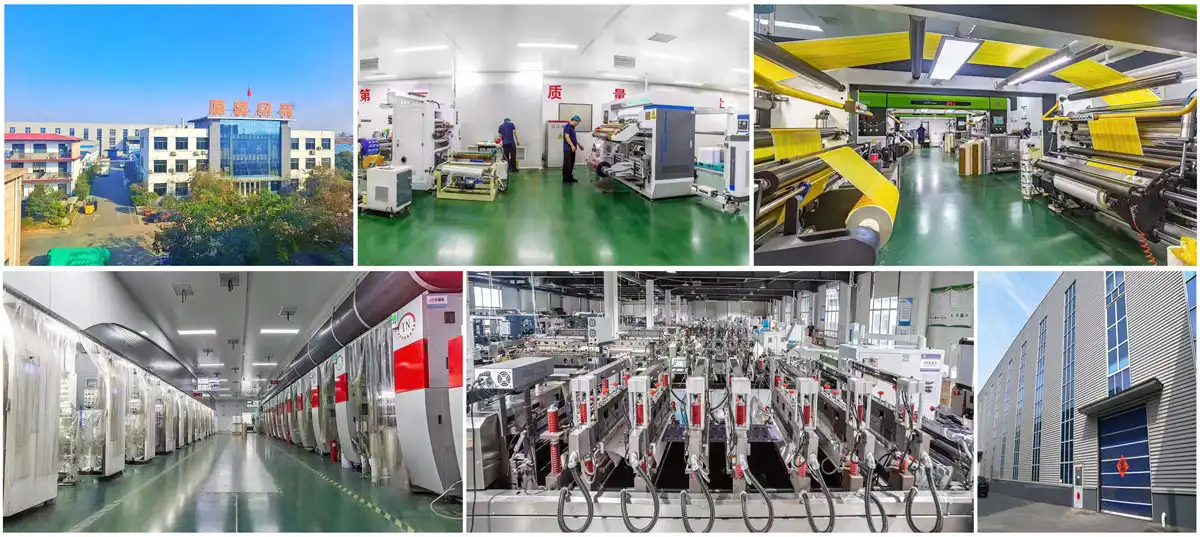
The fin seal pouch solutions that Guoshengli Packaging makes are stable and made for fast food production lines. We help candy, snack, and frozen food brands all over North America with customized barrier films, rotogravure printing in up to 11 colors, and useful features like euro holes and clear windows. We've been making these things for 25 years and can make 20,000 tons of them every year. Our ISO 9001, BRC, and FDA certifications make sure that we follow U.S. rules about food handling, and our recyclable mono-PE and compostable PLA/PBAT options meet environment needs. From helping with the design to making sure the order gets delivered on time (in as little as 7 days for digital printing), our team offers clear price, technical support, and the same high quality for all orders. You can email us at sales@guoshengpacking.com to talk about your specific needs if you're looking for a reliable supplier that knows how to handle high-volume production. Here's how we can help you cut down on downtime, keep prices low, and make sure your products stay safe.
References
1. Robertson, G. L. (2016). Food Packaging: Principles and Practice (3rd ed.). CRC Press.
2. Selke, S. E., Culter, J. D., & Hernandez, R. J. (2015). Plastics Packaging: Properties, Processing, Applications, and Regulations (3rd ed.). Hanser Publications.
3. Marsh, K., & Bugusu, B. (2007). Food Packaging—Roles, Materials, and Environmental Issues. Journal of Food Science, 72(3), R39-R55.
4. Yam, K. L. (2009). The Wiley Encyclopedia of Packaging Technology (3rd ed.). John Wiley & Sons.
5. Coles, R., McDowell, D., & Kirwan, M. J. (2003). Food Packaging Technology. Blackwell Publishing.
6. Brody, A. L., & Marsh, K. S. (1997). The Wiley Encyclopedia of Packaging Technology (2nd ed.). John Wiley & Sons.