- English
- French
- German
- Portuguese
- Spanish
- Russian
- Japanese
- Korean
- Arabic
- Greek
- German
- Turkish
- Italian
- Danish
- Romanian
- Indonesian
- Czech
- Afrikaans
- Swedish
- Polish
- Basque
- Catalan
- Esperanto
- Hindi
- Lao
- Albanian
- Amharic
- Armenian
- Azerbaijani
- Belarusian
- Bengali
- Bosnian
- Bulgarian
- Cebuano
- Chichewa
- Corsican
- Croatian
- Dutch
- Estonian
- Filipino
- Finnish
- Frisian
- Galician
- Georgian
- Gujarati
- Haitian
- Hausa
- Hawaiian
- Hebrew
- Hmong
- Hungarian
- Icelandic
- Igbo
- Javanese
- Kannada
- Kazakh
- Khmer
- Kurdish
- Kyrgyz
- Latin
- Latvian
- Lithuanian
- Luxembou..
- Macedonian
- Malagasy
- Malay
- Malayalam
- Maltese
- Maori
- Marathi
- Mongolian
- Burmese
- Nepali
- Norwegian
- Pashto
- Persian
- Punjabi
- Serbian
- Sesotho
- Sinhala
- Slovak
- Slovenian
- Somali
- Samoan
- Scots Gaelic
- Shona
- Sindhi
- Sundanese
- Swahili
- Tajik
- Tamil
- Telugu
- Thai
- Ukrainian
- Urdu
- Uzbek
- Vietnamese
- Welsh
- Xhosa
- Yiddish
- Yoruba
- Zulu

The best packaging for protein powder is usually a resealable, high-barrier flexible pouch, such as a stand-up or flat bottom bag made from a laminate that blocks moisture, oxygen, and light. Good protein packaging keeps whey, plant-based, and collagen powders dry and fresh, holds its seal through daily scooping, and gives your brand a professional look on the shelf. Rigid tubs and sachets still fit some products. Below, I compare formats, materials, features, costs, and supplier checks so you can choose with confidence.
Protein Packaging Options: Which Format Fits Your Powder
Why Packaging Choice Matters for Protein Powder
The box does more than just show the brand; it also tells you about the quality of the item. When whey, plant-based, collagen, water, air, light, heat, dirt, and being handled over and over again come in contact with them, they all change. Weak protein packaging can lead to clumping, oxidation, off-odors, nutrient loss, powder leakage, and shorter shelf life. This is something that people who buy private label brands often see because of returns and bad reviews. The wrong pouch shouldn't have any powder in it. It should look great, have a clean seal, and be easy to open and close. It should also follow the rules for food contact. As a first step, I always look at the powder, the pack size, the sales channel, the shipping route, and the filling tools to see what they need. After that, I choose a building.
Main Protein Powder Packaging Options
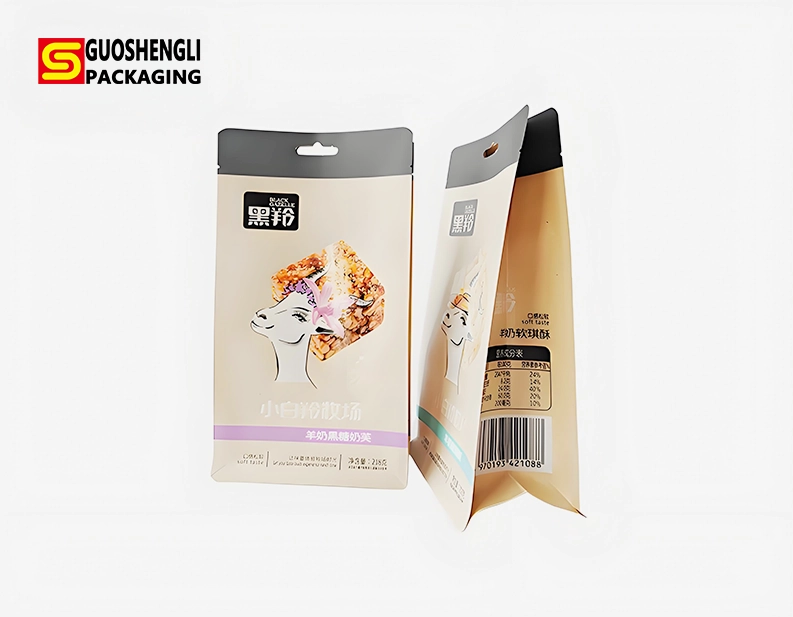
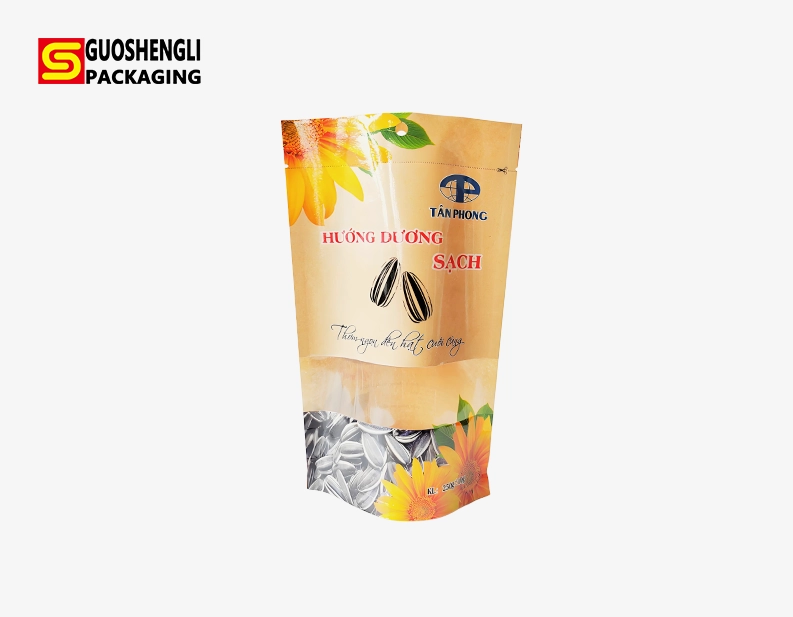
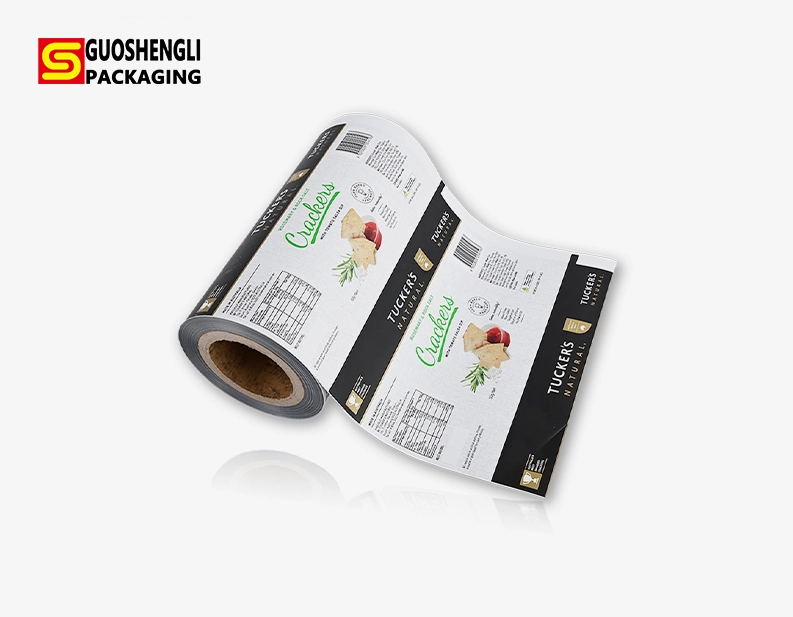
Brands can usually pick from rigid tubs, single-serve sachets, stick packs, and bulk bags. Many times, people who come to Guoshengli Packaging to buy protein packaging ask us to make forms that are easy to change. A lot of people like to store protein powders and vitamins in bags that can stand up. Being able to lay flat on shelves makes bags look nice. Side gusset bags work well for bigger amounts, like 2 kg or 5 kg packs. For one-time use, pillow pouches work well, and rollstock film can be used in machines that automatically fill powder containers. Since flexible forms are small, light, and easy to store, they cost less to move. They have a lot of room to write too. It is easy to scoop and doesn't break often with rigid tubs. If you want to keep track of how much you eat, go to the gym, go on a trial, or use a stick pack.
Flexible Pouches vs. Rigid Containers
How the item is sold, how big the package is, how people usually shop, and how much the whole supply chain costs all play a role. Because they make shipping lighter, take up less room, and cost less, pouches help businesses that sell things online, send goods abroad, or are becoming bigger. One size fits all in a stand-up pouch, and bags with flat sides stay in place better. Tubes, on the other hand, use more stuff and take up more space in a truck or building. They're strong and easy to get out of. I check how well the barriers work, how well they work with the filling, how much each one costs, how easy it is to return them, how they stack on shelves, how often they can be used, and how much packaging there is for each item. A bag with a strong zipper and a high-barrier laminate is suitable for whey or plant-based protein packaging solution. Plus it doesn't hold as much as a tub.
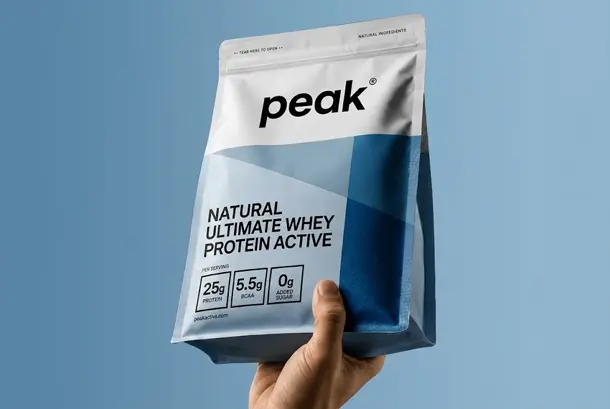
Protein Packaging Materials, Barrier Layers, and Design Features
Material Structures and Barrier Performance
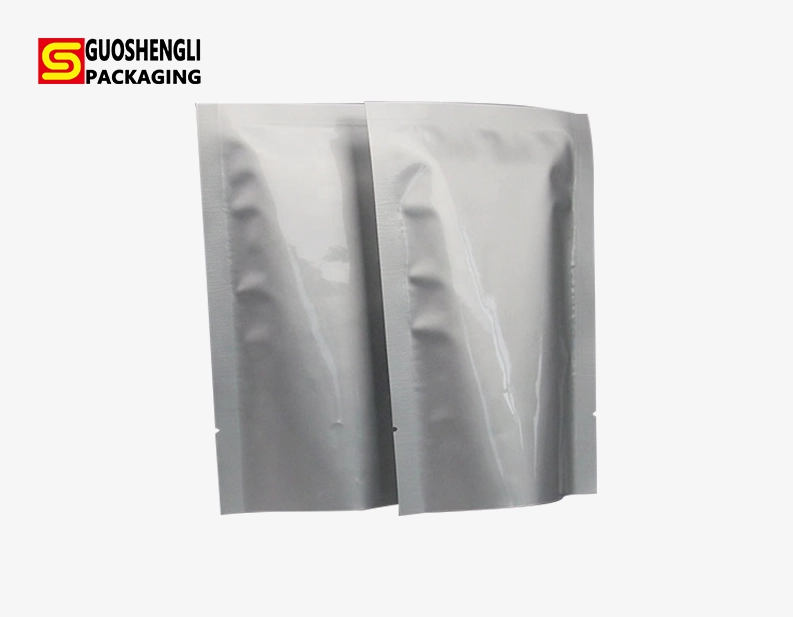
More than one layer of film is used to make a lot of stretchy protein packaging. The print is on the outside, so it's hard to scratch. That layer blocks water, air, and light from getting in. The closing layer inside slides shut when it gets hot. PET/PE, PET/VMPET/PE, NY/PE, and other high-barrier laminates like aluminum foil ones are used to build a lot of things. There is a clear PET/PE film that isn't as heavy as foil or metalized parts. As long as the powder or target doesn't need to last long, I use it. With layers of metal and foil, it also blocks UV light, which keeps the food safe. ASTM F1249 measures the rate of water vapor transmission and ASTM D3985 measures the rate of oxygen transmission. There is less ease for air and water to move through the film when the number is low. Check your powder again after some time to see if the result is still the same.
Zippers, Seals, and Powder Leakage Control
The fine powder finds all the weak spots. A lot of people tell powder companies that their zippers and seals don't work, so I check both of them at the same time. A heat seal can be broken by powder dust in the seal area. That's why the film you pick and the fill lines you pick are both very important. When you test seal strength with ASTM F88 and other methods, you get a number instead of a guess. You can use press-to-close zippers over and over, but every once in a while you should make sure they fit, are the right width, and are in the right place. It's easier to open the first time because the corners are rolled up, and it's also easier to hold. The roll film we sell can be used on powder lines that work on their own. Before it is accepted, it should be tested on the real line with real powder. Before strong protein packaging can be used, it must pass a leak test.
Finishes, Windows, and Shelf Appeal
Every day, the zipper makes the bag feel different, and people notice the bag first for how it looks on the shelf. You can choose between a matte or gloss finish on our pouches. We can print with rotogravure up to 11 colors, so your art will look great. For things that have light-sensitive parts, I say either a small space or none at all. A clear window lets light through, but you can still see the powder. In the print area, you should be able to write the lot number, show the nutrition facts, include an allergy statement, give directions, and include a barcode. The people on your label and refill team decide what goes on the label, and you give us permission to make it. It should never be more important how a barrier looks than how well it works. As you can see from the first sketch, both are important for good protein packaging design.
Choosing Protein Packaging by Product, Sustainability, and Budget
Matching Packaging to Whey, Plant-Based, and Collagen Powders
Each method has its own set of rules. To keep water out, whey powders need strong seals, an easy-to-use zipper, and strong protection against water. Because they are thick, plant-based blends may need gussets that are bigger and stronger to keep smells out. Things that stick, like dust and leaks at the seal, shouldn't get into the fine collagen powder. Powders for meal replacement and sports nutrition may be good if they come in different serving sizes, release quickly, and can't be changed. Online sellers can add a shipping box and make sure the package can't leak, be squished, or weigh more than a certain amount. We can help you with whey, plant-based, collagen, weight loss, pre-workout, and post-workout powders. Because there isn't a single protein packaging structure that works for all recipes, you should test your real powder in real shipping conditions before making a choice.
Sustainable Options Without Weakening Protection
Not catchphrases, but proof is needed for protein packaging that will last. You can return boxes made of mono-PE and mono-PP, and there are also light bags that make shipping less harmful to the environment. I make sure a bag made of just one material meets your needs for printing, air flow, and moisture before I sell it. Looking at barrier statistics helps me do this. Paper-based laminates can help make something look more natural, but we need to learn more about what's inside them and how to return them. In the U.S., the FTC Green Guides (16 CFR Part 260) explain how to make recycling claims, and each town or city has its own recycling program. Make sure that what you say fits with how people in that market recycle. Make sure you have proof from the source that the item can be recovered. We don't push plans that haven't been tried if it means putting goods at risk.
Cost, Printing Method, and Minimum Order Quantities
Different kinds of protein packaging have different prices based on their format, film structure, barrier level, size, printing method, color count, seals, order number, testing, freight, and other fees. The printing method is often the most crucial part of a launch plan. You can pick one of these two choices.
- Digital printing: It takes at least 7 to 10 days to print digitally, and you have to order at least 500 to 1000 pieces. This choice works well for small purchases, trying out new items, and quick starts. To test a new size or taste, a brand doesn't need to keep a huge stock of extra bags.
- Rotogravure printing: You need to order at least 20,000 pieces, and it takes 15–20 days to get them. This is a good choice if you need to make a lot of things and keep the color quality the same each time. Moving a taste from a market test to gravure can lower the unit price while keeping the color the same for repeat orders.
Together, these two routes can handle both small-batch launches and large-batch restocking because they work together. Get prices that show how much shipping, tools, and tests will cost separately. If you need something quickly, it takes four to five days to ship by air.
How to Choose a Protein Packaging Manufacturer or Supplier
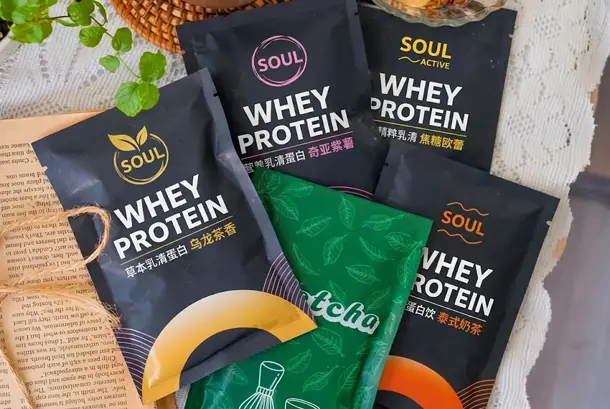
What to Verify Before You Order
You can tell a good protein packaging supplier from a bad one by how quickly and well they do their work. You should make sure that the materials are safe for food, that the structures have high barriers, that you can get custom sizes, buttons, printing technology, and that the system can clean with nitrogen or fill itself automatically. It has 49 machines for shaping, 7 machines for printing, and 6 machines for closing flexible packing. It has been making it for more than 25 years. Our goods have been checked by SGS and are safe for food use by the FDA. The ISO 9001 and BRC have both passed our tests. You should be able to see proof that their products have been tested for leaks, seals, bursts, drops, compression, and migration. They should also be able to tell you how they track lots, how long the wait times are, and how they do artwork. If you're not sure about a film data sheet, try it out with real powder. That's where most issues are found before they reach the customer.
Who Handles Compliance in Protein Packaging
People who buy things will sometimes tell the company that makes the boxes to name the things and claim them. Right now, protein shakes sold as food supplements in the US need to follow 21 CFR Part 111. The Supplement Facts panel and the claims made about the product are part of this. The company that makes, packs, labels, or keeps the goods should do that. We sell pouches and paper goods that are safe for food contact, along with the paperwork you need to follow FDA and EU rules, such as SGS test results. Law (EC) No 1935/2004 tells people in the EU how to handle things that touch food. It's easy to do checks and keep things running smoothly at the filling plant when everyone knows what their job is. It should be easy for companies that package proteins to see this line. I know it is for me.
Decision Steps Before You Approve Production
These five things are what I think you should do. First, pick the kind of protein, how the powder will act, how much it should weigh, how long it should last, who will buy it, and how it will be sold. Setting the right amounts of light, air flow, wetness, sealing, and movement is the second step. While building, be careful not to make it too heavy for the powder. Third, look at the shape. Stand-up pouches are a good way to have variable delivery. This is because flat-bottom bags are more stable. Most of the time, side-gusset bags are better for bigger items. For one dose, pillow bags work well. Roll stock is also good for robotic machines. Fourth, order a small digital run of 500 to 1000 items and see how well it works for everyday tasks like carrying, using, and filling. Fifth, copy tried-and-true SKUs to gravure to make more space. This way, a brand can get going quickly and keep getting clients. The same steps can be used by hired fillers to try a new structure for protein packaging before it is made every month.
Conclusion
You need to think about the protein powder before you pick out the right Protein Powder Packaging. The major risks are air, water, light, and opening and closing a lot. Because of this, the most important things are a strong laminate, a tried-and-true zipper, and a clean heat seal. Flex bags are lighter and easier to ship. You can also print on them. Some things fit better in bags and tubs. Whey, plant-based, and collagen powders all have different uses and goals. You can only be sure which one to use if you use the real recipe. If you make choices based on a single material and it's easy to recycle in your area, they can help you reach your green goals. When you need a lot of copies with the same color, gravure printing is best. For short runs, digital printing is better. 21 CFR Part 111 duties are the responsibility of filling companies, and packaging suppliers provide materials that come into contact with food and the paperwork to support them.
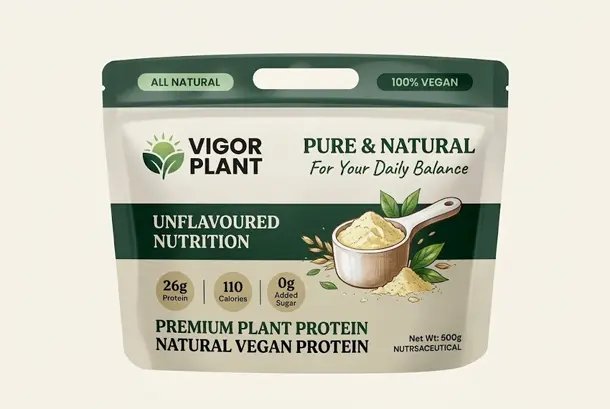
FAQ
1. Is a pouch or a tub better for protein powder?
A bag with a lock that is hard to open is used by most protein packaging programs to keep the powder safe. It's lighter, takes up less space, and costs less to ship. It's hard to break a tub, but it's easy to get out. That choice will depend on how the powder will be filled, how it will be sold, and the shelf goals. Try the style with your own powder first.
2. Which material structure protects protein powder best?
Clear PET/PE lets water, oxygen, and light through, but not as well as foil or metal laminates like PET/VMPET/PE. Find out how much water vapor and air can pass through from your source. After that, make sure your food can be kept for a long time by testing it. If the window is more important than the extra line of defense, choose clear film.
3. Can I order small runs for a new flavor?
Yes. This method starts with 500 to 1000 things and takes seven to ten days to finish. This is a good way to try new things and get feedback. It takes at least 15 to 20 days to start a rotogravure print job that costs at least 20,000 pieces. A digital run is one way that a lot of companies try a flavor first. If it works, they move on to gravure.
Request Protein Packaging From Guoshengli Packaging
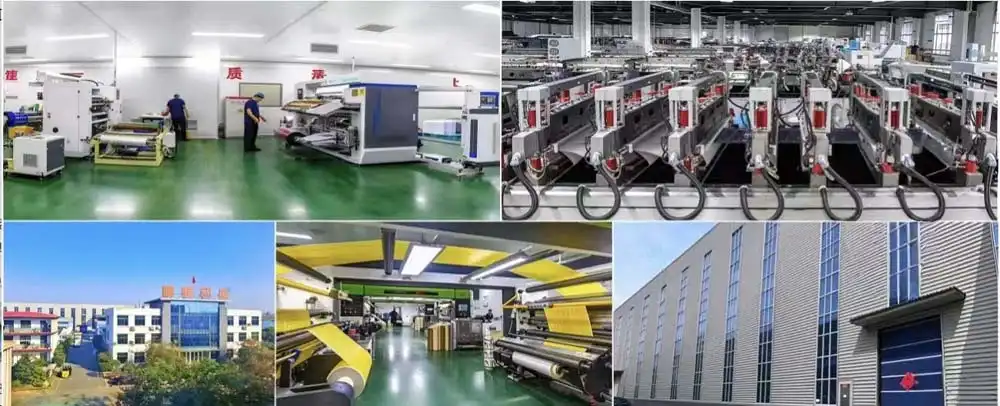
Guoshengli Packaging has been making flexible packaging for more than 25 years. Protein packaging is created by them. Digital printing in up to 11 colors on 500 to 1000 items is possible. Send an email to sales@guoshengpacking.com with the number of items you want to buy, the type of powder, and the size of the box you need. Then, our team will suggest a pouch shape, a barrier structure, and a way to print it. To learn more, visit guoshengpack.com.
References
1. Code of Federal Regulations, Title 21, Part 111: Current Good Manufacturing Practice in Manufacturing, Packaging, Labeling, or Holding Operations for Dietary Supplements, 2007
2. ASTM International, ASTM F1249: Standard Test Method for Water Vapor Transmission Rate Through Plastic Film and Sheeting Using a Modulated Infrared Sensor, 2020
3. ASTM International, ASTM D3985: Standard Test Method for Oxygen Gas Transmission Rate Through Plastic Film and Sheeting Using a Coulometric Sensor, 2017
4. Regulation (EC) No 1935/2004 of the European Parliament and of the Council on Materials and Articles Intended to Come into Contact with Food, 2004
5. Federal Trade Commission, Guides for the Use of Environmental Marketing Claims (Green Guides), 2012
6. Robertson, G. L., Food Packaging: Principles and Practice, Third Edition, CRC Press, 2012