- English
- French
- German
- Portuguese
- Spanish
- Russian
- Japanese
- Korean
- Arabic
- Greek
- German
- Turkish
- Italian
- Danish
- Romanian
- Indonesian
- Czech
- Afrikaans
- Swedish
- Polish
- Basque
- Catalan
- Esperanto
- Hindi
- Lao
- Albanian
- Amharic
- Armenian
- Azerbaijani
- Belarusian
- Bengali
- Bosnian
- Bulgarian
- Cebuano
- Chichewa
- Corsican
- Croatian
- Dutch
- Estonian
- Filipino
- Finnish
- Frisian
- Galician
- Georgian
- Gujarati
- Haitian
- Hausa
- Hawaiian
- Hebrew
- Hmong
- Hungarian
- Icelandic
- Igbo
- Javanese
- Kannada
- Kazakh
- Khmer
- Kurdish
- Kyrgyz
- Latin
- Latvian
- Lithuanian
- Luxembou..
- Macedonian
- Malagasy
- Malay
- Malayalam
- Maltese
- Maori
- Marathi
- Mongolian
- Burmese
- Nepali
- Norwegian
- Pashto
- Persian
- Punjabi
- Serbian
- Sesotho
- Sinhala
- Slovak
- Slovenian
- Somali
- Samoan
- Scots Gaelic
- Shona
- Sindhi
- Sundanese
- Swahili
- Tajik
- Tamil
- Telugu
- Thai
- Ukrainian
- Urdu
- Uzbek
- Vietnamese
- Welsh
- Xhosa
- Yiddish
- Yoruba
- Zulu

Eco-friendly protein packaging is moving toward recyclable mono-material pouches, lighter structures, post-consumer recycled (PCR) content, and refill formats, while still keeping powder safe from moisture, oxygen, and light. The best choice is rarely the greenest-looking one. It is the simplest structure that keeps whey, plant-based, or collagen powder dry through its full shelf life and meets the rules of your target market. We wrote this guide for brand owners and buyers who compare materials, formats, MOQs, and suppliers. Here is how we sort the options, and what we would test first.

The Sustainability Challenges Facing Traditional Protein Packaging
Headspace, Weight, and Recycling Problems
The things that people don't like are plastic tubs, foil laminates, layered bags, and single-serve packs. Tubs are made of heavy plastic and have a lot of empty room at the top. Because the layers are mixed up, it's hard to separate them when the laminates need to be recycled. Sachets use a lot of material for a small amount of food. In 2016, the Ellen MacArthur Foundation said that plastic packaging loses about 95% of its value after just one use. This amounts to about $80–120 billion a year. In protein packaging, buyers now ask about the ratio of packaging to product. This is because less material per kilogram of powder cuts down on waste and freight costs.
Why Barrier Performance Still Comes First?
It makes more trash to use bags that are greener but let water in. When powder gets wet, it clumps, air dulls the taste, and light can hurt ingredients that are sensitive to it. Powder leaks through weak seals, so people check the zipper every day when they open and close the pack. It's also bad for return sales when there are leaks and clumps. Because of this, we see protein packaging first as a job to protect the product and then as a job to protect the earth. A good barrier also keeps food from going bad, which is another form of waste. Before it gets to your launch calendar, any new structure should be checked for moisture, seal, and shelf life.
Reading Green Claims Carefully
It doesn't matter if the box looks like paper or has a sign that says it can be composted. Changes made to the U.S. Federal Trade Commission's Green Guides in 2012 warn marketers not to use vague words like "eco-friendly" without giving any proof. That is why they want more information about claims like "recyclable" and "compostable." When someone buys film, they should look at its structure, find out if it can be used with food, look at its barrier data, and see if the material can be picked up nearby. Films that can be composted, for instance, usually need industrial composting, which isn't available everyplace. Not long before the art is finished, ask the suppliers to write these things down. This is important for every claim a company makes about protein packaging on its website or in the packaging.
Main Eco-Friendly Protein Packaging Trends for 2026 and Beyond
Mono-Material PE and PP Pouches
Right now, the best style in bags is ones made of a single material that can be recovered. Recycling will be easier if you use an all-PE or all-PP film instead of a mixed polymer film. The Association of Plastic Recyclers also puts out design standards for recycling. We have styles of bags made from MONO-PE and MONO-PP, both of which can be recycled. That's the price you have to pay. Films made of just one material don't always stop air and moisture as well as PET/VMPET/PE laminates. For protein packaging solution with plant-based blends that soak up water, that gap is very important. That's why we test the film and make sure its thickness, coats, and fill type are all right for your shelf-life goal. You can get a better answer from a short test of humidity aging on your own powder than from any datasheet.
PCR, Paper-Based, and Compostable Options
The presence of PCR lessens the need for new resin, but that alone does not make a box recyclable. Also, there are rules about how recovered plastic can be used in cases where food will be touched. Law 2022/1616 in the EU tells us how to do it. The paper structures look real, but they generally need an extra layer to keep the powder dry. This extra layer tells us if the pack can be found again. As part of our research, we make PLA/PBAT films that can be broken down in nature. We only recommend them after testing the barrier on a certain powder. None of them should be chosen just by how they look because they all change how the protein packaging works on the shelf.
Lightweight and Refill-Oriented Formats
Hard cases are heavier than soft pouches, and rigid pouches take longer to ship. That is, less pollutants is put into the air per unit during shipping. If a customer buys a tub that can be used more than once, they can fill it up again from a pouch. People who buy gym memberships or subscriptions often will like it. You can use a zippered stand-up pouch as either the main pack or extra space. There are different types of protein packaging for some brands. Big bags are used for bulk, sachets are used for samples and travel, and tubs only used when they can be used again. Because of the split, less stuff is used everyplace.
Formats, Features, and Matching Protein Packaging to Each Powder

Pouch Formats for Protein Packaging
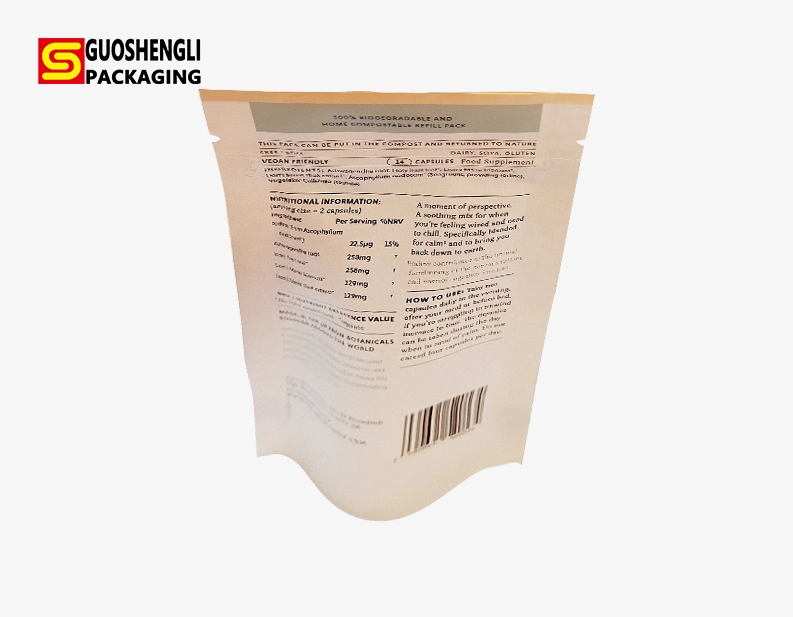
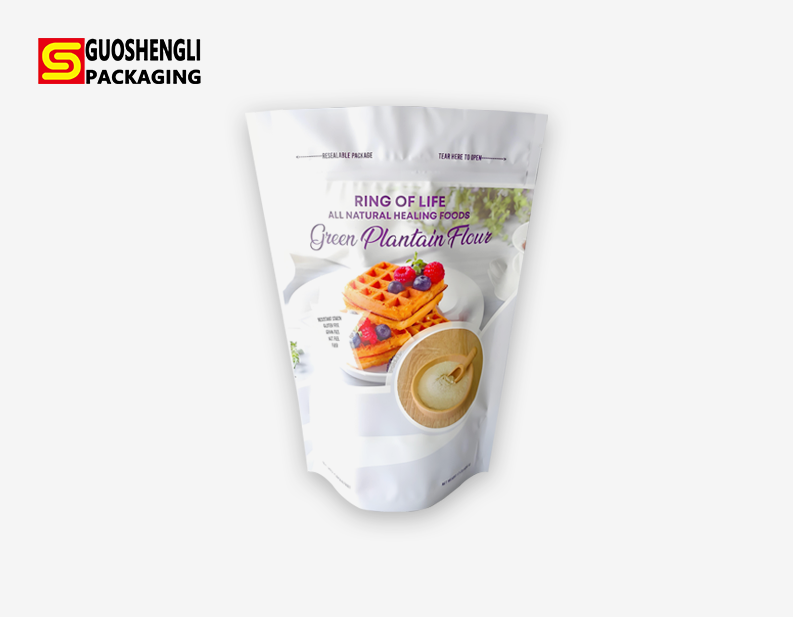
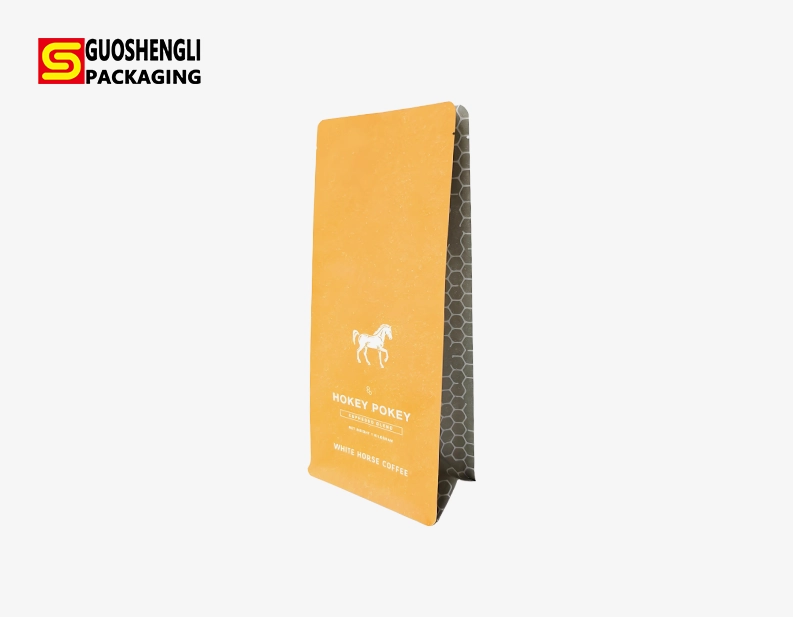
A stand-up bag is the most popular way to package vitamins and protein powders. It looks like flat-bottom bags cost more, and they stay put on the shelf. When you need to carry more vitamins, side flap bags are better. Pillow pouches are good for single servings, and machines that fill powder containers automatically can use rollstock film. How much material is used and how fast it fills up changes for each shape. Before we chose one, we looked into the filling equipment, the bulk density of the powder, and its weight. Because a bag that looks good on the shelf might not work on the line if it's not the right size. Also, if the hole is bigger, it might be easier to clean up.
Zippers, Finishes, and Light Protection
It's important for zippers that can be closed again because people open and close packs a lot. Zippers that stay clean and close all the way help keep powder and water inside everyday protein packaging. You can pick a matte or glossy finish, tear cuts, clear windows, and edges that are rounded. Up to 11 colors can be printed on our gravure line. Metal is added to a PET/VMPET/PE frame to help protect ingredients that are sensitive to light from UV and visible light. It is best to have a small window or none at all for formulas that are sensitive. This is because a window shows the powder and lets light in.
Matching Barrier to Whey, Plant-Based, and Collagen Powders
Most of the time, whey needs a zipper that closes all the way, good moisture control, and defense against smells. Blends made from plants or that are vegan may soak up water or smell stronger, so they need more barrier testing. It's important to keep the seal wide and the hole clean because fine collagen powder can get stuck at the seal. What works for meal replacements and pre-workout blends is different based on where and how much you buy. A lot of structures are made out of PET/PE, PET/VMPET/PE, and NY/PE. It is chosen based on the fat level, ingredients, and how long it needs to last. This part of the specification goes into a lot of detail about the protein packaging. This is where a supplier's technical questions come in handy.
B2B Procurement Guide: How to Choose a Protein Packaging Supplier
Build the Specification First
Write down the type of product, how much the fill weighs, the bag's size and shape, its material, whether it needs to be sealed or not, its closure, its printing, how long it will last, who it's for, and how much it will hold. You can fill the bags with auto-feeding rolls or boxes that have already been made. When you give this list to a protein packaging source right away, the price and samples will match your line. With stock sizes, there is less chance of a bad launch, but with custom printing, you have more control. While a contract filler may suggest pouch ideas, it is the marketing advisor's job to decide how the bags should look. Include both of them right away in the conversation. When sampling is done, that saves time.
MOQ, Lead Time, and Color Consistency
How you print determines how fast your rocket will go off. Digital printing costs 500 to 1000 pieces at first, and it takes 7 to 10 days for the first order to arrive. This works well for tests, new flavors, and quick launches. There is a 15–20 day lead time for this type of printing when you order 20,000 pieces or more. It can print in up to 11 colors all the way through on large jobs. By air, it takes 4–5 days. It's common to move the flavors that sell well to gravure when a new flavor first comes out online. Protein packaging that is well thought out combines them. It's easier to match colors that were clear on the color targets and in the approved samples after the first order.
Documentation and Who Owns Which Responsibility
Ask for proof that the product has been in contact with food, information on barriers and seals, and test reports. It is what we say that our materials are FDA-approved and have been checked by ISO 9001, BRC, and SGS. We don't say that our materials are FDA-approved, though. In the EU, Regulation (EC) No 1935/2004 says that things that come into contact with food must not add chemicals that could be bad for your health. People who make and fill food supplements in the U.S. must both follow the GMP rules in 21 CFR Part 111. The label's claims and content will stay with the brand and filler while we print the art you liked. Checks go more quickly when the lines are this clear.
Decision Matrix and How Sustainable Protein Packaging Is Reshaping the Industry

A Weighted Decision Matrix for Eco-Friendly Protein Packaging
You can pick from a mono-PE pouch, a PET/VMPET/PE pouch, a PCR tub, a sachet, or a refill bag. Set them up in rows. It is recommended to make a list of all the factors that affect a product's safety, including its total cost, how easy it is to use, how flexible its branding is, and how ready it is for regulation. Most of the time, looks don't make up for a failed shelf life, so protect and end-of-life should be given the most weight. Give each option a score from 1 to 5 based on test results, not claims in a catalog. When it comes to weight and freight, a flexible pouch usually wins. On the other hand, a PCR tub might win for refilling or being in the best place.
Trials Before Full Production
You should use real powder to test how it fills, seals, leaks, drops, moves, and lasts. Make sure the seal is strong at line speed, the zipper still works after being opened a lot of times, and there is no caking after being in humid conditions. When you print 500 to 1000 digital pieces, you can try something out before you do a gravure run. Most of the time, one sample is all that has a problem. People order them again and again, so we suggest that you approve a test batch and then another one. Write down the results so that you can use them to guide your next taste.
From Green Claims to Measurable Results
The market is moving away from big green pictures and toward measured ones, such as how much material is recycled, how easy it is to recycle, how well it moves, and how long it lasts. Buyers now expect suppliers to help them pick out materials, plan structures, build prototypes, do artwork for them, test them, and then start making them. For more than 25 years, Guoshengli Packaging has been making flexible packaging. They have 49 machines for converting, 7 machines for printing, and 6 machines for laminating. We also use imported technology to clean the exhaust gas from RTOs at our plant. We offer an all-in-one service that helps with drawing, picking out materials, printing, and making bags. Brands only need to work with one group on protein powder packaging, from the film on the roll to the finished pouch.
Conclusion
Eco-friendly protein packaging works when safety is the most important thing. People don't like that traditional tubs, laminates, and sachets have problems with headspace, water use, and recycling. But the new one must still have tight seals that keep out light, oxygen, and moisture. All of these types of packing have pros and cons: single-material PE and PP bags, PCR content, paper-based and compostable films, and refill forms. Problems with the barrier are its strength and how it can be thrown away. It should depend on the type of powder, such as whey, plant-based, or collagen, how it is stored and organized. Your pack needs to meet sustainability goals, be tested with real powder, have a written specification, and be backed up by clear documentation. How the prints are made and who is in charge of following the rules also affect launch risk and speed.
FAQ
1. Is a pouch more sustainable than a tub?
Yes, most of the time. Each bag is made from less material, and it moves more easily. This means that less pollution is caused by freight. Tubs can win when people use them more than once. Check out how easy it is to recycle in your area and how much you recycle.
2. Can a mono-material pouch protect protein powder?
Yes, it can be used for many things, but it's not always as good of a barrier as PET/VMPET/PE laminates. We test the structure against your powder type and shelf-life goal before you give us the go-ahead. In wet markets, more tests need to be done.
3. What is the MOQ for custom printed protein packaging?
The minimum order for this kind of printing is 500 to 1000 items, and the lead time is usually 7 to 10 days. It takes 15–20 days to print gravure, and the first order must be for 20,000 pieces or more. Digital is best for brand-new items, while gravure is best for well-known items.
4. Is your packaging FDA certified?
We don't talk like that, so no. The FDA has cleared the goods we sell, and they have also been tested by ISO 9001, BRC, and SGS. Part 111 of 21 CFR Supplement GMP only helps the filler. It doesn't help the company that makes the package.
Request Custom Eco-Friendly Protein Packaging from Guoshengli Packaging

Are you going to add a new taste, make your own brand, or improve the packaging? Guoshengli Packaging should be told what kind of product it is, how much to fill it, who it's for, what style of bag you want, and how much you want to order. Our company has a lot of experience in protein packaging, so we can help you come up with a structure, get you a quote for digital or gravure printing, and make samples. First, go to guoshengpack.com or email sales@guoshengpacking.com.
References
1. Ellen MacArthur Foundation, The New Plastics Economy: Rethinking the Future of Plastics, 2016
2. Federal Trade Commission, Guides for the Use of Environmental Marketing Claims (Green Guides), 2012
3. U.S. Food and Drug Administration, Current Good Manufacturing Practice in Manufacturing, Packaging, Labeling, or Holding Operations for Dietary Supplements (21 CFR Part 111), 2007
4. Association of Plastic Recyclers, Design Guide for Plastics Recyclability, 2023
5. European Parliament and Council, Regulation (EC) No 1935/2004 on materials and articles intended to come into contact with food, 2004
6. European Commission, Regulation (EU) 2022/1616 on recycled plastic materials and articles intended to come into contact with foods, 2022