- English
- French
- German
- Portuguese
- Spanish
- Russian
- Japanese
- Korean
- Arabic
- Greek
- German
- Turkish
- Italian
- Danish
- Romanian
- Indonesian
- Czech
- Afrikaans
- Swedish
- Polish
- Basque
- Catalan
- Esperanto
- Hindi
- Lao
- Albanian
- Amharic
- Armenian
- Azerbaijani
- Belarusian
- Bengali
- Bosnian
- Bulgarian
- Cebuano
- Chichewa
- Corsican
- Croatian
- Dutch
- Estonian
- Filipino
- Finnish
- Frisian
- Galician
- Georgian
- Gujarati
- Haitian
- Hausa
- Hawaiian
- Hebrew
- Hmong
- Hungarian
- Icelandic
- Igbo
- Javanese
- Kannada
- Kazakh
- Khmer
- Kurdish
- Kyrgyz
- Latin
- Latvian
- Lithuanian
- Luxembou..
- Macedonian
- Malagasy
- Malay
- Malayalam
- Maltese
- Maori
- Marathi
- Mongolian
- Burmese
- Nepali
- Norwegian
- Pashto
- Persian
- Punjabi
- Serbian
- Sesotho
- Sinhala
- Slovak
- Slovenian
- Somali
- Samoan
- Scots Gaelic
- Shona
- Sindhi
- Sundanese
- Swahili
- Tajik
- Tamil
- Telugu
- Thai
- Ukrainian
- Urdu
- Uzbek
- Vietnamese
- Welsh
- Xhosa
- Yiddish
- Yoruba
- Zulu

The best packaging materials for confectionery products match the candy's weak point. Chocolate needs protection from heat, light, and grease, so foil or metallized laminates such as PET/VMPET/PE work well. Gummies and hard candy need a strong moisture barrier and a tight seal, which PET/PE or BOPP/CPP films often provide. Paperboard and glassine suit gifts and artisan lines. In our experience, the right confectionery packaging also fits your filling method, order size, and disposal rules. This guide compares materials, formats, compliance checks, and sustainability options so you can write a clear specification before you request quotes.

Why Material Selection Matters for Confectionery Products
How Moisture, Oxygen, Light, and Fat Affect Each Candy
Every time we review a package, we start with the candy, since every candy fails in its own way. Hard candy sticks together when it takes in water from the air. When it's hot, gooey things can dry out or sweat. Two bad things could happen to chocolate: fat bloom and sugar bloom. When the temperature changes, cocoa butter rises to the top and makes a white or gray film. This is called a fat bloom. On the other hand, water makes a sugar bloom happen. Because of air and light, color and taste also lose their shine over time. Chocolate boxes should be picked out based on the main threat, not just one style, since these threats are different.
Total Packaging Cost Beyond Unit Price
A low price per bag can sometimes hide other costs. When seals aren't strong, water can leak out and come back in. Having a picture get stuck on a machine is a pain and loses time. It costs more to ship and store heavy rigid boxes, and having too much stock hurts small brands the most. We add up the time it takes to fill, the space it takes up in the warehouse, the weight it takes to ship, the amount of waste, and the cost of missing the launch when we talk to customers about confectionery packaging options. Due to their small size and light weight, flex bags often save money on freight per unit. Before you judge a price, find out how much everything costs.
Common Specification Mistakes Before You Request Quotes
A brief that isn't complete is often the first thing that causes problems. When picking out a barrier, many people only think about how it looks and not how long it will last or how it's filled. Some people print that something can be recycled without checking to see if it can be picked up nearby, or they sign off on art without reading the rules to make sure it follows them. That which was made, how much it weighs, how long it will last, where it will be sold, and what tools were used are all clear. It also has a list of where you sell in case the rules in the US and Europe are different. If you give suppliers that sheet, they can give you a quote for the right structure the first time, saving you a ton of money on redoing the candy & confectionery Packaging.
Main Confectionery Packaging Materials Compared
Paper, Paperboard, and Glassine
Candy boxes look like they belong in a high-end store because the printing is so clear on the paperboard. Because it doesn't stop grease or water on its own, it needs to be lined, coated, or wrapped inside before it can be used with food. It is thick and smooth, and it doesn't stick to grease. This is why truffles and layered sweets are often made with it. It doesn't keep water out very well, so many brands pair it with a box or foil. It works best when there is something between the paper and the presentation layer. If your brand cares about recycling, make sure that coats and laminations don't get in the way.
Plastic Films and Foil Laminates
To create bendable forms, robust heat seals, and adjustable boundaries, plastic films are used in confectionery packaging. Guoshengli Packaging often uses PET/PE, BOPP/CPP, and PET/VMPET/PE to make structures for candy. PET is a good choice because it is strong and easy to print on. The heat shield level is made of PE or CPP. In the VMPET layer, there is a thin layer of metal on top of the PET. This layer makes it hard for water and air to move through because it blocks light. Metal foil barriers work best, but they cost more and weigh more. You should not only pick the best safety, but also think about how fragile the item is and how long it needs to stay fresh.
Flexible Pouches Versus Rigid Boxes and Tins
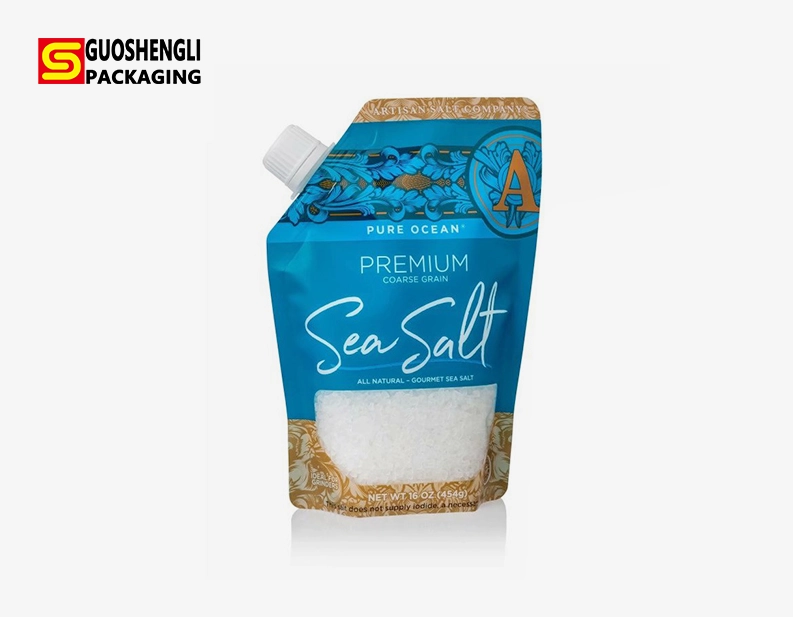
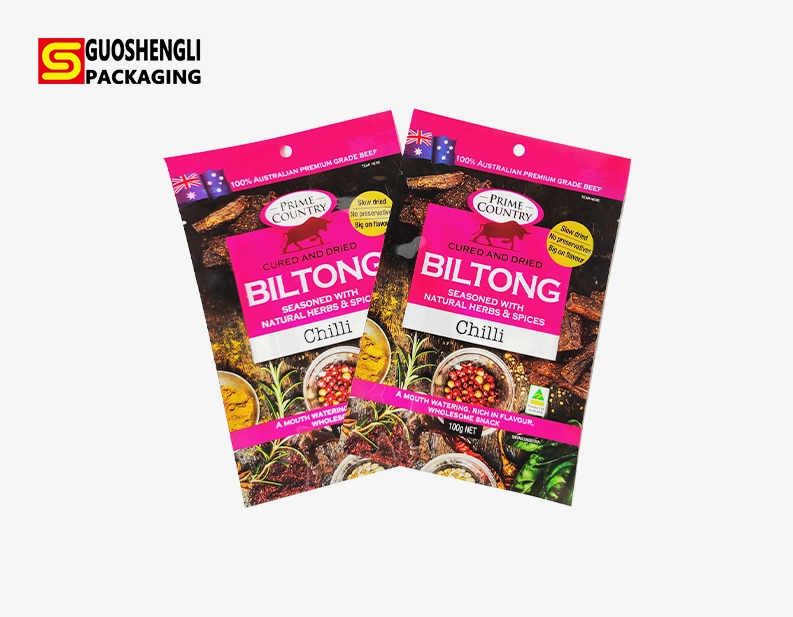
Hard bags are heavier and harder to store flat. Slippery boxes are lighter and easier to ship. A pouch that stands up is best for gummies and other snack candies. There are two kinds of bags: pillow pouches and bags with flat bottoms. This type of bag works best for single-serve things. Rigid boxes, tins, and jars make gifts look like they were gifts because they are strong. Moving and storing them costs more money. It works best for many private label brands to use a mix of bags for everyday tastes and rigid boxes for holiday gift sets. The style should go with the order number, the sales channel, and the fragile nature of the item. After this is done, it should be checked with the seller of confectionery packaging.
How to Choose the Best Material for Different Confectionery Products

Chocolate: Heat, Fat Migration, and Bloom
Most people want chocolate. Chocolate butter can rise to the top as a fat flower when it gets cold. Over time, air and light can also change how things taste. Something like PET/VMPET/PE that is made of metal or plastic can't let light through. It also keeps water and air out. Chocolate bars and snacks with nuts or creams inside should not get sticky. It doesn't matter how well you package something if it stays in a hot building for a long time. That's also why we tell brands to keep temperatures low when they ship and store their goods. This kind of confectionery packaging can look high-end with a matte or glossy finish.
Gummies and Hard Candy: Moisture and Seal Integrity
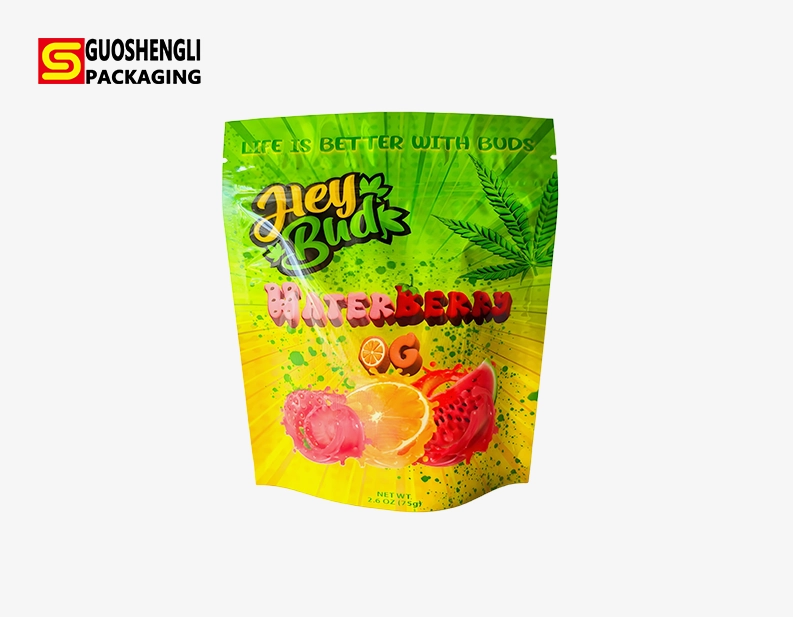
Hard candies and wet gummies both change, but not in the same way. Things that are hard to break stick together when they get wet, and sweets can change shape or stick together. It is very important to have a good water barrier and a full, tight seal. A lot of people choose PET/PE and BOPP/CPP laminates. The zippered bags stay fresh at home because they can be closed many times. Plus, they have a notch that is easy to tear and a clear window that lets people see the color. We take into account both the barrier requirements and the structure of the film when designing confectionery packaging for these products because heavy or sharply-edged pieces also need to be puncture resistant.
Caramels, Marshmallows, Bulk Packs, and Gift Sets
Sticky candy and caramels need a barrier and a clean seal because they soak up water. When air gets into marshmallows, they dry out and get hard. Bags that stand up and zip up are great for a variety of sweet snacks. For bulk and food service packs, it's more about how much can be packed, how strong the stacks are, and how simple it is to move them around the building. Side flap bags work well for these bigger sizes. Brands may put a protective pouch inside a printed box for gift sets to keep the items inside safe. The outside of the box has a pretty design on it. Choose the confectionery packaging materials in each case starting with the weakest part of the product.
Food Safety, Technical Performance, and Sustainable Confectionery Packaging
Food-Contact Compliance and Supplier Documents
Things like films, inks, glue, and coats that touch or could touch your candy must all be safe for food. Title 21 of the Code of Federal Regulations tells the FDA how to make sure that things that come in contact with food are safe in the United States. Many Europeans ask sellers to show proof that they follow Rule (EC) No 1935/2004, which is the main one. We need to see the declaration, the list of materials, the migration or SGS test reports, and proof of how each batch was tracked. The FDA and the EU set rules for food handling that Guoshengli Packaging follows. They also use the BRC and ISO 9001 methods. These papers can therefore be used to fill out orders for confectionery packaging.
Barrier, Seal, and Machine Performance Checks
You should look at math both in the lab and in real life. They will send you transmission data for oxygen and water vapor after you tell them how long you want the food to last. Make sure the cover is good. Some seals can let air in, and if they get too hot, they can bend the film. Make sure that the candy is too hard or sharp to poke a hole in. How stiff the film is and how much the surface slides will show you how easy it is to put rollstock on an automatic line. That's why test rolls should have a short test. Guoshengli Packaging makes both finished candy machine boxes and rollstock for them. Before you place a big order for confectionery packaging, we can verify that the film will work with your machines.
Sustainable Options and Honest Claims
Candy comes in bags made of a single material that can be recycled, like PE or PP. Less pollution is released during shipping when forms are light. This is what Guoshengli Packaging gives you. They can help you figure out if the barrier will work for your item. Be careful with your words. How do you explain "recyclable," "biodegradable," and "compostable"? These are the US FTC Green Guides. They say claims about the environment must be true and backed up by proof. No matter how many times you use a pouch, it can only be recycled in your area. Make sure the structure, accessibility, and shelf life all work together before printing a recycling symbol on any confectionery packaging.
Custom Confectionery Packaging Planning and Supplier Evaluation

Plan the Specification and Artwork Early
Write down the product's size, weight, amount of sugar and fat, how it is filled, and how long it will last on the shelf. Next, choose the box, basket, bag, or wrapping you want to use. Then, make art with your name, a barcode, legal text, and recycle symbols on it. Print colors don't always match screen colors, so check a hard copy to make sure the colors are correct. If you can, place your order as early as two to three months before the holiday launch. Your custom confectionery packaging will go more quickly and require fewer changes if you give your designer and supplier this brief at the same time.
Digital Printing for Launches, Gravure for Repeat Orders
When you try something new, it's risky, so start with something small. With a lead time of 7 to 10 days, our confectionery packaging can have digital printing on 500 to 1,000 pieces. This speeds up the process of testing new products and sending them to users. It is possible to print a lot of the same color in up to 11 different colors with rotogravure printing. You have to order at least 20,000 pieces, and most people have to wait 15–20 days. A small digital run is used to see how much demand there is, and then the winners are sent to gravure. You'll be less likely to run out of stock this way. Orders that need to be sent right away will be sent by air in 4–5 days. You can choose between matte and gloss finishes.
Questions to Ask Your Packaging Supplier
Being able to order from someone a lot doesn't mean they are good. How many items do I need to order? What kinds of tests do you get with each batch? How does the seller make sure that each run has the same color? How do I get some samples? How is the delivery going to happen? How can I get help with building? It's been around for over 25 years and has earned the trust of BRC, ISO 9001, FDA, and SGS. They have six laminators, seven printers, and 49 machines that turn. We can make the bags and choose the materials for you. Who can safeguard your confectionery packaging program will depend on your answers to these questions.
Conclusion
To box candy best, you need to use a material that keeps it fresh. Light, heat, and fat that moves shouldn't come near chocolate. Candy and gummies that don't melt need strong, tight seals to keep them dry. For presentations, paper and glassine work best. To block out light, plastic films and foil laminates work best. Hard and soft versions can both be used for various channels and price ranges. Before it can be used by a lot of people, a system has to work. Law compliance papers, barrier data, seal checks, and machine testing can all be used to do this. If a thing is said to be sustainable, it should be possible to return and pick it up nearby. Small digital runs let brands try out new tastes before they move on to large gravure runs. If you choose based on product risk, total cost, and proven performance, you can find confectionery packaging that keeps the candy fresh longer and raises the brand's value.
FAQ
1. What packaging material is best for chocolate?
These materials are good for chocolate because they keep out light, air, and moisture. Some examples are PET/VMPET/PE and foil. Make sure that the nuts don't make the thing you're making or filling greasy. Keep the shipping temperatures the same to lower the chance of bloom.
2. Can small brands order short runs of custom pouches?
Yes. There is a lead time of 7 to 10 days for digital printing of 500 to 1,000 things. Once a brand has printed at least 20,000 pieces of a new flavor, they can move on to gravure printing.
3. Which documents should I request from a supplier?
Ask for proof that the goods are safe to use with food, a list of the materials that were used, the results of an SGS or migration test, quality certificates such as BRC and ISO 9001, and details on how each batch was made.
4. Is recyclable packaging suitable for candy?
Only PE or PP pouches can be used if barrier testing shows they can last and there is a way to return them locally.
Request Confectionery Packaging Support from Guoshengli Packaging

Are you ready to pick the right shape for your next spice or holiday box? Confectionery packaging is what Guoshengli Packaging does. They have been in business for more than 25 years, their production is BRC-certified, they do both digital and gravure printing, and they offer one-stop service. Send an email to sales@guoshengpacking.com or visit guoshengpack.com to describe your item, its size, and the people you want to buy it. Our team will help you pick out samples, items, and wait times.
References
1. Robertson, G. L. Food Packaging: Principles and Practice, 3rd ed., CRC Press, 2012.
2. Beckett, S. T. Industrial Chocolate Manufacture and Use, 4th ed., Wiley-Blackwell, 2009.
3. U.S. Food and Drug Administration. Code of Federal Regulations, Title 21, Food and Drugs, 2023.
4. European Parliament and Council. Regulation (EC) No 1935/2004 on Materials and Articles Intended to Come into Contact with Food, Official Journal of the European Union, 2004.
5. Federal Trade Commission. Guides for the Use of Environmental Marketing Claims (Green Guides), 2012.
6. BRCGS. Global Standard for Packaging Materials, Issue 6, 2019.