- English
- French
- German
- Portuguese
- Spanish
- Russian
- Japanese
- Korean
- Arabic
- Greek
- German
- Turkish
- Italian
- Danish
- Romanian
- Indonesian
- Czech
- Afrikaans
- Swedish
- Polish
- Basque
- Catalan
- Esperanto
- Hindi
- Lao
- Albanian
- Amharic
- Armenian
- Azerbaijani
- Belarusian
- Bengali
- Bosnian
- Bulgarian
- Cebuano
- Chichewa
- Corsican
- Croatian
- Dutch
- Estonian
- Filipino
- Finnish
- Frisian
- Galician
- Georgian
- Gujarati
- Haitian
- Hausa
- Hawaiian
- Hebrew
- Hmong
- Hungarian
- Icelandic
- Igbo
- Javanese
- Kannada
- Kazakh
- Khmer
- Kurdish
- Kyrgyz
- Latin
- Latvian
- Lithuanian
- Luxembou..
- Macedonian
- Malagasy
- Malay
- Malayalam
- Maltese
- Maori
- Marathi
- Mongolian
- Burmese
- Nepali
- Norwegian
- Pashto
- Persian
- Punjabi
- Serbian
- Sesotho
- Sinhala
- Slovak
- Slovenian
- Somali
- Samoan
- Scots Gaelic
- Shona
- Sindhi
- Sundanese
- Swahili
- Tajik
- Tamil
- Telugu
- Thai
- Ukrainian
- Urdu
- Uzbek
- Vietnamese
- Welsh
- Xhosa
- Yiddish
- Yoruba
- Zulu

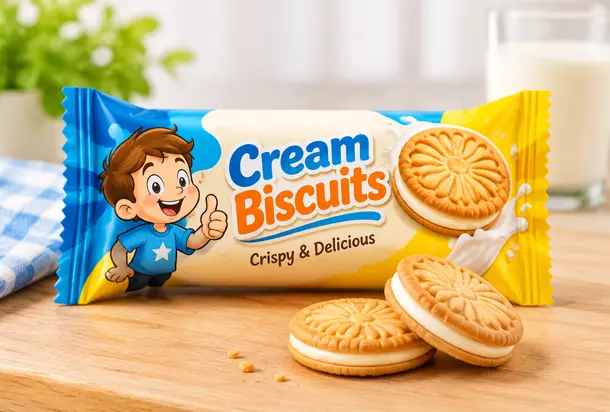
Packaging design decides whether a food product reaches the shelf, the pantry, and the customer in the condition you intended. Good food packaging blocks moisture, oxygen, light, and grease. It holds up through filling and shipping, and it carries the label, claims, and brand look your buyers expect. It also affects cost, because failed packs create returns, waste, and line stoppages. At Guoshengli Packaging, we have made flexible packaging for over 25 years. We see the same pattern again and again: designs that suit the product, the machine, and the market protect both margins and shelf life.
Why Food Packaging Design Shapes Product Success
Protection That Shows Up in Shelf-Life Results
It's bad for food to get wet, airy, light, or fat. O2 breaks down things like nuts, coffee, and snacks. When crackers and powders get wet, they're easier to break. When you pack smartly and have the right amount of film and tight seals, every trip takes longer. Some other things are also in danger. The Food and Agriculture Organization said in 2011 that about one-third of the food grown to feed people is thrown away. It is possible to keep food packaging safe while it is being moved and stored, which can help cut down on the waste. The most important thing for people who buy things in shops is that the shelf life claims made by the lab and the warehouse match up. Don't base your design on vague ideas like "high barrier." Instead, use real barrier data and shelf-life tests on real goods.
Brand Value and Margin on Private-Label Shelves
Because the profit margins are so small, every choice made regarding food packaging in private-label programs affects the cost of the goods. Art is more than just how things look. The size of the package determines how much freight costs. The cost of making the film changes based on how wide it is. When the seal is weak, the rate of return changes. Lots of people care about how a private-label product looks as well. If there is a window that lets them see the product, how well the zipper works, and how straight the pack stands are some of the things they look at. Someone has to show that they follow food safety rules before they can sell something. When someone wants to buy a car, they should think about how much it costs to keep. It takes money to get rid of trash, ship lost things, and pay people to pick them up and deliver them again.
Matching Design to Filling Lines and Distribution
A piece of food packaging might look good, but it might not work on a machine that makes meals. A bag or rollstock can move in different ways depending on how it is printed, how stiff the film is, and how much pressure is on the surface. When it's going at line speed, a form-fill-seal machine needs to keep the web tension steady and check that the seals are clean. The filler must be able to open pre-made tubes and put medicine inside them. There is enough stress in delivery without having to deal with drops, vibrations, and temperature changes. It is known how to test shipping methods and containers using ASTM D4169. In our business, we have 49 machines that turn, 7 machines that print, and 6 machines that foil. Before it leaves the building, each important step is checked by hand. Printing, laminating, and bag sizes don't change from one order to the next with this set-up.
Choosing Materials and Structures for Food Packaging
Matching Barrier Structures to the Product
Which laminates do we choose to use for food packaging? PET/PE can be used to make pictures look good and seal dry goods. Some metal is added to PET, VMPET, or PE to make this happen. This keeps snacks and powders from getting light, air, or water. A lot of different food and bakery packs can use BOPP/CPP. When they have NY/PE, they are less likely to poke holes in frozen foods and sealed packs. They all have a layer that goes well with them that makes them look like paper. It's better to ask for numbers than words. What does ASTM F1249 measure? It checks how fast something can let water vapor transmission rate pass through it. What does ASTM D3985 measure? It checks how fast something can let oxygen transmission rate pass through it. From the source, find out how to store the food and how long you want it to last. Then, look at your goals and see how each plan helps you reach them.
Pouch Formats and Functional Features
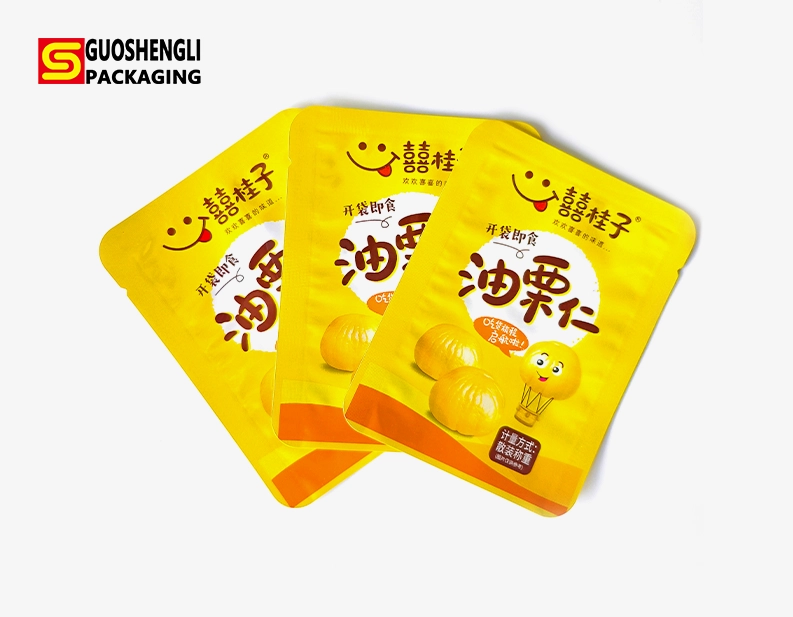
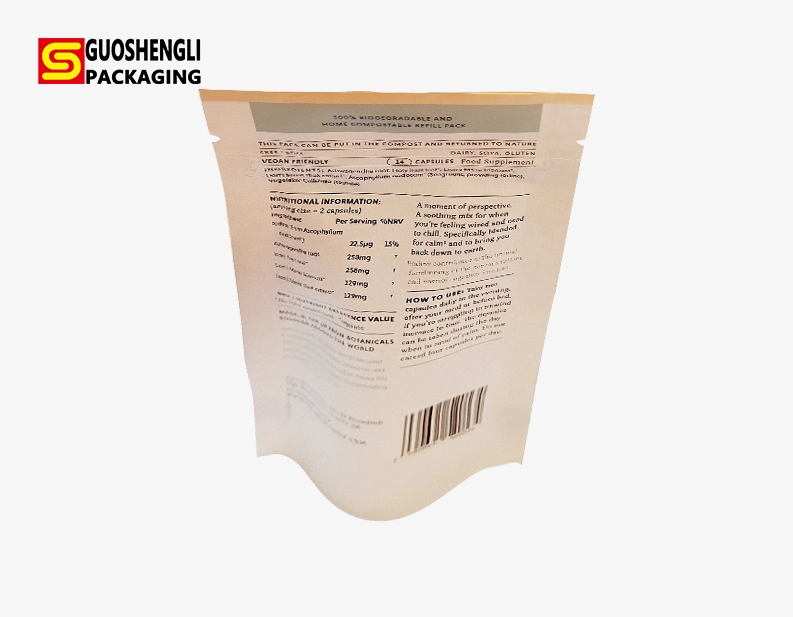
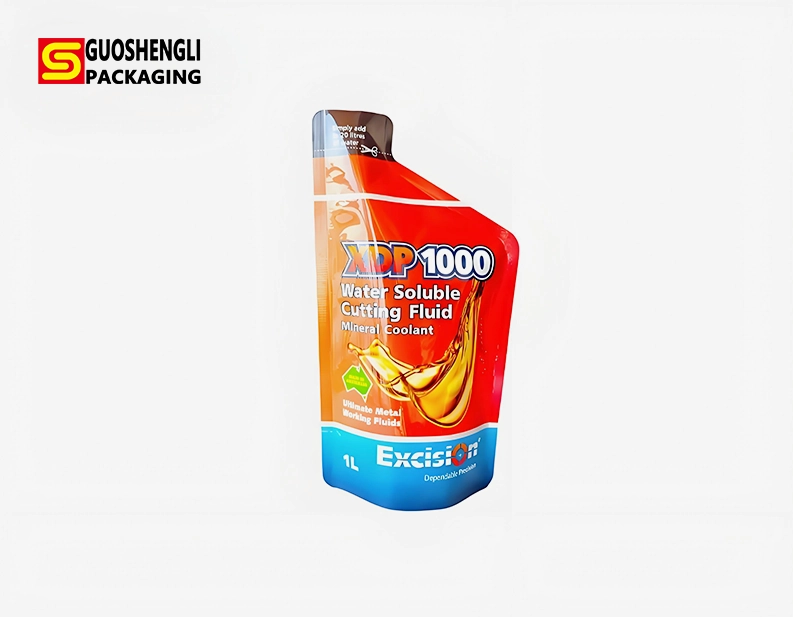
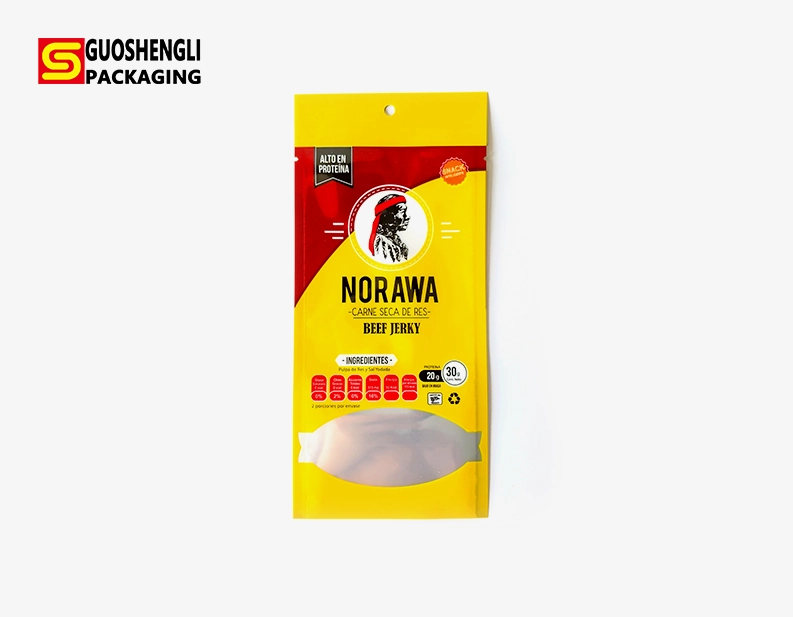
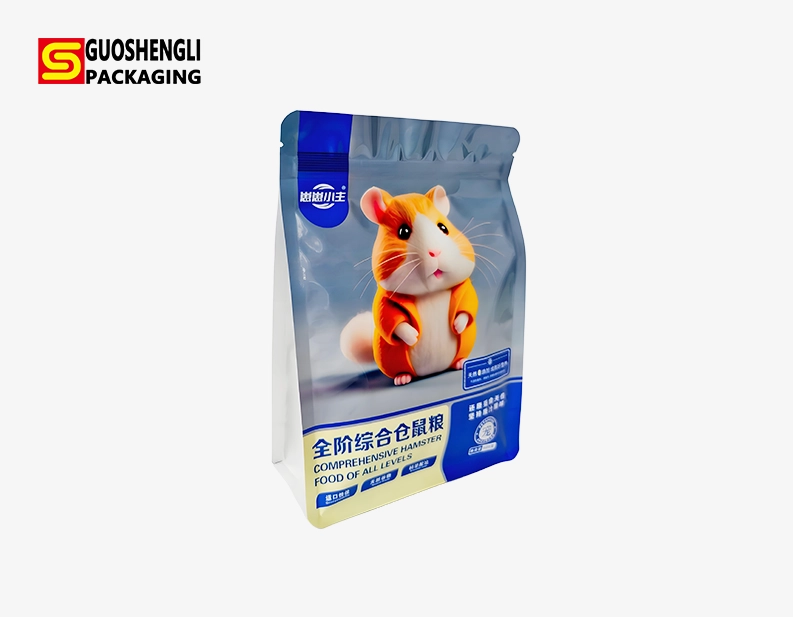
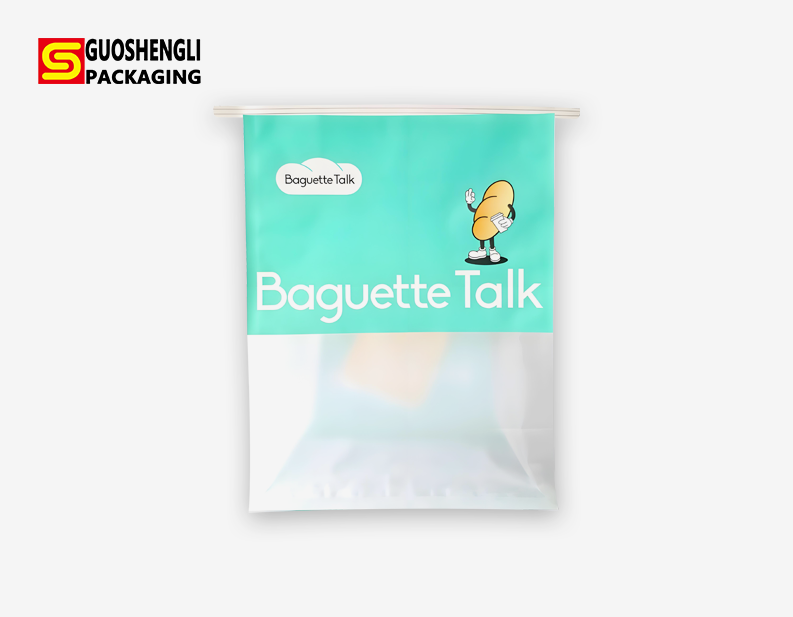
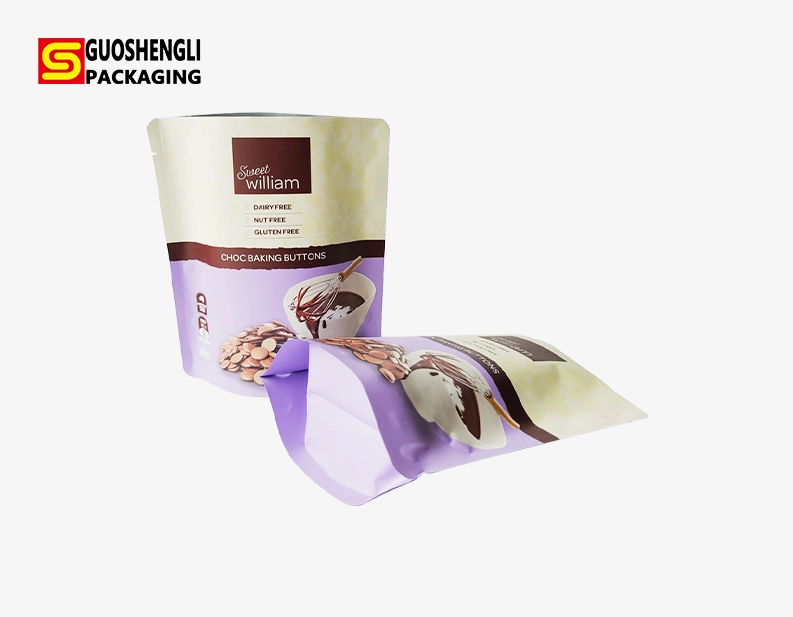
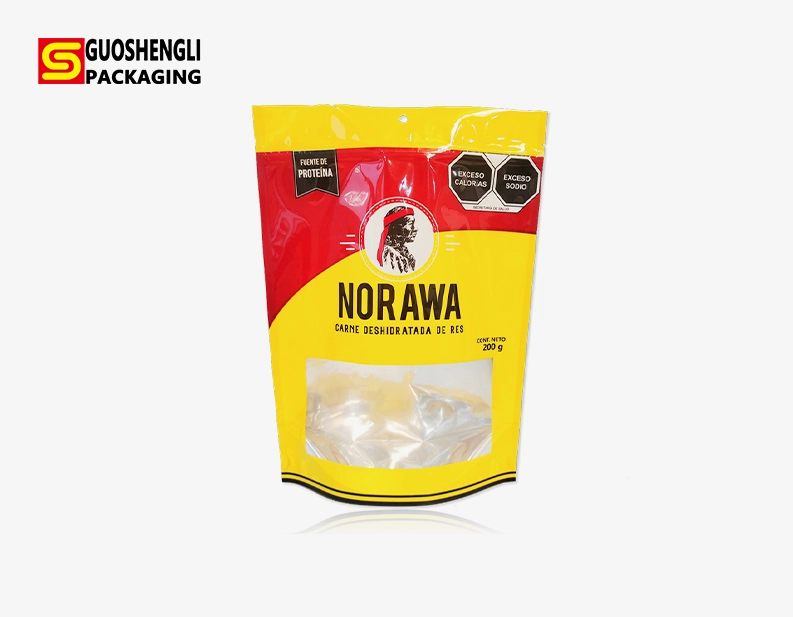
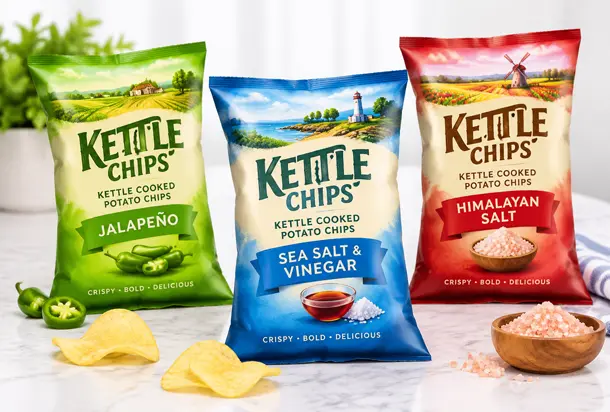
The box changes shape after food is put in it, shipped, and sold. Stand-up bags look good in shops. You can print on a bag with a flat bottom that looks like a box. Side-gusset bags are great for carrying a lot of coffee or dried foods. For flat foods and single-serve things, packs with three side seals work best. Snacks work best in pillow packs. Sauces and other liquids go in a pouch with a spout. Foods are put in pads that don't need much or any air. There are tear notches that make it easy to open many-serve packs, zippers that can be closed more than once, hang holes for store pegs, clear windows, and vents for coffee to let out gas. Everything about these changes makes things better. Whether the pack has a satin or gloss finish changes how it looks and feels. Each part was chosen based on what it will be used for by your customers and the line.
Food Packaging Design Choices by Category
The pack is stressed out in different ways by each type of food. You should be able to fry and smash snacks. Dried nuts and fruit should not come in contact with air or water. The fats will go bad, and the fruit will either dry out or soak up water. Something can cover up the smell of freshly roasted coffee beans. In this case, a one-way degassing valve can also be helpful. If you want to freeze food, you need film that can bend and seal well even when it's cold outside. Print them out well and keep them from getting wet, since chocolate and sweets change when they get hot or wet. You need a strong lock and a barrier to keep water out of powders. First, make a list of all the things you don't want to happen, like the fabric getting soft, getting oil spots, or cracks freezing. After that, make something that will stop it.
Safety, Compliance, and Sustainability in Food Packaging
Food Packaging Safety Standards and Documents
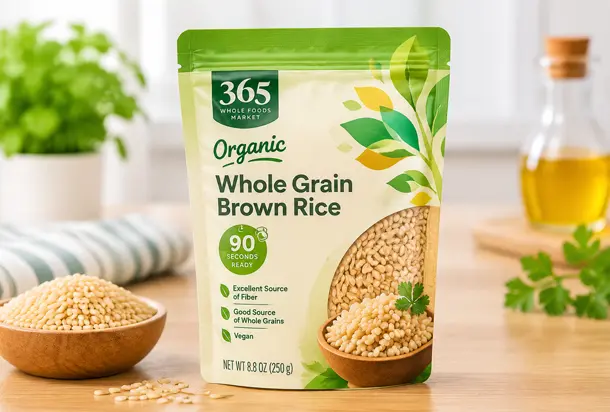
The shop where the things are sold is the first step. In the US, the FDA is in charge of chemicals that come into contact with food. One of these rules is Part 177 of 21 CFR. It has to do with plastics. In the EU, things that come in contact with food must follow certain rules. They're in Regulation (EC) No. 1935/2004. A lot of places require building certification, and BRC package certification is often needed to get in. For quality control, our plant uses both ISO 9001 and BRC. For food packaging, it uses BRC. We also help with the SGS tests and making sure that the FDA and EU rules about touching food are followed. Before an audit starts, you should make a list of all the papers you need. Migration test results, material specs, and records of how each batch was made should all be included as proof of uniformity. We'll let you know what we can do to help your site and market after you tell us what your form asks for.
Recyclable Options and Honest Claims
More and more people want food packaging to be eco-friendly, but claims have to be true. In 2018, 28.1% of all city solid garbage was made up of containers and packing, according to the US EPA. It's very important for stores to do better because of this. It is easiest to get back films that only have one type of material. You can recycle our one-piece PE and PP pouches, and you can use a compost pile to break down our PLA/PBAT-based items. You can return the box, but when food goes bad in it, it still makes more trash. These are the FTC Green Guides, as you can see. Their job is to cover environmental marketing claims made in the US. Cal. SB 343 tells us how to use signs that let us return things. People who want to buy something should look at the facts that back up every claim. A shelf-life test should be done on it to find out how long it can be kept before being frozen.
Lighter Packs and Cleaner Production
Flexible food packaging is less dense and lighter than most stiff cases. This means that more packs can fit in a truck. It depends on what it is and how it is shipped to figure out how much less it costs to ship. You get rid of the extra paper and empty space when the bag is the right size. Our factory's pollution is taken care of by RTO exhaust gas treatment equipment that we brought in from other countries. Many U.S. states have rules that make companies that make packing more responsible for what they do, so it gets better every year. People who want to buy something can find out how heavy the film is, what kind of materials were used, and whether the building can be recycled. People can compare choices based on how safe they are, how big they are, and how simple it is to return them. The lighter pack won't make the food go bad faster.
Evaluating a Custom Food Packaging Manufacturer
Supplier Criteria That Protect Your Program
A review, a second order, or a recall cost more than a few cents per bag, even though price is important. Anyone who makes custom food packaging should be able to keep track of their items and have proof that they've been tested and are safe to use. It should be easy for them to make a lot of food. Rate each of the following factors with a different number of points: product fit, approval status, batch regularity, wait time, minimum order number, speed of paperwork, and landing cost. This is a return order for size and color. What does the company do about it? You can check out your own line and see how it works. For food packaging, BRC has given us the green light. It has also been approved by ISO 9001, the FDA, and the EU for use with food. SGS has also agreed to help us do our work. After the goods are cleaned, it is possible to keep track of every sale. We've also worked with moving companies for a long time in the US, Europe, and Australia.
Gravure and Digital Printing for Different Order Sizes
It costs more, takes longer, and gives you less freedom to put on food packaging in different ways. When you print with rotogravure, you can use up to 11 colors. Even when a lot of them are used, the colors don't change. We need 15 to 20 days to finish at least 20,000 of the gravure pieces you buy. It takes about 7 to 10 days to get digital printing items, and you only need to order 500 to 1,000 at a time. They work well for little jobs. When you buy something online, you can try out new tastes, limited versions, test launches, or private-label items before you buy a lot of them. You can switch to gravure if everything goes as planned. For larger orders, gravure usually costs less per unit. By air, it takes four to five days to get something. Make sure the art is okay and the order is the right size before you ask for a price. You should be sure about those dates.
A Practical Food Packaging Workflow and Mistakes to Avoid
A clear plan will help you save time. Make a list of the food you want to sell, how you want it packed, the temperature range, how long you want it to last, and the people you want to buy it. Second, find out how safe two or three buildings are, how much they cost per unit packed, and how simple it is to recover them. Third, test models of your real product to see how well they close, drop, stack, and freeze. 4. Test a little at first, then a lot. Keep an eye out for problems and complaints. People often choose products based on the price per unit, trust claims without test data, test only with a dry sample, and don't check to see how the package opens and closes. This can be changed early, before the goods hit the shelves, if your source knows how you fill your things.
Conclusion
The way the food is packed doesn't hurt the quality, keeps prices low, and helps people follow the rules. Each food's weak spot should have its own shield made, whether it's frost, air, water, or grease. The shape of the pouch and what it holds must be useful for both the person who buys it and the person who fills it. Items can touch food as long as they follow the rules, are made in a certain way, and come in groups that can be watched. Follow rules like the FTC Green Guides to be eco-friendly and build things that can be fixed up. Also, keep food fresh. Before you pick a supplier of food packaging, you should check out their credentials, how stable their batches are, how long their wait times are, and what kinds of printing options they have. It costs less to try the real thing before you buy it. At every point in its life, the right food packaging lowers danger and waste.
FAQ
1. What documents should I request from a food packaging supplier?
Find out about claims of conformity, migration test results, material specifications, and how each batch was made for your market. Also, make sure that the BRC and ISO certificates are still valid and that the goods they cover are still available.
2. Which structure works best for oily or moisture-sensitive snacks?
Light, air, and water can't get through the layers of PET/VMPET/PE and Kraft/VMPET/PE. You should compare the WVTR and OTR numbers and use the product in real life before making a plan. It will help you choose the best thing.
3. Can I order small runs for seasonal products?
Yes. It takes 7 to 10 days to print digitally, and the first 500 to 1,000 pieces are available for order. When your tastes change with the seasons or when you only need a few of something, this is a good way to go.
4. Does a recyclable pouch protect food as well as a laminate?
It can if the building for making shields out of a single material works for you. First, find out how long the recyclable version will last and make sure that the way it is collected where you live matches the claims that it can be recycled. For food packaging, this choice is critical for quality.
Start Your Food Packaging Project With Guoshengli Packaging
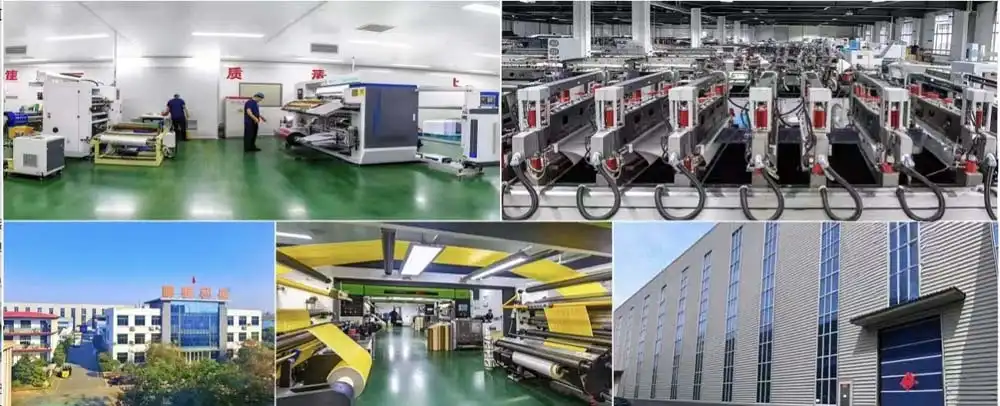
Since more than 25 years ago, Guoshengli Packaging has been making flexible packaging. They also make food packaging when you ask them to. They've been cleared by both ISO 9001 and BRC, and they can print on both paper and films. You tell us about the product, the style of the bag, how you want to fill it, how long you want it to last, and the people you want to reach. Then we'll make a structure. To begin your food packaging project right away, email sales@guoshengpacking.com or visit guoshengpack.com.
References
1. Food and Agriculture Organization of the United Nations, Global Food Losses and Food Waste, 2011
2. U.S. Environmental Protection Agency, Advancing Sustainable Materials Management: 2018 Fact Sheet, 2020
3. U.S. Food and Drug Administration, Code of Federal Regulations Title 21, Part 177 (Indirect Food Additives: Polymers), 2024
4. European Parliament and Council of the European Union, Regulation (EC) No 1935/2004 on Materials and Articles Intended to Come into Contact with Food, 2004
5. Federal Trade Commission, Guides for the Use of Environmental Marketing Claims (Green Guides), 2012
6. ASTM International, ASTM F1249 Standard Test Method for Water Vapor Transmission Rate Through Plastic Film and Sheeting, 2020