- English
- French
- German
- Portuguese
- Spanish
- Russian
- Japanese
- Korean
- Arabic
- Greek
- German
- Turkish
- Italian
- Danish
- Romanian
- Indonesian
- Czech
- Afrikaans
- Swedish
- Polish
- Basque
- Catalan
- Esperanto
- Hindi
- Lao
- Albanian
- Amharic
- Armenian
- Azerbaijani
- Belarusian
- Bengali
- Bosnian
- Bulgarian
- Cebuano
- Chichewa
- Corsican
- Croatian
- Dutch
- Estonian
- Filipino
- Finnish
- Frisian
- Galician
- Georgian
- Gujarati
- Haitian
- Hausa
- Hawaiian
- Hebrew
- Hmong
- Hungarian
- Icelandic
- Igbo
- Javanese
- Kannada
- Kazakh
- Khmer
- Kurdish
- Kyrgyz
- Latin
- Latvian
- Lithuanian
- Luxembou..
- Macedonian
- Malagasy
- Malay
- Malayalam
- Maltese
- Maori
- Marathi
- Mongolian
- Burmese
- Nepali
- Norwegian
- Pashto
- Persian
- Punjabi
- Serbian
- Sesotho
- Sinhala
- Slovak
- Slovenian
- Somali
- Samoan
- Scots Gaelic
- Shona
- Sindhi
- Sundanese
- Swahili
- Tajik
- Tamil
- Telugu
- Thai
- Ukrainian
- Urdu
- Uzbek
- Vietnamese
- Welsh
- Xhosa
- Yiddish
- Yoruba
- Zulu

The right pet food packaging for delicious treats protects fat-rich or freeze-dried products from oxygen, moisture, and odor loss while giving the brand a strong shelf presence. In practice, packaging for pet treat works best when the structure matches the formula. Jerky suits a stand-up pouch with a zipper and window, freeze-dried snacks need a high-barrier laminate, and new flavors suit a small digital run. I wrote this guide for brand directors, private-label teams, and contract fillers who want clear selection criteria, documentation expectations, and realistic lead times before they approve a supplier.
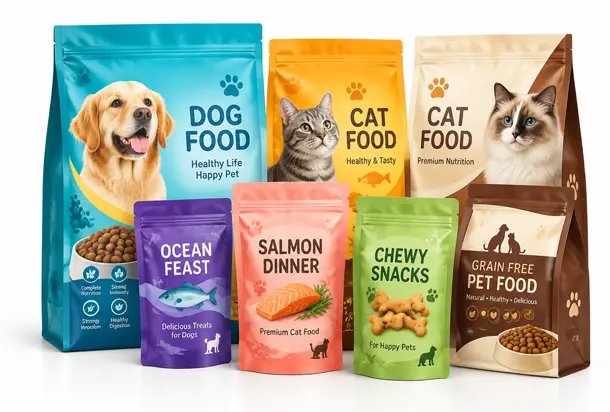
Define Your Requirements and Choose a Format for Packaging for Pet Treats
Start With the Treat Formula, Not the Artwork
When you make treats for your pet, the best way to wrap them is with the treats themselves. Frozen food like jerky, soft chews, crunchy cookies, and jerky all go bad in different ways. When air gets to jerky that is high in fat, it goes bad. When it rains or snows, biscuits become soft, and freeze-dried pieces soak up water very quickly. Before you ask for a price, you should write down the piece form, pack weight, shelf life goal, filling method, and sales channel. Since the sides of bone-shaped biscuits are sharp, they need a layer that can't be opened, like nylon. If you give us a clear and quick brief, our engineers will only have to suggest a structure once. Once the artwork is accepted, they will have to make changes.
Match the Format to Retail and E-Commerce Channels
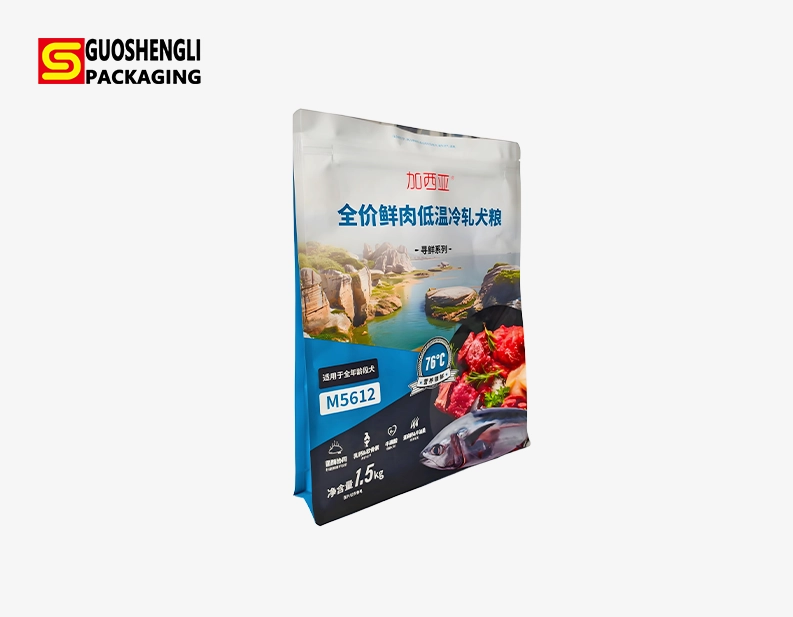
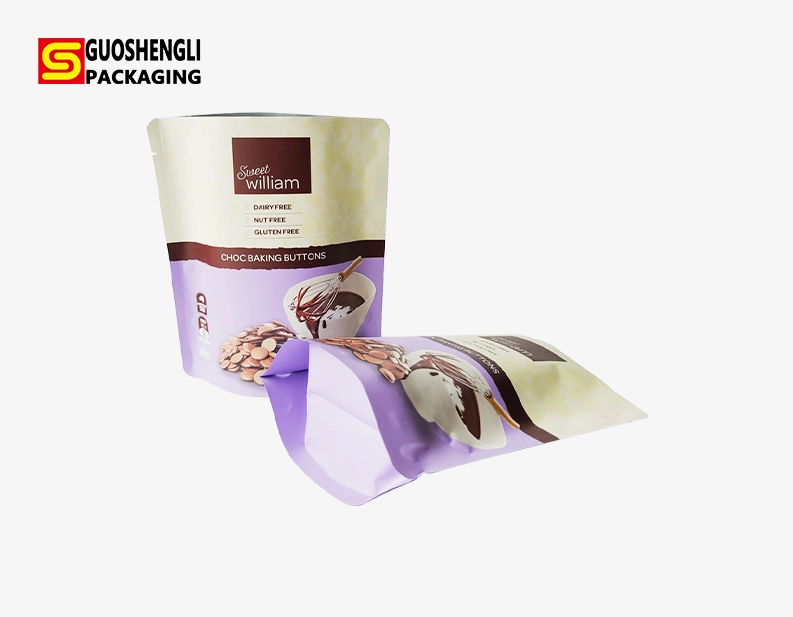
It's more important to parcel networks how long something lasts than how it looks in a store. A stand-up pouch can hold its own weight and has a lot of space for printing on the front. It's also not as heavy as a jar or tin, which helps keep shipping costs low. They look more expensive and can hold more stuff, so flat-bottom bags are good for family-size packs. Pillow pouches are good for small snacks, and side gusset bags can hold a lot of food. Because damaged or leaking pouches are often mentioned in customer reviews, good packaging for pet treats sold online needs to have strong seals and be able to handle being punctured. We make all of these forms, so you can compare them to real ones.
Use Rollstock When Your Co-Packer Fills Automatically
Contract fillers and dehydration plants that use form-fill-seal machines need rollstock film instead of bags that have already been made. Rollstock works well with automatic tools because it is easy to handle and the film structure stays the same for all SKUs. That way, we can be sure that the sealing window and friction level of the film are right for your machine when the printed rollstock for VFFS lines comes off the roll. A lot of brands use flat stock for bags and retail packs and stand-up boxes that are already made for retail packs. We'll help you choose a film for your line once you tell us what kind of machine you have, how wide your bags are, and how fast they move. It's important that the colors on different batches of rollstock are the same when a lot of private labels use the same production schedule. It also makes sure that the packaging for pet treats sachets looks the same.
Select Materials and Barrier Structures That Protect Freshness
Understand What Oxygen, Moisture, and Odor Do to Treats
Oxygen mixed with fats gives food sour tastes and smells that can make it less tasty. When you wet crisp treats, they get softer, and foods that have been dried out go bad faster. The pouch can also let strong smells from liver, fish, or meat out and let smells from outside in. That means the packaging for pet treat has to keep air, water, and smell out at the same time. Air flow rate, or OTR, lets brands see how different structures are. A well-known way to test it is ASTM F1927. Ask any provider for test results that you can compare to your own goal to make sure that the OTR for oily and freeze-dried lines is less than 15.5 cc/m²/day.
Compare Common Laminate Structures
When we make treats for pets, we often use the patterns PET/PE, PET/VMPET/PE, and NY/PE. We pick different high-barrier laminates for different items. PET/PE protects dry cookies and makes prints look good. Oxygen, water, and light can't get through the metalized layer that PET/VMPET/PE adds. It's good for jerky and soft treats because of this. To make holes in NY/PE, you need to use sharp or heavy pieces less often. Some of our roll film and bag lines come with aluminum foil laminates that can be used to make very high barrier packaging for pet treats. When it comes to cost, clarity, and recycling, each structure has pros and cons. Before committing to volume, try your treat in the structure itself.
Check Odor, Residual Solvents, and Food-Contact Documents
Food for pets needs to smell good because the smell of the box can make the food taste bad and get bad reviews. If there are any liquids left in the packaging for pet treats, ask the seller. A lot of contract fillers use gas chromatography to make sure they stay within limits, such as less than 10 mg/m³. Also, ask for statements about food contact. In the US, 21 CFR Part 177 says that plastics that come into contact with food must follow certain rules set by the FDA. The FDA has approved the materials we sell that come into contact with food, and we work with SGS and other third-party labs to help with testing. So, the people on your quality team will have proof to look over. Pick the test method and reporting unit ahead of time to make sure that each batch of data is the same.
Build Features That Raise Shelf Appeal and Daily Convenience
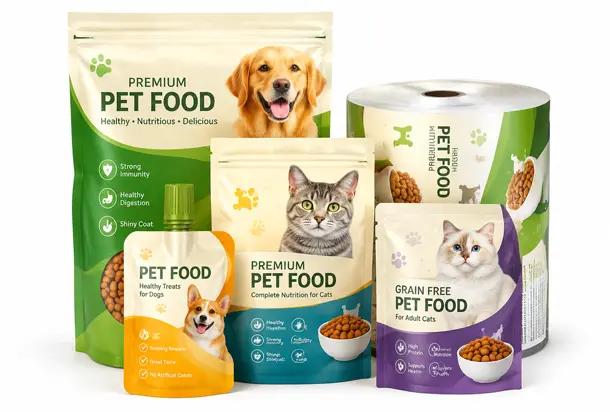
Zippers, Tear Notches, and Hang Holes
Treats for dogs are often kept in the house for weeks, so the pouch is opened and closed a lot. A zipper that can be closed again and again covers the smell and feel when not in use. The tear notches clean up the first opening, and the hang holes let stores use peg hooks to hang the bags. It should be able to zip up the pack. Any standard press-to-close zipper will work for treat bags for dogs. But you need a strong seal and bottom flap for heavy jerky packs. A bag that closes properly feels high-end and can support a higher price. Good packaging for pet treats also shows that you care about them.
Transparent Windows and Light Protection
In a window, people are more likely to trust a product that only has one ingredient because they can see real jerky strips or freeze-dried pieces. But light makes fat burn faster, so you need to plan for a window. Make the opening small and put it on one side. A barrier piece should go around the rest of the pouch to keep it safe. The majority of the packaging for pet treats is covered, but customers can see the product through a window next to a metal panel. Talk about the size and placement of the window and how it will affect how long the product will last on the shelf. After that, we'll test it with your item. If your recipe is easily damaged by light, it might be safer to use a box that is completely opaque and has pictures of the product printed on it.
Printing Finishes That Stand Out on the Shelf
Being on the shelf makes the first sale. Pet treat companies can be sure that their packaging will always have stable color and clear food photos because our rotogravure lines can print in up to 11 colors. Training treats with a gloss finish show off their colors better, while treats with a matte finish look high-end and natural, which goes well with functional and grain-free lines. When you print digitally, you can make small taste tests that look great. No matter what you decide, send print-ready art that has space for the zipper, window, and legal text. Our design support team checks these places to make sure that key claims can still be read when the pouch is closed and full of things inside.
Meet Labeling, Compliance, and Quality Requirements
Know What the Label Must Carry in the United States
In the US, pet food labels must follow the rules set out by the FDA in 21 CFR Part 501. Most states also use the AIFA model rules. It is common for labels to have the name of the product, the net amount, a list of ingredients, a guaranty analysis, feeding instructions, and the name and address of the company that made the label. Some foods don't come with a full diet plan written on the front. It usually says "treat" or "snack." Label rules influence how you make pet treat & snack packaging because panel space, text size, and window placement all affect reading. The brand owner and its regulatory advisor believe the claims are true, and we print the correct artwork that they agree with.
Prepare a Document Pack Before Buyers Ask
People from other countries who want to buy packaging for pet treats look at the paperwork very carefully. A full file speeds up the approval process. It is approved by both ISO 9001 and BRC to pack food at Guoshengli. We can also give you SGS test results and help you follow FDA and EU rules about food contact. As a rule, packing companies all over the world use BRCGS packing materials. Please get the certificate number, scope, and expiration date from each provider. Then, check these details with the company that issued the certificate. We can give you our reports and proof information if you ask. This way, your quality team can check out the source before the sample is accepted. As time goes on, checks become easier, and papers are looked over more quickly when they are clear.
Keep Every Batch Traceable
Being able to track things keeps your business safe in case there are quality problems later on. For every order, from the raw materials to the finished goods, we keep track of it and check it ourselves at every important step. Ask that the boxes have batch numbers on them, that samples will be saved from each production lot, and that the zipper specifications, film structure, and ink system be written down. After that, contract packers can look at each pouch on the line and figure out where it came from. Your team can quickly respond to record requests if you use a consistent lot-marking system. This also helps with shipping pet treats to stores and Amazon because the packaging can be tracked. Written directions make sure that every order is the same as the sample that was accepted.
Choose a Supplier and Plan Production for Packaging for Pet Treats
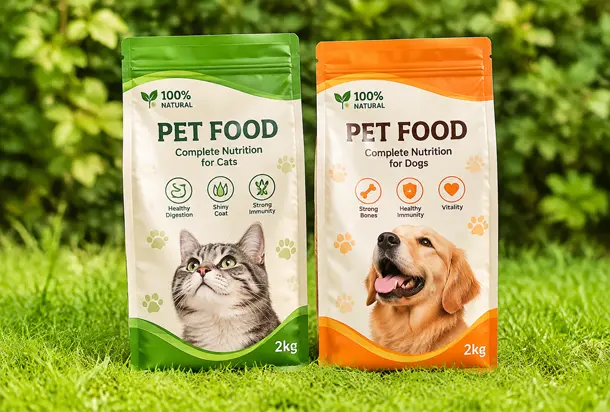
Pick the Printing Method That Fits Your Volume
Both cost and speed depend on the type of printing you pick. Rotogravure costs 20,000 pieces, and you have to wait 15 to 20 days most of the time. The color doesn't change when you print a lot of them. The packaging for pet treats works well with well-known SKUs. Most of the time, it takes 7 to 10 days to make 500 to 1,000 pieces digitally. Test runs, new flavors, and trade shows can all use this. A lot of companies start a flavor online and then move it to gravure when they know people want it. It only takes 4–5 days for air freight, which is great for quickly restocking. Our plant has 49 machines that can convert, 7 machines that print, and 6 machines that laminate, so it can handle both routes.
Evaluate a Supplier Beyond the Quoted Price
There's more to the service than just a printed bag. Compare wholesaler of packaging for pet treats based on how long they've been in business, how they handle samples, how much you have to order, how long the lead time is, how well they support the filling line, and how much paperwork they require. Find out the total cost, which should include film, printing, freight, storage, waste, and product lost due to leaks. Don't just compare unit prices. A cheaper bag that lets air in can waste a whole bunch of goods. From helping with the design and choice of material to printing and making the pouches, Guoshengli Packaging makes the packaging for pet treats. People who make pet food, private-label brands, and people who sell pet products all use our pet treat and snack packaging. From the same quality system, co-packers can get both rollstock and whole bags.
Avoid Common Mistakes and Build Repeat-Order Stability
You should never choose a bag based on how it looks without first filling it, and you shouldn't say that it is viable if the material can't back that up. Place the real treat inside sample bags to check how well they seal, how long they last, and whether they leak. Look at the structure of the packaging for pet treat and compare it to what it says, like whether it can be returned. We offer mono-PE and mono-PP that can be recycled and talk about how well they work. Before you order the special sizes, make a guess at how many you will need. Also, make sure that all SKUs have the same bag sizes and closures so that orders that are made again and again are always the same. Stable specifications help our customers in North America, Europe, and the Asia-Pacific area because they keep the filling line moving and keep things from being rejected or held up.
Conclusion
The recipe is the first thing that you should look at when choosing the right packaging for pet treats. The amount of fat, moisture, smell, and shape will help you choose the best format and barrier structure to keep the food safe. Different channels can be used with stand-up, flat-bottom, pillow, and gusset pouches, as well as rollstock for automatic lines. Foil, PET/PE, PET/VMPET/PE, and NY/PE are some of the laminates that can resist oxygen, water, and holes to different degrees. What you get from tests against a target like OTR should help you decide. Things with zippers, windows, and print finishes are easier to use and look better on the shelf when you think about how much light they let in. Labels in the US have to follow rules set by the FDA and AAFCO. People trust labels that have certificates, test reports, and batches that can be tracked. It's easier to get repeat orders when the printing method, supplier capabilities, and testing of the real product are all in sync. This keeps the shelf life stable.
FAQ
1. What barrier do freeze-dried treats need?
Most freeze-dried foods soak up water very quickly, so they need a bag that can be closed again and has a strong layer of metal or plastic that keeps air and water out. Compare the test data to the OTR you want to reach.
2. What is the minimum order for packaging for pet treats?
We can make between 500 and 1,000 of these, and the lead time is 7 to 10 days. For rotogravure, you need to order at least 20,000 pieces, and the lead time is 15–20 days.
3. Can I order recyclable pouches?
Yes. We have buildings made of only PE and only PP that can be recovered. You should try it out before putting it on the market because how well it works depends on how long your product needs to stay fresh.
4. Which documents can you provide?
Ask us about ISO 9001 and BRC food packaging certifications, and we can help you meet FDA food-contact requirements. We can also give you SGS test reports.
Start Your Packaging for Pet Treat Project With Guoshengli Packaging
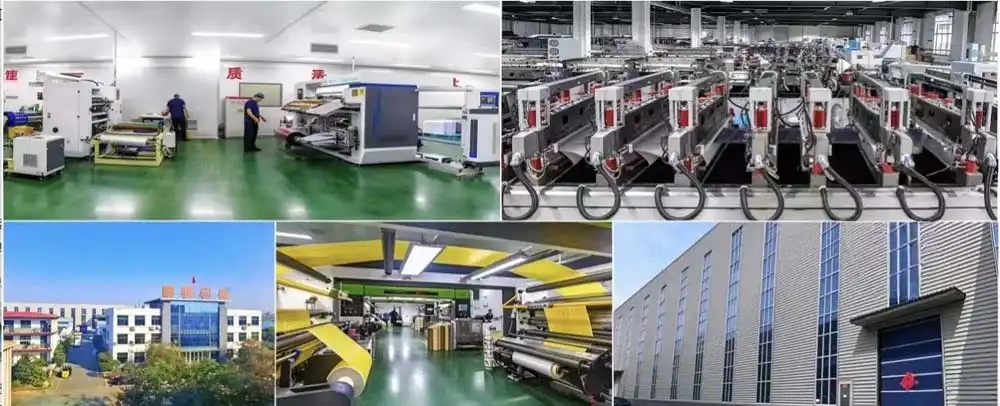
Guoshengli Packaging is a packaging for pet treats manufacturer with more than 25 years of experience making flexible packaging for pet treat. They are BRC-approved and can help you with everything from design to production. If you email sales@guoshengpacking.com with the type of product, pack size, target market, and volume you expect, our team will come up with a structure and get samples ready. The first 500 pieces of digital printing are free. Go to guoshengpack.com to find out more.
References
1. U.S. Food and Drug Administration, Code of Federal Regulations Title 21, Part 501: Animal Food Labeling, 2023
2. Association of American Feed Control Officials, Official Publication (Pet Food Label Model Regulations), 2024
3. U.S. Food and Drug Administration, Code of Federal Regulations Title 21, Part 177: Indirect Food Additives, Polymers, 2023
4. BRCGS, Global Standard Packaging Materials, Issue 6, 2019
5. ASTM International, ASTM F1927 Standard Test Method for Determination of Oxygen Gas Transmission Rate, 2020
6. Robertson, G. L., Food Packaging: Principles and Practice, CRC Press, 2012