- English
- French
- German
- Portuguese
- Spanish
- Russian
- Japanese
- Korean
- Arabic
- Greek
- German
- Turkish
- Italian
- Danish
- Romanian
- Indonesian
- Czech
- Afrikaans
- Swedish
- Polish
- Basque
- Catalan
- Esperanto
- Hindi
- Lao
- Albanian
- Amharic
- Armenian
- Azerbaijani
- Belarusian
- Bengali
- Bosnian
- Bulgarian
- Cebuano
- Chichewa
- Corsican
- Croatian
- Dutch
- Estonian
- Filipino
- Finnish
- Frisian
- Galician
- Georgian
- Gujarati
- Haitian
- Hausa
- Hawaiian
- Hebrew
- Hmong
- Hungarian
- Icelandic
- Igbo
- Javanese
- Kannada
- Kazakh
- Khmer
- Kurdish
- Kyrgyz
- Latin
- Latvian
- Lithuanian
- Luxembou..
- Macedonian
- Malagasy
- Malay
- Malayalam
- Maltese
- Maori
- Marathi
- Mongolian
- Burmese
- Nepali
- Norwegian
- Pashto
- Persian
- Punjabi
- Serbian
- Sesotho
- Sinhala
- Slovak
- Slovenian
- Somali
- Samoan
- Scots Gaelic
- Shona
- Sindhi
- Sundanese
- Swahili
- Tajik
- Tamil
- Telugu
- Thai
- Ukrainian
- Urdu
- Uzbek
- Vietnamese
- Welsh
- Xhosa
- Yiddish
- Yoruba
- Zulu

Often, a hunger for something becomes a need for packaging that preserves flavour, reduces freight weight and looks beautiful on the store. In my experience, packaging beverage items in flexible pouches fits that demand when the film structure, spout and seal are a fit for the drink. A good pouch will seal out oxygen and light, will not leak in transportation, and is lighter than glass or rigid PET. With more than 25 years of experience in flexible packaging production, Guoshengli Packaging is assisting businesses to choose the correct format to pack beverage lines from juice to plant-based beverages.

What Is Beverage Packaging? Types, Functions, and Material Options
Primary, Secondary, and Tertiary Layers
Beverage packaging is a system, not a product. Bottles, cans, tops and pouches need to ensure barrier performance and food contact safety as the principal packaging is in direct contact with the liquid. Cartons, trays and sleeves are secondary packaging that groups things for sale. Pallets , stretch wrap , and other tertiary packaging are used to protect items during transportation for export . When I’m looking at a project to package beverage goods, I ask about all three layers first, since even a strong pouch will fail if the carton crushes it. Each layer has implications for freight cost, shelf presentation and risk of breakage, so planning them together saves rework later.
Common Material Options for Drinks
Common materials include glass, PET, rPET, HDPE, aluminium, paperboard and flexible films. Each one guards a drink in a distinctive way. Glass is a barrier to gas, Al is a barrier to light and oxygen and PET is inexpensive in weight and modest in barrier. Flexible films are made up of layers, each having a different function: the exterior layer carries the print, the middle layer functions as a barrier to oxygen or light, and the inside layer is the heat seal. Typical architectures for beverage products include PET/PA/PE, PET/VMPET/PE, NY/PE, PET/AL/PE and recyclable mono-materials. The right option depends on the formula, the desired shelf-life and the filling technique.
Why Pouches Keep Gaining Ground
Pouches are sent flat before they are filled therefore a pallet may hold a lot more empty pouches than a pallet of empty bottles. This saves goods in and storage space. Filled pouches are also lighter than glass and most rigid containers, which reduces outbound shipment weight. Spout pouches provide pour control and resealability, making them ideal for kids’ and sports environments where people drink on the go. Beverage companies are rapidly embracing flexible formats, and many buyers are already seeing pouch packaging for beverage lines as a viable alternative to bottles. The huge print area also allows marketers more space to express their narrative.
Glass, Plastic, Aluminum, and Pouches: How Materials Compare
Glass and Aluminum: Strong Barrier, Heavier Freight
Glass offers superior barrier protection, a premium appearance and recyclability. The weight and the possibility of breaking increase freight costs and damage claims, which is a significant expense for businesses who ship across states or internationally. Glass also requires special attention on the filling line, adding to labour and inspection stages. Aluminium cans block light and oxygen effectively, and they stack well, but they don’t allow you to see the product and they need a line to fill them. Both are good for fizzy drinks and premium positioning. When companies are looking at various formats vs pouches for packaging beverage lines, I think the thing to look at is total landed cost: tooling, line fit, freight, breakage, recycling infrastructure, not just unit pricing.
PET and rPET: Light and Clear
PET and rPET bottles for water, tea and juice are used in various retail channels and are light, transparent and compatible with high-speed filling. Check barrier and heat resistance closely. Standard PET allows some oxygen permeation which may reduce the shelf life of oxygen sensitive beverages. Hot fill drinks need heat set bottle designs. rPET fulfils recycled-content objectives. Source varies in availability and food contact status. A pouch with layers such as PA or aluminium foil may provide good oxygen protection therefore packaging type should be determined by shelf-life tests and not habit. I would recommend purchasers to do that test early.
Flexible Pouches: Lower Weight, Wider Design Choices
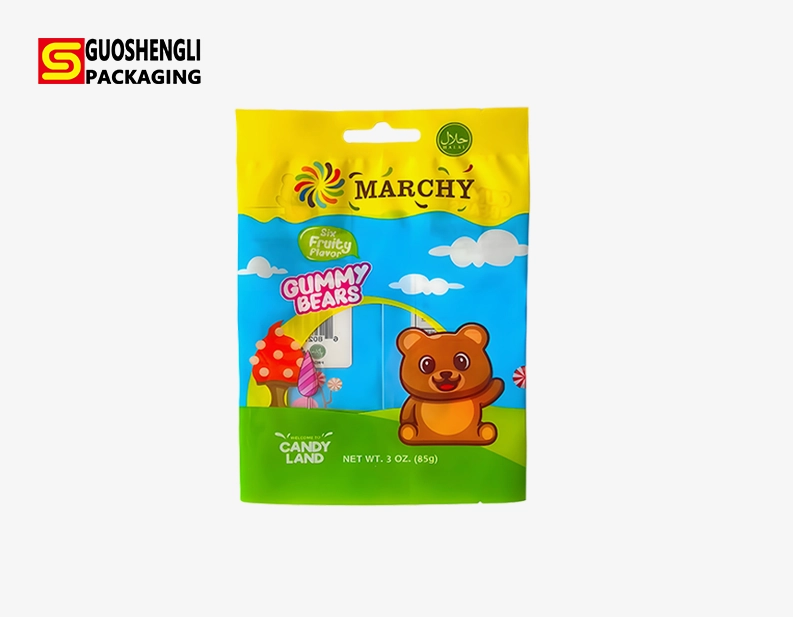
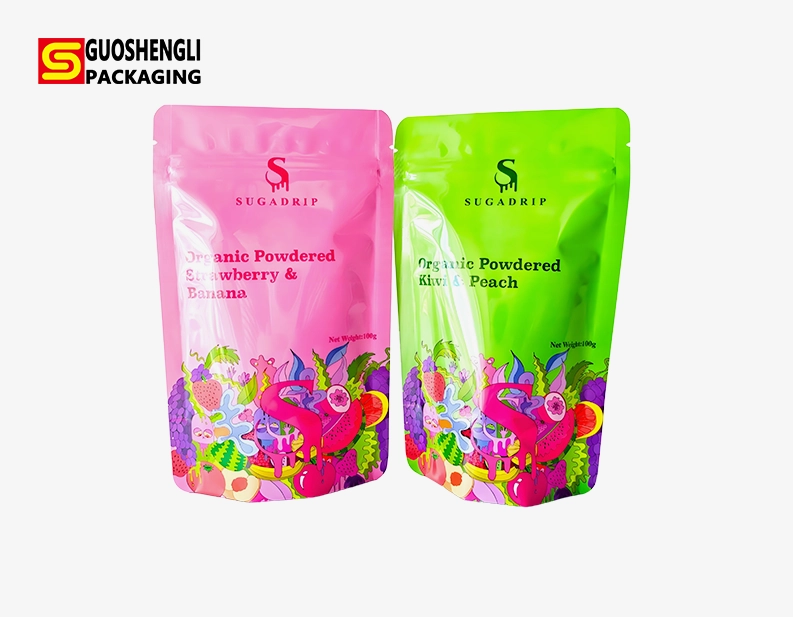
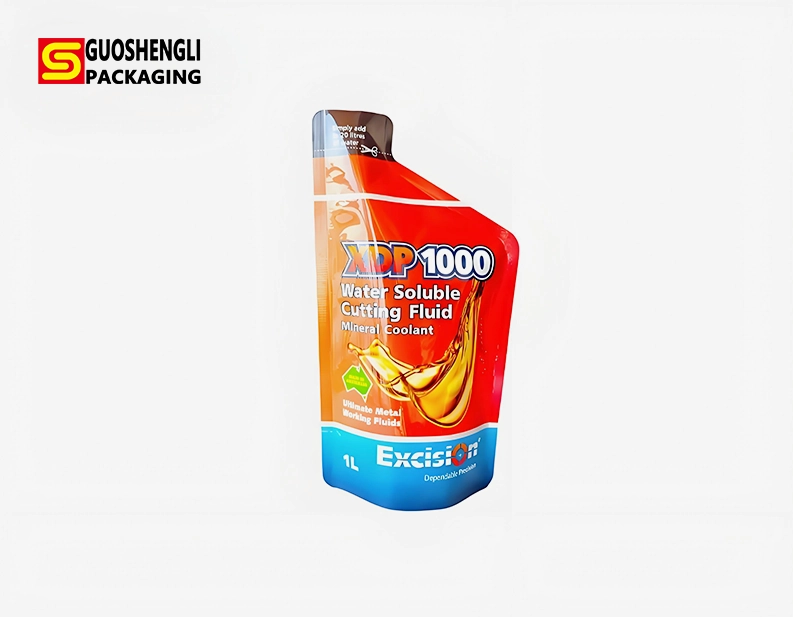
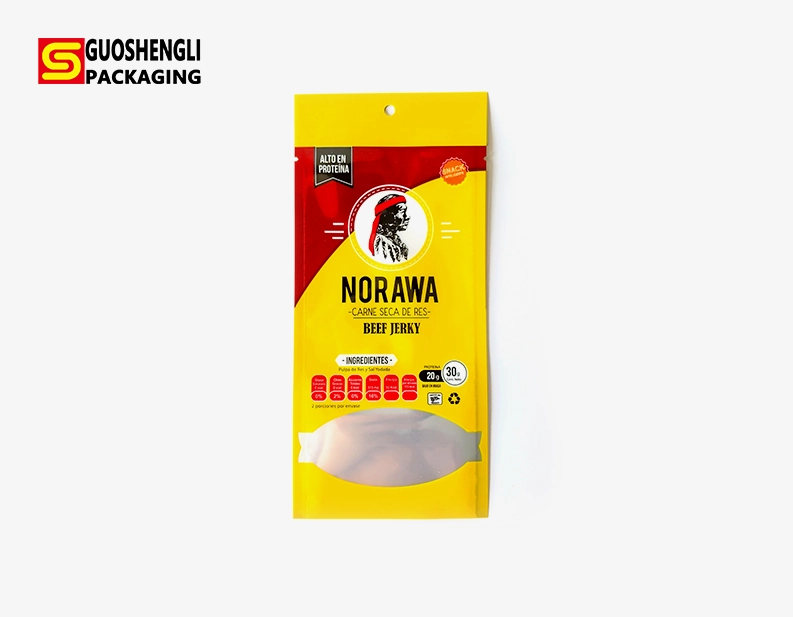
Flexible pouches are more design friendly and storage efficient than stiff bottles. We produce spout pouches, stand up pouches, shaped pouches, flat pouches and rollstock film for automated form-fill-seal processes. Digital printing is good for short test runs of beverage packaging lines with several flavours, whereas rotogravure is for bigger numbers. Shaped pouches make a brand pop on a busy rack, whereas flat pouches work for tiny single-serve beverages. Pouches require suitable filling equipment, thus I usually recommend doing a filling trial before launch. The format significantly minimises weight of packing and cost of transit.
How to Choose Packaging for Different Beverage Applications

Start With the Formula and Filling Conditions
The selection starts with the drink. Each puts limits on the choice of materials: acidity, pH, carbonation, viscosity, oxygen sensitivity, light sensitivity, and filling temperature. Juice and smoothies may include pulp, vitamins and acid therefore the sealing layer has to be tolerant. Cold brew coffee requires strong scent and oxygen protection. Hot-fill and aseptic procedures demand heat-resistant films. Flexible pouches are not suitable for packaging carbonated beverages since they require pressure-rated rigid containers. We consider viscosity, fill volume and filling technique before we propose a structure for packaging beverage projects. A good fit minimises surprises on the line.
Barrier Layers That Protect Shelf Life
These are the primary barrier characteristics I assess with US companies packaging beverage items.
- Oxygen barrier - Oxygen flows through film and affects flavour, colour, and nutritional value over time. PA, aluminium foil or barrier coatings inhibit that flow in layers such. We match the layer to your shelf-life objective and many manufacturers validate findings with oxygen transmission testing under ASTM D3985, then compare them with actual shelf-life monitoring.
- Light protection: Light breaks down colour and light-sensitive compounds in juices, functional drinks and dairy beverages. Layers of metallized PET (VMPET) and aluminium foil suppress light, whereas transparent films are suitable for items where visibility is more important. Which is better depends on the recipe, the retail context and the length of time the pack remains on the shelf.
- Puncture and seal strength. Pouches are sent in cartons in trucks, warehouses and postal networks. Nylon layers withstand punctures and strong heat-seal layers reduce the chance of bursting. Many customers will evaluate seal strength using ASTM F88 and will conduct drop tests and shipping simulations on filled samples before approving a design for production.
Together these layers preserve flavour, freshness and safety from the filling line to the customer.
Leak Prevention and Seal Strength
The worst ratings are caused by leaks, hence the first test is in my opinion the seal integrity. The seal strength is dependent on the film structure, sealing temperature, dwell duration and pressure on your equipment. Spouts provide additional seal point, therefore spout to film welding and cap fit require inspection. I suggest filled pouch drop testing, squeeze tests and transport simulation before mass manufacturing. Rounded edges make handling easier, and solid seal structures limit leak danger. For US beverage launches, a leak trial on your real filling line is greater proof than a lab sample alone. The testing should also involve stacked boxes, since packages have to be able to endure pressure during filling, stacking and shipping.
Design, Buying Steps, and Bulk Procurement
Design Features That Help on Shelf and in Hand
A good design is one that blends shelf impact, usefulness and manufacturing fit. We can provide matte, gloss or soft-touch finishes, high-definition gravure printing up to 11 colours, curved pouches and rounded edges. The pouring is controlled by top or corner spouts, resealing by screw caps and access via easy-tear holes. Colour constancy maintains brand awareness; customers identify a drink by its colour. This is why we undertake in-house inspections at important points in our printing and conversion processes. Leave room on your artwork for nutrition data, barcodes and recycling markings and provide the artwork early so we can verify against the pouch structure and filling process.
MOQ, Lead Time, and Printing Method
Print technique is typically dependent on the amount of the order. Rotogravure begins at 20,000 pieces and above and delivers in 15-20 days. Digital printing begins at 500-1,000 pieces and ships in 7-10 days. This allows a company to try a new flavour in limited runs, and then migrate established designs to gravure for cheaper unit cost at scale. If the launch has a tight timetable, then air freight is 4-5 days. The path for a new SKU typically is inquiry, sample testing, document review, pilot run and first order. Clear MOQs for each item will eliminate any surprises when planning a packaging beverage budget.
A Step-by-Step Procurement Checklist
I offer a basic job order. The first thing to look at is the formula (intended shelf life, oxygen and light sensitivity, and the filling procedure). Second, choose the package size, closure, artwork and additional packaging. 3. Ask for samples and run them on your line, checking seal strength, leakage and print uniformity. Fourth, study food contact paperwork, MOQ, lead time, payment terms, Incoterms and replacement policy. Fifth, authorise a signed golden sample before mass manufacturing. Writing down each choice offers your buying manager, plant engineer and quality team one source to refer to. This arrangement cuts down on risk in beverage packaging initiatives, since each team signs off before money is spent.
Supplier Evaluation and Sustainable Choices

Documents and Quality Systems to Request
A provider should demonstrate food contact compliance, quality control, capacity and export expertise. For the US request FDA food contact compliance under 21 CFR 174-186 or an effective FCN. The FDA does not give approvals for food contact products, thus language is important. For Europe request a declaration of conformity and migration test reports under (EC) No 10/2011. Request ISO 9001 and BRC certifications, third party reports and batch traceability. We are ISO 9001 and BRC food packaging certified and support SGS and third party testing. Determine whether the corporation is a manufacturer or a trader. This will determine who has control of quality when beverage orders repeat packaging.
Production Capacity and Consistency
The repeat order stability depends on the capacity. Our facility has 7 printing machine, 6 laminating machine and 49 conversion machines. Up to 11 colour rotogravure printing. “It provides us the capability to handle rollstock film and pre-made pouches all in one location, from material selection and design support to printing and pouch making. We also employ foreign RTO exhaust gas treatment technology For contract packers and brands, batch consistency is paramount. Colour drift or size variation may bring a filling line to a halt. It matters in every packaging beverage supply chain. We do in house inspection at every vital step and have traceability of orders from raw material to completed items. We have long term connections with packaging firms in Europe, USA and Australia.
Sustainable Options and Regulation
Sustainability statements need to be backed by demonstrable results. Lightweighting minimises the amount of material used, and the transport emissions associated with it, as long as the strength and shelf life are not compromised. We have a variety of recyclable mono-PE and mono-PP pouch architectures and 100% recyclable packaging solutions. Our staff cross-references them with your shelf-life objective before proposing one. If your brand sells in Europe, be aware of Regulation (EU) 2025/40, the Packaging and Packaging Waste Regulation, which lays forth recyclability and other standards for packaging put on that market. Retailers may add their own regulations too. Digital printing and QR codes also enable short runs and traceability. We don’t sell an untested structure at the expense of protecting the product. Every sustainable packaging beverage option begins with a shelf-life assessment.
Conclusion
Right pack for beverage items implies right pack for packaging beverage, filling line and sales channel. “Glass, aluminium, PET and flexible pouches all provide different levels of protection. Pouches offer reduced weight and shipping volume and also a wide latitude in design. Shelf life and leak resistance are determined by formula, barrier layers and seal strength, and filling testing validate them. Cost and speed depend on printing technique, MOQ and lead time. A checklist in writing keeps teams focused. Supplier documentation, quality processes, and stable production decrease compliance risk and risk of repeat orders. Mono-material constructions meet recyclability legislation such as Regulation (EU) 2025/40. The important thing is that the finest beverage packaging is a single integrated system, evaluated early and graded on overall cost not unit pricing.
FAQ
1. What Is the Best Way to Start Packaging Beverage Products in Pouches?
Start with your formula, fill volume, filling method, and shelf-life target. Next, request samples and run them on your own line. Seal strength, leakage, and oxygen protection results tell you more than appearance alone, so test them before you commit to a larger order. Our team can recommend a structure once we know these details.
2. Which Documents Should I Request From a Pouch Supplier?
Request FDA food contact compliance (21 CFR 174-186 or an effective FCN), ISO 9001 and BRC certifications and SGS test results. Include a statement of conformity with (EC) No 10/2011 and migration test findings for sale in Europe.
3. Can I Order Small Test Runs?
Yes. Digital printing begins at 500-1,000 pieces with a 7-10 day wait time. Rotogravure is good for established designs, 20,000 pieces+ runs, 15-20 day lead time. A lot of firms will test a flavour digitally and then take the winner to gravure.
Discuss Your Packaging Beverage Requirements With Guoshengli Packaging

Need a beverage packaging maker that knows filling lines, shelf life and export paperwork? Guoshengli Packaging is a manufacturer of rollstock film, spout pouches, stand-up pouches and flat bottom pouches with over 25 years experience, ISO 9001 and BRC certification and validated by SGS testing. Send your drink kind, fill volume and required quantity to sales@guoshengpacking.com. Or visit guoshengpack.com for more information on packaging beverage solutions.
References
1. U.S. Food and Drug Administration, Code of Federal Regulations Title 21, Parts 174–186 (Indirect Food Additives), 2024
2. European Commission, Commission Regulation (EU) No 10/2011 on Plastic Materials and Articles Intended to Come into Contact with Food, 2011
3. European Parliament and Council, Regulation (EU) 2025/40 on Packaging and Packaging Waste, Official Journal of the European Union, 2025
4. ASTM International, ASTM F88/F88M-21 Standard Test Method for Seal Strength of Flexible Barrier Materials, 2021
5. ASTM International, ASTM D3985-17 Standard Test Method for Oxygen Gas Transmission Rate Through Plastic Film and Sheeting, 2017
6. BRCGS, Global Standard Packaging Materials, Issue 6, 2019