- English
- French
- German
- Portuguese
- Spanish
- Russian
- Japanese
- Korean
- Arabic
- Greek
- German
- Turkish
- Italian
- Danish
- Romanian
- Indonesian
- Czech
- Afrikaans
- Swedish
- Polish
- Basque
- Catalan
- Esperanto
- Hindi
- Lao
- Albanian
- Amharic
- Armenian
- Azerbaijani
- Belarusian
- Bengali
- Bosnian
- Bulgarian
- Cebuano
- Chichewa
- Corsican
- Croatian
- Dutch
- Estonian
- Filipino
- Finnish
- Frisian
- Galician
- Georgian
- Gujarati
- Haitian
- Hausa
- Hawaiian
- Hebrew
- Hmong
- Hungarian
- Icelandic
- Igbo
- Javanese
- Kannada
- Kazakh
- Khmer
- Kurdish
- Kyrgyz
- Latin
- Latvian
- Lithuanian
- Luxembou..
- Macedonian
- Malagasy
- Malay
- Malayalam
- Maltese
- Maori
- Marathi
- Mongolian
- Burmese
- Nepali
- Norwegian
- Pashto
- Persian
- Punjabi
- Serbian
- Sesotho
- Sinhala
- Slovak
- Slovenian
- Somali
- Samoan
- Scots Gaelic
- Shona
- Sindhi
- Sundanese
- Swahili
- Tajik
- Tamil
- Telugu
- Thai
- Ukrainian
- Urdu
- Uzbek
- Vietnamese
- Welsh
- Xhosa
- Yiddish
- Yoruba
- Zulu

Beverage packaging design now follows taste, convenience, and sustainability at the same time. A modern packaging beverage program usually means a lightweight spout pouch or stand-up pouch with a barrier structure that matches the shelf-life target, a strong seal, and a print that looks the same from the first order to the tenth. At Guoshengli Packaging, we have made flexible packaging for more than 25 years. We see more brands moving from glass and PET bottles to pouches to cut freight weight and meet recycling rules. This article explains how to choose the right format, material, and supplier.

Introduction: Why Beverage Packaging Design Is Changing
Packaging Is Now a Commercial and Technical Asset
There's more to a pack than just holding drink. There are many things about a package that can change how people see a brand, how safe it is, how easy it is to find on the shelf, and how likely they are to buy it again. In the US, people want drinks that aren't heavy, are simple to pour, and won't leak. A packaging beverage decision influences marketing, engineering, and purchasing. The person who makes the product can choose how it looks, but the expert in charge of the filling plant can say no to any structure that doesn't work with the line. We believe that all three views should be a part of the first talk. It costs more to make a bag that looks good but gets the stuff stuck than to lower the price.
Shifting Consumer Tastes Favor Portable Formats
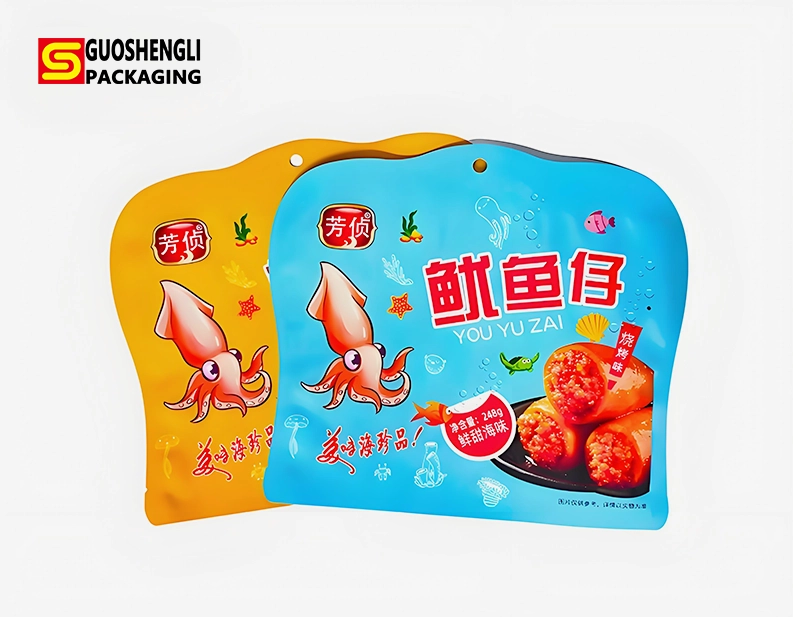
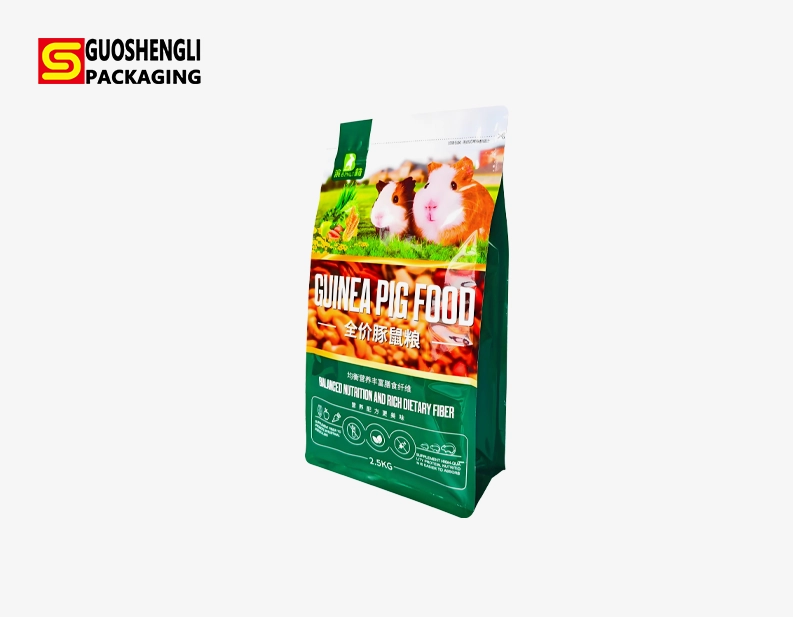
People want plant-based drinks, shakes, sports drinks, and juices that are small enough to carry in a backpack, lunch box, or gym bag. Spout bags are easy for kids and busy people to use because they are light, can be squeezed, and have a lid that can be used to close them again. Stand-up and flat bags work well for single-serve drinks sold in shops. In a packaging beverage plan, these habits are used to help a brand get shelf space next to bottles and cartons. The quality of the print is also important. Our gravure lines can print up to 11 colors and give the paper a matte, gloss, or soft-touch finish. This makes it possible for the flavor, age group, and brand tone to be shown before the customer even does.
Cost, Freight, and Rules Drive the Change
The weight of the freight moves it. When it's full, a pouch usually weighs less than a rigid PET or glass bottle that holds the same amount of liquid. Empty pouches ship flat, which makes warehouses smaller. Rules always lead to the same place. Regulation (EU) 2025/40, also known as the EU Packaging and Packaging Waste Regulation, became law in 2025. All the boxes that are sold in the EU need to be able to be recovered. Some states in the U.S., like Oregon, Colorado, California, and Maine, have passed rules that make companies that make boxes more accountable for what they do. Also, stores ask sellers if the items can be recycled. Design, law, and sales all play a role in the packaging beverage choice for selling brands.
Beverage Packaging Types: Matching the Format to the Product and Market
Rigid Formats: Glass, PET, HDPE, and Cans
But glass is heavy and easy to break, which makes shipping more expensive. Glass is safe, makes a great show, and works well as a barrier. PET can hold a lot of water, soft drinks, sports drinks, and ready-to-drink foods. It is small and light. HDPE is strong and clear enough for some types of juice, yogurt, and specialty drinks. On aluminum cans, you can print on the whole surface, do single-serve delivery, and cool things down quickly. Every strict structure has its own clear place. The question for a packaging beverage buyer is whether the product, price, and sales channel really need the extra weight, or if a pouch can provide sufficient security for less money in freight and storage.
Flexible Formats: Spout, Stand-Up, Shaped, and Flat Pouches
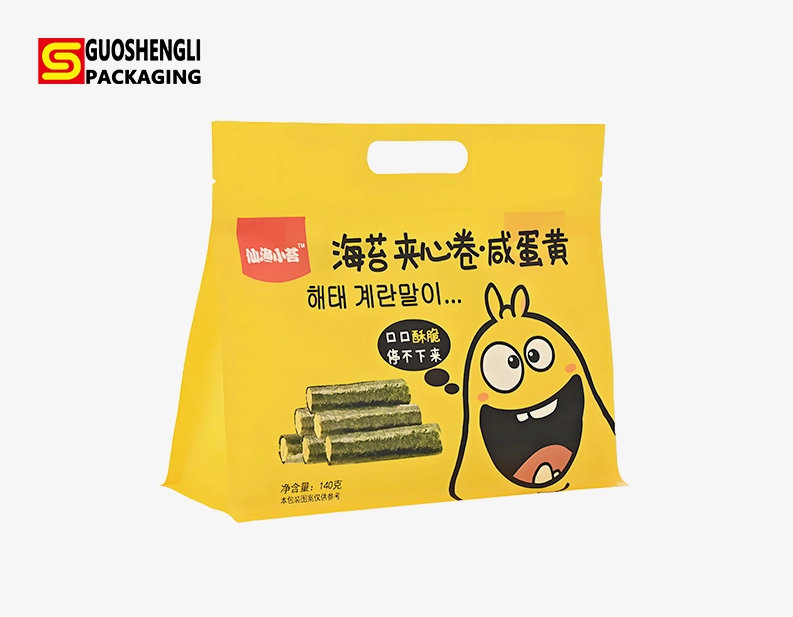
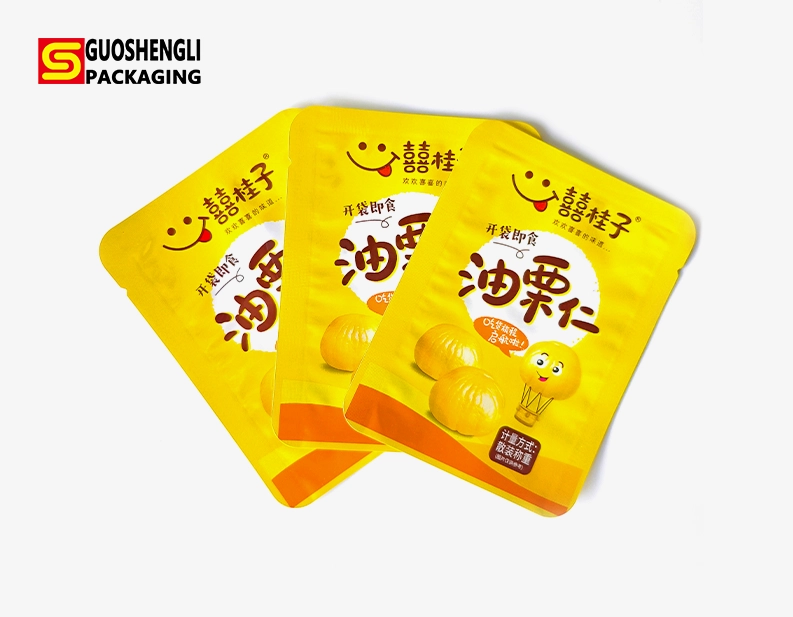
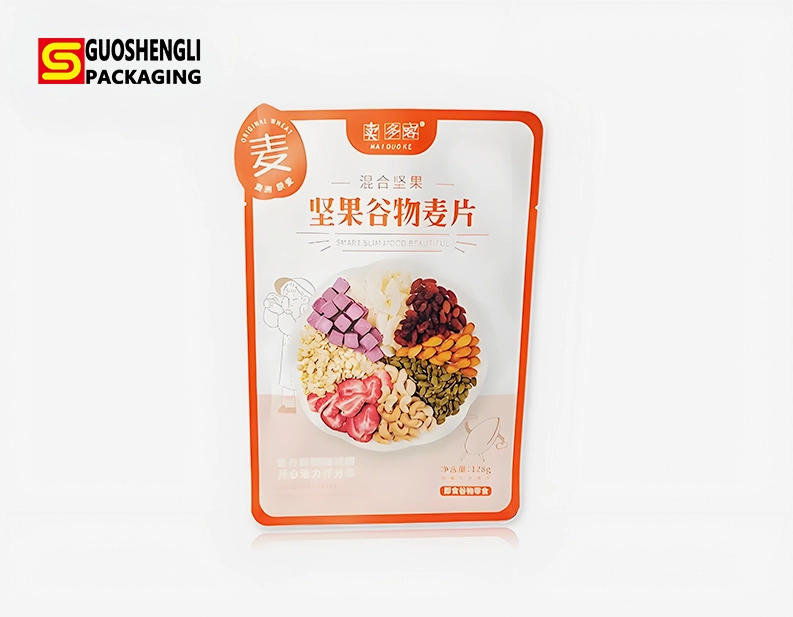
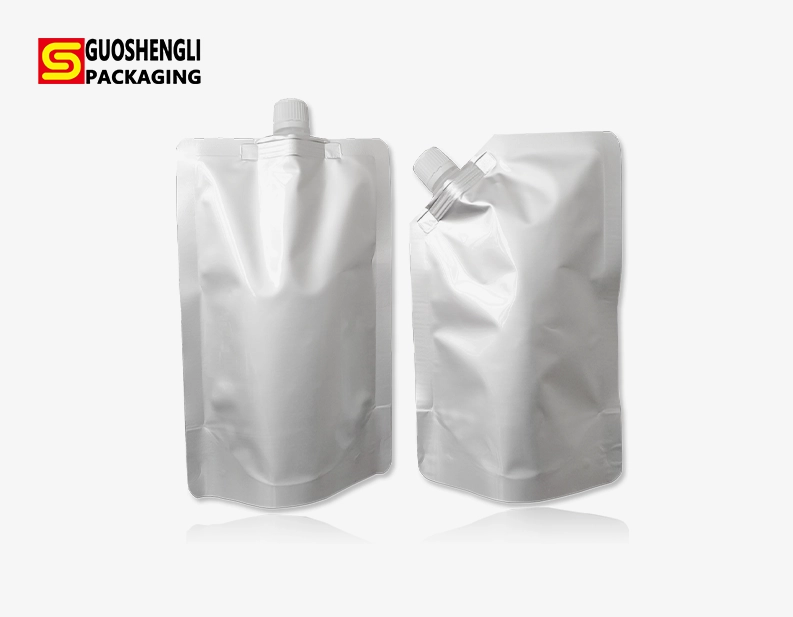
Pouch bags can be used for more than one thing. The resealable cap on a spout bag lets you control how much you pour. They're good for juices, milkshakes, and other liquid drinks. Stand-up pouch packs are easy to carry and look good on a shelf. If you want to show off your brand, use shaped pouches. Flat pouches are best for small drinks that you only want to serve one person. We make sure that the right top spout or corner spout is used for the job because they have different effects on how a pouch stands, pours, and fits your hand. A thick fruit mix or juice will behave in a certain way, while a thin sports drink will behave in a different way. It's easier to handle because the corners are rounded. You need to take a close look at multilayer structures and filling equipment, but boxes and pouches can help things stay put on shelves or be easier to carry. A packaging beverage team should fix these problems before you place your order.
Rollstock Film for Automatic Filling Lines
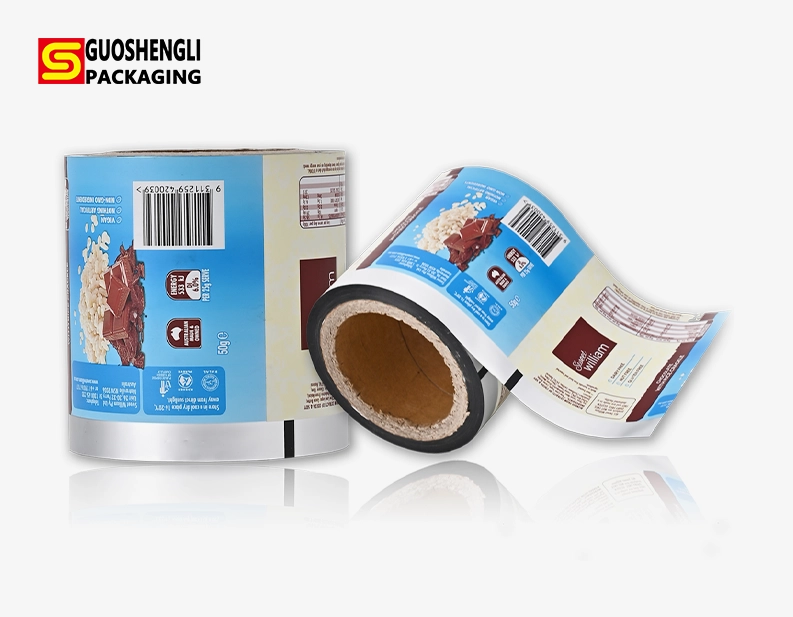
Some brands and contract packers use form-fill-seal machines to fill liquid drinks instead of pouches that have already been made. The film we print on with gravure and seal at our own plant comes from these lines. It is just as important that the seal works and the web is the right size for the machine as it is how it looks. When discussing a packaging beverage project, the first question we ask the customer is whether they want ready-made spout boxes or film for an automatic line. In this case, the answer changes the structure, the tools that will be used, and the order sizes. After that, we hook up the film to the machine and the item.
Sustainable Beverage Packaging Materials and Design Trends

Recyclable Mono-Material Structures
There are two types of bags: mono-PE and mono-PP. Mono-PE and mono-PP bags are made to work better with current recycling methods than mixed-material laminates. MONO-PE and MONO-PP structures that we have can be recovered. When our team comes up with ideas, they are checked against the drink's shelf-life goal first. The barrier is the hard part. Many bags with more than one layer use PET, nylon, or foil to keep air and water out. But a pouch made of just one material needs a different way. If it means putting product safety at risk, we don't push a structure that hasn't been tested. We look at the whole package, not just the film, because the spout and cap also have parts that affect how easy it is to recover. When it comes to recycling, each market has its own set of regulations for packaging beverage claims.
Recycled Content and Lightweighting
This kind of recycled stuff can help the environment. It includes rPET, recycled aluminum, recycled glass, and paperboard that comes from a good source. It might also change the color, the level of cooperation, the clarity, or the uniformity of the supply. There also needs to be proof for lightening. A film with a thinner wall or one that is lighter must pass tests for drop, pressure, seal, and filling lines. Pouch bags already have a weight edge, which is one reason why brands think about them. This standard, ASTM F88, checks how strong the seal is on flexible barrier materials. This standard, ASTM D4169, tells you how to test shipping containers and systems. Before you buy a packaging beverage structure, make sure you know what tests the seller does on it.
Design Trends: Minimalism, Touch, QR Codes, and E-Commerce
On the shelves, it's easy to see what's in style. It is simple to read things that are colored and have simple patterns. Because the packs are soft-touch, they have their own feel. You can find stories about where things come from, how to recycle, or recipes by scanning a QR code. With refillable models and focused forms, you can serve less food at a time. When you shop online, the packs you use need to have strong locks and be able to handle being dropped or punctured. These trends can be incorporated into beverage packaging thanks to our matte, gloss, and soft-touch choices, as well as gravure printing. Every digital print runs for 500 to 1,000 pieces and takes 7 to 10 days to make. This way, a brand can test a look before making a bigger run.
Food-Safe Beverage Packaging Requirements for Global Markets
U.S. Food-Contact Rules
When it comes to the US, the FDA does not accept finished packaging products. These rules say that things that touch food must either follow the Code of Federal Regulations, which are mostly 21 CFR Parts 174 through 186, or have a legal Food Contact Notification (FCN) on them. We say that our materials are FDA food-contact compliant because of this. If someone wants to buy something, they should ask the seller for paper work that lists all the layers, adhesives, inks, and spouts that are inside the pouch. If a store or co-packer checks your list of suppliers, it's helpful to have a clear document chain. As part of every packaging beverage project, we assist buyers with compliance paperwork and SGS test reports.
EU Requirements for Export Orders
People in Europe who want to buy something usually have more questions. Regulation (EU) No 10/2011 sets general and individual limits on how much plastic that comes into contact with food can move. It also needs tests to back up the Declaration of Conformity (DoC). It is now against the law for materials to transfer substances that are harmful to health, change the way food is made in an unacceptable way, or make it smell and taste bad. This is called Regulation (EC) No 1935/2004. Every time we send an order to the EU, we include a (EC) No 10/2011 statement of understanding. Brands that sell in both the U.S. and Europe should ask for both sets of documents as soon as possible, since losing a file can delay the launch longer than making changes to the design.
Quality Systems and Traceability
Certificates show how a plant works every day. The BRC has approved our plant to package food, and it also has an ISO 9001 quality control system. SGS tests for us as a third party. You can keep track of every order, from the raw materials to the finished goods. This helps a buyer answer a store's question about a certain lot. When we print, laminate, and make bags, we also check everything by hand at every step that's important. To be sure, look for more than just logos on a website. Ask each provider for up-to-date test results and certificates. The likelihood of disputes after delivery is reduced by these papers and a clear packaging beverage specification.
Customization Decisions and Supplier Evaluation

Matching Barrier Structure to Shelf Life
Barrier choice is based on the drink. Designs that are often seen are PET/PA/PE, PET/VMPET/PE, NY/PE, PET/AL/PE, and options made from a single reusable material. It changes what something tastes like and how long it lasts. Chems that are sensitive can be broken down by light. Because it keeps out water and tears, the pack stays stable while it's being stored and moved. Light and air need to be kept away from juice that goes bad quickly more than from drinks that stay cold and sell quickly. To begin, we ask what the ideal storage, filling, and shelf life times are. Then we build something. Before the final packaging beverage structure is made, we advise you to try your own product because the results will depend on the formulation.
Closures, Seals, and Leak Control
We'll start by fixing the leaky covers and spouts. It's more likely that a pouch will stay closed if its spouts have screw caps and square corners. It changes how the pouch stands, pours, and fits in your hand. Single-serve packs fit well through the easy-tear holes. You should use the real thing to see how strong the seal is and how well it fills. In different ways, a thick mush and a thin juice will put stress on seals. Drop and pressure tests on full packs, as well as a test on your own filling line, showed that there are problems before the launch. A packaging beverage seller should be happy about the tests.
Choosing a Supplier and Planning the Order
You should look at five things to see if a provider is right for you: a barrier match to shelf life, flexible order amounts, compliance papers, line trials, and color stability across batches. The lead time for a gravure order is 15 to 20 days, and we need at least 20,000 pieces. This process takes 7 to 10 days and starts with 500 to 1,000 things. In other words, a company can use the same source for both a test flavor and a main flavor. Flying there takes four to five days. After being asked about, a new SKU typically goes through samples, line testing, document review, a small test batch, and then an order for the whole thing. Most of the time, this takes 8 to 16 weeks. All that needs to be done is to set up a return sale. Our seven printing, six laminating, and 49 converting machines help with every packaging beverage order.
Conclusion
When making drink packaging now, rules, taste, and how easy it is to use are all taken into account. Different types of goods can be put in glass, PET, HDPE, cans, and pouches. It's easy to carry things around with spout and stand-up bags, which are also light. To be environmentally friendly, choices must be made from a single material that can be recovered, be light, and follow the rules for collection in your area. The shelf-life goal must also be compared to the performance of the barrier. To keep food safe in the US, it's important to follow 21 CFR Parts 174 through 186 or an FCN. Orders in the EU, on the other hand, need (EC) No 10/2011 declarations and migration data. Barrier structure, seal strength, source documentation, order flexibility, and a clear sample and trial process all play a role in how long a packaging beverage project lasts from the initial order to the many that follow.
FAQ
1. What is the minimum order for a packaging beverage pouch?
How many of a certain type of packaging beverage bag can I order? For gravure printing, you need to order at least 20,000 pieces, and it takes 15 to 20 days to get them. The lead time is 7 to 10 days, and you can print up to 1,000 pieces at first. There's enough time for pilot tastes.
2. Is your packaging beverage line FDA compliant?
The FDA has rules about what materials can and can't touch food. These rules are found in 21 CFR Parts 174 through 186, or FCN coverage. No, the FDA doesn't stamp packages; instead, we use the word "compliance." When an EU order comes in, we make a (EC) No 10/2011 declaration of conformity.
3. Which packaging beverage structure fits a juice or smoothie pouch?
What kind of packaging beverage shape fits a bag of juice or smoothie? How it was filled, how long it will last, and how light sensitive it is will all play a role. The structures come in different types, such as PET/PA/PE, PET/VMPET/PE, NY/PE, PET/AL/PE, and structures made of a single material that can be recycled. We give you one after going over your method and test goals.
4. How do you control leaks in transport?
How do you stop leaks in the flow of transportation? We use strong seals, the right spouts and caps, and corners that are smooth. Also, we think that seal, drop, and pressure tests should be done on full samples before they are made.
Request Your Packaging Beverage Quote from Guoshengli Packaging

This flexible packaging beverage maker has been around for more than 25 years, is BRC-approved, and can print in up to 11 colors using gravure printing or digital printing starting at 500 pieces. Send an email to sales@guoshengpacking.com with the type of drink, bag size, and shelf life goal you want. We will then send you a structure and a sample plan. You can find out more at guoshengpack.com or call us right now to start your question.
References
1. Regulation (EU) 2025/40 on Packaging and Packaging Waste, Official Journal of the European Union, 2025
2. Commission Regulation (EU) No 10/2011 on Plastic Materials and Articles Intended to Come into Contact with Food, Official Journal of the European Union, 2011
3. Regulation (EC) No 1935/2004 on Materials and Articles Intended to Come into Contact with Food, Official Journal of the European Union, 2004
4. Code of Federal Regulations, Title 21, Parts 174–186 (Indirect Food Additives), U.S. Government Publishing Office, 2024
5. ASTM F88/F88M, Standard Test Method for Seal Strength of Flexible Barrier Materials, ASTM International, 2021
6. ASTM D4169, Standard Practice for Performance Testing of Shipping Containers and Systems, ASTM International, 2022