- English
- French
- German
- Portuguese
- Spanish
- Russian
- Japanese
- Korean
- Arabic
- Greek
- German
- Turkish
- Italian
- Danish
- Romanian
- Indonesian
- Czech
- Afrikaans
- Swedish
- Polish
- Basque
- Catalan
- Esperanto
- Hindi
- Lao
- Albanian
- Amharic
- Armenian
- Azerbaijani
- Belarusian
- Bengali
- Bosnian
- Bulgarian
- Cebuano
- Chichewa
- Corsican
- Croatian
- Dutch
- Estonian
- Filipino
- Finnish
- Frisian
- Galician
- Georgian
- Gujarati
- Haitian
- Hausa
- Hawaiian
- Hebrew
- Hmong
- Hungarian
- Icelandic
- Igbo
- Javanese
- Kannada
- Kazakh
- Khmer
- Kurdish
- Kyrgyz
- Latin
- Latvian
- Lithuanian
- Luxembou..
- Macedonian
- Malagasy
- Malay
- Malayalam
- Maltese
- Maori
- Marathi
- Mongolian
- Burmese
- Nepali
- Norwegian
- Pashto
- Persian
- Punjabi
- Serbian
- Sesotho
- Sinhala
- Slovak
- Slovenian
- Somali
- Samoan
- Scots Gaelic
- Shona
- Sindhi
- Sundanese
- Swahili
- Tajik
- Tamil
- Telugu
- Thai
- Ukrainian
- Urdu
- Uzbek
- Vietnamese
- Welsh
- Xhosa
- Yiddish
- Yoruba
- Zulu

Snack packaging design is essential because it protects flavor and crunch, earns attention on a crowded shelf, and keeps repeat orders consistent. A well-built pouch controls oxygen, moisture, light, and grease, the main causes of stale chips and rancid nuts. It also carries the brand story through shape, color, and finish. This guide for brand managers and procurement teams who need clear steps for choosing formats, materials, and suppliers. Guoshengli Packaging has manufactured flexible packaging for more than 25 years, and the advice below reflects what we see on real production lines.
Why Snack Packaging Design Is Essential for Modern Snack Brands

Protection Comes First
Snack foods go bad quickly if the package doesn't work. Oils and air don't go well together, so fried chips and roasted nuts taste bad. And light can make colors and tastes less vivid. Things that are dry get softer when they get wet. A 2019 FAO report called "The State of Food and Agriculture" said that the world loses about 14% of its food between harvest and shelf life. Remember that safety is important at all stages of the supply chain. Structures with more than one layer, like PET/PE, PET/VMPET/PE, and BOPP/CPP, are used by Guoshengli Packaging to keep out air, grease, and water. We choose based on the brand, the amount of oil, and how it feels and how long it needs to last.
Shelf Appeal Drives the First Purchase
That's why the brand, taste, and claims should be easy to see on the front panel. People scan aisles quickly. The first things people notice are the format, color, font, and finish. If the finish is matte, it could mean that the item is natural or expensive. Bright colors will stand out more if the finish is shiny. The snack is what it says it is because there is a clear window that lets people see it. Guoshengli Packaging can make bags just for you that have windows and a matte or glossy finish. It's easier to see the little things in art when you can print in up to 11 colors. I think you should decide on the artistic goal first, and then let the group put it all together.
B2B Buyers Need Consistency
Even if a test pouch looks great, it needs to work well when a lot of them are made. When one company buys from another, they care about print consistency, pallet efficiency, and reorder stability. This is because even small changes can stop a filling line. There are 49 machines that change formats, 7 machines that print, and 6 machines that laminate in our factory. When we pack food, we follow the BRC and ISO 9001 rules. From the raw materials to the finished things, every sale can be kept track of. With this set-up, we can do the same thing for the second, fifth, and tenth rules. That's what a good snack packaging supplier should do.
How to Choose the Right Snack Packaging Type and Format
Stand-Up Pouches and Flat Bottom Bags
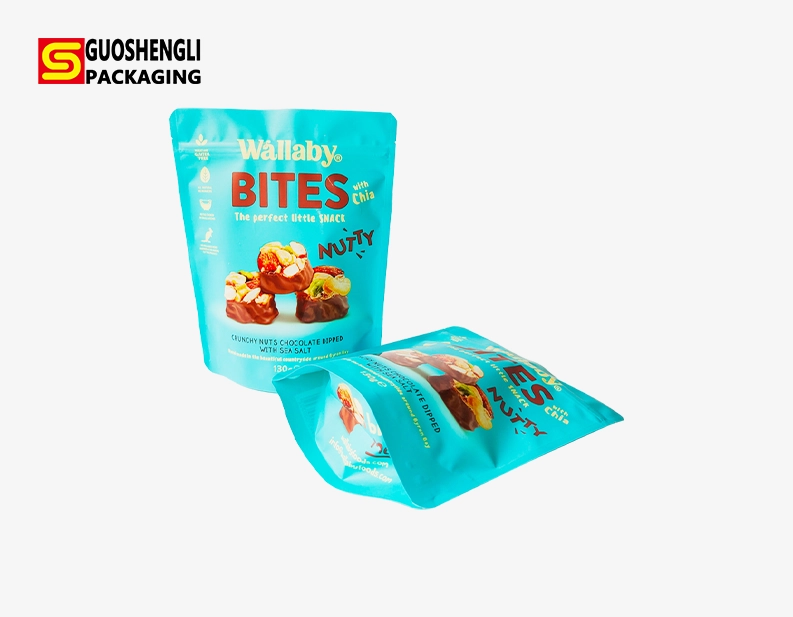
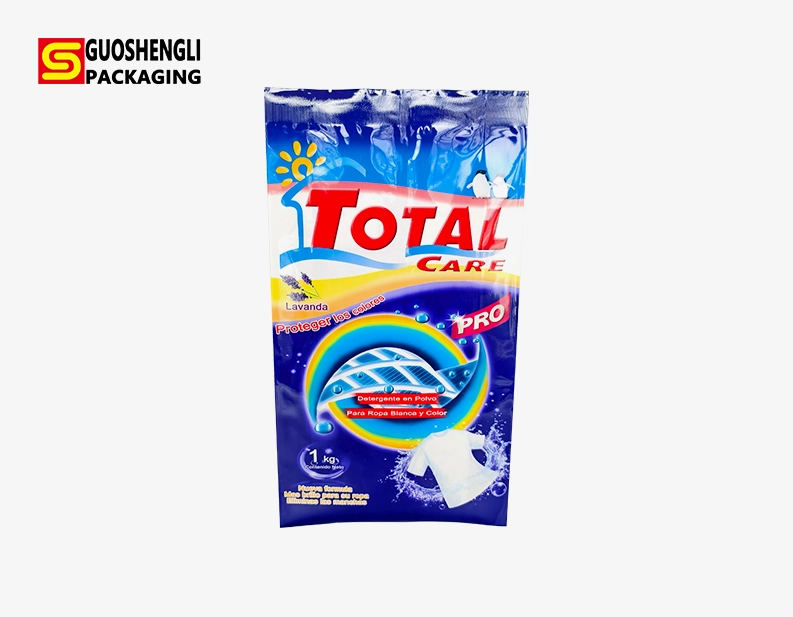
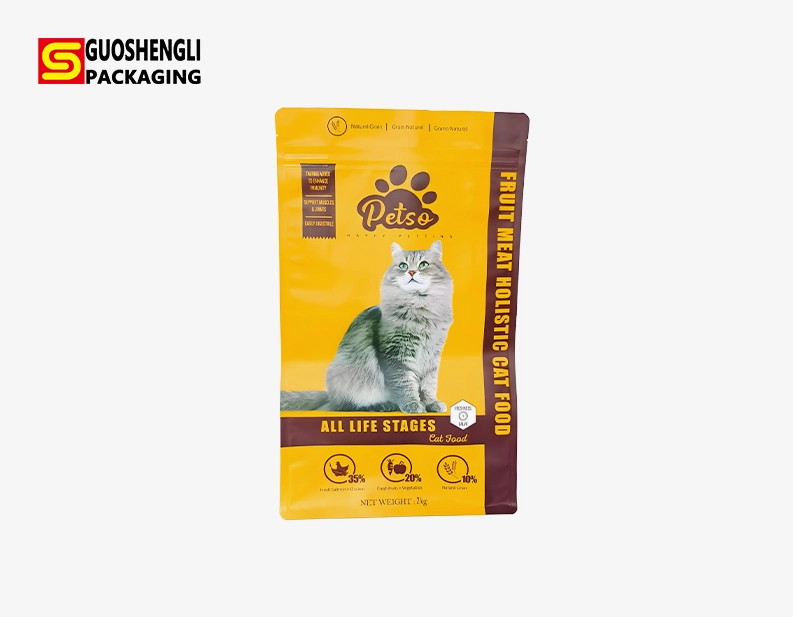
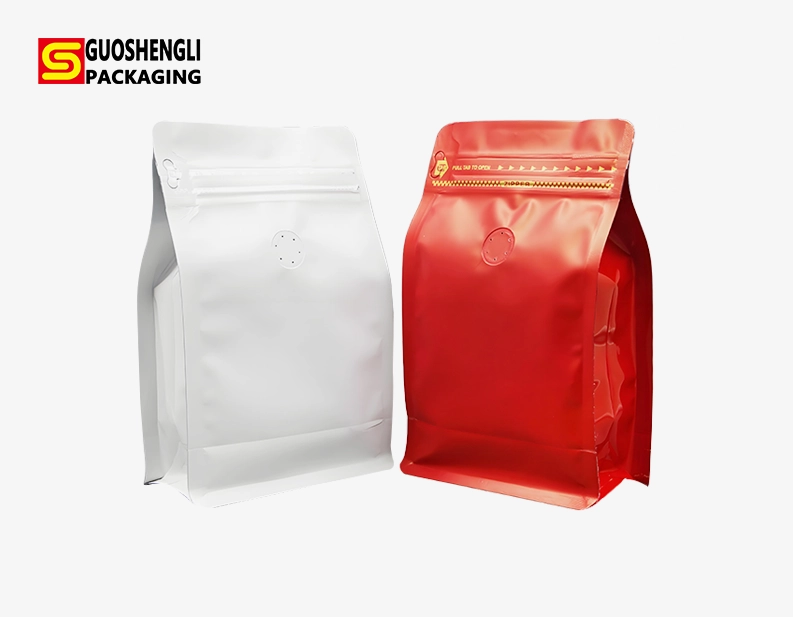
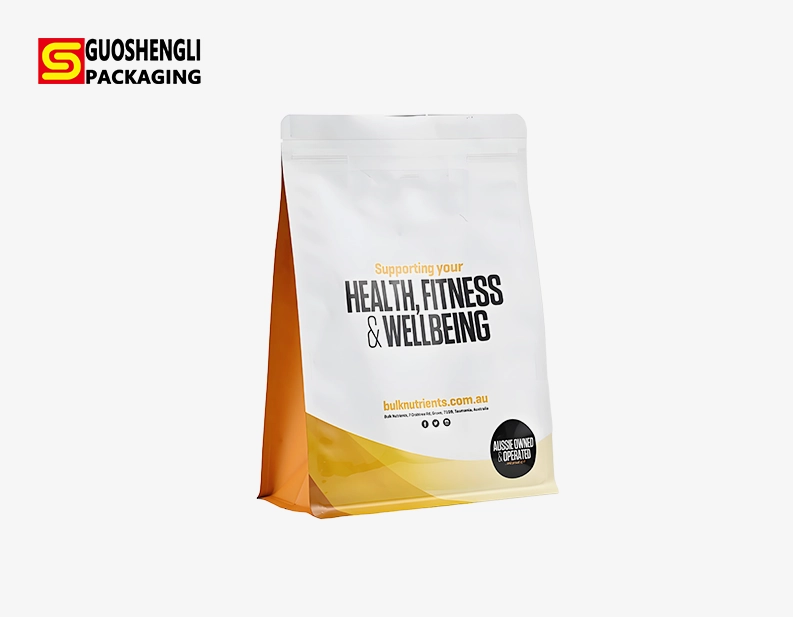
Stand-up boxes are great for storing protein snacks, nuts, granola, and dried fruit. They zip up and can be used more than once, and they look great on shelves. Flat bottom bags, which are sometimes called "box pouches," have a high-end look. They're tall and have big screens that you can print on. A lot of brands pick this style when they want the nutrition facts to be clear on the sides and the front to be big. When I ask, "How heavy is the filling?" "How will the bag fit on the shelf?" and "Do they need to seal it again?" the snack packaging options get a lot smaller.
Pillow Pouches, Side Gusset Bags, and Rollstock
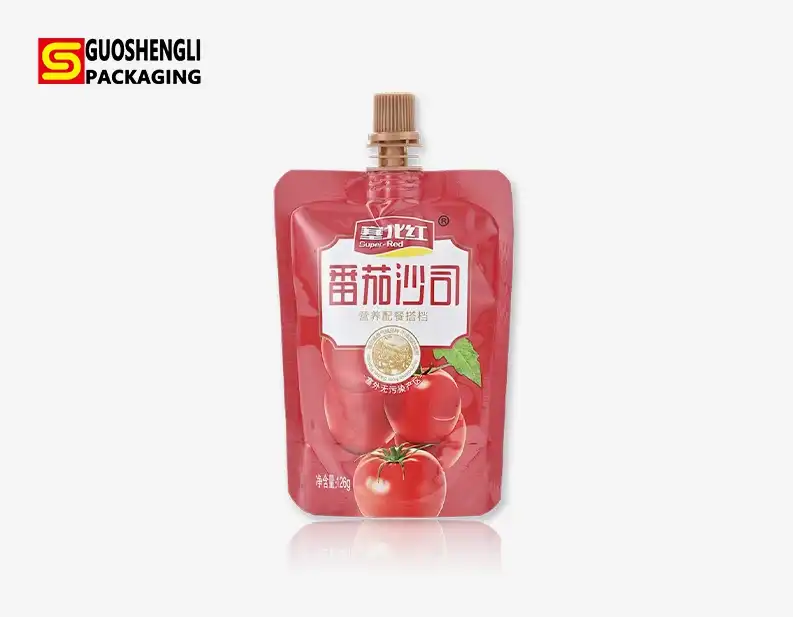
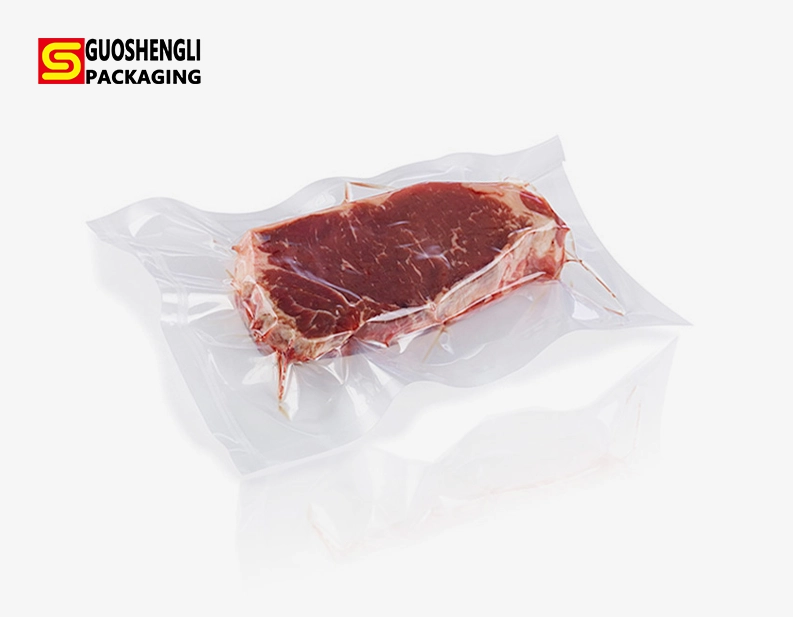
Putting chips, popcorn, or other single-serve snacks in an automatic machine is easy with cushion bags. Side flap bags can hold more, like nuts or trail mix for the whole family. Both FFS and VFFS machines can handle rolled film, which means that a brand can open, fill, and close all at once. These are all the types that Guoshengli Packaging makes. They also make shaped, three-side seal, back seal, spouted, vacuum, and shaped bags. Roll stock works best when the amount of work stays the same. Pre-made boxes, on the other hand, work best for smaller amounts and filling by hand or partly automatically. Make sure you know what you want before you start working on the art. If you pick the wrong style, it could lead to problems down the road.
Match the Format to Your Filling Line
Which one you hire relies on whether you want to make a deal or run a machine. How a bag's film width, core size, release direction, seal width, and slip work together is important for how it runs. If the coefficient of friction is wrong, a film can stick or roll up. This is what we need to know about your machine: what kind it is and how fast it works. Our team looks at how the item is packed, how heavy it is, and the people who will be buying it before suggesting a bag or film. The best way to be sure is to run a full sample on the real line. If you send that information early, nothing will change after sampling.
How to Select Custom Snack Packaging Materials

What Each Layer Does
With just one laminate, most bendy snack packaging can do three things. The picture is usually on top of the PET or BOPP layer. The paper also gets stiff. Film or foil that has been metalized is used as the main layer of protection. Light, air, and water can't pass through it. The food is sealed by the PE or CPP heat-seal layer on the inside. Most of the time, snacks that are oily or do not like air are packed in PET, VMPET, or PE. BOPP/CPP can be used to pack things that don't need as strong of a shell. There isn't a single structure that works best for all snacks. The snack's fat level, how it feels, and how long you want it to last are all things that matter.
Kraft Paper and Mono-Material Options
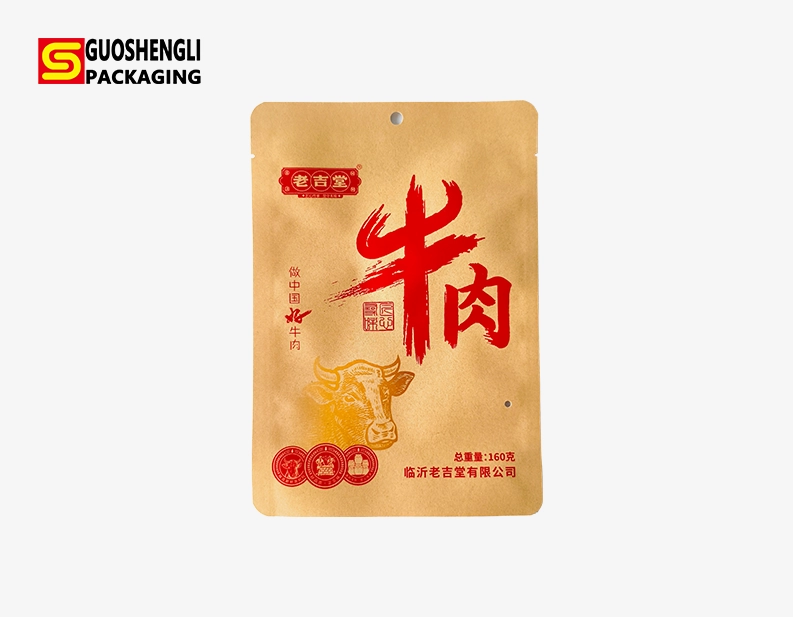
A lot of healthy snack brands like Kraft paper since it feels and looks like real paper. Paper doesn't do well with water or grease by itself, so it usually needs something to cover it or protect it. Guoshengli Packaging also makes structures out of only PE and PP. This might make it easier to recycle them in places that do. Only eco-friendly and fresh snack items are on our list. It won't help to have a bag that can be returned but lets food go bad. There are rules and well-known certificates that brands should check their recycling claims against before putting them on the front panel.
Check the Data Before Approval
What should you do? Ask for numbers instead of words. The ASTM F1927 and ASTM F1249 tests both check how quickly oxygen and water vapor can move through a piece of matter. This means that the barrier data they give you is the same. The ASTM F88 standard talks about how strong a seal is. In the EU, people look at Reg (EU) No 10/2011 for plastics, and in the US, they look at 21 CFR 177.1520 for olefin polymers. Our materials can be used with food, according to the FDA and the EU. SGS can also test them. Ask for these papers along with your quote so that your quality team can look them over before they sample.
Snack Packaging Design Requirements for Food Safety and Freshness
Food-Contact Compliance Documents
Making sure food is safe starts with writing it down. Buyers might need statements about food contact, material specifications, migration records, and statements about inks and glues' compliance. When you send things to Europe, the plastic package you use has to follow EU Regulation 10/2011. When it sends goods to the U.S. market, it has to follow FDA rules about touching food. It is safe for ISO 9001 and BRC to let Guoshengli Packaging pack food. They work with SGS and other test companies too. So, if there is a question, your team will be able to connect a finished lot to the materials that went into making it. This is possible since it is possible to keep track of each order. Don't ask for the list of papers after the first box is sent out. Ask for it when you get quotes.
Seal Integrity and Real-Product Testing
Heat, pressure, dwell time, seal width, and how clean the surfaces it seals against all affect how strong a seal is. If there are oily crumbs or powder in the area, it might not seal as well. To test the real food and filling line for things like pinholes, wrinkles, delamination, leaks, and how easy it is to break, it should be used. Most of the time, people say that their goods are broken or leaked because the seals weren't set properly, the boxes weren't made well, or the goods were punctured. I think you should do a test as part of your plan for release. Boxes used for online shopping should have drop and compression checks because they are moved around more than regular retail pallets.
Nitrogen Flushing and Shelf-Life Validation
Nitrogen is used to flush the pouch and get rid of the oxygen. For snacks like chips that are easy to break, this slows down oxidation. For this to work, the film must be able to keep its seal when pushed from the inside. This is best done with bags that have a lot of layers and strong layers that close. Before they test your recipe, suppliers shouldn't tell you how long something will last. Check samples that have been stored in the right amount of humidity and temperature every so often to see how they taste, how crisp they are, and how much oxygen they have. There is more than just film that makes something last longer. There is also fat and water in it. We can help you set up a test. Just tell us how long you want the shelf life to be.
Snack Packaging Design Ideas That Strengthen Brand Positioning

Build a Clear Visual Hierarchy
The front should quickly explain what it is, how it tastes, what makes it unique, and how much is inside. Make a list of the brand name and taste first. After the claims, put the net weight. For fancy, healthy, plant-based, and kids' snacks, you need to choose a different color and type of snack. It's interesting to see a matte finish with a shiny name, and strong flavors look great with metallic tones. For each SKU, make sure that the legal text, barcodes, and net weight stay in the same place. Our design help team can look at your art and make sure it fits inside the pouch before they print it.
Add Features That Help Consumers
When things are useful, they work better and waste less. Many-serve packs stay fresh at home because they have zippers that can be closed again. To open the bag, you don't need scissors because it has tear slots. Things can be hung from peg cases with holes in them in stores, and clear screens let you see the snack. This can be added to personalized snack packaging bags with a flat bottom, a stand-up bottom, or another type of bottom. Because each one makes the seal look different, I think you should choose them before you finish the art. Things like a zipper that is too close to a window can change how something looks on the shelf. It's possible for this to shrink the window.
Choose Gravure or Digital Printing
It costs more, takes longer, and gives you fewer options depending on how you print. It works well for big jobs where the colors need to stay the same because it can print in up to 11 colors. We need at least 20,000 pieces before we can start making something, and the wait time is 15–20 days. You have to buy at least 500–1000 pieces and wait 7–10 days to get them. Digital printing works well for test markets, new flavors, and special things that are only available for a short time. Many companies test a new design online first as soon as sales show that people want it. After that, they move on to gravure. You can use a printed sample as a guide for all of your future orders once you're happy with the color.
How to Compare Snack Packaging Solutions Before Purchasing
Look at Total Cost, Not Only Unit Price
Bugs that will cost a lot of money to fix might be hidden by a low unit price. The total cost is based on how the film is made, its size, printing, zippers, finishes, testing, shipping, and storing. The run could also fail. Because MOQ changes based on the type of material, printing method, and format, a new business and a national brand need to come up with different plans. This way, we can change the width and structure to save money without making it less safe. Before you compare, make sure that all of the suppliers quote on the same specs and terms. When time is short, shipping by air takes 4–5 days.
Follow a Clear Approval Path
When you have a plan, the risk is less. To begin, you need to describe the snack. You should say how big it is, how heavy it is, how it reacts to oil or water, how long you want it to last, where you plan to sell it, and what you'll use to fill it. First, write down the bag's shape, size, finish, zipper, and how it should be closed. Third, look over some copies that are blank and some copies that have already been printed. Bring a finished item to your line to test it. Fourth, agree with the art and one more example. Before you make a lot of them, write down the quality limits. Launch stages can last anywhere from six to twelve weeks, from when the plan is approved to when the product is made. It depends on how quickly each step is accepted.
Judge a Supplier by Repeat Orders
It's not clear what's going on from the first pack. Look at the exporter's past work, how they deal with problems, how long it takes them to respond, and how inspections are done. Ask the seller how they keep the color and size the same when you place your next order. They do work for companies in Asia-Pacific, Europe, and North America. We've also worked with packing companies in the US, Europe, and Australia for a long time. Could you tell us about the forecast? So, we can plan the film stock and times for making ads and campaigns. That kind of planning helps when you need to get something done quickly for the holidays.
Conclusion
The way snack packaging is made saves the taste, brings in customers, and makes sure there is a steady flow of B2B goods. This is how it should be printed, structured, and formatted so that it works best with the snack, the filling line, and the sales channel. Air, water, and oil can't pass through multilayer laminates such as BOPP/CPP and PET/VMPET/PE. Brown paper and one-material, on the other hand, need to be carefully checked for problems with recycling and barriers. Compliance papers, ASTM test results, seal testing, and real-life tests back up what is said. Digital printing is best for small tests, and gravure printing is best for large runs. Compare total costs, have a staged approval process, and judge sellers based on how often they make the same order. This will make leaks, old products, and strange reorders less likely.
FAQ
1. What is the best snack packaging for oily snacks?
This coating, called PET/VMPET/PE, keeps air and grease out, which makes it perfect for oily snacks. It will depend on how full you want the food to be, how long you want it to last, and how it will be filled. Use your real product to test.
2. What are the minimum orders for custom printed pouches?
It takes 7–10 days to finish a digital print job, and the price starts at 500–1000 pieces. With rotogravure, it takes 15 to 20 days to print the first 20,000 items. Each way works at different times during the start process.
3. Can snack packaging be recyclable?
Yes. For the sake of recycling, some of our buildings are only made of PE and PP. Everyplace has different recycling rules, so look over the claims before you print them, and make sure the structure still keeps your snack safe.
4. Which documents should I request from a supplier?
Check the comments to make sure the item is safe to use with food. You should also ask about the products used, the results of any barrier tests, and any qualifications, like ISO 9001 and BRC. We can help you with tests at SGS and other places.
Start Your Snack Packaging Project with Guoshengli Packaging

Need a business that can make snack packaging for a lot of people or a few people? From Guoshengli Packaging, you can get custom bags and roll up film. One more thing they do is rotogravure printing with up to 11 colors. They work with ISO 9001, BRC, and SGS too. The first 500 pieces of digital printing are available. You can email sales@guoshengpacking.com with the type of snack, bag size, and market you want to reach, or you can go to guoshengpack.com to find out more. We'll help you pick a style, a framework, and a possible plan.
References
1. Food and Agriculture Organization of the United Nations, The State of Food and Agriculture, 2019
2. U.S. Code of Federal Regulations, Title 21, Section 177.1520 Olefin Polymers, 2024
3. European Commission, Regulation (EU) No 10/2011 on Plastic Materials and Articles Intended to Come into Contact with Food, 2011
4. ASTM International, ASTM F88/F88M Standard Test Method for Seal Strength of Flexible Barrier Materials, 2021
5. ASTM International, ASTM F1927 Standard Test Method for Determination of Oxygen Gas Transmission Rate, Permeability and Permeance at Controlled Relative Humidity Through Barrier Materials Using a Coulometric Detector, 2020
6. ASTM International, ASTM F1249 Standard Test Method for Water Vapor Transmission Rate Through Plastic Film and Sheeting Using a Modulated Infrared Sensor, 2020