- English
- French
- German
- Portuguese
- Spanish
- Russian
- Japanese
- Korean
- Arabic
- Greek
- German
- Turkish
- Italian
- Danish
- Romanian
- Indonesian
- Czech
- Afrikaans
- Swedish
- Polish
- Basque
- Catalan
- Esperanto
- Hindi
- Lao
- Albanian
- Amharic
- Armenian
- Azerbaijani
- Belarusian
- Bengali
- Bosnian
- Bulgarian
- Cebuano
- Chichewa
- Corsican
- Croatian
- Dutch
- Estonian
- Filipino
- Finnish
- Frisian
- Galician
- Georgian
- Gujarati
- Haitian
- Hausa
- Hawaiian
- Hebrew
- Hmong
- Hungarian
- Icelandic
- Igbo
- Javanese
- Kannada
- Kazakh
- Khmer
- Kurdish
- Kyrgyz
- Latin
- Latvian
- Lithuanian
- Luxembou..
- Macedonian
- Malagasy
- Malay
- Malayalam
- Maltese
- Maori
- Marathi
- Mongolian
- Burmese
- Nepali
- Norwegian
- Pashto
- Persian
- Punjabi
- Serbian
- Sesotho
- Sinhala
- Slovak
- Slovenian
- Somali
- Samoan
- Scots Gaelic
- Shona
- Sindhi
- Sundanese
- Swahili
- Tajik
- Tamil
- Telugu
- Thai
- Ukrainian
- Urdu
- Uzbek
- Vietnamese
- Welsh
- Xhosa
- Yiddish
- Yoruba
- Zulu

When you're sourcing flexible packaging for beverage products, you need solutions that protect freshness, reduce shipping costs, and capture consumer attention on crowded retail shelves. A bottle shape juice pouch solves these challenges by combining the visual appeal of rigid bottles with the efficiency of flexible film structures. This innovative packaging format uses multi-layer laminate construction to deliver superior barrier protection while offering a distinctive bottle-like silhouette that differentiates your brand and appeals to modern consumers seeking convenience and sustainability.
Understanding Bottle Shape Juice Pouches
What Defines a Bottle Shape Juice Pouch?
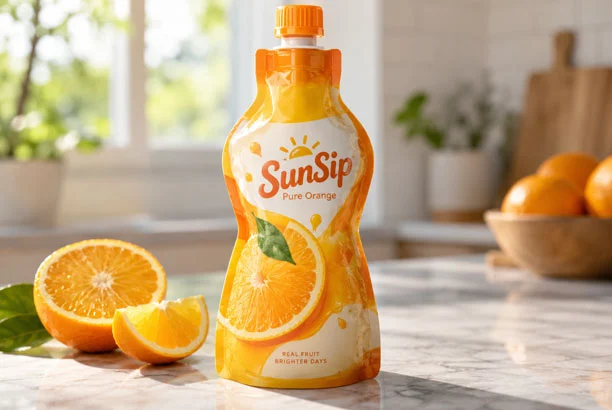
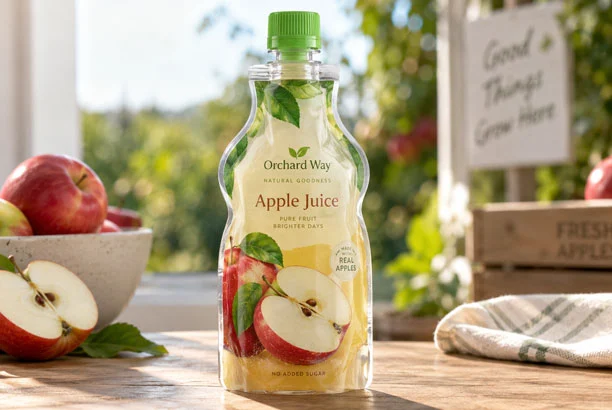
The juice pouch is die-cut to appear like a bottle, making it a distinctive kind of flexible packaging. Standard stand-up pouches are rectangular or round. However, these pouches have thinner necks, clear shoulders, and broader bodies. This utilitarian style makes objects simpler to handle and recognise, conveying quality and comfort.
Buildings often employ PET/NY/AL/PE or PET/PE multi-layer laminate constructions. PET shapes the bag and makes it difficult to puncture; nylon (NY) enhances oxygen barrier; aluminium foil protects photosensitive nutrients; and polyethylene (PE) seals food safely. This approach achieves Oxygen Transmission Rates below 1.5 cc/m²/24h and Water Vapour Transmission Rates below 1.0 g/m²/24h, extending juice product shelf life.
How Bottle Shape Pouches Differ from Standard Flexible Packaging
Standard drink pouches and spouted pouches do their jobs, but they don't have a unique shape that makes them stand out on the shelf. Traditional bags often look the same, which makes it hard to recognize a name in a crowded store. The bottle shape format gets around this problem by giving you a printable surface that can be seen from all sides and recognizable outlines that make your brand's story more interesting and keep customers interested.
Compared to rigid PET bottles, these flexible alternatives use up to 80% less material and weigh a lot less, which cuts down on shipping costs and the carbon footprint of distribution by a large amount. Instead of glass containers that can break and cause safety issues, bottle-shaped juice pouches are made not to break and are perfect for active lifestyles, outdoor activities, and kids' use.
Manufacturing Process and Customization Options
Rotogravure or digital printing on rollstock film is the first step in production. Up to 11-color printing lets you make drawings and images that look like photos. Lamination is used to join several layers of printed film together to make a structure that is strong and has good blocking qualities. The flat laminate is then precisely die-cut into the shape of the bottle profile. This gives this packing style its unique contours.
Customization goes beyond just the way something looks. It also includes practical features like notches that are easy to tear for customer ease, zipper systems that can be closed again for multi-use situations, and fitment integration for spouted versions. Die specifications can be changed to make shapes that are unique to a brand. These shapes create distinctive visual identities that stop competitors from copying them.
Benefits and Practical Applications for B2B Buyers
Cost Efficiency Through Material and Logistics Optimization
Transportation costs make up a big part of the cost of packaging drinks. Bottle-shaped juice pouches are lightweight, which directly lowers freight costs in both domestic and international supply chains. A pallet of flexible pouches holds a lot more units than the same-sized rigid bottles. This makes the warehouse more efficient and cuts down on storage costs.
Material efficiency also has benefits for sustainability that appeal to customers who care about the environment and business responsibility programs. Brands can use better environmental performance measures in their marketing messages if they use less plastic, use less energy during production, and release fewer pollutants during travel.
Enhanced Consumer Experience and Market Positioning
As a result, consumers are less likely to be skeptical of flexible packaging forms because having a contoured pouch feels like holding a regular bottle. The easy-tear notch feature gets rid of the need for knives or other tools, which is a common problem with sealed packages. This makes users of all demographics happier.
The bottle shape juice pouch format expresses quality placement for high-end organic NFC (Not-From-Concentrate) juice brands through its unique look. The distinctive shape sets products apart from generic cartons and pouches, which helps with premium pricing strategies and brand differentiation goals in retail categories that are very competitive.
Sustainability Initiatives and Recyclable Options
Environmentally friendly packaging is needed because regulations are getting stricter and people want it more. Modern bottle-shaped juice pouches can be made using structures made of a single material PE/PE that meet "Recycle Ready" approval standards and still work well as barriers for juice that needs to be kept fresh.
Brands can meet their green goals with these recyclable choices that don't hurt product safety or shelf life standards. High-barrier EVOH or metalized layers are used in the aluminum-free designs to protect against oxygen and wetness. This creates package solutions that are in line with circular economy principles and extended producer responsibility laws.
Applications Across Beverage Categories
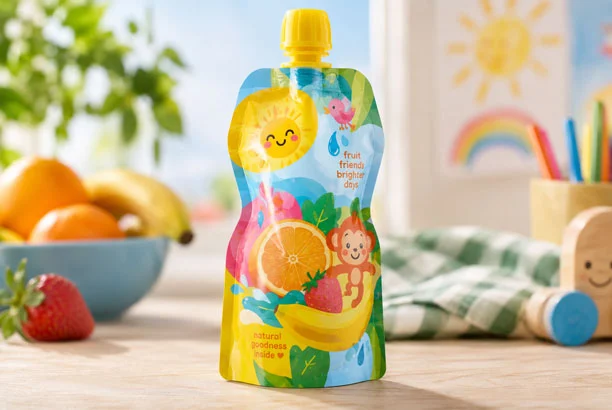
Children's juice products are safer for parents because they are made of materials that won't break and have bright pictures that kids will enjoy. The small size and light weight make it easy to carry in lunch boxes, bags, and other places where you might need to eat or drink while on the go, where glass or hard containers could break.
It's important for sports nutrition drinks to come in packaging that can stand up to rough handling, being outside, and changing temperatures. When properly designed bottle shape juice pouches are punctured, they have a high resistance (more than 50N), which keeps the seal intact during marathons, bike events, and outdoor sports where rigid packaging might crack or leak.
Applications like smoothies and mixed drinks need packages that can handle thicker liquids and textures. Hot-fill compatibility between 85°C and 95°C lets pasteurization happen right in the pouch, so medium-scale manufacturers don't have to use aseptic filling systems and can make production simpler.
Comparison and Decision-Making: Choosing the Right Bottle Shape Juice Pouch
Spouted vs. Non-Spouted Configurations
Spouted versions have plastic fittings at the neck or top panel that allow for controlled pouring and reclosability for drinking more than one serving at a time. This configuration works well for a bottle-shaped juice pouch in bigger sizes (250ml to 500ml) that people plan to drink in several sittings. The fitting costs more and is more complicated, but it improves the user experience and cuts down on waste from not using everything all the way.
Non-spouted designs can be opened with scissors or tear holes, which lets you use them for single-serve or full-pour. These are more cost-effective for smaller portions (100ml to 200ml) like kids' drinks, smoothies for one serving, or sampling where being able to close the lid again doesn't add much value.
Material Selection Based on Product Requirements
Juices with light-sensitive vitamins, like vitamin C, need aluminum foil barriers to keep them from going bad while they're being stored. Compared to clear or see-through materials, foil layers completely block light, which keeps nutrients intact and increases shelf life.
To keep the fresh taste profiles of cold-pressed drinks with few added preservatives, they need the best air barrier performance possible. Multi-layer structures with nylon and EVOH are better at blocking oxygen transfer than basic PE/PE designs. The higher cost of the materials is justified by longer shelf life and lower spoilage losses.
Balancing Performance with Environmental Goals
It's becoming more common for procurement choices to involve trade-offs between goals for best barrier performance and recyclability. Aluminum foil is used in traditional high-barrier laminates, which protect products very well but make recycling infrastructure more difficult. Recycling single-material options like metallized films or high-barrier PE grades provide enough protection for many juice uses while also meeting green goals.
To make the choice, specifics about the product must be carefully considered, such as its pH level, pasteurization methods, shelf life goal, and marketing circumstances. Accelerated shelf life studies and testing make sure that the materials chosen meet both performance needs and environmental goals without affecting the safety or quality of the product.
Procurement Guide: How to Buy Bottle Shape Juice Pouches for Your Business
Supplier Evaluation and Sourcing Strategy
Evaluation of production skills, quality management systems, and legal compliance is necessary for locating qualified bottle shape juice pouch manufacturers. Certifications like ISO 9001, BRC (Brand Reputation through Compliance), FDA registration, and SGS testing records show that quality control and food safety management are done in a planned way.
When planning for business growth and changes in seasonal demand, production capacity is important. Multiple printing lines, laminating equipment, and converting machines show that a facility has the infrastructure to handle large orders and keep delivery schedules consistent. Scalability makes sure that your suppliers can support your business growth without having to make big changes to your suppliers.
Customization Capabilities and Minimum Order Quantities
Custom die-cutting tools are a one-time purchase that you'll need to make the outline of your bottle. This one-time cost of the tools is spread out over many production runs, which is why minimum order amounts (usually 10,000 to 20,000 units) are needed to get unit prices that are profitable. When suppliers offer flexible MOQ choices, customers can test and confirm the market for a product before committing to full-scale inventory.
During the specification process, design support services like structural engineering help, graphic optimization for printing processes, and material suggestions based on product needs are very useful. Suppliers with a lot of experience can help you avoid mistakes that cost a lot of money and cut down on the time it takes to go from an idea to production-ready packaging.
Understanding Pricing Variables
The choice of material has the biggest effect on cost, with metal foil laminates being more expensive than all-plastic designs. Printing complexity also affects unit costs. For example, full-coverage graphics that need to separate multiple colors take longer to make and use more ink than simple two- or three-color designs.
At certain quantity levels, order volumes lead to step-function cost reductions. Figuring out these break points lets you place smart orders that balance the costs of keeping supplies with the best unit prices. It's possible to get better prices when you combine volume promises for more than one SKU, even if individual orders are less than the normal quantity breaks.
Quality Assurance and Compliance Verification
Before the goods are filled, vacuum leak detection is used to check the integrity of the seal and find tiny leaks in the complex curves and outlines of bottle-shaped juice pouches. This proactive quality control keeps production from stopping, which would be expensive, and keeps products from going bad during filling runs.
Burst pressure testing shows that pouches can stand up to the vertical stacking loads that happen during palletization and storage without the seal breaking or the pouch deforming. Testing the outer surfaces for Coefficient of Friction (COF) makes sure that automatic filling lines, where pouches move along motorized guides and handling equipment, work smoothly.
Migration testing makes sure that parts of the packaging follow rules about food contact, such as FDA 21 CFR 177 standards and EU Regulation 10/2011. Testing records should be easy to get from suppliers so that they can be used to back up government filings and customer checks.
Building Trust: Leading Brands and Supplier Insights
Evaluating Manufacturer Experience and Track Record
Established makers with more than 25 years of experience in flexible packaging bring a wealth of information that stops common production problems before they happen. This knowledge is vital when sourcing a bottle-shaped juice pouch. Proactive engineering suggestions, the ability to troubleshoot materials, and process optimization are advantages that younger providers can't match.
When a supplier has long-term relationships with beverage brands in North America, Europe, and the Asia-Pacific region, it shows that they can meet international quality standards and understand the complicated rules that apply to each market. Case studies and examples from related product categories can help you trust that a supplier understands the problems you're having with your application.
Global vs. Regional Sourcing Considerations
Because their supply chains are so well connected and they make so much, Asian manufacturers, especially Chinese ones, can often offer competitive prices. But when buying something, people have to compare the unit cost to the total landed cost, which includes freight, duties, lead time, and the cost of keeping inventory.
Communication skills, technical knowledge, and the ability to respond quickly all play a big role in how well foreign buying relationships work out. When problems happen, suppliers with expert teams that speak English and have experience working with Western markets can quickly clear things up and avoid mistakes.
OEM and Private Label Opportunities
Original Equipment Manufacturing (OEM) agreements let brands use the design and production skills of a partner without having to learn how to do their own packaging. Suppliers like Guoshengli Packaging offer full services, from choosing materials to final production. This helps brands that would rather spend their time and money on product development and marketing than making packaging.
Private label partnerships let importers and wholesalers make their own brand-specific wrapping that makes their products stand out in wholesale channels. Customization options like unique shapes, special barrier formulations, and unique graphic treatments give you a competitive edge that keeps your products from becoming too similar.
Conclusion
A clever packaging solution that meets several business goals at once is the bottle shape juice pouch. Its unique look helps it stand out on shelves, and the flexible shape makes operations easier and better for the environment. For implementation to go smoothly, you need to carefully think about the materials you choose, the abilities of your suppliers, and the customization options that work best with your product needs and market positioning. Beverage makers can choose packaging options that protect product quality, help the business grow, and are good for the environment by looking at barrier performance needs, compliance requirements, and total cost of ownership instead of just unit price.
FAQ
1. What materials work best for cold-pressed juice in bottle shape pouches?
Cold-pressed drinks with few or no added preservatives need the best oxygen shield protection possible. When used in a bottle shape juice pouch, multiple layers of aluminum foil or EVOH (Ethylene Vinyl Alcohol) provide Oxygen Transmission Rates below 1.5 cc/m²/24h, which are needed to stop rusting and keep fresh taste profiles while storing on a shelf. Compared to basic PE/PE designs, these high-barrier laminates make food last longer on the shelf and keep light-sensitive vitamins safe.
2. How do minimum order quantities affect procurement planning?
Because of the set costs that come with custom die-cutting tools needed for bottle shape profiles, minimum orders are usually between 10,000 and 20,000 pieces. When planning their inventory levels, procurement teams should keep in mind that rotogravure printing takes 15 to 20 days, and they should also see if orders for more than one SKU can be combined to get better prices.
3. Can bottle shape juice pouches support hot-fill pasteurization?
When properly designed, bags made of heat-resistant RCPP (Retort Cast Polypropylene) or high-density PE keep their shape at temperatures ranging from 85°C to 95°C for hot filling. This feature lets tunnel pasteurization happen right in the pouch, so expensive aseptic filling systems aren't needed. Microbiological safety for shelf-stable goods is still ensured.
Partner with Guoshengli Packaging for Your Bottle Shape Juice Pouch Needs
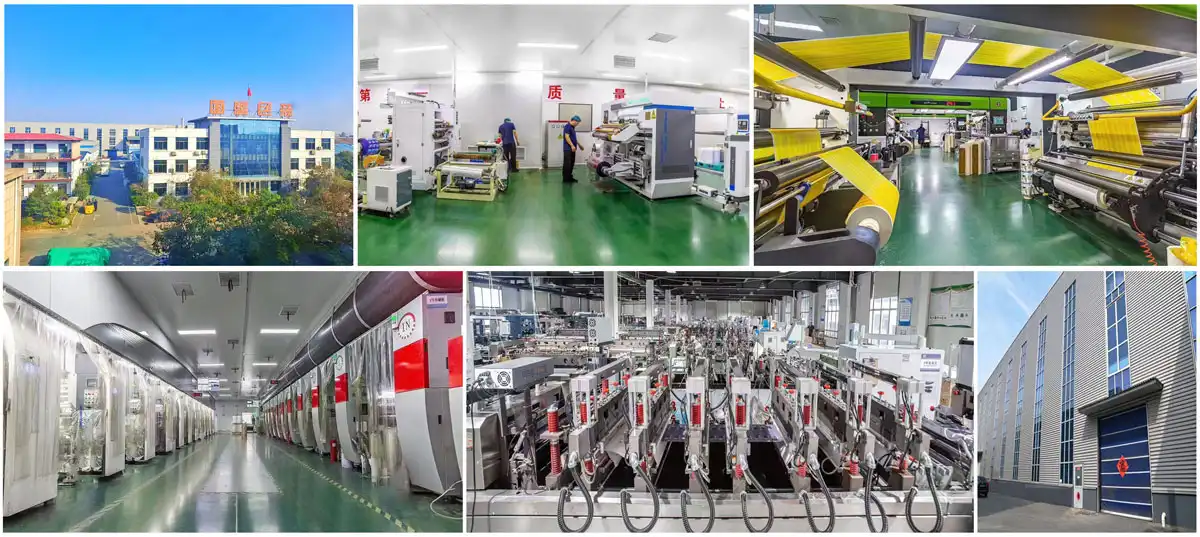
Your drink brand should have packaging that works the same way every time it's made and gives customers a unique experience. Guoshengli Packaging provides bottle shape juice pouch solutions backed by 25 years of manufacturing excellence, ISO 9001 and BRC certifications, and technical know-how for food and beverage brands around the world. Our factory has 7 printing lines that can use up to 11 colors of rotogravure to make bags that have been tested to be barrier-proof and compatible with hot filling. Our team can help you with everything from choosing the right materials to production, whether you need buildings made of a single material that can be recycled or the best barrier protection for premium organic drinks. Get in touch with our knowledgeable experts at sales@guoshengpacking.com to talk about your unique needs, ask for samples, and find out why top beverage companies trust Guoshengli Packaging as their bottle shape juice pouch provider.
References
1. Robertson, G.L. (2016). Food Packaging: Principles and Practice (3rd ed.). CRC Press.
2. Marsh, K. & Bugusu, B. (2007). Food Packaging—Roles, Materials, and Environmental Issues. Journal of Food Science, 72(3), R39-R55.
3. Yam, K.L. (2009). The Wiley Encyclopedia of Packaging Technology (3rd ed.). John Wiley & Sons.
4. Coles, R. & Kirwan, M.J. (2011). Food and Beverage Packaging Technology (2nd ed.). Wiley-Blackwell.
5. Han, J.H. (2014). Innovations in Food Packaging (2nd ed.). Academic Press.
6. Verghese, K., Lewis, H., & Fitzpatrick, L. (2012). Packaging for Sustainability. Springer-Verlag London.