- English
- French
- German
- Portuguese
- Spanish
- Russian
- Japanese
- Korean
- Arabic
- Greek
- German
- Turkish
- Italian
- Danish
- Romanian
- Indonesian
- Czech
- Afrikaans
- Swedish
- Polish
- Basque
- Catalan
- Esperanto
- Hindi
- Lao
- Albanian
- Amharic
- Armenian
- Azerbaijani
- Belarusian
- Bengali
- Bosnian
- Bulgarian
- Cebuano
- Chichewa
- Corsican
- Croatian
- Dutch
- Estonian
- Filipino
- Finnish
- Frisian
- Galician
- Georgian
- Gujarati
- Haitian
- Hausa
- Hawaiian
- Hebrew
- Hmong
- Hungarian
- Icelandic
- Igbo
- Javanese
- Kannada
- Kazakh
- Khmer
- Kurdish
- Kyrgyz
- Latin
- Latvian
- Lithuanian
- Luxembou..
- Macedonian
- Malagasy
- Malay
- Malayalam
- Maltese
- Maori
- Marathi
- Mongolian
- Burmese
- Nepali
- Norwegian
- Pashto
- Persian
- Punjabi
- Serbian
- Sesotho
- Sinhala
- Slovak
- Slovenian
- Somali
- Samoan
- Scots Gaelic
- Shona
- Sindhi
- Sundanese
- Swahili
- Tajik
- Tamil
- Telugu
- Thai
- Ukrainian
- Urdu
- Uzbek
- Vietnamese
- Welsh
- Xhosa
- Yiddish
- Yoruba
- Zulu

A fin seal pouch is a versatile flexible packaging solution featuring a distinctive back seal that resembles a fin. This pillow-style design creates a secure, hermetic closure ideal for protecting candies, snacks, frozen foods, and powdered products during high-speed production and distribution. Trusted by medium to large-scale manufacturers worldwide, this packaging format combines efficient material usage with strong barrier properties, making it a cost-effective choice for brands seeking reliable freshness protection and eye-catching shelf presentation in competitive retail environments.
Understanding Fin Seal Pouch Structure and Core Functionality
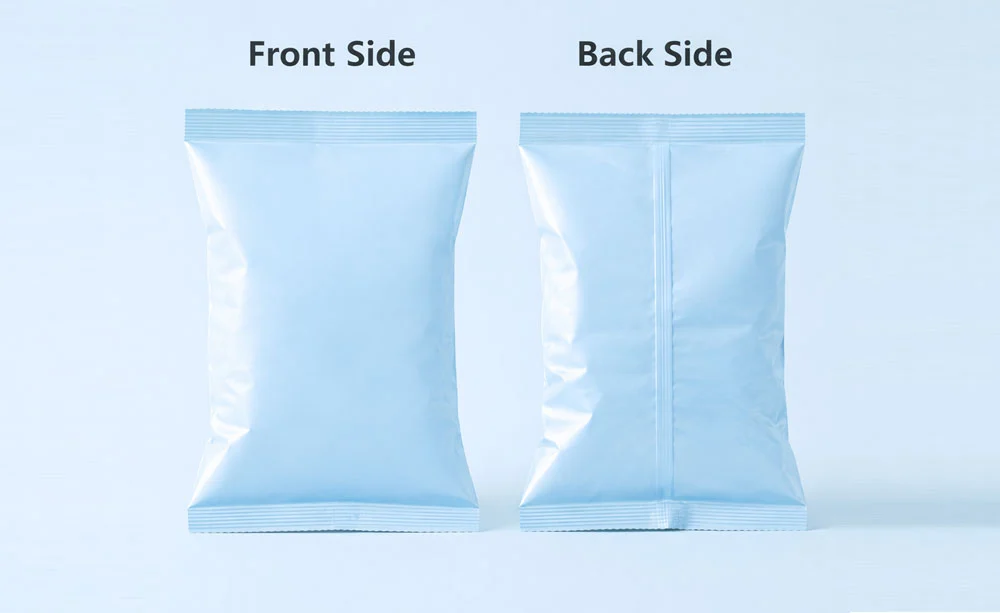
How the Fin Seal Mechanism Works
A fin seal pouch is different because it has a straight back seal. The inside film layers are stuck together to make a fin that goes along the back of the package. It's not at all like lap seals or side gusset constructions how this seals. When the film is being made, it is folded and heat-sealed at specific temperatures and pressures. This makes a strong closure that can stand up to pressure while it's being filled, moved, and handled. This design keeps the shape uniformly and lowers the chance of leakage or contamination, which is especially helpful for products that are sensitive to oxygen and moisture.
Multi-Layer Laminate Structures for Superior Protection
These days, pillow bags are made with complicated, multi-layer laminates that are made to balance price, safety, and the ability to print. Most of the time, PET or BOPP make up the top layer. This gives it compressive strength and a clean surface for high-resolution printing. Air, light, and water can't get thru middle barrier layers like metalized films, aluminum foil, or EVOH. This makes the food last a lot longer. PE or CPP is often used as the inner sealant layer. It keeps the food safe and makes sure the heat seal works well. These tiered structures can be changed to fit the needs of your product, whether you need very high barriers for nitrogen-flushed snacks or sweets with sharp edges that won't let holes thru.
Compatibility with High-Speed Form-Fill-Seal Systems
The fact that it works well with both vertical and horizontal form-fill-seal lines is one of the best things about this bag type. The film has a steady tension, a low coefficient of friction, and heat seal windows that work best. Costs per unit go down and time to market goes down because of this operational efficiency. They like this stability because it means they don't have to change a lot of parameters, waste a lot of materials, or stop work without planning to. All of these things are very important when they have to fit a lot of work into a short amount of time.
Types and Design Options: Choosing the Right Configuration
Standard Pillow Pouches for Streamlined Production
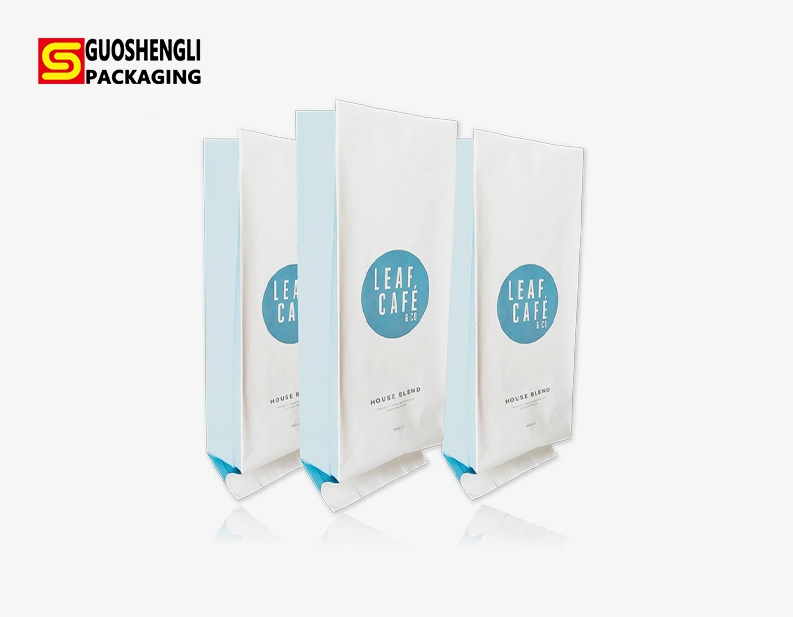
Its shape is clean and simple, and it has heat seals on the top and bottom, as well as the signature back fin. This plan makes the best use of space and materials and is great for things that don't need to be able to be closed again or be hung on the wall. This style is often chosen by candy makers, frozen food makers, and quick drink makers because it is cheap and safe. The smooth front and back panels give you a lot of space for full-color logos, nutrition facts, and ads, which makes your goods stand out on crowded grocery store shelves.
Advanced Functional Add-Ons for Enhanced Convenience
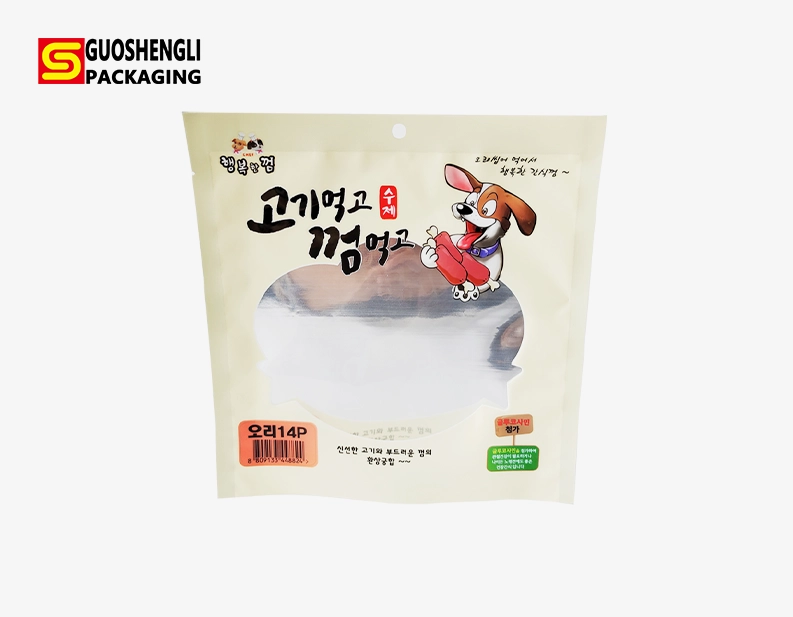
There are many useful extras that can be added to fin seal pouch designs so that they can meet the needs of many customers. Posters can be hung from Euro holes made near the top edge. This makes the store more visible and better utilizes room. People find easy-tear cuts helpful since they don't need to use scissors or other tools. With resealable zippers, you can use the item for longer after opening it. This is helpful for families who want to control how much food they eat and keep it fresh for longer. Customers can see how good a product is before they buy it, which makes them more likely to trust the company and reduces the number of returns. Every one of these changes can be made to fit the brand's stance and the tastes of the audience.
Sustainable Material Choices for Environmentally Conscious Brands
Being responsible for the environment has become an important factor for both consumers and procurement teams when they are buying things. Existing systems can be used to recycle PE structures made of a single material. This cuts down on the amount of trash that ends up in landfills without changing how well the barriers work. Brands that want to reach customers who care about the environment can switch to PLA or PBAT films that can be broken down naturally. These pictures break down in places where composting is done professionally. If you choose products that are good for the environment, you should still make sure that they have the same shelf life, seal integrity, and production line compatibility. Guoshengli Packaging helps clients find a balance between their business needs and their environmental goals. Making sure that eco-friendly packaging doesn't make more food go bad or more unhappy customers is important.
Benefits and Uses of Pillow Packaging Across Multiple Industries
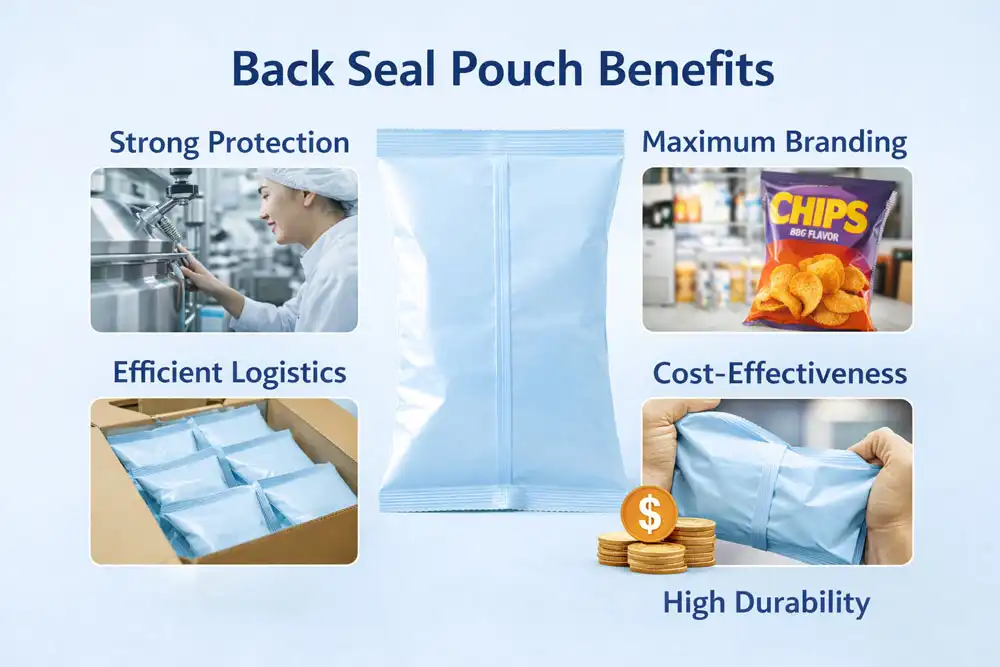
Cost Efficiency Through Material Optimization and Speed
Because it's simple, pillow-style packaging uses less material than tougher styles like stand-up or quad seal bags. When less film is wasted during production, the cost of raw materials goes down. This is especially important for orders that have a lot of film. Compatibility with automated Form-Fill-Seal systems cuts down on labor costs and speeds up work even more. Companies that make things that don't have to stop often and work well save a lot of money on both direct and chance costs. This is a good thing for the economy because it helps them make more money while still meeting the high standards that retailers and end customers expect.
Superior Product Protection for Extended Shelf Life
The high-barrier laminates used to make these bags protect the things inside from things in the environment that can break them down. Goods that are freeze-dried or hygroscopic don't clump or go bad because of moisture barriers. Layers that block light keep the color and taste of things that change color when exposed to light, like instant drinks and spices. These safety measures keep people from returning products, cut down on waste, and boost the brand's image. Heat seals keep food from getting contaminated while it's being shipped or stored.
Versatile Applications Across Food and Non-Food Sectors
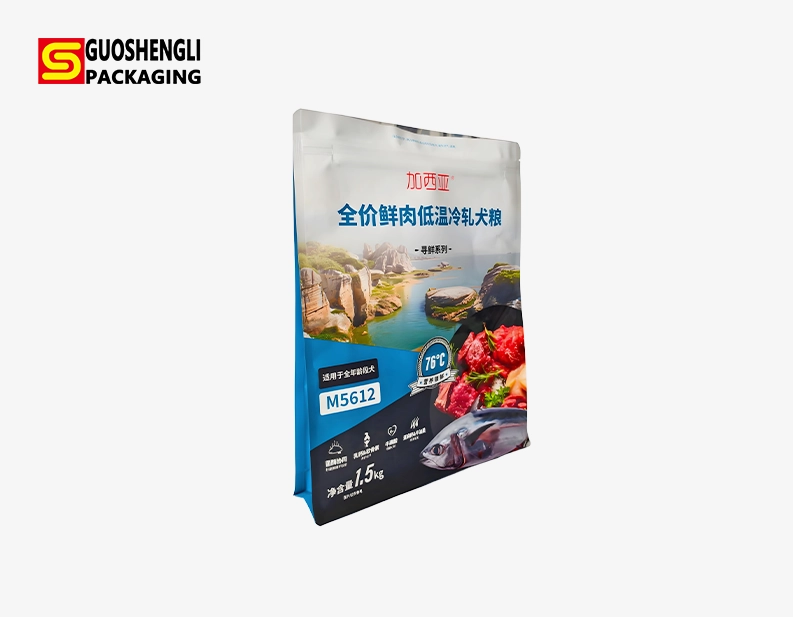
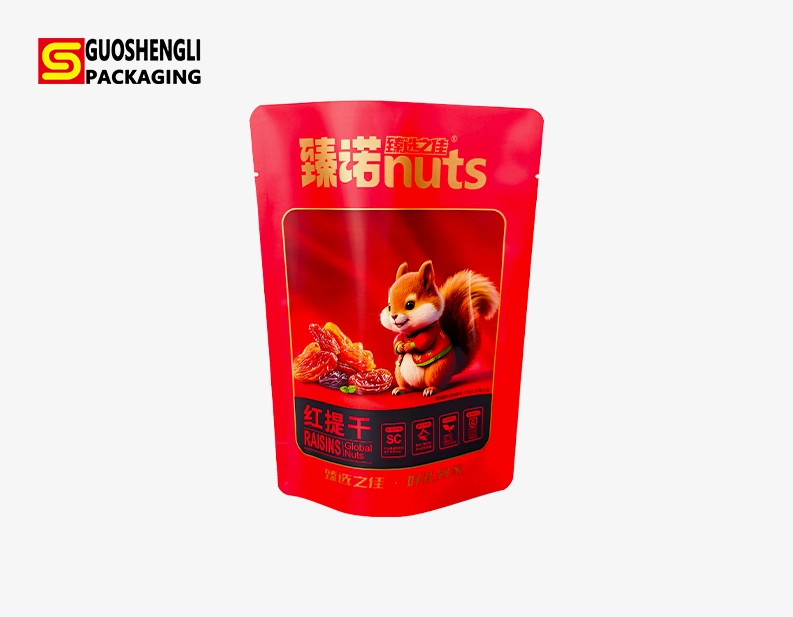
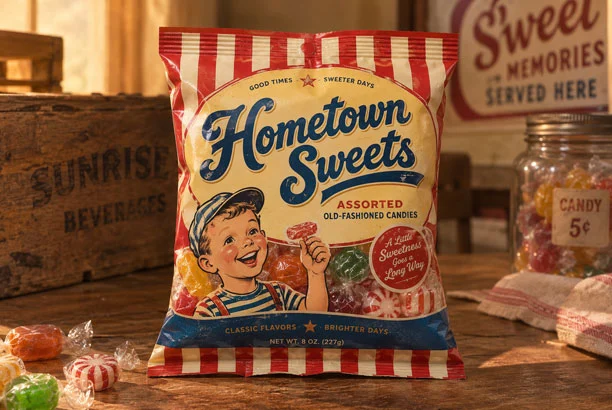
This packaging format serves a broad spectrum of industries and product categories. Candy companies use it to separately wrap sweets, chocolates, and gummies, and they often add clear windows to show off the products. People who make snacks put potato chips, popcorn, and nuts in nitrogen-flushed pillow bags to keep the flavors and crunch. Firms that make frozen foods use laminates that can't be punctured to keep buns, vegetables, and fish safe while they are being kept and shipped. For businesses that sell powdered goods, like those that make protein supplements, instant coffee, and spices, features that keep out moisture and make it easy to fill are useful. Many things that aren't food, like pet treats and industrial detergents, use this flexible format to keep things safe and make the brand stand out.
Comparison Guide: Evaluating Pillow Packaging Against Alternatives
Fin Seal Versus Lap Seal Construction
It helps procurement teams choose the best places to get things when they know how fin seal and lap seal fin seal pouch pouches are built differently. The outer and inner film layers meet and stick together in a lap seal arrangement. This means that different materials must be able to work together. This may restrict the kinds of barriers that can be used and weaken the seals at the point where two barriers meet. The fin seal, on the other hand, joins two inner surfaces that are exactly the same. This lets you choose from more materials and usually makes seals that are stronger and more consistent. The fins' form also makes it easier to connect to fast machines. This cuts down on the time it takes to set up and the waste that happens during production runs.
Stand-Up Pouches Versus Pillow Pouches
Since stand-up bags can stand on their own, they are better for store displays. This makes them easier for customers to see and useful. But they are harder to make because the steps are more difficult and the materials normally cost more. However, pillow bags are simpler to make, less expensive when bought in bulk, and better for situations where hanging displays or extra packaging like boxes keep the product stable on the market. Pillow forms are often preferred by brands that want to save money and make things quickly, while stand-up designs may be preferred by brands that want to put their products in a premium position and make them stand out on the shelf. The choice depends on the features of the product, how it will be distributed, and how much money you have to spend.
Evaluating Zipper and Non-Zipper Options
Taking a look at choices with and without zippers, resealable zippers make things more useful and appealing to customers, especially when the product will be used more than once. In crowded categories, this feature can help brands stand out and justify a higher price. However, adding a zipper can increase converting complexity and may affect production speed and unit cost. Pouches without zippers are less expensive and work better for single-serve products or things that are eaten right away after being opened. Buyers have to think about the pros and cons of extra ease of use, cost, and how they want customers to act when deciding whether to add resealable seals.
Buying and Customizing Solutions: What Procurement Managers Should Know
Minimum Order Quantities and Flexible Procurement Options
One problem that buying teams often have is keeping track of their stock, cash flow, and orders. When you order a lot of rotogravure printing, which is cheap and gives you bright, consistent color, many companies require you to buy at least 10,000 pieces of each design. Digital printing has lower minimum order numbers (MOQs) and reaction times that are usually seven days or less. Brands can test new products or handle smaller runs more easily this way. When purchasing managers know about these options, they can plan when to buy packaging based on when a product is going to be released, how seasonal demand changes, and how much cash they have on hand.
Evaluating Supplier Credibility and Certifications
Looking at the supplier's reputation and credentials, suppliers you can trust show they care about quality and safety by getting recognized certifications and using open manufacturing practices. With BRC certification, you can be sure that strict rules for food safety are being followed. With ISO 9001 certification, you can be sure that strong systems for managing quality are in place. Following FDA rules makes sure that materials in the U.S. are safe to touch food, and SGS tests make sure that the barrier works and the seal is still in place. If possible, people who work in buying should ask for copies of the certificates, check out the factories, and read case studies or quotes from past customers. It's safer to do business with reliable suppliers over a long period of time because the quality of the work will stay the same for repeat orders. It also helps the brand's reputation in the market.
Custom Printing and Brand Differentiation Strategies
Packaging is a great way to market, and with custom printing, brands can clearly show what makes their product special. This type of printing can use up to eleven colors, which lets you make pictures, gradients, and small details that look like photos and stand out. You can pick finishes like matte, glossy, or metallic to make your brand stand out and put your products in the right place. You can see how good the product is in real life thru the clear windows. This makes people more likely to trust the business and buy. During the design process, procurement managers should share brand rules, information about the target audience, and a study of the competition with packaging suppliers. This will help make sure that the finished product meets government labeling standards and marketing goals.
Ensuring Compliance with International Food Safety Standards
There are a lot of rules and laws that must be followed very carefully when doing global marketing. In the US, packaging products have to follow FDA rules. In Europe, they have to follow EU rules. In other areas, they have to follow rules that are similar. There should be limits on how much stuff can move from packaging into food, and allergens should be correctly labeled. Everything in the supply chain should also be able to be tracked. Features that make it impossible to tamper with, like perforated tear strips or sealed covers, protect both the buyer and the brand. Suppliers who know a lot about regulations and can test products can help procurement teams navigate the complicated world of compliance. This lowers the risk of expensive recalls, legal problems, and damage to the brand's reputation.
Conclusion
To choose the right package style, you have to think about how to balance cost-effectiveness, product safety, operating compatibility, and brand recognition. Pillow-style packaging with a back fin seal pouch has been used successfully in many fields, from frozen foods and powdered goods to sweets and snacks. The machine's simple design lets it work quickly, cuts down on waste, and uses advanced barrier laminates to reliably keep food fresh. Brands can meet customers' wants and needs by giving them customization options like zippers that can be closed again, clear views, euro holes, and eco-friendly materials. Procurement managers need to know about technical specifications, supplier certifications, and regulatory compliance requirements in order to make strategic sourcing decisions that help the company grow and stay ahead of the competition over the long term.
FAQ
1.What Is the Main Difference Between Fin Seal and Lap Seal Designs?
The inside film layers of a fin seal pouch are joined together to make a back fin that sticks out. The outside and inside film layers of a lap seal pouch are folded over each other. Most of the time, the fin seal method makes stronger, more consistent seals and lets you use more materials. This makes it better for high-barrier situations and fast-paced production settings.
2.Can Pillow Pouches Be Made from Recyclable Materials?
Yes, structures made of just one material (PE) can be recycled in any way that works with the system we have now. With these options, the high level of barrier performance and seal integrity is kept while less damage is done to the environment. If a business cares about the environment, it can also choose options made from PLA or PBAT that can be broken down in industrial composting facilities.
3.How Do I Ensure My Supplier Can Handle Large Volume Orders?
Check the supplier's yearly output capacity, the skills of their machinery, and their list of satisfied customers. Suppliers with dedicated high-speed printing, laminating, and converting lines, such as those with 20,000-ton annual capacity, can reliably fulfill large orders without delays. Request production plans, quality control methods, and transportation support to confirm their ability to meet your timelines and volume requirements regularly.
Partner with a Trusted Fin Seal Pouch Manufacturer
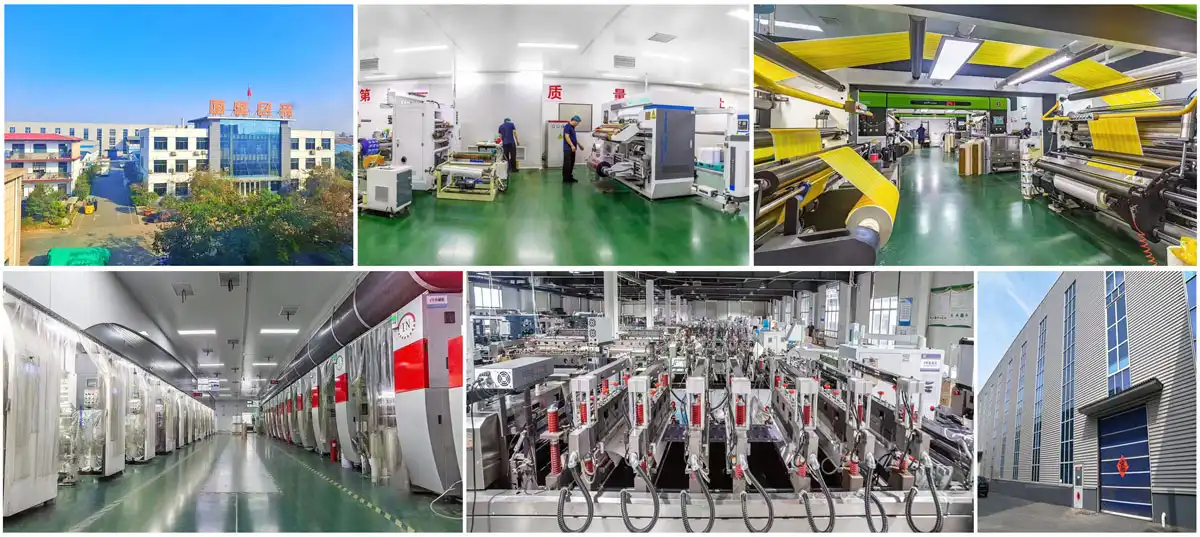
Guoshengli Packaging has been making packaging for over 25 years and can make up to 20,000 tons of it every year. They can help medium and big food makers all over the world. Our fin seal pouch solutions are designed to work with fast FFS, provide better barrier protection, and be scalable at a low cost. ISO 9001, BRC, and FDA certified, we offer uniform quality across repeat orders, helping your brand avoid costly production delays and product spoilage. With flexible MOQs, lead times of as little as seven days for digital printing, and a lot of customization options, you can make sure that your packaging meets both operational needs and market expectations. Visit guoshengpack.com or email sales@guoshengpacking.com to talk about your project needs, ask for samples, and find out how our custom packaging solutions can help your brand grow and be successful.
References
1. Robertson, G. L. (2016). Food Packaging: Principles and Practice (3rd ed.). CRC Press.
2. Marsh, K., & Bugusu, B. (2007). Food Packaging—Roles, Materials, and Environmental Issues. Journal of Food Science, 72(3), R39-R55.
3. Yam, K. L. (2009). The Wiley Encyclopedia of Packaging Technology (3rd ed.). John Wiley & Sons.
4. Selke, S. E., Culter, J. D., & Hernandez, R. J. (2004). Plastics Packaging: Properties, Processing, Applications, and Regulations (2nd ed.). Hanser Publications.
5. Coles, R., McDowell, D., & Kirwan, M. J. (2003). Food Packaging Technology. Blackwell Publishing.
6. Brody, A. L., & Marsh, K. S. (1997). The Wiley Encyclopedia of Packaging Technology (2nd ed.). John Wiley & Sons.