- English
- French
- German
- Portuguese
- Spanish
- Russian
- Japanese
- Korean
- Arabic
- Greek
- German
- Turkish
- Italian
- Danish
- Romanian
- Indonesian
- Czech
- Afrikaans
- Swedish
- Polish
- Basque
- Catalan
- Esperanto
- Hindi
- Lao
- Albanian
- Amharic
- Armenian
- Azerbaijani
- Belarusian
- Bengali
- Bosnian
- Bulgarian
- Cebuano
- Chichewa
- Corsican
- Croatian
- Dutch
- Estonian
- Filipino
- Finnish
- Frisian
- Galician
- Georgian
- Gujarati
- Haitian
- Hausa
- Hawaiian
- Hebrew
- Hmong
- Hungarian
- Icelandic
- Igbo
- Javanese
- Kannada
- Kazakh
- Khmer
- Kurdish
- Kyrgyz
- Latin
- Latvian
- Lithuanian
- Luxembou..
- Macedonian
- Malagasy
- Malay
- Malayalam
- Maltese
- Maori
- Marathi
- Mongolian
- Burmese
- Nepali
- Norwegian
- Pashto
- Persian
- Punjabi
- Serbian
- Sesotho
- Sinhala
- Slovak
- Slovenian
- Somali
- Samoan
- Scots Gaelic
- Shona
- Sindhi
- Sundanese
- Swahili
- Tajik
- Tamil
- Telugu
- Thai
- Ukrainian
- Urdu
- Uzbek
- Vietnamese
- Welsh
- Xhosa
- Yiddish
- Yoruba
- Zulu

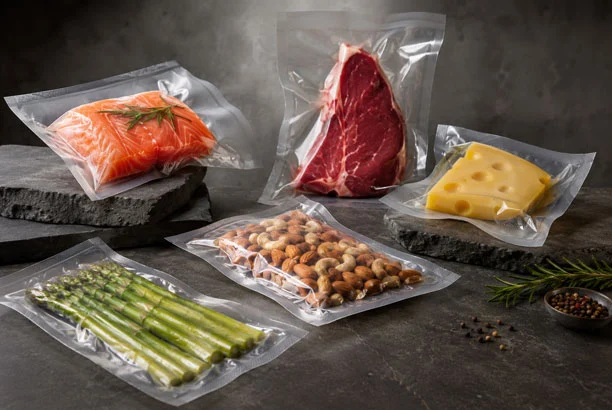
When you remove oxygen from around food and create an airtight seal, something remarkable happens: microbial growth slows dramatically, oxidation stops in its tracks, and products stay fresh significantly longer. Vacuum pouch bags accomplish exactly this by using advanced multilayer film structures—typically combining Polyamide (PA) and Polyethylene (PE)—to create a hermetic barrier. This packaging method extends the shelf life of proteins, seafood, dairy, and processed foods compared to traditional methods, all while maintaining flavor, texture, and nutritional integrity without chemical preservatives.
Understanding Vacuum Pouch Bags and Their Role in Food Freshness
What Makes Vacuum Packaging Work
The key to vacuum packing is to manage the environment. Mould, yeast and aerobic bacteria require oxygen to grow. Vacuum pouch bags remove air and hence trap in the environment and make it difficult for those organisms to thrive. The hermetic seal also prevents loss of moisture that may cause freezer burn and textural changes to frozen foods. Professional films have an OTR (Oxygen Transmission Rate) of under 50 cc/m3/day and a WVTR (Water Vapour Transmission Rate) of under 10 g/m2/day. This gives them the barrier properties needed for long-term storage.
Material Structures That Deliver Protection
The existing vacuum packing requires sophisticated material engineering. excellent gas barrier properties of nylon and excellent moisture resistance and heat sealability of polyethylene are obtained with PA/PE laminates. “PET/PE frameworks are very clear and they do not puncture easily when used for retail displays. The high performance vacuum pouch bags are made of 7 to 9 layers of co-extruded material. Each layer gives a specific property, such as barrier function, structural strength, seal integrity or printability. These multilayer structures tolerate temperature ranges from -40°C in blast freezers to 100°C in sous-vide water baths. This is vital for cold chain logistics and cooking.
Different Types for Different Applications
Smooth vacuum pouch bags are available for chamber type industrial sealers and stamped (channelled) for external suction devices. Smooth films are best suited for automated packaging lines in meat processing industries where high throughput and uniform sealing are needed. Clamp-style home and small business sealers include embossed surfaces that provide paths for air to escape. Different thicknesses from 65 microns to 120 microns may suit various protective demands. Thinner films are more suitable for dry products and soft proteins, while thicker films are more suitable for protection against bone-in cuts and sharp shellfish that might shatter thinner films.
Comparative Insights: Vacuum Pouch Bags vs Other Packaging Options
Superiority Over Traditional Storage Methods
Standard zipper bags and rigid containers aren't as good at keeping things fresh as vacuum packaging. Even when zipper bags are squished by hand, they still hold some air with oxygen in it that keeps reactive processes going. Rigid packages take up too much room when they are being moved or stored in a refrigerator. Vacuum-sealed packages, on the other hand, fit the shape of the product perfectly. This makes cold storage more efficient while also keeping out air, which ruins the color of red meat, makes fats go sour, and makes coffee taste bad.
Cost Analysis for Bulk Purchasers
When purchasing managers look at the economics of packaging, they need to look at more than just the unit price. They also need to look at the total cost of ownership. Vacuum pouch bags keep food from going bad, which can cost 5 to 15 percent of the value of goods in protein supply chains. Longer shelf life lets products be distributed over a wider area and limits the need for emergency discounts before they go bad. Less wasted space in cold storage means less money spent on energy per item kept. When added up over a year's worth of volumes, these operational savings often make up for the higher cost of materials compared to basic polyethylene bags.
Environmental and Reuse Considerations
Traditional PA/PE multilayer films are hard to recycle because it's hard to separate the materials. In response, the industry has come up with high-barrier films made of a single material that are based on polyethylene. These films keep the stream clean in recycling facilities. Some businesses clean and use vacuum pouch bags again and again for internal processing steps, but this needs to be done according to approved cleaning standards. Single-use containers are still the norm for sale and final distribution to keep food safe and protect the barrier. More and more, buyers are asking for information on sustainability, which is pushing makers toward film technologies that are recyclable and use less carbon without sacrificing security performance.
Practical Guidance: How to Use and Seal Vacuum Pouch Bags Correctly
Selecting Appropriate Equipment
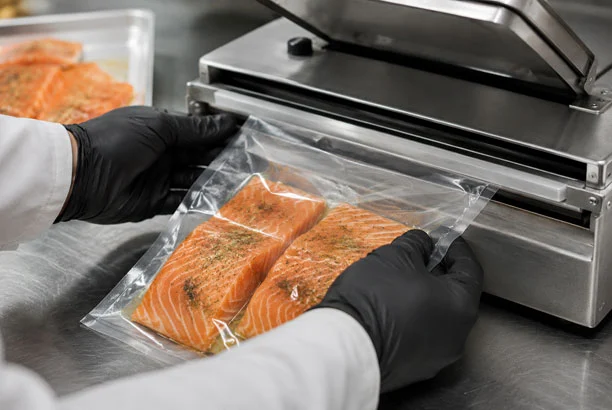
Chamber vacuum sealers empty out whole chambers, which means that products that contain liquid can be packed without spilling. This makes them perfect for packaging meats and other foods that are marinated or sauced. Small businesses are more likely to use external suction sealers, which need stamped bags and work best with dry or almost dry goods. Nozzle-type sealers are easier to move around in the field, but they don't provide as uniform seal pressure. For meat and seafood processors that work in factories, rotary chamber machines can be built into production lines and can seal hundreds of packages an hour with vacuum levels and seal times that can be programmed to match different film structures.
Step-by-Step Sealing Protocol
The right way to do something starts with getting the product ready. This means getting rid of any sharp bones that could puncture the film, wiping off any extra moisture from the seal areas, and leaving enough headspace (usually 3 to 4 inches) for the sealing bar. Place the bag's open end across the seal bar so that it doesn't have any wrinkles that could let water in. Set the vacuum time based on how dense the item is; things that are thick need more time to be evacuated. Change the seal temperature and stay time based on the thickness of the film. Seals that don't get enough heat are weak, while seals that get too much heat burn through the material. After closing, look at it visually and do a squeeze test to make sure all the air is gone and the seal is still good.
Hygiene and Safety Best Practices
Vacuum packaging doesn't kill germs, but it does keep food from going bad by controlling the air flow. Before being packaged, products must be treated in a clean way. Temperature control is still very important: proteins that are vacuum-packed need to be kept cold at or below 4°C all the time to stop viruses and psychrotrophic bacteria like Listeria monocytogenes from growing, even in low-oxygen conditions. For sous-vide uses, vacuum pouch bags need to be able to keep the right temperature during cooking without the film parts coming apart or moving around. To ensure safety on foreign markets, regulatory compliance means using only films that are FDA-approved and EU 1935/2004-compliant.
Procurement Strategies for Vacuum Pouch Bags: What B2B Buyers Need to Know
Evaluating Supplier Capabilities
Suppliers you can trust show stability in their work by doing well on return orders as well as initial samples. Systematic quality management is shown by certifications like ISO 9001, BRC Food Packaging, and market approvals like FDA for US exports and EC compliance for European markets. Technical know-how is important. Suppliers should give exact OTR and WVTR values, seal strength data, and measurements of puncture resistance. Ask about their production ability, lead times for both regular and rush orders, and their backup plans in case they run out of materials, which could stop your filling lines.
Customization and Branding Opportunities
Wrapping is not just a functional tool, but also a way to achieve commercial objectives. High-definition rotogravure printing (up to 11 colours) enables you display your brand in a stunning aesthetically pleasing style that sticks out on shop shelves. The quality of the goods and information are shown on transparent windows and printing panels. Matte finishes say this is a high-end product. Shiny films make things appear fresh. Custom size helps to maximise the usage of the material. Bags that are too huge squander film and storage space, while pouches that are too tiny might cause seal failures. Supplier minimum order quantities vary.
Negotiating for Long-Term Value
When you commit to buying in bulk, you can get better prices, but your purchase plan should balance cost with supply security. Dual-source methods lower the chance of quality problems or production problems. Frame deals with promises to volume every three months and monthly call-offs give you options while protecting your capacity. Talk about material escalation clauses that are linked to resin indices so that prices don't go up without warning during contract periods. As part of your supplier relationship, ask for technical help with things like optimizing seal parameters, fixing problems with the packaging line, and suggesting new materials when product specifications change. The best relationships go beyond just buying things one time and start working together to solve problems, which protects the goods and makes operations run more smoothly.
Future Trends and Innovations in Vacuum Pouch Bag Technology
Sustainable Material Development
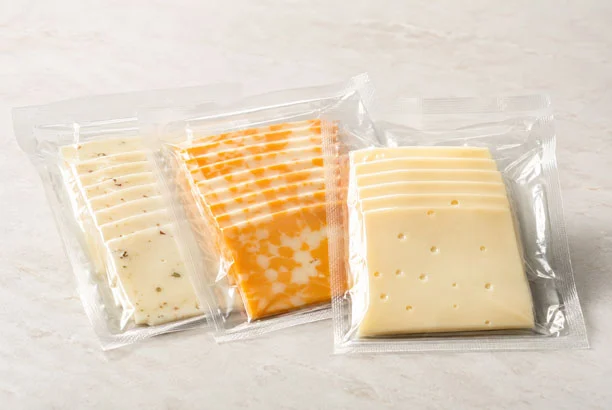
Pressure from regulators and corporate commitments to sustainability are speeding up the move toward packaging that can be recycled. OTR values that used to need multilayer PA structures can now be reached with single-material polyethylene films that have better barrier coatings. Compostable films made from PLA (polylactic acid) and PBAT (polybutylene adipate terephthalate) have some potential uses, but the ones that are currently available often don't work well as barriers or can handle high temperatures. The business keeps trying to find a balance between protecting the earth and keeping food from going bad. No environmentally friendly packing will work if it lets the food go bad, losing the much more valuable resources that went into making the food.
Smart Packaging Integration
New technologies include sensors inside or on vacuum pouch bags that can track the food's temperature history, find seal breaks, or use color-changing inks that react to volatile chemicals released during spoiling to show how fresh the food is. When QR codes are linked to blockchain systems, the whole supply chain can be tracked. This meets both food safety rules and consumer requests for openness. While these technologies are still not widely used in basic markets that care about price, they are being used more and more in high-end and export-oriented goods. The information gathered helps with managing the cold chain by showing where temperature changes happen and allowing for quick action before the quality of the goods suffers.
Adapting to Evolving Market Demands
Sous-vide is popular in business kitchens and meal kit services, which increases the need for vacuum pouch bags that have been tested to work well at high temperatures. For meat and seafood to be delivered directly to consumers, the packaging needs to be able to handle the stresses of shipping while still looking great. As the market share of plant-based proteins grows, the packaging needs to change because these products often have different moisture profiles and problems with shelf life than animal proteins. Instead of selling generic products, responsive manufacturers make solutions that are tailored to specific applications and work with customers to test how well they work in real-world settings. This partnership makes sure that packaging works efficiently when it's needed, during production, distribution, and finally to protect the image of the brand.
Conclusion
For extending food freshness and ensuring safety throughout complicated supply chains, vacuum pouch bags are a tried-and-true, science-based answer. Their effectiveness comes from controlled atmosphere packaging that stops the growth of microbes and oxidation while keeping the quality of the product without adding chemicals. For companies that process meat, seafood, dairy, and ready-to-eat foods, these special films solve important problems: they keep bone-in products from getting punctured, they keep freezer burns from happening, they can handle different processing temperatures, and they make sure they follow international rules. Businesses can cut down on waste, reach more customers, and protect their brand's image by making sure products are always of high quality when they use strategic buying that looks at total cost, source reliability, and technical support.
FAQ
1.Are vacuum-sealed bags safe for all food types?
Food-grade vacuum pouch bags made from BPA-free materials and following FDA and EU rules are safe to put meat, fish, dairy, veggies, and dry goods in directly. Foods that are high in moisture and low in acid (pH above 4.6) need to be refrigerated or frozen, even if they are vacuum-sealed, because anaerobic bacteria like Clostridium botulinum can grow in places without air at room temperature. When properly chilled and packed in vacuum pouch bags, food stays fresh for a long time without using chemical additives.
2.Can vacuum pouches be reused safely?
Most commercial food businesses don't reuse vacuum pouch bags because they can get contaminated again and the barrier quality isn't as good after the first use. Micropunctures or damage to the seal area that can't be seen with the naked eye can let oxygen in and microbes in. There are certain risks that come with using raw proteins in certain ways. For non-food products or in controlled processing settings where pouches are cleaned and inspected, limited reuse may be okay. However, the cost savings rarely outweigh the quality and safety risks when compared to new packaging.
3.What factors matter most when ordering vacuum pouch bags in bulk?
In addition to unit price, you should look at data on puncture resistance (in Newtons or grams of force), verified OTR and WVTR specifications, temperature range capabilities, and certifications that match the markets you want to sell to. Your operational continuity is directly affected by the production capacity and lead time consistency of your suppliers. Instead of asking for specially made prototypes, ask for samples from actual production runs. Then, test them in real life situations like vacuum sealing, cold storage, and handling before committing to large orders. To protect against batch differences, include clear quality standards and inspection procedures in the contracts you sign.
Partner with Guoshengli Packaging for Reliable Vacuum Packaging Solutions
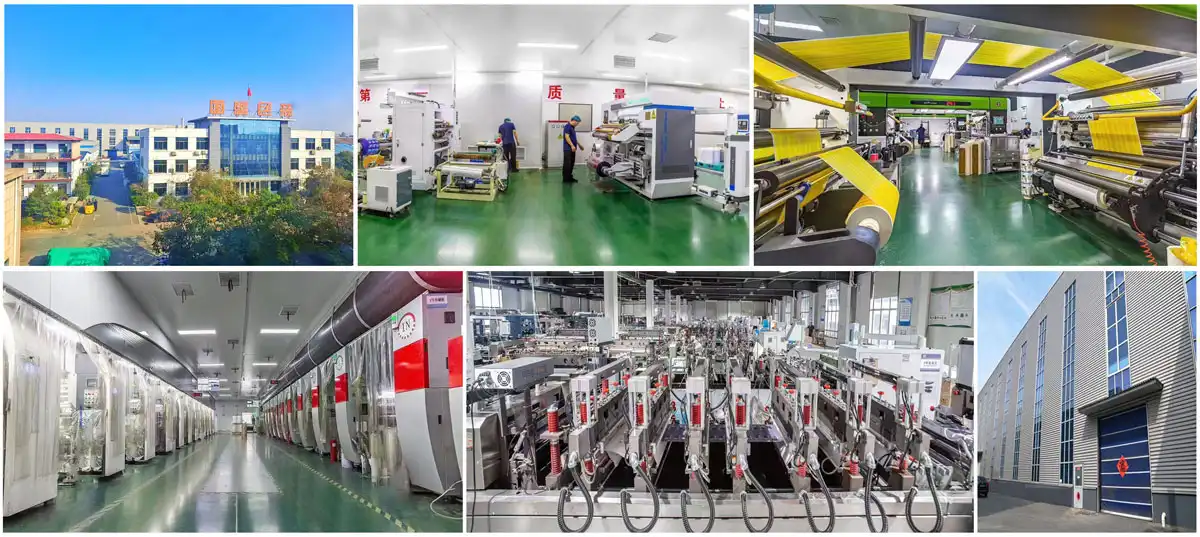
Food companies that handle meat and fish, make dairy products, and sell ready-made meals depend on packaging that works the same way every time it's made. We make high-barrier vacuum pouch bags at Guoshengli Packaging that are designed to work with demanding cold chain applications. Because we've been in the flexible packaging business for 25 years, we can offer puncture-resistant films with proven barrier properties, quick lead times of as little as 1-2 weeks, and clear choices that show off the quality of the product. We have ISO 9001, BRC, and FDA licenses, which show that we know how to make vacuum pouch bags and that every order meets international food safety standards. Our expert team can help you with material choices and closing parameters that are specific to your production needs, whether you need standard configurations or custom-engineered solutions for bone-in meats, shell-on seafood, or sous-vide applications. Get in touch with our packaging experts at sales@guoshengpacking.com to talk about how our vacuum packaging solutions can help your brand by ensuring reliable performance from the factory to the final consumer and reducing the risk of spoilage.
References
1. Johnson, M. R., & Thompson, K. L. (2021). Vacuum Packaging Technology in Food Preservation: Mechanisms and Applications. Food Science International Press.
2. Petersen, K., Nielsen, P. V., & Olsen, M. B. (2020). "Barrier Properties of Multilayer Plastic Films for Modified Atmosphere Packaging." Packaging Technology and Science, 33(4), 187-203.
3. Robertson, G. L. (2022). Food Packaging: Principles and Practice (4th ed.). CRC Press, Taylor & Francis Group.
4. Sacharow, S., & Griffin, R. C. (2019). Principles of Food Packaging: A Comprehensive Guide to Material Selection and Performance. AVI Publishing Company.
5. Singh, P., & Heldman, D. R. (2020). Introduction to Food Engineering (6th ed.). Academic Press, Elsevier.
6. Yildirim, S., Röcker, B., Pettersen, M. K., & Nilsen-Nygaard, J. (2018). "Active Packaging Applications for Food Safety and Quality." Comprehensive Reviews in Food Science and Food Safety, 17(1), 165-199.