- English
- French
- German
- Portuguese
- Spanish
- Russian
- Japanese
- Korean
- Arabic
- Greek
- German
- Turkish
- Italian
- Danish
- Romanian
- Indonesian
- Czech
- Afrikaans
- Swedish
- Polish
- Basque
- Catalan
- Esperanto
- Hindi
- Lao
- Albanian
- Amharic
- Armenian
- Azerbaijani
- Belarusian
- Bengali
- Bosnian
- Bulgarian
- Cebuano
- Chichewa
- Corsican
- Croatian
- Dutch
- Estonian
- Filipino
- Finnish
- Frisian
- Galician
- Georgian
- Gujarati
- Haitian
- Hausa
- Hawaiian
- Hebrew
- Hmong
- Hungarian
- Icelandic
- Igbo
- Javanese
- Kannada
- Kazakh
- Khmer
- Kurdish
- Kyrgyz
- Latin
- Latvian
- Lithuanian
- Luxembou..
- Macedonian
- Malagasy
- Malay
- Malayalam
- Maltese
- Maori
- Marathi
- Mongolian
- Burmese
- Nepali
- Norwegian
- Pashto
- Persian
- Punjabi
- Serbian
- Sesotho
- Sinhala
- Slovak
- Slovenian
- Somali
- Samoan
- Scots Gaelic
- Shona
- Sindhi
- Sundanese
- Swahili
- Tajik
- Tamil
- Telugu
- Thai
- Ukrainian
- Urdu
- Uzbek
- Vietnamese
- Welsh
- Xhosa
- Yiddish
- Yoruba
- Zulu

When a brand wants packaging that looks natural and genuine, brown kraft paper pouches are often a workable option for organic foods, specialty coffee, and products that benefit from a recognisable kraft finish. They pair the look of kraft paper with multi-layer barrier materials, so the package can be built around the shelf-life needs of a particular product while still feeling natural in the hand. Guoshengli Packaging makes these pouches in 120 to 160 micron material structures, with options including three-side seals, easy-tear notches, and hang holes for retail use in North American and European markets.
Understanding Brown Kraft Paper Pouches
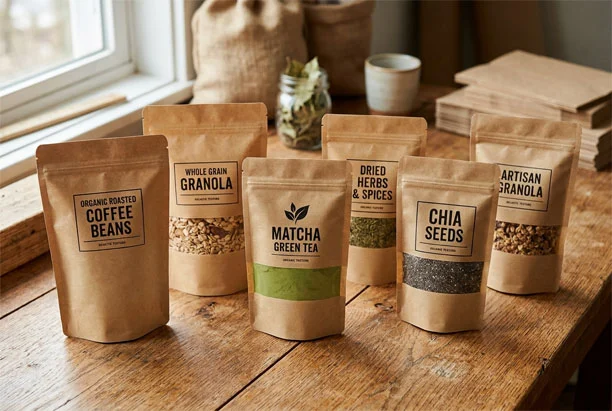
Brown kraft paper pouches are flexible packages that combine a kraft-paper appearance with the working properties of barrier films. Beneath the paper exterior, they may use layers of aluminium foil, metallized PET, or EVOH-containing film. Plain paper bags usually offer little protection against oxygen or moisture. By contrast, laminated kraft pouches can be designed to protect products that are sensitive to oxidation or moisture and still hold up during filling, shipping, and display.
What Defines Modern Kraft Pouches
The outer kraft layer is usually chosen for the desired look, print result, and finished pouch construction. Some applications use 40 to 80 GSM paper. Rotogravure printing can apply up to 11 colours to this layer, which gives the pouch its familiar textured kraft look. The middle barrier layer can be selected around the product's sensitivity to oxygen, moisture, or light. PE, CPP, or LLDPE inner sealant layers provide heat sealing and food-contact performance. Together, these layers let a brand keep the feel of kraft paper while specifying the barrier and mechanical properties its product needs.
Key Variants and Functional Designs
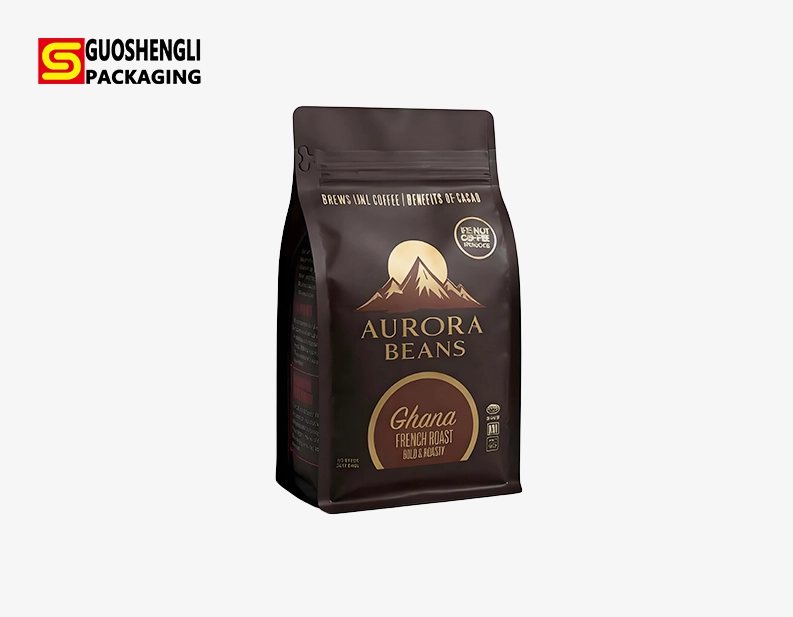
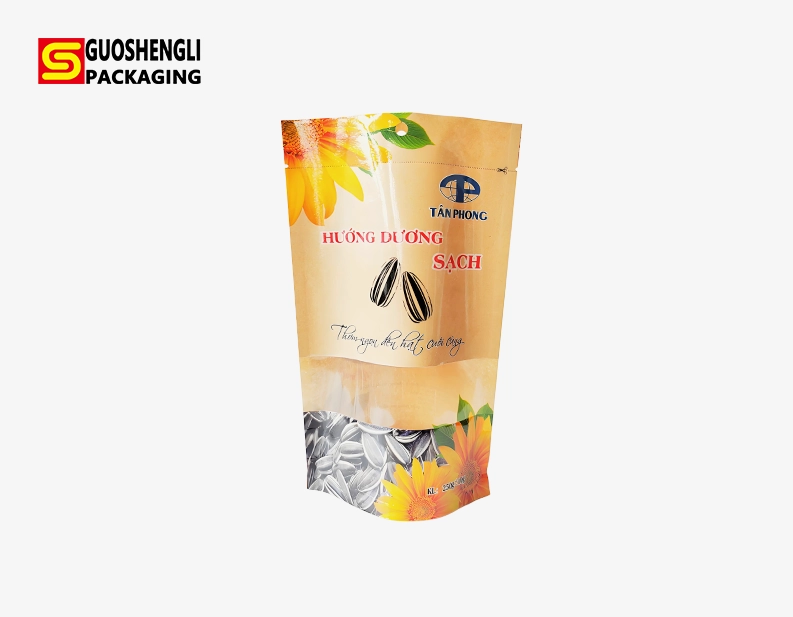
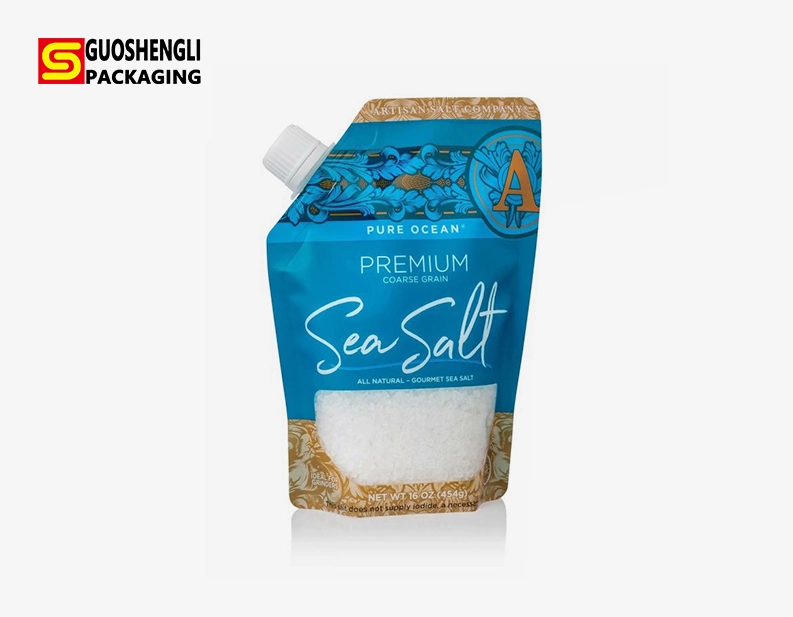
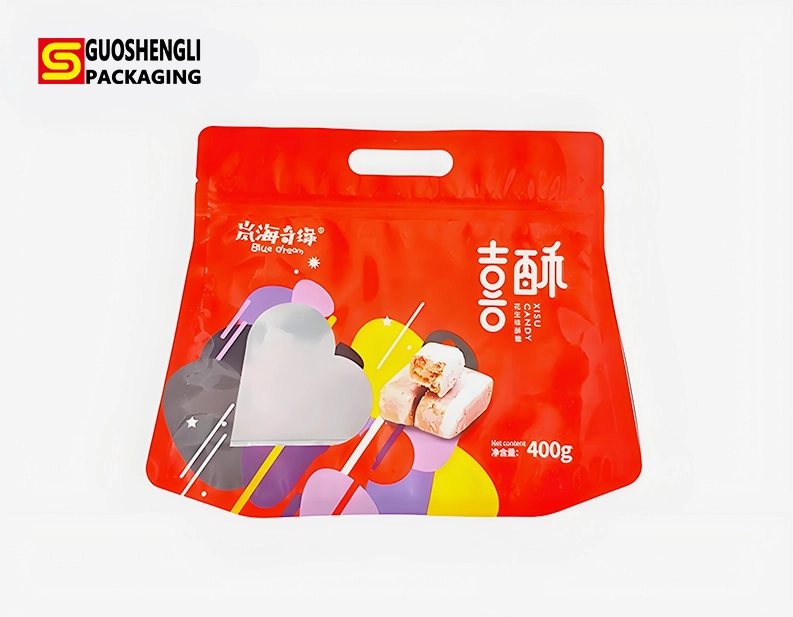
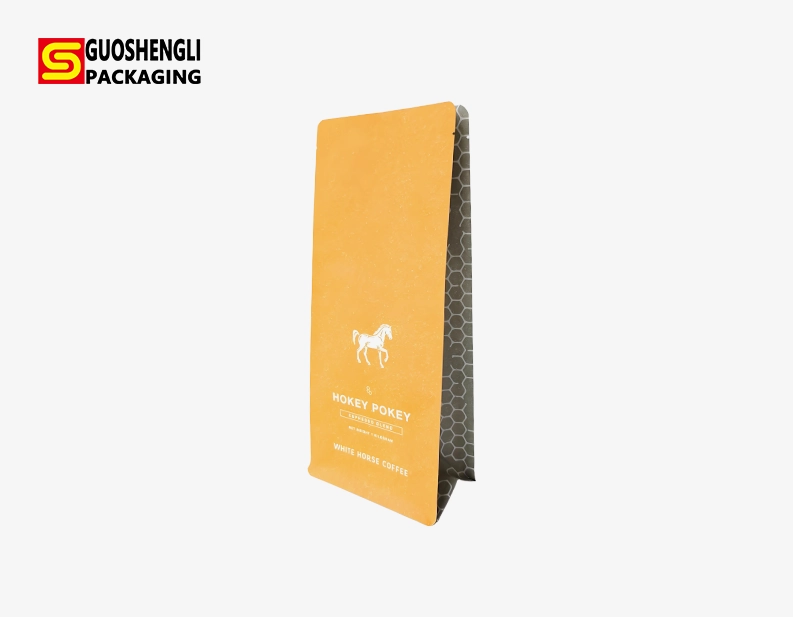
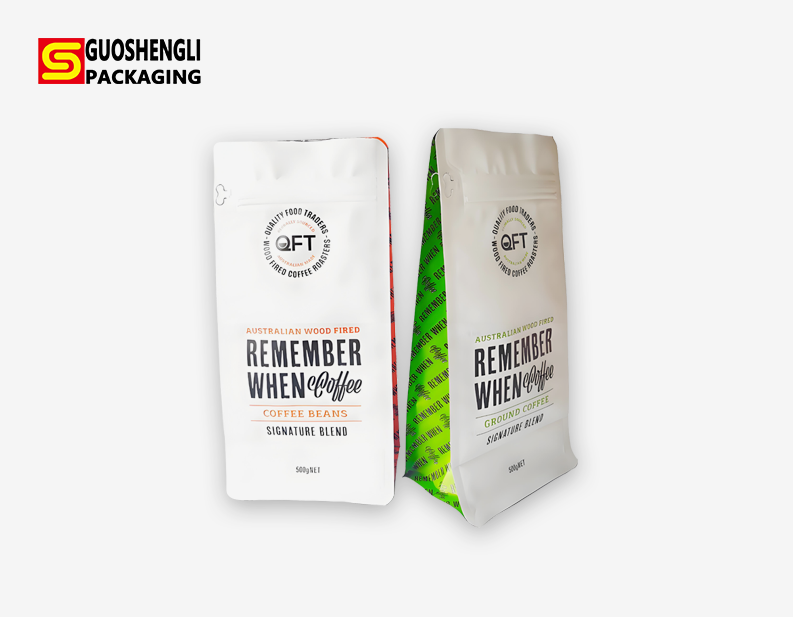
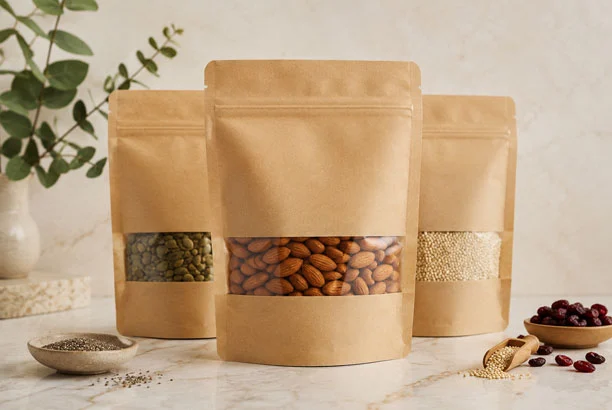
Stand-up pouches with bottom gussets are a common kraft format because they can stand filled on a shelf. Flat-bottom pouches have a box-like profile for a more premium retail display. Side-gusset formats make efficient use of capacity, while three-side seal pouches suit products such as jerky and dried foods. Freshly roasted coffee may need a one-way degassing valve so CO2 can escape without allowing much outside air in. Resealable zippers can help preserve quality after opening. Clear windows make the product visible while retaining much of the kraft look, though their material and size affect light protection and barrier performance. These options can work for products from handmade cookies to freeze-dried pet treats.
Industries Benefiting From Kraft Packaging
Specialty coffee roasters often choose a kraft exterior for an artisanal look, with barrier layers selected to reduce oxygen, moisture, and aroma loss. Organic snack producers can pair the natural finish with simple graphics to support clean-label positioning without making unsupported environmental claims. Pet food brands use kraft pouches for a natural-looking package; a properly designed inner film can also control grease migration and keep the paper surface from staining. Low-WVTR structures may protect hygroscopic powdered supplements and protein mixes from moisture uptake and clumping during storage or international distribution.
How to Choose the Right Brown Kraft Paper Pouch for Your Business
Choosing brown kraft paper pouches starts with matching the material to the product and the intended market presentation. Procurement teams should look at the product's sensitivity to moisture, oxygen, light, and grease, then set an appropriate shelf-life target. Products high in fat or oil may need structures that resist grease migration. Hygroscopic powders generally need low-WVTR structures to reduce moisture uptake. Finish is a branding choice as well: matte kraft has a natural look, while partial gloss or spot UV can create contrast.
Evaluating Material Structures and Barrier Performance
Barrier structure matters throughout the intended storage period. Aluminium foil laminates can offer very high protection against oxygen, moisture, and light for sensitive products. Metallized PET also provides useful oxygen and moisture barrier, with a different cost and material profile. Its environmental performance should be assessed across the full packaging structure, not assumed to be better than foil. EVOH offers strong oxygen-barrier performance and may work in certain PE-based structures designed for recyclability, within relevant design-for-recycling guidance. Procurement teams should request oxygen transmission rate (OTR) and water vapor transmission rate (WVTR) data under defined test conditions. That helps prevent over-engineering that raises cost without need, as well as under-specification that can put product quality at risk.
Customization Options That Drive Differentiation
Printing has a direct effect on how a pouch looks on the shelf. Rotogravure can produce vivid, consistent graphics over stable production runs, including complex brand artwork and photographs. Digital printing is more flexible for short runs, multiple SKUs, seasonal releases, and test-market launches. Matte varnish and similar finishes can protect the printed surface without losing the kraft-paper look. Soft-touch coatings change the feel of the package. Euro holes support hang-sell displays, tear notches make opening easier, and clear PET or BOPP windows show the product, though they alter the light and barrier properties in that part of the pouch. Select these features for the retail channel and the way customers use the package, not appearance alone.
Comparing Kraft Pouches With Alternative Materials
Traditional plastic stand-up pouches provide many material and barrier choices, but they are receiving closer scrutiny under EPR schemes, recyclability requirements, and packaging-waste rules in markets including Europe. Plastic structures can serve conventional and sustainability-oriented brands alike. Uncoated paper usually has limited oxygen and moisture barrier for sensitive foods. Brown kraft paper bags strike a different balance, combining the visual and tactile qualities of kraft with protective film layers chosen for the required product performance. A kraft surface alone is not evidence of recyclability or environmental superiority. The full laminate and the available end-of-life system determine the environmental profile.
Supplier and Brand Selection: Finding Trusted Partners
Reliable brown kraft paper pouches manufacturing depends on suppliers producing consistent results on repeat orders, not merely on the first sample. Changes to materials, printing, lamination, or converting can alter filling-line compatibility, seal performance, dimensions, and print appearance. Procurement teams should look beyond the unit price and consider manufacturing capability, quality controls, technical support, documentation, and consistency from one order to the next.
Critical Supplier Selection Criteria
Production capacity indicates whether a supplier can support higher order volumes, but actual production planning and delivery performance are better measures of lead-time reliability. Equipment also matters. Controlled lamination helps keep adhesive application and bond performance consistent, while precise pouch-making equipment supports stable dimensions for manual and automated filling. ISO 9001 and BRCGS Global Standard Packaging Materials certification indicate structured quality-management and packaging-production systems. Food-contact compliance should be backed by documentation appropriate to the materials, intended use, and destination market. Claims about recyclability, biodegradability, or compostability need suitable assessment or certification for the complete package, rather than a generic certificate for one material.
Assessing Technical and Communication Competence
Good supplier relationships depend on clear discussion of material structures, barrier data, sealing needs, and risks specific to the application. An experienced manufacturer can flag issues such as heat-seal compatibility with filling equipment or differences in print appearance between substrates. Sampling should fit the project's stage and risk. It may involve digital mock-ups for artwork review, physical material or pouch samples, production-representative samples, and line trials where needed. Seal strength, barrier data, dimensions, and other performance points should be assessed with methods suitable for the application. Clear, timely communication helps prevent misunderstandings and delays when technical or production questions come up.
Evaluating Long-Term Partnership Potential
Long-lasting supplier relationships involve more than transactions. Manufacturers that keep developing materials, converting methods, and sustainability options are better able to support brands as packaging regulations and market requirements change. They may offer PE-based structures intended to improve recyclability or certified compostable structures for suitable applications, provided product performance and local end-of-life infrastructure are taken into account. Flexible order planning can help with smaller launches and later move toward more efficient volume production as demand grows. Pricing that separates material, printing, tooling, and functional-feature costs gives buyers a clearer way to optimise specifications instead of switching suppliers only to chase a lower unit price.
Optimizing Procurement: Ordering and Cost Considerations
When buying brown kraft paper pouches, compare unit cost with the total cost of ownership: quality risk, inventory cost, lead time, and supply-chain resilience all count. Procurement is more than price comparison. Buyers also need to know whether the packaging will perform consistently and keep production running efficiently over repeat orders.
Understanding Cost Drivers and Pricing Structures
Material choice affects cost substantially. Kraft paper GSM influences appearance, handling, and material use, though a higher GSM does not automatically improve print quality or finished-pouch performance. The barrier layer changes both cost and function. Aluminium foil provides a very high barrier, while metallized film can offer a different performance and cost profile depending on the application. Order quantity affects unit economics because printing and converting setup costs are spread across the run. Rotogravure is usually more economical as stable repeat volumes grow. Digital printing can make more sense for short runs, multiple designs, or frequently changing artwork. Zippers, valves, windows, and shaped die-cuts add material or converting steps, so they should earn their place through a clear functional benefit.
Best Practices for Initial Orders and Sampling
Appropriate sampling can prevent expensive production mistakes. Buying teams may start with existing material or pouch samples, then move to production-representative samples when closer validation is necessary. Alongside visual checks, trials on the actual filling equipment can show whether pouch size, structure, seal area, and functional features fit the intended process. Where shelf life is important, review barrier data and product-specific shelf-life evidence as well. The responsible brand or product team should make the final shelf-life decision using evidence for the actual product, package structure, filling process, and storage conditions.
Managing MOQs and Inventory Strategy
Minimum order quantities can be difficult for new brands while demand is still taking shape. Digital printing supports shorter runs and multiple designs without dedicated printing cylinders, which can reduce initial inventory exposure. For stable, higher-volume repeat orders, rotogravure may become more economical because the setup cost is spread over more units. MOQ is not a single industry-wide figure. It depends on pouch dimensions, material structure, artwork count, converting requirements, and the supplier's production setup. Inventory planning also needs to weigh holding cost against production and replenishment lead time. Plans based on actual sales velocity and expected repeat demand help both buyer and supplier schedule production more efficiently.
Practical Applications and Case Studies
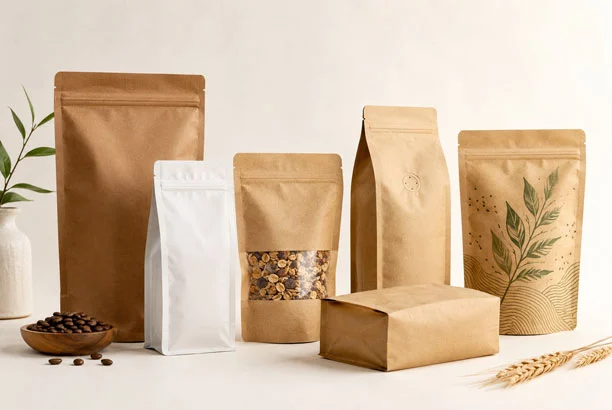
Brown kraft paper pouches suit applications where both product protection and brand presentation matter. The examples below show how material structures and functional features can be matched to the product being packed.
Specialty Coffee Roasters
Craft coffee roasters need to manage CO2 released by freshly roasted beans and limit oxygen exposure that speeds aroma loss and oxidative quality changes. A kraft pouch can use a high-barrier laminate and one-way degassing valve for that job. Its kraft exterior supports an artisanal or farm-to-cup identity, while the valve releases excess CO2 and restricts outside air entry. Barrier structure, valve performance, seal integrity, roast-to-pack timing, and storage conditions all need to be considered when setting shelf life. Testing finished pouches with the actual coffee is more dependable than making a broad shelf-life claim from the material alone.
Organic Snack Brands
An organic trail mix brand may choose kraft bags with metallized PET barriers, clear windows, and resealable zippers to retain a natural look while providing visibility and convenience after opening. Select the barrier structure around sensitivity to oxygen, moisture, and fat oxidation, and treat the window area as part of the overall barrier design. Grease-resistant laminates can also reduce oil migration through the pouch and staining of the kraft exterior. The final format should be tested with the actual product, intended shelf-life target, and distribution conditions.
Freeze-Dried Pet Treat Manufacturers
Premium pet food brands may use kraft packaging for freeze-dried chicken, beef, or other treats when a natural-looking package suits the product's positioning. Three-side seal and stand-up formats can be selected for fill weight and retail display, while hang holes support pegboard merchandising. Freeze-dried products are sensitive to moisture uptake, so the finished pouch needs suitable moisture protection and dependable seals. Tear notches and resealable zippers can make the pouch easier to use where appropriate. The full structure still needs validation against the actual product and intended storage period.
Conclusion
Brown kraft paper pouches are a practical option for brands that want a natural kraft appearance as well as the barrier and mechanical performance their products require. A multi-layer structure can meet oxygen, moisture, light, grease, and sealing needs when it is chosen for the specific application. Sound procurement means matching construction to product sensitivity, working with suppliers that can show repeat-order consistency, and selecting order volumes that balance production economics with inventory risk. For coffee, snacks, pet treats, and other dry products, kraft pouches can stand out on the shelf while protecting the product. Any environmental claim should reflect the real material structure and the recycling or end-of-life infrastructure available, not the kraft look alone.
FAQ
1.Can brown kraft paper pouches be fully recycled?
Recyclability depends on the full laminate structure and the recycling system in the target market. Conventional kraft-paper laminates that contain plastic films, metallized layers, or aluminium foil can be hard to process through standard paper or plastic recycling streams. PE-based structures designed for better recyclability may fit suitable PE collection, sorting, and recycling systems more readily, but coatings, inks, adhesives, and closures must also be included in the assessment. For industrial composting, the complete pouch, not just a PLA or PBAT layer, must meet the relevant compostability requirements. Buyers should check environmental claims against the final package construction and intended market.
2.How do kraft pouches perform with high-moisture or oily products?
Performance depends on the complete inner film and barrier structure. Basic kraft/PE laminates may work for some low-moisture products. Products needing stronger water-vapour protection may require lower-WVTR structures. EVOH is mainly used to improve oxygen barrier. Depending on the structure, metallized films or aluminium foil can add protection against oxygen, moisture, and light. For oily products, the finished laminate should be designed and tested to limit grease or oil migration that may stain the kraft surface. Paper grease-resistance methods such as the Kit Test do not prove the oil-barrier performance of an entire laminated pouch. Evaluate finished-pack performance using a method suited to the real application.
3.What customization services support brand differentiation?
Advanced suppliers can offer rotogravure printing in up to 11 colours for complex graphics, matte or gloss varnishes to control surface appearance, partial windows that pair product visibility with kraft aesthetics, and custom die-cutting for selected shapes. They can also add degassing valves for freshly roasted coffee, resealable zippers for products used more than once, and hang holes for retail display. Digital mock-ups are useful for reviewing layout and feature placement before production. Physical samples are still necessary when material, dimensions, sealing, or functional performance needs to be checked.
Partner With a Trusted Brown Kraft Paper Pouches Supplier
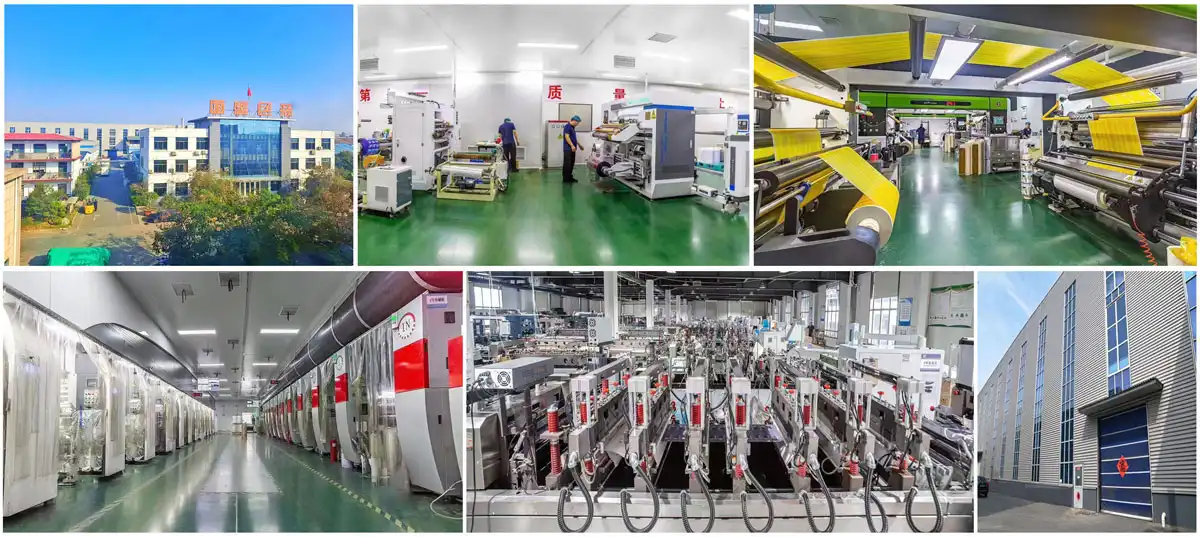
For more than 25 years, Guoshengli Packaging has manufactured flexible packaging for brands that need reliable brown kraft paper pouches. Depending on the application, pouch structures can be developed in the 120 to 160 micron range for dried meats, coffee, pet treats, and organic snacks. ISO 9001 and BRCGS Global Standard Packaging Materials certification support our quality systems, and we provide food-contact compliance documentation for the selected material structure and destination market. Rotogravure printing suits stable, higher-volume production. Digital printing gives more flexibility for shorter runs, multiple designs, and test-market projects. MOQ depends on the pouch format, material, dimensions, artwork count, and production method, rather than one fixed threshold. Our technical team works with customers to select barrier structures and functional features that meet each product's protection needs. Email sales@guoshengpacking.com to discuss your packaging needs, request material samples, and review production options for your market.
References
-
European Parliament and Council. Regulation (EC) No 1935/2004 on materials and articles intended to come into contact with food.
-
European Commission. Commission Regulation (EU) No 10/2011 on plastic materials and articles intended to come into contact with food.
-
European Parliament and Council. Regulation (EU) 2025/40 on packaging and packaging waste (PPWR).
-
CEFLEX. Designing for a Circular Economy (D4ACE): Design Choices for flexible packaging materials, barriers, adhesives, inks and additional features.
-
BRCGS. Global Standard Packaging Materials, Issue 7.
-
TAPPI. T 559 - Grease resistance test for paper and paperboard (Kit Test).