Selecting the right packaging for meat products directly impacts shelf life, product quality, and profitability.
Vacuum pouch bags are a solid choice here — they cut down oxygen exposure and create a sealed environment that slows oxidation, keeps some aerobic spoilage organisms from growing, and helps reduce moisture loss that leads to freezer burn. These pouches use multilayer film structures, typically PA/PE or other laminated or coextruded setups, that give you barrier protection against moisture and oxygen while also holding up against punctures and sealing reliably. When you're picking vacuum packaging, you've got to think about puncture resistance, temperature tolerance, seal integrity, and regulatory compliance — all so your products stay protected through the whole cold chain.
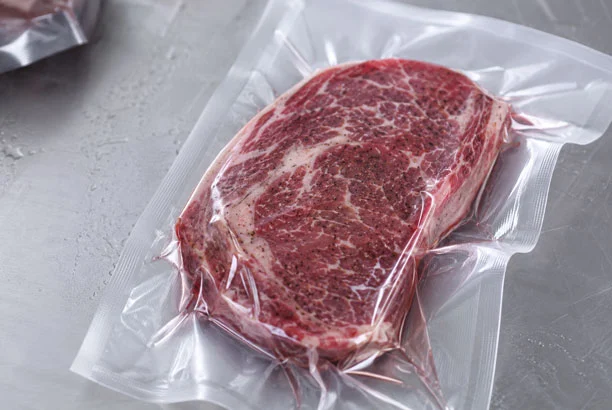
With vacuum packaging, air gets pulled out of flexible pouches before they're heat sealed. This low-oxygen environment can slow down a lot of aerobic spoilage organisms, reduce oxidation, and cut back on moisture loss that causes freezer burn. Different types of polymers are used in these multilayer films. Polyamide gives you toughness and useful gas-barrier properties, while polyethylene handles moisture resistance and reliable heat sealing. When you pair this with good processing and temperature control, this kind of packaging can really help stretch the shelf life of refrigerated or frozen meat products.
Modern vacuum films are usually laminated or coextruded multilayer structures, and the choice depends on what you need for barrier, puncture resistance, sealing, and processing. Since these materials touch food directly, they need to meet the regulations for whatever market you're selling into — like FDA requirements in the US or Regulation (EC) No 1935/2004 in the EU. You should have proper compliance documentation to back up food-contact suitability, and where needed, migration testing using food simulants and time-temperature conditions that match how the product will actually be used. Some structures are designed for deep-freeze or sous-vide applications, but you've got to check the approved temperature range for the specific film and process you're planning to use.
Big industrial facilities usually run chamber vacuum machines that work with smooth-finish bags. Smaller operations tend to use external suction sealers, which need embossed or channelled films to create paths for air to escape. For retail display, clear films let customers see the product, while printed bags support branding and product identification. Bone-in meats and anything with sharp edges often need heavier or specially engineered puncture-resistant structures. Boneless cuts? Lighter gauges can work, depending on the film design, product shape, and handling conditions. Matching the film properties to your actual product and equipment helps cut down on packaging failures during processing and distribution.
To pick the right vacuum packaging, you need to compare technical specs against your actual processing and distribution needs. Meat processors deal with sharp bones that can puncture films, cold-storage conditions that affect flexibility, and strict food-contact and hygiene requirements. The factors below help purchasing teams find packaging structures that protect product integrity without adding unnecessary material or cost.
Film thickness affects toughness and puncture resistance, but thickness alone doesn't tell you everything. Bone fragments, shell edges, rigid frozen pieces, and rough handling can puncture weaker structures. ASTM F1306-21(2025) is useful for comparing slow-rate penetration resistance in flexible films and laminates under controlled conditions — though it doesn't reproduce every puncture event a filled package goes through. Bone-in beef, pork ribs, or shellfish usually need heavier or tougher structures than ground meat, fillets, or poultry. But the final spec should come from material data and filled-pack trials using your actual product, not just a rule of thumb.
The heat seal is a make-or-break part of vacuum packaging. Fat, moisture, protein residue, wrinkles, or wrong sealing conditions can create channels or weak spots that let air sneak in over time. Good vacuum pouch production depends on keeping the right seal temperature, pressure, dwell time, and clean seal areas. ASTM F88/F88M-23 can measure seal strength and record how it fails, but seal strength isn't the same as package leak integrity. Where needed, processors should also use appropriate leak or package-integrity methods to check the finished pouch under conditions that match the real application.
Over its lifetime, meat packaging might see freezing, refrigerated storage, transport, or even cooking temperatures. Some films are designed for deep-freeze — they need to stay flexible and seal tight at low temperatures. For sous-vide cooking, the pouch structure, sealant, adhesives, and seals all have to handle the intended time-temperature conditions without delaminating, distorting, or losing seal integrity. Some PA-containing structures can handle higher temperatures, but you always need to confirm this with the manufacturer's technical data for your specific process.
International meat packaging needs proper quality-system and food-contact documentation. For US applications, the food-contact materials should meet applicable FDA requirements for how they'll be used. Regulation (EC) No 1935/2004 is the general framework for food-contact materials in the EU, with extra requirements depending on the structure you choose. BRCGS Global Standard Packaging Materials certification shows structured controls in packaging manufacturing, while ISO 9001 indicates a documented quality-management system. If you supply multiple markets, ask your suppliers for relevant food-contact compliance documentation and batch or shipment records where needed.
Figuring out how vacuum packaging stacks up against other options helps buyers set realistic performance and commercial expectations. Each packaging method has strengths depending on product type, shelf-life target, appearance requirements, processing method, and route to market.
Modified Atmosphere Packaging (MAP) swaps out the package atmosphere for a controlled gas mix chosen for the product. MAP works well where retail appearance and headspace gas control matter, but it needs the right equipment and gas management. Vacuum packaging is generally more compact and simpler to run for suitable products. MAP can be better for certain appearance and product needs. Which one wins depends on the meat type, desired shelf life, retail presentation, and processing conditions — there's no universal winner.
Commercial food vacuum pouches are mostly single-use unless a reusable system has been specifically designed and validated for cleaning, repeated food contact, and the right processing conditions. Reusing them brings extra cleaning, inspection, and cross-contamination risks in food-service or processing environments. Single-use vacuum pouches skip the need to clean and requalify the same package, and they give more consistent performance for industrial processing. At the same time, buyers are increasingly looking at recyclable or other lower-impact material options where performance and local end-of-life infrastructure allow it.
Not every vacuum film gives you the same barrier performance. Lower-barrier structures might work fine for short storage or frozen applications, but products that need longer storage or better protection from oxidation may need lower-OTR structures. You should define barrier requirements based on your actual product, storage period, temperature, and distribution conditions — not just the material category. For higher-value meat applications, a better-performing film might justify the extra packaging cost if testing shows it reduces package failures, oxidation, or product loss.
Strategic sourcing of vacuum packaging materials affects supply reliability, production continuity, and total packaging cost. Working with suppliers who understand meat-processing requirements can help reduce problems with puncture, sealing, temperature exposure, and cold-chain handling.
Reliable vacuum pouch bags suppliers should show controlled manufacturing processes and consistent repeat-order quality. Look for quality-system certifications like ISO 9001 and BRCGS Global Standard Packaging Materials, plus appropriate food-contact compliance documentation for your target market. Batch traceability, inspection records, and relevant test data also help when evaluating suppliers. Experience with meat and cold-chain applications is useful for assessing technical capability — especially for products with bones, high fat content, or demanding handling conditions. For higher-risk projects, you might also want to review audit reports, production controls, and relevant application references.
Working directly with vacuum pouch bag manufacturers gives you access to technical support and structure development tailored to your actual product. Instead of relying only on standard stock specs, manufacturers can adjust film structure, total thickness, sealant selection, or puncture resistance based on your product and equipment. Direct communication also makes it easier to troubleshoot sealing, fit, or handling issues, and to plan production capacity for repeat orders or seasonal demand.
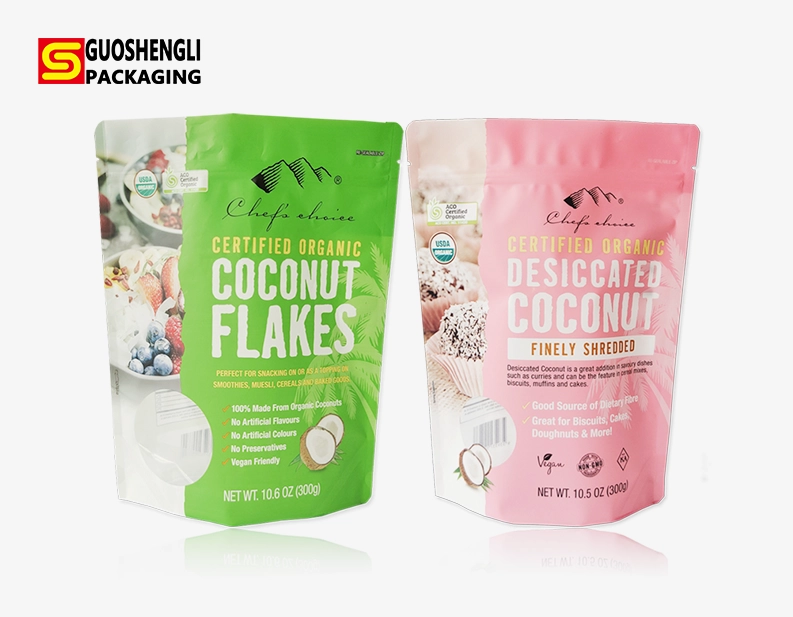
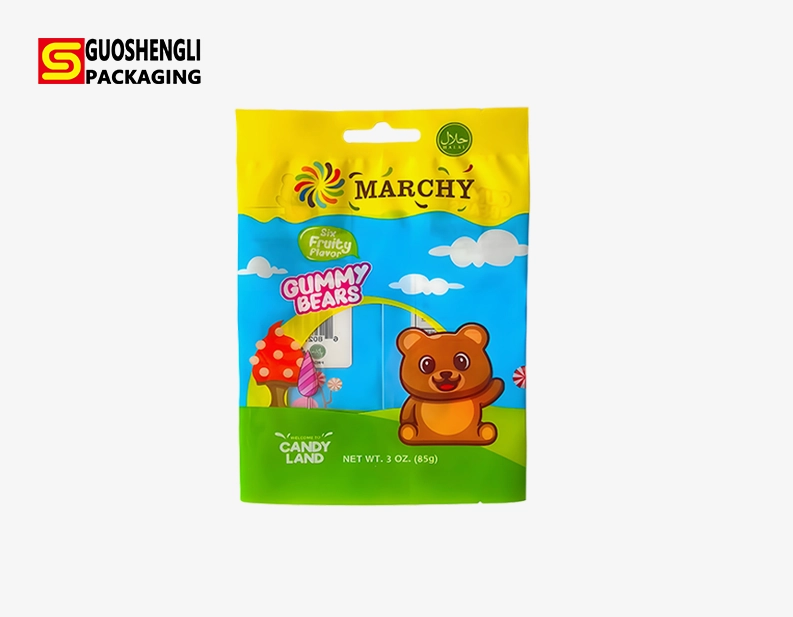
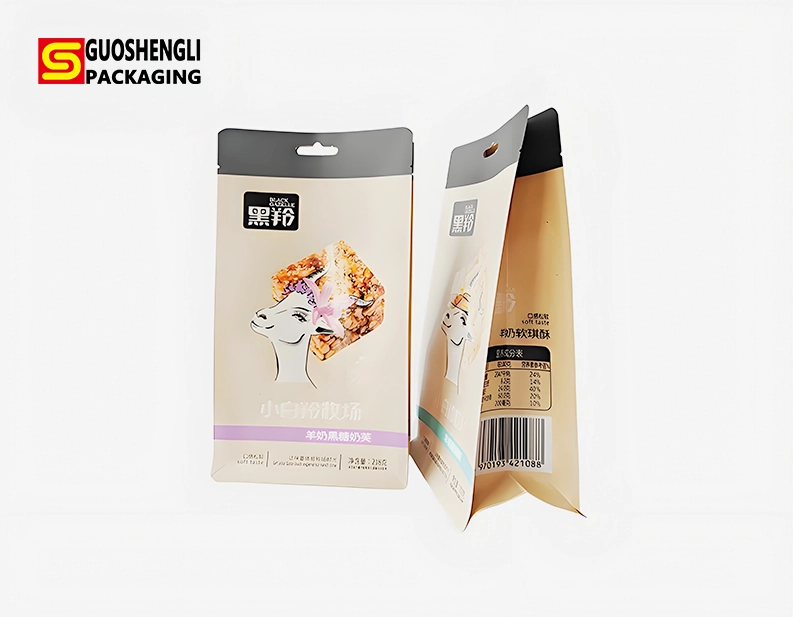
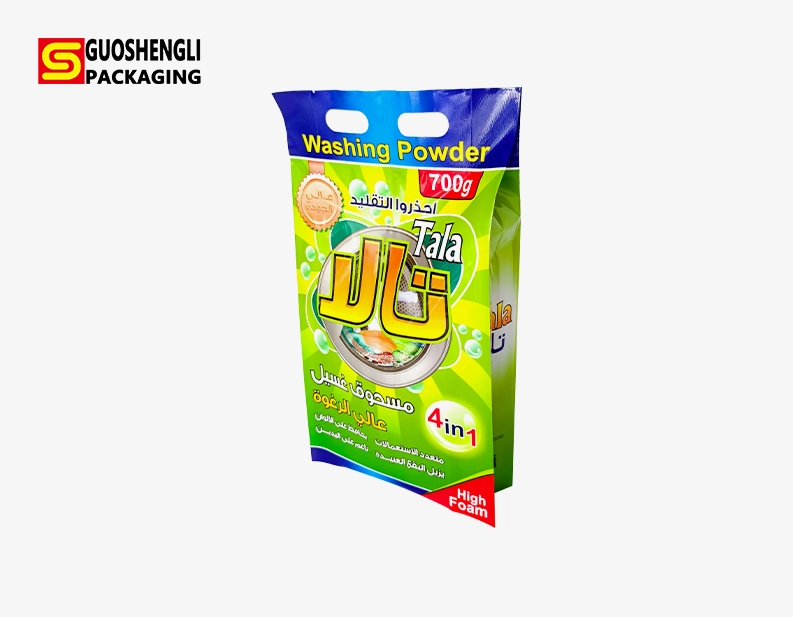
High-quality rotogravure printing turns functional packaging into a branded retail format while keeping print quality consistent across stable production runs. Up to 11-color printing handles photographic graphics and complex brand designs. Printed pouches also give you space for product information, handling instructions, and traceability coding applied during production or filling. Custom printing usually needs more artwork preparation and production setup than plain stock films, so think about forecast volume, repeat demand, and inventory risk when choosing between plain and custom-printed vacuum packaging.
Minimum order quantities (MOQ) vary depending on supplier capability, pouch dimensions, material structure, printing method, and customization level. Lead times also depend on material availability, printing, converting complexity, quantity, and production scheduling. Good procurement balances inventory holding cost, production lead time, volume economics, and the risk of stockouts. For repeat programs, buyers can improve planning by sharing realistic demand forecasts and expected reorder patterns with suppliers — rather than relying on a single fixed industry-wide MOQ or lead-time assumption.
Proper packaging procedures matter just as much as picking the right vacuum pouches. Even high-performance films can fail if seal areas are contaminated, machine settings are off, or the pouch structure doesn't match your actual product and handling conditions.
Product residue like fat, moisture, or protein in the seal area can mess up heat sealing and create channels or weak spots. Before sealing products in vacuum pouch bags, keep the sealing area as clean and free from product contamination as your approved processing procedure allows, and leave enough clean material above the product for the seal area your packaging equipment needs. Position sharp bone edges to reduce direct contact with vulnerable areas of the pouch. Product preparation and temperature should follow your approved food-safety and production procedures.
Chamber vacuum machines and external suction sealers work differently. Chamber systems pull air from the whole chamber — they're commonly used for meat, seafood, and products with some liquid. External suction systems typically need channelled or embossed bags to keep airflow going during evacuation. Seal temperature, pressure, and dwell time should be adjusted to match your specific film structure and machine. Not enough heat gives you weak seals, while too much heat can distort or damage the seal area. Routine seal-strength and package-integrity checks help confirm your production settings stay within an acceptable range.
Even though vacuum packaging helps extend shelf life, you still need proper temperature control. Vacuum-packed meat should be stored at the temperature conditions specified for the product and your food-safety program. Frozen products are usually kept at -18°C or below. Protect packages from excessive compression, sharp contact, or handling that could damage seals or puncture the film. First-in, first-out inventory practices and routine inspection help catch vacuum loss, film damage, or unexpected package swelling that might need investigation.
Vacuum packaging usually fails because of a few recurring problems. Overfilled bags leave too little clean material for reliable sealing and can increase puncture or handling stress. Picking a film structure that's too light for bone-in or sharp products also raises the risk of package failure. Poorly maintained vacuum sealing equipment creates inconsistent temperatures, worn sealing elements, contaminated seal bars, or unstable vacuum performance. Operator training, documented machine settings, preventive maintenance, and regular inspection can cut down on most of these problems.
Choosing the right vacuum packaging for meat products means balancing several technical and operational factors. Barrier properties, temperature capability, puncture resistance, seal performance, and regulatory compliance should all match your product and distribution requirements. Working with experienced vacuum pouch bags manufacturers gives you access to material recommendations, sampling, and technical support for specific meat-processing applications. Good material selection, controlled sealing conditions, and proper cold-chain storage help extend shelf life, reduce package failures, and maintain product quality throughout distribution.
Whether something's safe for food contact depends on the specific film structure, food type, and how you plan to process and store it. PA/PE and other multilayer structures can be suitable for direct contact with meat, poultry, seafood, and other foods — as long as the materials meet the applicable food-contact requirements for your market and use. Compliance documentation and migration testing should reflect relevant food characteristics like fat content, acidic marinades, and the intended time-temperature conditions. Don't rely on generic claims like BPA-free alone.
Base your bag size on the actual product dimensions, fill volume, vacuum-machine requirements, and the clean seal area you need for reliable sealing. Pick film thickness and structure according to puncture risk, product shape, fill weight, handling, and distribution conditions. Boneless products can use lighter structures, while bone-in products or seafood with sharp shells often need heavier or specially engineered puncture-resistant films. Filled-pack testing with your actual product is the best way to confirm the final spec.
Some PA/PE and other multilayer vacuum structures are designed for both frozen storage and sous-vide — but you shouldn't assume every vacuum film can do both. Check the approved low- and high-temperature ranges, maximum exposure time, seal performance, and food-contact conditions from the supplier's technical documentation for your specific structure. A film that works for freezing isn't automatically good for extended high-temperature cooking.
For food-contact applications, suppliers should provide documentation showing compliance with the relevant regulations for your market — like FDA food-contact requirements in the US or Regulation (EC) No 1935/2004 in the EU. Quality and packaging-site certifications like ISO 9001 and BRCGS Global Standard Packaging Materials also help with supplier evaluation. The exact documentation you need should match your selected structure, intended use, destination market, and customer quality system — not just a generic certificate list.
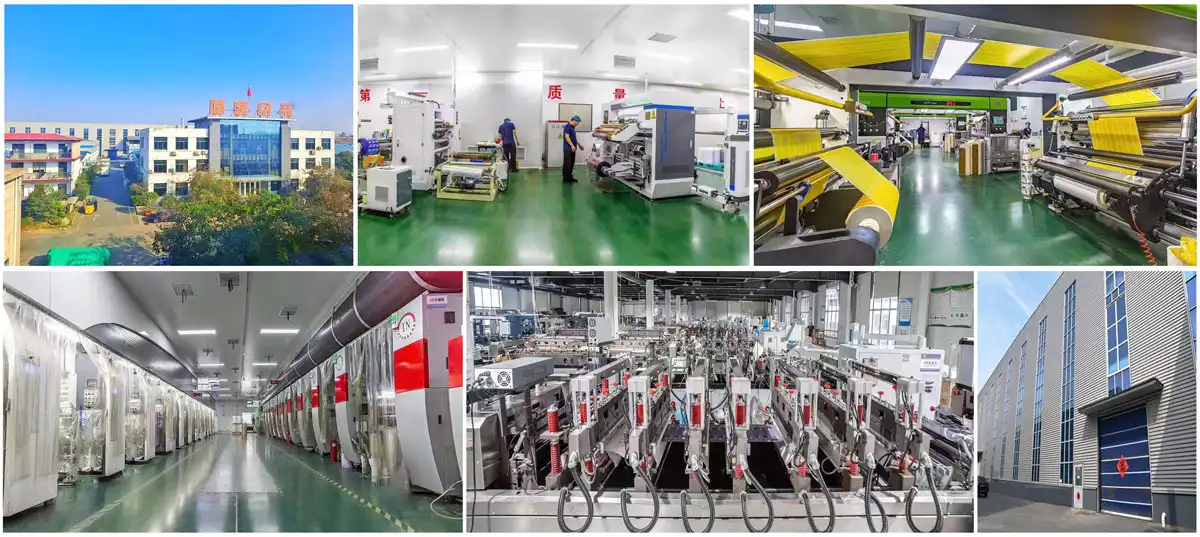
Meat processors around the world use vacuum packaging structures designed for demanding protein and cold-chain applications.
Guoshengli Packaging has more than 25 years of flexible-packaging manufacturing experience and provides multilayer
vacuum pouch bags selected according to puncture resistance, oxygen barrier, sealing performance, and processing requirements. Depending on the application, we can provide structures suitable for boneless meat, bone-in products, seafood, frozen storage, and selected sous-vide uses, with food-contact compliance documentation provided according to the selected structure and destination market. Lead time and MOQ depend on pouch dimensions, material structure, printing, quantity, and production requirements — not a single fixed standard. Our technical team can support material selection, sealing recommendations, sampling, and packaging-performance evaluation as part of your product-specific shelf-life validation programme. You can email
sales@guoshengpacking.com to request samples, technical specifications, or bulk pricing for your meat packaging project.
-
Robertson, G.L. (2016). Food Packaging: Principles and Practice (3rd ed.). CRC Press.
-
Brody, A.L., Strupinsky, E.R., & Kline, L.R. (2001). Active Packaging for Food Applications. Technomic Publishing Company.
-
Han, J.H. (2014). Innovations in Food Packaging (2nd ed.). Academic Press.
-
Coles, R., McDowell, D., & Kirwan, M.J. (2003). Food Packaging Technology. Blackwell Publishing.
-
Yam, K.L. (2009). The Wiley Encyclopedia of Packaging Technology (3rd ed.). John Wiley & Sons.
-
Kerry, J.P., O'Grady, M.N., & Hogan, S.A. (2006). Past, current and potential utilization of active and intelligent packaging systems for meat and muscle-based products: A review. Meat Science, 74(1), 113-130.
-
ASTM International. ASTM F88/F88M-23: Standard Test Method for Seal Strength of Flexible Barrier Materials.
-
ASTM International. ASTM F1306-21(2025): Standard Test Method for Slow Rate Penetration Resistance of Flexible Barrier Films and Laminates.