- English
- French
- German
- Portuguese
- Spanish
- Russian
- Japanese
- Korean
- Arabic
- Greek
- German
- Turkish
- Italian
- Danish
- Romanian
- Indonesian
- Czech
- Afrikaans
- Swedish
- Polish
- Basque
- Catalan
- Esperanto
- Hindi
- Lao
- Albanian
- Amharic
- Armenian
- Azerbaijani
- Belarusian
- Bengali
- Bosnian
- Bulgarian
- Cebuano
- Chichewa
- Corsican
- Croatian
- Dutch
- Estonian
- Filipino
- Finnish
- Frisian
- Galician
- Georgian
- Gujarati
- Haitian
- Hausa
- Hawaiian
- Hebrew
- Hmong
- Hungarian
- Icelandic
- Igbo
- Javanese
- Kannada
- Kazakh
- Khmer
- Kurdish
- Kyrgyz
- Latin
- Latvian
- Lithuanian
- Luxembou..
- Macedonian
- Malagasy
- Malay
- Malayalam
- Maltese
- Maori
- Marathi
- Mongolian
- Burmese
- Nepali
- Norwegian
- Pashto
- Persian
- Punjabi
- Serbian
- Sesotho
- Sinhala
- Slovak
- Slovenian
- Somali
- Samoan
- Scots Gaelic
- Shona
- Sindhi
- Sundanese
- Swahili
- Tajik
- Tamil
- Telugu
- Thai
- Ukrainian
- Urdu
- Uzbek
- Vietnamese
- Welsh
- Xhosa
- Yiddish
- Yoruba
- Zulu

Customizing brown kraft paper pouches for packaging involves selecting the right material structure, choosing functional features like tear notches and hang holes, determining print specifications, and working with an experienced manufacturer who understands barrier requirements and retail presentation. These pouches blend natural aesthetics with protective performance, making them ideal for organic foods, specialty coffee, dried meats, and pet treats. The customization process requires careful attention to material layers, printing techniques, closure systems, and compliance standards to ensure your packaging protects products while communicating brand values effectively.
Understanding Brown Kraft Paper Pouches and Their Benefits
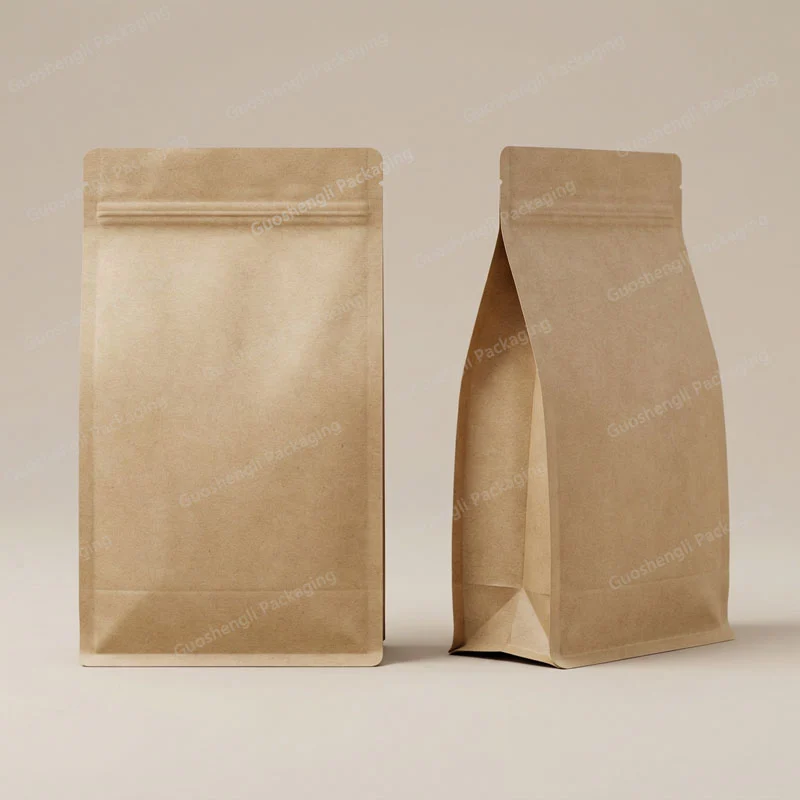
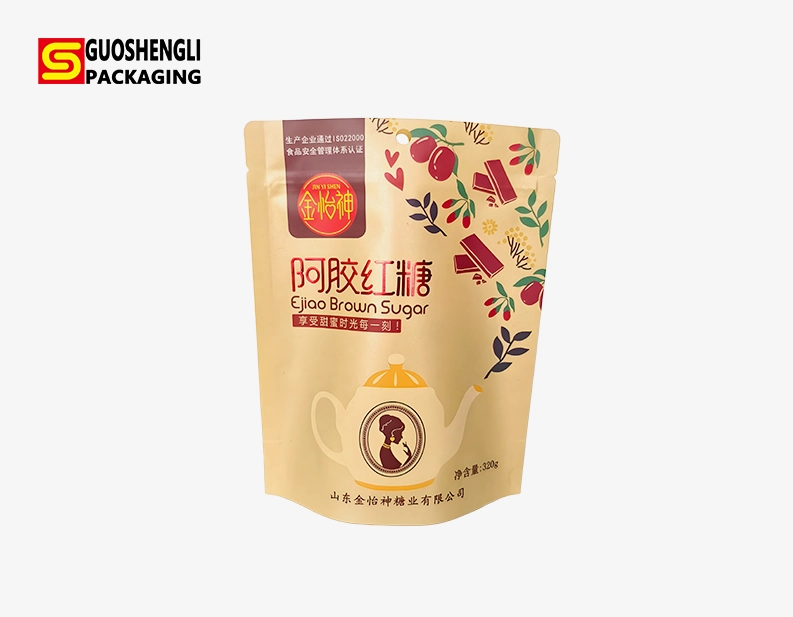
Brown kraft paper pouches are engineered packaging solutions made of advanced barrier laminations and unbleached kraft paper on the outside. These pouches are different from regular paper bags because they can resist water. They have multiple layers, including kraft paper (40–80 GSM), barrier films like aluminum foil or metallized PET, and inner layers that can be sealed with heat. Organic and specialty brands face a big problem: they need to keep their natural, earthy look while also providing the protection needed for longer shelf life. This hybrid construction solves that problem.
Why Natural Kraft Packaging Appeals to Modern Consumers
Kraft paper has a matte, textured surface that tells you it’s genuine without having to say it explicitly, or use words like “environmentally friendly.” For the consumer, kraft packaging always means clarity, little processing and being good for the environment. But when your organic snack or artisan coffee is packaged in brown kraft paper pouches and is prominently displayed in shops, shoppers can instantly recognise that the ingredients are excellent and the brand is trustworthy. The visual shorthand works particularly effectively for products targeted at health-conscious consumers in North America and Europe, where “clean label” branding is the key to getting people to purchase.
Barrier Performance Meets Eco-Conscious Branding
Today’s brown kraft paper pouches are more than ordinary paper bags. The barrier layers formed beneath the kraft surface block air, moisture and UV radiation, the three major elements that degrade products. Our three side seal structure using aluminium foil or EVOH barrier films may extend the shelf life of oxygen sensitive products like roasted coffee beans and dried fruits. For beef jerky and cat treats moisture and scent prevention is highly essential, so they don’t go bad while being delivered and exhibited in shops. This technological performance enables the brands to reach their environmental aims and their practical preserving demands.
Functional Features That Enhance User Experience
The frequency of repeat purchases is directly affected by simplicity of use. Customers prefer it when they don’t need tools to open products and can rip them open easily. Pouches may be converted to retail-ready displays with hang hole options to place on pegboard hooks or display on a table. The resealable zippers keep food fresh once you open it, which is great for foods you eat more than once. Transparent windows allow you to view the goods while preserving the barrier, fulfilling the client demand to see what they purchase. Each beneficial aspect may be introduced depending on the characteristics of the product and the preferences of the target market.
Core Principles of Customizing Brown Kraft Paper Pouches
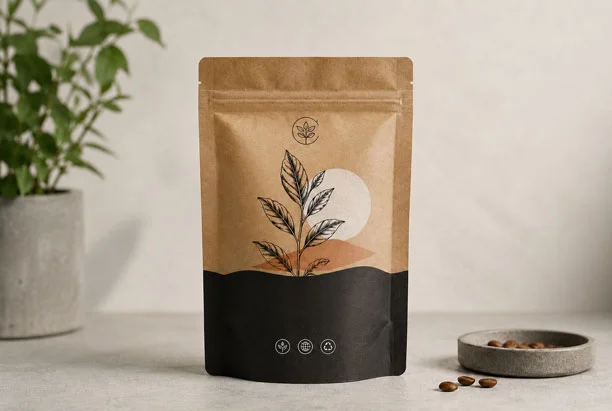
The first stage of good design is to clarify package objectives. Are you primarily speaking about sustainability, product longevity, differentiation on shop shelves, or compliance? Most businesses are trying to achieve many goals at the same time, so they have to make judgements on materials, printing processes, and design features that are fair to all.
Material Structure Engineering for Product Protection
Customised pouch construction incorporates kraft paper for printability and strength, barrier layers like aluminium foil, metalized PET, nylon or EVOH for moisture and oxygen protection, and PE, CPP or LLDPE sealant layers for airtight sealing and filling compatibility. The thickness is typically 120-160 microns. Burst and seal testing ensures consistent performance.
Printing Technologies and Brand Presentation
Rotogravure printing is ideal for long runs on kraft paper up to 11 colours with intricate designs and uniformity. Digital printing is ideal for small orders (less than 20,000 pieces), seasonal products and customisation. Matte, partial UV, and glossy finishes may add to the retail appeal, giving it a natural, accentuated, or luxury look.
Closure Systems and Convenience Features
Heat seals provide robust tamper-evident security for single-use products, while resealable zippers and tin-tie closures facilitate repeated use and enhance kraft-style packaging. Freshly roasted coffee releases CO₂ and degassing valves allow it to escape while keeping air out to maintain quality. Clear windows allow clients to see the products while yet providing the needed barrier protection.
Step-by-Step Guide to Ordering Customized Kraft Paper Pouches
Getting thru the customization process quickly and easily avoids delays that cost a lot of money and makes sure that the packaging meets all technical and marketing needs. Here's how Guoshengli Packaging helps brands along this path.
Supplier Evaluation and Partnership Criteria
Evaluate vendors on certifications, manufacturing capacity, lead times, logistics and technical know-how. Compliance: ISO 9001, BRC, FDA show quality and food-contact safety. Guoshengli Packaging has an annual capacity of 20,000 tons and can handle orders from 20,000 to 20 million bags. Experienced providers should also be able to offer knowledgeable advice on barrier films, kraft-paper lamination and coatings.
Defining Specifications and Requirements
Clear specifications should include product, shelf life, transportation and display circumstances, filling technique, size and needed headspace. The quantity planning should account the demand, storage and order size. Standard sizes save money, bespoke sizes provide you efficiency and a better presence on the shelf. Rotogravure often needs 20,000+ units; digital printing is better for lower runs.
Artwork Preparation and Design Mockups
Vector artwork with outlined fonts, CMYK colours and high definition photos for perfect manufacturing. You may see graphics, gussets, zippers and windows with digital 3D mockups before manufacture and tangible samples confirm materials, printing, filling performance, durability and look.
Production Timeline and Quality Assurance
Production lead times depend on how the order is printed and how complicated it is. Rotogravure printing usually takes 15 to 20 days after the artwork is approved. This includes cutting on the cylinder, printing, laminating, turning, and checking for quality. Digital printing can be done faster (7–10 days), which is good when speed is more important than the extra cost for smaller quantities.
At Guoshengli Packaging, quality control doesn't just happen at the end of the process; it happens all the way thru production. Before packaging, we make sure that the printing colors are consistent with accepted standards, that the lamination bond is strong, that the seal is intact by testing it under pressure, and that the dimensions are correct. Every pouch is looked at visually for flaws to make sure that only packaging that meets the requirements gets to your facility.
Delivery logistics require careful planning for international shipments. Air freight (4-5 days) is best for pressing needs or first trial orders. Ocean shipping, on the other hand, is more cost-effective for bigger numbers and longer planning periods. When suppliers put carton count ahead of pouch protection, compression damage during transit is common. This can be avoided by properly packaging finished brown kraft paper pouches. We use strong boxes and smart bin placement to make sure that the pouches arrive ready to be filled.
Comparison and Decision-Making for Customized Kraft Paper Pouches
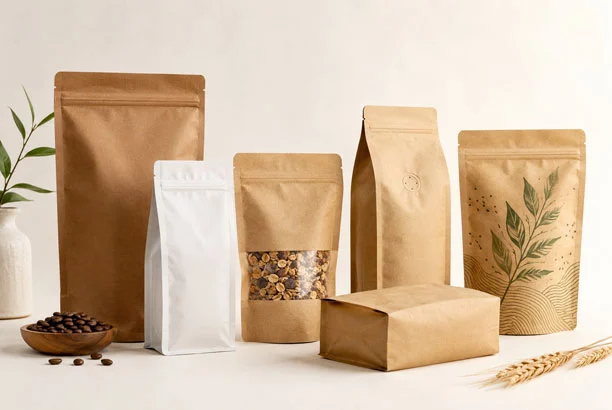
For strategic packaging decisions, you need to know what the trade-offs are between the different choices. How do different options affect performance, cost, and how the business is positioned?
Kraft Paper Versus Plastic Film Pouches
Brown kraft paper pouches make it possible to stand out visually and in the environment in ways that clear or white plastic films can't. Without any extra labels, the natural dark color shows that the product is organic, has been processed minimally, and is committed to sustainability. Plastic pouches have a wider range of protection choices and slightly lower material costs, but they don't stand out on the shelf like kraft does.
Biodegradability claims require careful consideration. Even tho kraft paper breaks down naturally, the aluminum and PE barrier layers that are laminated on top of it stop it from breaking down completely in most situations. Recyclability relies on how well local processes can separate materials. Paper-based barrier technologies are used in fully recyclable kraft bags, but they may not offer as much protection as metal foil structures. When you're honest about the real environmental effects of your products, you can avoid being accused of greenwashing and keep your reputation with knowledgeable customers.
Closure System Selection
When compared to heat-seal-only designs, zipper closures add 15–30% to the cost of pouches, but this investment pays off when the products are used more than once. Resealable bags are great for keeping coffee, nuts, dried fruits, and pet treats fresh and improving the user experience. For single-serving products or products that are eaten right away after opening, the higher cost of the zipper may not be worth it.
The strength of a heat seal depends on the type of caulk layer used and the sealing factors. The PE inner layers close well at a lot of different temperatures and work with most filling machines. CPP is useful when the inner surface appearance is important because it makes things clearer and stiffer. LLDPE is better at keeping things from getting punctured when they have sharp edges.
Plain Versus Custom Printed Kraft Pouches
Custom printing helps people remember your brand and follows the rules by printing information directly on the product. The prices of rotogravure printing include the one-time cost of cutting the cylinder and the cost of printing each unit. This arrangement works best for bigger production runs because the cost of the cylinders is spread out over a lot of units. Digital printing doesn't charge for tools, so even tho it costs more per unit, it's still a good deal for smaller orders.
When designs change a lot or when testing different versions of a product, plain brown kraft paper pouches with labels already on them are flexible. Labels add extra steps to the process of filling and may make fully printed bags look less uniform. This method works well for small production runs or lines of products that change quickly.
Best Practices and Industry Applications
By looking at how big brands create brown kraft paper pouches, we can learn useful strategies that can be used in many different types of products.
Specialty Coffee and Tea Packaging
Coffee roasters always choose brown kraft paper pouches because the natural look goes well with their artisanal positioning. Degassing valves are very important because newly roasted beans keep releasing CO2 for days after they're roasted, and packages that don't have enough air flow can swell or burst. The one-way valve lets out air inside the container while stopping oxygen that would make the coffee go bad in weeks.
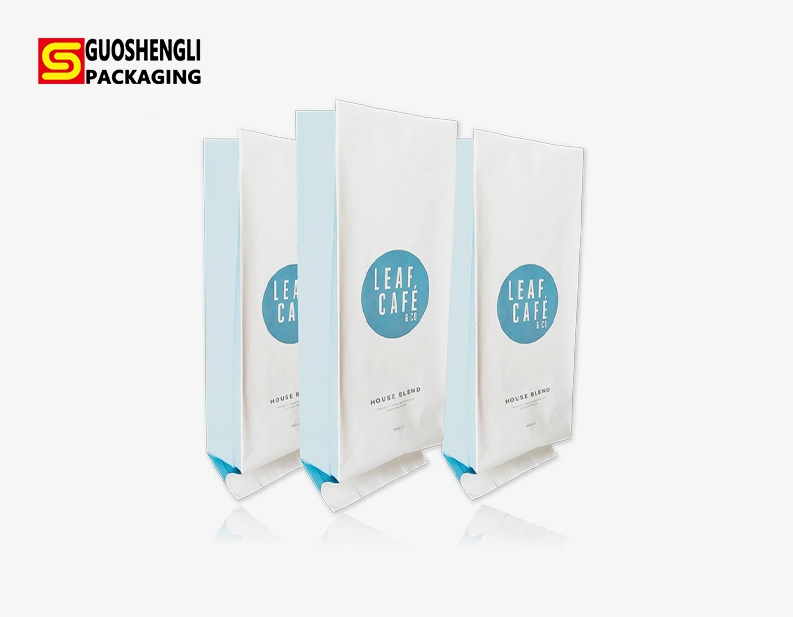
With their narrow profile and increased capacity, side gusset pouches make the best use of shelf space. This style can hold anywhere from 12 oz to 5 lb of coffee and stay stable when standing upright. Matte painting keeps the look of handicrafts while giving you bright brand images. A lot of roasters have small clear screens that let customers see the color and level of roasting of the beans. This is a great way to sell specialty grades.
Organic Snacks and Dried Foods
Brown kraft paper pouches are used by natural and organic snack brands to support their stories about using clean ingredients. The package itself becomes a brand statement, so there's no need for clear comments about sustainability that could be seen as greenwashing. Three-side seal pouches are a cheap option for trial sizes and sampling programs, while stand-up styles give products more shelf presence in retail channels.
For nut and seed goods, grease protection is very important. This stops oil from moving inside and staining the paper outer, which makes it look bad. With this technical ability, brands can show off natural looks without sacrificing functionality.
Pet Treat and Freeze-Dried Food Packaging
Pet food brands that use brown kraft paper pouches stand out in a market where most of the packaging is made of plastic. More and more pet owners want natural, barely made foods for their animals, and the way a product is packaged has a big impact on how good people think it is. The natural brown paper look makes you think of healthy foods and responsible production.
For thick, hard treats, being able to prevent punctures is very important. Heavy-gauge kraft paper (70–80 GSM) and strengthened barrier films keep the paper from tearing while it is being handled and displayed. Hang holes let pegboards be put up in places where they will get a lot of attention, like in pet stores where vertical display space is very important. Resealable zippers keep treats fresh so they don't go bad while they're being eaten, which would disappoint customers and get bad reviews.
Personal Care and Wellness Products
Brown kraft paper pouches are used by natural personal care brands to package bath salts, organic soaps, and health vitamins. Before people read the ingredient lists, the packaging tells them about the product's philosophy. Moisture barrier protection is very important—bath goods can't be exposed to humidity that would make them clump or dissolve before they are used.
Transparent windows let you see the colorful bath salts or botanical ingredients inside, and the natural look of the packaging is kept. This way of visual merchandising combines the realness of kraft with the product visibility that customers expect. It works especially well for handcrafted or expensive products that are worth seeing more than paying more for.
Conclusion
When customizing brown kraft paper pouches, you have to find a balance between how they look and how well they work. The natural look successfully expresses brand values, and multi-layer barrier structures safeguard goods during distribution and show in stores. Customization works best when specifications are clear, manufacturing partners are experienced, and prints, closures, and useful features are planned ahead of time. At Guoshengli Packaging, we help brands choose materials, make artwork look its best, do samples, and start production. Our quality systems make sure that all orders get the same results. Personalized brown kraft paper pouches give your new organic snacks, specialty coffee, pet treats, or health goods a unique look on the shelf and fit in with today's environmentally aware customers.
FAQ
1.Can brown kraft paper pouches be fully recycled in municipal systems?
How well brown kraft paper pouches can be recycled depends on the materials that are used as a barrier layer underneath the paper. Pouches with paper-based barrier technologies or PE layers that are easy to separate are better for recycling than structures made of aluminum foil, tho how well they recycle depends on the facilities in your area. In many places, mixed products have to be separated before they can be processed. There are versions that are fully compostable and use PLA liners, but they don't work as well as regular structures as barriers. We suggest being clear about your unique pouch structure instead of making broad claims about how recyclable it is.
2.How do kraft pouches handle greasy or oily products without staining?
For grease protection, you need special inner barrier layers that stop oil from moving thru the layered structure. This keeps oils from nuts, seeds, or fried snacks inside without staining the outside of the kraft. This engineering keeps the product's clean, natural look throughout its shelf life while also protecting it in the way it needs to be protected.
3.What printing methods work best for small production runs?
When printing less than 20,000 units, digital printing is the most cost-effective option because it doesn't require the expensive cylinder engraving that rotogravure printing does. Digital ways have higher costs per unit, but because there are no setup fees, small runs can be done affordably. Professional standards are met for color accuracy and detail quality, but rotogravure works better for large-scale production where setup costs are spread out over many units.
Partner with a Trusted Brown Kraft Paper Pouches Manufacturer

Every customization project that Guoshengli Packaging works on is backed by more than 25 years of experience in flexible packaging. Our rotogravure printing can produce up to 11 colors that stay the same from one production run to the next. Meanwhile, our material research team makes sure that the barrier performance is perfect for your product. We keep our ISO 9001, BRC, and FDA certifications up to date, which makes sure we follow all North American and European food contact rules. Our team gives you expert advice that helps your packaging work reliably from the time you come up with the first specifications to the time you send the finished product. Our 20,000-ton annual capacity can grow with your business, so you don't have to worry about running out of pouches when you need 20 million for national distribution. Our packaging experts can be reached at sales@guoshengpacking.com to talk about your needs for brown kraft paper pouches and get personalized suggestions based on your product and market goals.
References
1. Anderson, M.R. (2021). Sustainable Packaging Materials: Environmental Performance and Consumer Perception. Journal of Packaging Technology and Research, 5(3), 187-203.
2. Chen, L. & Roberts, K.D. (2022). Barrier Technologies in Kraft Paper Laminations: Oxygen and Moisture Transmission Rates. Packaging Science and Technology International, 18(2), 94-112.
3. European Flexible Packaging Association. (2023). Guidelines for Food Contact Compliance in Multi-Layer Pouches. Brussels: EFPA Publications.
4. Morrison, J.T., Phillips, S.E., & Kumar, R. (2020). Printing Techniques for Textured Paper Substrates: Rotogravure and Digital Comparison. International Journal of Print Technology, 12(4), 276-291.
5. Sustainable Packaging Coalition. (2023). Recyclability and Compostability Claims: Best Practices for Laminated Structures. Charlottesville: SPC Technical Reports.
6. Williams, H.A. & Zhang, Q. (2022). Consumer Response to Natural Kraft Packaging in Organic Food Categories. Journal of Marketing Research and Consumer Behavior, 29(1), 45-68.