- English
- French
- German
- Portuguese
- Spanish
- Russian
- Japanese
- Korean
- Arabic
- Greek
- German
- Turkish
- Italian
- Danish
- Romanian
- Indonesian
- Czech
- Afrikaans
- Swedish
- Polish
- Basque
- Catalan
- Esperanto
- Hindi
- Lao
- Albanian
- Amharic
- Armenian
- Azerbaijani
- Belarusian
- Bengali
- Bosnian
- Bulgarian
- Cebuano
- Chichewa
- Corsican
- Croatian
- Dutch
- Estonian
- Filipino
- Finnish
- Frisian
- Galician
- Georgian
- Gujarati
- Haitian
- Hausa
- Hawaiian
- Hebrew
- Hmong
- Hungarian
- Icelandic
- Igbo
- Javanese
- Kannada
- Kazakh
- Khmer
- Kurdish
- Kyrgyz
- Latin
- Latvian
- Lithuanian
- Luxembou..
- Macedonian
- Malagasy
- Malay
- Malayalam
- Maltese
- Maori
- Marathi
- Mongolian
- Burmese
- Nepali
- Norwegian
- Pashto
- Persian
- Punjabi
- Serbian
- Sesotho
- Sinhala
- Slovak
- Slovenian
- Somali
- Samoan
- Scots Gaelic
- Shona
- Sindhi
- Sundanese
- Swahili
- Tajik
- Tamil
- Telugu
- Thai
- Ukrainian
- Urdu
- Uzbek
- Vietnamese
- Welsh
- Xhosa
- Yiddish
- Yoruba
- Zulu

Choosing the right packaging format can determine whether your product succeeds or struggles on retail shelves. A fin seal pouch offers a combination of robust protection, operational efficiency, and brand-building potential that makes it a go-to solution across food, pet care, supplement, and beverage industries. This versatile pillow-style package features a distinctive back seal resembling a fin, delivering hermetic protection against moisture, oxygen, and contaminants. Whether you're launching a new snack line, scaling pet treat production, or optimizing filling operations, understanding how this packaging format works will help you make informed procurement decisions that protect product quality and reduce costs.
What Is a Fin Seal Pouch and How Does It Work?
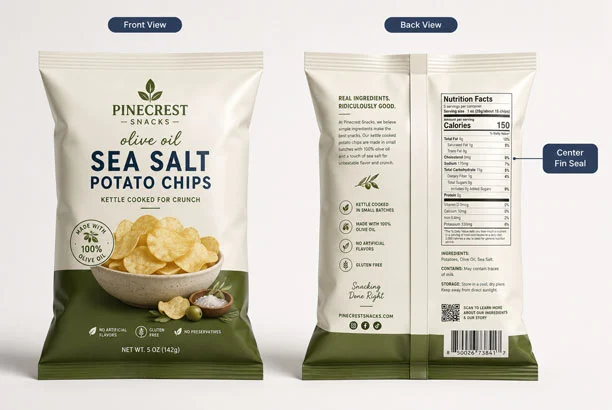
Understanding the Fin Seal Structure
You can make a fin seal pouch, which is also known as a pillow pouch or T-seal pouch, by folding a flexible film lengthwise and closing the backs of the inside sides together. This process makes a "fin" that sticks out from the back wall. When the top and bottom are heated together, they form a seal that keeps the package inside. When you use a lap seal, the outer and inner layers have to stick together. But with the fin seal method, the interior areas are all the same, so the barrier is stronger and it works with high-barrier materials.
Manufacturing Process and Technology
Rotogravure or digital printing on layered laminate films is the first step in the production process. The material is cured to make the sticky ties stronger after it has been printed and laminated. The film is then cut to the right width and put into tools that do vertical form-fill-seal (VFFS) or horizontal form-fill-seal (HFFS). At very high speeds, these machines fold the film, make the fin seal along the back, put the product inside the pouch, and seal the top and bottom. The advanced sealing jaws control the dwell time and pressure to keep the seal strength constant, even at the thicker T-junctions where three layers meet.
Types of Fin Seal Configurations
Fin seal pouches can be put together in different ways to meet different needs. Seals with a flat fin work well for dry goods like snacks and candy. Angled fin seals make the product more stable and look better on the shelf. Some designs have gussets to add extra volume or euro holes for hanging displays in stores. Customers can see right away if a product is still fresh with transparent window choices. This is especially useful in markets for sweets and unique foods.
Why Structural Design Matters for Procurement
Knowing about these structural aspects helps buying teams decide if a fin seal pouch meets certain business needs. The risk of delamination is lower with the interior-to-interior seal method than with other forms. When something works with automatic filling lines, it means that it can be used more quickly and with less labor. Machine changes and downtime are kept to a minimum when pouch measurements stay the same. For buyers handling just-in-time inventory systems, this means stable production plans and expected wait times.
Key Benefits and Uses of Fin Seal Pouches in Packaging
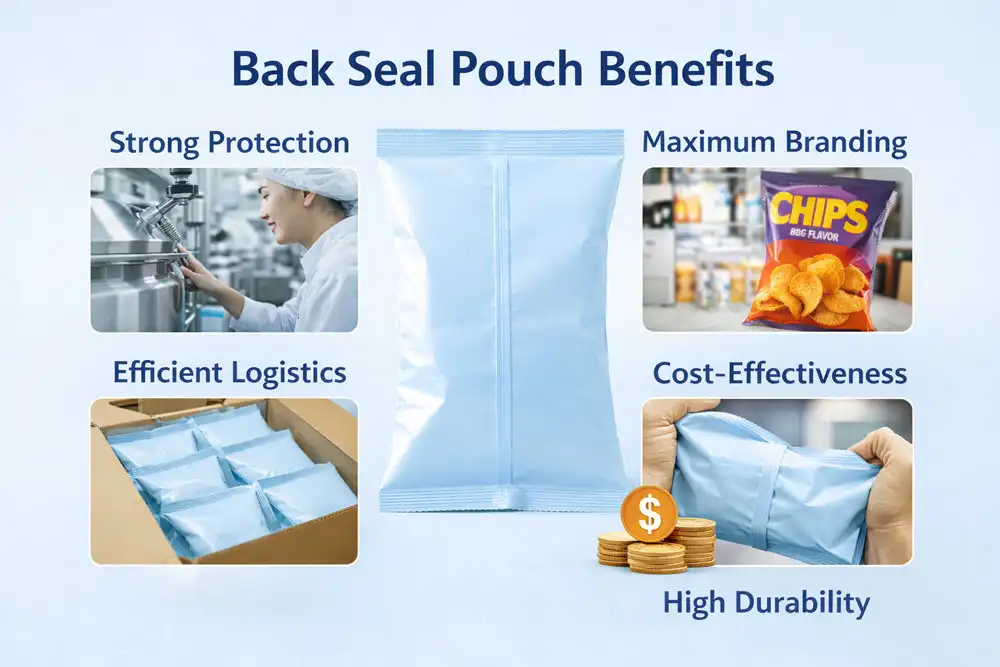
Selecting packaging involves balancing product protection, operational efficiency, and cost control. Fin seal pouches deliver measurable advantages across all three areas, making them a practical choice for diverse industries.
Superior Seal Integrity and Product Protection
High-barrier multilayer laminates stop light, air, and wetness from getting through, which are the three main things that hurt the quality of a product. You can change the oxygen transmission rates (OTR) and water vapor transmission rates (WVTR) by choosing the right material. This lets sensitive products like roasted coffee, protein powders, and pet treats last longer on the shelf. The airtight seal keeps food from getting contaminated while it's being shipped or stored. This cuts down on spoilage-related returns and protects the brand's image.
Operational Efficiency and Cost Savings
The cost of packing each unit goes down when it works with high-speed VFFS and HFFS tools. Waste is cut down by making good use of materials, and lead times are shortened by streamlining production processes. Lead times for some custom orders at Guoshengli Packaging can be as short as seven days. This helps brands that need to get their products on the market quickly or during busy times of the year. This format is good for new brands that want to try out new SKUs without having to keep too much inventory on hand because the minimum order quantities (MOQs) are lower.
Packaging Flexibility Across Industries
Fin seal pouches can be used for many things. They are used to store food like popcorn, chips, nuts, candy, and cold foods. Pet food makers use them to make treats and feed because they don't absorb smells and can't be punctured. Protein powders, vitamins, and superfoods from health and wellness brands are packed in ways that keep their potency. They are used by beverage makers to make powdered concentrates and quick drink mixes. Chemical-resistant inner layers help companies that make household goods handle things like soaps and personal care products.
Material Choices and Sustainability Options
Most multilayer structures are made up of PET or BOPP for strength and printability, nylon or metalized PET for barrier properties, and polyethylene for heat sealing. To meet the growing demand for sustainability, mono-PE structures that can be recycled and PLA/PBAT films that can be broken down naturally are being used. These environmentally friendly choices are in line with corporate social responsibility goals and meet consumer demand for packaging that is good for the environment.
Comparing Fin Seal Pouches with Other Pouch Types
Procurement teams benefit from understanding how different pouch formats compare in terms of functionality, cost, and application suitability.
Fin Seal vs. Side Seal Pouches
Side-seal pouches are formed with seals along the two side edges, with one end generally left open for filling. They have a flatter shape that makes them good for putting on shelves, but they usually need more material than fin seal pouches. The fin seal pouch only has one back seal, which saves money on materials and makes production easier. For automated lines that work at high speeds, the fin seal style gives more uniform sizes, which means that machines don't have to be adjusted as often and there is less downtime.
Fin Seal vs. Stand-Up Pouches
Stand-up pouches have a gusset at the bottom that lets them sit straight up on shelves. This makes the product more visible in stores, but it also uses more materials and makes it more complicated. Fin seal pouches can't stand on their own, but they make up for it by being cheaper and easier to make. Brands that want to make a big effect on the shelf may choose stand-up forms, while brands that want to save money and work with automation systems often choose fin seal designs.
Fin Seal vs. Zipper and Resealable Pouches
People who use the same product more than once will find resealable forms more convenient because they have zip locks or press-to-close features. Adding these traits raises the cost of materials and production. Fin seal pouches can have tear holes to make them easier to open, but they usually can't be closed again. Single-serve or quick-consumption products like candy, snack-sized portions, and sample sachets work great in them.
How to Choose and Procure Fin Seal Pouches for Your Business
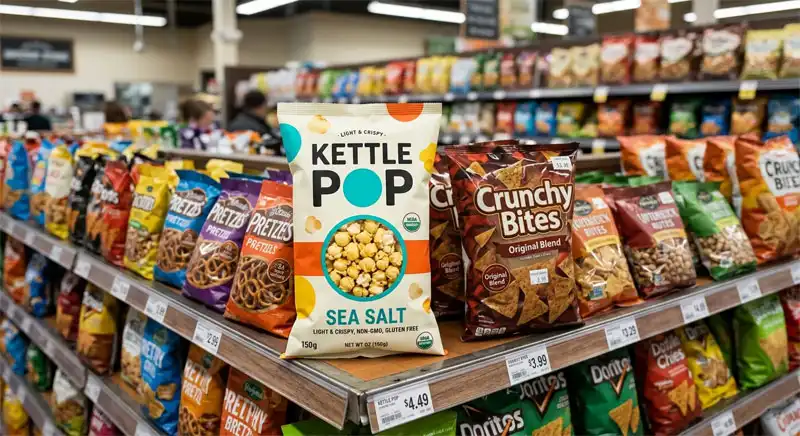
Selecting the right packaging partner requires careful evaluation of materials, customization capabilities, supplier reliability, and regulatory compliance.
Evaluating Material Composition and Barrier Properties
Use the right material frameworks for the right goods. High oxygen barriers are needed for coffee and snacks, resistance to wetness is needed for frozen foods, and odor control is helpful for pet treats. Talk to your providers about OTR and WVTR goals to make sure that recipes meet your shelf-life goals. Materials that can be recycled or composted should be tested by a third party to make sure that performance claims are in line with sustainability goals.
Customization Options for Brand Differentiation
Full-surface printing lets brands share stories about their products, nutritional information, and how to use them. Rotogravure printing can use up to 11 colors, so the prints will be bright and consistent even over long runs. Digital printing is good for short runs because it can be done faster and costs less to set up. Finishes like shiny, matt, or glossy make things look better. Functional add-ons like euro holes, tear cuts, and clear windows make shopping easier and look better in stores.
Navigating Supplier Landscape and Compliance
Cost structures, wait times, and legal knowledge of suppliers in China, the US, and other places are different. Chinese producers often have low prices and a lot of products to make. To make sure that quality systems meet international standards, check for certifications such as ISO 9001, BRC, and FDA compliance. Before placing a large order, ask for samples and test the strength of the seal. Check how responsive they are to communication and how well they can help with technical issues. These are things that affect the long-term success of a partnership.
Understanding MOQs, Lead Times, and Pricing Models
Minimum order amounts depend on the source and how complicated the customization is. Because digital printing lowers MOQs, it can be used for limited editions or test launches. Rotogravure printing has higher MOQs, but for big quantities, the cost per unit is lower. Lead times depend on the details of the order. Standard forms ship faster than fully customized designs. To lock in prices and make sure you have enough supplies during busy times, talk about big deals and make framework agreements.
Industry Insights – Top Brands, Trends, and Future Prospects
Staying informed about market developments helps procurement professionals anticipate changes and align sourcing strategies with emerging opportunities.
Leading Manufacturers and Innovation Leaders
Global sellers keep putting money into high-tech laminating tools, solvent-free glues, and accurate conversion machines. Manufacturers with decades of experience, like Guoshengli Packaging, which has been making flexible packaging for over 25 years and can make 20,000 tons of it every year, offer steadiness and technical know-how that younger companies may not have. Suppliers that have been around for a while have a history of handling repeat orders, keeping colors consistent, and helping with legal compliance across foreign markets.
Emerging Trends in Material Science
Transporting films that are light saves money and the environment without losing security. Bio-based polymers made from natural materials meet the requirements for sustainability. Advanced barrier coatings make thinner gauges work better, which means less material is needed. Volatile organic compound (VOC) emissions can be cut down with water-based inks and solvent-free lamination. This helps make manufacturing processes cleaner and meets stricter environmental rules in North America and Europe.
Innovations in Production and Customization
Digital printing technology lets you make smaller runs, make changes more quickly, and customize products on demand. Smart package features like QR codes and virtual reality make it easier for customers to interact with the product. Vision inspection-based automated quality control systems find flaws in real time, cutting down on waste and making sure that output is always the same. These new ideas make it easier for smaller brands to get started and help with flexible product development processes.
Future Outlook and Regulatory Influences
New rules on plastic trash, recycling requirements, and extended producer responsibility (EPR) programs will make more people want products that can be recycled or composted. Brands that choose to use eco-friendly products and clear supply lines will have an edge over their competitors. If e-commerce keeps growing, more people will need packaging that can handle the stresses of shipping. Buying groups should give more weight to companies that can do research and development and have plans for sustainability that are in line with long-term market trends.
Conclusion
Fin seal pouches are good for food, pet care, vitamin, and drink brands because they protect products well, make operations more efficient, and keep costs low. Because they can be used with high-speed automated lines, have barrier properties that can be changed, and have options for sustainability, they are a good choice for many situations. Procurement pros can make choices that protect product quality, help brands stand out, and align with long-term business goals when they understand structural differences, material options, and suppliers' abilities. As market trends move toward sustainability and e-commerce growth, working with experienced makers is the best way to make sure you have a steady supply of products and that they work well on all of your orders.
FAQ
1. What materials are commonly used for these pouches?
Most designs have a top layer made of PET or BOPP, a barrier layer made of nylon or metalized PET, and a sealant layer made of polyethylene. Foil laminates keep out as much light and oxygen as possible from sensitive products. As more brands care about the environment without sacrificing shelf life, recyclable mono-PE designs are becoming more popular.
2. How do pillow pouches compare in cost to other formats?
Fin seal pouches usually cost less than stand-up or spouted pouches because they are easier to make and use materials more efficiently. High-speed production cuts costs even more per unit. Buyers can save even more by buying in bulk and getting material specifications that are better suited to their needs instead of solutions that are over-engineered.
3. Can I customize size, barrier properties, and branding?
Of course. The size, construction, and effectiveness of the barrier can be changed to fit the needs of the product. You can print anything from simple one-color designs to complex graphics with custom finishes that use many colors. Features that are useful, like euro holes, tear cuts, and clear windows, make things easier to use and make them look better in stores. During the design phase, work closely with your suppliers to make sure that the packaging fits in with your brand's look and feel and with how your business runs.
Partner with a Trusted Fin Seal Pouch Manufacturer
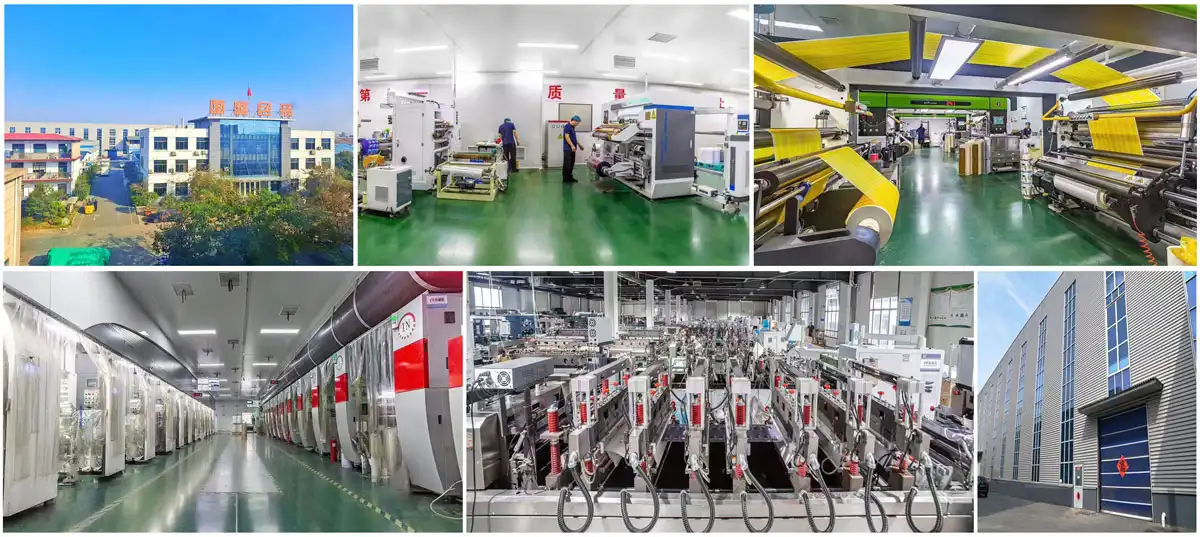
Guoshengli Packaging specializes in making personalized fin seal pouches that work in real-world production settings. We've been making things for 25 years, can make 20,000 tons of stuff a year, and are certified by ISO 9001, BRC, and FDA. We work with names in North America, Europe, and the Asia-Pacific region. Rotogravure printing in up to 11 colors, multilayer lamination, and precise converting equipment are some of the things we can do. We have flexible MOQs, wait times of as little as seven days for some orders, and choices for materials that can be recycled. Email our sales team at sales@guoshengpacking.com to get samples, talk about customization, or look into how much our next packaging project will cost.
References
1. Robertson, Gordon L. Food Packaging: Principles and Practice. 3rd ed. CRC Press, 2012.
2. Selke, Susan E.M., John D. Culter, and Ruben J. Hernandez. Plastics Packaging: Properties, Processing, Applications, and Regulations. 3rd ed. Hanser Publications, 2016.
3. Marsh, Kenneth, and Betty Bugusu. "Food Packaging—Roles, Materials, and Environmental Issues." Journal of Food Science 72, no. 3 (2007): R39-R55.
4. Yam, Kit L., ed. The Wiley Encyclopedia of Packaging Technology. 3rd ed. Wiley, 2009.
5. Brody, Aaron L., and Kenneth S. Marsh, eds. The Wiley Encyclopedia of Food Science and Technology. 2nd ed. Wiley, 1999.
6. Coles, Richard, Derek McDowell, and Mark J. Kirwan, eds. Food Packaging Technology. Blackwell Publishing, 2003.