- English
- French
- German
- Portuguese
- Spanish
- Russian
- Japanese
- Korean
- Arabic
- Greek
- German
- Turkish
- Italian
- Danish
- Romanian
- Indonesian
- Czech
- Afrikaans
- Swedish
- Polish
- Basque
- Catalan
- Esperanto
- Hindi
- Lao
- Albanian
- Amharic
- Armenian
- Azerbaijani
- Belarusian
- Bengali
- Bosnian
- Bulgarian
- Cebuano
- Chichewa
- Corsican
- Croatian
- Dutch
- Estonian
- Filipino
- Finnish
- Frisian
- Galician
- Georgian
- Gujarati
- Haitian
- Hausa
- Hawaiian
- Hebrew
- Hmong
- Hungarian
- Icelandic
- Igbo
- Javanese
- Kannada
- Kazakh
- Khmer
- Kurdish
- Kyrgyz
- Latin
- Latvian
- Lithuanian
- Luxembou..
- Macedonian
- Malagasy
- Malay
- Malayalam
- Maltese
- Maori
- Marathi
- Mongolian
- Burmese
- Nepali
- Norwegian
- Pashto
- Persian
- Punjabi
- Serbian
- Sesotho
- Sinhala
- Slovak
- Slovenian
- Somali
- Samoan
- Scots Gaelic
- Shona
- Sindhi
- Sundanese
- Swahili
- Tajik
- Tamil
- Telugu
- Thai
- Ukrainian
- Urdu
- Uzbek
- Vietnamese
- Welsh
- Xhosa
- Yiddish
- Yoruba
- Zulu

Brown kraft paper pouches represent a smart packaging solution combining sustainability with functionality. These natural-looking packages serve businesses seeking eco-friendly alternatives without sacrificing product protection. Manufactured from renewable kraft paper fibers and engineered with multi-layer barrier technologies, these pouches address growing consumer demand for environmentally responsible packaging while maintaining the strength and freshness protection required for diverse products. Their versatility spans food, pet treats, health supplements, and specialty goods, making them an increasingly popular choice among procurement professionals worldwide.
What Are Brown Kraft Paper Pouches Made Of and Why It Matters
Businesses can make better choices about where to get brown kraft paper pouches when they know what's in it. Product shelf life, brand image, and environmental effect are all directly affected by the structure of the material.
Natural Kraft Paper Foundation
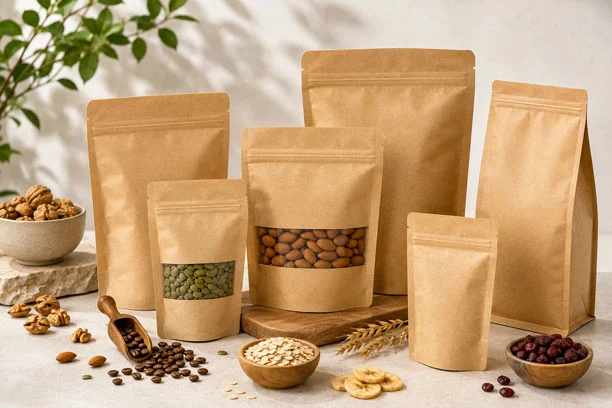
It is made of raw kraft paper that is usually between 40 and 80 GSM (grams per square meter). This natural paper is made from sulfate wood pulp using a chemical process that keeps the long wood fibers. This makes the paper very strong and resistant to tears. Because it hasn't been washed, it has that unique brown color that people associate with organic and environmentally friendly brands.
Multi-Layer Barrier Engineering
Brown kraft paper pouches have high-tech lamination systems that keep the goods safe from outside influences. Depending on the needs of the product, Guoshengli Packaging designs pouches with carefully chosen barrier layers such as aluminum foil (AL), metallized polyester (MET-PET), nylon (NY), or EVOH. These layers in the middle keep out oxygen, water, and UV light, all of which are important for determining how long dried foods, coffee, snacks, and vitamins will last.
Food-Safe Inner Sealing Layers
The interior layer can be sealed with heat and is safe for direct food contact. Polyethylene (PE), cast polypropylene (CPP), or reusable PE formulas are all choices. During production, this layer makes sure that the seal is airtight, and it also keeps the product's structure while it's being shipped. Total thickness is usually between 120 and 160 microns, which is a good balance between protection and material efficiency.
Why Material Selection Impacts Your Business
The right makeup of materials affects three important business outcomes: the longevity of the product, compliance with regulations, and the image of the brand. Oxygen-sensitive products, like roasted coffee, need walls made of aluminum foil. Moisture-resistant metallized films are better for packing dried fruits. Knowing these differences can help you avoid expensive product failures and customer complaints, and it can also help you make environmental messages that appeal to current consumers.
Benefits and Practical Uses of Brown Kraft Paper Pouches in Packaging
Beyond being good for the earth, brown kraft paper pouch packaging has many useful benefits. These pouches solve real practical problems and improve your brand's image at the same time.
Superior Product Protection
Brown kraft paper pouches have strong barriers against moisture, oxygen, and light because they are made of multiple layers. This protection makes the shelf life a lot longer. The three-side seal structure that is often used to package jerky makes edges that are strong enough to handle being handled while shipping and while being displayed in stores.
Enhanced Brand Authenticity
The look of natural kraft expresses sincerity and quality without the need for extra marketing messages. Brands that promote organic ingredients, artisanal production, or caring for the environment can benefit from the instant visual link that kraft paper makes. The matte finish allows for high-quality printing—our rotogravure process gives you up to 11 colors with clear details—so brands can mix natural looks with high-tech graphics.
Functional Design Features
These days, brown kraft paper pouches have features that make them easier for people to use. Easy-tear notches get rid of the need for scissors, making opening easier without affecting the seal's strength. With the addition of hang holes, boxes can be turned into ready-to-sell displays that can be set up on shelves or pegs. products that are used more than once can be kept longer with resealable zippers, and clear windows let you see what's inside without taking away from the kraft look.
Versatile Application Across Industries
We make brown kraft paper pouches for a wide range of markets at Guoshengli Packaging. Coffee roasters like how degassing valves let CO2 out while keeping oxygen out. Brands of pet treats like the grease-resistant inner layers that keep oil from moving around. Supplement companies benefit from moisture barriers because they keep hygroscopic powders from sticking together. Snack food makers use the structure's resistance to punctures for things like pretzels and granola clusters that have sharp edges.
Sustainable End-of-Life Management
Using responsible ways to get rid of trash is an important part of the circular economy. Fully compostable models with PLA (polylactic acid) bio-based liners completely break down in industrial composting areas, meeting the tightest sustainability standards for brands that want to reduce trash to zero.
Comparing Brown Kraft Paper Pouches to Other Packaging Options
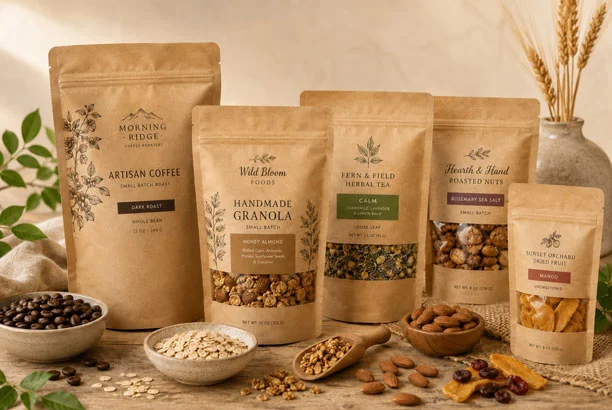
When looking at different types of packaging, you need to know both how well they work and how much they will cost throughout the whole supply chain.
Cost Considerations and Value Proposition
Most of the time, the cost of materials for brown kraft paper pouches is 15 to 25 percent higher than for similar plastic packaging. When you look at the total costs over the whole lifecycle, though, this price difference gets smaller. Brands often get higher prices by talking about sustainability, which helps them cover the costs of materials by making more money. Also, brown kraft paper pouches are cheaper for consumers and stores to throw away trash than hard plastic cases or multi-material packages that can't be recycled.
Resealable Features and Convenience
These days, brown kraft paper pouches are just as convenient as plastic packing. For zipper ends, PE or recyclable materials are heat-welded to the kraft structure to keep air out even when there are multiple holes. Degassing valves, which are important for coffee packing, work the same whether they are attached to paper or plastic. These feature additions make sure that kraft pouches can compete on functionality while still being good for the environment.
Brown Versus White Kraft Paper Selection
Compared to bleached white kraft paper, unbleached brown kraft paper is cheaper and better for the environment. The brown type doesn't need to be bleached with chemicals, so less water and chemicals are used in production. When you look at it, brown kraft gives off an air of rustic realism, while white kraft gives off an air of cleanliness and sophistication. The best choice depends on how the brand is positioned. For example, organic food brands tend to choose brown, while drug and vitamin companies tend to choose white for professional reasons.
How to Buy Brown Kraft Paper Pouches Wholesale: A B2B Procurement Guide
To buy brown kraft paper pouches effectively, you need to know what the suppliers can do, how to check the quality, and how to handle shipping.
Supplier Qualification Criteria
Reliable manufacturing partners show that they can do more than just make things. For entry to the US market, look for suppliers that have widely known certifications such as ISO 9001 for quality control systems, BRC for food packaging, and FDA compliance. These licenses show that quality control procedures have been put in place for a long time. This lowers the chance of batch differences or contamination problems that lead to expensive product returns.
Manufacturing Capacity and Scalability
How reliable the supply chain is is directly affected by how much can be produced. Our 20,000-ton annual capacity at Guoshengli Packaging makes sure that names that are growing quickly always have what they need. Check to see if potential suppliers use up-to-date tools. For example, rotogravure printing produces more consistent colors than flexographic options, and automated machinery for making brown kraft paper pouches ensures the accuracy of sizes that are necessary for automated filling lines to work.
Minimum Order Quantities and Lead Times
MOQ requirements are very different between suppliers. Digital printing lets you make smaller batches, starting at about 2,000 to 10,000 pouches. These can be used to test products or make limited editions. Rotogravure printing usually needs more than 20,000 bags to cover the costs of preparing the cylinder, but it has lower costs per unit for ongoing production. Standard wait times for rotogravure printing are 15 to 20 days, and for digital printing they are 7 to 10 days. Shipping from Asian makers takes an extra 4 to 5 days by air freight or 25 to 35 days by ocean freight.
Custom Printing and Branding Specifications
Production delays and quality problems can be avoided by giving clear instructions for the artwork. Give the right color values for the vector-format files—CMYK for digital printing or Pantone specs for rotogravure. During the initial discussions, make sure to include functional requirements such as where to put the tear notch, zipper, and hang hole. Before approving the production, ask for digital mockups to make sure you're happy with how it looks and where the features are placed.
Quality Verification Processes
Suppliers with a good reputation follow checking methods at several stages of production. Barrier film properties and paper specifications are checked when new raw materials come in. In-process tracking checks the correctness of the dimensions, print registration, and seal strength. Final inspection checks finished brown kraft paper pouches for flaws before they are packed. When you package food, get reports from a third party that test the barrier performance, seal integrity, and migration.
Global Shipping and Logistics Optimization
The cost of shipping has a big effect on the total cost of landing. Even though it costs more, air freight is best for pressing orders or small test amounts. For container-load volumes, ocean freight becomes cost-effective, but because of the longer transit times, accurate demand forecasting is needed. To make customs clearance and final delivery easier, work with companies that offer freight forwarding services or who already have relationships with foreign logistics providers.
Building Long-Term Supplier Relationships
Packaging accuracy between reorders depends on how stable the seller is and how well they can communicate. Set clear technical requirements that are written down in buy deals. Set up regular visits to the production facility or audits by a third party to make sure that quality standards are still being met. Keep lines of communication open so that problems can be fixed quickly. Suppliers who are responsive take quality concerns seriously and take clear corrective actions.
Why Choose Brown Kraft Paper Pouches: A Rational Decision Framework
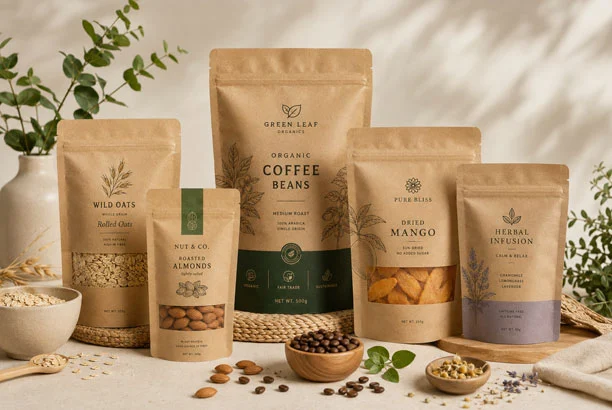
When making strategic decisions about packaging, you need to look at more than just the immediate cost of materials. Brown kraft paper pouches address a number of market forces that are coming together to affect business-to-business purchases.
Regulatory Environment and Trends in Compliance
More and more, government rules limit single-use plastics and require producers to take on more responsibility. SB 54 in California says that plastic packaging trash must be cut by 25% by 2032. The Single-Use Plastics Directive of the European Union bans some plastic products and sets standards for recycled material. Brown kraft paper pouches proactively meet these requirements, lowering the risks of not meeting regulations and the possible costs of making changes as rules get stricter.
Consumer Preference Shifts
More and more customers are willing to pay more for packaging that is better for the environment. Millennials and Generation Z users care a lot about being environmentally friendly, which affects their choices in food, pet care, and personal health. Brown kraft paper pouches stand out right away on store shelves and send a message that the brand's values are in line with what customers care about.
Brand Image and Where It Stands in the Market
Packaging acts as silent salespeople who talk about a brand's identity. Because brown kraft paper pouches look natural, they are good for premium, artisanal, or health-conscious markets. When compared to common goods in regular plastic packaging, this placement allows for higher prices. When brands switch to brown kraft paper pouches, they often use the change to show their commitment to sustainability in marketing efforts. This gets the attention of the media and makes customers happy.
How to Cut Costs in the Supply Chain
Even though the cost of materials is a little higher, brown kraft paper pouches save money in other ways. Because they are lighter than rigid crates, they cost less to ship, which is especially important for foreign shipping. When compared to bulky hard packing, the flexible shape makes the best use of warehouse room. Effective barrier protection keeps goods from going bad, which cuts down on waste all along the supply chain. These things help make total cost of ownership estimates more accurate.
Barrier Performance and Product Protection
Choosing the right brown kraft paper pouch structures is important for protecting the food's shelf life. Dried fruits, nuts, coffee, and other foods that go bad when exposed to air need aluminum foil or high-barrier metallized film layers. products that don't like being wet, like protein powders, do better in bags with EVOH or nylon buffer layers. By matching the barrier qualities to the needs of the product, you can avoid under-protection that leads to early spoilage or over-engineering that raises costs for no reason.
Partnership with Trusted Manufacturers
Long-term performance of packaging depends on how knowledgeable and reliable the supplier is. With 25 years of experience in flexible packaging, Guoshengli Packaging helps clients choose the right materials, plan their structures, and make the best use of barriers. During production, we use strict quality control methods to make sure that brown kraft paper pouches always work the same way, even when they are ordered again. Our factory makes things for names in North America, Europe, and the Asia-Pacific region. It has the global reach and technical communication tools needed for global supply lines.
Conclusion
Brown kraft paper pouches are a great way to protect products, show off your brand, and be good to the environment at the same time. Their natural kraft look appeals to eco-friendly shoppers, and multi-layer barrier technologies make sure that a wide range of products can stay fresh for a long time. Businesses can use brown kraft paper pouch solutions that help them meet both their operational goals and their sustainability pledges by learning about the materials used, reviewing their options, and working with qualified makers. Brown kraft paper pouches put brands in a good situation for long-term market success as rules get stricter and buyer tastes change.
FAQ
1. Are brown kraft paper pouches suitable for direct food contact?
FDA and EU food contact rules are met by brown kraft paper pouches made with food-grade inner layers. Instead of coming into direct contact with food, the brown kraft paper pouches have an inner layer of PE or CPP that keeps food safe. Manufacturers with a good reputation provide migration testing reports and compliance documentation that prove the material is safe for use in food applications.
2. Can I customize kraft pouches with my company logo and branding?
One of the best things about current brown kraft paper pouches is that they can be customized. Rotogravure printing can make images with up to 11 colors and great detail. The colors stay the same over long production runs. Digital printing is best for small runs because it can print in full color and gets the job done faster. Both ways keep the natural kraft look while accepting complicated artwork like logos, product photos, nutritional panels, and legal text.
3. How should businesses handle recycling and disposal of these pouches?
How to get rid of things depends on how they are constructed. To recycle brown kraft paper pouches with regular PE liners, you need special recycling centers that can separate the paper and plastic parts. These centers aren't available everywhere, but they are growing. Commercial composting centers that meet ASTM D6400 or EN 13432 standards can totally break down brown kraft paper pouches with compostable PLA liners. Brands should clearly sign packages with the right way to throw them away, based on the local trash management system, to help with the right end-of-life treatment.
Partner with Guoshengli Packaging for Your Kraft Pouch Needs

Businesses that need a reliable supplier of brown kraft paper pouches can benefit from Guoshengli Packaging's wide range of manufacturing skills and technical know-how. We've been making bendable packaging for more than 25 years and work with food brands, pet product companies, health supplement companies, and specialty goods companies all over the world. We keep our ISO 9001, BRC, and FDA certifications up to date and use modern rotogravure printing equipment that can produce 11-color images consistently of high quality across multiple orders. Email our team at sales@guoshengpacking.com to talk about your specific packaging needs, ask for samples, and get detailed quotes. We help you with everything, from choosing the right materials and designing the structure to printing, production, and safe foreign shipping. This way, we can make sure that your packaging always works well and supports your brand's goals.
References
1. Robertson, G.L. (2021). Sustainable Food Packaging: Principles and Practice. Academic Press.
2. Marsh, K. & Bugusu, B. (2019). "Food Packaging—Roles, Materials, and Environmental Issues." Journal of Food Science, 72(3), R39-R55.
3. Yam, K.L. (2020). The Wiley Encyclopedia of Packaging Technology. John Wiley & Sons.
4. Kirwan, M.J. & Strawbridge, J.W. (2018). Plastics in Food Packaging: Properties, Design, and Environmental Impact. Smithers Pira Technology.
5. Siracusa, V. & Blanco, I. (2020). "Bio-based Polymers: Recent Developments in Sustainable Food Packaging Applications." Polymers, 12(8), 1635.
6. European Bioplastics Association. (2022). Bioplastics Market Data and Industry Standards. Berlin: EUBP Publications.