- English
- French
- German
- Portuguese
- Spanish
- Russian
- Japanese
- Korean
- Arabic
- Greek
- German
- Turkish
- Italian
- Danish
- Romanian
- Indonesian
- Czech
- Afrikaans
- Swedish
- Polish
- Basque
- Catalan
- Esperanto
- Hindi
- Lao
- Albanian
- Amharic
- Armenian
- Azerbaijani
- Belarusian
- Bengali
- Bosnian
- Bulgarian
- Cebuano
- Chichewa
- Corsican
- Croatian
- Dutch
- Estonian
- Filipino
- Finnish
- Frisian
- Galician
- Georgian
- Gujarati
- Haitian
- Hausa
- Hawaiian
- Hebrew
- Hmong
- Hungarian
- Icelandic
- Igbo
- Javanese
- Kannada
- Kazakh
- Khmer
- Kurdish
- Kyrgyz
- Latin
- Latvian
- Lithuanian
- Luxembou..
- Macedonian
- Malagasy
- Malay
- Malayalam
- Maltese
- Maori
- Marathi
- Mongolian
- Burmese
- Nepali
- Norwegian
- Pashto
- Persian
- Punjabi
- Serbian
- Sesotho
- Sinhala
- Slovak
- Slovenian
- Somali
- Samoan
- Scots Gaelic
- Shona
- Sindhi
- Sundanese
- Swahili
- Tajik
- Tamil
- Telugu
- Thai
- Ukrainian
- Urdu
- Uzbek
- Vietnamese
- Welsh
- Xhosa
- Yiddish
- Yoruba
- Zulu

High barrier film rollstock extends the shelf life of fragile products by forming a barrier around them that keeps air, moisture, light, and outside contaminants out. This multi-layer packaging material has special polymer structures, which often include EVOH or metallized layers, that make it much harder for gases and vapours to pass through.
Understanding High Barrier Film Rollstock and Its Role in Shelf Life Extension
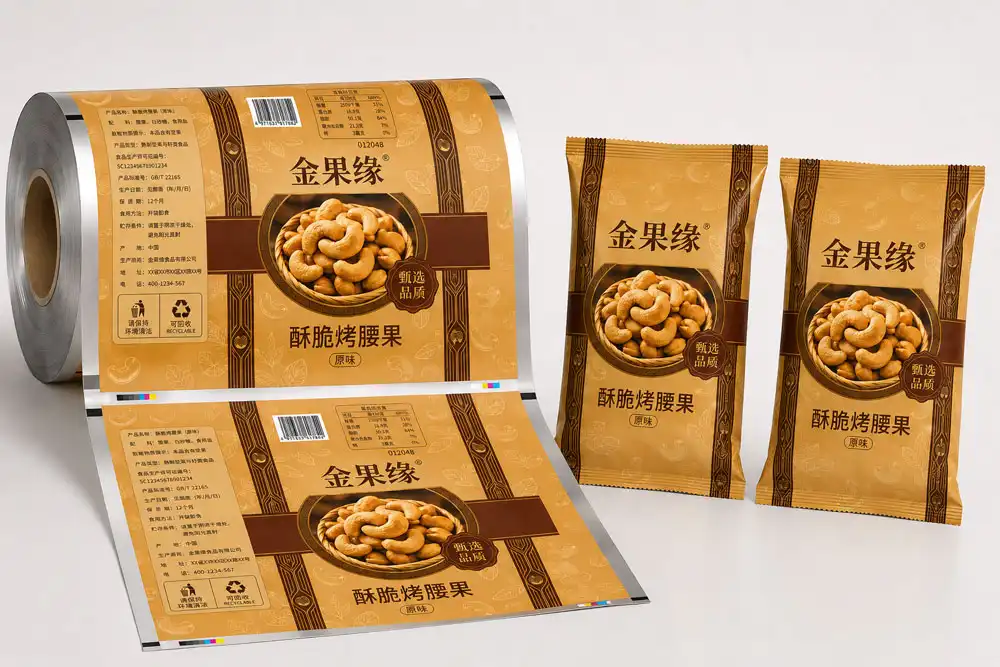
Failures in the packaging rarely show up during the first sample review. They show up weeks later, like when your production line stops in the middle of a run, when a lot of customers complain, or when your perishable goods go bad before they should. We at Guoshengli Packaging have seen these situations happen over the 25 years we've been making flexible packaging, and we've built our solutions to stop them.
What Makes High Barrier Films Different from Standard Packaging
Traditional packaging films offer some basic protection, but they aren't good enough to stop the four main threats to fresh goods: air getting in, moisture getting through, light exposure, and flavour loss. These weaknesses can be fixed with high barrier film rollstock that is made of designed multi-layer structures that use specific polymer combos. Each layer protects something different while still allowing automatic packing tools to move freely.
The structure usually has an oxygen shield layer (EVOH or PVDC), outer layers that don't absorb water (PE or PP), and structural stability layers that keep the structure from getting punctured while it's being handled. This careful layering makes transmission rates as low as 1 cc/m²/24h for oxygen and 1 g/m²/24h for water vapour, which are levels of performance that regular films can't even come close to.
Core Material Technologies Behind Barrier Performance
EVOH (ethylene vinyl alcohol) is very good at blocking oxygen, but it needs to be kept away from moisture because it weakens its barrier properties. We put EVOH between layers of slippery plastic to keep the performance stable even when the storage conditions change. The PVDC (polyvinylidene chloride) material protects well against both oxygen and water, but regulatory issues in some markets have made people prefer other structures.
Metallised films have layers of aluminium oxide or silicon oxide that work well as shields while still being flexible. New developments in single-material PE structures with AlOx or SiOx layers make them recyclable without lowering their security. This meets both performance needs and environmental standards.
The Science Behind Shelf Life Improvement for Perishable Goods
Understanding how barriers break down helps procurement teams choose the right specifications. Goods that go bad quickly go bad in expected ways that are sped up by certain natural factors.
How Oxygen Accelerates Product Degradation
Basically, oxidation is what breaks down lipid-containing foods the most. When oxygen molecules get into packaging, they start chemical processes that change the taste, colour, and nutrients of the food. Coffee gets old-smelling, nuts go bad, and dried fruits lose their bright colour. These processes are stopped by high barrier film rollstock with oxygen transfer rates below 1.0 cc/m²/24h. This makes the shelf life longer, from weeks to months.
When it comes to fresh meat, there are extra problems. Oxygen exposure helps aerobic bacteria grow and changes the colour of myoglobin from red to brown, which is not very appealing. Using high barrier films in modified atmosphere packing keeps certain gas mixtures (usually 80% O2 and 20% CO2 for red meat) that keep the colour and stop microbes from growing.
Moisture Control and Its Impact on Product Stability
Products are affected in both directions by moisture transmission. Products that are hygroscopic, like instant coffee, powdered vitamins, and dried pet treats, take in water from the air and cause them to clump, cake, and grow microbes. On the other hand, porous packaging lets goods that naturally contain water escape, like semi-moist pet food. This changes their feel and causes them to lose weight.
Our multi-layer barrier designs keep the transfer of water vapour below 1.0 g/m²/24h, which keeps the atmosphere fixed even when the humidity outside changes. This level of accuracy is especially useful for goods that are being shipped around the world and going through different climate zones.
Light Protection and Volatile Retention
Photochemical processes that break down vitamins, dyes, and flavour chemicals are sped up by ultraviolet and visible light. Products with light-sensitive ingredients, like some supplements, herbs, and speciality foods, need opaque or metallized barrier films that stop all light from passing through.
Keeping the smell is just as important. Volatile organic compounds can't get out of the packaging because of high barrier film rollstock. This keeps the sensory qualities that define product quality. This is shown by coffee packaging: if there isn't enough barrier protection, scent chemicals break down within days, leaving behind a flat, uninteresting product.
Comparing High Barrier Film Rollstock to Other Packaging Solutions
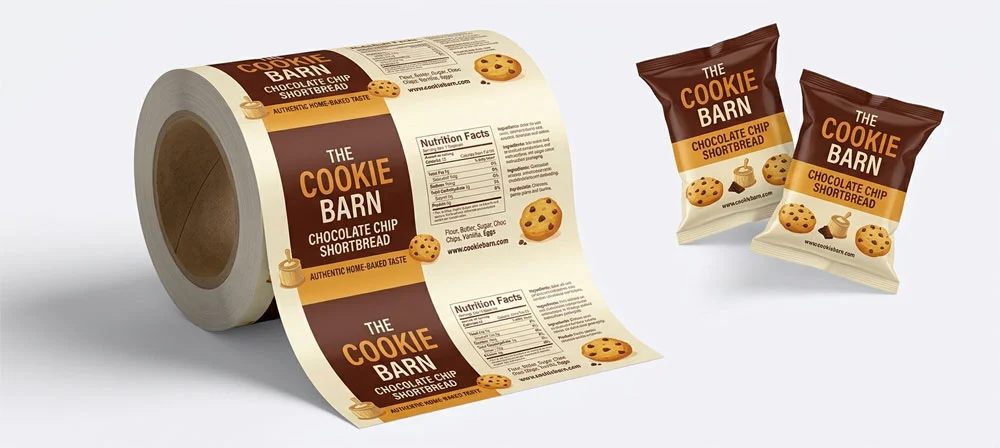
When making decisions about what to buy, it's important to compare the performance of different technologies in a fair way. Each type of packaging has its own pros and cons that affect total cost, working effectiveness, and product safety.
High Barrier Rollstock versus Metallized Films
Through vacuum-deposited aluminium layers, metallized films have great barrier properties. But these structures usually can't be recovered through regular plastic lines. This makes them hard to get rid of in markets with strict rules about extended producer responsibility. High barrier film rollstock provides the same level of protection as reusable mono-material choices, meeting both performance and environmental concerns at the same time.
There are also operational issues to think about. High-speed form-fill-seal machines can get static electricity from metallized films, which can cause registration issues and slow down production. Our high barrier films have anti-static chemicals and optimised surface processes that keep the coefficient of friction values fixed, even when production speeds reach more than 100 packages per minute.
Aluminum Foil Structures versus Polymer Barrier Films
Zero air, zero moisture, and zero light can pass through aluminium foil, making it a total barrier. There are some bad things about this performance. Foil shapes aren't flexible, so they can't be used for shaped or stand-up pouches. Also, getting rid of them is hard because foil-laminated buildings can't be recycled and need special trash handling.
A useful middle ground is high barrier film rollstock. Even though the transfer rates are a little higher than with foil, they are still low enough to keep most fragile things safe for as long as they are supposed to. The films are flexible, so they can be used in a variety of package formats. New structures made of only one material also help with circular economy efforts without sacrificing protection.
Vacuum Packaging and Gas Flushing Applications
Vacuum packing takes oxygen from the air by mechanical removal, and the film's protective qualities stop oxygen from entering again. Gas flushing, also known as "modified atmosphere packaging," replaces the air in the package with a mixture of gases that are best for the product. To keep protected atmospheres, both methods rely on packing materials that let very little air through.
The most important part of these technologies is the high barrier film rollstock. Without good barrier performance, vacuum packages slowly lose their tight seal as oxygen leaks in. At the same time, modified atmospheres change their make-up as gases move through permeable films. Our films keep OTR specs below 1.0 cc/m²/24h, which means that the vacuum and MAP effects last for months even during long distribution cycles.
Procurement Insights: Selecting and Buying High Barrier Film Rollstock
Successful procurement extends beyond comparing price quotes. The most cost-effective packaging solution balances initial material cost against total system performance, including production efficiency, product protection, and supply chain reliability.
Critical Specification Parameters
Oxygen transmission rate and water vapor transmission rate form the foundation of barrier evaluation, but complete specifications must address additional parameters. Seal strength determines whether packages maintain integrity through distribution handling. Puncture resistance indicates resilience against mechanical stress during transit. Heat seal initiation temperature defines the processing window for automated equipment.
We recommend requesting complete technical data sheets that document ASTM test results for all critical properties. Many packaging problems trace back to missing specifications that suppliers assumed were unimportant. Transparency at the specification stage prevents costly surprises during production scale-up.
Certification and Compliance Considerations
Food contact packaging must comply with FDA regulations in the United States and EU 10/2011 in European markets. These frameworks specify permissible materials, migration limits for monomers and additives, and testing protocols to verify compliance. Our high barrier film rollstock carries FDA and EU food-contact certifications verified through independent laboratory testing.
Beyond regulatory minimums, many customers require additional certifications. BRC (Brand Reputation Compliance) certification demonstrates systematic quality management throughout manufacturing operations. ISO 9001 certification provides framework assurance for process consistency. These credentials reduce procurement risk by confirming that suppliers maintain documented quality systems subject to regular third-party audits.
Evaluating Supplier Capabilities
Production capacity directly affects delivery reliability. At Guoshengli Packaging, our facility includes 7 rotogravure printing lines capable of 11-color reproduction, 6 laminating machines for barrier structure construction, and 49 converting units for rollstock finishing. This infrastructure enables us to handle both large-volume continuous orders and urgent short-run requirements without capacity conflicts that delay deliveries.
Lead times vary by printing technology and order volume. Digital printing enables prototype development and small-batch production with 7-10 day turnaround, ideal for market testing and new product launches. Rotogravure printing suits higher volumes with 15-20 day production cycles, delivering superior print consistency and lower per-unit costs for established products.
Sustainability and Total Cost Considerations
Recyclable packaging options increasingly influence purchasing decisions as brands respond to consumer preferences and regulatory mandates. Mono-material high barrier PE structures maintain recyclability while delivering OTR performance previously requiring multi-material laminates. These films support circular economy goals without compromising product protection—a combination that traditional barrier structures could not achieve.
Total cost analysis must extend beyond material price per kilogram. Thinner high-performance films reduce material usage and shipping weight while maintaining protection levels. Optimized barrier properties may eliminate preservative requirements, simplifying ingredient labels. Consistent quality reduces filling line stoppages and rework expenses. When evaluated comprehensively, premium barrier films often deliver lower total system costs than cheaper alternatives.
Best Practices and Future Trends in Using High Barrier Film Rollstock
The success of packaging rests on both the quality of the materials used and how they are used. When handled wrong or used with equipment that doesn't work with them, even the most advanced films don't work as well as they should.
Proper Storage and Handling Protocols
When kept properly (below 25°C and 60% relative humidity), high barrier film rollstock keeps its technical qualities for 12 months. If the storage conditions are not within these ranges, the barrier may not work as well before the material even gets to the production equipment. For the best material performance, we suggest climate-controlled storage and first-in, first-out product turnover.
The way things are handled affects how efficiently they work. Before it is used, rollstock should be brought up to the temperature of the working area. This keeps mist from forming, which can make heat sealing less effective. Corona treatment levels drop over time, so materials should be printed and coated within the time frames that are suggested. These details may not seem important, but they affect how well packing works across different production runs.
Heat Sealing Optimization
The integrity of the seal depends on exact temperature, dwell time, and pressure settings that are set to work with certain film structures. If you don't seal well enough, oxygen and moisture can get in, which defeats the purpose of the barrier. Too much heat breaks down polymers, which makes seals less strong and opens the door to contamination problems. We give detailed sealing setting suggestions for each film structure based on tests done on commercial form-fill-seal machinery.
These days, automatic seal checking systems check each and every package on modern packing lines. These technologies find tiny problems with the seals on goods before they leave the factory. This stops failures in the field that hurt the brand's image and lead to expensive refunds.
Emerging Innovations in Barrier Technology
New discoveries in material science keep changing what barrier packaging can do. Nano-clay additives improve barrier properties while lowering film thickness. This saves material without lowering protection. Bio-based barrier polymers made from renewable feedstocks meet sustainability goals while keeping up the performance standards set by materials made from petroleum.
Compared to traditional rotogravure printing, digital printing lets you make smaller runs and make design changes more quickly. Variable data printing helps with serialisation and anti-counterfeiting tasks that are becoming more important in controlled markets. These features make packaging useful for more than just protecting products.
The integration of smart packaging is a new frontier. With QR codes and NFC tags, you can interact with customers and keep track of your supply chain. Time-temperature indicators show that the cold chain is working properly. Oxygen indicators let you know when a barrier fails before the quality of the product goes down. Even though these technologies are still only used in a few situations, they show how packaging has changed from an inactive device to an active information platform.
Conclusion
By protecting against oxygen, moisture, light, and contamination, high barrier film rollstock makes it possible for perishable goods to last longer on the shelf. Multi-layer polymer structures with EVOH, metallised coats, or advanced mono-material shapes make transmission barriers that slow down the breakdown process. This keeps the quality of the product high for longer periods of time during distribution. Compared to other types of packaging, these films offer the best balance of protection, operational efficiency, cost-effectiveness, and new requirements for sustainability. To make a good purchase, you need to look at all the technical specs, make sure they follow the rules, and choose sources who have a history of making things and clear quality systems.
FAQ
1. What barrier performance should I specify for my product?
Required barrier levels depend on product sensitivity, desired shelf life, and storage conditions. Products high in fats or oils typically require oxygen transmission rates below 1.0 cc/m²/24h to prevent rancidity. Hygroscopic powders need water vapor transmission rates under 1.0 g/m²/24h to avoid caking. Our technical team conducts product-specific assessments to recommend optimal specifications based on your protection requirements and target shelf life.
2. Can high barrier films be made sustainable and recyclable?
Recent material innovations enable recyclable barrier films that maintain performance standards previously requiring multi-material structures. Mono-material PE films with AlOx or SiOx coatings deliver excellent oxygen barriers while remaining compatible with standard recycling streams. We also offer compostable PLA/PBAT-based solutions for applications where end-of-life disposal takes priority, though these materials require validation to ensure adequate shelf life protection for specific product types.
3. How do I verify that rollstock will work on my equipment?
Compatibility testing prevents costly production disruptions. We recommend requesting sample rolls for trials on your actual form-fill-seal machinery, evaluating runnability, seal quality, and package integrity under normal operating speeds. Critical parameters include coefficient of friction for web transport, heat seal initiation temperature for your sealing jaws, and dimensional stability under tension. Our team provides technical support throughout trial processes to optimize equipment settings for our film structures.
Partner With Guoshengli Packaging for Reliable Barrier Film Solutions
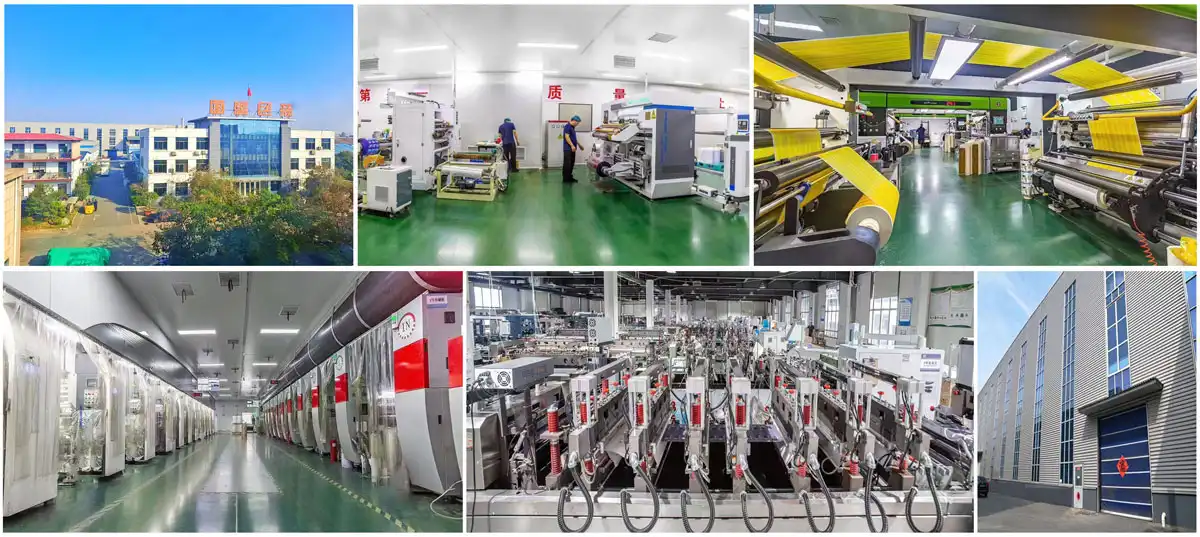
Packaging problems reveal themselves during production scale-up and repeat orders—not in initial samples. At Guoshengli Packaging, we eliminate these uncertainties through 25 years of manufacturing experience serving food, pet food, coffee, and health brands across North America, Europe, and Asia-Pacific markets. Our high barrier film rollstock delivers consistent oxygen and moisture protection engineered for automated filling lines, helping you avoid filling interruptions, product spoilage, and quality complaints.
We manufacture complete barrier packaging solutions—from custom rollstock films to finished pouches—using 7 rotogravure printing lines, 6 laminating machines, and 49 converting units. Whether you need recyclable mono-material structures, FDA-compliant food-contact films, or rapid digital printing for market testing, our team provides technical guidance from material selection through production optimization. Contact us today at sales@guoshengpacking.com to discuss your protection requirements with an experienced high barrier film rollstock supplier ready to support your long-term growth.
References
1. Robertson, Gordon L. "Food Packaging: Principles and Practice, Third Edition." CRC Press, 2012.
2. Coles, Richard, and Mark Kirwan. "Food and Beverage Packaging Technology, Second Edition." Wiley-Blackwell, 2011.
3. Marsh, Kenneth, and Betty Bugusu. "Food Packaging—Roles, Materials, and Environmental Issues." Journal of Food Science, Vol. 72, No. 3, 2007.
4. Yam, Kit L. "The Wiley Encyclopedia of Packaging Technology, Third Edition." John Wiley & Sons, 2009.
5. Hernandez, Ricardo J., et al. "Packaging and Food Quality." Modern Developments in Food Analysis, Volume 2, International Academic Publishers, 2015.
6. Singh, S. Paul, and Aaron L. Brody. "Packaging Technology: Fundamentals, Materials and Processes." Smithers Pira Technology, 2018.