- English
- French
- German
- Portuguese
- Spanish
- Russian
- Japanese
- Korean
- Arabic
- Greek
- German
- Turkish
- Italian
- Danish
- Romanian
- Indonesian
- Czech
- Afrikaans
- Swedish
- Polish
- Basque
- Catalan
- Esperanto
- Hindi
- Lao
- Albanian
- Amharic
- Armenian
- Azerbaijani
- Belarusian
- Bengali
- Bosnian
- Bulgarian
- Cebuano
- Chichewa
- Corsican
- Croatian
- Dutch
- Estonian
- Filipino
- Finnish
- Frisian
- Galician
- Georgian
- Gujarati
- Haitian
- Hausa
- Hawaiian
- Hebrew
- Hmong
- Hungarian
- Icelandic
- Igbo
- Javanese
- Kannada
- Kazakh
- Khmer
- Kurdish
- Kyrgyz
- Latin
- Latvian
- Lithuanian
- Luxembou..
- Macedonian
- Malagasy
- Malay
- Malayalam
- Maltese
- Maori
- Marathi
- Mongolian
- Burmese
- Nepali
- Norwegian
- Pashto
- Persian
- Punjabi
- Serbian
- Sesotho
- Sinhala
- Slovak
- Slovenian
- Somali
- Samoan
- Scots Gaelic
- Shona
- Sindhi
- Sundanese
- Swahili
- Tajik
- Tamil
- Telugu
- Thai
- Ukrainian
- Urdu
- Uzbek
- Vietnamese
- Welsh
- Xhosa
- Yiddish
- Yoruba
- Zulu

When procurement professionals search for reliable, cost-effective packaging that protects product integrity while enhancing shelf presence, fin seal pouches consistently emerge as a top choice. This pillow-style packaging format—recognized by its distinctive back seal configuration—combines structural strength with production efficiency, making it indispensable across food, pet treats, confectionery, and supplement industries. Understanding how these pouches work, when to choose them, and what to look for in a manufacturing partner can directly impact your product's market success and operational costs.
Understanding Fin Seal Pouches: Definition, Functionality, and Benefits
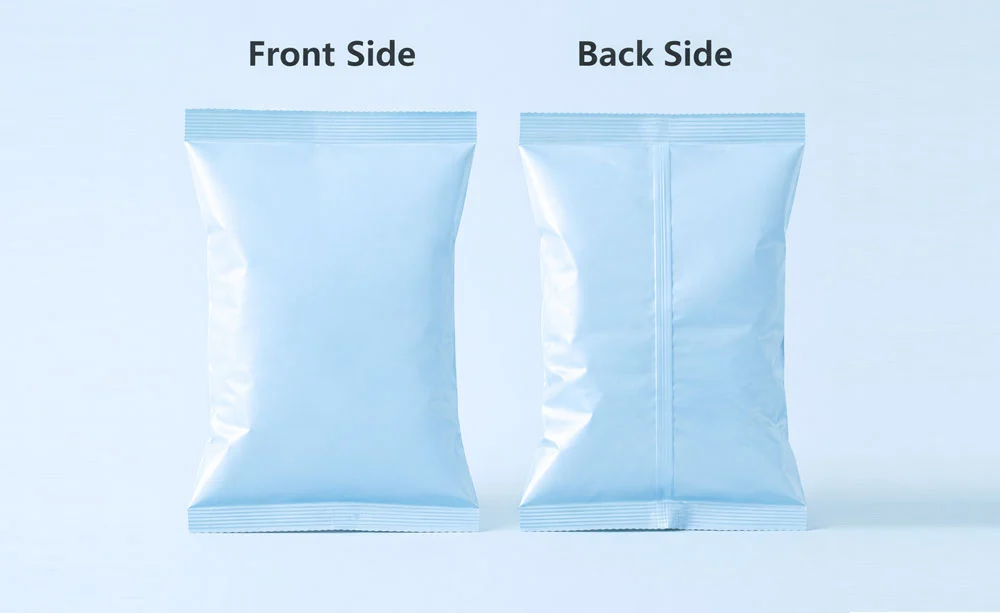
What Makes Pillow Pouches Different from Other Formats
A Fin seal pouch, also known as a pillow pouch or T-seal pouch, is made by folding flexible film in half and closing the insides together to make a "fin" that sticks out along the back panel. This back center seal does a great job of keeping the structure strong and the contents safe from moisture, oxygen, and other outside contaminants. The design works perfectly on both Vertical Form Fill Seal (VFFS) and Horizontal Form Fill Seal (HFFS) machines, so production can go quickly without affecting the quality of the seals or the consistency of the sizes.
Core Functional Advantages for B2B Buyers
This style of bag is useful for procurement teams in a number of ways. When you use the interior-to-interior seal method instead of lap seals, which need the outer and inner pieces to be suitable, you can use a stronger barrier. ASTM F88 measurements show that the heat seal strength stays high across production runs. This keeps the seals from popping during shipping and lowers customer complaints. A low coefficient of friction (COF) makes it easy for materials to move over forming collars without sticking. This keeps automated filling lines running smoothly and increases throughput.
Brand Visibility and Shelf Impact
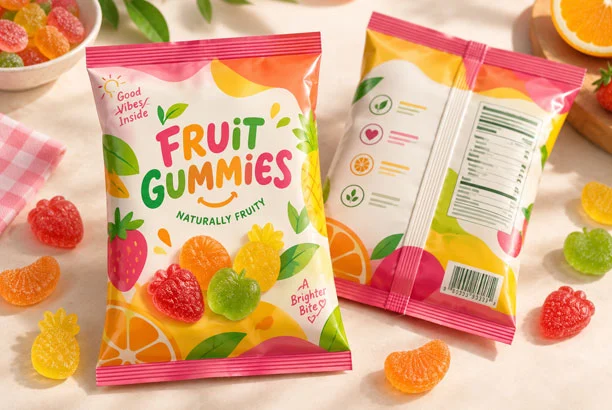
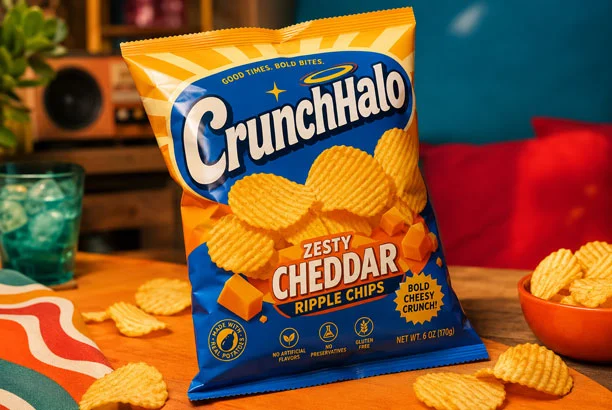
Full print areas on the front and back of packaging make it a marketing tool. Rotogravure printing in up to 11 colors makes designs that are bright and lifelike, which stand out on store shelves where there are a lot of other products. Custom finishes, like shiny, dark, metallic, or see-through window panels, let brands show right away that their products are of high quality and are brand new. Optional euro holes make it easier to hang displays, which increases the number of ways to show products and raises the exposure of candy, snacks, and pet treats in stores.
Types, Materials, and Design Options of Fin Seal Pouches
Material Structures Engineered for Barrier Performance
The shelf life and protection of a product are directly affected by the laminate structure that is chosen. To meet the needs of different applications, multi-layer films find a good mix between being able to print, being a barrier, and being able to seal. The outside layer is usually made of PET, matte PET, or BOPP, which makes it strong, easy to print on, and nice to look at. To stop the flow of air, light, and moisture, middle barrier layers are made of nylon (NY), metallized PET (MET-PET), aluminum foil (AL), or EVOH. Inner sealant layers made of PE, CPP, LLDPE, or recyclable PE make sure that the package can be heat sealed and meets food contact regulations like FDA and EU rules. To meet the rising demand for sustainability, mono-PE structures that can be recycled and PLA/PBAT films that can be broken down and composted are being used. These choices are good for the environment and help brands meet their business responsibility goals. They also appeal to eco-conscious customers, especially in North American and European markets using fin seal pouches.
Customization Parameters That Align with Production Needs
For each type of product, specific requirements must be met. Size and form can be changed completely to fit the weight, volume, and needs of the filling system. There are different ways to print, from colorful rotogravure for large orders to adaptable digital printing for short runs and test markets. For some special orders, the wait time is as little as seven days. Add-ons that do something improve the user experience and the performance of the store. Euro holes make hanging displays possible, easy-tear cuts make opening easier, resealable zippers keep food fresh longer after opening, and clear windows let you see the food right away, which is especially helpful for high-end candy and fancy snack brands. For digital printing projects, lower MOQs are possible, but the minimum order quantity for each design starts at 10,000 pieces.
Distinguishing Pillow Pouches from Alternative Formats
Knowing the differences in structure helps procurement teams choose the best format. Side seal bags have seals along the edges, which makes them flatter but less stable in the vertical direction. Bottom gusset bags give you a stable base for standing, which is great for heavy products that need to be shown off straight. For products that are used often, like pet treats or protein powders, zip lock pouches put resealability first. Vacuum pouches take out the air in perishable things to make them last longer, but they need special care and tools. Fin seal pouch packaging is the best choice for high-speed production settings that need to keep the integrity of the seal and switch over quickly because it is both cost-effective and useful.
Comparing Fin Seal Pouches with Other Packaging Solutions
Cost Efficiency and Material Utilization
Lower costs per unit are a direct result of material efficiency. Pillow designs cut down on trash by making the best use of film and working with fast-converting machines. Time-to-market for new products and seasonal package changes is sped up by easy setup, uniform sealing, and little downtime. When compared to more complicated formats that need special tools or steps that must be done by hand, these practical benefits lower the total cost of ownership.
Application-Specific Performance Considerations
Different formats are good for some types of products. For liquid goods like sauces or soaps, you may need bottom gusset or spout bags with stronger seams and special seals. Products with sharp edges, like hard treats or nuts with shells, need extra protective layers or thicker gauge films to keep them from being punctured. Professionals in charge of buying things should look at these things along with the needs of the product in order to pick packaging that meets goals for cost, ease, and preservation.
Procurement Guide: How to Source and Buy Fin Seal Pouches for Your Business
Evaluating Manufacturing Partners and Quality Certifications
Long-term supply stability and product consistency depend on how reliable the supplier is. ISO 9001 quality management systems, BRC food packaging licenses, and FDA compliance paperwork all make sure that foreign standards are met and lower the risk of not following them. The ability to make things is important. Advanced rotogravure printing lines (with up to 11 colors), precise laminating equipment, and automated fin seal pouches making machines make sure that measurements are always correct and colors stay the same from one order to the next. Quality problems that cause filling lines to stop, goods to be refused, and expensive delays can be avoided by checking the seals, barriers, tensile strength, and print durability in-house.
Order Logistics and Lead Time Optimization
Minimum order amounts, price structures, and shipping times all have a direct effect on planning your inventory and your cash flow. Manufacturers with variable MOQs (starting at 10,000 pieces per design) can test the market or roll out the product on a big scale. With lead times as short as seven days, digital printing makes it easier for new businesses and limited editions to get their products out there. Uncertainty is reduced by clear communication throughout the buying cycle. You can expect detailed steps for making the die line, approval processes for the artwork, and regular production reports from the design phase through final delivery. Export-grade box packing and palletizing keep things from getting damaged while they're being shipped internationally, whether by sea or fast air freight.
Compliance, Testing, and Risk Mitigation
Food-grade rules are different in each market. U.S. imports are controlled by FDA rules, while EU rules add extra migration and contact testing rules. Working with suppliers who offer SGS and third-party testing helps make compliance paperwork and customs clearance go more quickly. Fully tracked raw materials and quality records at the batch level make it possible to respond quickly to audits or customer questions, which protects the brand's image and keeps disagreements from happening later on.
Environmental Impact and Future Trends of Fin Seal Pouch Packaging
Assessing Recyclability and Compostability Options
Traditional multi-layer laminates protect better, but they are hard to recycle because they are made of different materials. Mono-material innovations, especially recyclable mono-PE and mono-PP laminates, keep the barrier performance and high-speed runnability while making it possible to use current recycling streams. Compostable PLA/PBAT films break down at the end of their useful life in industrial composting facilities, which makes them appealing to brands that want to reach environmentally conscious customers using Fin seal pouches.
Manufacturing Innovations Reducing Environmental Footprint
During printing and laminating, advanced RTO (Regenerative Thermal Oxidizer) exhaust gas treatment technology captures and neutralizes volatile organic compounds (VOCs). This lowers air pollution and makes the workplace safer. Water-based inks and solvent-free adhesives cut down on the use of chemicals without affecting the quality of the prints or the strength of the laminate bonds. These changes to the process are in line with the company's goals for sustainability and with legal trends that favor better ways of making things.
Strategic Sourcing for Sustainable Packaging
More and more, procurement workers in North America and Europe are being pushed to show that they care about the climate. Using pillow pouches that can be recycled or composted shows that you care about the environment while still protecting products and extending their shelf life. Lifecycle evaluations, asking for environmental product declarations (EPDs), and checking third-party sustainability approvals are all things that can help prove what suppliers say and support clear reporting to stakeholders.
Conclusion
Fin seal pouches are a tried-and-true, flexible way to package products that protects, speeds up production, and raises brand awareness in a wide range of industries. They are great for food, candy, pet treats, and supplements because they have a strong back seal structure, can work with high-speed automated lines, and can have their designs changed to fit your needs. Procurement pros can get packaging that consistently works, lowers operational risk, and supports long-term market growth by learning about the structures of materials, comparing different format options, and choosing production partners with strong quality systems and environmentally friendly practices.
FAQ
1. Why choose a pillow pouch over a lap seal for barrier-sensitive products?
Fin seal pouches bind the inner layers together, which makes the barrier work better because the same-side seal stops problems with the outer and inner films not working well together. Lap seals need materials on the outside and inside that are compatible, which can limit barrier options and make them less flexible.
2. How can leaks at top and bottom junctions be prevented?
Most leaks happen because the bigger T-junction area doesn't have enough rest time or pressure. By changing the sealing jaw's temperature, pressure, and contact time, you can make sure that the junction melts at the right temperature without burning thinner film sections and keeping the seal.
3. What causes the back fin to curl or wrinkle during production?
Most of the time, uneven web strain or an uneven coefficient of friction between film layers cause them to curl or wrinkle. With accurate tension control on VFFS tools and consistent materials, this problem can be solved, resulting in a flat, professional look.
4. Are pillow pouches suitable for liquid products?
High-barrier nylon (BOPA) laminates with special sealants can be used for liquids like sauces, dressings, or detergents, even though they are mostly made for solids and powders. Punctures and leaks are stopped by reinforced gaps and thicker gauge films.
Partner with a Trusted Fin Seal Pouch Manufacturer
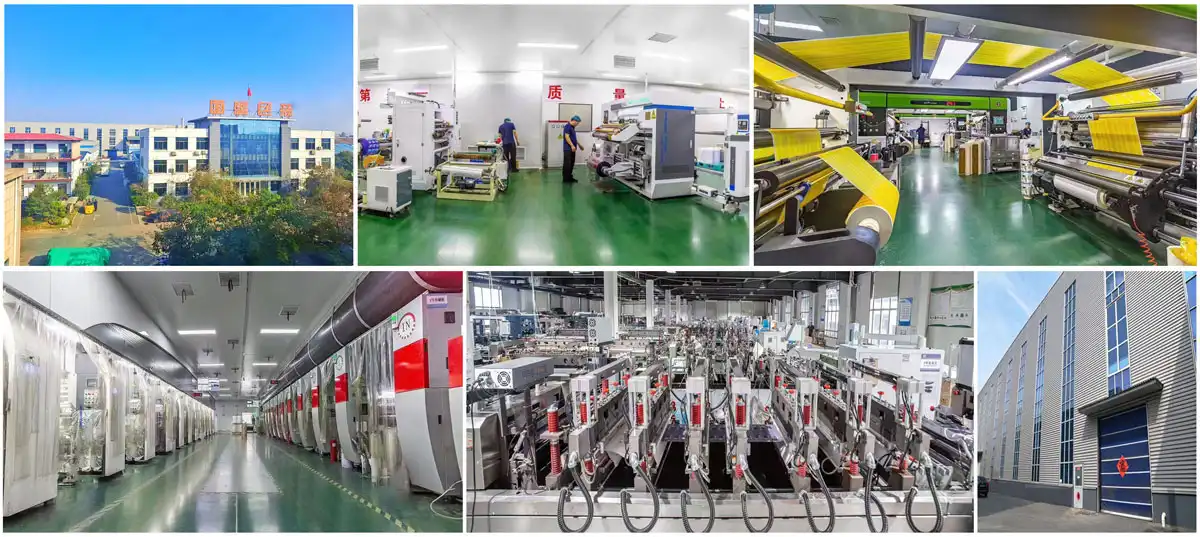
Guoshengli Packaging offers enterprise-level Fin seal pouches solutions backed by 25 years of manufacturing experience, ISO 9001, BRC, and FDA certifications, and the ability to produce 20,000 tons of goods every year. Our flexible packaging, which includes strong back seals, long-lasting multi-layer laminates, euro hole options, clear window displays, and recyclable materials, keeps your goods safe while making the most of their shelf impact. With flexible MOQs, wait times of as little as seven days for some orders, and dedicated technical support, we help brands of all sizes, from those just starting out to those that are very big, get consistent quality and reliable supply. Check out our full selection of solutions that can be changed to fit the needs of your product. Email our expert advisers at sales@guoshengpacking.com to talk about bulk orders, price, and environmentally friendly package choices.
References
1. Robertson, Gordon L. Food Packaging: Principles and Practice, 3rd Edition. CRC Press, 2013.
2. Marsh, Kenneth and Betty Bugusu. "Food Packaging—Roles, Materials, and Environmental Issues." Journal of Food Science, Vol. 72, No. 3, 2007.
3. Selke, Susan E.M., John D. Culter, and Ruben J. Hernandez. Plastics Packaging: Properties, Processing, Applications, and Regulations, 3rd Edition. Hanser Publications, 2016.
4. Coles, Richard, Derek McDowell, and Mark J. Kirwan, editors. Food Packaging Technology. Blackwell Publishing, 2003.
5. Emblem, Anne and Henry Emblem, editors. Packaging Technology: Fundamentals, Materials and Processes. Woodhead Publishing, 2012.
6. Yam, Kit L., editor. The Wiley Encyclopedia of Packaging Technology, 3rd Edition. Wiley, 2009.