- English
- French
- German
- Portuguese
- Spanish
- Russian
- Japanese
- Korean
- Arabic
- Greek
- German
- Turkish
- Italian
- Danish
- Romanian
- Indonesian
- Czech
- Afrikaans
- Swedish
- Polish
- Basque
- Catalan
- Esperanto
- Hindi
- Lao
- Albanian
- Amharic
- Armenian
- Azerbaijani
- Belarusian
- Bengali
- Bosnian
- Bulgarian
- Cebuano
- Chichewa
- Corsican
- Croatian
- Dutch
- Estonian
- Filipino
- Finnish
- Frisian
- Galician
- Georgian
- Gujarati
- Haitian
- Hausa
- Hawaiian
- Hebrew
- Hmong
- Hungarian
- Icelandic
- Igbo
- Javanese
- Kannada
- Kazakh
- Khmer
- Kurdish
- Kyrgyz
- Latin
- Latvian
- Lithuanian
- Luxembou..
- Macedonian
- Malagasy
- Malay
- Malayalam
- Maltese
- Maori
- Marathi
- Mongolian
- Burmese
- Nepali
- Norwegian
- Pashto
- Persian
- Punjabi
- Serbian
- Sesotho
- Sinhala
- Slovak
- Slovenian
- Somali
- Samoan
- Scots Gaelic
- Shona
- Sindhi
- Sundanese
- Swahili
- Tajik
- Tamil
- Telugu
- Thai
- Ukrainian
- Urdu
- Uzbek
- Vietnamese
- Welsh
- Xhosa
- Yiddish
- Yoruba
- Zulu

Flexible packaging has transformed liquid and semi-liquid product delivery. Spout pouch packaging is a smart solution that solves significant business problems for manufacturers in many sectors. To produce a lightweight, resource-efficient alternative to rigid containers, this package style uses innovative multi-layer film constructions including PET, PA (Nylon), AL (Aluminium foil), and PE (Polyethylene) with hard thermoplastic spouts. For procurement managers considering packaging choices, spout pouches' main features explain their popularity in food, beverage, personal care, and industrial industries. Strategic benefits include operational efficiency, brand distinctiveness, environmental responsibility, and supply chain cost reduction beyond basic functioning.


Enhanced Product Convenience and Usability
Precision Dispensing That Reduces Waste
The integrated spout design changes the way people use liquid products in a big way. Instead of messy spills or random pouring that happens with regular bottles, the precision pour feature lets you control the filling and be very accurate. This controlled flow mechanism works great for goods like salad dressings, sauces, and condiments that need to be managed in terms of amount size. Manufacturers say that people can empty these pouches of up to 99% of their contents, which means that almost no product is wasted. This almost full product discharge immediately leads to happier customers and fewer complaints about leftover residue that can't be used.
Resealable Functionality for Extended Use
Single-use packaging often spoils food, but the reusable spout keeps it fresh. The bag shrinks as the substance is used, preventing air oxidation. Oils, wines, and other air-sensitive foods benefit from this function. Opening, dispensing, and carefully resealing the box several times extends product life and promotes consumer satisfaction.
Self-Supporting Structure for Retail Appeal
Store displays benefit from stand-up layouts. These pouches stand upright on shelves without support, making them easier to notice and drawing buyers in with their high-end appearance. The self-supporting construction makes it easy to handle at home and store in pantries and freezers. Retailers appreciate these bags because they are smaller and look nicer than boxes or hard containers, which might tumble over or need special displays.
When you add up all of these convenience features, you get real business value. When beverage companies use this flexible packaging format, they get better feedback from customers and fewer returns of faulty products. This shows that user-friendly design has a direct effect on brand image and business costs.
Superior Protection and Freshness Preservation

Advanced Barrier Technology
The technical features of spout pouch packaging are set by complex multi-layer film structures that are made to meet certain barrier needs. High-barrier laminated constructions protect well against oxygen, moisture, and UV light, which are important for keeping the safety and integrity of the product. Ultra-low Oxygen Transmission Rates (OTR) and Water Vapor Transmission Rates (WVTR) are reached by these bags, which significantly increases the shelf life compared to other packing types.
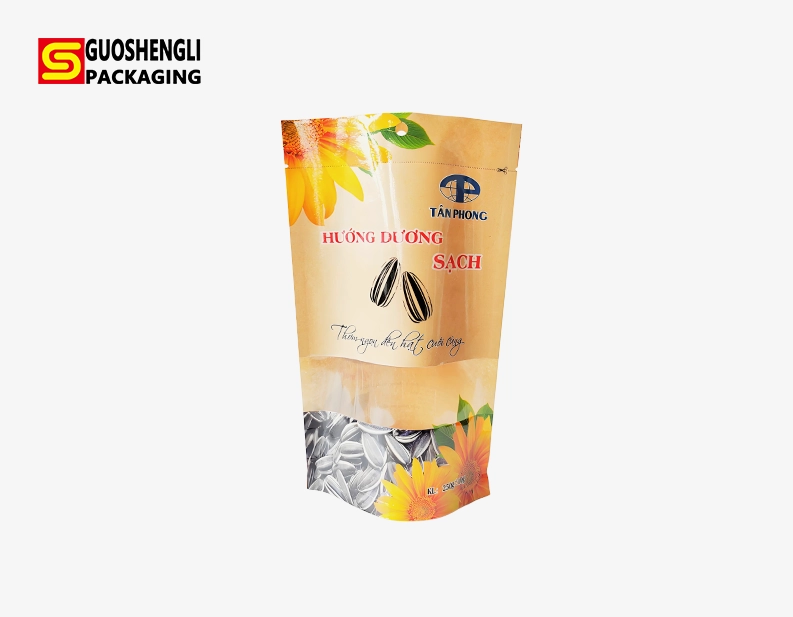
Granular foods like table salt, sea salt, and distinctive spices need non-wet materials. The barrier protection prevents humidity-induced clumping, preserving product quality throughout distribution and storage. Many designs include a glass window panel to show clients the product's quality and quantity, building confidence via transparency.
Heat Resistance for Hot-Fill Applications
To make sure they are safe and to extend their shelf life, many liquid products need to be hot-filled or sterilized in a retort. Because the inner layer is made of RCPP (Retort Cast Polypropylene), these pouches can handle temperatures between 85°C and 95°C for filling and even 121°C for retort sterilization. Because it doesn't change much at high temperatures, this style is good for baby food purees, stews, and gravies.
Structural Integrity During Transit
Better puncture resistance, measured in Newtons, makes sure that packages can handle the rough conditions of shipping and handling. Precision heat sealing with special spout sealing molds stops delamination at the interface with the spout, which is the weakest part of the package's structure. Ultrasonic welding or advanced heat-sealing methods are used by good makers to make sure that their products don't leak throughout their entire lifecycle.
These protective qualities are very important for procurement workers who are trying to keep products from going bad and make sure they stay of high quality thru complicated supply lines. Profitability is directly affected by the longer shelf life and lower damage rates, which also protect brand trust and customer loyalty.
Cost-Effectiveness and Supply Chain Efficiency
Material and Transportation Savings
Because they are lighter than hard containers, flexible bags with spouts save a lot of money. Unfilled pouches take up about 90% less space in a warehouse than rigid bottles or jars of the same size. This huge improvement in space economy means lower storage costs and better control of inventory. Even when they are full, the pouches are still much lighter than alternatives made of glass or rigid plastic. This saves money on shipping costs and reduces the environmental impact.
Because film is used instead of molded plastic or glass, the cost of materials per unit is usually less than that of solid packing. The processes used to make flexible packaging use less energy than blow-molding bottles or forming glass containers, which helps keep costs down.
Optimized Logistics Operations
From a purchasing point of view, these pouches make lean transportation tactics possible in a number of ways. Businesses can keep more empty packaging on hand without having to grow their warehouses because the empty measurements are small. The lighter shipping weight per unit lowers freight costs across the entire delivery network. This is especially helpful for businesses that sell in more than one area.
Flexible minimum order amounts help companies at all stages of growth, from new companies trying out new product ideas to well-known brands dealing with changes in seasonal demand. This scalability helps with efficient planning of purchases without requiring too much store investment.
Labor and Equipment Efficiency
Once the systems are set up correctly, the pouches work well with automatic filling lines and can support output speed that is similar to that of standard containers. Modern spout pouch packaging filling equipment can work at speeds that meet most production needs, especially when you consider how much money you save on packing and how easy it is for customers.
All of these things make buying things easier and lower the costs of running a business. This makes flexible bags with built-in spouts a smart choice for supply chain professionals who want to save money and see a clear return on their investment.

Customization and Branding Opportunities
Design Flexibility for Market Differentiation
Format allows businesses several options to express themselves via forms, sizes, spout positions, and closing kinds. Businesses may tailor their goods to their target market's needs and use. Spout width may range from 8.5 mm for beverages to 33 mm for sauces or dry powdered spices.
Advanced 11-color rotogravure printing lets you create brilliant images and logos for whole shop shelves. With its vast printing space, the label may convey a brand's narrative, provide nutritional information, demonstrate usage, or transmit a promotional message. High-quality printing preserves brand colours throughout manufacturing runs. This maintains brand consistency.
Strategic Window Placement
The clear window panel can be placed in a way that shows off the quality of the product and boosts customer trust. When combined with dynamic full-surface printing, this makes packaging that sells itself thru its good looks and clearness. Being able to see the real thing makes people less hesitant to buy it and helps brands stand out in categories where the way a product looks indicates its quality.
Functional Features That Add Value
Customization goes beyond how something looks; it can also include functional parts like child-proof caps, tamper-evident seals, and different spout designs for different dispensing needs. During the planning process, these features can be chosen to meet regulatory needs or improve the user experience for certain types of products.
This design versatility is especially useful for companies in the food, drink, personal care, and industrial liquid industries that want to raise brand awareness and market presence. It is clear that strategic customizing of packaging makes products more appealing and helps build brand value in competitive markets.
Eco-Friendly and Sustainable Packaging Solutions
Recyclable Material Structures
More people are concerned about the environment, which has sped up the development of environmentally friendly flexible packaging. Structures made of only PE can be recycled thru local recycling programs, and the EVOH coats give them great barrier qualities. This new technology fixes problems that people had with multi-material laminates that were hard to recover.
Switching from stiff to flexible containers greatly lowers the carbon footprint of packing. Because it is lighter, it creates fewer emissions during transport across the distribution network. Because the amount of material used is less, fewer resources are needed to make it. These real, measured environmental benefits give brands real sustainability stories they can share with customers who are becoming more eco-conscious.
Production Environmental Controls
To reduce pollution during production, responsible companies use cutting edge environmental technologies such as imported RTO (Regenerative Thermal Oxidizer) exhaust gas treatment systems. These investments show that the company cares about the environment during the whole manufacturing process, not just when designing the final product.
Supporting Corporate Sustainability Goals
Businesses can follow changing environmental rules and meet customer standards for sustainability performance by using eco-friendly packaging options. When procurement teams work with suppliers that offer eco-friendly packaging, their company can improve its image while still upholding high standards for product safety.
The environmental benefits give the company a strong competitive edge in areas where people are looking for brands that really care about the environment. This alignment between business goals and environmental concerns is a big change in how packing is done.
Conclusion
Spout pouch packaging with built-in spouts have many strategic benefits, such as making things easier for customers, protecting products better, saving a lot of money, letting you customize a lot, and actually being better for the environment. These five main benefits cover all the complicated needs of current business-to-business buying across many different businesses. When manufacturers use this type of packaging, they get real benefits in business efficiency, brand differentiation, and environmental performance. The format's ability to work well with a wide range of materials, from food to industrial liquids, shows how flexible and reliable it is. The compelling value proposition of this flexible format makes it worth serious consideration in strategic sourcing decisions for procurement professionals looking for package solutions that offer performance across multiple dimensions.
FAQ
1.How do you prevent leakage at the spout insertion point?
Stopping leaks requires precision engineering at the spout-film interface. Quality manufacturers utilise ultrasonic welding or "W"-shaped heat-sealing bars to melt the film uniformly around the spout base. ASTM D3078 vacuum leakage testing checks seal integrity before shipment. Burst pressure testing determines pallet weight capacity. These quality control procedures address procurement professionals' key worry regarding flexible packaging reliability.
2.Can this packaging format support hot-filling processes?
Of course. Inner pouch layers made from RCPP can withstand filling temperatures between 85°C and 95°C and retort sterilisation at 121°C. This heat resistance allows pasteurisation and sterilisation of baby food, soups, and other warm items. To ensure manufacturing compatibility, materials and structure must be specified throughout the purchase process.
3.What recyclability options exist for these pouches?
All-PE structures made of a single material are the most recyclable option available right now, and many city recycling programs accept them. Instead of layers of aluminum foil, these structures use EVOH coating technology to keep their barrier properties. Traditional multi-layer laminates are hard to recycle, but material science is always working to find better ways to get rid of these materials. Teams in charge of buying things should talk to suppliers about their specific sustainability needs in order to find options that meet both environmental goals and product protection needs.
Partner With Guoshengli Packaging for Your Spout Pouch Needs
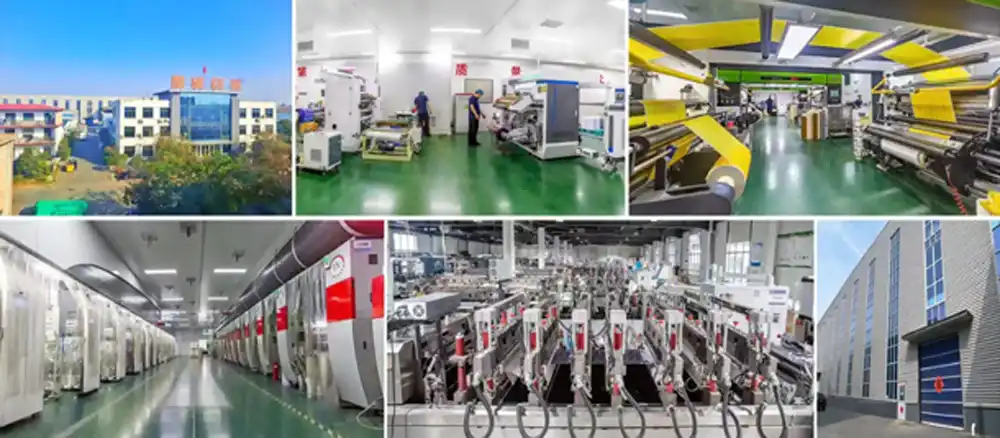
Businesses that need reliable spout pouch packaging options can turn to Guoshengli Packaging, which has been making flexible packaging for 25 years. We use a factory-direct method that combines advanced production tools—such as 7 rotogravure printing lines, 6 laminating machines, and 49 converting machines—with full quality certifications, such as ISO 9001, BRC, FDA, and SGS compliance. We know that procurement managers need more than just reasonable prices. They also need quality that doesn't change when they place another order, reliable delivery times, and clear technical communication throughout the relationship.
Our engineering team works with clients from the first design meeting thru sampling, production, and helping with logistics. We design packing solutions that work with your filling equipment, government rules, and market placing, whether you're using them for food, personal care items, or industrial liquids. Rotogravure printing takes 15–20 days for production runs, while digital printing takes 7–10 days to get finished products to the market quickly for testing. As a reliable supplier, we offer the technical know-how and stable production that lowers risk and helps businesses grow over the long term.
You can email our team at sales@guoshengpacking.com to talk about your specific packaging needs, ask for samples to test the filling line, or look into custom design options that will help your brand stand out in a crowded market.
References
1. Robertson, Gordon L. "Food Packaging: Principles and Practice, Third Edition." CRC Press, 2012.
2. Marsh, Kenneth and Betty Bugusu. "Food Packaging—Roles, Materials, and Environmental Issues." Journal of Food Science, Vol. 72, 2007.
3. Selke, Susan E.M., John D. Culter, and Ruben J. Hernandez. "Plastics Packaging: Properties, Processing, Applications, and Regulations, Third Edition." Hanser Publications, 2016.
4. Yam, Kit L. "The Wiley Encyclopedia of Packaging Technology, Third Edition." John Wiley & Sons, 2009.
5. Brody, Aaron L. and Kenneth S. Marsh. "The Wiley Encyclopedia of Food Science and Technology: Flexible Packaging of Foods." John Wiley & Sons, 1999.
6. Soroka, Walter. "Fundamentals of Packaging Technology, Fourth Edition." Institute of Packaging Professionals, 2009.