- English
- French
- German
- Portuguese
- Spanish
- Russian
- Japanese
- Korean
- Arabic
- Greek
- German
- Turkish
- Italian
- Danish
- Romanian
- Indonesian
- Czech
- Afrikaans
- Swedish
- Polish
- Basque
- Catalan
- Esperanto
- Hindi
- Lao
- Albanian
- Amharic
- Armenian
- Azerbaijani
- Belarusian
- Bengali
- Bosnian
- Bulgarian
- Cebuano
- Chichewa
- Corsican
- Croatian
- Dutch
- Estonian
- Filipino
- Finnish
- Frisian
- Galician
- Georgian
- Gujarati
- Haitian
- Hausa
- Hawaiian
- Hebrew
- Hmong
- Hungarian
- Icelandic
- Igbo
- Javanese
- Kannada
- Kazakh
- Khmer
- Kurdish
- Kyrgyz
- Latin
- Latvian
- Lithuanian
- Luxembou..
- Macedonian
- Malagasy
- Malay
- Malayalam
- Maltese
- Maori
- Marathi
- Mongolian
- Burmese
- Nepali
- Norwegian
- Pashto
- Persian
- Punjabi
- Serbian
- Sesotho
- Sinhala
- Slovak
- Slovenian
- Somali
- Samoan
- Scots Gaelic
- Shona
- Sindhi
- Sundanese
- Swahili
- Tajik
- Tamil
- Telugu
- Thai
- Ukrainian
- Urdu
- Uzbek
- Vietnamese
- Welsh
- Xhosa
- Yiddish
- Yoruba
- Zulu

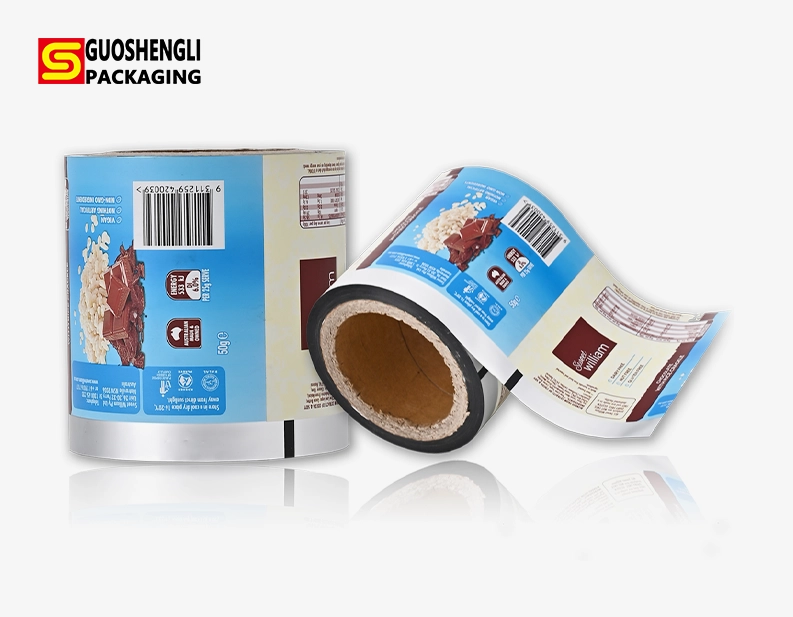
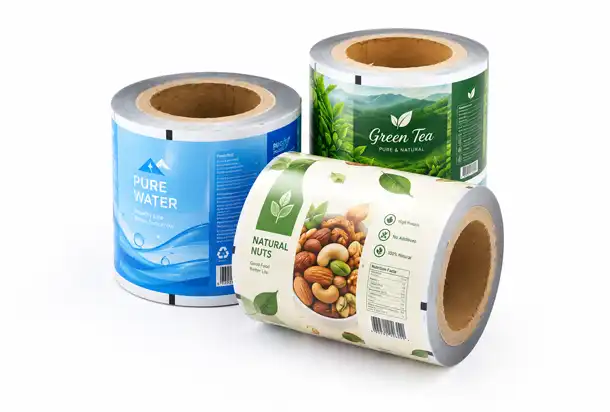
High barrier film rollstock serves as the foundation for efficient, scalable automated packaging operations by delivering consistent protection against moisture, oxygen, and contaminants across thousands of production cycles. These multi-layer engineered films maintain precise dimensional tolerances and barrier properties, enabling VFFS and HFFS machines to run continuously without unexpected stoppages or quality deviations. Manufacturers processing coffee, snacks, nuts, and dry foods rely on this material stability to achieve extended shelf life and minimize waste—critical factors when operating at industrial volumes where even small inefficiencies compound into significant costs.
Understanding High Barrier Rollstock Film in Automated Systems
Modern factories that make food need packaging materials that can be used over and over again at high speeds. Multi-layer barrier films use different types of polymer layers, like EVOH to block oxygen and metallized coatings to block light, to make a tight seal around fragile items. These composite structures are better than single-layer materials because they balance mechanical strength with barrier performance. This means they can handle the tension, heat, and forming pressures that are common in automated packaging environments.
What Makes Barrier Films Compatible with Form-Fill-Seal Equipment
Form-fill-seal machines need films that have certain properties, like a thickness that stays the same across the web, a heat seal initiation temperature that can be predicted, and the right coefficient of friction to make moving the film around easily. In order to maintain uniform properties, High barrier film rollstock designed for these uses goes through precise coating and lamination processes. This level of regularity stops common production problems like uneven sealing, film twisting, or early web breaks that stop work and make more waste.
Core Properties That Enable Production Efficiency
The protective power of a film is determined by its Oxygen Transmission Rate (OTR) and Water Vapor Transmission Rate (WVTR). High-performance materials have an OTR below 1.0 cc/m²/24h. Mechanical qualities are also very important. Puncture resistance keeps the package intact while it is being handled, and controlled COF values make it easier for the film to move through machines. When these factors stay the same across production batches, producers don't have to make as many changes to the line, and the output is more predictable.
Integration Into Automated Operations
Compatibility is more than just a number. Production managers check how well rollstock works during quick start-stop cycles, whether it stays in place during printing and sealing, and how it reacts to changes in temperature in different parts of the facility. Films made just for automation have features like better slip resistance and better sealing windows that make a big difference in how well the equipment works as a whole.
Key Benefits of Using High Barrier Rollstock Film in Scalable Systems
Value is created by automated packing lines through volume and regularity. With the right picture material, these benefits are amplified while practical risks that cut into profits are cut down.
Extended Shelf Life Protection
When exposed to air, products that contain oils, flavors, or ingredients that are sensitive to wetness will break down. A stable microenvironment is created by High barrier film rollstock, which inhibits the oxidation and moisture migration. For example, coffee roasters can keep volatile aromas fresh for 6 to 9 months, which is a lot longer than what normal packaging can do. This longer security window cuts down on product returns, increases the number of ways the product can be sold, and helps the premium placement in competitive markets.
Reduced Machine Downtime and Waste
Operators have to keep changing the tension, temperature, and speed settings because the quality of the film isn't always the same. Each change takes time away from output and creates waste while the process is stabilizing. This difference isn't there when films are made with tight limits. When the thickness, seal strength, and barrier properties stay the same from roll to roll, packaging lines stay in the best position for the whole production run, which directly leads to more work being done per shift.
Heat Resistance for High-Speed Operations
In automated lines, sealing happens in milliseconds, so films need to be able to react reliably to sudden changes in temperature. Multi-layer structures designed with the right heat seal layers form strong ties within small temperature ranges, which can adapt to changes in the environment or the settings of the machine. When production is scaled up, this temperature stability is very important because machines going at full speed can't handle materials that don't seal properly or burn at normal settings.
Cost Advantages Through Optimized Material Engineering
Even though premium barrier films cost more per unit than common materials, overall packaging costs often go down. Thinner gauge films with better barrier properties offer the same level of protection at a lower material weight, which saves money on shipping costs and storage space. When you add in the longer shelf life that cuts down on waste costs, the business case becomes strong. When procurement teams look at cost-per-protected-unit instead of cost-per-kilogram, they usually find big ways to save money.
Types of High Barrier Rollstock Film and Their Applications
In different working situations, different types of materials need to be used. Knowing the different film systems out there makes it easier to match technology requirements with real-world operations.
Multi-Layer Composite Structures
Most high-performance barrier films are made up of three to seven separate layers, with each layer adding its own properties. Polyester for stiffness, EVOH for oxygen barrier, and polyethylene for heat sealing might all be used in a typical structure. These materials are bonded together through lamination processes that make a single web. These composites cover better than single-layer options while still being able to be worked on with normal tools.
EVOH Versus Metallized Barrier Technologies
EVOH-based films are great at blocking oxygen flow, which means they can be used on fatty foods that tend to go bad quickly. At a reasonable price, metallized films are great at blocking light and keeping some moisture out. When making clear goods, manufacturers often choose EVOH because it is clear, while metallized films are more cost-effective for dark uses. For the best security, some uses both methods together by layering EVOH and metal deposition.
Sustainable Mono-Material Developments
More rules and companies' commitments to being environmentally friendly are making people want recyclable packaging structures. Advanced polyethylene films made of a single material and barrier layers (like aluminum oxide or silicon oxide vapor deposition) work very well and can still be recycled in the usual way. These solutions need to be carefully tested because not all products can handle lower barrier levels than traditional laminates. However, they are useful options when environmental concerns affect buying decisions.
Application-Specific Configurations
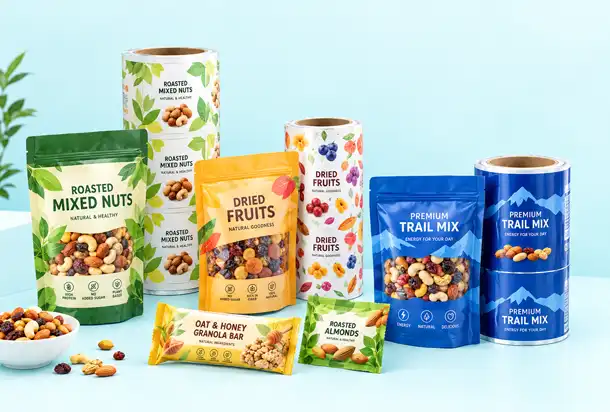
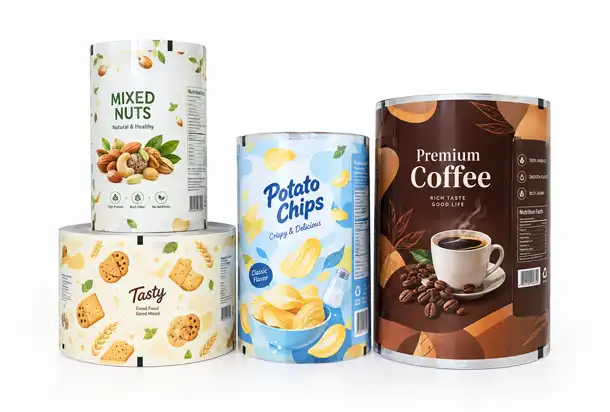
To keep taste ingredients safe, coffee packaging usually needs degassing valves and high oxygen barriers. Dried snacks need to be kept dry, but they can handle some air. Controlling both moisture and air is important for powdered vitamins so that they don't clump and lose their nutrients. To choose the right material, you must first know how sensitive the product is, how long it needs to last, and how it will be distributed. Then, you must match the High barrier film rollstock specifications to the specific problems you face instead of using general solutions.
Procurement Considerations for High Barrier Film Rollstock in Automated Systems
When choosing a film supplier, you need to look at their technical skills, how reliable they are, and how stable their business terms are for long-term production.
Critical Quality Certifications and Compliance
In North America, food-contact packaging has to follow FDA rules. In Europe, it has to follow EU directives. BRC approval shows that quality management is organized and meets the needs of stores around the world. These certificates are more than just pieces of paper; they mean that testing procedures, traceability systems, and manufacturing controls have been put in place to make it less likely that non-compliant materials will get into your production plant. Make sure that any possible sellers have up-to-date certifications and can give you specific compliance documents, such as the results of transfer testing.
Supplier Production Capabilities and Capacity
Suppliers often have problems with production when they can't handle rising volumes or urgent reorders. Check out the machinery for making things. How many printing and sealing lines are there? What kind of backup capacity is there for repair or times when demand is high? Suppliers that have a lot of equipment, like factories with dozens of transforming machines and various gravure printing lines, can grow with their customers. Our building has 49 converting units, 7 printing lines, and 6 laminating tools to make sure that output users always have the materials they need.
Lead Time Management and Inventory Flexibility
For rotogravure printing, the standard wait time for custom-printed High barrier film rollstock is 15 to 20 days. For smaller quantities or design changes, digital printing can be done in 7 to 10 days. Strategies for buying things should weigh the costs of keeping inventory against the chance that production will stop. Suppliers with flexible minimum order quantities let you try out new products or seasonal changes without having to commit to a lot of inventory. Knowing a supplier's fast production options gives you choices when demand changes without warning.
Customization and Technical Support Capabilities
Each product has its own unique packaging problems. When suppliers offer real technical collaboration instead of just order fulfillment, they help customers get the best film specifications for their needs. This support should include help choosing the right material, making sure the barrier properties are optimized for real-life storage conditions, and making sure they work with current filling equipment. Companies that have been using flexible packaging for decades have a lot of information that keeps companies from having to spend a lot of money on expensive trial-and-error methods when switching materials.
Total Cost Analysis Beyond Unit Pricing
The cost of materials is only one part of the total cost of packaging. When making choices about what to buy, people should think about how much waste there is during production, how barrier features affect product losses, and how film consistency affects the cost of work for making line changes. Films that are easier to make may be worth the extra cost because they cost less to run. It is possible to make fair comparisons between potential providers by asking for thorough technical data sheets with specific OTR, WVTR, and mechanical properties.
Future Prospects and Innovations Impacting High Barrier Rollstock Films
Sustainability concerns, digitalization trends, and shifting customer standards are all pushing packaging technology to keep changing.
Sustainable Material Innovation
The packaging industry is under more and more pressure to protect products while also having less of an effect on the environment. New developments in barrier films that can be recycled show that efficiency and sustainability don't have to be at odds with each other. Modern covering methods and structures made of a single material make barrier qualities that are similar to those of traditional laminates made of multiple materials. Our company has packaging options that are 100% reusable and are designed to protect things reliably. These options are backed by foreign RTO exhaust gas treatment technology that lowers the amount of pollution made during production.
Smart Packaging Integration
Industry 4.0 ideas are used in packing materials with sensors, QR codes, and NFC tags built in. These tags make the supply chain more visible and allow customers to interact with the products. For these features to work, the films need to have accurate printing registration and be made of a stable material that keeps the usefulness of electrical parts. As more automatic systems connect to corporate data platforms, packaging materials need to be able to meet these new needs without losing their main purpose of protection.
Digitalization of Quality Control
Modern screening systems now check the properties of films in real time while they are being made. This way, any changes in thickness or covering flaws can be found before the goods are sent to customers. This quality control based on data cuts down on the differences between batches that mess up automated packaging processes. When suppliers invest in these technologies, they can deliver more consistent materials, which gives them a competitive edge as customers demand ever-tighter specifications to make sure equipment works as efficiently as possible.
Conclusion
Materials that work regularly under tough production conditions are needed for automated packaging processes that can be scaled up. High barrier film rollstock that was made to work with form-fill-seal machines has the stability in size, barrier performance, and thermal properties needed for high-speed operation that you can count on. Comparing technical specs isn't enough for successful buying; you also need to look at the production capabilities, quality systems, and technical support resources of the seller to make sure that the materials will stay consistent over time. As demands for sustainability and digital integration change what people expect from packaging, it becomes more valuable to work with experienced manufacturers who invest in both tried-and-true technologies and new ones that are just coming out. Companies that use automated packaging lines can stay ahead of the competition by choosing materials that reduce downtime, keep products fresh longer, and allow for operational scalability.
FAQ
1.What differentiates high barrier films from standard rollstock materials?
Standard films offer basic security that works for goods with a short shelf life or uses that don't need to be sensitive. High barrier film rollstock has special layers—EVOH, PVDC, or metallized coatings—that make it much harder for air and moisture to pass through. This better security makes the shelf life months instead of weeks, which is very important for goods whose quality loss directly affects their ability to sell. Controlled mechanical qualities that regular films can't match are also part of the material engineering that makes sure it works with automated machinery.
2.How do we select appropriate barrier specifications for specific products?
First, figure out how sensitive the product is. For example, does it oxidize, soak up water, or lose volatile flavors? Next, figure out how long you want the food to last and how it will be stored. Items that need to be kept cool for 12 months need lower OTR and WVTR than items that need to be kept cold for 90 days. Talk to packaging suppliers who have experience with your type of product. They can give you advice based on tried-and-true specifications instead of theoretical combinations that might not work well in real life.
3.Can sustainable barrier films match traditional laminate performance?
New developments in single materials have reached barrier levels good for many uses, but some high-sensitivity products still need the old-fashioned multi-layer structures. Instead of over-specifying security, the key is to fit the material's abilities to what is actually needed. Many products can handle slightly higher transmission rates without losing quality, which means that films that can be recycled are a good idea. Testing is still very important—make sure the shelf life works in real-world distribution settings before making big changes to the materials used.
Partner with Guoshengli Packaging for Reliable High Barrier Film Rollstock Supply
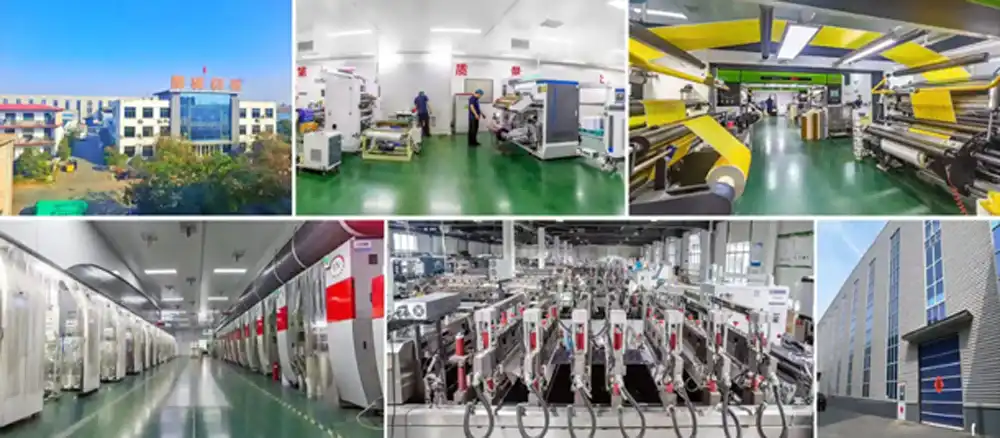
Guoshengli Packaging has been making flexible packaging for more than 25 years and is now using automatic production settings. We know that packaging problems happen during ongoing production runs, not just original samples, because we are a well-known supplier of High barrier film rollstock. Our ISO 9001, BRC, FDA, and SGS-certified facility has strict quality controls that make sure the film properties stay the same from one order to the next. This gives your filling lines the stability they need to keep running smoothly. We can handle both big orders and urgent reorders with our 7 printing lines, 6 laminating machines, and 49 converting units. For rotogravure printing, wait times are 15 to 20 days, and for digital options, they are 7 to 10 days. Our team can help you with everything from choosing the right materials to making the best barriers. We can help you find the right balance between protecting your assets and staying within your budget. Contact our experts at sales@guoshengpacking.com to talk about your specific application needs and get detailed material suggestions that are in line with your equipment's capabilities and your need to protect your products.
References
1. Robertson, G.L. (2016). Food Packaging: Principles and Practice, Third Edition. CRC Press, Boca Raton.
2. Marsh, K. & Bugusu, B. (2007). Food Packaging—Roles, Materials, and Environmental Issues. Journal of Food Science, 72(3), R39-R55.
3. Siracusa, V., Rocculi, P., Romani, S. & Rosa, M.D. (2008). Biodegradable Polymers for Food Packaging: A Review. Trends in Food Science & Technology, 19(12), 634-643.
4. Selke, S.E., Culter, J.D. & Hernandez, R.J. (2004). Plastics Packaging: Properties, Processing, Applications, and Regulations, Second Edition. Hanser Publications, Munich.
5. Coles, R., McDowell, D. & Kirwan, M.J. (2003). Food Packaging Technology. Blackwell Publishing, Oxford.
6. Yam, K.L. (2009). The Wiley Encyclopedia of Packaging Technology, Third Edition. John Wiley & Sons, Hoboken.