- English
- French
- German
- Portuguese
- Spanish
- Russian
- Japanese
- Korean
- Arabic
- Greek
- German
- Turkish
- Italian
- Danish
- Romanian
- Indonesian
- Czech
- Afrikaans
- Swedish
- Polish
- Basque
- Catalan
- Esperanto
- Hindi
- Lao
- Albanian
- Amharic
- Armenian
- Azerbaijani
- Belarusian
- Bengali
- Bosnian
- Bulgarian
- Cebuano
- Chichewa
- Corsican
- Croatian
- Dutch
- Estonian
- Filipino
- Finnish
- Frisian
- Galician
- Georgian
- Gujarati
- Haitian
- Hausa
- Hawaiian
- Hebrew
- Hmong
- Hungarian
- Icelandic
- Igbo
- Javanese
- Kannada
- Kazakh
- Khmer
- Kurdish
- Kyrgyz
- Latin
- Latvian
- Lithuanian
- Luxembou..
- Macedonian
- Malagasy
- Malay
- Malayalam
- Maltese
- Maori
- Marathi
- Mongolian
- Burmese
- Nepali
- Norwegian
- Pashto
- Persian
- Punjabi
- Serbian
- Sesotho
- Sinhala
- Slovak
- Slovenian
- Somali
- Samoan
- Scots Gaelic
- Shona
- Sindhi
- Sundanese
- Swahili
- Tajik
- Tamil
- Telugu
- Thai
- Ukrainian
- Urdu
- Uzbek
- Vietnamese
- Welsh
- Xhosa
- Yiddish
- Yoruba
- Zulu

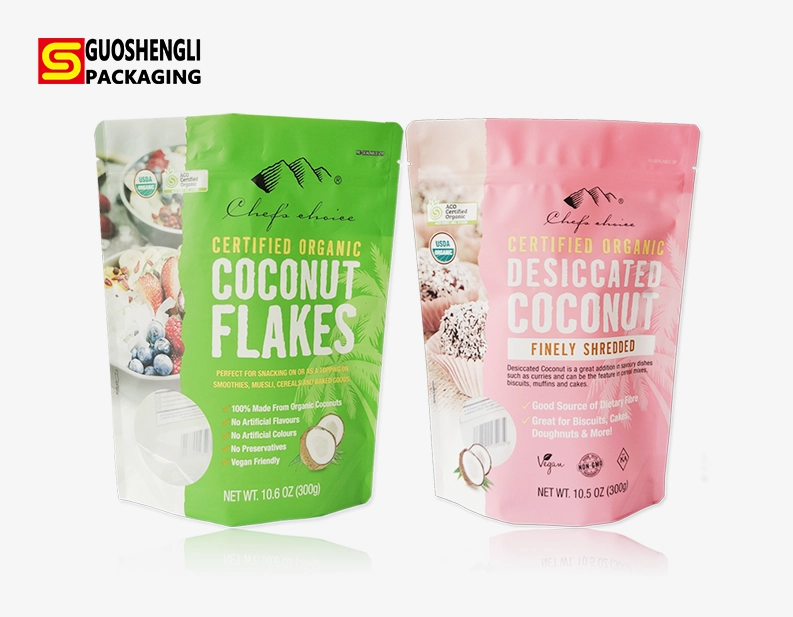
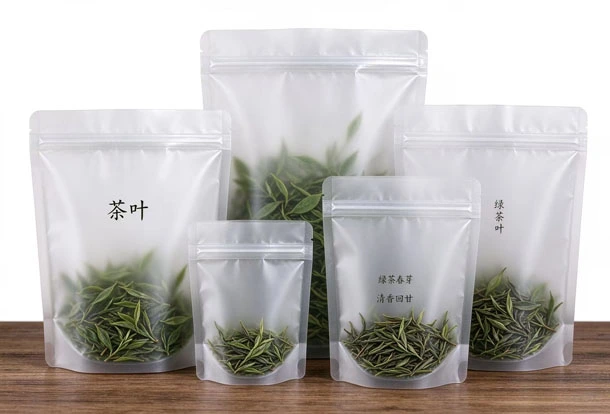
If you are sourcing packaging for a tea brand, stand up pouches deserve serious consideration. These flexible, upright bags combine superior barrier protection with strong shelf presence — two qualities that matter deeply in the competitive U.S. tea market. Unlike flat pouches or rigid tins, stand up pouches preserve aroma and freshness while giving your brand maximum visual real estate on retail shelves. Whether you are launching a new blend or scaling an established line, the right stand up pouch can elevate both product quality and brand perception.
Understanding Stand-Up Pouches and Their Relevance to Tea Packaging
Tea has a soft taste. Its main enemies are air, moisture, and light, and bad packing makes it go bad faster than most brands know. Stand-up pouches directly address this weakness by using multi-layer laminate structures that protect against all three factors that cause food to go bad. These structures usually include VMPET (Vacuum Metallized Polyester), aluminum foil, and food-grade inner films.
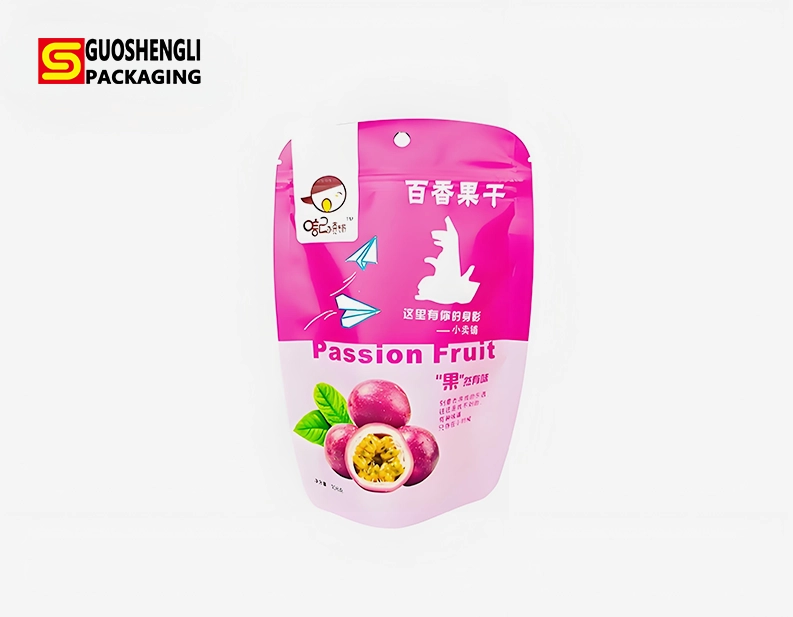
The fact that stand-up pouches can be made in a number of different ways makes them perfect for tea. Because the bottom flap is strengthened, the pouch can stand up straight on store shelves, making a full-front branding panel that flat pouches can't match. If you add a reusable zipper, you give people a good reason to use the same bag over and over again. This keeps the food fresh longer after opening it and encourages people to buy it again.
Why the Tea Category Specifically Benefits?
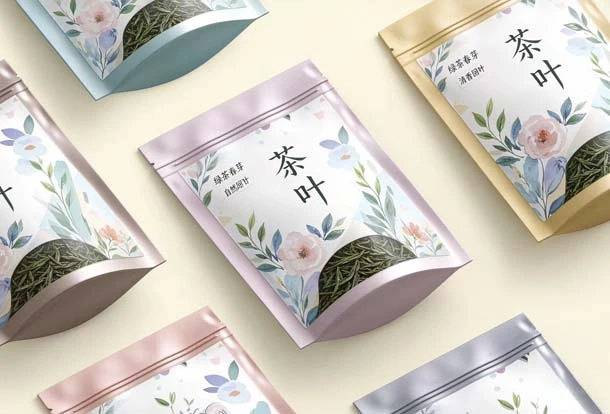
No matter what kind of tea it is—loose-leaf, herbal, matcha, or specialty blend—the packaging needs to make it clear right away that the tea is of the highest quality. The State of the Specialty Food Industry report (2023) from the Specialty Food Association says that the style of the package is one of the main factors that leads people to buy specialty drinks. High-definition printing, matte finishes, spot UV treatments, and clear windows can all be used on stand-up pouches to give them a sophisticated, shelf-ready look that appeals to today's picky tea buyers.
Key Criteria for Choosing the Right Stand-Up Pouch for Tea Packaging
Picking the right stand up pouches for tea packaging is about more than just how it looks. The structure of the material, how well it works, and the quality of the print are all very important for protecting your product and accurately representing your brand.
Here are the main things that every tea brand should look at when choosing a supplier:
- Barrier material: VMPET and aluminum foil laminates protect the best against oxygen and wetness getting in, which is important for keeping the tea's flavor and making it last longer.
- Resealable closure: A normal zipper lock or a child-proof lock keeps the pouch closed between uses, which cuts down on waste and makes the customer experience better.
- Print fidelity: Rotogravure printing with up to 11 colors gives you accurate color reproduction and matte or glossy finishes that make your artwork look great every time.
- Functional add-ons: Easy-tear cuts, hang holes for peg displays, and clear windows all make store items more useful without adding a lot of cost.
The success on the shelf, compliance, and the chance of repeat orders are all directly affected by these factors. Before committing to full production runs, procurement managers should ask for material data sheets and pre-production samples. This is because color accuracy and laminate consistency are best checked in person rather than digitally.
Certifications That Cannot Be Overlooked
FDA food contact rules must be followed by all tea brands that want to sell in the U.S. The production rules of a seller are also checked by BRC Food Packaging Certification and ISO 9001 quality management standards. Before you place an order, you should always ask for proof. Certifications show that a company is dedicated to quality that can be tracked and repeated, not just a single sample performance.
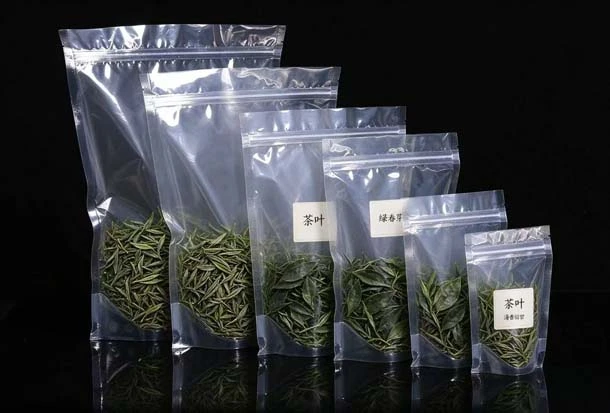
Comparative Insights: Stand-Up Pouches vs. Other Tea Packaging Solutions
Premium tea has been sold in rigid tins and folded boxes for a long time. But flexible bags are becoming more and more popular because they are cheaper to ship, use, and brand. This is especially true for mid-sized brands that are growing.
Stand-up pouches are much lighter than rigid cases, which means they cost less to ship, which is important for companies that do business around the world. Making flexible packaging also uses a lot less material, which lowers the cost per unit and helps with sustainability reporting. A study released in 2022 in the journal Packaging Technology and Science proved that rigid formats make up to 60% more packing trash by weight than flexible formats.
Having said that, stand-up pouches aren't always better. Tea items that are heavier or more fragile need more structure support. But for loose-leaf tea, tea bags, matcha powder, and herbal blends, flexible pouches work better than rigid ones in almost every way.
Where Stand-Up Pouches Win on Shelf
Shelf exposure gives you a measured edge over your competitors. A stand-up pouch makes good use of vertical shelf space, shows logos on multiple panels, and can be sold both standing up and with hang holes. Because of this, the style is perfect for both store shelves and e-commerce delivery, where the packaging needs to be able to withstand shipping while still looking good when it's opened.
Procurement Guide: How to Source the Best Stand-Up Pouches for Tea Packaging?
To find solid stand up pouches, you have to look at more than just price when comparing providers. If a provider has consistent lead times, a low minimum order quantity (MOQ), accurate printing between samples and large production, and good communication, they will either become a long-term partner or a constant source of trouble.
When choosing a stand-up pouches supplier, you should focus on the following:
- Production capacity: Suppliers with a lot of high-speed printing lines, laminating machines, and converting equipment can handle big jumps in volume without slowing down lead times.
- MOQ flexibility: Brands that want to test out new SKUs need to be able to do small production runs. Suppliers who offer digital printing for orders as low as 500 units lower the risk of losing money when a new product comes out.
- Sample-to-production consistency: Ask for a sample made from the same materials and structure that will be used for the bulk production. One of the most common complaints in flexible package sources is that samples and production runs don't match up.
- Regulatory documentation: FDA compliance letters, BRC certificates, and SGS test results should be given without being asked for over and over again.
Lead Time Planning for U.S. Tea Brands
Lead time control is very important for U.S. buyers. Rotogravure printing takes 15 to 20 days for bigger runs, while digital printing usually takes 7 to 10 days. From China, air freight takes 4 to 5 days, which makes the whole process doable for brands with set launch dates. Writing down production schedules and making sure they match up with your inventory cycle will help you avoid gaps at the shelf level.
Future Trends and Innovations in Tea Packaging with Stand-Up Pouches
Two forces that are coming together to shape the next generation of stand up pouches are standards for ecology and digital interaction. More and more U.S. customers are looking closely at the materials used in packaging, and stores are starting to require their suppliers to use reusable or compostable forms.
As an option to standard multi-layer laminates, structures made of one material that can be recycled are becoming more popular. These structures keep their barrier function while also being able to be recycled at the curb, which is a big plus for health-conscious tea makers. Compostable PLA/PBAT-based films are another new area of research, but they are more expensive per unit and need to be thrown away in a certain way.
On the digital side, brands can connect packaging directly to origin stories, brewing guides, and loyalty programs by putting QR codes on the outside of pouches. This makes the customer more interested without changing the way the pouch is made. Freshness markers, which are color-changing spots that show if a package has been exposed to too much air, are also becoming popular for high-end tea brands.
Conclusion
Tea makers can use stand up pouches as a packaging style that protects, makes a statement, and keeps the supply chain running smoothly. These flexible boxes solve the real problems tea brands face at retail, with features like VMPET barrier laminates that keep the tea fresh and high-definition printing that makes brand identity stand out. Working with a skilled and licensed flexible packaging maker will make sure that your packaging keeps up with changing customer needs and requirements for sustainability.
FAQ
1. Are stand up pouches safe for all types of tea?
Yes. The FDA and BRC make sure that food-grade stand-up pouches are safe for loose-leaf tea, tea bags, matcha powder, herbal mixes, and unique infusions. The inner laminate layer is allowed for food contact and doesn't have any smell, so flavors won't spread.
2. Should I choose a zipper or non-zipper pouch for tea?
For loose-leaf tea and matcha, which are often opened and closed many times, resealable buttons are highly recommended. For tea bag pouches or gift sets that are only used once, a structure without a zipper and an easy-tear notch is often enough and lowers the cost per unit.
3. Can I order custom-printed stand up pouches in small quantities?
Yes. Digital printing lets you order custom-printed pouches starting at 500 units, so you can use them to test the market, release new products, or make special versions without having to commit to large minimum orders.
4. How do I ensure the production matches my approved sample?
Ask your provider to use the same structure of the material, ink formulas, and laminate specs that were agreed upon during the sample process. As normal production controls, ask for copies before production and color checks as the job is being done.
Partner with Guoshengli Packaging for Your Tea Packaging Needs
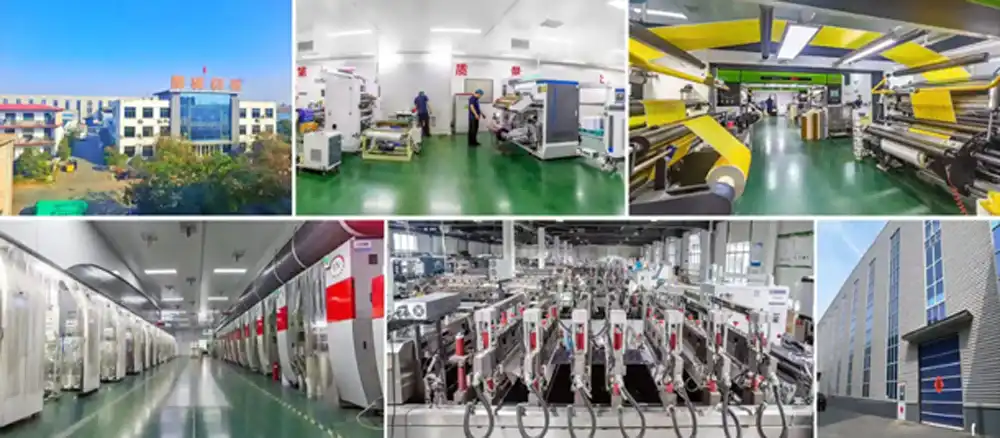
Serving tea and food brands in North America, Europe, and Asia-Pacific, stand up pouches is a stand-up pouches manufacturer with over 25 years of production experience. We make unique pouches that are FDA- and BRC-approved, and our minimum order quantities are variable. Lead times are as short as 7 days, and we can print in up to 11 colors using rotogravure. To get your sample kit or custom quote right away, email our team at sales@guoshengpacking.com to get started.
References
1. Specialty Food Association. State of the Specialty Food Industry Report. Specialty Food Association, 2023.
2. Coles, Richard, and Mark Kirwan, eds. Food and Beverage Packaging Technology. Wiley-Blackwell, 2011.
3. Packaging Technology and Science, Wiley, 2022.
4. Robertson, Gordon L. Food Packaging: Principles and Practice. CRC Press, 2013.
5. British Retail Consortium. BRC Global Standard for Packaging and Packaging Materials. BRC Publishing, 2019.
6. U.S. Food and Drug Administration. Guidance for Industry: Packaging Materials for Use in Microwave Ovens and Food Contact Applications. FDA, 2020.