- English
- French
- German
- Portuguese
- Spanish
- Russian
- Japanese
- Korean
- Arabic
- Greek
- German
- Turkish
- Italian
- Danish
- Romanian
- Indonesian
- Czech
- Afrikaans
- Swedish
- Polish
- Basque
- Catalan
- Esperanto
- Hindi
- Lao
- Albanian
- Amharic
- Armenian
- Azerbaijani
- Belarusian
- Bengali
- Bosnian
- Bulgarian
- Cebuano
- Chichewa
- Corsican
- Croatian
- Dutch
- Estonian
- Filipino
- Finnish
- Frisian
- Galician
- Georgian
- Gujarati
- Haitian
- Hausa
- Hawaiian
- Hebrew
- Hmong
- Hungarian
- Icelandic
- Igbo
- Javanese
- Kannada
- Kazakh
- Khmer
- Kurdish
- Kyrgyz
- Latin
- Latvian
- Lithuanian
- Luxembou..
- Macedonian
- Malagasy
- Malay
- Malayalam
- Maltese
- Maori
- Marathi
- Mongolian
- Burmese
- Nepali
- Norwegian
- Pashto
- Persian
- Punjabi
- Serbian
- Sesotho
- Sinhala
- Slovak
- Slovenian
- Somali
- Samoan
- Scots Gaelic
- Shona
- Sindhi
- Sundanese
- Swahili
- Tajik
- Tamil
- Telugu
- Thai
- Ukrainian
- Urdu
- Uzbek
- Vietnamese
- Welsh
- Xhosa
- Yiddish
- Yoruba
- Zulu

Choosing the right spout pouch packaging starts with understanding your product's specific requirements and matching them to the technical capabilities of the packaging solution. Spout pouch packaging combines a high-barrier laminated pouch with an integrated thermoplastic spout, offering controlled dispensing, excellent product protection, and logistical efficiency. This packaging format addresses critical B2B concerns including cost reduction, shelf-life extension, and brand differentiation across food, beverage, personal care, and industrial applications. Selecting the optimal solution requires evaluating material structures, barrier properties, spout specifications, supplier certifications, and compatibility with your existing filling equipment to ensure consistent performance throughout your supply chain.
Understanding Spout Pouch Packaging and Its Benefits
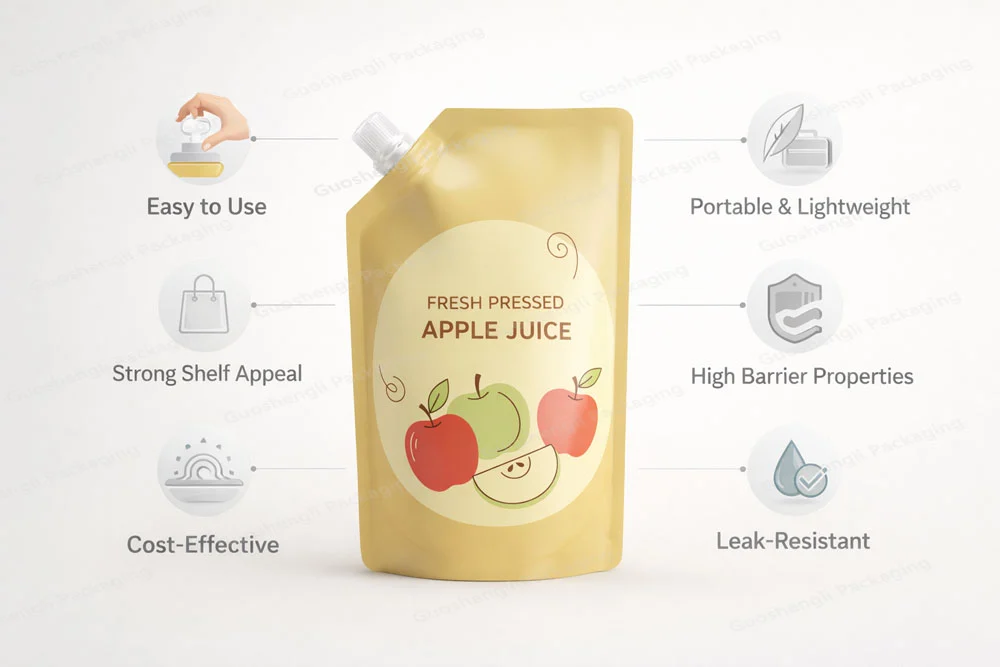
Spout pouch packaging is a complex type of flexible packaging that combines a multi-layer laminated bag with a stiff thermoplastic fitting. This mix makes a lightweight alternative to rigid containers that still protects products better and makes things easier for customers.
Definition and Core Functionality
The boxes are made of high-barrier films that are usually made up of PET, PA (Nylon), AL (Aluminum foil), and PE (Polyethylene) that are bonded together to meet certain barrier needs. The built-in spout, which comes in sizes from 8.5 mm to 33 mm, lets you control the pouring, and the structure itself keeps it in place on the shelf. With this design, customers can empty up to 99% of the goods, which means that almost no product waste happens.
Key Advantages for B2B Procurement
When purchasing managers look at flexible packaging with spouts, they see a number of strong advantages. Because empty pouches take up 90% less warehouse space than rigid containers, shipping costs go down by a lot. This improved storage efficiency directly leads to lower costs for keeping inventory and more efficient logistics operations.
High-barrier materials with very low Oxygen Transmission Rates (OTR) and Water Vapor Transmission Rates (WVTR) make products last longer. These technical requirements keep the integrity of the product by stopping moisture, oxidation, and contamination during distribution cycles. The reusable spout design keeps the food fresh even after it's been opened, which cuts down on customer complaints and returns.
Material Options and Sustainability Considerations
Standard multi-layer structures work really well as barriers, and new All-PE mono-material choices can really be recycled through city recycling systems. These structures can be recycled and keep their barrier properties with EVOH. This meets the needs of growing environmental regulations without lowering product safety.
RCPP (Retort Cast Polypropylene) inner layers allow hot-filling at temperatures between 85°C and 95°C and even retort sterilization at 121°C, which increases the number of ways that shelf-stable products can be used. The materials you choose have a direct effect on your sustainability story and how well you meet your corporate responsibility goals. This is a very important choice for putting yourself in the market in the long run.
Customization Capabilities for Brand Differentiation
The package style can handle rotogravure printing in up to 11 colors, which lets brands stand out on store shelves. Full-surface graphics and clear window screens make the packaging look good and let customers see how good the product is. This ability to customize helps brands stand out in markets with a lot of competition, where packaging is the main factor that makes people buy something at the point of sale.
Critical Criteria for Selecting Spout Pouch Packaging
To choose the right packaging, you need to carefully look at the product's features, the rules that apply, and the limitations of your business. To find solutions that work the same way every time, procurement teams have to weigh a lot of technical and business factors.
Product-Specific Requirements Assessment
The basic needs for packaging depend on its physical state. Liquid goods need protection that doesn't leak and spout sizes that match the thickness. For smooth pouring, thick soups need bigger holes (25–33 mm), while drinks work best with narrow holes (8.5–12 mm). Granular foods like salt and spices need materials that don't absorb water so they don't stick together while being stored or transported.
The volume needs affect the size of the pouch and how well it works with the filling line. Standard sizes range from 100ml to 5 liters, but custom sizes can be made for specific uses. Specifying the right number makes sure that the right amount of material is used and that production waste is kept to a minimum.
Barrier Properties and Sealing Reliability
Technical details are very important for keeping a product fresh. To make sure the barrier works, buyers should ask for written OTR and WVTR test results. Vacuum leak testing and burst pressure testing are objective ways to check the integrity of the seal and the strength of the structure under palletization loads.
The point where the spout meets the film is a key failure point. Ultrasonic welding or precise heat-sealing with special "W"-shaped sealing bars makes sure that the base of the spout melts evenly, which stops leaks during handling. Good providers test child-resistant caps for spout pressure to make sure they meet safety standards and can be used by the right people.
Regulatory Compliance and Certification Requirements
Materials that come into contact with food in spout pouch packaging must follow FDA and EU rules, which make sure that the chemicals are harmless and that harmful migrants are not present. Materials that don't contain BPA and liquid residue analysis (using Gas Chromatography) show that printing ink components can't get into goods. Certifications from ISO 9001, BRCGS, and SGS show that quality management and food safety rules are followed in a planned way.**
When a product is sold internationally, regulatory paperwork is very important. Full tracking from raw materials to produced goods helps purchasing teams meet audit standards and lowers the risk of not following the rules in many markets.
Cost Analysis and ROI Evaluation
Prices are different depending on the number of products ordered, the specifics of the materials, and how complicated the customization is. Flexible minimum order amounts let you test the market without having to commit to too much inventory. Instead of just looking at the unit price, people who work in procurement should look at the total cost of ownership, which includes things like savings on storage space, less money spent on freight, and fewer problems during transit.
Small price differences are less important than suppliers who are consistent over multiple orders. Poor quality causes filling lines to stop, shipments to be refused, and expensive production delays that quickly outweigh any initial savings from cheaper options.
Comparing Spout Pouch Packaging with Other Packaging Types
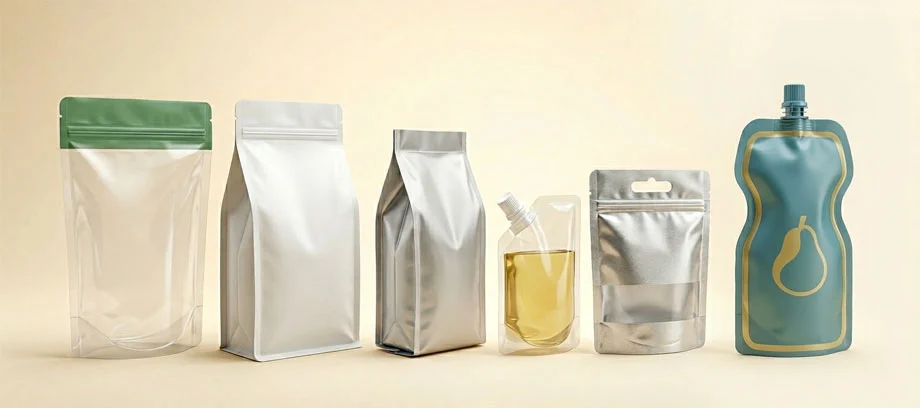
Procurement teams can make the best packaging choices for different uses and market conditions when they know when flexible pouches with spouts work better than other formats.
Spout Pouches Versus Stand-Up Pouches
Standard stand-up pouches without spouts are good for dry goods and one-time uses. Adding an opening makes the container more useful for liquids and semi-liquids and lets you close it again. The combined fitment increases unit costs by 15–25% but gives customers a much better experience with goods that need to be used for more than one thing. Controlled serving makes a big difference for drinks, sauces, and personal care products, so the extra money spent is well worth it.
Comparison with Rigid Bottles and Containers
Traditional plastic bottles and glass containers are easy for customers to use, but they are very hard to transport. When empty, rigid packaging weighs a lot more, which raises the cost of shipping each unit. The bigger volumetric footprint makes it more expensive to store and less efficient to ship.
Because of environmental concerns, open options are becoming more and more popular. Pouches use fewer raw materials to make the same amount of stuff, and they release less carbon dioxide over their whole life. The weight loss leads to real improvements in sustainability that support businesses' environmental goals and customers' preferences for brands that care about the environment.
Advantages Over Bag-in-Box Systems
Bag-in-box formats work well for large amounts of things like wine and industrial liquids, but they don't look good on store shelves. Pouches with spouts protect your goods like bag-in-box systems do, but they're also easy for customers to open and work well for smaller quantities. Because of this, spouted flexible packaging can be used in both store and food service without having to change its shape.
Transportation and Storage Efficiency Metrics
Quantitative comparisons show that there are big practical benefits. Empty bags can be stacked flat to make the best use of containers during incoming transport. Filled pouches fit better into shipping cartons than rigid bottles, so less void filling is needed and the pallet is more stable. Drop tests from normal heights (1.2m to 1.5m) show that the product is more resistant to impact, and spout-to-film welds that are properly sealed will stay intact during real-life handling accidents.
Selecting the Right Supplier and Ordering Guide
Long-term success in packaging depends more on the quality of the partnership than on the price at the start. By choosing makers with proven technical skills and quick customer service systems, you can keep quality problems and operating disruptions to a minimum.
Supplier Evaluation Criteria
Manufacturers with a good reputation show what they can do by having clear quality processes and written certifications for spout pouch packaging. ISO 9001 certification shows that the process is being controlled in a planned way, and BRC and FDA compliance show that the company knows how to keep food safe. Ask for facility audit records and customer examples to make sure that output stays the same for all orders.
Technical support is what sets capable suppliers apart from those who just take orders. Manufacturers should suggest materials based on the features of the product, a study of the filling process, and tests to see if they work with the tools you already have. Having access to applications engineering experts helps fix problems before they affect production.
Customization and Specification Process
Costly mistakes can be avoided by developing detailed specifications. Tell them about the product's pH levels, stickiness, temperature during filling, and how long it needs to be kept. Instead of using subjective language to describe size requirements, spout diameter preferences, barrier targets, and printing expectations, use measurable parameters instead.
For confirmation, pre-production sampling is still necessary. Fill testing can be done on real equipment with physical samples, which can show any interface problems before full production runs are committed to. During the sample process, you should check the color matching, print quality, and sealing performance.
Minimum Order Quantities and Lead Times
MOQs vary by pouch size, spout type, printing process and material structure. Digital printing may support smaller trial quantities, while gravure-printed orders commonly require higher volumes.. For testing the market, digital printing allows for faster runs (7–10 day lead times), while rotogravure printing provides better color stability for large-scale production (15–20 day lead times). Knowing these factors helps procurement teams balance the risk of having too much inventory with the efficiency of production.
Filling Equipment Compatibility
To make implementation work, the company that makes the packaging and the company that makes the filling equipment need to work together. Vertical form-fill-seal (VFFS) machines, pre-made pouch filling systems, and manual filling stations can all be used with spout pouch packaging, depending on the amount of work that needs to be done. To make sure that their products fit well with current lines, suppliers should include technical details like pouch tolerances, fitting measurements, and sealing parameters.
Best Practices for Handling and Maintaining Spout Pouch Packaging
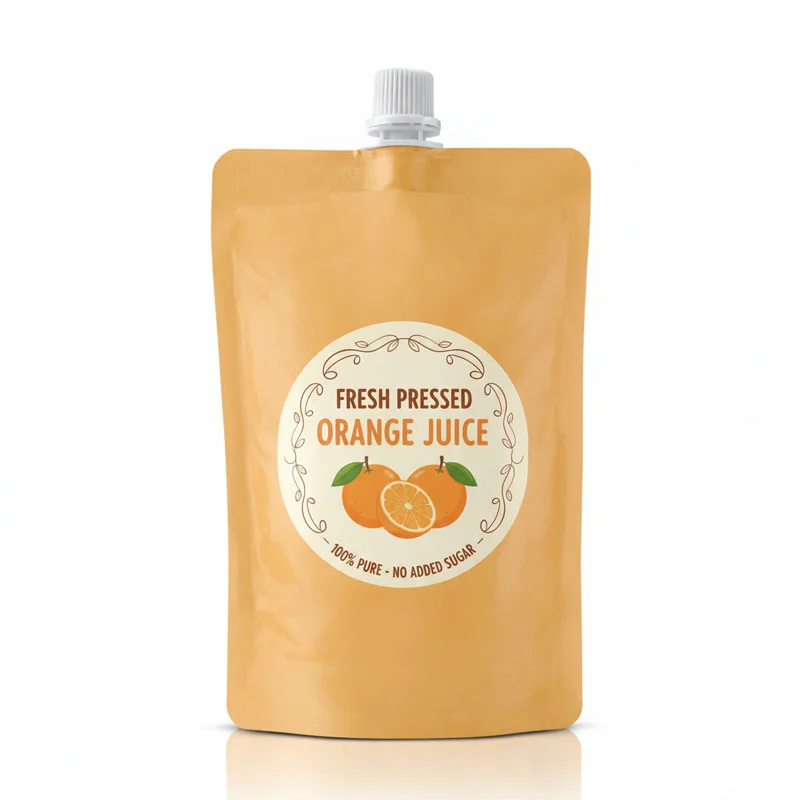
When you store, handle, and check the quality of your packaging the right way, it works better and causes fewer problems in the production chain.
Storage Conditions and Shelf Life
When not in use, bags should be kept in climate-controlled areas where the temperature is between 15°C and 25°C and the relative humidity is less than 60%. Too much heat can weaken glue ties in laminated structures, and too much humidity can make seals less reliable. Pouches should stay in their original boxes until they are ready to be used. This will keep them safe from dust, light, and damage caused by handling.
Inventory rotation using first-in, first-out (FIFO) makes sure that bags are used within the time frames that are suggested. When stored properly, most flexible packaging keeps working at its best for 12 to 18 months, though specific instructions depend on the material structure.
Sealing Techniques and Quality Verification
The safety and shelf life of a product are directly affected by the right sealing parameters. Temperatures, dwell times, and pressure settings for heat seals must be set according to the material specs given by the package maker. Regular quality checks of the seals, which include measuring the peel strength and looking at them visually, find problems before they affect a lot of seals.
Operators should check full bags to make sure the spout is lined up correctly, the seal is complete, and there are no wrinkles or other problems in the seal areas. Using statistical process control and keeping track of how often inspections are done makes sure that quality standards are the same between shifts.
Common Defects and Troubleshooting
Leakage at the points where the spouts meet usually means that the welding pressure is too low or the temperature settings are wrong. Weak seals may result from contamination, incorrect sealing parameters, material variation, misalignment or worn sealing components. Most of the time, sharp edges on filling tools or bad "head-to-tail" packing arrangements in shipping boxes cause holes to form during handling.
To solve these problems, we need to do a systematic root cause analysis instead of making changes on the fly. Keeping detailed records of output makes it possible to find patterns and take preventative and corrective actions that make tools work better overall.
Contamination Prevention Protocols
Keeping things clean during the filling process is important for making sure the products are safe. Cross-contamination is avoided by cleaning the filling tools, conveyor systems, and equipment used to handle pouches on a regular basis. When operators are trained in the right way to handle materials, foreign materials are introduced less during changeovers and normal production.
Conclusion
When choosing the right spout pouch packaging, you need to find a balance between technical performance, cost-effectiveness, and source dependability. The style has many great benefits, such as lower transportation costs, longer shelf life thanks to high-barrier materials, and easier access for customers. To make implementation work, you need to carefully look at what the product needs to do, make sure that the materials are right for the job, and work with manufacturers who provide consistent quality and quick technical support. Professionals in purchasing who carefully consider suppliers based on their certifications, output skills, and prospects for long-term teamwork give their companies a long-term edge in markets that are becoming more competitive.
FAQ
1. What advantages do spout pouches offer compared to rigid bottles?
Because they are lighter and take up less room, flexible pouches with built-in spouts cut shipping costs by 40 to 60 percent. They let people get rid of 99% of the contents, compared to 85-70% with bottles, which cuts down on waste. The format supports efforts to be more environmentally friendly by using buildings made of a single material that can be recycled. It also has great barrier qualities.
2. Can customization accommodate specific branding requirements?
Advanced rotogravure printing can make pictures in up to 11 colors, and the colors stay the same across production runs. Positioning clear window panels in a certain way can show off the quality of a product. Differentiation options like matte or glossy finishes, specialty coatings, and custom shapes make it easier for people to recognize your brand at retail.
3. How does packaging comply with food safety standards?
Reputable manufacturers offer materials that meet FDA and EU rules for food contact and come with full documentation of their chemical inertness. A study of the solvent residue shows that printer paints don't pose any migration risks. ISO 9001 and BRC certifications show that quality control is carried out in a planned way throughout production.
Partner with Guoshengli Packaging for Reliable Spout Pouch Solutions
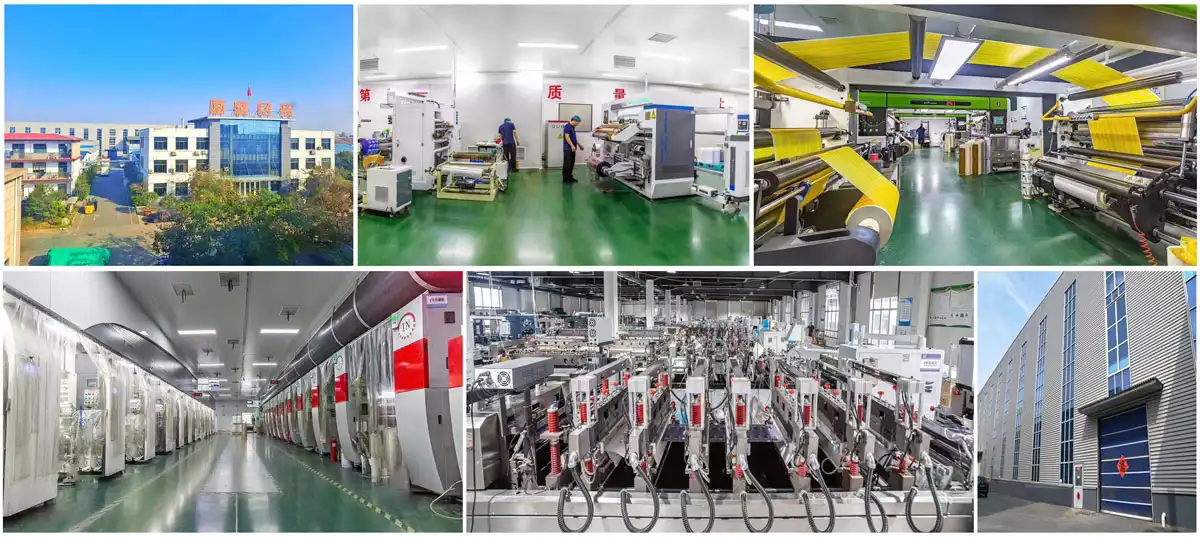
Guoshengli Packaging has been making flexible packaging for 25 years and can help brands avoid expensive production problems and inconsistent quality. As a reliable spout pouch packaging supplier, we offer factory-direct solutions with 7 specialized printing lines, 6 laminating machines, and 49 converting machines. This way, we can guarantee the same high quality for all repeat orders. Our ISO 9001, BRC, FDA, and SGS certifications show that we follow the rules for selling in foreign markets. Whether you need buildings made of a single material that can be recycled, RCPP options that can be hot-filled, or fast digital printing in 7–10 days, our expert team can help you with everything, from choosing the material to integrating it into production. Email our application engineers at sales@guoshengpacking.com to talk about your unique needs and get full technical specifications that are made to fit your product and filling equipment.
References
1. Robertson, G.L. (2016). Food Packaging: Principles and Practice (3rd Edition). CRC Press, Boca Raton, Florida.
2. Marsh, K. & Bugusu, B. (2007). Food Packaging—Roles, Materials, and Environmental Issues. Journal of Food Science, Vol. 72, Issue 3, pp. R39-R55.
3. Yam, K.L. (2009). The Wiley Encyclopedia of Packaging Technology (3rd Edition). John Wiley & Sons, Hoboken, New Jersey.
4. Coles, R., McDowell, D. & Kirwan, M.J. (2003). Food Packaging Technology. Blackwell Publishing, Oxford, United Kingdom.
5. Soroka, W. (2009). Fundamentals of Packaging Technology (4th Edition). Institute of Packaging Professionals, Naperville, Illinois.
6. Selke, S.E.M., Culter, J.D. & Hernandez, R.J. (2004). Plastics Packaging: Properties, Processing, Applications, and Regulations (2nd Edition). Hanser Publications, Munich, Germany.